Reviewed · TEA CEREMONY & MATCHA
Tokyo: Matcha and Kimono Experience
The best part of this experience is that it treats matcha as more than a green drink. Near Shinjuku, tea master Komei leads you through tasting, tea ceremony manners, teaism, and the practical steps behind a good bowl of matcha. You also choose an easy-wear kimono before the lesson, so the cultural side is part of the afternoon rather than a quick photo stop.
In This Article
- Key points at a glance
- What this Tokyo matcha class actually offers
- Choosing a kimono without a 30-minute dressing session
- Tasting first-flush matcha from across Japan
- Green tea, black tea, and the idea of teaism
- Making your own bowl of matcha
- The tea room manners you will practice
- How much value do you get for $57?
- Who will enjoy this experience most?
- Getting there and avoiding a costly mistake
- What to bring and how to prepare
- Should you book this matcha and kimono experience?
- FAQ
- Where does the matcha and kimono experience meet?
- Does the experience end at the meeting point?
- What does the $57 price include?
- Do I need to bring anything?
- Is this activity available in English?
- Can children join?
- What happens if I arrive late?
I like two things here: the chance to compare matcha with your eyes, nose, and tongue, and the useful four-point method for preparing it at home. The first-flush matcha comes from a collection of more than 100 Japanese teas, and the lesson includes sweets, a welcome drink, and all tea tools.
The main consideration is pacing. One participant felt the kimono portion took a little more time than the matcha lesson, so serious tea fans should know this is a combined culture class, not a long formal tea ceremony. Also, arrive early: a delay of more than 10 minutes cancels the booking without a refund.
Key points at a glance
- First-flush matcha tasting: Sample a high-grade tea selected from a collection of more than 100 Japanese matchas.
- Four Japanese traditions in one class: Learn about tea ceremony, teaism, matcha, and kimono.
- Easy-wear kimono: Pick a kimono to wear throughout the activity without the lengthy dressing process of a formal kimono.
- Hands-on preparation: Learn four key points for making a beautiful bowl of matcha at home.
- Friendly English guidance: Komei leads the class in English and Japanese, with a relaxed, conversational approach.
- Convenient Yotsuya location: Meet about six minutes from Yotsuya Station, close to the Shinjuku area.
What this Tokyo matcha class actually offers
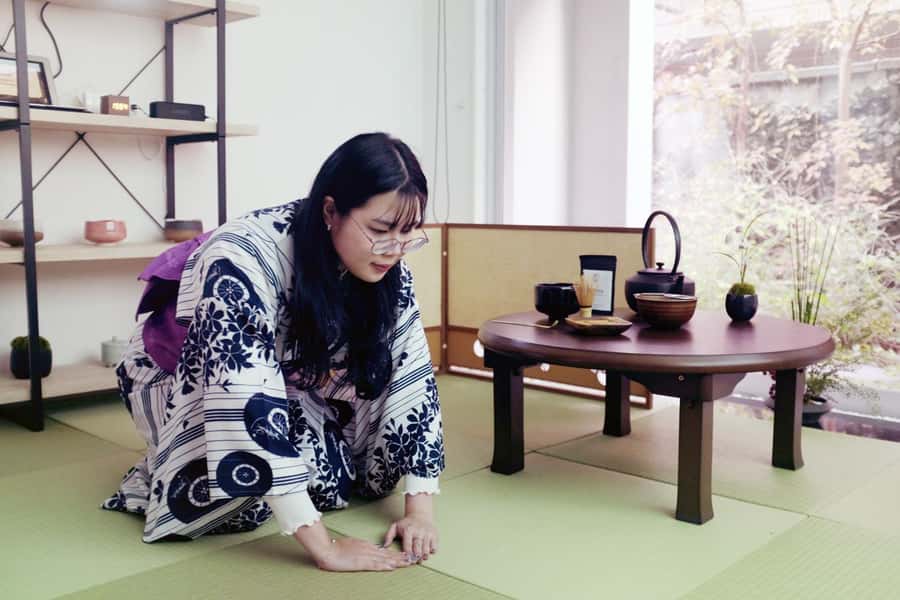
This is a cultural workshop with a tea lesson at its center. You are not simply served matcha in a pretty room, and you are not expected to sit silently through a long ceremonial performance. You learn what you are drinking, how tea fits into Japanese culture, and how to prepare a bowl yourself.
The activity also includes kimono, which changes the feel of the session. You select an easy-to-wear version of the traditional garment and keep it on during the lesson. That gives you the chance to understand how it feels to move and sit in one, while also making the photographs more memorable.
The setting is near Yotsuya, a useful base if you are staying around Shinjuku or central Tokyo. The meeting point is in front of the LUUP scooter stand beside the ACN Yotsuya Building, where you look for a workshop sign. From Yotsuya Station, allow about six minutes on foot.
This is a good choice when you want a guided introduction rather than a quick cup of matcha. The class connects several subjects that are often sold separately: tea, ceremony, clothing, history, and etiquette.
A few more Tokyo tours and experiences worth a look

Choosing a kimono without a 30-minute dressing session
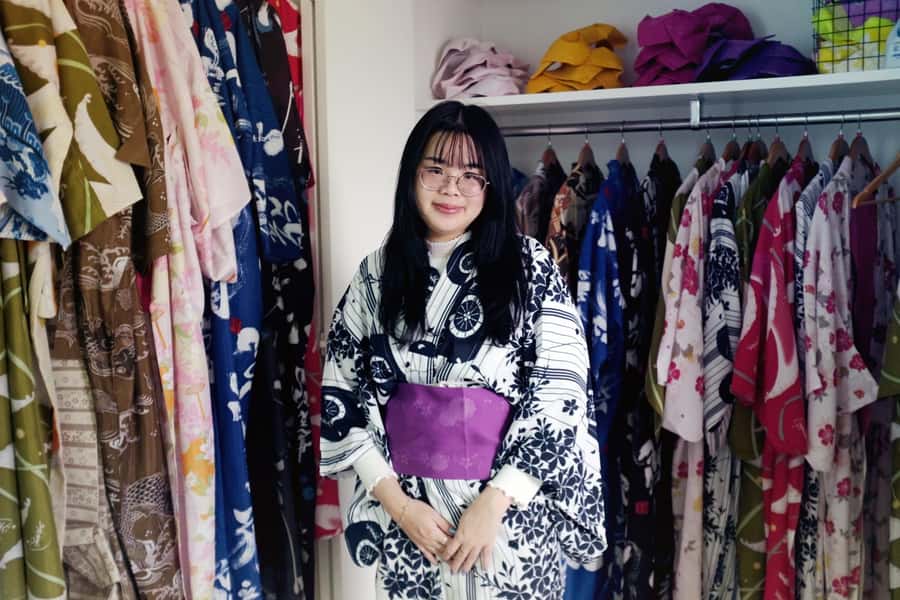
Before the main lecture begins, you choose a kimono to wear. The design is made for quick use, unlike a formal kimono, which can take around 30 minutes to put on. That distinction matters if you have a full Tokyo sightseeing schedule or if you want the fun of traditional dress without committing to a long dressing appointment.
The kimono portion is practical as well as decorative. You learn basic points about how it is worn and hear about its place in Japanese culture. Several participants particularly enjoyed choosing their clothing and using it as a photo opportunity, and Komei is willing to take photographs of the group.
There is one tradeoff. If your main goal is matcha technique, the dressing section may feel slightly long. If you want a balanced cultural activity, it adds variety and gives the tea lesson more context.
Wear socks. You need them to protect the traditional flooring, and if you forget, the workshop asks you to buy a pair on site. Strong fragrances are not allowed, since scent can interfere with the tea tasting and the shared indoor setting.
Tasting first-flush matcha from across Japan
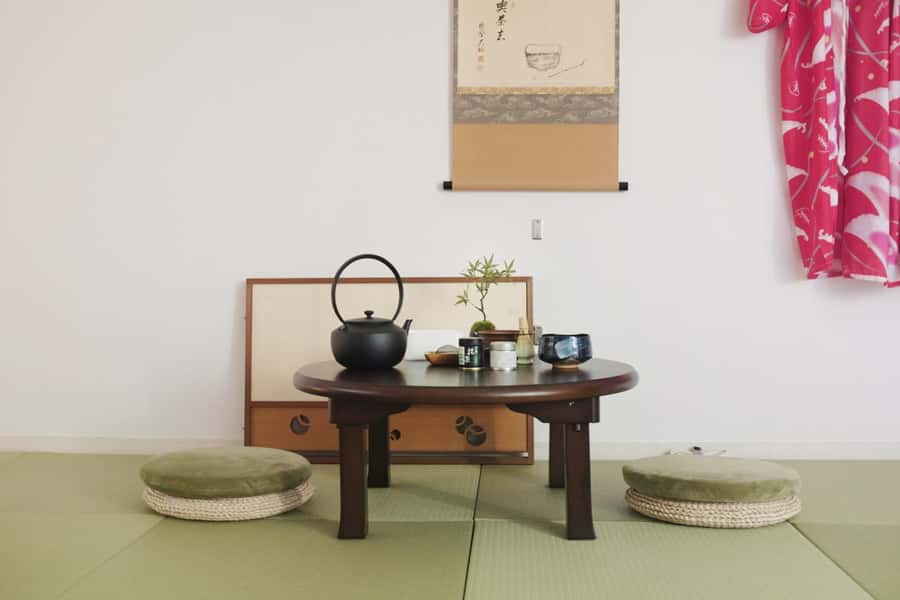
The tea tasting is the most distinctive part of the class. The workshop has a collection of more than 100 matchas from Japan and selects a first-flush matcha for the experience. First flush refers to the season’s earliest picking, and the class presents it as the highest-quality selection.
You do not simply hear that one tea is better than another. The tasting encourages you to use your eyes, nose, and tongue. That makes the lesson useful for beginners, because you start to notice color, aroma, and flavor instead of treating every powdered green tea as the same.
The class also addresses genuine and imitation matcha. This is valuable because matcha sold outside Japan can differ sharply from Japanese matcha in quality and character. The session compares Japanese and overseas products, helping you understand why price, color, texture, and taste may vary.
Do not expect a formal professional certification or a technical tea competition. The value is in learning a way to pay attention. After this class, you will have a better basis for deciding what to buy and what to prepare at home.
Green tea, black tea, and the idea of teaism
The lecture widens the subject beyond matcha. You learn how green, black, Chinese, and other teas differ, then consider the philosophy of teaism and the meaning of tea ceremony.
That cultural layer gives the practical steps a reason. The ceremony is not just a sequence of hand movements with expensive tools. It reflects ideas about attention, hospitality, simplicity, and the value of a shared moment. The session explains these ideas in accessible terms rather than assuming you already know Japanese customs.
Komei’s teaching style is a strong part of the experience. He is described as warm, funny, passionate, and willing to answer questions. The presentation can include a structured history lesson, and the informal delivery keeps it from feeling like a dry classroom lecture.
This works especially well if you are curious about why the ceremony matters, not only how to copy its gestures. It also suits first-time visitors who want a clear introduction before seeing a more formal tea performance elsewhere in Japan.
Making your own bowl of matcha
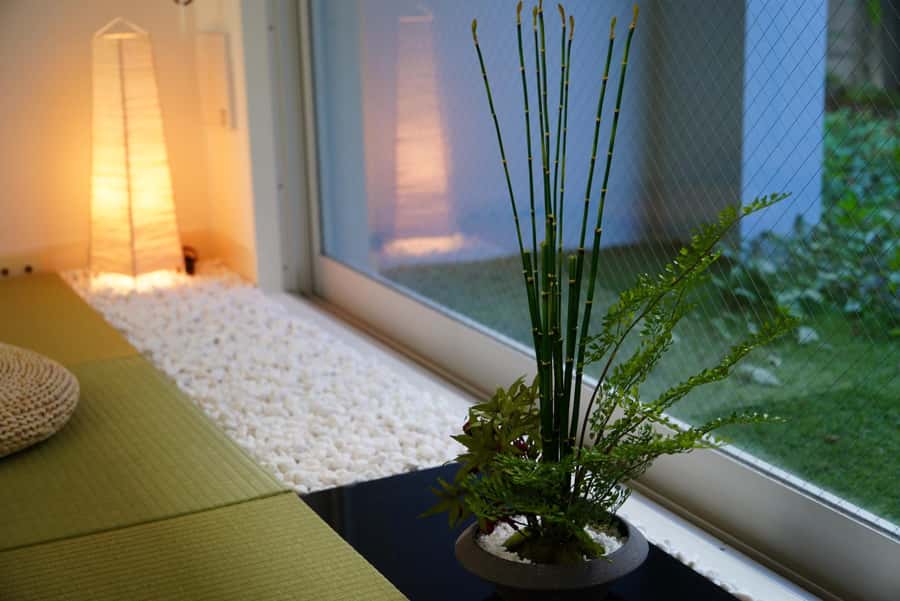
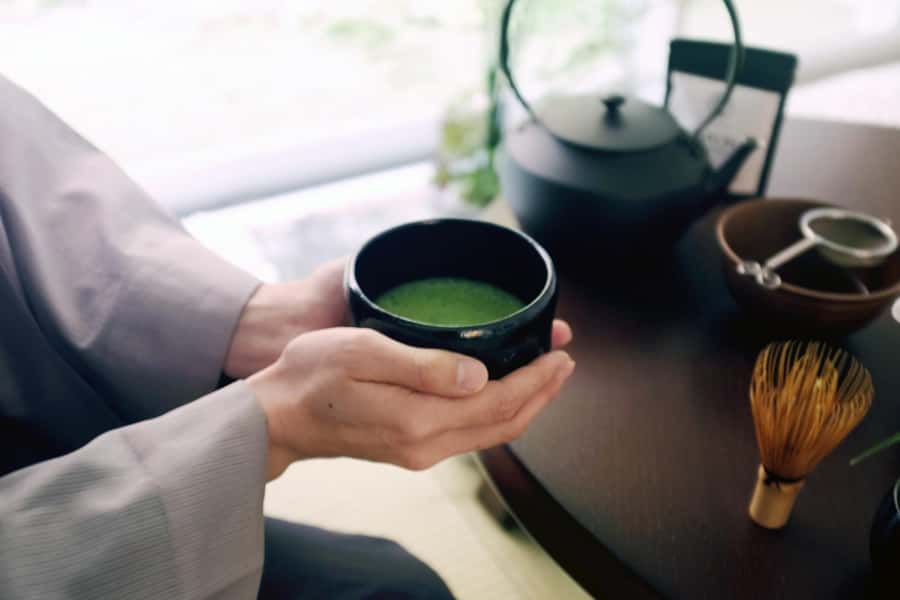
After the lecture, you use the tea tools to prepare matcha yourself. The class covers four key points for making a beautiful bowl at home, then shows you the basic manner for drinking it.
The hands-on portion is important. Watching a tea master whisk matcha can look simple, but making it yourself shows how much care goes into the result. You get to put the earlier discussion of powder, tools, movement, and presentation into practice.
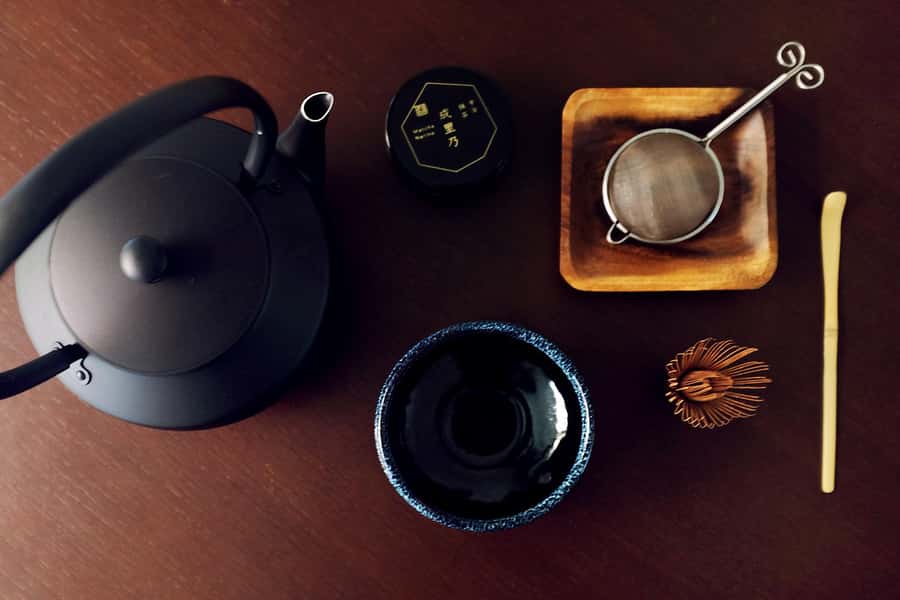
The included equipment means you do not need to bring anything beyond socks. Tea ceremony tools are rented as part of the price, and the experience includes exclusive first-flush matcha, Japanese traditional sweets, and a welcome drink.
The lesson is aimed at an approachable home method rather than a full professional ceremony. That is a plus for most visitors. You leave with something you can try again after returning home, rather than with knowledge that only applies inside a tea room.
One useful expectation to set: this is a class where you make matcha, but it is also a lecture and cultural introduction. A participant who wanted more time on the tea-making itself felt the balance leaned toward the kimono and presentation. If you are a dedicated matcha enthusiast, keep that in mind.




The tea room manners you will practice
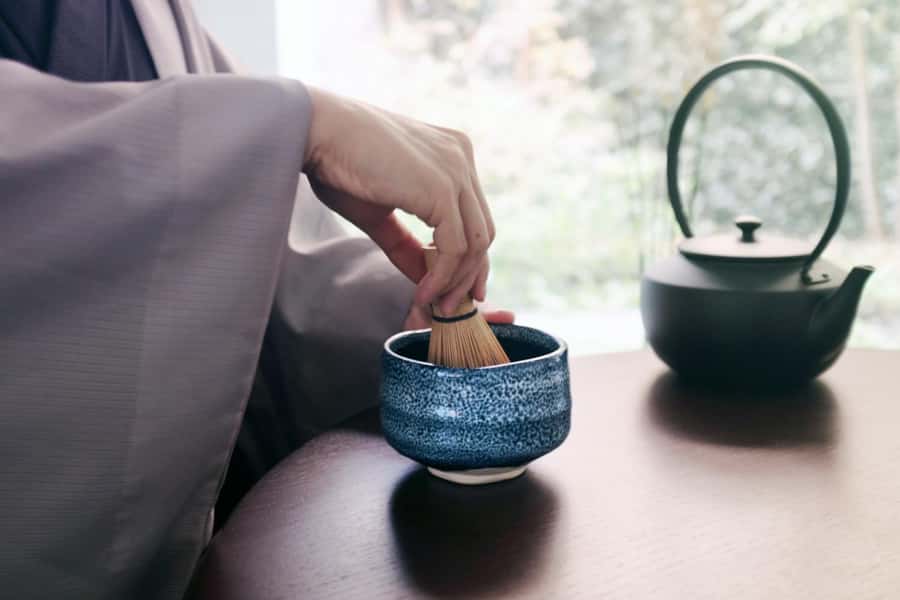
The class explains how to drink a bowl of matcha properly. You learn basic manners and the role of gestures within the ceremony, including why the order and handling of objects matter.
You do not need to worry about getting every movement perfect. The teaching is designed for people encountering the customs for the first time. Questions are welcome, and the tone is described as casual rather than stern.
This is where the activity feels more useful than a costume rental. The kimono gives you a visual connection to Japanese tradition, but the etiquette lesson gives you a practical connection. You begin to understand how clothing, tea, tools, sweets, and hospitality work together.
The Japanese sweets also have a purpose beyond refreshment. They offer a traditional accompaniment to the tea and help break up the lecture before you prepare and drink your own matcha.
How much value do you get for $57?
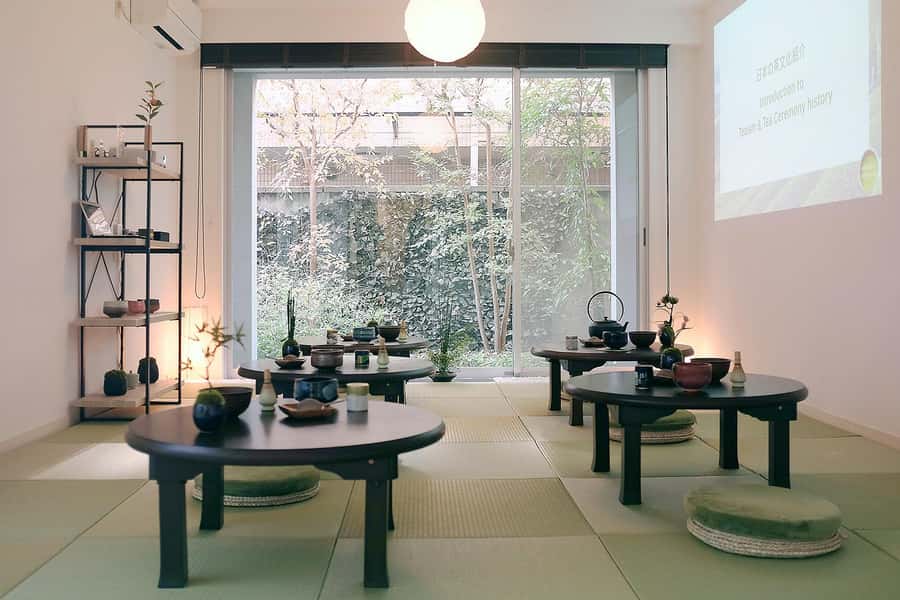
At $57 per person, the experience is reasonably priced for a combined cultural workshop in Tokyo. The cost includes the matcha session, kimono use for the entire activity, tea lecture, first-flush matcha, sweets, a welcome drink, and tool rental.
You are paying for several elements that would otherwise require separate arrangements: traditional clothing, an instructor, a tea setting, tasting guidance, and the chance to make matcha yourself. The value is strongest if you want both photographs and real instruction.
It is less compelling if you only want to drink one bowl of matcha. A café visit will be cheaper and quicker. Likewise, someone seeking a highly formal, quiet, full-length tea ceremony may prefer a more specialized performance.
For most first-time visitors, the mix makes sense. You get cultural background, a tasting, practical instruction, and a memorable activity near a major Tokyo district. The class is also a good rainy-day plan because the main elements take place indoors.
Who will enjoy this experience most?
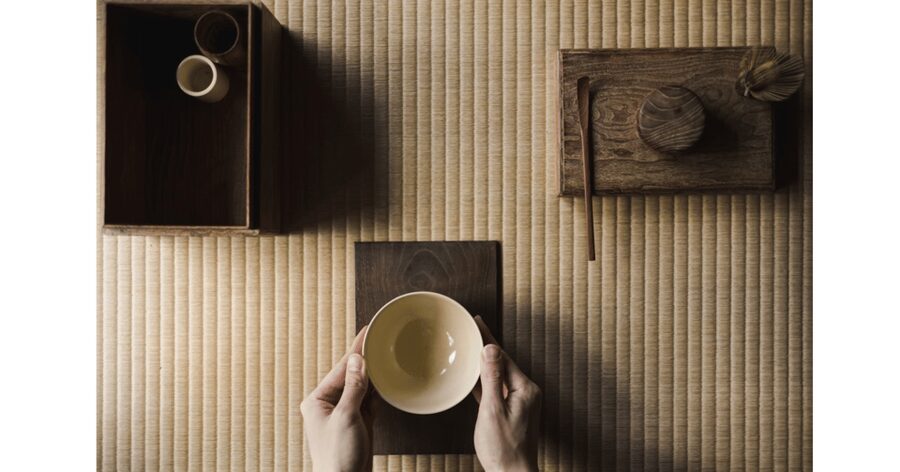
I would recommend this to you if you enjoy learning by doing. The class suits curious first-time matcha drinkers, people interested in Japanese customs, and anyone who wants a structured cultural activity near Shinjuku.
It is also a smart option for couples, friends, and small groups who want photographs without booking a full kimono dressing service. The easy-wear clothing keeps the process manageable, while the tea lesson gives the outing more substance than a costume experience alone.
Families should note that the activity is not suitable for children under five. The no-noise rule and traditional flooring also make it better for visitors who can follow a calm indoor setting.
English and Japanese are available. If you have a strong interest in tea, come ready with questions. Komei’s relaxed style appears to suit people who want conversation rather than a one-way demonstration.
Getting there and avoiding a costly mistake
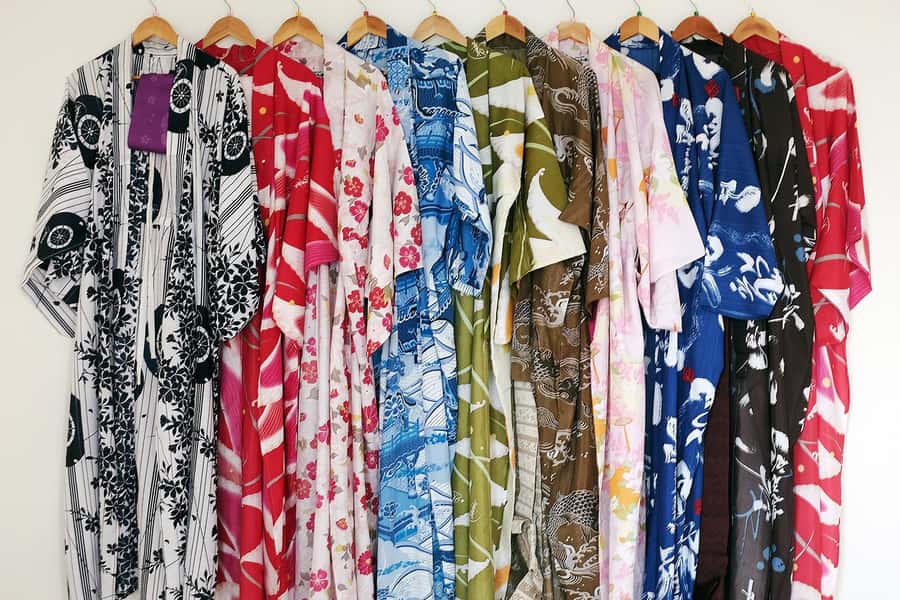
The meeting point is easy to describe but worth treating seriously. Go to the LUUP scooter stand next to the ACN Yotsuya Building and look for the workshop sign. The location is about a six-minute walk from Yotsuya Station and is described as being next to the Shinjuku area, not directly at Shinjuku Station.
Build in extra time. The booking is automatically canceled after 10 minutes of delay, and no refund is accepted in that situation. Tokyo’s stations can be confusing, so do not plan to arrive at the meeting point exactly at the appointment time.
The activity ends back at the same meeting point. That makes it easy to continue sightseeing in the Yotsuya or Shinjuku area afterward, though no onward route is included.
Cancellation is flexible up to 24 hours before the experience for a full refund, and you can reserve now and pay later. Those terms help if your Tokyo plans are still moving around, but the strict late-arrival rule deserves more attention than the cancellation policy.
What to bring and how to prepare
Bring clean socks, since you will use traditional flooring. Avoid alcohol, drugs, strong fragrances, and loud noise during the session.
Choose comfortable clothing underneath the kimono. The supplied details do not specify changing-room arrangements or footwear storage, so keep your arrival simple and avoid carrying more than you need.
You may want to leave room in your schedule for the lesson rather than squeezing it between two distant Tokyo attractions. The exact duration is not provided, so check the confirmed booking details and avoid assuming you can finish at a precise hour.
Bring curiosity more than prior tea knowledge. The class covers the basics clearly, from tea varieties and history to preparation and drinking manners. You do not need to know the difference between ceremonial and everyday tea before arriving.
Should you book this matcha and kimono experience?
Book it if you want a friendly, hands-on introduction to Japanese tea culture with more substance than a photo session. The combination of first-flush tasting, kimono, tea history, teaism, etiquette, sweets, and home preparation gives you a broad afternoon for $57.
I would especially choose it if you are staying near Shinjuku, want an indoor activity, or hope to learn how to make matcha after returning home. Komei’s warmth and humor are a real advantage, and the English guidance makes the cultural material approachable.
Skip it if your only goal is a long, formal tea ceremony or if you want a class devoted almost entirely to advanced matcha technique. The kimono portion takes a meaningful share of the experience, and the format balances several traditions.
For most visitors, that balance is the point. You leave with a better understanding of the tea, a few useful preparation skills, and a clearer sense of how clothing and ceremony fit into Japanese culture. Just bring socks and arrive well before the starting time.
FAQ
Where does the matcha and kimono experience meet?
Meet in front of the LUUP scooter stand next to the ACN Yotsuya Building. Look for the workshop sign. The meeting point is about a six-minute walk from Yotsuya Station.
Does the experience end at the meeting point?
Yes. The activity ends back at the same meeting point where it begins.
What does the $57 price include?
The price includes the matcha experience, kimono use throughout the activity, a tea lecture, first-flush matcha, Japanese traditional sweets, a welcome drink, and rental of tea ceremony tools.
Do I need to bring anything?
Bring your own socks to protect the traditional flooring. If you forget them, you are asked to buy socks at the workshop.
Is this activity available in English?
Yes. The listed languages are English and Japanese.
Can children join?
The experience is not suitable for children under five years old.
What happens if I arrive late?
Your booking is automatically canceled after 10 minutes of delay from the appointment time, and no refund is accepted in that case.
More Tea Ceremony & Matcha in Tokyo

More tours in Tokyo we've reviewed












Tea Ceremony & Matcha, compared.
 ★ 5.0Matcha Making Class in Tokyo with Authentic Japanese Sweets SetFrom $21
 ★ 5.0Kimono Tea Ceremony at Tokyo, Asakusa MaikoyaFrom $55
 ★ 5.0Tokyo: Traditional Tea Ceremony with a Tea MasterFrom $381 hour
 ★ 4.5Dynamic Tokyo: Tokyo Tower, Tea Experience, Bay Cruise Day TourFrom $99
 ★ 4.9Tokyo: Matcha Making Experience with Mochi Sweets in AsakusaFrom $221 hour
 ★ 4.9Tokyo: Asakusa Kimono Dressing and Matcha ExperienceFrom $562 hours