Reviewed · SAMURAI & NINJA EXPERIENCES
Ninja Lesson in Tokyo – 1 Hour Hands-On with Japanese Master
The best part of this Tokyo activity is that you do more than put on a costume for a photo. You learn Kuji-In meditation, handle traditional ninja tools, and practice shuriken and blowgun techniques under a Japanese Sensei. The class is capped at six people, so you get real attention instead of standing in a crowd.
In This Article
- Key points to know before booking
- What this ninja lesson really offers
- Arriving at the Shiomi dojo
- Changing into the ninja uniform
- Kuji-In meditation and the ninja mindset
- Ninja tools and the trick-house introduction
- Shuriken and blowgun practice
- Sword training and the one-hour limitation
- How good is the English instruction?
- Is $82.56 good value?
- Who will enjoy this most?
- Timing, cancellation, and small practical details
- Should you book the Tokyo ninja lesson?
- FAQ
- Where does the ninja lesson take place?
- What time does the activity start?
- How long does the ninja lesson last?
- How many people can join the class?
- Is the lesson taught in English?
- Is ninja clothing included?
- Are weapons included in the lesson?
- Can I cancel for a full refund?
I like the small class and the mix of physical skills with meditation. I also like that the instructor teaches in English and helps with the ninja clothing, weapon handling, and form. The main catch is the short one-hour format: sword training may not fit into every session, and the $82.56 price is fair only if you want active instruction rather than a quick dress-up stop.
Key points to know before booking

- The class is limited to six people, giving you more chances to ask questions and correct your technique.
- You train in rented ninja clothing, with time for photos before or during the lesson.
- The one-hour session covers several skills, including Kuji-In meditation, ninja tools, shuriken, and blowgun practice.
- Sword training may not be included in the one-hour class, so ask about a longer session if the sword is your main goal.
- The lesson is taught in English by a Japanese Sensei, though English ability may vary by instructor.
- The class begins at 4:00 pm in Shiomi, Koto City, and returns to the same meeting point.
What this ninja lesson really offers

Tokyo has no shortage of costume photos, themed cafés, and staged cultural activities. This lesson aims for something more hands-on. You put on ninja clothing, watch demonstrations, and then try several techniques yourself.
The wording around authentic training should be taken in the right spirit. You are not entering a historical battlefield or receiving professional martial arts certification. You are taking a compact introductory lesson built around traditional ninja themes, basic technique, meditation, and safe practice with training weapons.
That distinction matters when you judge the price. At $82.56 per person, this is not a cheap souvenir activity. It makes more sense if you want instruction, personal attention, and a memorable activity that works for a family, couple, or small group.
The experience has earned a 4.9 rating from 52 reviews, with 98 percent recommending it. The most consistent strengths are the friendly teaching, patient instruction, good attitude, and chance to try several weapons. One useful caution also comes through clearly: a one-hour class can feel over quickly, especially for children who want to repeat the exercises.
A few more Tokyo tours and experiences worth a look
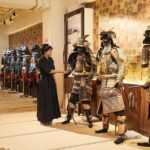
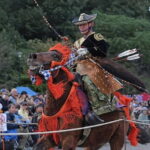

Arriving at the Shiomi dojo
The meeting point is NINJA SAMURAI TOKYO at Bayfrere Shiomi, East 4th floor, in Shiomi, Koto City, Tokyo 135-0052. The activity starts at 4:00 pm and finishes at the same place.
The venue is near public transportation, but the supplied information does not give a station name or walking time. I would allow extra time to locate the building, particularly if you are arriving with children or need to find the correct floor. Your booking confirmation is issued at the time of booking, so keep the mobile ticket available.
The location in Shiomi is useful if you are spending part of the day in eastern Tokyo. It is not presented as a sightseeing stop in itself, so plan this as a scheduled activity rather than something you casually add while walking around Asakusa or central Tokyo.
The class size is limited to six people. That is a major practical benefit. With a small group, the instructor can watch how you hold a sword or throw a shuriken, then offer corrections. You also have a better chance to ask about ninja tools, meditation, and the difference between a demonstration and your own practice.
Changing into the ninja uniform
Ninja clothing rental is included. You learn how to put on the outfit, then wear it during the training. This adds more than a photo opportunity because the clothing helps set the tone of the lesson and makes the demonstrations feel less like a standard tourist talk.
You should wear comfortable workout clothes underneath. One participant specifically found this useful advice, and it makes sense: the outer ninja outfit is not a substitute for clothes you can move in. The class involves physical practice, so avoid restrictive clothing.
The photo element is simple but worthwhile. You can take pictures in the outfit as a keepsake, and the smaller group makes it easier to get photos without a large crowd in the background. Bring your phone, but keep it secure while handling equipment.
There is no bottled water included. Bring your own drink. A supermarket is directly beside the venue, according to one practical note from the experience, so getting a drink before or after class should be easy.
Kuji-In meditation and the ninja mindset
The lesson includes ninja meditation called Kuji-In. This gives the class a welcome change of pace before the more active weapon work.
The supplied information does not describe the length or exact form of the meditation, so you should expect an introduction rather than a long spiritual session. Its value is in showing that ninja training is presented as more than weapons and acrobatics. Focus, breathing, and mental control are part of the lesson’s structure.
For children, this may be the quietest part of the class. Some will enjoy the unusual change from ordinary sightseeing, while others will be eager to reach the weapons. The instructor’s patient approach helps, but the one-hour schedule means the meditation cannot occupy too much time if the class is also to cover several tools.
I like this part because it gives the activity some context. Without it, the session could feel like a costume workshop with targets. With it, you get at least a brief introduction to the mental side of the ninja tradition.
Ninja tools and the trick-house introduction

The class includes an introduction to ninja weapons and tools, along with an introduction to gimmicks in a ninja trick house. This is one of the more unusual details in the program.
The trick-house section appears to focus on the kinds of concealed methods and clever mechanisms associated with ninja stories and training. The information does not specify every gimmick or how long you spend there, so do not book expecting a full escape-room experience. Think of it as a short demonstration within the lesson.
This portion is especially helpful for first-time visitors because it moves beyond the familiar image of a black-clad figure throwing stars. You get a broader look at how ninja themes are presented through tools, concealment, and technique.
The instructor demonstrates before you try anything. That order is important. It lets you see the correct movement and gives the Sensei a chance to explain how the equipment should be used.
A few more Tokyo tours and experiences worth a look



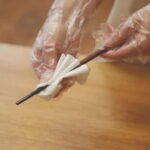


Shuriken and blowgun practice

The most reliable hands-on highlights are shuriken, or ninja star, training and blowgun, or blow dart, training. These are the parts most likely to make the class feel active and distinct from a museum visit.
The stars and blowgun are used toward targets, and you receive instruction and encouragement as you practice. One particularly useful detail is that the blowgun target can be set at a good distance, making the exercise more challenging than simply stepping up and touching a nearby target.
Do not expect instant accuracy. The point is to learn the basic motion, stance, and control. A patient instructor can make a big difference here, especially for children and beginners. The small group also means you have time to try again instead of getting one rushed turn.
Safety and attentiveness matter. You should listen closely during every demonstration and wait for the instructor’s direction before handling equipment. The lesson is designed for most participants, but it is still an active class, not a passive show.
Several participants especially enjoyed the weapon practice. That praise is understandable because the activity gives you a clear goal and immediate feedback. You can see where the star lands or how far the dart travels, then adjust your technique.
Sword training and the one-hour limitation
Sword training is listed as part of the activity, with a demonstration and practice in ninja sword technique. But the actual content can depend on the session length and pace.
This is the most important point to clarify before booking. A family that booked a one-hour class found that sword training was not included, while other descriptions indicate that sword instruction can be part of the program. The practical lesson is simple: do not assume every one-hour class covers every weapon.
If sword work is your top priority, ask the operator whether it will be included in your chosen session or consider a two-hour option if available. The longer format may also suit children who want more repetition and adults who prefer instruction that does not feel hurried.
If you are happy with meditation, tools, shuriken, blowgun practice, and dressing up, one hour can work well. If you want a full sequence that includes sword work plus repeated practice with several weapons, an hour may feel short.
How good is the English instruction?
The class is taught in English by a Japanese Sensei. The quality of communication is an important part of this experience because weapon technique depends on clear directions.
The teaching has been described as patient, friendly, encouraging, and informative. Some participants found the English good and easy to follow. One person found the instructor’s English passable, so you should allow for some variation in how detailed the explanations feel.
That does not mean the class cannot work for English speakers. Demonstrations, repetition, and hands-on correction carry much of the lesson. Still, if you need highly detailed historical explanations or technical martial arts terminology, this may not be the right setting.
The instructor’s manner seems to be one of the strongest parts of the activity. The Sensei encourages everyone, pays attention to individual participants, and helps guide each lesson. That matters more here than a long lecture would. You are paying for a chance to practice, not just listen.
Is $82.56 good value?
At $82.56 per person, the price sits in the premium range for a one-hour activity. The value depends on how you measure it.
You receive ninja clothing rental, instruction in English, admission, a small class, meditation, weapon introductions, target practice, and photos in costume. For a couple or family looking for a special shared activity, the price can be reasonable because the class is more personal than a large group attraction.
The cost is harder to justify if you mainly want a quick photo in ninja clothing. You can also feel short-changed if you expect sword training, several rounds with every weapon, and a detailed historical lesson within one hour.
The strongest value comes from the instructor’s attention. A class of six allows the Sensei to correct form and encourage beginners. That personal contact is the feature that separates this from a simple themed photo stop.
The experience is booked, on average, 12 days ahead. That suggests you should reserve before your Tokyo trip, especially if your schedule is tight. Confirmation arrives when you book, and the mobile ticket is convenient.
Who will enjoy this most?
I would recommend this class most strongly to:
- Families with children who enjoy active, unusual activities
- Couples looking for something more memorable than standard sightseeing
- Solo visitors who like small-group instruction
- Friends who want photos and a shared challenge
- First-time visitors curious about ninja traditions without committing to a long course
Children appear to respond especially well to the format, but keep the short schedule in mind. Kids aged six to eight can enjoy the class, yet they may want more time once they get comfortable with the activities.
The class is also suitable for people who do not know much about ninjas. You receive an introduction to the tools and techniques, so prior martial arts experience is not required by the supplied information.
I would be more cautious if you want a serious martial arts course, a long historical lecture, or guaranteed sword practice. This is a lively introduction, not a full day of formal training.
Timing, cancellation, and small practical details
The 4:00 pm start works well after a morning of sightseeing, but it does commit your late afternoon. The activity ends back at the meeting point, and private transportation is not included, so you will make your own way there and back.
Most people can participate, and the class has a maximum of six participants. No special accessibility details are provided, so contact the operator if you have mobility concerns or need specific accommodations.
Free cancellation is available up to 24 hours before the start time for a full refund. Changes or cancellations made less than 24 hours ahead are not accepted for a refund. The activity may also be canceled because of poor weather or because the minimum number of participants is not reached. In those cases, you are offered another date, another experience, or a full refund.
Should you book the Tokyo ninja lesson?
Book it if you want an active, compact cultural activity with a friendly instructor, costume photos, and real practice using ninja-themed equipment. The small class size and patient teaching make this a better choice than a large theatrical show, especially for families and solo participants.
Before paying, decide how important sword training is. If it is essential, confirm that it will be included or choose a longer session. If you mainly want to try shuriken and blowgun skills, learn a little about Kuji-In, and enjoy dressing as a ninja, the one-hour class should deliver a fun and unusual hour in Tokyo.
At $82.56, I see it as a special-occasion activity rather than an everyday budget stop. For the right audience, the personal instruction and range of activities make the cost worthwhile. Just arrive in comfortable clothes, bring water, and keep your expectations focused on an introductory experience rather than professional combat training.
FAQ
Where does the ninja lesson take place?
The meeting point is NINJA SAMURAI TOKYO, Bayfrere Shiomi, East 4th floor, Shiomi, Koto City, Tokyo 135-0052.
What time does the activity start?
The listed start time is 4:00 pm.
How long does the ninja lesson last?
The experience lasts approximately one hour.
How many people can join the class?
The class has a maximum of six participants.
Is the lesson taught in English?
Yes. The activity includes English instruction from a Japanese Sensei Master.
Is ninja clothing included?
Yes. Ninja clothing rental during the training is included.
Are weapons included in the lesson?
The lesson includes introductions and training with ninja tools, shuriken, and a ninja blowgun. Sword training is listed, but it may not be included in every one-hour session.
Can I cancel for a full refund?
Yes. You can cancel at least 24 hours before the experience start time for a full refund. Less than 24 hours before the start time, the amount paid is not refunded.
More 1-Hour Experiences in Tokyo



More Workshops & Classes in Tokyo
More Samurai & Ninja Experiences in Tokyo


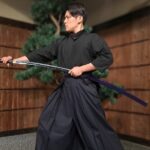
More tours in Tokyo we've reviewed












Samurai & Ninja Experiences, compared.
 ★ 4.5Tokyo: Samurai Restaurant Show Ticket with 2 DrinksFrom $551h 30m
 ★ 4.6Tokyo: Samurai Ninja Museum Guided tour and ExperienceFrom $27
 ★ 5.0Skip the lines Basic Ticket at SAMURAI NINJA MUSEUM TOKYOFrom $28
 ★ 5.0Tokyo: Authentic Samurai Training at a DojoFrom $211
 ★ 5.0Best Samurai Experience in TokyoFrom $65
 ★ 4.6Tokyo: Legend Samurai Entertainment Night in Kanda ShrineFrom $44