Reviewed · KAMAKURA & ENOSHIMA DAY TRIPS
Yokohama/Kamakura Private Tour by Car- English speaking Driver
Kamakura’s Great Buddha and quiet temple grounds pair neatly with Yokohama’s Chinese food, waterfront towers, and old garden buildings on this long private day from Tokyo. I like the hotel pickup and the freedom to stop for photos without a group waiting in the car. I also like that parking, tolls, fuel, and driving are covered.
In This Article
- Key points to know before booking
- A practical way to see two very different cities
- Yokohama Chinatown: food, gates, and a compact city stop
- Minato Mirai 21: Yokohama’s harbor of the future
- Sankeien Gardens: classical buildings and seasonal color
- Hasedera Temple: gardens with a major Kannon image
- Kotoku-in and Kamakura’s Great Buddha
- Hokoku-ji: Kamakura’s bamboo and quiet hills
- What the private car adds to a long day
- How the $470.31 price works for your group
- Who will get the most from this experience
- Should you book the Yokohama and Kamakura day?
- FAQ
- How long does the private tour last?
- How many people can join the private tour?
- Is hotel pickup available?
- Is the vehicle private?
- Are parking fees and tolls included?
- Are entrance fees included?
- What is the overtime charge?
- Is the tour available in English?
- Can the tour be canceled for bad weather?
- What is the cancellation deadline?
The main catch is time. Six stops, long road sections, and admission fees can make the day feel full rather than leisurely. You pay $470.31 for up to four people, so the value improves sharply with a small group, but you still need to budget separately for temple and garden tickets.
Key points to know before booking
- Six contrasting stops: See Chinatown, Minato Mirai, Sankeien Gardens, Hasedera, the Great Buddha, and Hokoku-ji in one day.
- Private car from Tokyo: Hotel pickup, parking, tolls, fuel, and an air-conditioned vehicle are included.
- Up to four people: The $470.31 group price works out to about $117.58 each for four, before admission fees.
- English-speaking drivers vary: Utah, Wendell, Ali, Jeffrey, Tibo, and Uta are among the guides associated with this experience.
- Temple time matters: Hasedera, Kotoku-in, and Hokoku-ji each offer a different view of Kamakura, but entrance fees are extra.
- Plan for a full day: The advertised duration is about 8 to 10 hours, with 5,000 JPY per hour charged after 10 hours.
A practical way to see two very different cities
This private drive links two places that are awkward to combine in a single day on your own. Yokohama feels modern, commercial, and tied to its port, while Kamakura brings you old temples, gardens, wooded hills, and one of Japan’s most famous Buddha statues.
I see the biggest value in the door-to-door format. You do not need to work out several train changes, find parking, or guide a rental car through unfamiliar roads. Your English-speaking driver handles the transport while adding context at the sights.
The route also gives you control. You can stop for photographs without slowing a larger group, and the private setup makes it easier to explain what interests you. If one person in your group wants traditional Japan and another wants food or city views, this combination gives both sides something to look forward to.
Still, this is not a slow temple retreat. The six planned stops account for about eight hours by themselves, before hotel pickup, driving, and traffic. You should expect a busy day, especially if you want time to eat, shop, or linger in every garden.
A few more Tokyo tours and experiences worth a look
Yokohama Chinatown: food, gates, and a compact city stop
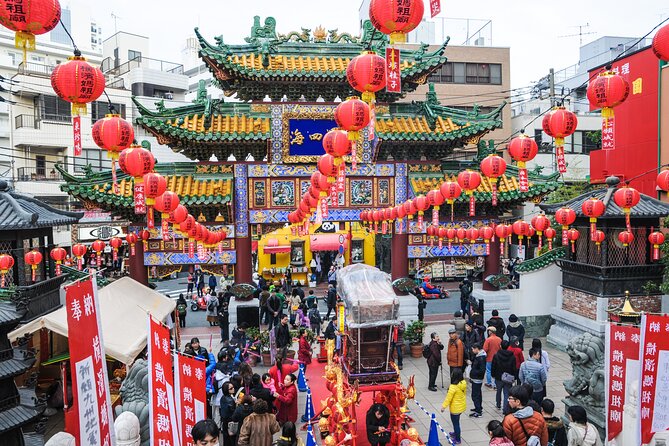
Yokohama Chinatown is described as Japan’s largest Chinatown, with more than 600 shops and restaurants packed into a roughly 250,000-square-meter area. The stop is free to enter and gives you a quick change of mood from Tokyo and Kamakura.
You can use the hour to walk through the commercial streets, look at Chinese shops, and choose food if the timing works. The area is known for Chinese cuisine, so it may be the best place to discuss lunch with your driver. One guide, Tibo, adjusted a day around a preference for traditional Japanese food and helped arrange an udon meal, so it is sensible to state your food priorities early.
An hour is enough for a taste, not a full food crawl. If you stop to eat, you will have less time for shopping and street wandering. Ask your driver how the day’s traffic and temple schedule affect lunch before settling in.
Minato Mirai 21: Yokohama’s harbor of the future
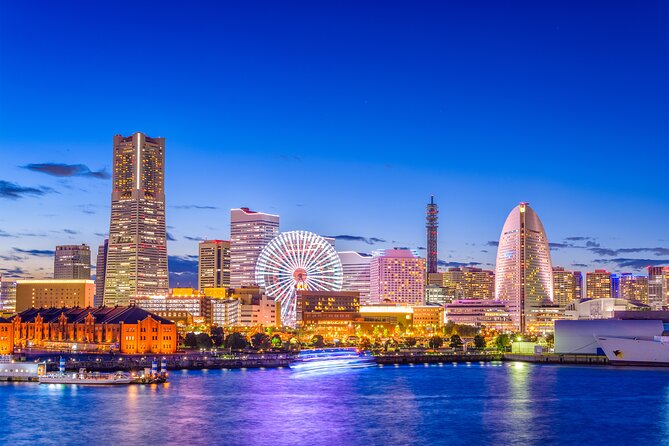
Minato Mirai 21 means harbor of the future, and the name fits the district’s high-rises and waterfront setting. The area includes Landmark Tower, once Japan’s tallest building, and offers a sharp contrast with Kamakura’s old religious sites.
This stop is free, and an hour gives you time to see the broad urban setting and take photographs. It is a good choice if you enjoy architecture, city views, and port districts more than another temple.
The tradeoff is that Minato Mirai is primarily an urban sightseeing stop. You are not getting a long museum visit or a detailed attraction ticket here. If your group cares most about Kamakura’s temples, you may want to ask how much flexibility you have around this hour.
Sankeien Gardens: classical buildings and seasonal color
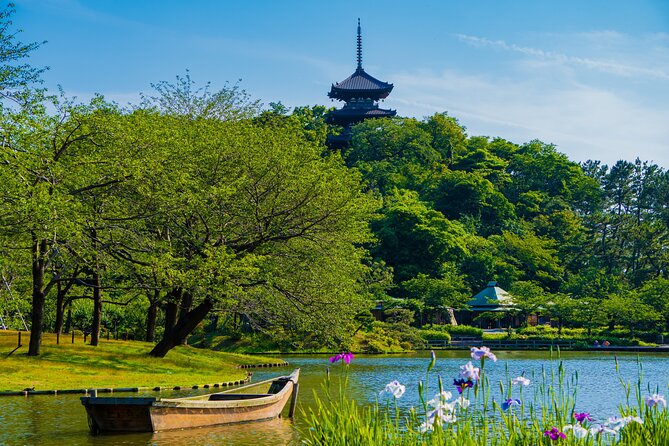
Sankeien covers more than 175,000 square meters and contains historic houses and buildings recognized for cultural value. This is the stop that gives the Yokohama portion its strongest traditional Japanese feel.
I like the balance here. After Chinatown and Minato Mirai, the garden offers space, greenery, and a slower walk. Its appeal changes with the seasons, so the experience can feel different depending on when you visit. You should allow for walking, since a large garden cannot be understood from one short path near the entrance.
Admission is not included. The tour covers parking and the vehicle, but you pay entrance fees at each destination where required. Keep some extra money available and ask your driver about the visit’s timing if garden walks are a priority.
Hasedera Temple: gardens with a major Kannon image
Hasedera is said to date to the eighth century and is home to a large statue of Kannon, the goddess of mercy. The temple grounds also include a garden, giving you both a religious site and a pleasant place to walk.
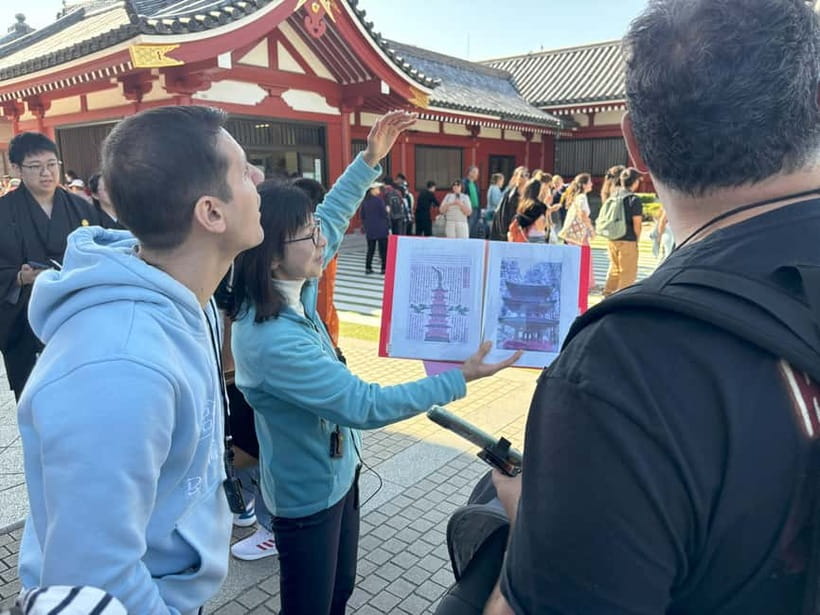
This is not just a quick statue photo. The grounds are part of the appeal, and the stop can provide a calmer counterpoint to the busy streets of Yokohama. Your driver’s explanations are useful here, especially if you want to understand what you are seeing rather than simply move from gate to gate.
The planned time is about an hour, and admission is extra. If you want to pause at the garden, study the temple buildings, and hear a full explanation, the hour may pass quickly. Tell your driver if you prefer a slower temple visit over adding shopping time elsewhere.
Other private tours in Tokyo

Kotoku-in and Kamakura’s Great Buddha
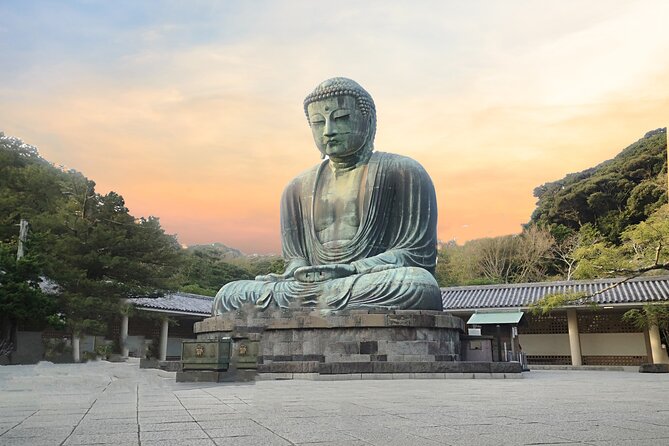
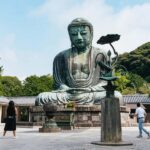
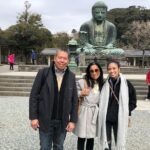
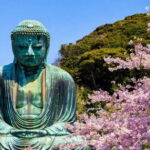
Kotoku-in is home to the Great Buddha of Kamakura, a bronze Amitabha Buddha about 37 feet high and weighing 121 tons. It is designated a National Treasure and is the visual center of this part of the day.
The suggested two hours here give you more breathing room than a simple roadside stop. You can take in the statue, explore the temple grounds, and let the scale of the bronze figure register. The Great Buddha is one of the few places on this route where the main sight is immediately clear, even if you have limited background in Japanese Buddhism.
Admission is not included. Two hours may feel generous if you only want a photograph, but it makes sense when combined with the temple setting and the need to walk at an easy pace. If your group includes people who want extra time at major sights, this is one of the better places to keep the longer stop.
Hokoku-ji: Kamakura’s bamboo and quiet hills
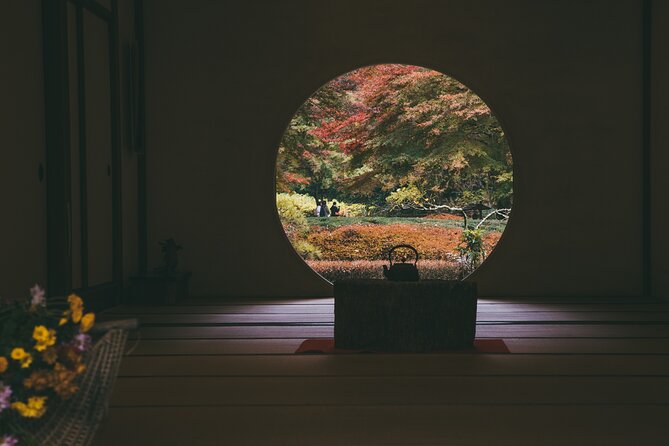
Founded in 1334, Hokoku-ji sits in the hills east of Kamakura and is known for a peaceful walk among bamboo, jasmine, and cherry trees. The setting gives you a different kind of temple visit from Hasedera and Kotoku-in.
The planned two hours let you slow down. This is the place to listen, walk, and enjoy the setting rather than chase another major monument. A review of one private day described a shrine with a small bamboo forest, and Hokoku-ji is the route’s clearest fit for that sort of experience.
You should keep expectations realistic. This is a quiet garden-temple stop, not a large urban attraction with many activities. Admission is extra, and the hills may make the stop less appealing if your group wants only easy sightseeing from the car.
What the private car adds to a long day
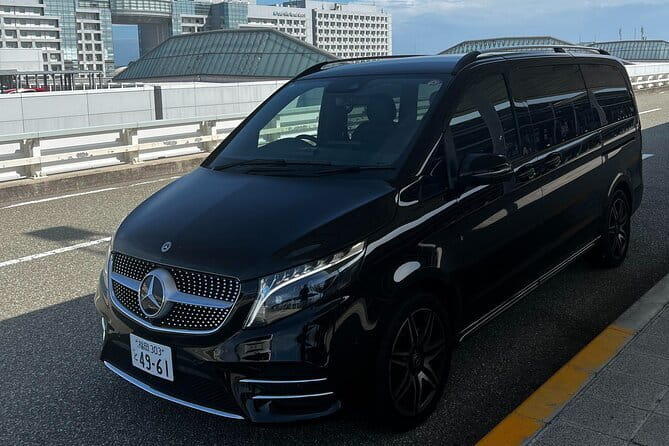
The car is the practical backbone of this experience. Hotel pickup removes the need to reach a meeting point, and a private air-conditioned vehicle gives your group a place to rest between stops. Fuel, parking fees, and tolls are included, which matters on a route that combines Tokyo, Yokohama, and Kamakura.
The private format also helps with small decisions. You can ask for a photo stop, explain that you need more time at a temple, or discuss where to eat. Guides named Utah, Wendell, Ali, Jeffrey, Tibo, and Uta are associated with the service, but you should confirm your assigned driver rather than expect a particular person.
The English support is another useful part of the package. Utah and Uta are described as fluent English speakers, while Ali is noted for giving clear overviews before each stop. Those details matter because a private driver who explains what to expect can make a packed day feel more manageable.
The car does not remove traffic. Yokohama and Kamakura can take time to cross, and an 8 to 10-hour day leaves little room for major delays. Start on time, keep your group ready at each pickup point, and tell the driver which stops matter most.
How the $470.31 price works for your group
The price is $470.31 per group of up to four people. With four people, that is about $117.58 per person before entrance fees. For a couple, the effective cost is about $235.16 each, so the financial case is much stronger for a family or group of four.
The comparison is not simply private car versus train fare. You are also paying for hotel pickup, an English-speaking driver, a private vehicle, parking, tolls, and fuel. If you value a door-to-door day and do not want to manage transport across two cities, those inclusions can justify the price.
You still need to pay entrance fees for Sankeien Gardens, Hasedera, Kotoku-in, and Hokoku-ji. Chinatown and Minato Mirai are listed as free stops. Lunch is not included, though the private format may help you arrange a meal that suits your group.
The overtime rule deserves attention. After 10 hours, the charge is 5,000 JPY per hour. This makes punctuality important. If you want a long meal, extra shopping, or extended time at every temple, ask before booking how the schedule can be adjusted.
Who will get the most from this experience
I would choose this tour for a first visit to Tokyo when you want to see beyond the capital without sacrificing a full day to public transport. It also suits families, older relatives, and small groups that prefer a private car to crowded trains and fixed group departure times.
It works especially well for people with mixed interests. One person can enjoy Chinatown and Minato Mirai, another can focus on gardens and temples, and the group can share the day without arranging separate excursions.
I would be more cautious if you want a slow, highly focused Kamakura visit. Three Kamakura temple stops, two Yokohama districts, a large garden, meals, and driving create a lot of movement. A dedicated Kamakura day would give you more time at fewer places.
The tour requires good weather. If poor weather causes cancellation, you are offered another date or a full refund. Most people can participate, and the experience is near public transportation, though the service itself is built around private vehicle pickup.
Should you book the Yokohama and Kamakura day?
Book it if you want maximum variety with minimum transport planning. The combination of the Great Buddha, Hasedera, Hokoku-ji, Sankeien, Chinatown, and Minato Mirai gives you temples, gardens, food, and modern Yokohama in one day.
The strongest reason to choose it is the private format, not just the number of sights. A flexible English-speaking driver can help you keep the day comfortable, explain what you are seeing, and adjust small choices around food or interests.
Skip it if you are traveling alone on a tight budget, dislike long car days, or want to spend a full afternoon at one temple. For three or four people, though, the cost becomes more reasonable, and the convenience can be worth far more than the simple ticket price suggests.
FAQ
How long does the private tour last?
The experience lasts approximately 8 to 10 hours.
How many people can join the private tour?
The price covers one private group of up to four people.
Is hotel pickup available?
Yes. Hotel pickup is offered for this experience.
Is the vehicle private?
Yes. You travel in a private, air-conditioned vehicle with an English-speaking driver.
Are parking fees and tolls included?
Yes. Parking fees, toll fees, fuel surcharge, and the private vehicle are included.
Are entrance fees included?
No. Admission fees for destinations are not included. Chinatown and Minato Mirai are listed as free stops, while admission is not included for Sankeien Gardens, Hasedera, Kotoku-in, and Hokoku-ji.
What is the overtime charge?
You are charged 5,000 JPY per hour for time beyond 10 hours.
Is the tour available in English?
Yes. The experience includes an English-speaking driver.
Can the tour be canceled for bad weather?
Yes. The experience requires good weather. If poor weather causes cancellation, you are offered a different date or a full refund.
What is the cancellation deadline?
You can cancel at least 24 hours before the start time for a full refund. Cancellations or changes made less than 24 hours before the start time are not refunded or accepted.
More Private Drivers in Tokyo
More Private Tours in Tokyo
More Kamakura & Enoshima Day Trips in Tokyo


More tours in Tokyo we've reviewed




Kamakura & Enoshima Day Trips, compared.
 ★ 4.5Tokyo: Kamakura & Enoshima Day Trip including Temple TicketsFrom $589 hours - 570 minutes
 ★ 5.0Mount Fuji, Kamakura, Big Buddha, & Lake Ashi Day TripFrom $109
 ★ 4.7Tokyo: Mt Fuji, Kamakura, Lake Ashi & Big Buddha Guided TourFrom $50
 ★ 4.5From Tokyo: Kamakura & Enoshima 1-Day Bus TourFrom $66
 ★ 4.9Tokyo:Sea of Mount Fuji, Hakone Ropeway, Ōwakudani, EnoshimaFrom $5010 hours
 ★ 5.0Kamakura 8 hr Private Walking Tour with Licensed Guide from TokyoFrom $201