Reviewed · KAMAKURA & ENOSHIMA DAY TRIPS
Kamakura 8 hr Private Walking Tour with Licensed Guide from Tokyo
Kamakura gives you a very different Japan from central Tokyo: a seaside town of temples, shrines, wooded hills, and old lanes. The centerpiece is the 11.4-meter Great Buddha, but the best part of this private tour is having a guide shape the day around your interests instead of following a fixed route.
In This Article
- Key points to know before booking
- Why Kamakura works as a Tokyo day trip
- Meeting your guide and handling the trains
- Tsurugaoka Hachimangu and the heart of Kamakura
- Meeting the Great Buddha at Kotoku-in
- Hasedera for the ocean view
- Bamboo, hills, and quieter temple choices
- Kamakura’s five great Zen temples
- Eastern Kamakura and less familiar stops
- Adding Enoshima to an already full day
- What the $201.51 price really buys
- Who should book this private day
- Should you book it?
- FAQ
- How long is the Kamakura tour?
- Is this a private tour?
- Where does the guide meet me?
- Is transportation included?
- Are entrance fees included?
- How many sights can I choose?
- Is lunch included?
- Can I visit Enoshima?
- What is the cancellation policy?
I like the freedom to choose from major sights such as Hasedera, Tsurugaoka Hachimangu, and Hokoku-ji’s bamboo grove. I also like the practical help with Tokyo trains, Kamakura buses, lunch, dietary needs, and busy streets. The main drawback is that public transport time counts toward the eight hours, and you pay train, bus, and admission costs separately.
Key points to know before booking
- Choose your Kamakura mix: Focus on the Great Buddha and major temples, or add bamboo, hiking, Enoshima, gardens, and quieter shrines.
- Expect a full public-transit day: Your guide meets you on foot in Tokyo, and trains and buses are part of the plan.
- The Great Buddha is the essential stop: You can appreciate the statue from the temple grounds and pay extra to enter the interior.
- Guides make the logistics easier: Guides including Taka, Andy, Makoto, Shinji, and Nobu have helped visitors manage routes, meals, and schedule changes.
- Plan your priorities early: The program offers many possible sights, but eight hours is not enough for all of them.
- Budget beyond the tour price: The $201.51 per-person fee excludes transportation, admissions, lunch, and personal spending.
Why Kamakura works as a Tokyo day trip
Kamakura is close enough to reach from Tokyo by train, yet it feels far removed from the capital’s tall buildings and crowded crossings. Its attractions spread across a compact but hilly area, with the ocean to the south and wooded ridges around the town.
That layout is exactly why a private guide helps. You are not simply walking from one famous temple to the next. You are working out which neighborhood fits your pace, then connecting the stops by local train, bus, or on foot.
The eight-hour schedule sounds generous, but travel takes a meaningful share of it. One itinerary may begin around Kita-Kamakura and continue through central Kamakura to the coast. Another may concentrate on Tsurugaoka Hachimangu, Komachi Street, Hasedera, and the Great Buddha. Tell your guide what matters most before the morning begins.
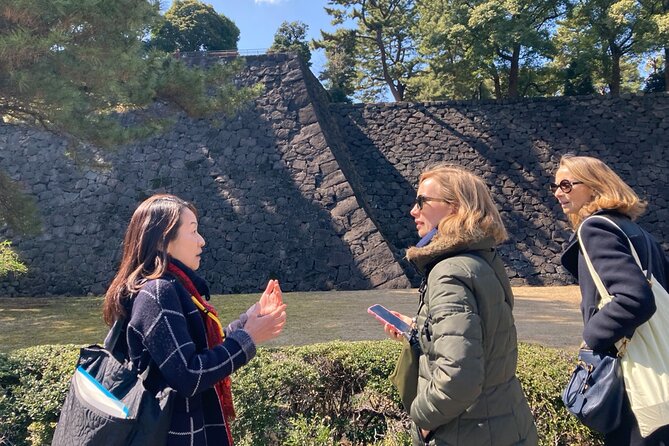
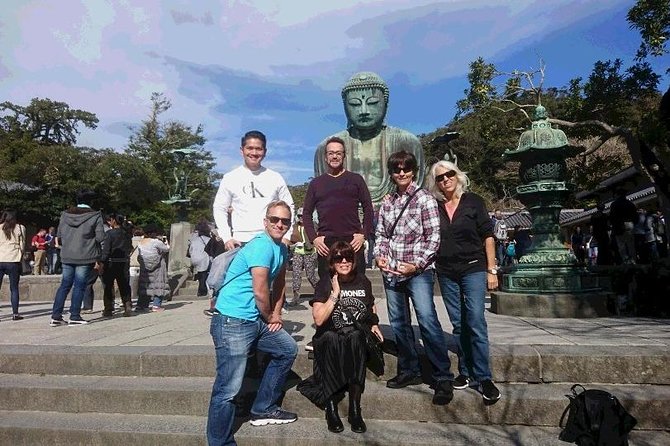
The tour is private, so only your group participates. That makes it easier to stop for photos, adjust the order of sights, or spend less time shopping. Guides have also helped with restaurant choices, including finding a gluten-free dish for a visitor traveling with a 70-year-old mother.
A few more Tokyo tours and experiences worth a look

Meeting your guide and handling the trains
Pickup does not mean a private car at your hotel door. The guide meets you on foot within a designated area of Tokyo, then accompanies you by public transportation. Transportation fees are not included, although some visitors have used a JR Pass for the Tokyo to Kamakura journey.
This is useful if Tokyo rail connections feel confusing. One visitor described the trip from Shinjuku as involving three transfers, while another appreciated being guided through the train and bus system from the hotel. Routes vary by starting point and chosen sights, so the exact number of transfers cannot be fixed in advance.
A short planning conversation at the start is important. Tell your guide if you want temples, shopping, coastal scenery, bamboo, a particular lunch, or a slower pace. Guides such as Taka and Shinji have adjusted plans after learning that shopping was not a priority, giving that time to additional sights instead.
Wear comfortable shoes and expect a lot of walking, stairs, platforms, and uneven temple paths. Most people can participate, but this is not a vehicle-based sightseeing day.
Tsurugaoka Hachimangu and the heart of Kamakura
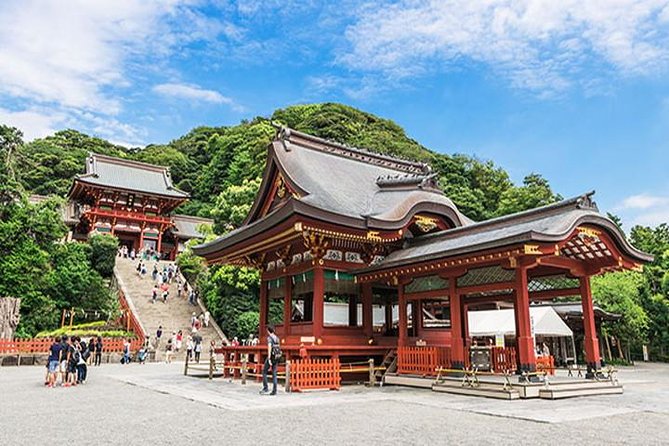
Tsurugaoka Hachimangu is the natural introduction to Kamakura. The shrine is dedicated to Hachiman, associated with Emperor Ojin and long linked with the Minamoto family and the samurai tradition.
Its broad approach and formal shrine setting give your guide room to explain how religion and warrior government met in Kamakura. The visit is listed at about 15 minutes, which is enough for a quick look but not a long, unhurried exploration.
The shrine also puts you near Komachi Street, Kamakura’s main shopping lane. Here you can browse snacks, small gifts, and local specialties, including Hatosabure, a dove-shaped butter biscuit associated with Kamakura. The street is convenient, but much of the merchandise is aimed at tourists, so treat it as a pleasant food and shopping stop rather than the cultural heart of the day.
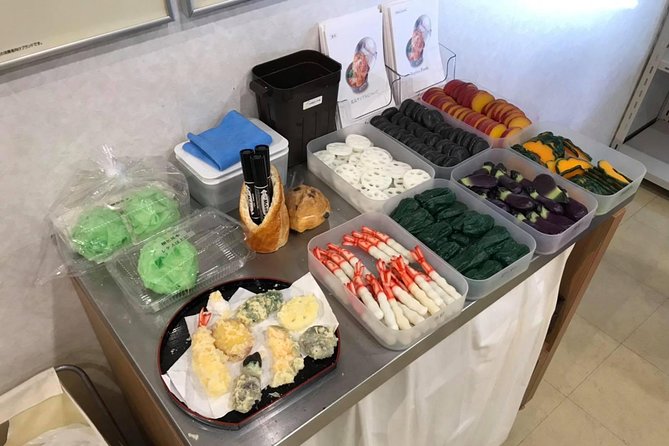
Guides can make this section more useful by helping you order lunch or identify something that fits your diet. Several guides have recommended restaurants, and one lunch of tempura received particularly high praise. Food is not included, so keep money and time aside for it.
Meeting the Great Buddha at Kotoku-in
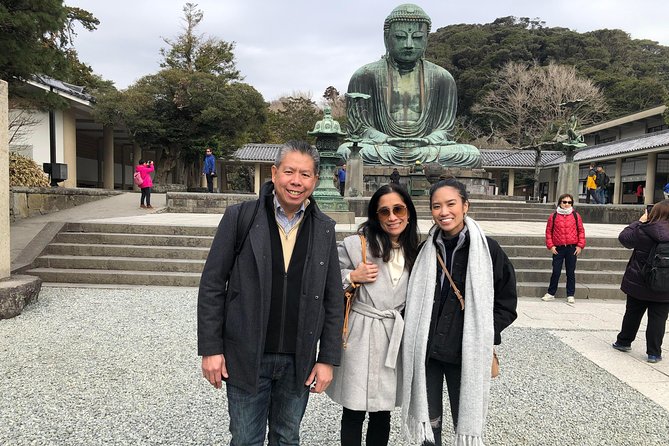
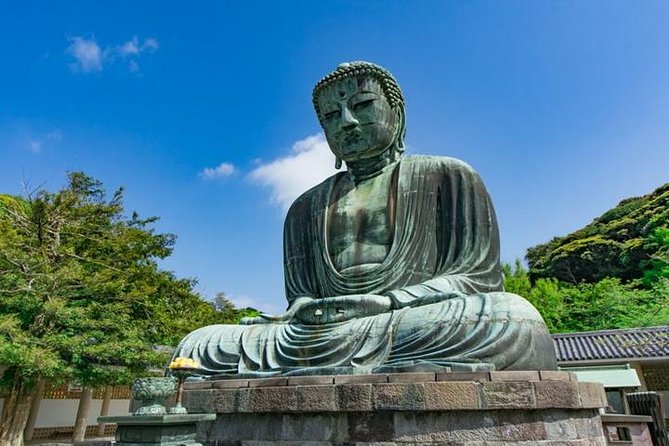
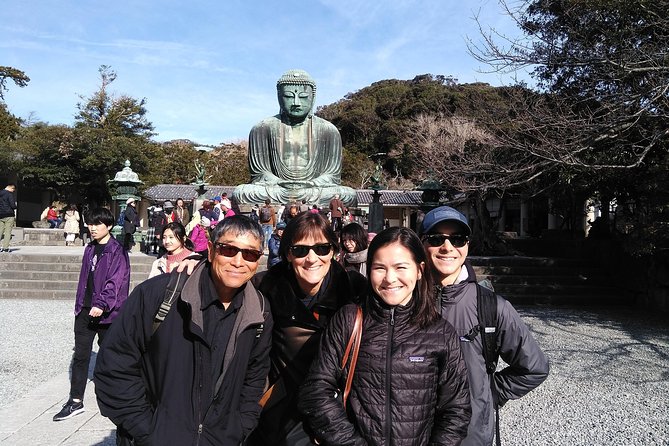
The Great Buddha of Kamakura is the tour’s visual anchor. This bronze Amida Buddha measures 11.4 meters high and sits in the grounds of Kotoku-in Temple. Its size is impressive, but the open-air setting gives it a calm, human scale that photographs do not fully convey.
The listed visit is about 15 minutes. That can work if you are combining the statue with Hasedera and other coastal sights, but you may want more time for photographs and a quiet look.
Admission is not included. Entry to the temple grounds costs extra, and entering the inside of the statue also has a separate fee. The tour information specifically notes that guide admission is covered only for sights included under the expected stops, so confirm the details with your assigned guide if your group adds an attraction.
A good guide adds context here rather than simply pointing at the statue. The strongest days described by visitors paired the Great Buddha with explanations of Kamakura’s religious sites and customs. If this is your main reason for coming, tell the guide not to compress it into a quick photo stop.
Hasedera for the ocean view
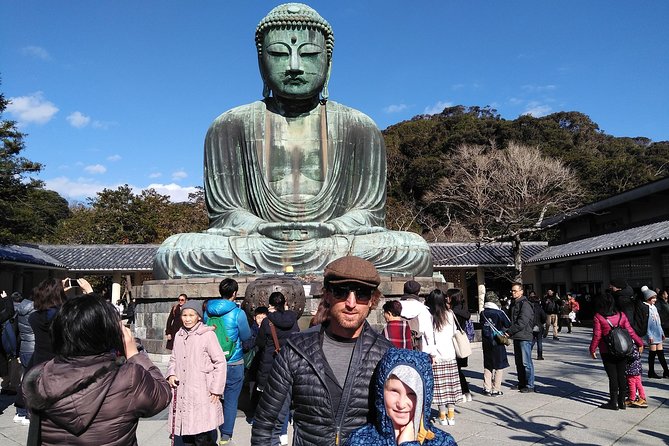
Hasedera is both a temple and a viewpoint. It is associated with an eleven-headed Kannon statue, a 9.18-meter gilded wooden image of the Buddhist figure of mercy. The temple’s higher paths provide views toward the ocean, making this one of the more varied stops in Kamakura.
The suggested visit is 15 minutes, though that is brisk. Admission is extra. If you want time for the view, temple grounds, and explanations of Kannon, say so at the planning stage.
Hasedera pairs naturally with the Great Buddha because both are in the Hase area. That saves backtracking and gives your day a logical rhythm: major religious site, enormous statue, then sea-facing temple grounds.
The coast also brings weather into the equation. A clear day can offer broad views and, in good conditions, possible Mount Fuji sightings from coastal points such as Inamuragasaki. A cloudy or windy day may still be enjoyable, but do not build your entire decision around Fuji.
Other walking tours we've reviewed in Tokyo

Bamboo, hills, and quieter temple choices
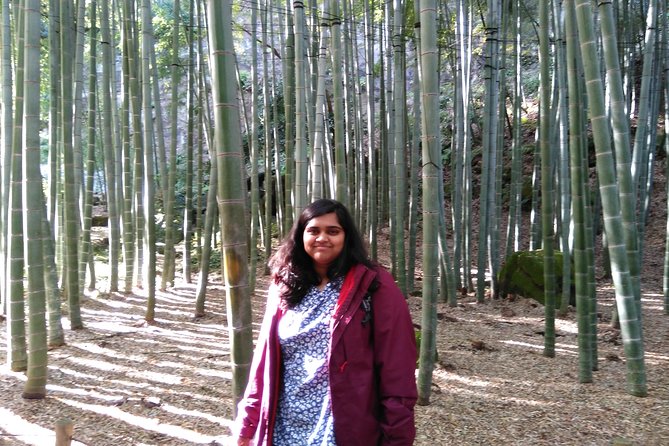
Hokoku-ji is the choice for a short, atmospheric bamboo walk. More than 2,000 bamboo stalks grow behind the main hall, with narrow paths passing through the grove. The suggested visit lasts 30 minutes, and admission is extra.
This is a small grove, not an all-morning woodland hike. Its compact size makes it easy to add to a temple-focused day, but expect limited time if you also want the Great Buddha, Hasedera, and Enoshima.
Kamakura’s hiking trails offer a different view of the town. The wooded hills connect temples and provide about an hour of walking. This option suits you if you prefer fresh air and local scenery to another formal temple interior. It also requires more stamina than the short temple stops, so be clear about your pace.
Zeniarai Benten adds a distinctive custom. At this shrine, people wash coins in a sacred spring, following the belief that washed money will grow. Admission is free, but the visit is more about participation and atmosphere than grand architecture.
Meigetsuin is known as the Hydrangea Temple because hydrangeas bloom heavily on its grounds. The suggested stop is only 10 minutes, so it makes most sense when flowers or a particular seasonal visit matters to you.
Kamakura’s five great Zen temples
The private format is especially useful if Zen temples are your main interest. Kamakura’s historic temple network gives you several choices, but seeing them all in one day would leave little time for anything else.
Kencho-ji is ranked first among Kamakura’s five great Zen temples and is described as the town’s oldest Zen temple. Engaku-ji is ranked second and is one of eastern Japan’s leading Zen temples. Each is allotted about 30 minutes, with separate admission fees.
Jufukuji is ranked third, while Jochiji is ranked fourth. Jochiji is a branch temple of the Engakuji school and is also listed for roughly 30 minutes. Jomyo-ji, ranked fifth, sits in the eastern hills and has ties to the Ashikaga family.
These temples are not interchangeable. A guide can explain the differences in Zen schools, founders, and setting, but you should choose two or three rather than trying to collect all five. The shorter visits to Jufukuji and other smaller temples may work as brief additions, while Kencho-ji or Engaku-ji deserve more room if you want to slow down.
Other quiet options include Tokeiji, once associated with the Engakuji school, and Eisho-ji, the only surviving nunnery in Kamakura. Eisho-ji’s connection to a woman tied to the Tokugawa family gives it a different historical angle from the male-monastic Zen centers.
Eastern Kamakura and less familiar stops
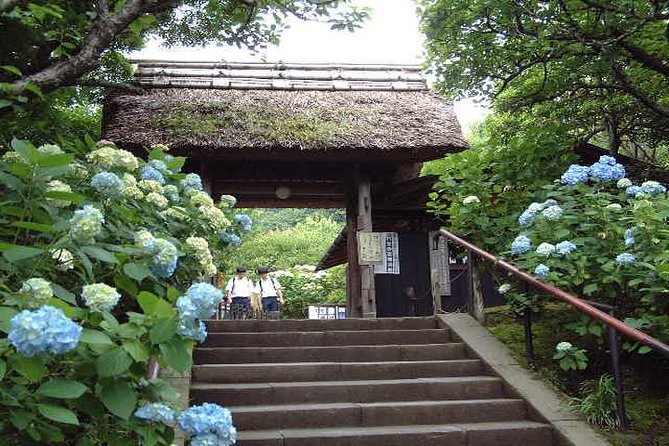
If you have already seen the headline attractions, ask about eastern Kamakura. Ankokuronji and Myohonji are Nichiren temples along the southeastern hills. Both offer a quieter alternative to the central route, with about 30 minutes suggested at each.
Zuisen-ji lies in a narrow valley surrounded by wooded hills and is a branch temple of Engaku-ji. Its location makes it attractive for a peaceful garden and temple day, but reaching it may consume more of your limited time.
These places reward a focused plan. They are not ideal add-ons if you also want Enoshima, bamboo, the Great Buddha, and shopping. The private guide’s real value is helping you decide what to leave out.
Adding Enoshima to an already full day
Enoshima Island lies just west of Kamakura, connected to the mainland by a bridge and reached by a short train ride. It offers a shrine and other tourist attractions, plus coastal scenery.
The suggested visit is 30 minutes, which is enough for a quick taste but not a full island exploration. Adding Enoshima can make the day feel broad and varied, but it also brings more train time and walking.
Choose it if the sea, island atmosphere, or Enoden train route interests you. Skip it if you would rather spend the day inside temples and gardens. One particularly active itinerary ran from Kita-Kamakura through Kamakura and on to Enoshima, but that pace involved a lot of movement.
What the $201.51 price really buys
At $201.51 per person, this is not a cheap way to get to Kamakura. You still pay for trains, buses, admission fees, lunch, and personal purchases. A private vehicle is not provided.
The value is in the guide’s time and flexibility. You get a licensed local English-speaking guide for up to eight hours, a private itinerary, help with transport, and assistance with cultural details that can be easy to miss when exploring alone.
The price makes more sense for a couple, family, or small group that wants personal attention. Group discounts may improve the cost per person, but separate tour groups cannot be combined. Solo visitors should weigh the convenience against the higher per-person cost.
The strongest practical benefit is not simply translation. It is route management. Guides have helped people find meals, handle dietary requests, take photographs, change the plan, and move through crowded stations and temple areas. If you are comfortable with Japanese trains and already know your preferred sights, you may save money by going independently.
Who should book this private day
I would choose this tour if you want Kamakura’s major sights but do not want to spend the day studying train routes and temple maps. It also suits families, older adults who need a patient pace, solo visitors who want confidence with transport, and anyone with a specific food request or must-see list.
It is less suitable if you want a slow retreat. The eight-hour limit, public transit, and wide choice of stops can create a rushed day if you try to do too much.
Guides have included Taka, Shinji, Kenji, Makoto, Andy, Fumio, Nobu, Eiko, Yasuho Suzuki, Minoru Asai, and others. Your guide is assigned rather than selected from this list, so do not book expecting a particular person unless the operator confirms it.
Free cancellation is available up to 24 hours before the start time. Changes or cancellations inside that window are not accepted for a refund.
Should you book it?
Book this tour if you want a personalized Kamakura day with help on trains, buses, temples, lunch, and timing. Before booking, make a short list of your top three priorities and tell the guide that transportation counts toward the eight hours.
For a first visit, I would prioritize Tsurugaoka Hachimangu, the Great Buddha, Hasedera, and either Komachi Street or Hokoku-ji. Add Enoshima only if you are happy with a faster pace. If you prefer quiet Zen temples or hiking, replace shopping and coastal stops rather than trying to fit everything in.
FAQ
How long is the Kamakura tour?
The tour lasts approximately eight hours, including travel time by public transportation.
Is this a private tour?
Yes. Only your group participates in the activity.
Where does the guide meet me?
The guide meets you on foot within a designated area of Tokyo. This is not a private-vehicle pickup service.
Is transportation included?
No. Train, bus, and other transportation fees are not included in the tour price.
Are entrance fees included?
No. Admission fees are generally separate. Guide entry fees are covered only for sights listed under the expected stops.
How many sights can I choose?
The tour is described as customizable, with four to six sites available from the expected stops. The overview also refers to choosing three to four sites, so confirm the exact number with the operator when planning.
Is lunch included?
No. Lunch and personal expenses are separate. Your guide can help you choose a restaurant, and past itineraries have included local meals and help with dietary requests.
Can I visit Enoshima?
Yes. Enoshima is one of the possible stops, with about 30 minutes suggested. The short train ride there counts within the tour schedule.
What is the cancellation policy?
You can cancel at least 24 hours before the experience start time for a full refund. Cancellations or changes made less than 24 hours in advance are not accepted.
More Guided Tours in Tokyo

More Walking Tours in Tokyo
More Kamakura & Enoshima Day Trips in Tokyo


More tours in Tokyo we've reviewed












Kamakura & Enoshima Day Trips, compared.
 ★ 4.5Tokyo: Kamakura & Enoshima Day Trip including Temple TicketsFrom $589 hours - 570 minutes
 ★ 5.0Mount Fuji, Kamakura, Big Buddha, & Lake Ashi Day TripFrom $109
 ★ 4.7Tokyo: Mt Fuji, Kamakura, Lake Ashi & Big Buddha Guided TourFrom $50
 ★ 4.5From Tokyo: Kamakura & Enoshima 1-Day Bus TourFrom $66
 ★ 4.9Tokyo:Sea of Mount Fuji, Hakone Ropeway, Ōwakudani, EnoshimaFrom $5010 hours
 ★ 5.0Kamakura Private & Customizable Tour – All-in-One ExperienceFrom $512 - 8 hours