Reviewed · KAMAKURA & ENOSHIMA DAY TRIPS
Private Car Tour to see Highlights of Kamakura, Enoshima, Yokohama from Tokyo
Kamakura’s Great Buddha, quiet temple grounds, and samurai-era shrines make this one of Tokyo’s best day trips. Add Enoshima’s seaside views or Yokohama’s port, gardens, and Chinatown, and you get three very different sides of the region in one private outing.
In This Article
- Key points at a glance
- What this private day trip really offers
- Kamakura’s Great Buddha and temple circuit
- Komachi Street and Kamakura’s Zen temples
- Enoshima, sea views, and the famous railroad crossing
- Yokohama’s waterfront, gardens, and port views
- Chinatown, Cup Noodles, and ramen
- Guides, language, and the human side of the day
- Is the $1,183.65 price fair?
- Practical planning before you book
- Should you book this Kamakura and Yokohama tour?
- FAQ
- How long does the private car tour last?
- How many people can join the private tour?
- Is pickup from Tokyo offered?
- Can I visit every stop listed?
- Can the itinerary be customized?
- Are the guide and driver included?
- What costs are included in the tour price?
- Is lunch included?
- Are attraction admission fees included?
- What is the cancellation policy?
I like the custom itinerary and the comfort of a van, especially since Kamakura and Yokohama can take 1 to 1.5 hours to reach from Tokyo. I also like that local guides such as Ken, Yoshi, Yoshimi, Masae, and Taiji have shaped days around family interests, weather, lunch, and even anime or Cup Noodles.
The catch is simple: you cannot realistically visit every stop listed in 10 hours. The operator advises choosing about four to six sites, and traffic can eat into your sightseeing time. Admission fees and lunch cost extra, so the attractive group price works best when you share it with several people.
Key points at a glance

- Kamakura’s Great Buddha and temples: See the 13.5-meter bronze Amida Buddha, bamboo at Hokokuji, flowers at Hasedera, and major Zen temples.
- A private van for up to eight: Transport, fuel, highway tolls, parking, and bottled water are included.
- You choose the day’s shape: Focus on Kamakura, add Enoshima, or trade temple time for Yokohama food and waterfront sights.
- Strong guide-and-driver format: Guides including Ken, Yoshi, Yoshimi, and Taiji have been praised for flexibility, English, history, and personal attention.
- Food and pop-culture options: Stop in Chinatown, make an original Cup Noodle, visit the Ramen Museum, or photograph the Slam Dunk railroad crossing.
- Plan for extra costs: Temple admissions, museums, the Landmark Tower observatory, lunch, and gratuity are not included.
What this private day trip really offers

This is not a fixed sightseeing circuit where you rush from one photo stop to another. It is a private car day built around a long menu of possibilities. You select about four to six places after booking, then ask the guide for advice on what fits together.
That flexibility matters in this part of Japan. Kamakura has many temples and shrines spread across several areas, while Enoshima and Yokohama pull the day in different directions. A private vehicle lets you avoid repeated train changes and gives your group a place to rest between visits.
The tour lasts about 10 hours and includes pickup in Tokyo. The van is air-conditioned, and the price covers highway tolls, gasoline, fuel surcharge, parking, private transportation, and bottled water. For a group of eight, the $1,183.65 total works out to about $148 per person before admissions, meals, and gratuity. For two people, it is a much more expensive proposition.
The strongest part of the arrangement is the pairing of guide and driver. Several experiences were led by a guide and a separate driver, which allowed the guide to stay focused on explanations and the driver to handle Tokyo-area traffic. That setup was especially useful on a stormy day, when a private vehicle made movement between sites easier and more comfortable.
A few more Tokyo tours and experiences worth a look
Kamakura’s Great Buddha and temple circuit
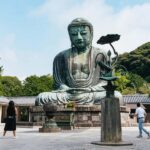
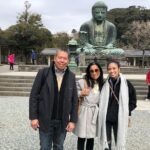
Start with Kotoku-in, home of the Great Buddha of Kamakura. The open-air bronze Amida Buddha rises 13.5 meters, or about 44 feet, and is Kamakura’s only national treasure. You can also enter the statue for 20 yen, while general admission is 200 yen per person.
Allow about 30 minutes here. That is enough for the statue, a look around the grounds, and the unusual chance to step inside the hollow bronze figure. It is a compact stop, so it fits well into a day with several other sites.
Hokokuji offers a completely different mood. Its bamboo grove is the star, with tall green stalks lining a short walking path. The temple is noted in the Michelin travel guide, but the real appeal is the pause it gives you. At the teahouse, a 600-yen admission includes matcha and a Japanese sweet served with a view toward the bamboo.
The listed visit time ranges from 20 to 60 minutes, though the actual stop depends on how long you want to sit. I would protect time for the tea if you choose this temple. It is more than a quick photograph, and it gives the day a quiet, restful center.
Hasedera is known as a temple of flowers. Cherry blossoms appear in spring, hydrangeas usually peak from late May through late June, and maple leaves color the grounds in autumn. The temple also houses a 9.18-meter gilded wooden statue of Kannon, the eleven-headed goddess of mercy.
Admission is 400 yen per person, and you should allow 30 to 60 minutes. The grounds combine religious art, seasonal plants, and views, so this is one of the better choices if your group wants variety rather than one more large shrine courtyard.
Tsurugaoka Hachimangu is Kamakura’s major Shinto shrine. It honors Hachiman, associated with war and the samurai, and remains a popular setting for weddings. The approach and grounds are especially attractive during cherry blossom and azalea seasons.
There is no listed admission fee, and 30 to 60 minutes works well. This stop gives you the clearest link to Kamakura’s samurai past, so I would choose it if the main reason for your day trip is Japanese history.
Komachi Street and Kamakura’s Zen temples
Komachi Street runs near Tsurugaoka Hachimangu and is the natural place to add a snack or souvenir break. Shops sell carved Kamakura lacquerware, pigeon-shaped Toshimaya Hato Sable cookies, and bean snacks from Kamakura Mameya.
The suggested time ranges from 20 to 80 minutes. That wide range tells you how this stop works: it can be a quick walk, or a lunch and shopping pause. The street can also feel more commercial than the temple areas, so I would not give it an hour unless your group genuinely enjoys browsing and eating.
Kenchoji is Kamakura’s oldest and highest-ranking Zen temple. Admission is 500 yen per person, with about 30 minutes suggested. Meditation practice takes place on certain dates, and Zen-themed T-shirts are sold on site.
Engakuji, the second major Zen temple, is known for its large gate and bell. You can also find the grave of film director Yasujiro Ozu here. Admission is 300 yen, and a café inside the temple compound serves lunch, Japanese sweets, matcha, and other drinks on certain dates.
The two Zen temples are close in theme, so most people do not need both unless they have a strong interest in temple architecture and Zen practice. If you want one, Engakuji may offer a wider mix of sights and a possible café stop. Kenchoji makes sense if rank and Zen tradition matter most to you.
Meigetsuin is often called the Hydrangea Temple. Blue hydrangeas bloom from late May through late June, and the circular window in the main hall frames the garden behind it. Admission is 500 yen.
This is a seasonal choice. Outside hydrangea season, the temple may still appeal to garden lovers, but the crowds around the famous window can slow your visit. Ask your guide about current conditions before assigning a large part of the day to it.
Zeniarai Benten is a small Shinto shrine associated with the belief that washing money in its sacred water can increase income. There is no listed admission fee, and 30 minutes is suggested. It offers a folk-religion experience that feels different from the major temple compounds.
Tokeiji has a particularly meaningful past. It once served as a shelter for women escaping abusive husbands, at a time when only men could seek divorce. Its gardens offer flowers throughout the year, including early spring plums, June iris, and climbing hydrangea.
Admission is 200 yen per person. Allow around 30 minutes. I would pair Tokeiji with one of the larger Zen temples rather than trying to visit every religious site on the list.
Enoshima, sea views, and the famous railroad crossing

Enoshima is the best choice when your group wants a change of pace. The island has shrines, an aquarium, a botanical garden, an observation tower, and caves. On a clear day, you may see Mount Fuji from several points.
The suggested visit can be anywhere from 30 to 150 minutes, which makes Enoshima either a quick coastal stop or a major part of the day. If you want the aquarium, caves, gardens, and tower, do not combine the island with a long Yokohama program.
A short photo stop is also possible at a railroad crossing with the sea behind it. The crossing appeared in the opening sequence of the anime Slam Dunk, making it a fun add-on for fans and a quick coastal photograph for everyone else.
The reviews show how useful customization can be here. One family combined Kamakura with a traditional lunch in Enoshima. Another group added Cup Noodles and finished with a Yokohama pier and Chinatown. The guide can help you decide if the island deserves a full visit or just a scenic pause.
Yokohama’s waterfront, gardens, and port views

Yokohama offers a sharp contrast to Kamakura. Minato Mirai 21 is a modern seaside district with Landmark Tower, Cosmo World amusement park, and the Red Brick Warehouses shopping center. The listed visit time is 30 to 60 minutes.
Sankeien Gardens gives you the more traditional side of the city. A wealthy businessman designed the garden, and 17 important buildings were moved from Kyoto and elsewhere and placed among the grounds. Admission is 700 yen, with 30 to 90 minutes suggested.
Choose Sankeien if you want gardens and old buildings. Choose Minato Mirai if you prefer urban views, shopping, and a modern port setting. Trying to do both, along with several Kamakura temples, can make the day feel hurried.
The Landmark Tower Sky Garden sits 273 meters above the ground and looks across Yokohama Bay and Tokyo Bay. On a clear day, Mount Fuji may also be visible. Admission is 1,000 yen per person, and 30 minutes is suggested.
Yamashita Park is a simple waterfront walk where locals come to relax with coffee. Street performers appear on weekends, and a photo stop can be arranged. Osanbashi Yokohama International Passenger Terminal offers another fine view back toward Minato Mirai.
Minato-no-Mieru-Oka Park provides a third viewpoint, along with an English garden. It sits beside the former Western residential district created when Yokohama opened as an international port near the end of the Tokugawa Shogunate.
These viewpoints overlap, so select one or two rather than collecting all three. The private car is useful here because the stops are spread around the harbor, but traffic and parking can still shape the schedule.
Other private tours in Tokyo


Chinatown, Cup Noodles, and ramen

Yokohama Chinatown is Japan’s largest Chinatown and can be added for lunch or a food stop. It is a sensible choice if you want Chinese food during your Japan trip or simply need a break from temple visits.
The Cup Noodles Museum is a more hands-on option. Admission is 500 yen per person, and the visit lasts about 45 to 90 minutes. You can learn how instant noodles developed, create your own cup with selected toppings, sample noodle flavors from around the world, and shop for museum-only souvenirs.
This stop works particularly well for families. One group added original Cup Noodles to a day focused on Kamakura temples, and the activity became an unexpected highlight. Check the timing with your guide, since museum reservations or facility schedules may affect the route.
Ramen fans can choose the Shinyokohama Ramen Museum. Admission is 310 yen per person, and the suggested visit lasts about an hour. Eight types of ramen are available in one place, making this a practical food stop if your group cannot agree on a single ramen style.
You should not try to combine both food museums, Chinatown, Enoshima, and a full Kamakura circuit in one day. Pick the food experience that fits your group, then use the remaining hours for the sights you care about most.
Guides, language, and the human side of the day

The company uses local Japanese guides and professional drivers. Names appearing in the supplied experiences include Ken, Kenji, Yoshi, Yoshimi, Masae, Taiji, Sumiko, Matsashi, Elina, and others, but you should not assume a particular person will lead your tour.
English ability and guiding style can vary by individual. The strongest accounts describe guides who were warm, patient, flexible, and good at explaining Japanese culture and history. Yoshimi was praised for energy and care, while Yoshi was noted for excellent English and enthusiasm. Ken and Kenji were described as friendly and helpful, and Taiji combined temple visits with Cup Noodles, waterfront views, and Chinatown.
There was also one clear warning: a group found its guide insufficiently familiar with the material and felt the day included unwanted filler. The operator attributed that experience to limited preparation, reservation restrictions, and a changed lunch venue. I would reduce this risk by giving your interests in detail when booking and confirming your preferred four to six stops in advance.
Is the $1,183.65 price fair?

For up to eight people, the group price can be good value. You are paying for a full day, a private vehicle, driver, guide, fuel, tolls, parking, and pickup rather than simply buying transport between attractions. Families and groups that would otherwise need several taxis may find the math reasonable.
For a couple, the price is harder to justify. Public transport can reach Kamakura, Enoshima, and Yokohama, though it requires more planning and walking. The private tour earns its premium through saved time, direct routing, local help, and the ability to adjust the day.
Add admission fees as you go. Examples include 200 yen for the Great Buddha, 600 yen for Hokokuji with matcha and a sweet, 400 yen for Hasedera, 500 yen for Kenchoji, 300 yen for Engakuji, 700 yen for Sankeien, and 1,000 yen for the Landmark Tower Sky Garden. Lunch and a 5 to 20 percent gratuity are also extra.
Practical planning before you book
Tell the operator about dietary needs when booking. A vegetarian option is available. Also tell the guide if you care most about flowers, samurai history, gardens, food, anime, shopping, photography, or modern Yokohama.
Build in a backup plan for weather. Mount Fuji views depend on clear conditions, and the schedule may change or be cancelled because of weather or traffic. The tour is not cancelled or refunded simply because some views are poor.
The activity confirms at booking, accepts mobile tickets, allows service animals, and is near public transportation. Most people can participate, but the number of walking stops means you should discuss any mobility concerns before setting the route.
Free cancellation is available up to 24 hours before the start time. Changes made inside that window are not accepted, and a late cancellation is not refunded.
Should you book this Kamakura and Yokohama tour?
Book it if you are a family, cruise group, or party of four to eight that wants a full day without wrestling with Japanese rail connections. It is especially useful for a first visit when you want Kamakura’s major sights, a taste of Enoshima, and one carefully chosen Yokohama experience.
I would not book it expecting to see all 19 listed possibilities. Choose four to six stops, keep the route sensible, and confirm your priorities before the day. For the best balance, consider the Great Buddha, Hasedera, Tsurugaoka Hachimangu, Hokokuji, and either Enoshima or one Yokohama food or waterfront stop.
For couples on a tight budget, the cost may be too high. For a larger group that values comfort, personal guidance, and a flexible schedule, this private van tour can turn a complicated day outside Tokyo into a very manageable one.
FAQ
How long does the private car tour last?
The tour lasts approximately 10 hours.
How many people can join the private tour?
The vehicle and tour can accommodate a group of up to eight people.
Is pickup from Tokyo offered?
Yes. Pickup is offered, and private transportation is included.
Can I visit every stop listed?
No. The listed sites are possible options, and you should select around four to six sites for the day.
Can the itinerary be customized?
Yes. The itinerary is fully customizable, and you can ask the guide for advice and suggestions after booking.
Are the guide and driver included?
Yes. The experience includes a professional guide and driver, along with a private air-conditioned vehicle.
What costs are included in the tour price?
The price includes the van, highway tolls, parking, gasoline, fuel surcharge, private transportation, and bottled water.
Is lunch included?
No. Lunch is not included. You can request a lunch stop, including Yokohama Chinatown, and vegetarian options are available if you provide dietary details at booking.
Are attraction admission fees included?
No. Admissions are separate. Fees listed for attractions include 200 yen for the Great Buddha, 600 yen for Hokokuji with matcha and a sweet, 400 yen for Hasedera, and 1,000 yen for the Landmark Tower Sky Garden.
What is the cancellation policy?
You can cancel up to 24 hours before the experience start time for a full refund. Cancellations or changes made less than 24 hours before the start time are not accepted for a refund.
More Private Car with Driver in Tokyo
More Private Tours in Tokyo
More Kamakura & Enoshima Day Trips in Tokyo


More tours in Tokyo we've reviewed
Kamakura & Enoshima Day Trips, compared.
 ★ 4.5Tokyo: Kamakura & Enoshima Day Trip including Temple TicketsFrom $589 hours - 570 minutes
 ★ 5.0Mount Fuji, Kamakura, Big Buddha, & Lake Ashi Day TripFrom $109
 ★ 4.7Tokyo: Mt Fuji, Kamakura, Lake Ashi & Big Buddha Guided TourFrom $50
 ★ 4.5From Tokyo: Kamakura & Enoshima 1-Day Bus TourFrom $66
 ★ 4.9Tokyo:Sea of Mount Fuji, Hakone Ropeway, Ōwakudani, EnoshimaFrom $5010 hours
 ★ 5.0Kamakura 8 hr Private Walking Tour with Licensed Guide from TokyoFrom $201