Reviewed · JDM & CAR CULTURE
Daikoku Parking Area : JDM car meet tour by a local Japanese
Tokyo’s famous Daikoku Parking Area car meet is not easy to reach on your own. This three-hour ride with local driver Toshiro takes you there by way of the Metropolitan Expressway, Bay Shore Route, and Rainbow Bridge, with a second car stop at Tatsumi 1st PA. I like the small group size and the chance to see the real roads featured in Japanese car culture games and films. The main drawback is that the tour can feel more like transportation than a guided experience if you want detailed car talk or commentary.
In This Article
- Key points at a glance
- Why Daikoku Parking Area matters to car fans
- The route from Ōba to Tatsumi 1st PA
- Passing Tokyo Skytree Town and Tokyo Tower
- Ninety minutes at Daikoku Parking Area
- Crossing Rainbow Bridge after the car meet
- What the $127 price really buys you
- Picking the right night and departure time
- Who will enjoy this experience most
- The small-group advantage and its limits
- Booking details that affect your decision
- Should you book the Daikoku car meet tour?
- FAQ
- How long does the Daikoku Parking Area tour last?
- Where does the tour start and finish?
- How many people can join the shared tour?
- Is hotel transportation included?
- What places are visited?
- What happens if it rains?
- Can I cancel for a full refund?
I also like the night views. Even if you cannot name a Nissan Skyline from a Toyota Supra, the route gives you Tokyo from an unusual angle, with Tokyo Tower and Tokyo Skytree passing by along the way. Just remember that police may close Daikoku from around 8:30 p.m., so Friday and Saturday departures may need to start at 6 p.m. rather than later.
Key points at a glance
- Daikoku Parking Area: Spend about 90 minutes at Tokyo’s best-known JDM meeting point.
- Tatsumi 1st PA: Make a 15-minute photo stop at another expressway gathering place.
- Tokyo night drive: Cross Rainbow Bridge and pass Tokyo Tower and Tokyo Skytree.
- Tiny shared group: Ride with up to three customers, which keeps the outing simple and personal.
- Toshiro’s driving: You get an experienced local Japanese driver who is described as kind, friendly, and a good driver.
- Timing matters: Friday and Saturday trips may run from 6 p.m. to 9 p.m. because Daikoku can close early.
Why Daikoku Parking Area matters to car fans
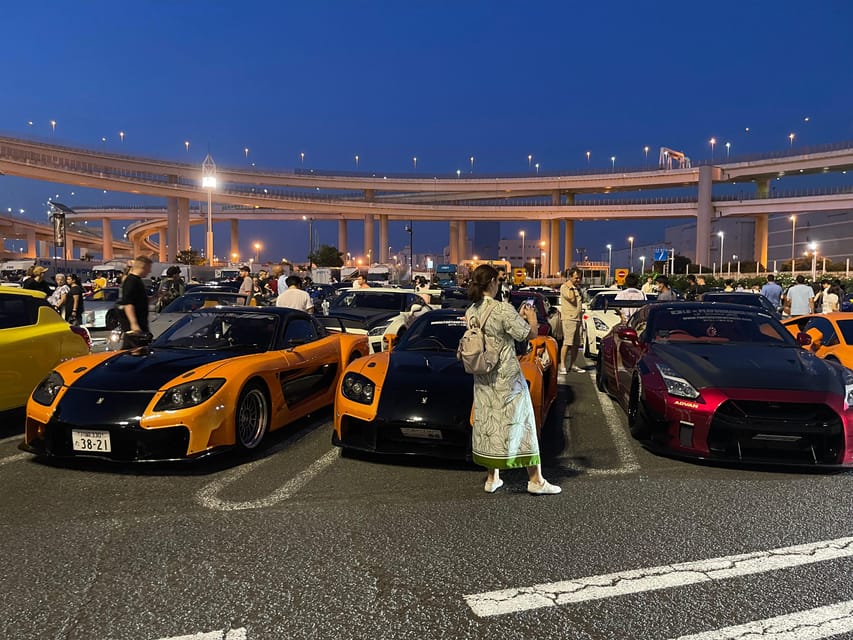
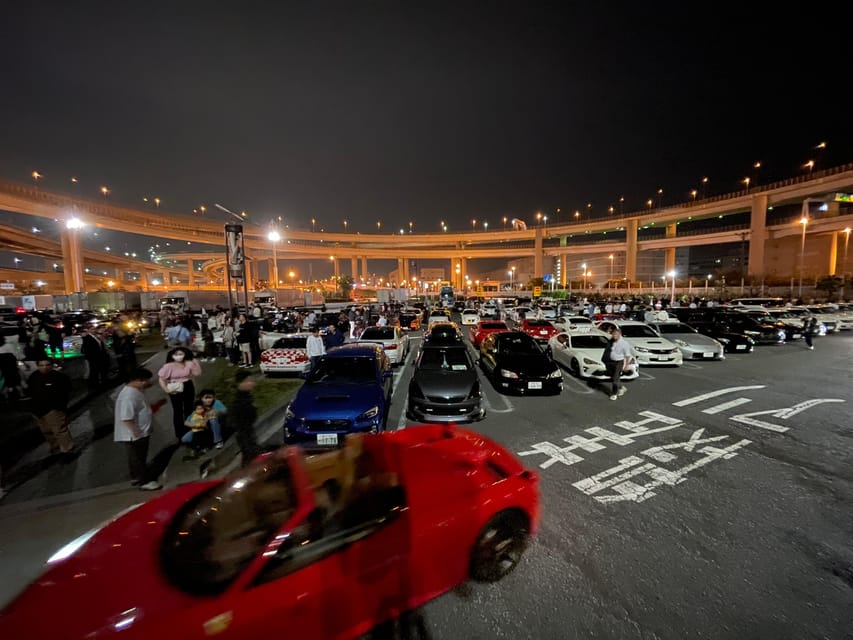
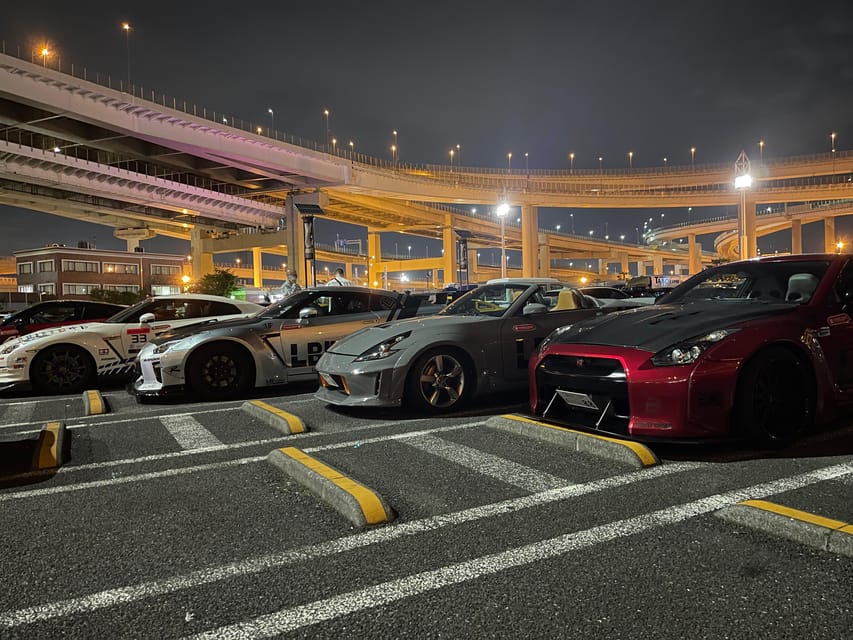
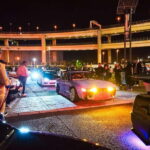
Daikoku Parking Area is more than a roadside rest stop. It is one of the best-known meeting places for Japan’s modified-car scene, and it has become part of the mythology around Tokyo driving. The appeal is not only the cars parked there. It is the setting: an industrial bay area, broad expressways, bright city lights, and the sense that this is where car culture actually happens rather than a display arranged for tourists.
That makes the route itself important. You are not simply being driven from a hotel to a parking lot. You follow stretches of Tokyo’s expressway system associated with Japanese street-racing games and manga, including Wangan Midnight and Shuto Ko Battle. The tour presents those roads as real places, not just fictional backdrops.
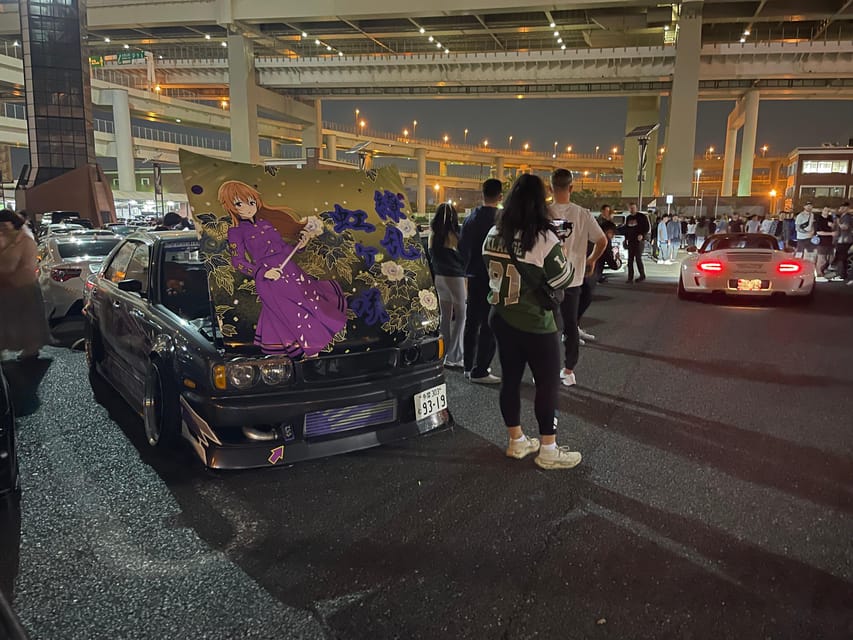
You may see an impressive mix of Japanese cars at Daikoku, but the exact selection is never guaranteed. Car meets change from night to night, and the police can restrict access. That uncertainty is part of the nature of the scene, but it also means you should book this for the atmosphere and the possibility of great cars, not for a promised model list.
A few more Tokyo tours and experiences worth a look
The route from Ōba to Tatsumi 1st PA
The meeting point is in front of MOS BURGER in Ōba. This is a shared tour, so punctuality matters. A late arrival can affect the small group and the fixed three-hour schedule, and there is no suggestion that the driver can wait indefinitely.
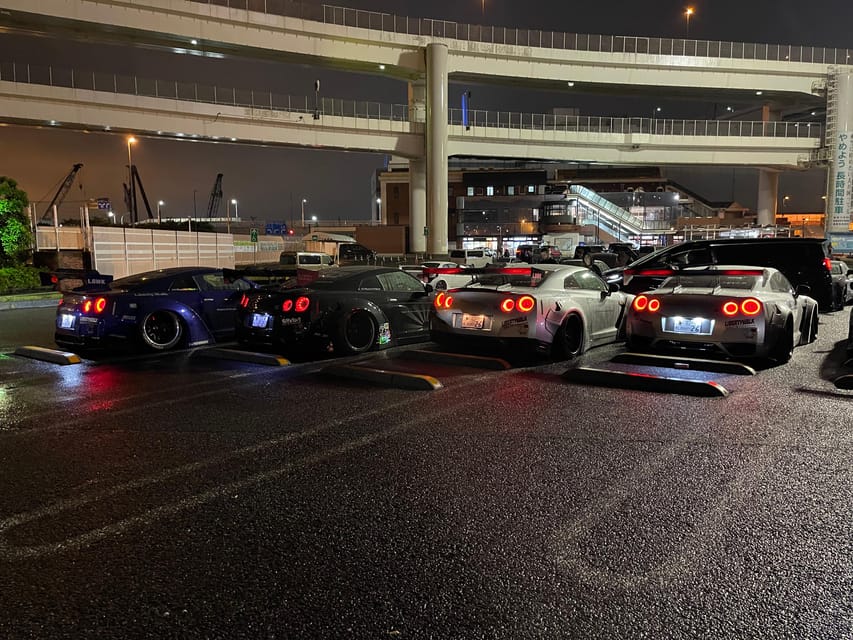
The first stop is Tatsumi 1st Parking Area, where you have about 15 minutes for photographs. Tatsumi is a useful introduction to the night-drive theme because you get a quick look at another expressway stop before reaching Daikoku. It is brief, so think of it as a photo pause rather than a full visit.
The short stay also keeps the main stop from being squeezed. If you are mainly interested in the cars, you will probably appreciate moving on quickly. If you want long conversations about every vehicle, this first stop may feel too short.
Passing Tokyo Skytree Town and Tokyo Tower
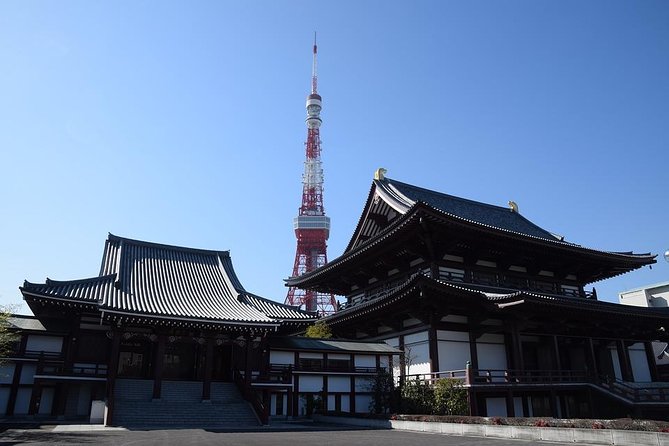
Between the parking areas, the drive becomes part sightseeing tour. Tokyo Skytree Town and Tokyo Tower are listed as pass-by sights, not stops. You should be ready to look from the vehicle and take in the view rather than plan on getting out for photographs.
This is a good fit for someone who has already seen the major Tokyo sights from street level. The expressway gives you a different view of the city, and the changing night scenery adds variety to what could otherwise be a simple car transfer.
The tradeoff is clear: you do not get time at either landmark. If your priority is a close-up photograph of Tokyo Tower or Skytree, use another outing for that. Here, they are landmarks along the drive, helping place you within the wider Tokyo night scene.
Ninety minutes at Daikoku Parking Area
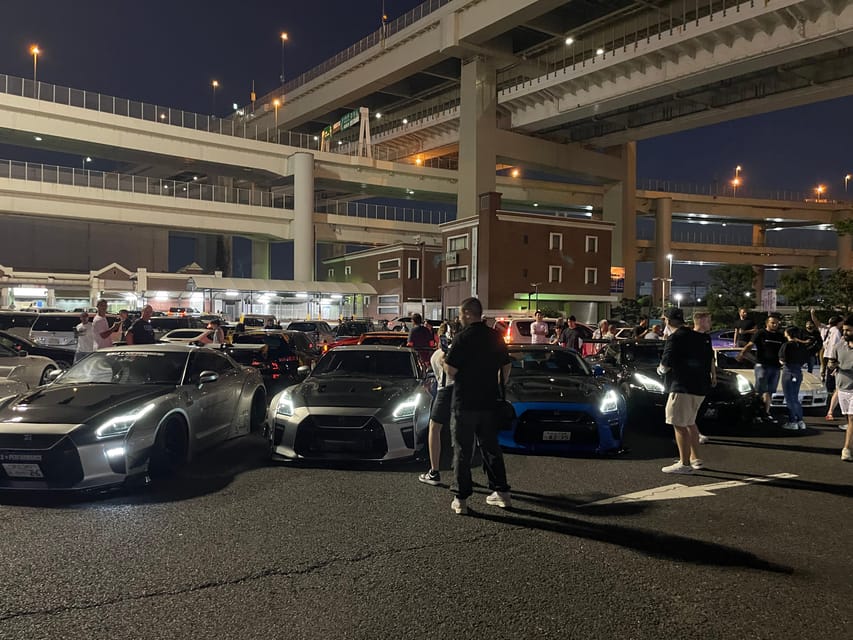
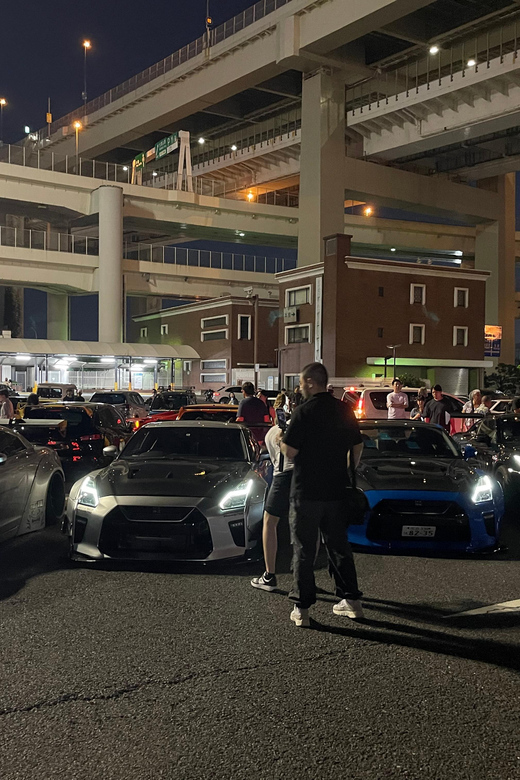
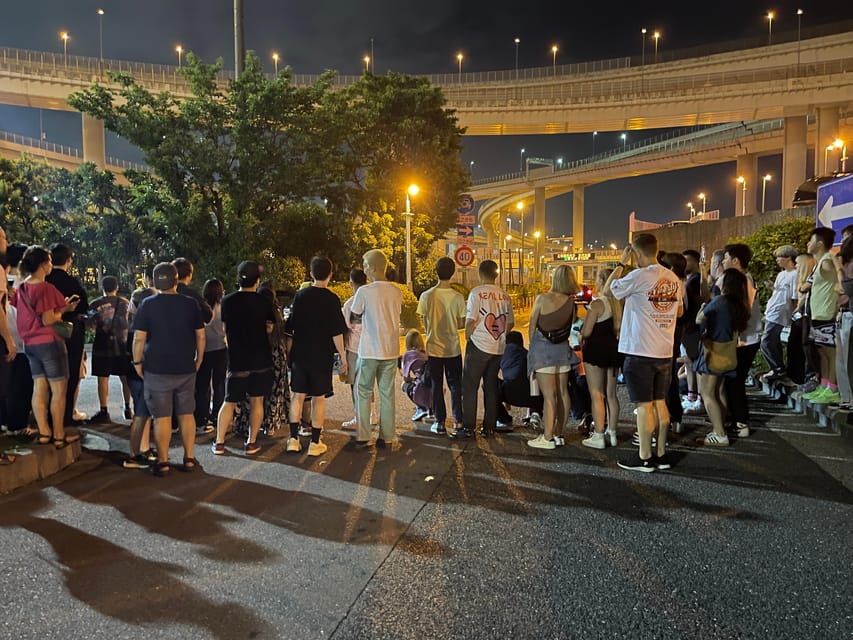
The main stop lasts about 1.5 hours. That is enough time to walk around, take photographs, and see what is gathering on the night you visit. It also gives you time to enjoy the social side of the place, where people share an interest in Japanese cars.
The strongest part of the experience is likely to be the atmosphere. One customer described the parking-area visit as wonderful because of the many people sharing the same passion. That is an important distinction. The tour does not create the car meet. It gets you to a real meeting place where the scene may be active, quiet, or somewhere in between.
You should also understand the guide’s role here. Toshiro handles the driving and access to the route, but the amount of car-focused explanation may vary. One person found the guide very friendly but felt the trip offered little conversation or information about the cars, making it feel like a taxi ride to Daikoku. Another praised Toshiro as a friendly local who could answer questions about Tokyo and make small talk.
That mixed experience points to the best way to use the tour. If you mainly need a reliable ride to Daikoku and enjoy exploring the parking area on your own, it can work well. If you expect a full automotive lesson, ask Toshiro questions directly and set your expectations before departure. The provided information confirms English-language guiding, but it does not promise a specialist car lecture.
Crossing Rainbow Bridge after the car meet
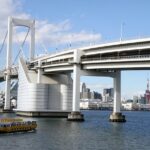
After Daikoku, the route returns through Tokyo’s expressway network and passes Rainbow Bridge. This is one of the most enjoyable parts for anyone who likes city views as much as engines.
Rainbow Bridge connects the Tokyo waterfront area with the city and gives the ride a strong visual change after the industrial setting around Daikoku. You stay in the vehicle, so this is a moving view rather than a formal photo stop. Still, the combination of roadway, water, lights, and elevated city views helps explain why this outing can appeal to people who are not serious car fans.
The route also gives you a taste of Tokyo’s scale. You move from Ōba to expressway interchanges, bay roads, parking areas, and major landmarks, all within a compact evening. Fuel and toll roads are included, so you do not need to budget separately for those basic tour costs.
What the $127 price really buys you
At $127 per person, this is not a cheap way to reach a parking area. The value depends on what problem you are trying to solve.
For a first-time visitor, the price covers a local driver, fuel, expressway tolls, and a route that would be difficult to reproduce without local knowledge of Tokyo’s road system. You also get a shared group limited to up to three customers, rather than joining a large sightseeing bus. That small scale can make the evening easier and more comfortable.
The price is less convincing if you see Daikoku as the only product. The 90-minute visit is free once you arrive, and the tour does not include a meal, hotel pickup, or a separate car museum. You are paying mainly for the drive, the access, the timing, and the convenience of not having to work out the route yourself.
The two practical questions are simple:
- Do you want a guided night drive through Tokyo’s car-culture setting?
- Are you comfortable with the possibility that the guide provides limited commentary?
If your answer to the first is yes and the second is acceptable, the price can be fair. If you only want to stand among cars for an hour, another transport option may be cheaper, though the tour’s route and included tolls add real value.
Picking the right night and departure time
The schedule matters more than it might first appear. Friday and Saturday nights are suggested as the best choices, with Sunday also a good option. Weekdays are possible, but the car meet may have a different feel and fewer cars.
On Friday and Saturday, the tour may leave at 6 p.m. and return around 9 p.m. The reason is practical: traffic police may close Daikoku Parking Area from about 8:30 p.m. A late start could leave you at the wrong end of the expressway when access is restricted.
This is not a fixed guarantee that the parking area will close every time, but it is a real planning concern. Confirm the starting time when you check availability, and do not arrive late at the MOS BURGER meeting point.
Rain can also change the plan. The tour can be postponed to a mutually convenient day if it rains. That flexibility is useful because wet weather can reduce the quality of an outdoor car meet and make photography less enjoyable.
Who will enjoy this experience most
I would recommend this outing to:
- JDM fans who want to see a real Japanese car meeting place.
- Visitors interested in the roads and settings connected with Japanese car media.
- Couples or friends who prefer a tiny shared group to a large organized tour.
- People who want Tokyo night views from the expressway.
- Anyone who finds public transport or self-driving to Daikoku inconvenient.
You do not need to be an expert. The city views, bridge crossing, and unusual route give the evening wider appeal. Still, the tour makes the most sense if you are happy to spend much of the time in a vehicle and explore Daikoku without expecting constant narration.
It is less suitable if you need hotel pickup, want a guaranteed lineup of famous cars, or expect a specialist guide to explain every vehicle. Hotel transportation is not included, and the meeting point is in Ōba. You will need to get there yourself and return there at the end.
The accessibility information lists the tour as wheelchair accessible. Since the ride uses a vehicle and includes parking-area visits, confirm the practical details for your own mobility needs before booking.
The small-group advantage and its limits
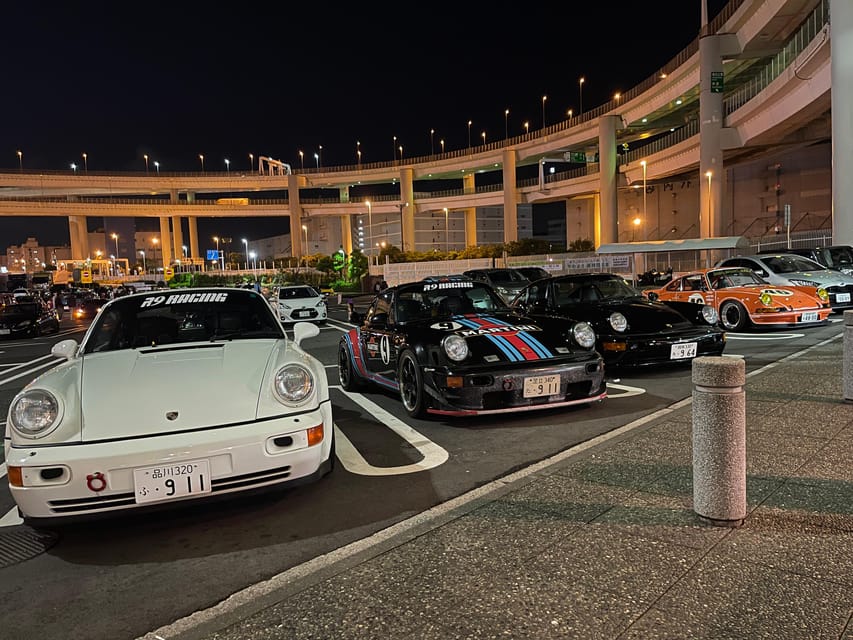
A shared group of up to three customers is one of the clearest strengths. You avoid the crowd and rigid feel of a coach excursion, and it should be easier to ask Toshiro about Tokyo, the route, or what you are seeing.
A small group also means that your punctuality matters more. There is little buffer if someone arrives late, and the evening has a narrow window because of possible parking-area closures.
The small group does not automatically make the tour highly interactive. The experience depends on how much conversation you and Toshiro create. Some customers found him kind, friendly, and an excellent driver. Others wanted more explanation and felt the trip was mainly pickup and drop-off. I would treat the guide as a local driver who can talk with you, rather than assume you are booking a dedicated automotive expert.
Booking details that affect your decision
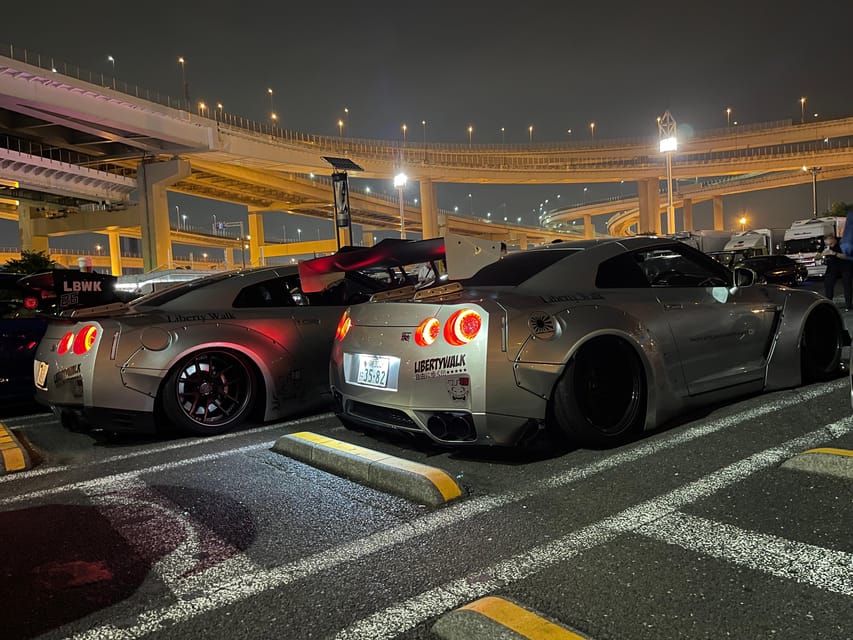
The tour costs $127 per person and lasts three hours. Fuel and toll roads are included, which is useful on a route built around Tokyo’s expressways. The tour is conducted in English and offers free cancellation up to 24 hours before departure for a full refund.
You can also reserve now and pay later, allowing you to keep plans flexible. Check the available starting time carefully, especially for Friday and Saturday nights. The listing information describes a shared group of up to three customers, while one section also refers to a limit of one participant, so verify the group arrangement shown for your selected date.
The meeting point is in front of MOS BURGER in Ōba. Hotel transportation is not included. These details are easy to overlook, but they affect the value: the tour is most convenient if Ōba is already easy for you to reach.
Should you book the Daikoku car meet tour?
Book it if you want the real setting of Japanese car culture, a short Tokyo night drive, and a simple way to reach Daikoku with an experienced local driver. Choose Friday, Saturday, or Sunday when possible, aim for the early departure, and leave room for weather changes.
Skip it if you want guaranteed supercars, a long technical talk about JDM models, or hotel pickup. The most honest description is a small-group expressway ride with a major car-meet stop, not a full classroom-style car tour.
For the right person, that is enough. You get the roads, the lights, Rainbow Bridge, Tatsumi, and about 90 minutes at Daikoku. Just book it knowing that the cars provide the show, and the guide’s main job is getting you there safely and on time.
FAQ
How long does the Daikoku Parking Area tour last?
The experience lasts three hours, including the drive, the stops at Tatsumi and Daikoku, and the return to Ōba.
Where does the tour start and finish?
It starts and ends in Ōba. The meeting point is in front of MOS BURGER.
How many people can join the shared tour?
The tour is described as a small shared group with up to three customers. The booking information also includes a reference to one participant, so check the group limit for your chosen date.
Is hotel transportation included?
No. Hotel transportation is not included. You need to reach the MOS BURGER meeting point in Ōba yourself.
What places are visited?
You stop at Tatsumi 1st Parking Area for about 15 minutes and Daikoku Parking Area for about 1.5 hours. The route passes Tokyo Skytree Town, Rainbow Bridge, and Tokyo Tower.
What happens if it rains?
The tour can be postponed to a mutually convenient day if it rains.
Can I cancel for a full refund?
Yes. You can cancel up to 24 hours in advance for a full refund. The tour also offers a reserve-now, pay-later option.
More JDM & Car Culture in Tokyo
More tours in Tokyo we've reviewed
JDM & Car Culture, compared.
 ★ 4.8Tokyo: Fast & Furious Tokyo Drift 3 Experience (Kaila Yu SP)From $157
 ★ 4.8Tokyo: FAST&FURIOUS EXPERIENCE Daikoku Tokyo Car ClubFrom $157
 ★ 4.8Tokyo Drift: GT-R Car Club R35 Liberty Walk Daikoku meetingFrom $240
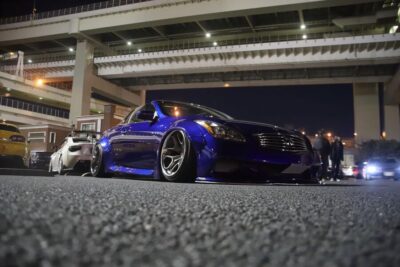 ★ 4.8Tokyo: Daikoku JDM Fast Furious Drift Style Car ExperienceFrom $123
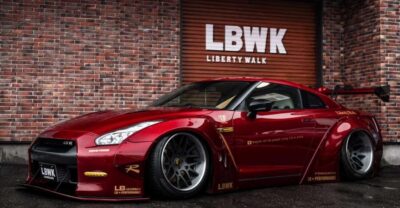 ★ 4.8Tokyo Drift: GO Daikoku Car Meet R34 Skyline Car ClubFrom $246
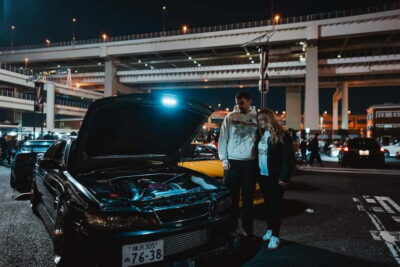 ★ 4.7Tokyo Drift: Daikoku PA Supreme Car Experience 大黒PAFrom $583 hours