Reviewed · SHINJUKU TOURS
Tokyo: Shinjuku, Kawasaki, Slum & Red Light Tour with Pickup
Japan’s polished image gets a sharp reality check on this private tour through Kawasaki’s slum district and red-light areas. You also walk through lesser-known corners of Shinjuku, with a local guide explaining how these neighborhoods developed and why they remain outside most sightseeing routes.
In This Article
- Key points to know before booking
- A different view of Tokyo and Kawasaki
- Leaving Tokyo in a private Lexus
- The Kawasaki walk: social history beyond the usual route
- Shinjuku after the neon postcard
- What the guide adds
- Price, private transport, and actual value
- Timing and the practical details
- Who will appreciate this experience
- Should you book the Kawasaki and Shinjuku tour?
- FAQ
- How long does the tour last?
- Where does pickup take place?
- Is transportation included?
- Which places does the tour visit?
- Is the tour private?
- Which languages are available?
- Is food or drink included?
- Can I cancel the booking?
- Can I reserve now and pay later?
I like the direct, small-scale format. You get a private Lexus ride, flexible pickup and drop-off, and an English-speaking guide rather than a large group. I also like the focus on context, not just passing through gritty streets. The main drawback is the price: at $160 per person, the value is strongest if you want a private experience and can share the cost with others.
Key points to know before booking
- Kawasaki gives you the strongest historical context: Expect an hour-long walk through a lesser-known district, including slum and red-light areas.
- Shinjuku shows a different side of a famous neighborhood: The walk focuses on local alleyways and red-light districts rather than standard sightseeing.
- Your guide shapes the experience: English and Japanese guiding are available, with explanations about how the areas formed.
- Private transport saves time: Pickup and drop-off come in a Lexus, generally within about 5 kilometers of central Tokyo.
- The timing needs clarification: The walking program is described as three hours, but the full pickup, driving, and return can take about four to five hours.
- This is an adult-oriented, serious tour: It suits curious visitors who want social context, not a cheerful photo stop or food outing.
A different view of Tokyo and Kawasaki
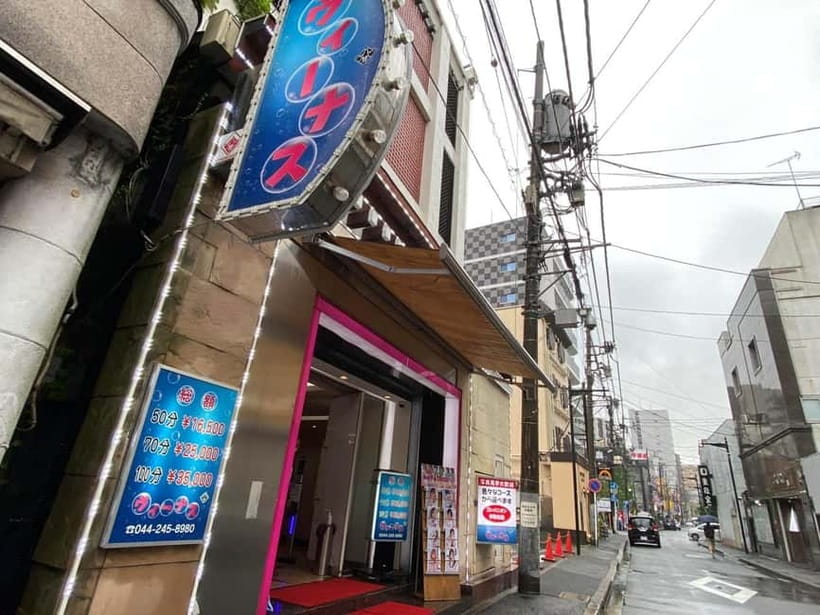
Most first visits to Tokyo are built around bright signs, temples, department stores, gardens, and carefully ordered train stations. This experience asks you to set that picture aside for a few hours.
You visit districts that are rarely part of a standard sightseeing day. The point is not to admire poor neighborhoods or treat red-light districts as spectacle. The value comes from seeing how Japan’s urban story includes people and places that polished tourism usually leaves out.
Kawasaki and Shinjuku serve different purposes here. Kawasaki gives you a look at a lesser-known area and more time to discuss how the district developed. Shinjuku brings you into a famous part of Tokyo, but away from the usual shopping streets and observation decks.
I would approach this with an open mind and a respectful attitude. You may see ordinary homes, businesses, narrow streets, and signs of economic hardship. The tour description does not promise dramatic scenes, and that is a good thing. The experience is about understanding an overlooked part of city life.
A few more Tokyo tours and experiences worth a look
Leaving Tokyo in a private Lexus
Pickup is available at your desired location in Tokyo, preferably within about 5 kilometers of the city center. The guide collects you in a Lexus and drives you to Kawasaki, then to Shinjuku, before returning you to your chosen drop-off point.
That arrangement matters more than it may first appear. Kawasaki and Shinjuku are not next-door stops, so private transport keeps the visit from becoming a puzzle of trains, transfers, and walks between unfamiliar areas. It also gives you a private setting for questions before and after each walk.
The vehicle is described as comfortable enough for a group of four. If you are traveling with friends or family, that makes the $160 price easier to assess as a group expense. For one person, it is a costly three-hour program. For several people sharing a private car, the price may feel more reasonable.
The transport time is also worth checking before you book. The walking schedule totals about two hours, with one hour in Kawasaki and one hour in Shinjuku. The full activity, including pickup, driving, and return, can take about four to five hours. Ask the operator to confirm the exact schedule for your date.
The Kawasaki walk: social history beyond the usual route
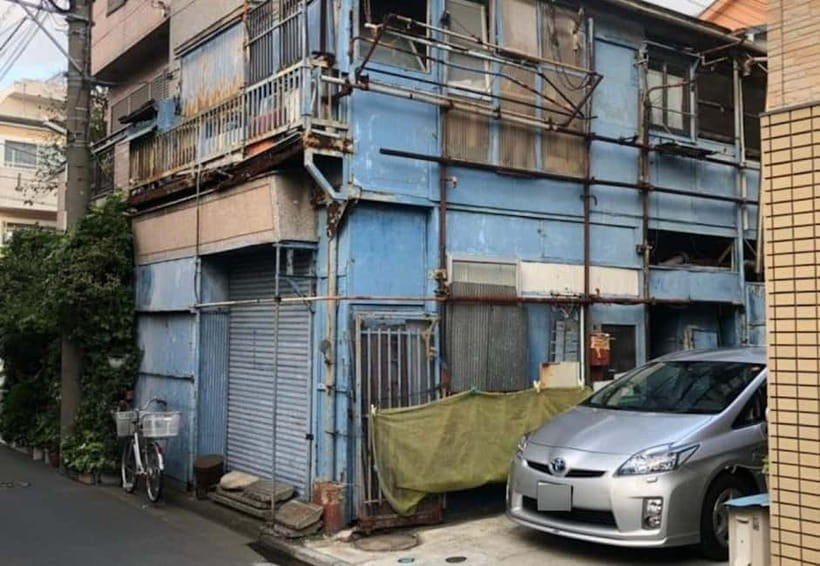
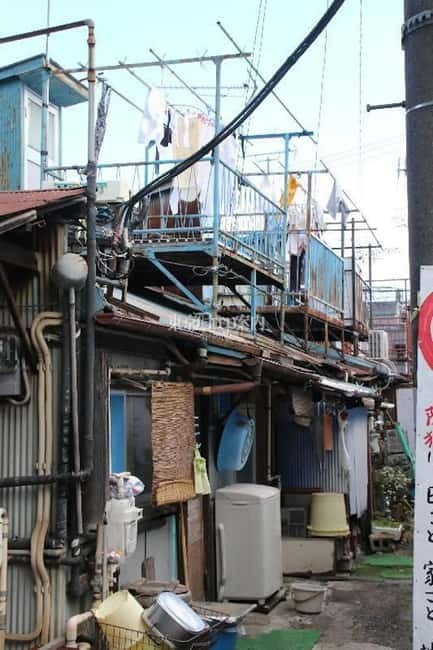
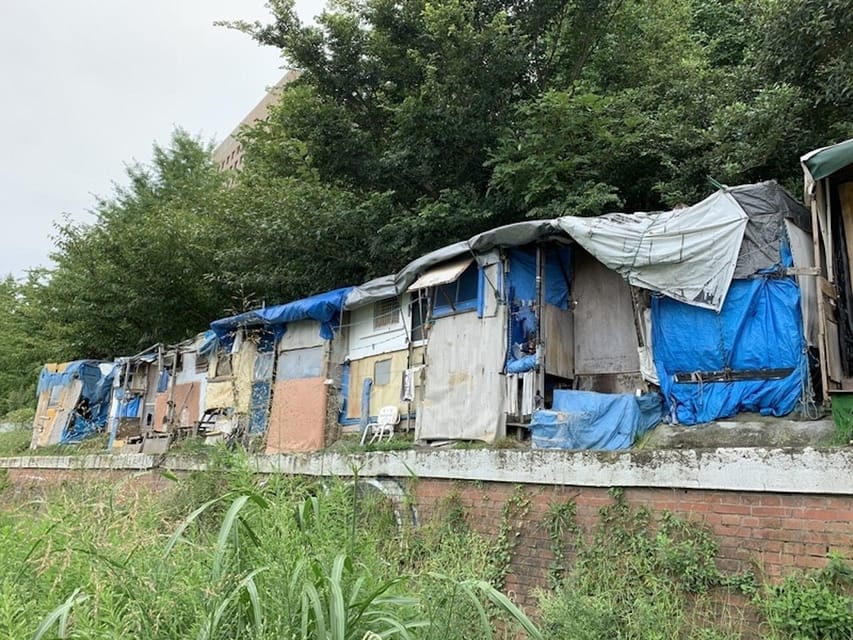
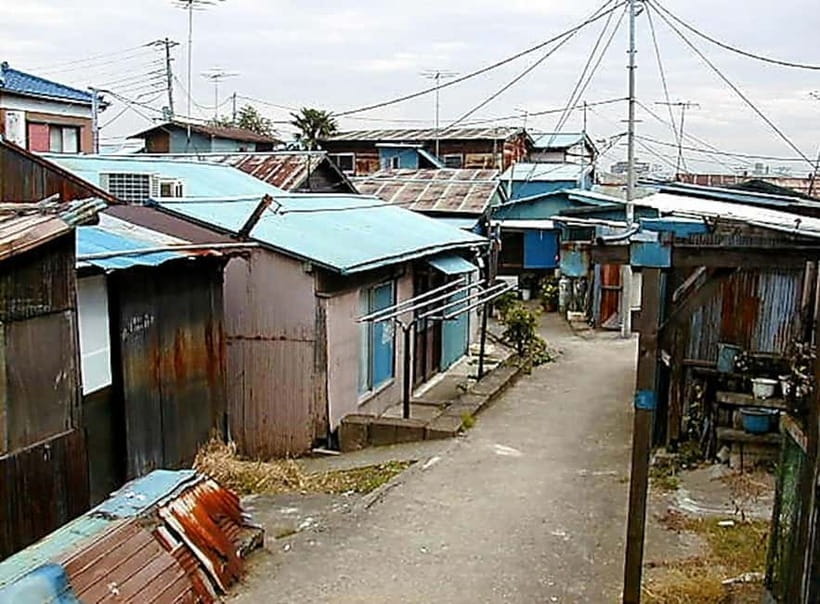
The first walking section lasts about one hour in Kawasaki. Here, you visit a slum area and a red-light district, with the guide explaining how the surrounding neighborhoods came into being.
The strongest part of this stop is the background. A walk through unfamiliar streets can otherwise become a string of vague impressions. The guide’s role is to explain what you are seeing and connect the physical setting to the area’s past and present.
The available information does not promise a museum, formal exhibits, or a set of named landmarks. Instead, you should expect a street-level introduction. Small details about the area and its origins are likely to matter more than a long speech.
That concise approach is one of the tour’s better features. The German-language feedback praised the amount of information about how the districts formed, while also noting that the guide did not overtalk. You get useful explanation without turning every street corner into a lecture.
The subject needs care. A slum is not an attraction in the same way as a temple or market. You are entering an area where people live and work, so your behavior matters. Listen to the guide, avoid treating residents as scenery, and follow any instructions about photography or where to walk.
Japan’s reputation for cleanliness and order can make this stop especially eye-opening. It reminds you that a highly developed country can still have poverty, unstable housing, and districts with difficult social histories. That contrast is one reason the Kawasaki section has more substance than a simple walk through unusual streets.
Shinjuku after the neon postcard
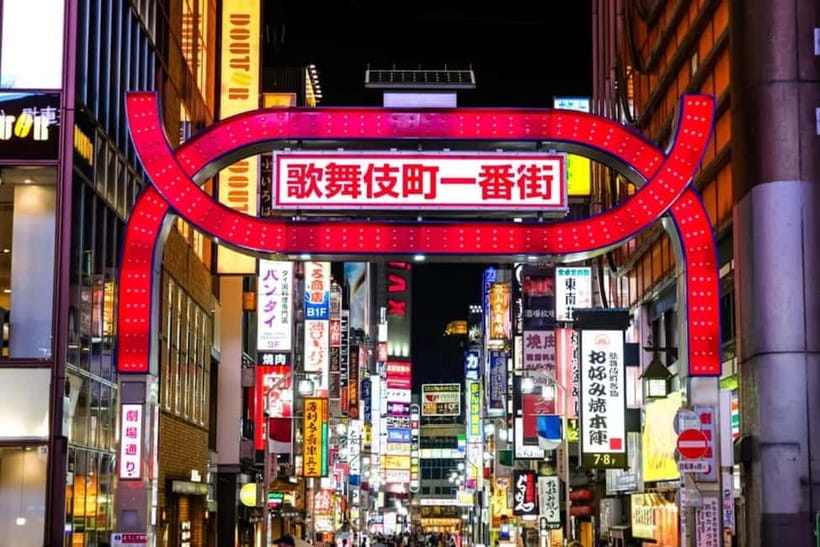
The second walk lasts about one hour in Shinjuku. This is a familiar name to many visitors, but the route turns away from the big stations, department stores, and major entertainment areas.
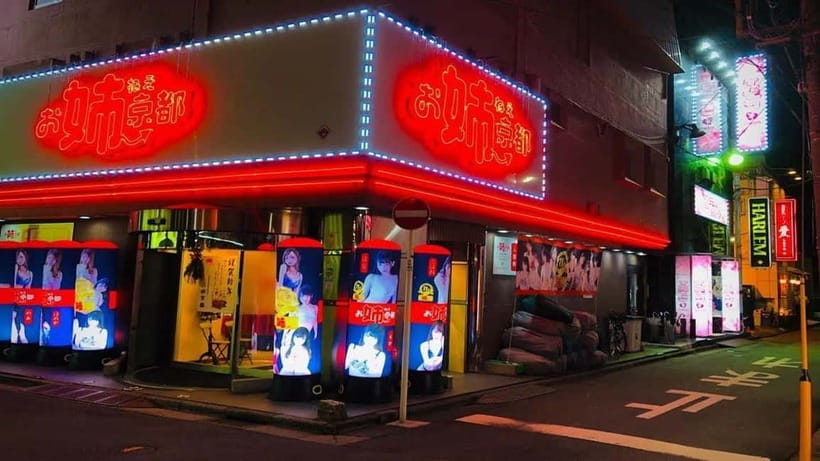
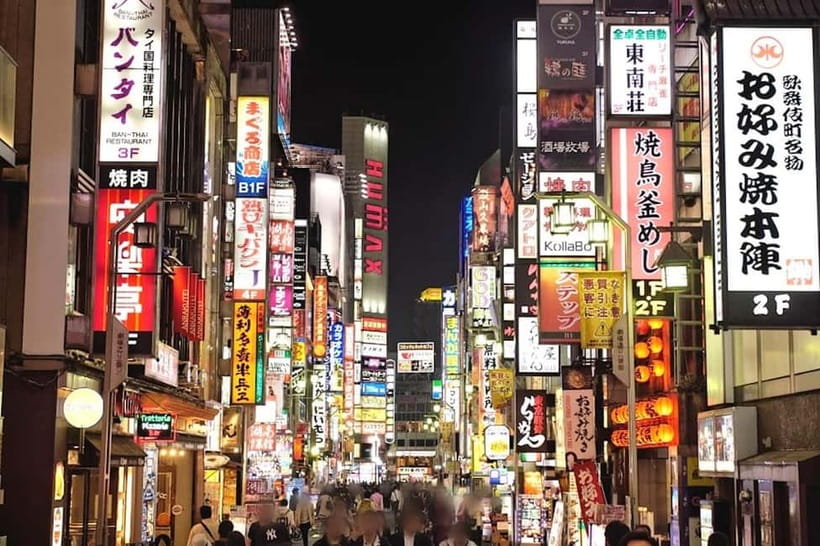
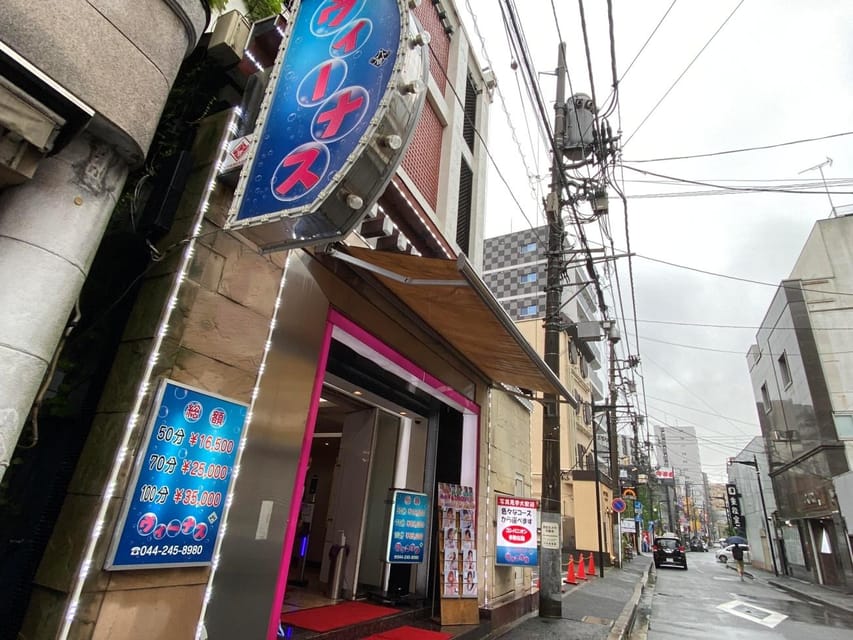
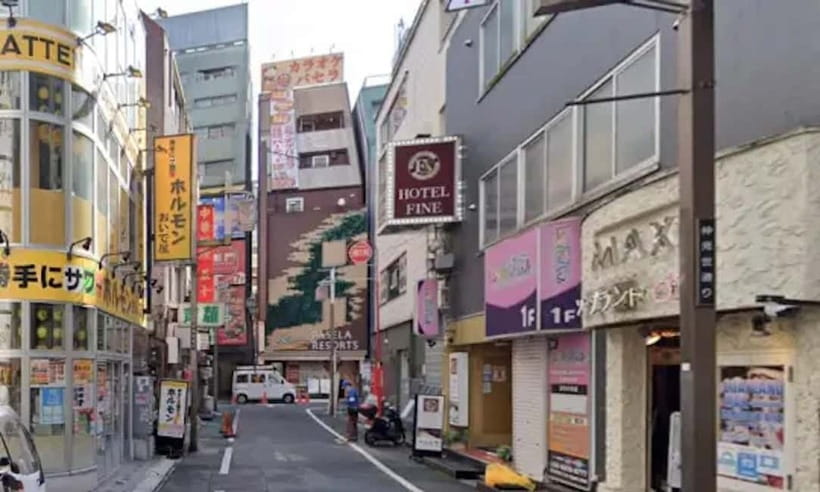
Instead, the guide takes you through lesser-known alleyways and red-light districts. Shinjuku is already known for nightlife, so this section adds detail to a part of Tokyo that many people see only from the surface.
You should not expect a general tour of Shinjuku’s major sights. There is no promise of a department store visit, an observation deck, or a meal. The purpose is to look at the area through its less visible businesses, streets, and local history.
This stop may feel more visually dramatic than Kawasaki because Shinjuku is such a well-known urban setting. At the same time, it can be less historically focused if you are hoping for a long explanation of one neighborhood. The quality of the hour depends heavily on the guide’s ability to explain what makes each area significant.
An English-speaking guide is particularly useful here. Red-light districts can be confusing to interpret from signs alone, and a local explanation helps separate fact from assumption. You can ask about the area directly instead of trying to decode everything as you walk.
The tour states that safety is a key reason to use a local guide. Japan is generally safe, but the operator points out that certain areas can be less comfortable without someone familiar with them. That does not mean you should expect danger. It means a guide can help you move through the district with more awareness and less uncertainty.
What the guide adds
The guide is not simply a driver who points out a few streets. The experience depends on a fluent English or Japanese explanation of how these areas developed and what makes them different from the Tokyo most people see.
I would judge the tour by the quality of that conversation. The strongest feedback describes a guide who gave plenty of local information without unnecessary talk. That is exactly the right balance for this kind of walk.
A good guide should help you understand several things:
- Why these districts developed where they did
- How Kawasaki and Shinjuku differ
- What the streets reveal about work, housing, and urban change
- How to behave respectfully in areas where people live
- Which assumptions about Japan need a closer look
The provider does not give a specific guide’s name, so you cannot choose a particular person in advance from the available information. You can request an English-speaking guide, and the language options are English and Japanese.
This is a private group, which improves the conversation. You can ask a question when it occurs to you instead of waiting behind a line of people. You also avoid the awkwardness of discussing poverty or nightlife in a large group of strangers.
Price, private transport, and actual value
The cost is $160 per person. That is a high price for a program with around two hours of walking, but the number does not tell the whole story.
You are paying for a private group, a Lexus with pickup and drop-off, a route that is not designed for standard sightseeing, and a guide who provides local context in English or Japanese. You are also paying for time saved on transport between Tokyo, Kawasaki, and Shinjuku.
The value improves if several people share the vehicle and guide. A group of four gets a comfortable ride and a private conversation, making the per-person cost easier to justify. If you are alone or traveling as a couple, you should ask yourself how strongly you want this particular subject before booking.
There is no food or drink included. That is not a serious problem for a three-hour program, but you should plan to eat before or after. This is a walking and discussion tour, not a food tour with built-in stops.
The tour offers free cancellation up to 24 hours before the scheduled start and lets you reserve now while paying later. Those terms give you some useful flexibility, especially when Tokyo plans are still changing.
Timing and the practical details
The advertised duration is three hours, but the pickup information says the total activity may take about four to five hours. Read that as a planning issue rather than a contradiction. The three-hour figure likely refers to the main tour, while the longer estimate includes driving from Tokyo to Kawasaki, onward to Shinjuku, and back to your drop-off point.
The route begins with pickup in Tokyo, continues to Kawasaki for a one-hour walk, then moves to Shinjuku for another one-hour walk. You return to Tokyo at the end.
Because the tour is private, the operator says the route can be customized after booking. You should use that opportunity to confirm your pickup point, starting time, language, and expected return time. The preferred pickup area is within 5 kilometers of central Tokyo, so locations farther out may need special confirmation.
Wear comfortable shoes. The walks are not described as strenuous, but you will spend time on city streets and in alleyways. Bring water, since nothing is served during the tour.
This is not the right choice if you need a tightly scheduled activity with a guaranteed three-hour door-to-door duration. It is better for someone who can allow extra time for the car ride and conversation.
Who will appreciate this experience
I would recommend this tour to you if you have already seen some of Tokyo’s famous sights and want a social history lesson outside the usual route. It also suits repeat visitors, photographers interested in urban life, and people who prefer asking questions in a private setting.
It may appeal to you if Japan’s polished public image has made you curious about what gets left out. The tour directly addresses that gap and does so in two different districts.
You should think twice if you want a light, family-friendly sightseeing outing. Red-light districts and slum areas can be uncomfortable subjects, and the tone may feel serious. The available information does not give an age minimum, so families should ask the operator before booking.
You should also reconsider if you are looking for food, shopping, nightlife entertainment, or major landmarks. None of those is the central purpose here.
The experience is strongest for a respectful, curious adult who wants context. It is not a license to gawk, film people, or turn hardship into a novelty. The best way to take part is to listen, ask thoughtful questions, and remember that these are real neighborhoods.
Should you book the Kawasaki and Shinjuku tour?
Book it if you want a private look at parts of Japan that standard sightseeing rarely explains. The Kawasaki stop provides the clearest social background, while Shinjuku shows how a famous Tokyo district changes once you leave the main routes.
The $160 price makes sense for a group that values private transport, an English-speaking guide, and a custom route. It is harder to justify if you are traveling alone, watching every yen, or mainly want conventional Tokyo attractions.
Before paying, confirm the pickup location, full door-to-door timing, guide language, and how the tour handles photography in residential and nightlife areas. If those details suit you, this can be a memorable and thoughtful addition to a Tokyo visit.
FAQ
How long does the tour last?
The main activity is described as three hours. Including pickup, driving between Tokyo, Kawasaki, and Shinjuku, and the return trip, the total activity may take about four to five hours.
Where does pickup take place?
Pickup is available at your desired location in Tokyo, preferably within about 5 kilometers of the center of Tokyo.
Is transportation included?
Yes. Pickup and drop-off are included, with transport in a Lexus.
Which places does the tour visit?
The tour includes a one-hour walk in Kawasaki and a one-hour walk in Shinjuku. It visits lesser-known areas, including a slum and red-light districts in Kawasaki and red-light areas in Kawasaki and Shinjuku.
Is the tour private?
Yes. The activity is offered for a private group.
Which languages are available?
The live guide is available in English and Japanese.
Is food or drink included?
No. Food and drinks are not served during the tour.
Can I cancel the booking?
You can cancel up to 24 hours in advance for a full refund.
Can I reserve now and pay later?
Yes. The booking terms allow you to reserve your place and pay later.
More Shinjuku Tours in Tokyo

More tours in Tokyo we've reviewed












Shinjuku Tours, compared.
 ★ 5.0Tokyo: Shinjuku Food Tour (13 Dishes at 4 Local Eateries)From $86
 ★ 5.0Tokyo Bar Hopping Tour in Shinjuku (All-You-Can-Drink + Dinner)From $106
 ★ 4.9Tokyo: Shinjuku Local Bar and Izakaya Guided Walking TourFrom $343 hours
 ★ 4.9Tokyo: Shinjuku Food Tour (13 Dishes and 4 Eateries)From $97
 ★ 5.0Tokyo Night Foodie Tour in Shinjuku – Seasonal Sushi, Wagyu BeefFrom $111
 ★ 5.0Tokyo: Shinjuku Local Bar & Izakaya Crawl TourFrom $39