Reviewed · SAMURAI & NINJA EXPERIENCES
Tokyo: Samurai Sword Training: Master Real Combat Skills
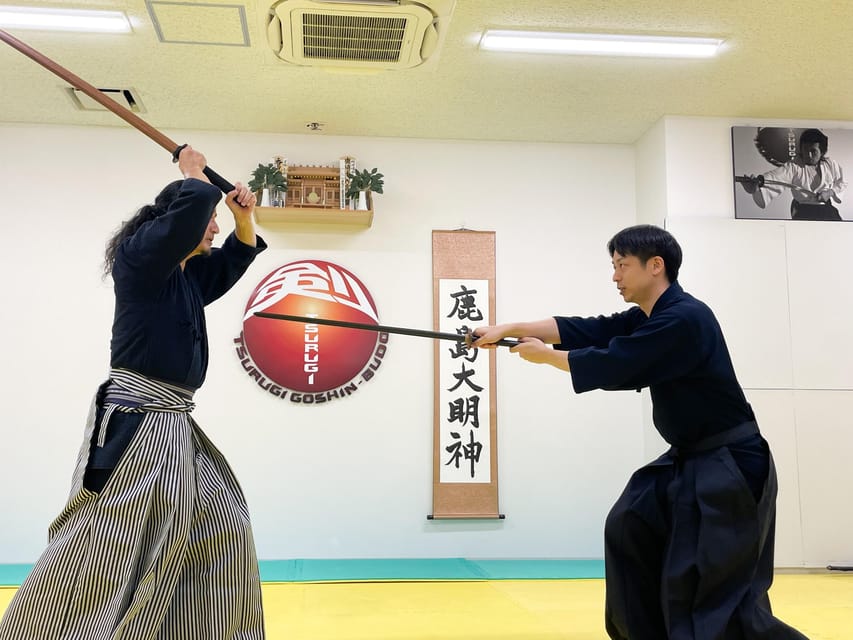
A wooden sword, an instructor in front of you, and a lesson built around evading an attack and answering with a precise counter: this is the heart of the experience. You are not watching a staged sword show. You are learning practical techniques in a real dojo setting, with etiquette, breathing, and meditation woven into the session.
In This Article
- Key points to know before booking
- Why this Tokyo samurai lesson feels different
- Meeting the samurai at the dojo entrance
- Changing into traditional samurai attire
- Bushido, breathing, and the quiet work of training
- Learning the wooden sword step by step
- Facing attacks and practicing counters
- What the small group size adds
- English instruction and the teaching style
- Matcha, sweets, and the certificate scroll
- Is $91 a fair price?
- Who should book this experience?
- My booking advice
- FAQ
- Where does the samurai training take place?
- How do I find the meeting point?
- How long does the experience last?
- Is the lesson taught in English?
- Do I need previous sword training?
- What kind of sword do I use?
- Is samurai clothing included?
- What else is included?
- Is transportation included?
- Can I cancel for a refund?
I like the one-on-one training, which gives the lesson a personal feel even in a small group. I also like the mix of physical work and Bushido discipline. You learn how to grip, draw, sheath, and swing, but you also practice the calm focus that gives those movements purpose.
The main consideration is that this is active training, not a simple photo opportunity. You should be ready to follow instructions, remove your shoes indoors, and take part physically. The English instruction is available, though one review notes that some teachers are not fluent and rely on a warm, encouraging teaching style.
Key points to know before booking
- Realistic sword practice: Use a wooden sword to work through attacks, evasions, and counters instead of repeating empty performance forms.
- Small class size: The group is limited to six people, with one-on-one instruction during the lesson.
- Traditional setting: Wear samurai attire, follow dojo etiquette, and train inside an authentic martial arts environment.
- Mind and body training: Bushido, controlled breathing, and meditation are part of the session, not an afterthought.
- A personal keepsake: Take home a scroll certificate with your name and the techniques you learned.
- A gentle finish: Traditional Japanese sweets and matcha green tea are included after the training.
Why this Tokyo samurai lesson feels different
Many sword-themed activities are built around costumes, photographs, and a few theatrical swings. This one takes a more serious route. The stated aim is to teach swordsmanship passed down from the Edo period, with an emphasis on survival skills and practical responses.
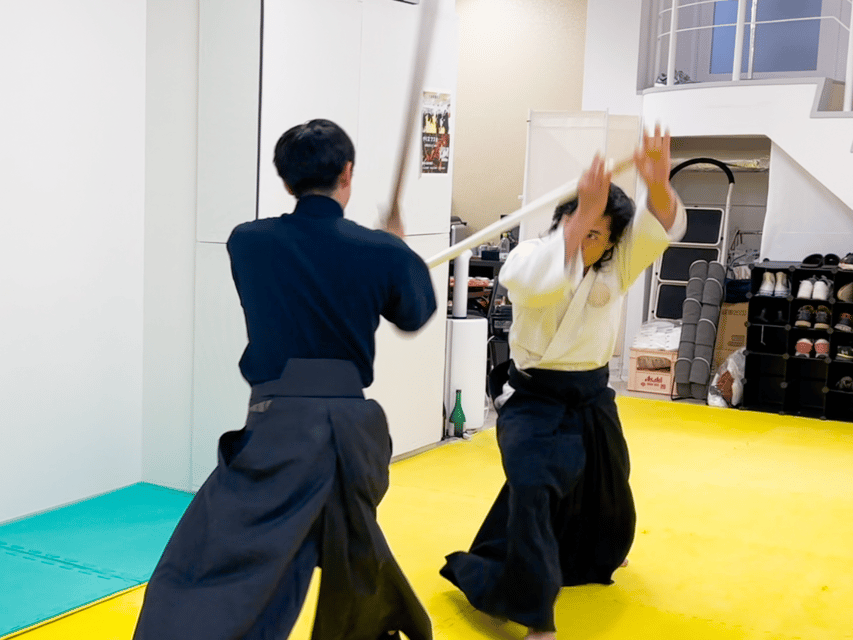
That distinction matters. You are not simply copying a choreographed movement while an instructor demonstrates from a distance. You face the instructor, respond to an attack, move out of danger, and attempt a controlled counter. The wooden sword keeps the lesson suitable for training, but the structure asks you to think about timing, distance, and reaction.
I like that the activity does not treat samurai culture as only a costume. The uniform helps set the mood, but the lesson also includes bowing, etiquette, breathing, meditation, and Bushido philosophy. Those details give the sword work a purpose. The aim is not just to look like a warrior for two hours. It is to practice restraint, attention, and discipline.
The lesson is conducted in English and Japanese. You do not need previous experience, and the class is open to all levels. That makes it a reasonable choice for a first martial arts session, though you should still expect to listen carefully and repeat movements with control.
A few more Tokyo tours and experiences worth a look

Meeting the samurai at the dojo entrance
Your meeting point is the entrance of the dojo. A samurai will be waiting there, and the samurai nobori flag is the landmark to look for. Since transportation is not included, you need to arrange your own way to the meeting point and allow enough time to find it.
This is a useful detail for a Tokyo schedule. Do not assume the costume and flag will make the place obvious from several streets away. Check the exact meeting information before leaving, then look for the flag when you arrive.
The activity ends back at the same meeting point. That keeps the logistics simple, especially if you are fitting the lesson between other plans. The full session lasts two hours, with starting times shown when you check availability.
Changing into traditional samurai attire
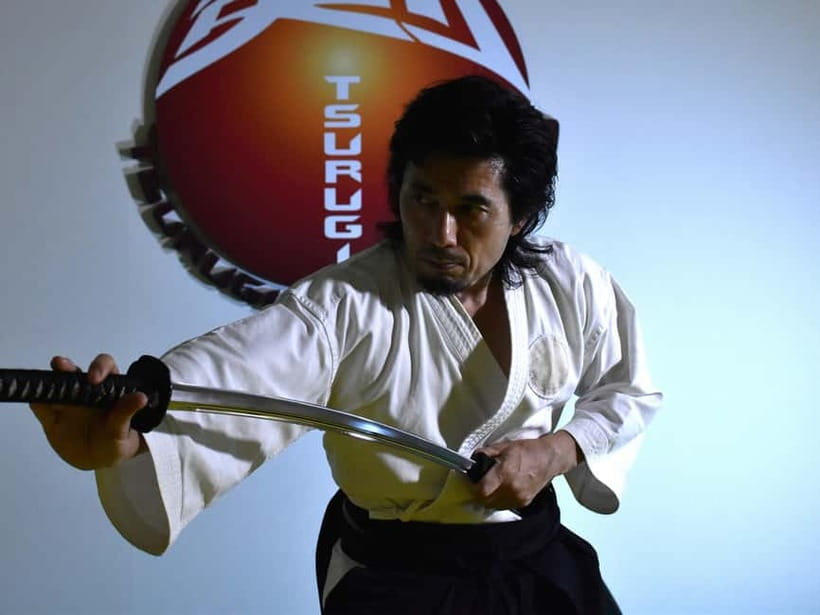
The session includes rental of a samurai uniform for the lesson. Putting on traditional clothing changes the feel of the activity right away, but it also means you should dress sensibly underneath. Loose, comfortable clothing will make it easier to move through basic sword exercises.
Shoes are not allowed indoors, so plan to remove them at the dojo. Smoking indoors is also prohibited. These are ordinary dojo rules, but they are worth knowing before you arrive, particularly if you have come directly from a busy day of sightseeing.
The clothing is more than a photo prop. It asks you to adopt a different posture and pace. You are entering a formal training space, not a stage set. That shift helps explain why etiquette appears early in the lesson.
Bushido, breathing, and the quiet work of training
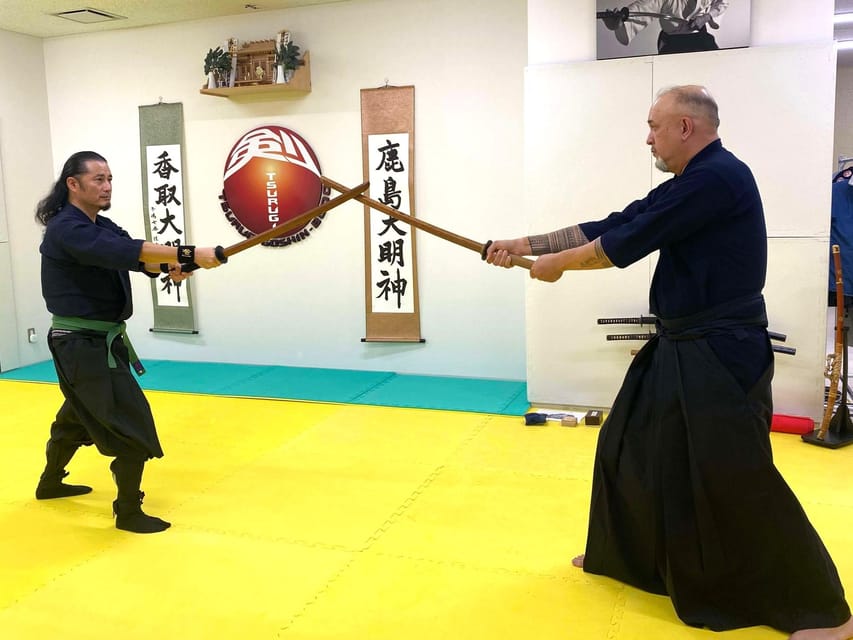
Before the sword work becomes more active, you learn about Bushido and the mental side of samurai practice. Etiquette and meditation help you settle your attention. Controlled breathing gives you a way to slow down and stay composed.
This portion may be the biggest surprise for anyone expecting nonstop sword movements. It can also be the most valuable part if you appreciate the meaning behind martial arts. A sword technique is only useful when the person using it can remain calm enough to notice what is happening.
I like this balance. The lesson gives you something physical to do, but it does not reduce samurai training to speed or force. You are asked to work with discipline and control. That makes the activity suitable for couples, families, and small groups who want a shared challenge rather than a passive cultural demonstration.
The meditation and etiquette section may feel unfamiliar if your idea of a samurai activity comes from film scenes. That is not a weakness, but it does mean you should arrive with patience. The experience is designed as training, and training includes preparation before action.
Learning the wooden sword step by step
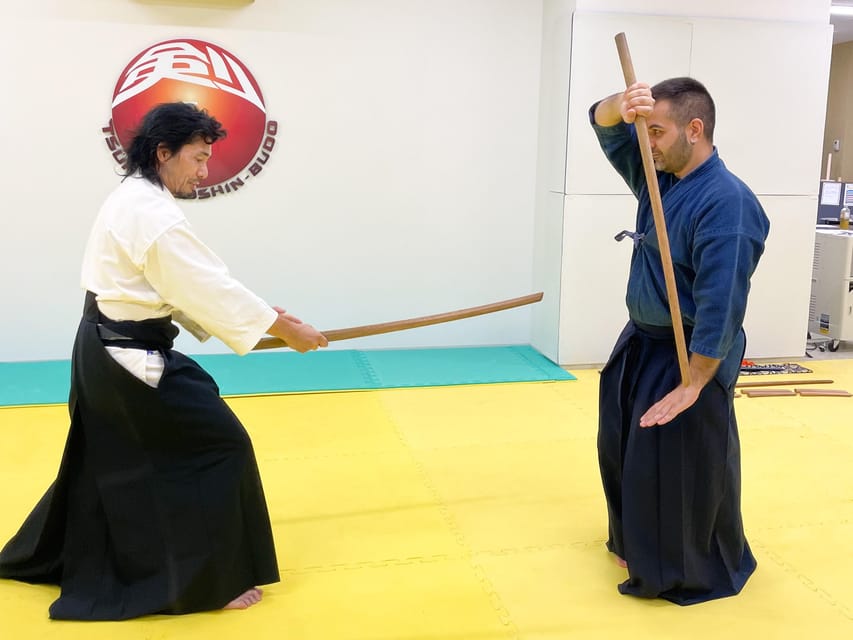
The instructor introduces the basics of sword handling with a wooden sword. The lesson covers the grip, drawing, sheathing, and swinging. These simple actions demand more attention than you might expect, especially when you are trying to keep your posture steady and your movements controlled.
A wooden sword is an important part of the setup. It lets you practice the mechanics without handling a live blade. Even so, you should treat it with respect and follow the instructor’s directions closely.
The class is beginner-friendly, so you are not expected to arrive knowing how to hold a sword. The instructor can guide you through the sequence, and the small group limit means the teaching should remain relatively personal. With no more than six participants, you are not lost in a large crowd waiting for a turn.
The experience is also suitable for people with different levels of fitness because the emphasis is on technique, timing, and discipline rather than a test of strength. Still, it is not suitable for pregnant women or people with a cold. Those restrictions signal that the session involves active movement and close participation.






Facing attacks and practicing counters
The most distinctive part of the lesson is the partner work with the instructor. Instead of repeating a form by yourself, you face an attack, evade it, and respond with a counter. The exercise is meant to show how practical swordsmanship differs from a polished performance.
This can be mentally demanding. You have to remember the movement, watch the instructor, judge the moment to respond, and avoid rushing. That is where the breathing and concentration work become useful. The lesson links the quiet opening exercises with the more active combat practice.
Do not expect a full martial arts education in two hours. The session gives you an introduction to core skills and the mindset behind them. It cannot replace years of practice, and the phrase real combat skills should be understood as an introduction to practical principles, not a promise that you will become a trained swordsman in one afternoon.
That said, the format offers more substance than a basic costume session. You are asked to react and make decisions. The instructor’s attention can help you correct your grip, timing, or movement as you go.
What the small group size adds
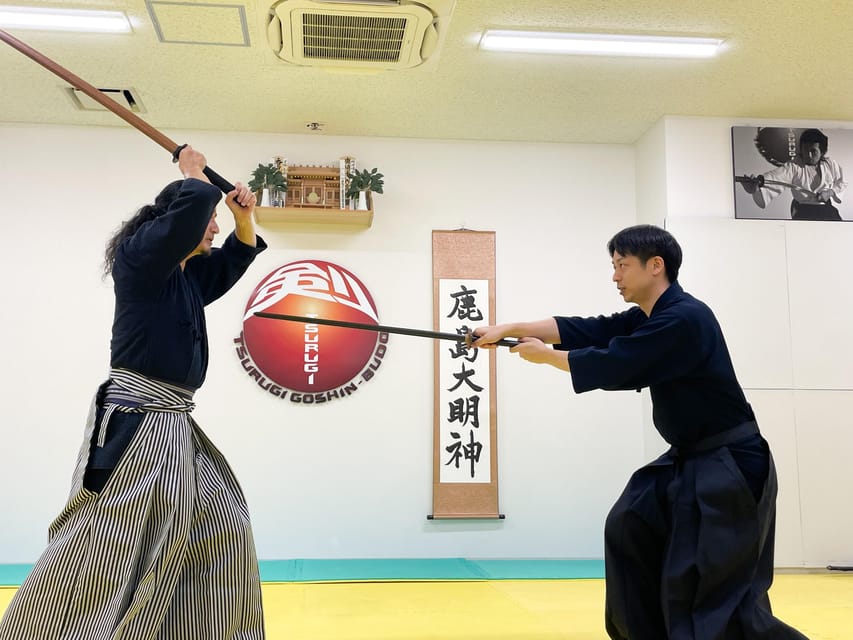
The class is limited to six participants. That number is small enough to keep the activity from feeling like a mass demonstration, while still allowing you to share the experience with family or friends.
The one-on-one element is especially important. Even if several people attend at the same time, you practice directly with an instructor rather than only watching someone else. That gives you a chance to try the techniques and receive guidance at close range.
For a family, the structure can create a memorable shared activity. One of the strongest points in the available feedback was the sense of family bonding and the feeling that the instructors and staff made the occasion special. The session works best when everyone in your group is willing to participate, listen, and take the rules seriously.
If you prefer complete privacy, this is not described as a private class. The small group limit keeps it intimate, but other participants may be present.
English instruction and the teaching style
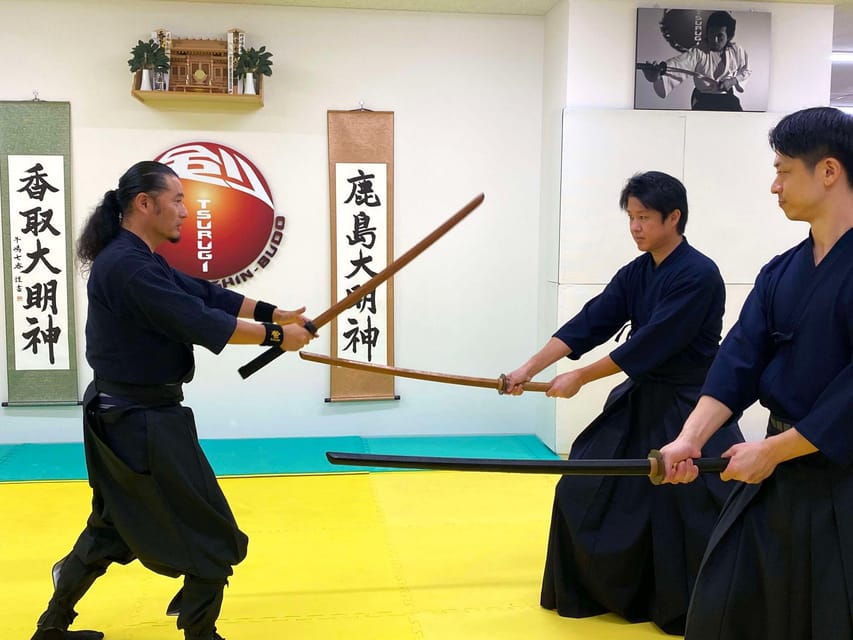
The lesson is offered in English and Japanese. That is a major advantage for an international visitor who wants more than a silent demonstration. You can understand the basic ideas, ask for help, and follow the sequence of exercises.
The English level may vary by instructor. One detailed account praised the teachers for being friendly and positive, while also noting that they did not speak fluent English. That is useful to know. You may receive clear instruction through a mix of English, demonstration, gestures, and repetition rather than a long spoken lecture.
For sword training, demonstration can sometimes communicate more than words. Still, if you have questions, ask them early and confirm that you understand the movement before trying it at speed.
The instructor languages are English and Japanese. Specific instructor names are not provided, so you should not book expecting a particular teacher.
Matcha, sweets, and the certificate scroll
At the end, traditional Japanese sweets and matcha green tea are included. This gives the two-hour session a calm finish after the physical work. It also leaves room to reflect on what you have practiced rather than rushing straight back into sightseeing mode.
You also receive a scroll certificate featuring your name and the techniques learned. It is a modest but personal souvenir. Unlike a generic souvenir bought from a shop, it records your participation in the lesson and connects to the actual skills covered that day.
The certificate does not mean you have earned a formal martial arts rank. Think of it as a keepsake from your introduction to the dojo and its training method.
Is $91 a fair price?
At $91 per person, this is not the cheapest cultural activity in Tokyo. The price makes more sense when you consider what is bundled into the two hours: traditional uniform rental, an English-speaking professional guide, small-group teaching, hands-on practice, matcha, sweets, and the named scroll certificate.
The value depends on what you want. If you only want to put on samurai clothing and take a few pictures, you may find less expensive options. If you want an active lesson with direct instruction and a serious focus on technique, the price is easier to justify.
Transportation is not included, so add the cost of reaching the dojo. The class ends where it begins, which avoids the need to arrange a separate pickup or find your way to another location afterward.
The reserve-now, pay-later option can help if your Tokyo schedule is still changing. You can hold a place without paying immediately, and free cancellation is available up to 24 hours before the activity for a full refund. Check the exact terms when booking, particularly if your plans are uncertain.
Who should book this experience?
I would recommend this for you if you want an active cultural lesson and are curious about the discipline behind samurai swordsmanship. It suits solo visitors, couples, families, and small groups, as long as everyone is comfortable taking part.
It is also a good fit if you value context. Bushido, etiquette, meditation, and breathing give the sword work more meaning than a short demonstration would provide.
You may want to choose another activity if you are looking for a relaxed show, have limited mobility for active training, or do not want to follow formal dojo rules. Pregnant women and people with a cold should not book this session, based on the stated restrictions.
Keep your expectations realistic. You will learn basic handling and practical training methods, not master a complete combat system. The value is in getting a focused introduction from an instructor, feeling how difficult controlled movement can be, and seeing how mental discipline shapes the practice.
My booking advice
Book this samurai training if you want to participate rather than watch. The strongest reasons are the small class, direct work with an instructor, English instruction, traditional attire, and the link between sword technique and Bushido discipline.
Skip it if you mainly want a quick costume photo or a theatrical performance. Also think twice if your schedule is tight, since two hours of focused instruction requires more energy than a standard sightseeing stop.
For the right person, $91 buys a memorable lesson with real structure: meet at the dojo, change into samurai clothing, learn the code and etiquette, practice basic sword handling, work through attacks and counters, then finish with tea, sweets, and a personal scroll. That is a solid cultural experience, provided you are ready to train instead of simply pose.
FAQ
Where does the samurai training take place?
The experience takes place at an authentic samurai dojo in the Kanto Region of Japan. You meet at the entrance, where a samurai will be waiting.
How do I find the meeting point?
Look for the samurai nobori flag at the dojo entrance. The activity ends back at the same meeting point.
How long does the experience last?
The training lasts two hours. Starting times are shown when you check availability.
Is the lesson taught in English?
Yes. The instructor languages are English and Japanese. English instruction is provided, though the level of spoken English may vary between teachers.
Do I need previous sword training?
No. The lesson is open to all levels and is described as beginner-friendly.
What kind of sword do I use?
You practice with a wooden sword. The lesson covers grip, drawing, sheathing, swinging, attacks, evasions, and counters.
Is samurai clothing included?
Yes. Samurai uniform rental during the lesson is included in the price.
What else is included?
A professional guide, a scroll certificate with your name and learned techniques, traditional Japanese sweets, and matcha green tea are included.
Is transportation included?
No. You need to arrange your own transportation to the dojo. The activity ends at the original meeting point.
Can I cancel for a refund?
You can cancel up to 24 hours in advance for a full refund. A reserve-now, pay-later option is also available.
More Samurai & Ninja Experiences in Tokyo


More tours in Tokyo we've reviewed








Samurai & Ninja Experiences, compared.
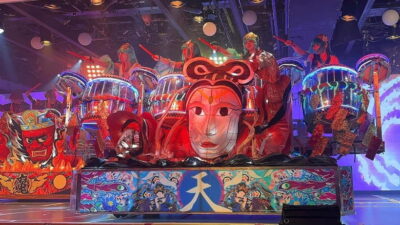 ★ 4.5Tokyo: Samurai Restaurant Show Ticket with 2 DrinksFrom $551h 30m
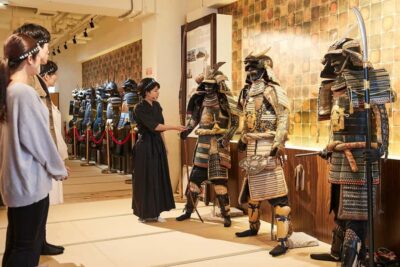 ★ 4.6Tokyo: Samurai Ninja Museum Guided tour and ExperienceFrom $27
 ★ 5.0Skip the lines Basic Ticket at SAMURAI NINJA MUSEUM TOKYOFrom $28
 ★ 5.0Tokyo: Authentic Samurai Training at a DojoFrom $211
 ★ 5.0Best Samurai Experience in TokyoFrom $65
 ★ 4.6Tokyo: Legend Samurai Entertainment Night in Kanda ShrineFrom $44