Reviewed · SAMURAI & NINJA EXPERIENCES
Tokyo: Authentic Samurai Training at a Dojo
The most unusual part of this samurai training in Tokyo is that it takes place in a working dojo, not a staged photo studio. You change into practice clothes, learn how to handle a sword, work through attack and defense, and study the discipline behind the movements.
In This Article
- Key points to know before booking
- Why this feels different from a costume activity
- Finding Toyama-Ryu Bizen-kai in Machida
- The opening lecture and changing into practice wear
- Iai: learning how to handle the sword
- Gekken: timing, attack, and defense
- The bow and the older side of samurai warfare
- A serious Toyama-ryu demonstration
- What changes after May 30
- The certificate and what you take home
- Is $211 a fair price?
- Who should book this dojo experience?
- Practical tips for a better session
- Should you book it?
- FAQ
- Where does the samurai training take place?
- How long does the experience last?
- What languages does the instructor speak?
- What activities are included?
- Will I use a real sword?
- What should I bring?
- Can children attend?
I like the small groups, limited to six people, and the chance to learn from Yoshioki Sumida, a swordsmanship and horseback archery master who teaches in English and Japanese. I also like the range of activities: iai, sparring, blade-line practice, archery, and a formal completion certificate. The main consideration is that this is serious martial-arts instruction, not a polished show, and the two-hour session can be physically demanding.
Key points to know before booking

- Train in a real dojo: Toyama-Ryu Bizen-kai is about a 10-minute walk from JR Machida Station, with the training room on the third floor.
- Learn more than a sword pose: Iai covers drawing, handling, swinging, and returning a practice sword to its scabbard.
- Practice attack and defense: Gekken introduces timing and sparring with a practice sword.
- Try traditional archery: You can shoot arrows with a real horseback archery bow, a weapon associated with samurai training a thousand years ago.
- Expect a serious demonstration: Sumida Sensei performs Toyama-ryu techniques, including difficult movements that are not presented as entertainment.
- Take home an Inkajo: Each participant receives an official certificate of completion.
Why this feels different from a costume activity
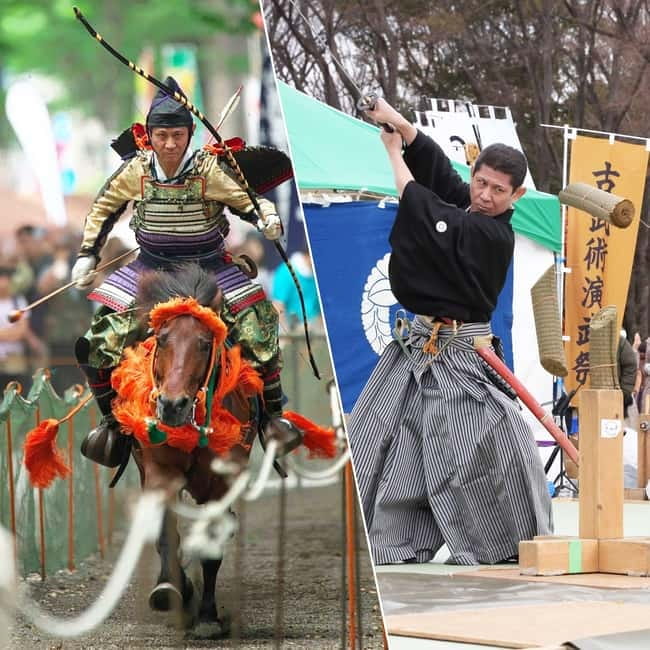
Many samurai-themed activities in Japan focus on dressing up, posing with a sword, and taking a few photographs. This one puts more weight on correct movement and discipline. The clothing is part of the setting, but it is used as practice wear rather than as a costume for a staged performance.
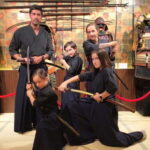
The small dojo setting helps. With no more than six participants in the usual group, the instructor can watch how you hold the sword, where your feet are placed, and how you move through each technique. That matters because sword handling is not simply a matter of swinging hard. The class focuses on control, timing, body position, and safe handling.
You will also hear about samurai weapons, sword-making, and the traditions connected with the art. The introductory talk is said to last roughly 20 minutes in some sessions, though the advertised experience lasts two hours. It gives you useful context before the practical work begins.
This is best approached with curiosity and concentration. If you only want a quick sword photo, the class may feel too serious. If you want to understand why Japanese swordsmanship requires such careful movement, you get much more for your time and money.
A few more Tokyo tours and experiences worth a look


Finding Toyama-Ryu Bizen-kai in Machida
The dojo is in the Kanto Region, in Machida, and the meeting point is Toyama-Ryu Bizen-kai. From JR Machida Station, allow about 10 minutes on foot.
The directions require a little attention. The dojo is on the third floor. Use the stairs at the back, between the sword shop and the vending machines on the first floor. This is not the sort of place where you should arrive at the last minute and expect a large street-facing reception desk.
I would save the meeting-point instructions on your phone before leaving the station. The activity ends at the same place, so you do not need to arrange a second pickup point or work out a return transfer.
Machida is outside the central sightseeing core of Tokyo, so factor in the journey from your hotel. One participant described a trip of about 90 minutes from Tokyo, though your travel time will depend on where you start. The extra ride is worth considering carefully, especially if your schedule is tight.
The opening lecture and changing into practice wear
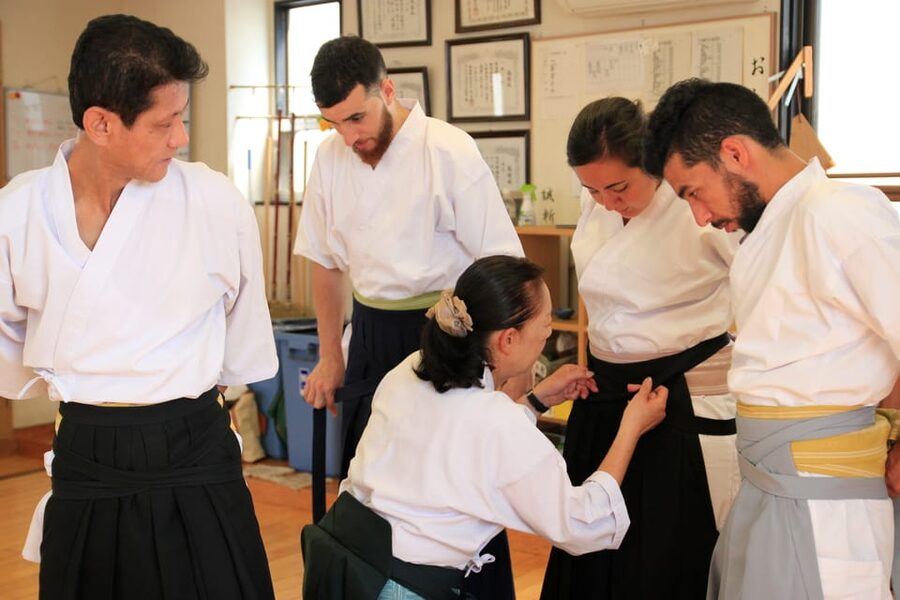
When you arrive, you receive a short lecture and change into a practice uniform. The provider asks you to give your height and weight in advance so the right size can be prepared.
The opening talk covers the disciplines taught at the dojo, the basic theory behind the session, and information about Japanese swords. You might also hear about how blades are made and about the instructor’s own connection to samurai ancestry. These details help place the exercises in a cultural setting instead of treating the sword as a film prop.
The supplied practice uniform is included in the price, as is the practice sword. Wear something comfortable underneath, and bring a drink. You can bring a camera, but it is sensible to keep your attention on the instructor during the technical portions rather than trying to photograph every movement.
The class is taught in Japanese and English. The English instruction is especially useful here because safety directions and small corrections need to be clear. The instructor, Yoshioki Sumida, is repeatedly praised for explaining carefully, working patiently with beginners, and correcting technique without making the session feel stiff.
Iai: learning how to handle the sword
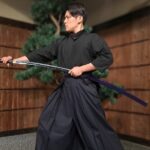
The iai lesson is the foundation of the workshop. You use a practice sword and learn how to draw, swing, and return it to the scabbard in the proper manner.
For a first-timer, this is more demanding than it sounds. The blade must travel on a controlled line, and your hands, posture, and feet need to work together. The point is not to produce a dramatic slash. It is to learn a sequence with care and repeat it accurately.
You also work on checking the blade line. This gives you a practical sense of how small changes in angle affect the movement. The exercise is valuable because it replaces movie-style sword gestures with a clearer understanding of distance, alignment, and control.
Beginners should not worry about arriving with martial-arts experience. The class is designed to teach basic techniques, and the instructor gives individual help. Still, you should expect to concentrate. The lesson is active, and repeating unfamiliar movements can tire your shoulders and legs.
Gekken: timing, attack, and defense
The gekken section adds movement and reaction. You learn the timing of attack and defense, then spar with a practice sword. Other descriptions of the session refer to mock or foam swords during this part, so you should expect protective practice equipment rather than live-blade combat.
This is often the most playful part of the class, but it still has a purpose. You learn that a sword fight is not just about making contact. Timing, distance, defense, and awareness all matter. Even a short sparring exercise makes the difference between a theatrical swing and a controlled martial technique easier to understand.
The sparring can be tiring. One participant described it as great fun but surprisingly strenuous. I would avoid scheduling a demanding activity immediately afterward, particularly if you are not used to martial-arts training.
The instructor’s approach is important here. Sumida Sensei is described as friendly and funny, but also firm about proper handling. That combination suits this kind of lesson. You get encouragement, but you are not encouraged to treat the practice weapon carelessly.






The bow and the older side of samurai warfare
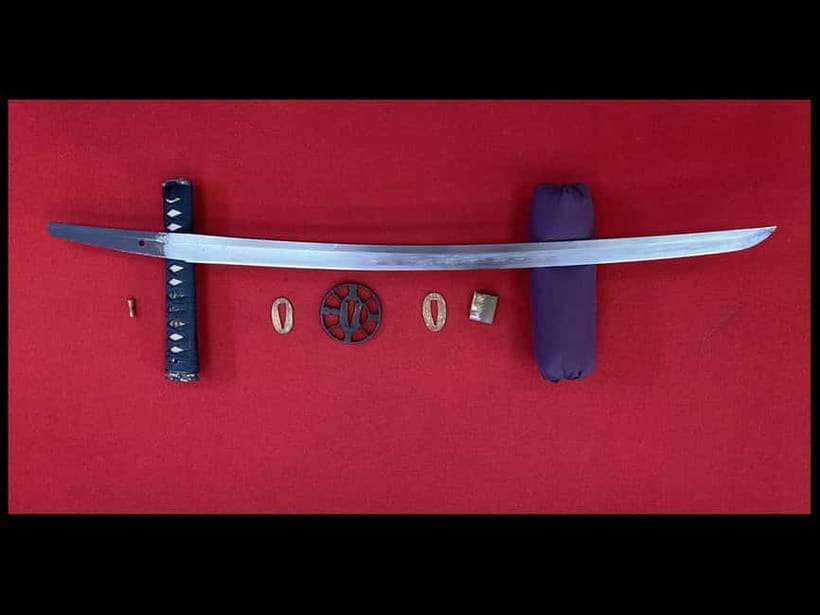
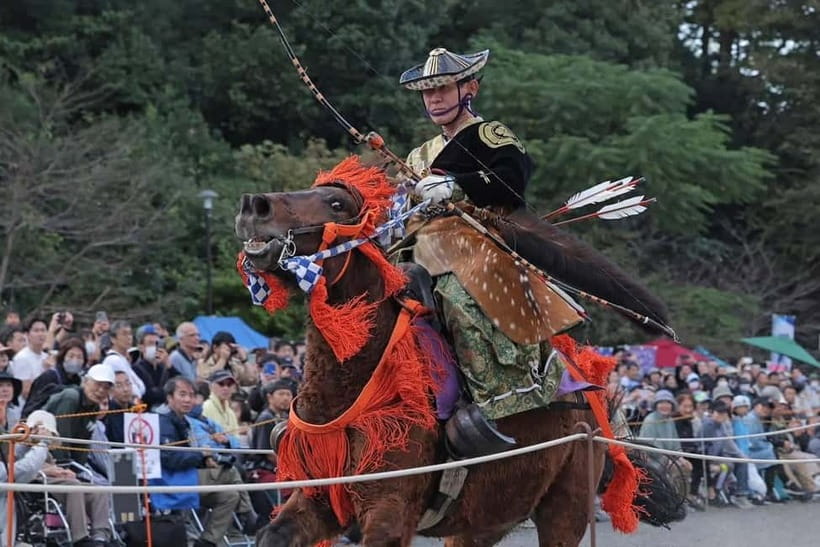
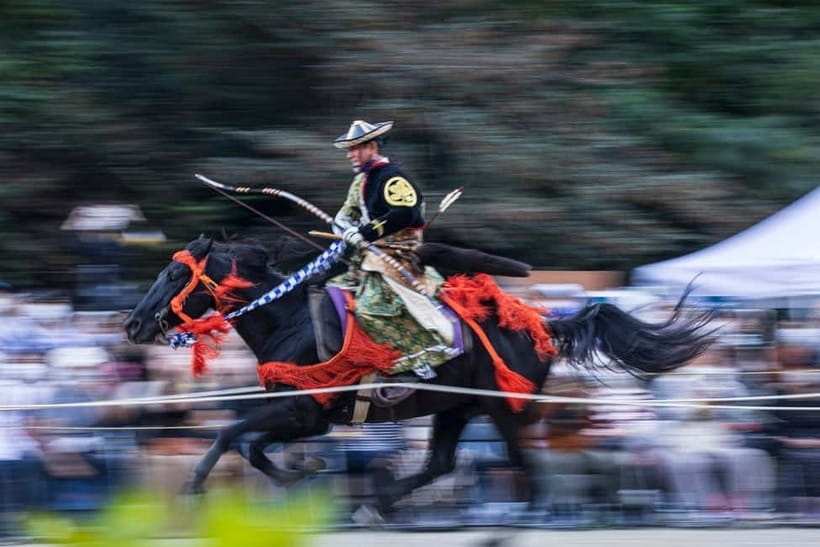
The workshop also gives you a chance to try a bow used for horseback archery. The activity connects the class with an earlier period of samurai warfare, when archery was a major weapon.
This portion broadens the experience. Without it, the workshop would be an introduction to Japanese swordsmanship alone. With the bow, you get a reminder that samurai training was not built around the katana only.
The supplied information does not give a detailed sequence for the archery section, so you should not expect a long mounted demonstration or an outdoor riding lesson. You are trying the bow and shooting arrows under instruction. The focus remains on learning and safe technique.
If archery is your main interest, check the exact session details when booking. The activity includes the chance to try the bow, but the amount of time spent on each discipline may vary.
A serious Toyama-ryu demonstration
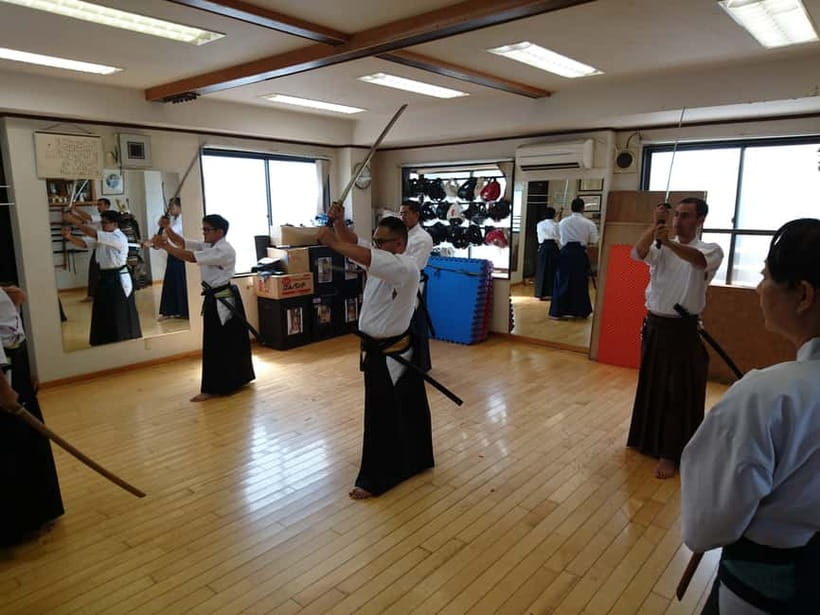
One of the most striking parts of the session is a live demonstration of Toyama-ryu by a seventh-grade practitioner. The class description makes clear that this is not entertainment. You will see difficult techniques performed by someone with a high level of skill.
That distinction matters. A stage show is designed to look easy and dramatic. A dojo demonstration shows how much control and practice sit behind the movement. You may notice the precision more than the spectacle.
This demonstration also gives you a useful reference point. After trying a few basic techniques yourself, you can see the distance between an introductory lesson and advanced swordsmanship. It is a good reminder to keep your expectations realistic. Two hours will not turn you into a samurai, but it can give you a new respect for the training.
What changes after May 30
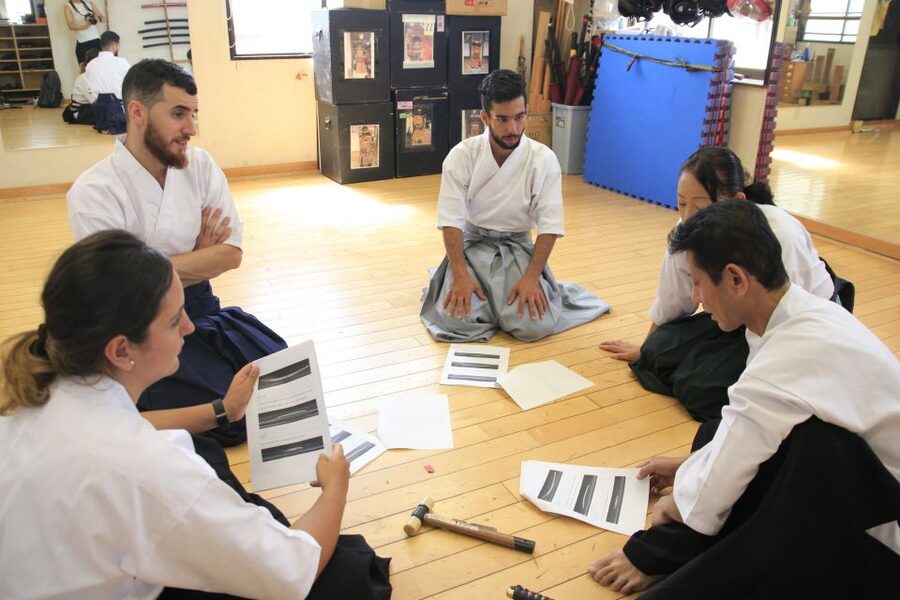
The experience information includes an important date change. Until May 30, participants slash targets with real swords. From June 1, the program is described as a class in swordsmanship and archery, with iai using a mock sword and gekken using practice equipment.
You should check the exact date and current activity description before booking if real-blade cutting is important to you. Some earlier sessions included cutting wet tatami mats, and participants described that as one of the most satisfying parts of the class. That does not necessarily mean it is part of every future session.
This is one of the biggest practical distinctions between the older and newer formats. The core training remains sword handling, sparring, archery, cultural instruction, and the demonstration. The opportunity to cut targets with a real sword may not be available after May 30.
Do not assume that a photograph or older description guarantees live-blade cutting on your date. Confirm it directly with the provider if that feature determines your decision.
The certificate and what you take home
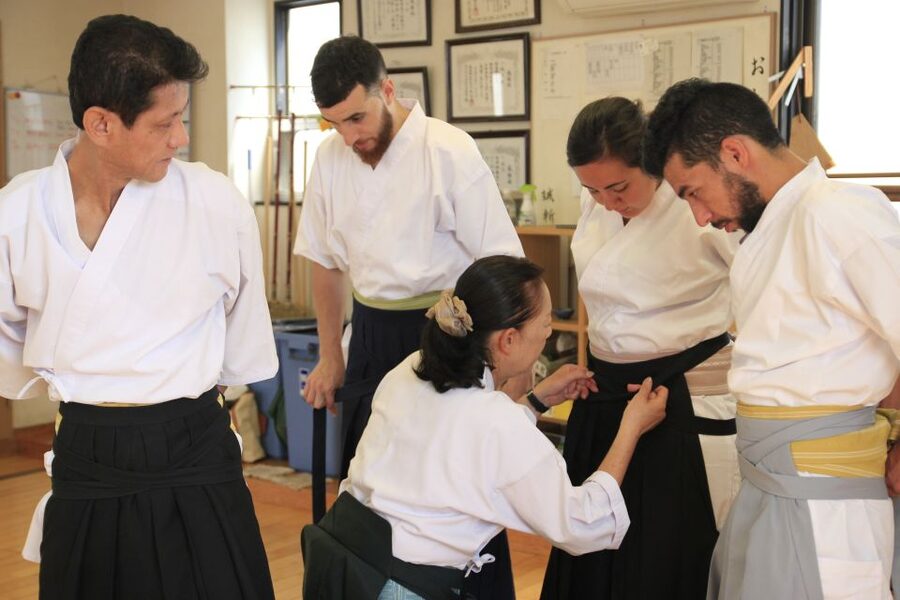
At the end, participants receive an official certificate called an Inkajo. It is personally signed by the instructor during the completion ceremony.
The certificate is a small but worthwhile finish. You do not simply leave after a generic activity. The ceremony marks the fact that you completed an introduction to the dojo’s training.
You also leave with a better sense of why swordsmanship is built on repetition. The physical souvenir is the Inkajo, but the more useful takeaway is the ability to recognize basic elements of drawing, cutting, re-sheathing, timing, and posture.
If you enjoy collecting meaningful travel mementos, you could frame the certificate at home. Bring a folder or another way to protect it during the rest of your trip.
Is $211 a fair price?
At $211 per person, this is not a budget activity. The price makes more sense if you value direct instruction, a very small group, access to a real dojo, and several different parts of samurai training in one session.
The fee includes the instructor, the samurai experience, the practice uniform, and the practice sword. You are also paying for a specialist-led class rather than a large group presentation. With six people or fewer, the instructor has a real chance to correct your technique.
The value is strongest for people who would otherwise pay for several cultural activities but want something more hands-on. It is less compelling if you are mainly looking for a costume photograph or a brief demonstration.
The price also needs to be judged against the changing program. If real-sword target cutting is no longer offered on your date, make sure the remaining format matches what you want. The class still includes substantial instruction, but live cutting is a major difference in perceived value for some people.
Free cancellation up to 24 hours before the start and a reserve-now, pay-later option make the booking less rigid. Those policies are helpful when you are arranging a busy Tokyo schedule, but they do not change the need to check the date-specific activities.
Who should book this dojo experience?
I would recommend it most strongly to:
- People interested in Japanese martial arts and swordsmanship
- Visitors who want a hands-on cultural activity rather than a stage show
- Beginners who appreciate patient instruction in English
- Families with older teenagers, provided a parent or guardian gives permission and attends
- Anyone curious about the difference between movie swordplay and trained technique
- Repeat visitors who want an activity away from central Tokyo
It is also a good fit for couples or friends with different levels of interest. One person can arrive fascinated by Japanese swords, while the other can learn from scratch and still take part in the practice, sparring, and archery.
It is not suitable for pregnant people, wheelchair users, or people with mobility, back, heart, or vision problems. The activity is also not suitable for people with epilepsy. Children under 18 cannot attend independently. Anyone under 18 needs permission and accompaniment from a parent or guardian, and the booking information also lists the activity as unsuitable for children under 18, so families should confirm eligibility with the provider before reserving.
Do not bring alcohol or drugs. This is a physical training session with weapons, so arriving clear-headed is essential.
Practical tips for a better session
Give the provider your height and weight as early as possible so your uniform can be prepared. Arrive with water, comfortable clothing underneath the practice wear, and enough time to find the third-floor dojo.
Keep your camera available for appropriate moments, but listen closely during the safety briefing. The most useful corrections happen while you are moving, and the class is too short to spend much of it looking at a screen.
Plan for a concentrated two hours rather than a relaxed sightseeing stop. You may feel tired after sparring, and the bow work also asks for focus. The reward is that you learn several related skills rather than repeating one simple photo opportunity.
If you are especially interested in real-sword cutting, ask whether it is offered on your chosen date. The date note about May 30 and June 1 is important, and the program can change.
Should you book it?
Book this if you want serious, small-group instruction in a real dojo and you are willing to travel to Machida for it. The English-language teaching, careful sword handling, sparring, archery, advanced demonstration, and Inkajo certificate give the session more substance than a standard samurai costume activity.
I would skip it if you want a short, theatrical show, dislike physical practice, or mainly want to cut targets with a real sword after May 30. For everyone else, especially anyone who has ever wondered how much of a samurai film is fantasy, this is a thoughtful and memorable use of two hours.
FAQ
Where does the samurai training take place?
The activity takes place at Toyama-Ryu Bizen-kai in Machida, in the Kanto Region of Japan. The dojo is about a 10-minute walk from JR Machida Station and is located on the third floor.
How long does the experience last?
The advertised duration is two hours. Starting times depend on availability when you book.
What languages does the instructor speak?
Instruction is available in Japanese and English.
What activities are included?
You learn iai with a practice sword, study attack and defense in gekken, spar with practice equipment, try shooting arrows with a horseback archery bow, and watch a Toyama-ryu demonstration.
Will I use a real sword?
The information states that real-sword target cutting is offered until May 30. From June 1, the class description refers to a mock sword for iai and practice equipment for sparring. Check your date with the provider if live-blade cutting matters to you.
What should I bring?
Bring a camera and drinks. You should also provide your height and weight in advance so the provider can prepare a practice uniform.
Can children attend?
The activity is listed as unsuitable for children under 18. The additional information says that anyone under 18 may attend only with permission and accompaniment from a parent or guardian, so confirm the arrangement with the provider before booking.
More Samurai & Ninja Experiences in Tokyo

More tours in Tokyo we've reviewed












Samurai & Ninja Experiences, compared.
 ★ 4.5Tokyo: Samurai Restaurant Show Ticket with 2 DrinksFrom $551h 30m
 ★ 4.6Tokyo: Samurai Ninja Museum Guided tour and ExperienceFrom $27
 ★ 5.0Skip the lines Basic Ticket at SAMURAI NINJA MUSEUM TOKYOFrom $28
 ★ 5.0Best Samurai Experience in TokyoFrom $65
 ★ 4.6Tokyo: Legend Samurai Entertainment Night in Kanda ShrineFrom $44
 ★ 4.2Tokyo: Ninja Kabuki PerformanceFrom $291 day