Reviewed · YOKOHAMA
Let’s make Wagashi at private home in Yokohama, suburban Tokyo
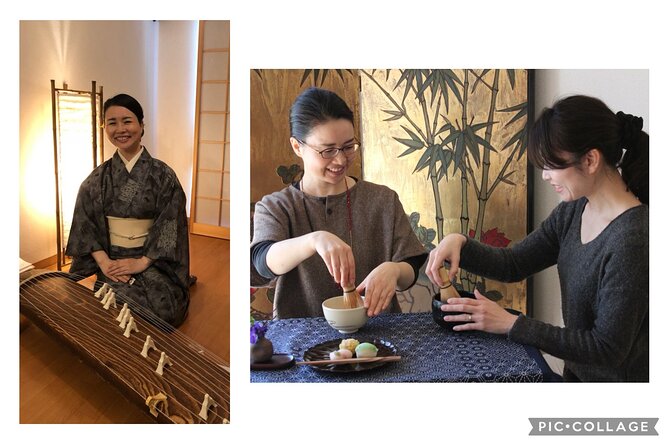
Making wagashi in a private Yokohama home gives you a close look at a Japanese craft that is usually bought, not made. Ikuyo, who has studied tea ceremony for more than 40 years and taught wagashi for 15, guides you through five seasonal sweets before preparing matcha for one tasting.
In This Article
- Key points at a glance
- What making wagashi in a home is really like
- Five pieces, one with matcha, four for later
- The matcha tasting adds a second tradition
- A rare chance to enter a private Japanese home
- Reaching Azamino from central Tokyo
- Is $52.03 a fair price?
- Who will enjoy this workshop most?
- What the strongest praise points to
- Timing, cancellation, and small practical details
- Should you book the Azamino wagashi class?
- FAQ
- Where does the wagashi workshop meet?
- Where does the activity end?
- How long does the experience take?
- How many wagashi will I make?
- Can I take wagashi home?
- Is matcha included?
- How large is the group?
- Can I cancel for a full refund?
I like the small four-person limit, which leaves room for patient, careful instruction. I also like the practical finish: you eat one wagashi with matcha and take the other four home, so the experience continues after class.
The main consideration is location. You meet at Azamino Station, outside central Tokyo, and the class takes about two hours. It is a good fit if you want a calm local activity, less so if your schedule is already packed with central Tokyo sights.
Key points at a glance
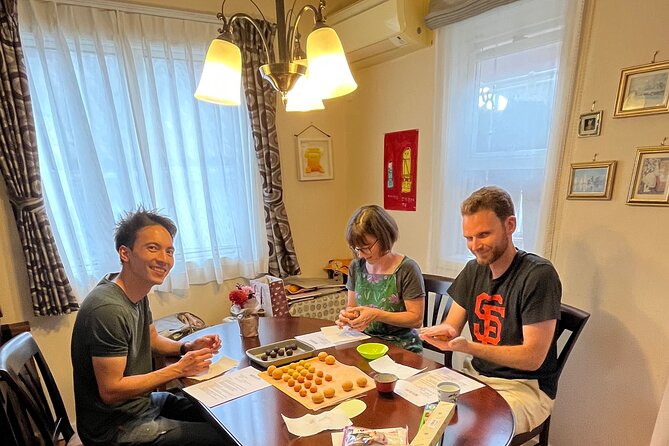
- A private Japanese home: You visit Ikuyo’s home for an activity that feels personal rather than staged for a large group.
- Five sweets per person: You shape five wagashi, eat one with matcha, and carry four home.
- Seasonal designs: The shapes and colors follow the Japanese seasons, with nerikiri, gyuhi, manju, and other sweets possible.
- Expert tea background: Ikuyo has studied Japanese tea ceremony for more than 40 years and taught wagashi making for 15 years.
- Very small groups: The workshop accepts no more than four people, allowing step-by-step help.
- Azamino setting: The meeting point is at Azamino Station in Yokohama, with the activity returning there afterward.
What making wagashi in a home is really like
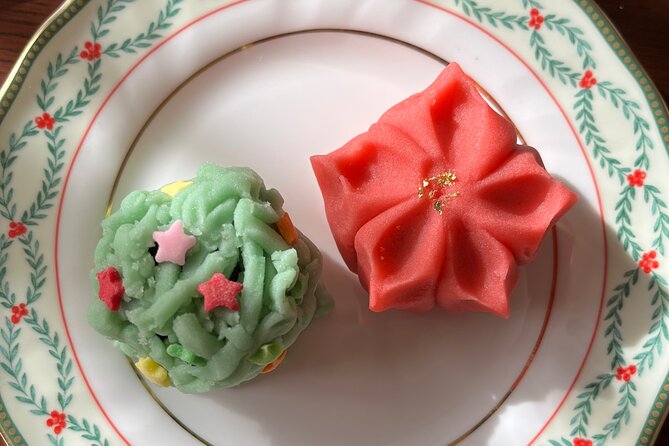
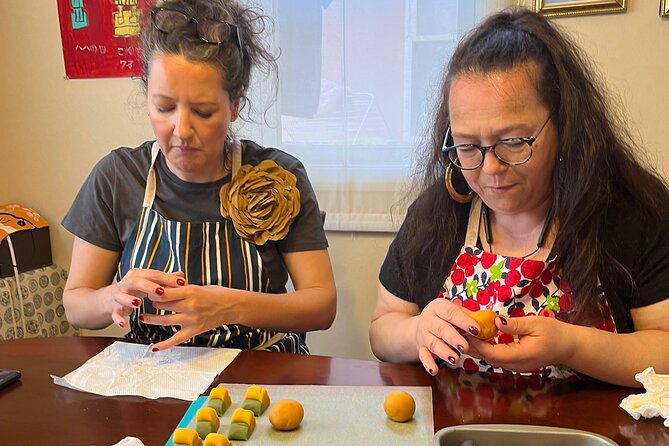
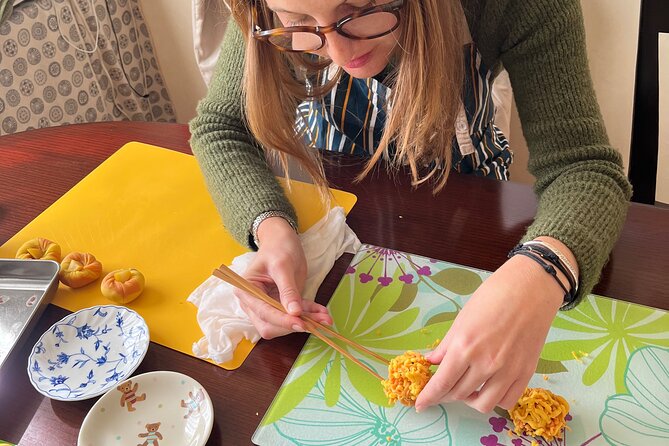
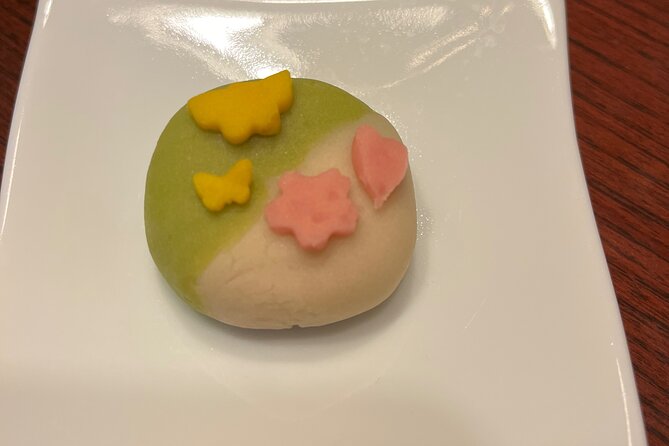
Wagashi are Japanese traditional sweets, but this is not a factory tour or a simple tasting. You work with dough, bean paste, and mochi ingredients, then shape the sweets by hand. The appeal is in seeing a plain lump of dough become a flower, leaf, seasonal fruit, or another carefully chosen form.
Nerikiri is the main example described for the class. Its dough contains white bean paste and mochi, with red bean paste or white bean paste inside. The finished sweet is meant to look delicate, and the shape follows the time of year.
That seasonal link matters. Japanese food culture often pays attention to small changes in nature, and wagashi makes that idea edible. A design may suggest spring flowers, autumn leaves, or another seasonal image. You are not simply copying a fixed recipe all year.
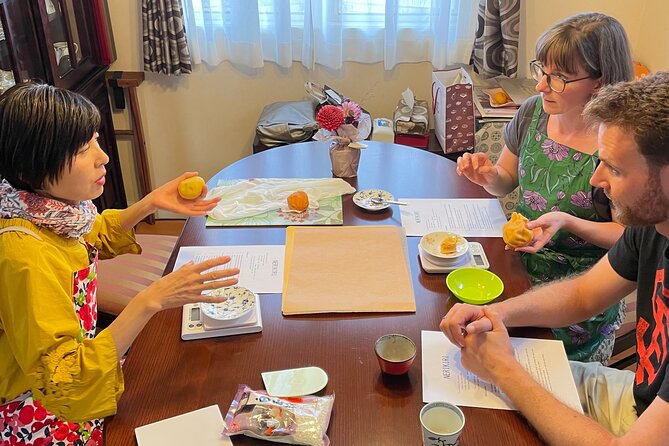
Ikuyo demonstrates the shaping process, then helps you repeat it. One participant described her instruction as patient and thorough, which is exactly what you want here. Wagashi can look simple until you try to make the ridges, folds, and curves yourself. Your first pieces may be less polished than Ikuyo’s, but that is part of the fun, not a reason to worry.
The activity is hands-on for about an hour and a half. You do not need to bring special equipment or supplies. The class is designed around making the sweets together, so you should expect to work rather than sit back and watch.
Other private tours in Yokohama


Five pieces, one with matcha, four for later
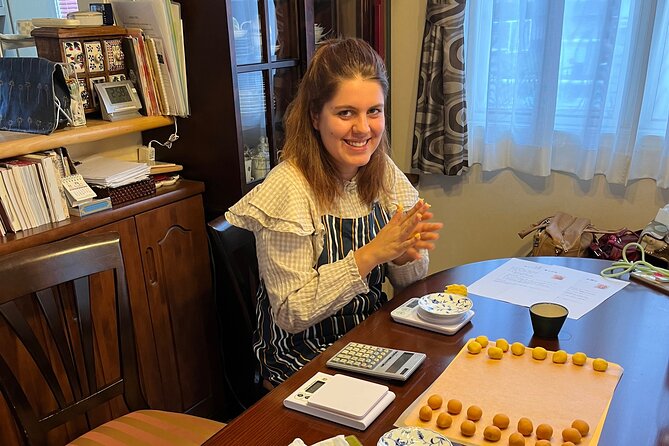
Each person makes five wagashi. Afterward, you eat one together with matcha prepared by Ikuyo. The remaining four go home with you.
This arrangement is a smart part of the experience. Wagashi are small, and eating all five at once would make the tasting feel rushed and overly sweet. Having one with matcha lets you focus on the flavor and texture while the rest become edible souvenirs.
It also gives you a chance to share the sweets later. If you are staying in a hotel or visiting family, four handmade wagashi make a more personal gift than a standard packaged snack. Take care with them, since delicate shapes may not travel as well as firm commercial sweets.
The flavor depends on the type made that day. Red bean paste and white bean paste are central ingredients, and the dough may include mochi. Most of the sweets are described as vegan and gluten-free, but you should still ask Ikuyo about the exact ingredients for your session if you have an allergy or strict dietary requirement.
The matcha tasting adds a second tradition
The workshop combines wagashi with matcha, rather than treating the sweets as a stand-alone cooking lesson. Ikuyo prepares the green tea for you after the making session, and you eat one wagashi with it.
Matcha is a natural partner for wagashi. Its bitter, grassy taste balances the sweetness of the bean paste, and the pairing gives you a small taste of the logic behind Japanese tea culture. You are not just eating a pretty sweet. You are learning how it fits into a traditional setting.
The experience includes drinking matcha, but it does not automatically include a full tea ceremony lesson. Ikuyo offers two other classes for people who want to try mixing matcha or watch a Japanese tea ceremony procedure demonstration. Those are separate activities, so book this workshop for wagashi making and a matcha tasting rather than for a complete tea ceremony.
Her long tea ceremony background still adds value here. She can place the sweet in a wider cultural context, even though the main focus remains shaping wagashi.
A rare chance to enter a private Japanese home
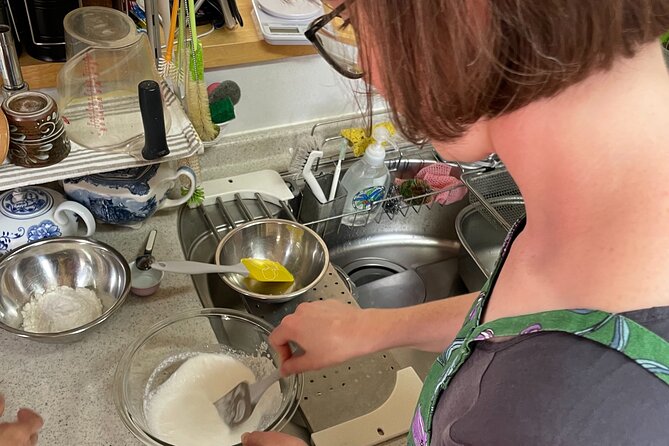
For many visitors, the home setting is the most unusual part. A private house feels different from a cooking studio, hotel classroom, or commercial attraction. You meet Ikuyo and her husband, and the class has the tone of being welcomed into someone’s everyday world.
That setting requires a little more awareness from you. Follow the host’s directions, arrive at the agreed meeting point on time, and treat the home as a lived-in space rather than a public venue. The small group size helps keep the atmosphere relaxed and personal.
The class has a maximum of four participants. That limit is important because wagashi shaping benefits from individual correction. If your flower petals are too thick or your dough begins to lose its shape, Ikuyo can show you what to change without a long wait.
The personal touch can extend beyond the sweets. One person received Japanese design handkerchiefs from Ikuyo. That is not advertised as a standard inclusion, so do not book expecting a gift, but it reflects the warm, generous tone of the meeting.
Reaching Azamino from central Tokyo
The meeting point is Azamino Station, at 2 Chome Azamino in Yokohama’s Aoba Ward. The activity begins and ends back at the meeting point, and public transportation is nearby.
Azamino is not a central Tokyo stop. You need to allow time to reach suburban Yokohama, especially if you are staying in a busy part of Tokyo and have another booking afterward. The journey is part of the trade-off: you give up convenience for a quieter setting and access to a private home.
Pickup is offered, but the supplied details identify Azamino Station as the start point. Confirm the exact pickup arrangement after booking rather than assuming door-to-door transportation is included.
The host also notes that the Yokohama Ramen Museum is around 15 minutes from Azamino Station. That could help you build a food-focused day, but check the timing and route for your date. The wagashi activity itself lasts about two hours, and the clock starts at the meeting point.
Because the class is generally booked around 16 days ahead, reserve before your trip if your dates are fixed. Confirmation is sent within 48 hours, subject to availability.


Is $52.03 a fair price?
At $52.03 per person, this is not the cheapest way to eat Japanese sweets. You can buy wagashi in a department-store food hall or confectionery for far less.
You are paying for more than the food here. The price covers a private-home setting, direct instruction, five handmade sweets, one matcha serving, and a small group capped at four. It also pays for access to Ikuyo’s long experience with tea ceremony and 15 years of teaching wagashi.
I think the value is strongest if you care about learning a craft and meeting a local host. It is weaker if you only want a quick snack or a general Japanese cooking demonstration. The class is short enough to fit into a day, but the trip to Azamino adds time and transport cost beyond the listed price.
The four sweets you take home also improve the value. You get something tangible from the class, not just a memory and a single tasting. Still, the real purchase is the instruction and personal setting.
Who will enjoy this workshop most?
This is a good choice for you if you like quiet, creative activities. You do not need advanced cooking skills, and the process is suitable for someone who enjoys careful handwork more than fast-paced kitchen action.
It should also suit families and small groups, provided everyone is comfortable working in a private home and the booking fits the group limit. The class is especially appealing to people who have already seen major Tokyo sights and want a slower afternoon in suburban Yokohama.
Food-conscious visitors may appreciate that most wagashi are vegan and gluten-free. Confirm the exact recipe before attending if your diet is strict. The class uses bean paste and mochi-based dough, so anyone who dislikes sweet bean flavors may not enjoy the tasting as much.
This is less suitable for a rushed first-time visit with only a day or two in Tokyo. It is also not the right booking if your main goal is a full tea ceremony, since the matcha portion here is a tasting after the wagashi lesson.
What the strongest praise points to
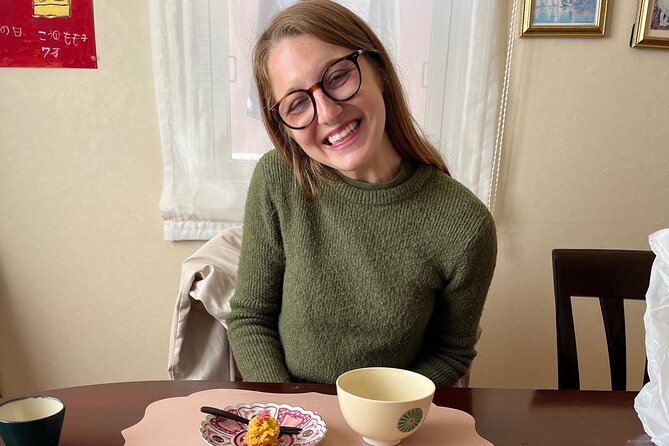
The most consistent praise centers on Ikuyo herself. Her patience, warmth, and clear explanations make the handwork approachable. That matters because wagashi shaping has a visual standard that can intimidate beginners.
The sweets themselves also receive strong approval for taste. Their appearance may not match the teacher’s finished pieces, but the process remains rewarding and the results are edible.
Another important point is the feeling of comfort. The activity is described as a simple, authentic moment rather than a large production. You meet Ikuyo and her husband, learn a traditional skill, drink matcha, and leave with sweets you made yourself.
That kind of experience depends heavily on the host. Here, Ikuyo’s background and personal teaching style are central to the value. If you prefer a polished commercial venue with a fixed show and lots of participants, this may feel too intimate. If you want genuine contact and patient guidance, the format works well.
Timing, cancellation, and small practical details
Plan on about two hours total: roughly 90 minutes of making wagashi, followed by the matcha tasting. No special items are required from you.
The group size is limited to four, and the meeting point is Azamino Station. The activity ends at that same meeting point. A mobile ticket is available, and confirmation arrives within 48 hours if space is available.
Free cancellation is allowed up to 24 hours before the local start time for a full refund. Cancellations or changes made inside that 24-hour window are not accepted for a refund. Keep the cutoff in mind when arranging transport and other Yokohama plans.
Should you book the Azamino wagashi class?
Book it if you want a small, personal cultural activity with real instruction. Ikuyo’s experience, the private-home setting, the seasonal designs, and the four sweets you take away make this more than a quick dessert stop.
Skip it if you are staying only in central Tokyo, dislike bean-paste sweets, or want a formal tea ceremony rather than a matcha tasting. For everyone else, the class offers a thoughtful way to spend two hours, especially on a day when you want to slow down and make something with your own hands.
FAQ
Where does the wagashi workshop meet?
The meeting point is Azamino Station, at 2 Chome Azamino, Aoba Ward, Yokohama, Kanagawa 225-0011, Japan.
Where does the activity end?
The activity ends back at the Azamino Station meeting point.
How long does the experience take?
The total duration is about two hours. Wagashi making takes roughly one and a half hours, followed by eating one piece with matcha.
How many wagashi will I make?
Each person makes five pieces of wagashi.
Can I take wagashi home?
Yes. You eat one piece with matcha during the workshop and take the other four pieces home.
Is matcha included?
Yes. Ikuyo prepares matcha for you to enjoy with one wagashi after the making session.
How large is the group?
The activity has a maximum of four participants.
Can I cancel for a full refund?
Yes. You can cancel at least 24 hours before the local start time for a full refund. Cancellations or changes made less than 24 hours before the start time are not accepted for a refund.
More Private Tours in Yokohama

More tours in Yokohama we've reviewed








Yokohama, compared.
 ★ 5.0Tokyo 8hr Private Tour with Licensed Guide from YokohamaFrom $201
 ★ 4.9Daikoku & Tokyo Private JDM Tour by 700HP R34 GT-RFrom $611
 ★ 5.0Shuttle Van Transfer, Yokohama(Port)⇒Tokyo, Narita, Haneda, TDRFrom $122
 ★ 4.9Tokyo Drift: Daikoku Parking Area JDM Car Culture Tour大黒From $80
 ★ 5.0Japanese Tea Ceremony at Private Home in Yokohama, suburban TokyoFrom $52
 ★ 5.0Tokyo Full Day Tour with Licensed Guide and Vehicle from YokohamaFrom $854