Reviewed · JDM & CAR CULTURE
Tokyo Drift: Daikoku Parking Area JDM Car Culture Tour大黒
Daikoku Parking Area is a Japanese car-culture landmark where a normal highway rest stop can turn into an impromptu motor show. The real appeal is the mix: JDM legends, tuned cars, rare classics, and exotic supercars may all share the same parking area, often with proud owners nearby.
In This Article
- Key things to know before booking
- Why Daikoku Parking Area matters to car fans
- Leaving Shinjuku for the Yokohama expressways
- Arriving at the Daikoku car scene
- What happens if the evening changes
- The guide makes the shared ride worthwhile
- What the $80 price really covers
- How to get the best photographs and memories
- Who should book this Daikoku tour
- Final verdict: a strong choice for flexible car fans
- FAQ
- Where does the Daikoku tour meet?
- Where does the tour finish?
- What vehicle is used for the shared ride?
- Are specific cars guaranteed at Daikoku PA?
- Are food and drinks included?
- What should I bring and know before going?
I like the scenic drive through Tokyo and Yokohama, and I like that guide Joshua adds useful commentary about cars, local history, and sights along the route. The main thing to consider is that Daikoku is unpredictable. A weekday visit may be quiet, the police may clear cars out, or the parking area may close.
Key things to know before booking

- Daikoku PA is a real rest stop, not a scheduled car show: The lineup changes from visit to visit.
- Joshua leads the shared ride: His clear English and car knowledge are a major part of the experience.
- The vehicle is practical, not flashy: You ride in a Toyota Aqua, Nissan Serena, or Toyota Noah, depending on group size.
- Weekends usually offer more action: Weekday evenings can bring fewer cars and a calmer local feel.
- The ride begins near Shinjuku: Meet behind the Hyatt Regency Tokyo, close to Tochomae Station’s A4 exit.
- The $80 price covers access by road, not food or drinks: You pay for the ride, guiding, and chance to see the scene firsthand.
Why Daikoku Parking Area matters to car fans
Daikoku PA sits on Daikoku Futo, a large pier area in Yokohama. It is built as a highway service stop, but its reputation reaches far beyond its practical purpose. For car fans, the location has become one of Japan’s best-known gathering points.
The draw is not a museum collection behind glass. It is the possibility of seeing interesting cars arrive, park, and leave in real time. One visit might bring Nissan Skylines and GT-Rs. Another could feature modified imports, Italian supercars, older Japanese models, or something much harder to predict.
That uncertainty is part of the experience. You are not promised a particular model, owner, or number of cars. You are going to see what is happening that evening.
I find that more appealing than a fixed display in some ways. A museum can show you important cars, but Daikoku lets you see how people actually use and care for them. The setting is informal, and the atmosphere depends on who happens to turn up.
At the same time, you should set sensible expectations. If you need to see a specific Skyline, Supra, or supercar, this is not the right place to rely on a guarantee. The attraction is the live car scene, not a carefully arranged collection.
A few more Yokohama tours and experiences worth a look


Leaving Shinjuku for the Yokohama expressways

The meeting point is behind the Hyatt Regency Tokyo, beside the pedestrian bridge. The nearest station is Tochomae Station on the Toei Oedo Line, using exit A4. From Shinjuku Station, allow about 10 minutes on foot.
This location works well if you are already staying around Shinjuku, but it is worth checking the map carefully before setting out. The meeting point is not inside the hotel. You should arrive with your phone charged and with the WhatsApp-linked number you provided at booking available for contact.
The tour uses a shared car. Depending on the group, the vehicle may be a Toyota Aqua, Nissan Serena, or Toyota Noah. These are ordinary practical cars, not specially prepared JDM machines. That distinction matters, since some people may picture themselves riding in a modified Skyline or sports coupe.
I see the regular vehicle as a fair trade for the $80 price. You are paying to reach Daikoku and have a guide who can explain what you are seeing, not for a high-performance driving session. Still, the car can feel tight at full capacity. Capacity limits are followed, but comfort depends on the vehicle and the size of the group.
The road portion is part of the fun. You travel along Tokyo and Yokohama expressways, with city sights and highway structures adding context to the outing. One especially appealing detail is the chance to encounter interesting cars on the road itself. A past outing included a highway ride alongside Skylines and GT-Rs, which made the trip feel like more than simple transport.
Joshua also points out sites and explains parts of the city and car culture on the route to and from Daikoku. His clear English is helpful if you want more than photographs. He has also suggested good photo locations, which can make a difference when you are trying to get a useful shot rather than a crowded snapshot.
Arriving at the Daikoku car scene
Once at Daikoku PA, you get time to explore and look around. The experience is informal. There is no fixed stage, no announced running order, and no set list of cars waiting for you.
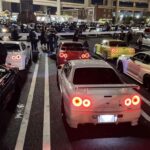
You may see heavily modified tuners, exotic supercars, rare classics, and familiar Japanese performance cars. The word may is important here. The exact type and number of cars are not guaranteed, since meetings happen spontaneously.
Your best approach is to treat the parking area as a live scene. Walk around, take in the variety, and pay attention to how different owners have built or preserved their cars. You can meet passionate owners, but respect is essential. Ask before getting too close, touching a vehicle, or taking an intrusive photograph.
Bring a camera, but also remember that a car park is a working public facility. Keep walkways clear, follow the guide’s instructions, and avoid acting as if every owner is there to perform for visitors. The experience works best when you behave like a respectful car fan rather than a customer at a formal exhibition.
The atmosphere can change quickly. On a good evening, the parking area may feel like a lively gathering point with plenty to photograph. On a quieter weekday, you may find fewer cars but more room to look carefully and a calmer local mood.
What happens if the evening changes
The lack of certainty is not only about car numbers. Daikoku can sometimes be closed, and police may clear cars from the area. One outing reached the parking area just before a police operation caused the cars to leave. Joshua adapted by finding another place where the group could still enjoy the car culture experience.
That is a useful sign of how to judge this tour. You should not book it expecting perfect control over events. You should book it knowing that a good guide can respond when the scene changes.
A backup plan cannot reproduce a packed Daikoku evening, of course. If the main attraction is unavailable, the experience will be different. But having an alternative is better than simply ending the trip and sending everyone home.
The same applies to weekday visits. Tuesday evenings can still produce an excellent outing, but the result is less predictable than a busy weekend. I would choose a weekday if you prefer a more relaxed setting and can accept a thinner lineup. If your priority is the highest chance of seeing many cars, select a weekend when possible, while remembering that no particular turnout is promised.
The guide makes the shared ride worthwhile

Joshua is the guide named for this experience, and his role goes beyond driving. He explains car culture, talks about the route and surrounding city sights, and communicates in clear English.
That matters because Daikoku can be confusing if you arrive without context. You may recognize a famous model, but not know why a particular modification matters or how the local scene fits into Japanese car culture. A guide gives the evening shape and helps you notice more than the loudest or most expensive car.
Joshua also handles the practical side of an unpredictable outing. He has provided alternate arrangements when the main car gathering was disrupted and has helped people find better places for photographs. His polite, easygoing manner is especially useful in a shared vehicle, where different people may have different levels of car knowledge.
The tour is likely to suit a parent and teenager, a couple, or a small group of friends. It also works for a casual fan who wants to understand the scene without arranging a complicated Yokohama trip alone. Hardcore enthusiasts should enjoy the subject matter, but they need to accept that the car selection is out of anyone’s hands.


What the $80 price really covers

At $80 per person, this is not the cheapest way to see a parking area. But comparing it with a simple train fare misses the point. The price includes the shared drive from central Tokyo, the expressway experience, return transport to the meeting point, and Joshua’s commentary and local help.
You also avoid the trouble of working out how to reach Daikoku PA independently. The location is famous, but getting there is not the same as visiting an ordinary city attraction. A guided ride makes the outing practical for someone based in Tokyo who wants to see the place without arranging every step.
The value is strongest if you care about the journey as well as the destination. You get city and expressway views, a chance to spot cars en route, and a guide who can explain what you are seeing. If you only want guaranteed access to a specific model, the price will feel less convincing because the lineup is never fixed.
Food and drinks are not included. Plan to handle those yourself, and wear comfortable shoes since you will spend time walking around the parking area. Pets and smoking are not allowed.
The vehicle choice also keeps the experience accessible. You will not be riding in a tuned JDM car, and that is clearly stated. The benefit is a lower price and a more practical shared ride. The tradeoff is less driving drama inside the car itself.
How to get the best photographs and memories
A camera is worth bringing, but your behavior matters more than your equipment. Daikoku offers unusual photo opportunities because the cars are not arranged in a showroom. You may need to wait for a clear angle, work around other people, and accept that a car could leave before you are ready.
Listen to Joshua’s advice about good photo spots. He knows how to help you make better use of the time, especially if the parking area is crowded or the group is moved to another location.
Avoid treating owners and cars as props. A respectful approach gives you a better chance of a friendly conversation and helps preserve the atmosphere that makes Daikoku appealing. The goal is to observe a real enthusiast gathering, not turn it into a private photo session.
I would also keep your expectations flexible. The best memory may be a rare classic parked beside a modern exotic, a convoy-like moment on the expressway, or simply the surprise of seeing a car you did not expect. The outing rewards curiosity more than a strict checklist.
Who should book this Daikoku tour

I would recommend it to you if you enjoy Japanese car culture, road journeys, photography, or unusual local experiences. It is also a good choice if you want an evening activity that feels separate from Tokyo’s usual temples, shopping streets, and observation decks.
Families with older children may find it especially enjoyable, since the mix of cars gives everyone something to look at. The outing can work for a first-time visitor who knows little about tuning as long as that person is open to learning and walking around a car gathering.
I would be more cautious if you dislike shared transport, need a spacious seat, or expect a luxury vehicle. Full-capacity rides may feel snug, and the exact car depends on the group size. You should also reconsider if your main goal is a high-speed ride in a tuned sports car. That is not what is being sold.
Finally, do not book it with the assumption that Daikoku is guaranteed to be packed. The area can be quiet on a weekday, and police activity or closure can change the plan. The guide can offer an alternative, but no backup can promise the same selection of cars.
Final verdict: a strong choice for flexible car fans

I would book this tour if I wanted a practical, guided way to experience Daikoku PA from Tokyo and understood that the evening is spontaneous. The strongest parts are the expressway ride, Joshua’s English commentary, the chance to see owners and cars in a real setting, and the ability to adapt when plans change.
The $80 price is reasonable for a shared ride with return transport and guiding, especially if you would otherwise struggle to reach Daikoku. Just remember what you are buying: access to a changing car scene, not entry to a guaranteed motor show or a seat in a tuned JDM.
Choose a weekend for the best chance of a larger gathering. Choose a weekday if you prefer a quieter outing and can enjoy the scene even when the lineup is modest. Bring a camera, wear comfortable shoes, respect the owners, and let the evening surprise you.
FAQ
Where does the Daikoku tour meet?
The meeting point is behind the Hyatt Regency Tokyo, beside the pedestrian bridge. The nearest exit is A4 at Tochomae Station on the Toei Oedo Line, and the location is about a 10-minute walk from Shinjuku Station.
Where does the tour finish?
The activity ends back at the same meeting point behind the Hyatt Regency Tokyo.
What vehicle is used for the shared ride?
The vehicle may be a Toyota Aqua, Nissan Serena, or Toyota Noah, depending on the group size that day. The tour uses a normal car, not a tuned JDM vehicle.
Are specific cars guaranteed at Daikoku PA?
No. The car lineup and number of cars are not guaranteed because the gatherings are impromptu. You might see JDM cars, exotics, modified tuners, rare classics, or a quieter selection.
Are food and drinks included?
No. Meals and drinks are not included in the $80 price.
What should I bring and know before going?
Bring a camera, wear comfortable shoes, and treat car owners and their vehicles respectfully. Pets and smoking are not allowed. You must also provide a phone number linked to WhatsApp when booking.
More JDM & Car Culture in Yokohama
More tours in Yokohama we've reviewed



JDM & Car Culture, compared.
 ★ 4.8Tokyo: Fast & Furious Tokyo Drift 3 Experience (Kaila Yu SP)From $157
 ★ 4.8Tokyo: FAST&FURIOUS EXPERIENCE Daikoku Tokyo Car ClubFrom $157
 ★ 4.8Tokyo Drift: GT-R Car Club R35 Liberty Walk Daikoku meetingFrom $240
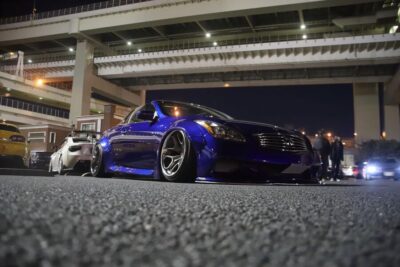 ★ 4.8Tokyo: Daikoku JDM Fast Furious Drift Style Car ExperienceFrom $123
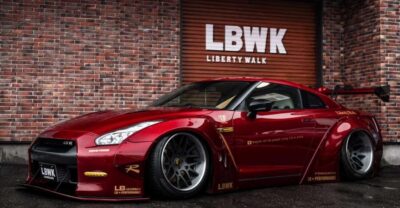 ★ 4.8Tokyo Drift: GO Daikoku Car Meet R34 Skyline Car ClubFrom $246
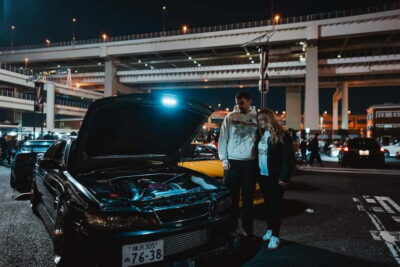 ★ 4.7Tokyo Drift: Daikoku PA Supreme Car Experience 大黒PAFrom $583 hours