Reviewed · YOKOHAMA
Tokyo 8hr Private Tour with Licensed Guide from Yokohama
Tokyo can feel like several cities packed into one. This private day from Yokohama lets you choose your priorities, then follow a licensed guide through the capital by train, subway, and on foot. You might move from Meiji Shrine and Shibuya Crossing to Asakusa, Tsukiji, or a quiet Japanese garden in the same day.
In This Article
- Key points to know before booking
- From Yokohama to Tokyo by train
- Imperial Palace and Tokyo’s central gardens
- Meiji Shrine, Harajuku, and Shibuya
- Asakusa and Senso-ji Temple
- Tsukiji for food and local life
- Akihabara, Roppongi, and Odaiba
- Old Tokyo in Shibamata and Nezu
- What the private guide adds
- Walking, cost, and who gets the best value
- Should you book this Tokyo day trip from Yokohama?
- FAQ
- Where does the tour begin?
- Does the guide meet me at my hotel?
- How long is the tour?
- Is the tour private?
- How many Tokyo sights can I choose?
- Is transportation included?
- Is lunch included?
- Are entrance fees included?
- Can I cancel for a refund?
I like the private format, since your guide can slow down for a walker, add a favorite stop, or shape the day around food, gardens, shopping, or old Tokyo. I also like the practical help with Tokyo’s train system. Guides such as An, Koba, Taka, Yoshi, and Seizo have met parties at Yokohama hotels or the port and handled the complicated connections.
The catch is simple: this is an energetic walking day, not a chauffeured sightseeing ride. Transportation, lunch, and most entrance fees cost extra, and eight hours disappears quickly when Yokohama travel time is included.
Key points to know before booking
- You choose the focus: Select from temples, shrines, gardens, markets, parks, shopping districts, and modern Tokyo neighborhoods.
- The train is part of the experience: Your guide leads you through Tokyo’s rail and subway network, with fares paid separately.
- Only your party joins: A private group makes it easier to set the pace and adjust plans.
- Yokohama pickup is possible: Meet on foot in a designated Yokohama area, at a hotel, or at the port when arranged.
- Expect plenty of walking: The full eight hours includes meeting, transfers, sightseeing, and the return to Yokohama.
- Your guide adds local judgment: Past guides including An, Koba, Taka, Masami, Seiji, and Taku have helped with food choices, shopping, station connections, and last-minute additions.
From Yokohama to Tokyo by train
The day begins in Yokohama, with your guide meeting you on foot in the agreed area. Port pickup is available, which makes this especially useful if you are visiting Yokohama during a cruise stop. The return to Yokohama is also by train with your guide, and that travel time counts toward the eight-hour tour.
There is no private vehicle. That may sound like a limitation, but for central Tokyo it is often the sensible choice. Trains avoid road traffic, and the rail system places you close to major sights. The tradeoff is stairs, station corridors, crowded platforms, and the need to keep moving.
Train and subway fares are not included, so carry some yen or use a suitable transit payment method. Your guide can help with the practical side, but you are paying for the tickets separately. The same applies to lunch, personal purchases, and admission fees.
The most important planning step is deciding what kind of Tokyo day you want. The choices cover far more ground than you can reasonably handle in eight hours. You can combine modern city life with temples and a garden, but trying to see every neighborhood listed would produce a rushed day.
The included description refers to a customizable walking tour of three or four sites, while the wider selection presents more possible stops. Confirm your preferred number of stops and the final plan with the provider before the day begins.
Other guided tours in Yokohama

Imperial Palace and Tokyo’s central gardens
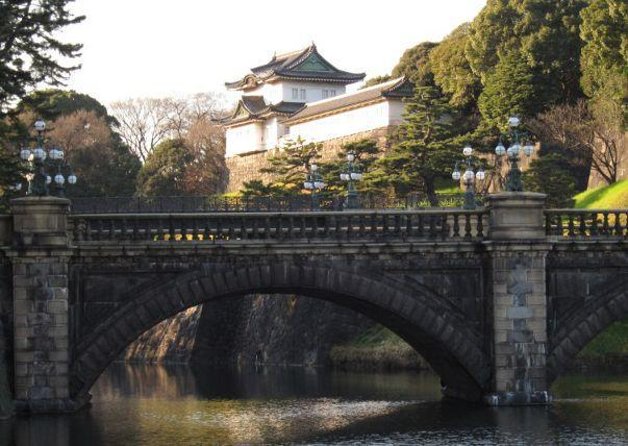
The Imperial Palace is a useful first stop for a broad introduction to Tokyo. You can see the outer walls and large public garden areas connected with the former palace grounds, but inside access to the Imperial Palace is not included.
Allow about 30 minutes here if you want a quick look and an explanation of the site. It is not a palace-room tour. Think of it as an outdoor stop that gives your guide room to explain Japan’s imperial and samurai-era past while you see a calm part of central Tokyo.
The gardens offer a different pace. Shinjuku Gyoen National Garden is a large central park known for cherry blossoms. A one-hour visit gives you enough time to walk beyond the entrance and see why it is valued as a break from the city. Admission is extra, listed at ¥500 for adults and ¥400 with a group discount. Seniors aged 65 and over pay ¥250 with valid identification.
Koishikawa Korakuen and Rikugien are stronger choices if formal Japanese gardens are your main interest. Koishikawa Korakuen is one of Tokyo’s oldest gardens, with design roots in the early Edo period. Rikugien was created around 1700 for the fifth Tokugawa shogun and is built around scenes connected to six poems.
These gardens reward a slower pace, so a 15 or 30-minute visit is only a preview. Admission is not included. If you care more about gardens than shopping, ask your guide to give one garden a proper visit rather than squeezing in several.
Hama Rikyu Gardens offers another kind of setting beside Tokyo Bay. Its seawater ponds change with the tides, and the garden includes a teahouse. The stop is listed as a short visit, but seasonal flowers and the water views can make it worth more time if your schedule allows.
Yoyogi Park is less formal. Its broad lawns, ponds, and wooded areas make it a place to see how Tokyo residents use open space for jogging, picnics, and outdoor time. Admission is free, though its large size means you will see only a portion during a quick stop.
Meiji Shrine, Harajuku, and Shibuya
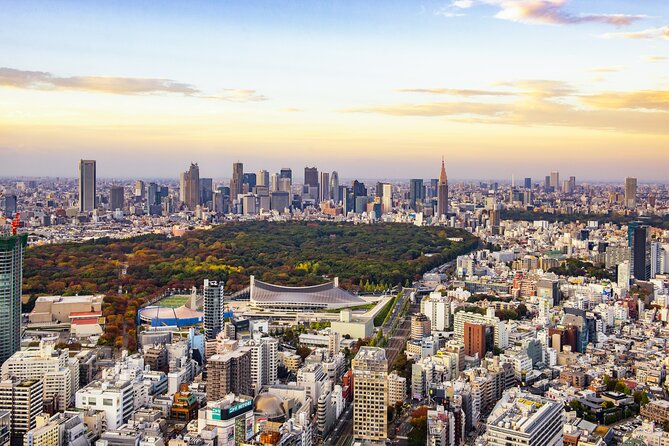
Meiji Jingu Shrine sits beside busy Harajuku Station, yet its grounds offer a marked change from the surrounding streets. The shrine honors Emperor Meiji and Empress Shoken, and a guide can explain the customs behind the visit rather than leaving you to guess what to do.
The listed visit is only 15 minutes, so this is a brief introduction. If shrine architecture, worship, or Japanese religious practice interests you, request more time. You can also pair it with Takeshita Street, which gives you a sharp contrast within the same Harajuku area.
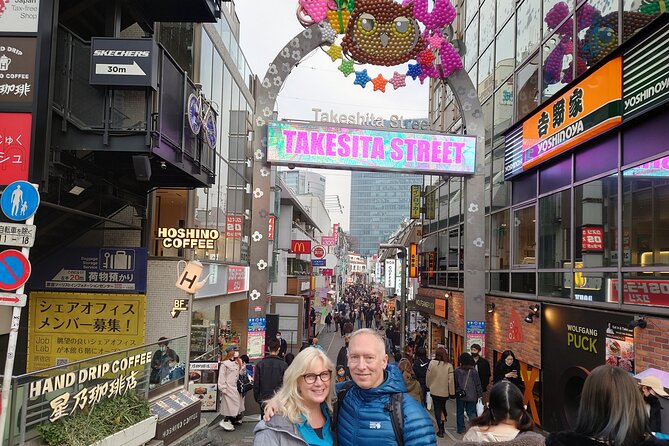
Takeshita Street is linked with youth fashion and teenage culture. It is a shopping stop, but it also gives you a look at a more playful side of Tokyo. The street can be crowded, and half an hour will mostly give you a walk-through with time for a snack or quick shopping.
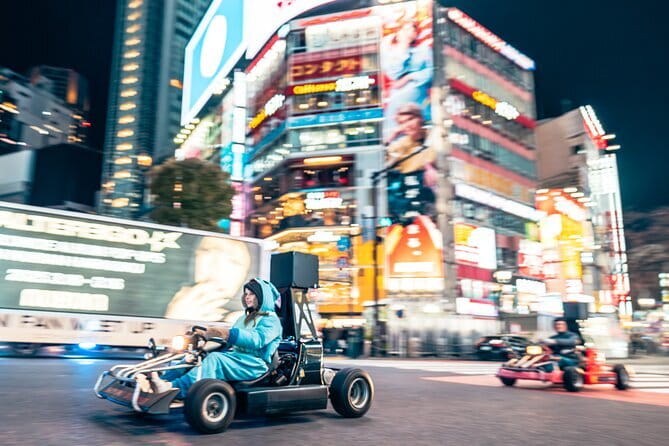
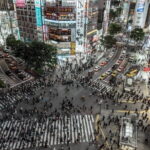
Shibuya Crossing is one of the city’s signature scenes. You visit one of the world’s busiest pedestrian crossings and watch the flow of people and traffic around it. It is a short, high-energy stop rather than a historical attraction, so it works best when balanced with a shrine, market, or garden.
Several parties have combined Shibuya Crossing with Meiji Shrine, the Imperial Palace, Asakusa, and shopping in one day. That is possible with a disciplined route, but you should expect a fast pace. Shibuya also works well for visitors who want a modern Tokyo snapshot without spending hours in museums or shops.
Asakusa and Senso-ji Temple
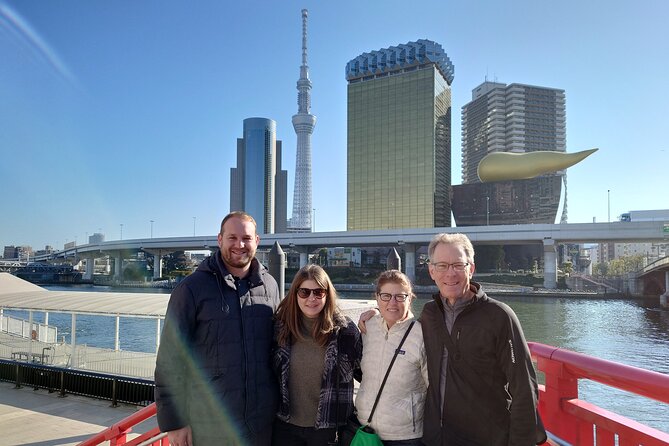
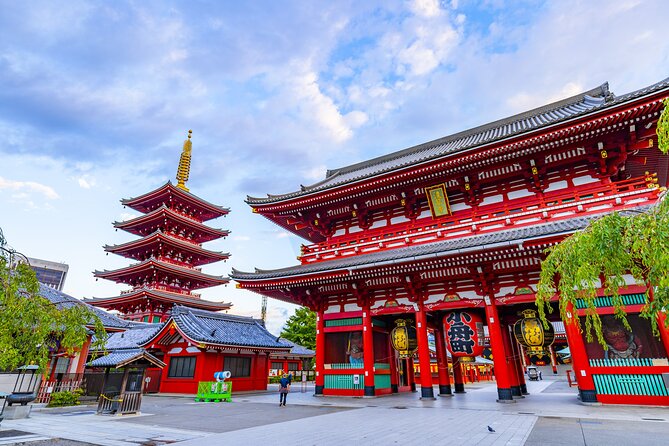
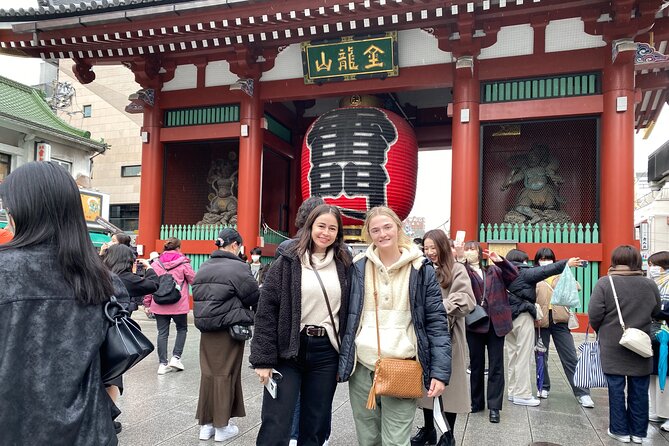
Asakusa gives you one of the clearest looks at old Tokyo. Senso-ji, also called Asakusa Kannon Temple, is one of the city’s most colorful Buddhist temples, and the approach includes a famous shopping street with a traditional feel.
A 15-minute temple stop is enough to see the main approach and receive a short explanation, but it is not enough for a relaxed visit. Allow about an hour for Asakusa if you want time for the temple, shopping street, photos, and a snack.
This is also a good place to ask your guide about temple customs. One guide helped a party with the water and incense rituals at Senso-ji, along with making offerings for blessings. That kind of assistance is useful because the gestures are easy to copy but harder to understand without context.
Food can be part of the Asakusa visit. A guide arranged ramen at a local restaurant near the temple for one party, while other guides directed people to sushi, conveyor-belt sushi, and other Japanese meals. Lunch is not included, so the value comes from having someone who can help you choose and order, not from receiving a free meal.
Tsukiji for food and local life
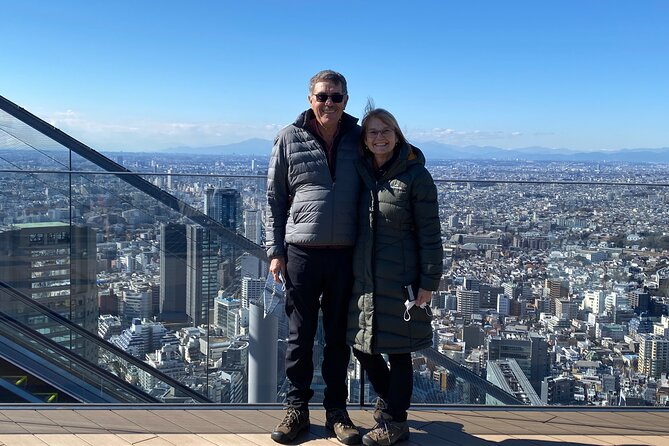
Tsukiji Fish Market is listed as a 30-minute stop, with no admission fee. It is a practical choice if eating is one of your main reasons for visiting Tokyo. You can look around the old market area and use your guide’s suggestions to choose lunch.
Several guides have taken parties to local sushi restaurants or food stalls in and around Tsukiji. One party enjoyed lunch at an authentic shabu-shabu restaurant in Ginza, while others had sushi, ramen, or conveyor-belt sushi. These meals are paid separately, and restaurant choice depends on your interests, timing, and the guide assigned to you.
Do not expect a full food tour automatically. Tell the provider before the day if lunch matters to you, and ask for enough time. A 30-minute market stop may work for a quick meal, but it is tight if you want to browse and sit down without rushing.
Other private tours in Yokohama




Akihabara, Roppongi, and Odaiba
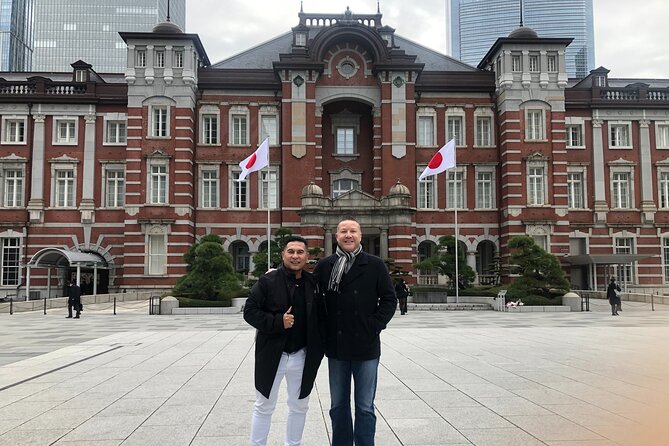
Akihabara is the obvious choice for electronics, games, and Japanese pop culture. The stop is listed at only 15 minutes, which makes it more of a quick look than a serious shopping session. If you want stores, arcades, or specific products, name them in advance and ask your guide to build the day around that goal.
Roppongi Hills presents another side of modern Tokyo. This large city complex includes offices, apartments, shops, restaurants, a hotel, and art spaces. A 15-minute stop gives you a taste of the area, but not much time for shopping, dining, or an extended art visit.
Odaiba occupies a man-made island in Tokyo Bay and is known for shopping and entertainment. Its location can make it a poor choice alongside far eastern and western Tokyo stops in a single day. Pick it when the bay setting and modern attractions matter more to you than older districts.
Shinjuku Golden Gai is a compact area of small eating and drinking establishments with roots in the postwar period. A 15-minute walk lets you see its narrow character, but it is not a full evening out. If you want to eat or drink there, the time and age requirements for individual venues would need to be considered separately.
Old Tokyo in Shibamata and Nezu
Shibamata sits on Tokyo’s eastern edge near the Edogawa River. It retains an old-fashioned town feel and gives you a different view of Tokyo than the central districts. The listed visit is only 15 minutes, so you should choose it for atmosphere rather than a long neighborhood walk.
Nezu, part of Tokyo’s old downtown area along with Yanaka, escaped major damage from wars and natural disasters. Its older streets and local character can appeal to you if you prefer everyday neighborhoods to major landmarks. Again, the short listed stop means you need to request extra time if you want to explore on foot.
These eastern districts also show why a private guide can help. Tokyo’s sights are spread across a huge area, and a map does not always reveal how long station transfers and walking routes take. A guide can tell you when a less famous stop is worth the time and when it would make the day too rushed.
What the private guide adds
The strongest part of this experience is not simply having someone explain a temple. It is having help with the machinery of Tokyo. Past guides have handled trains, subways, buses, and taxis, helped buy tickets, found shortcuts, and selected an efficient order for the day.
Guides have also adapted to very different groups. An worked around unusual requests. Koba added Asakusa to one family’s plan before finishing in Akihabara. Taka added two extra stops based on the party’s interests, including the National Museum of Western Art for a visitor interested in architecture and sculpture.
That flexibility has limits. An eight-hour tour cannot cover every major district, and the provider does not combine separate groups. You get a private day, but you do not get a private car or unlimited time.
English ability varies by individual guide, but the assigned guides described in the supplied material include An, Koba, Taka, Yoshi, Taku, Seiji, Masami, Naho, Izumi, Shinjo, Takako, Harry, and Seizo. You cannot assume you will receive a particular person unless that has been confirmed, so use the pre-tour contact to explain your interests and any mobility needs.
Walking, cost, and who gets the best value
At $201.51 per person, the price is not a bargain basement walking tour. It can be good value for a couple or small private group that would otherwise lose hours figuring out Tokyo’s rail system, selecting restaurants, and arranging a sensible route.
The price does not cover transportation, entrances, lunch, or personal spending. It also does not include a private vehicle. Add those costs before comparing it with a bus tour or a private car service.
The physical side matters just as much. One party over age 70 included a person using a walker, and the guide adjusted the pace and helped with public transport. That is encouraging, but it does not make the day easy. The meeting and drop-off are on foot, and all walking and transfers are part of the tour time.
I would choose this for a first Tokyo visit from Yokohama, especially if you have one day before a cruise departure. It is also a strong fit if you want temples and food rather than a fixed list of photo stops. Families, couples, older visitors who can manage public transport, and first-time visitors who dislike navigating alone can all benefit.
I would be cautious if you want a leisurely day, have limited stamina, or hope to visit several museums. The short stop times listed for many places are clues. You need to tell the guide which two or three experiences matter most.
Should you book this Tokyo day trip from Yokohama?
Book it if you want a private, practical introduction to Tokyo and are happy to pay extra for trains, meals, and selected admissions. The best version of the day might pair Meiji Shrine, Shibuya Crossing, Asakusa and Senso-ji, and Tsukiji, with a garden substituted for one stop if that is your interest.
Before booking, confirm the meeting point carefully. One past party could not find the guide because the map location and meeting place did not match, so written confirmation is worth the effort. You can cancel for a full refund up to 24 hours before the start time, but changes or cancellations inside that window are not accepted.
FAQ
Where does the tour begin?
The tour begins in Yokohama, with an on-foot meeting in a designated area. Port pickup can also be arranged.
Does the guide meet me at my hotel?
The supplied information confirms on-foot pickup in Yokohama, and several guide arrangements have included meeting parties at their hotels. Confirm your exact meeting point when booking.
How long is the tour?
The experience lasts approximately eight hours, including the journey from Yokohama to Tokyo and the return trip.
Is the tour private?
Yes. Only your party participates, and separate tour groups cannot be combined.
How many Tokyo sights can I choose?
The included details describe a customizable walking tour of three or four sites. The available choices include more locations, so confirm your final selection with the provider.
Is transportation included?
No. Train, subway, bus, taxi, and other transportation fees are not included. The guide accompanies you using public transportation.
Is lunch included?
No. Lunch and personal expenses are separate. Guides can help suggest or arrange local meals, including sushi, ramen, shabu-shabu, and conveyor-belt sushi.
Are entrance fees included?
Most entrance fees are not included. Listed examples include Shinjuku Gyoen, Koishikawa Korakuen, and Rikugien. Guide entry fees are covered only for sights specified under the tour’s included attractions.
Can I cancel for a refund?
You can cancel at least 24 hours before the experience start time for a full refund. Cancellations or changes made less than 24 hours before the start time are not accepted.
More Private Tours in Yokohama
More Guided Tours in Yokohama
More tours in Yokohama we've reviewed





Yokohama, compared.
 ★ 4.9Daikoku & Tokyo Private JDM Tour by 700HP R34 GT-RFrom $611
 ★ 5.0Shuttle Van Transfer, Yokohama(Port)⇒Tokyo, Narita, Haneda, TDRFrom $122
 ★ 4.9Tokyo Drift: Daikoku Parking Area JDM Car Culture Tour大黒From $80
 ★ 5.0Japanese Tea Ceremony at Private Home in Yokohama, suburban TokyoFrom $52
 ★ 5.0Tokyo Full Day Tour with Licensed Guide and Vehicle from YokohamaFrom $854
 ★ 5.0【R34 GTR Over 400 hp】Tokyo: Private Daikoku Tour in R34 GTRFrom $425150 - 210 minutes