Reviewed · TOKYO
Tokyo: Bonsai Making Experience with Bonsai Master
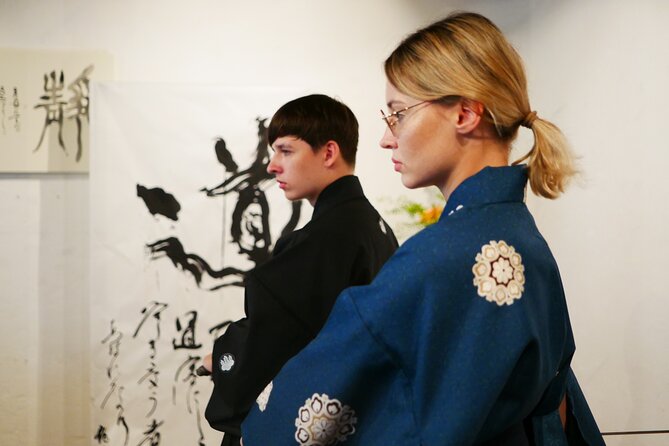
Bonsai is not just a small tree in a small pot. It is a careful lesson in patience, proportion, and the Japanese habit of finding beauty in nature shaped by human hands. In this 90-minute workshop, bonsai master Sho explains the art, then lets you prune, wire, and pot your own creation.
In This Article
- Key points at a glance
- Finding Bonsai Seikouen beside Tokyo Station
- The opening lesson: bonsai as art, culture, and patience
- Pruning, wiring, and potting with your own hands
- Why the four-person format changes the experience
- The souvenir question for visitors from overseas
- Is $122 a fair price for 90 minutes?
- Who will enjoy this workshop most?
- What the available feedback tells you about the teaching
- Timing, cancellation, and simple preparation
- Should you book the Tokyo bonsai class?
- FAQ
- Where is the bonsai workshop held?
- How do I find Daimaru Tokyo?
- How long does the experience last?
- How early should I arrive?
- Is the instructor English-speaking?
- Who leads the workshop?
- What techniques will I practice?
- Is the activity suitable for beginners?
- Can overseas visitors take the bonsai home?
- How many people are in the group?
- Is transportation included?
- Do I need WhatsApp?
- Can I cancel for a full refund?
- Can I reserve without paying today?
I like two things right away: the class is limited to four participants, so you can ask questions without fighting for the instructor’s attention, and it is held directly beside Tokyo Station at Daimaru Tokyo. The main consideration is practical: overseas visitors do not take the tree home. You receive a bonsai booklet instead, while Japan residents can keep their creation.
Key points at a glance
- Bonsai master Sho leads the class: Expect clear English instruction, patient answers, and a close look at the history and parts of a bonsai tree.
- Hands-on work matters: You do not simply watch a demonstration. You practice pruning, wiring, and potting with the supplied tools.
- Small group of up to four: The format leaves room for individual guidance and questions.
- Tokyo Station location: Bonsai Seikouen is on the 10th floor of Daimaru Tokyo, directly connected to the station’s Yaesu North Exit.
- A different souvenir for overseas visitors: Residents of Japan take home the tree they make, while overseas visitors receive a special bonsai booklet.
- A calm break from city sightseeing: The workshop offers a focused, quiet activity that suits beginners and experienced plant lovers alike.
Finding Bonsai Seikouen beside Tokyo Station
The workshop takes place at Bonsai Seikouen on the 10th floor of Daimaru Tokyo Department Store. This is one of the easiest meeting points in central Tokyo because Daimaru is directly connected to Tokyo Station and sits just outside the Yaesu North Exit ticket gate.
That location makes the class easy to fit into a busy day. You do not need a separate trip across town, and you can pair it with shopping, a train journey, or sightseeing around Tokyo Station. Still, give yourself enough time to find the department store and reach the 10th floor. You are asked to arrive 10 minutes early, and the class begins on time.
The separate entrance for the workshop helps you skip the regular line. Your guide will contact you through WhatsApp, so download the app before the activity and check that you can receive messages. This small step matters in a huge station where a last-minute meeting change can otherwise become a nuisance.
If you're still narrowing it down, here are other tours in Tokyo we've reviewed.



The opening lesson: bonsai as art, culture, and patience
The experience begins with an explanation of bonsai’s history, philosophy, and place in Japanese culture. This introduction gives the practical work a useful frame. You learn that every cut and bend has a purpose, rather than treating the tree as a decoration to be trimmed at random.
Sho also explains the different parts of the tree and discusses his nursery. That detail adds a personal touch to the lesson. You are not getting only a general cultural talk. You are hearing from someone who works with bonsai and can connect the ideas to real care and cultivation.
The English instruction is an important part of the experience. Sho has been described as clear and detailed, and he takes time to answer questions. If you are new to bonsai, that patience matters because the art has its own vocabulary and visual rules. You can ask why a branch should be shortened, how a wire changes the shape, or how the tree’s form should suggest age and balance.
This first section also helps you understand why bonsai can feel meditative. The point is not to finish as quickly as possible. You are asked to look closely, make deliberate choices, and accept that the tree’s character develops over time.
Pruning, wiring, and potting with your own hands
The workshop then shifts from explanation to practice. You receive the tools and materials needed to create your bonsai, and the instructor guides you through the main steps.
Pruning is the clearest lesson in restraint. You remove selected growth to shape the tree and bring attention to its form. For a beginner, the hardest part may be deciding what not to cut. Sho’s close instruction helps turn that uncertainty into a thoughtful process.
Wiring lets you guide branches into a chosen position. The technique takes care because wire must support the shape without damaging the plant. You do not need prior experience, but you do need to work slowly and follow the instructor’s direction.
Potting brings the project together. The tree’s placement in its pot affects how the finished piece looks, so this is more than simply transferring a plant from one container to another. You see how the tree, soil, pot, and visible roots work as one composition.
The appeal here is that you make real decisions. Your bonsai will not be a factory-made souvenir picked up on the way out. It reflects the choices you made during the class, guided by an expert. That gives the activity more staying power than a short demonstration.
At the same time, do not expect to become a bonsai expert in 90 minutes. You will learn the basics and complete a small project, but bonsai care continues long after the class. The booklet provided to overseas visitors is especially useful as a reminder of the principles covered during the session.
Why the four-person format changes the experience
A maximum of four participants is a strong feature. Bonsai work involves small cuts, delicate wiring, and questions that are hard to handle in a large class. A compact group gives Sho a better chance to watch what you are doing and correct your technique before a mistake becomes permanent.
It also keeps the mood personal. One participant described Sho as patient and dedicated, and that fits the structure of the class. This is not a stage performance where you sit at the back and copy a movement you can barely see. You can look closely, ask for clarification, and receive guidance as your own tree takes shape.
The small size has one possible downside: availability may be limited, especially if your Tokyo schedule is tight. The experience has only four places per session, so check the available start times before building the rest of your day around it.
The souvenir question for visitors from overseas
The most important detail to understand before booking is the souvenir rule. If you live in Japan, you take home the bonsai you create. If you are visiting Japan from overseas, you receive a special bonsai booklet instead.
That policy is understandable because transporting a live plant across borders can involve restrictions and paperwork. Still, it changes the value of the experience depending on your plans. If you are based in Japan, the finished tree becomes a living reminder of the class. If you are flying home, the memory is represented by the booklet and by what you learned.
One participant traveling onward could not keep the tree, so it was returned to the nursery. That option is worth asking about directly if your plans make carrying a plant impossible. The supplied information confirms that this happened in one case, but it does not promise a general storage or return service, so do not assume it is automatically available for every booking.
For overseas visitors, I would view the workshop as a cultural activity first and a souvenir activity second. You still do the creative work yourself, and the booklet can help you remember the methods and ideas. But if taking home a live bonsai is the main reason you are interested, this may not be the right choice unless you reside in Japan or confirm a suitable arrangement in advance.




Is $122 a fair price for 90 minutes?
At $122 per person, this is not a cheap craft class. The value comes from the combination of a professional instructor, a small group, hands-on materials, and a central Tokyo location.
You are paying for more than access to scissors and a plant. The session includes cultural context, an English-speaking instructor, all tools, and direct guidance through three core techniques. A large part of the price reflects the small class size, which gives you more personal help than a mass-market activity.
The central location also saves time and transport costs. Since the venue is connected to Tokyo Station, you can reach it without adding a long train ride to your day. Transportation to and from the venue is not included, but the meeting point is unusually simple for Tokyo.
The price makes the most sense for someone who values instruction and cultural context. If you want the lowest-cost way to buy a plant, you can find cheaper options elsewhere. If you want to understand why bonsai is shaped as it is and try the techniques under close supervision, the fee is easier to justify.
Who will enjoy this workshop most?
This class suits first-time bonsai makers particularly well. You do not need previous knowledge, and the instructor covers both theory and practice. The compact group also makes it less intimidating to ask basic questions.
It works well for plant lovers, craft enthusiasts, couples, families with an interest in Japanese culture, and anyone seeking a quiet activity between Tokyo’s louder sights. The work requires attention, but it is not presented as a technical course for specialists.
I would also recommend it to repeat visitors who want something more personal than another major attraction. You spend time with a traditional Japanese art, hear about the instructor’s nursery, and leave with a better sense of how nature and design meet.
The class may be less suitable if you want a long session or a large finished tree. The duration is fixed at 90 minutes, and the focus is on basic skills. It is also a poor match if your only goal is to bring a live plant home from Japan and you live overseas.
What the available feedback tells you about the teaching
The strongest praise centers on Sho’s teaching style. He has been described as entertaining, patient, detailed, and easy to understand in English. Those qualities are more important here than flashy presentation because bonsai requires careful explanation and steady correction.
One participant specifically appreciated the history of bonsai, the discussion of the nursery, and the explanation of the tree’s different parts before the practical work began. That sequence is a good sign for anyone who wants more than a quick craft activity.
Another participant called the class fun and informative. A Portuguese-speaking visitor described the process as detailed from start to finish and said the finished plant created a strong sense of pride. That is exactly where this activity earns its place in a Tokyo itinerary: you are not simply told about bonsai, you take part in the process.
The feedback is limited to three ratings, all giving the top score, so I would treat it as encouraging rather than proof that every session will feel identical. The clearest consistent point is the quality of the instruction, especially Sho’s patience and English communication.
Timing, cancellation, and simple preparation
Plan to arrive 10 minutes before your scheduled start. Late arrivals cannot be accommodated, and the activity cannot be extended, so do not cut your Tokyo Station connection too closely.
The workshop lasts 90 minutes. Start times vary, so check availability when choosing your date. You can reserve now and pay later, which helps if your itinerary is still changing, and cancellation is free up to 24 hours before the activity for a full refund.
Download WhatsApp before the day of the class. The guide uses it to contact you and make the meeting easier. Since transportation is not included, you will need to make your own way to Daimaru Tokyo, but the direct connection to Tokyo Station keeps that task simple.
Should you book the Tokyo bonsai class?
Book it if you want a small, thoughtful cultural activity with real hands-on work. The best reasons are Sho’s patient English instruction, the four-person limit, and the chance to learn pruning, wiring, and potting rather than merely watching a demonstration.
Think twice if the live tree is essential to your souvenir plans. Overseas visitors receive a bonsai booklet instead, and the class costs $122 for 90 minutes. For the right person, that fee buys focused teaching and a memorable creative experience in a very convenient location. For a bargain hunter or someone short on time, it may feel expensive.
My practical call: book this workshop if you value learning and personal instruction more than the physical souvenir. It offers a calm, meaningful pause in the middle of Tokyo, and you leave with a better understanding of an art that rewards patience long after the class ends.
FAQ
Where is the bonsai workshop held?
It is held at Bonsai Seikouen on the 10th floor of Daimaru Tokyo Department Store.
How do I find Daimaru Tokyo?
Daimaru Tokyo is directly connected to Tokyo Station and is just outside the Yaesu North Exit ticket gate.
How long does the experience last?
The workshop lasts 90 minutes.
How early should I arrive?
Arrive 10 minutes before the scheduled start time. The workshop begins promptly and cannot be extended for late arrivals.
Is the instructor English-speaking?
Yes. The instructor teaches in English.
Who leads the workshop?
The instructor is Sho, a bonsai master who explains bonsai history, his nursery, the parts of the tree, and the practical techniques.
What techniques will I practice?
You will practice pruning, wiring, and potting as part of the hands-on lesson.
Is the activity suitable for beginners?
Yes. The workshop covers basic bonsai theory and practice and is designed for all skill levels.
Can overseas visitors take the bonsai home?
No. Overseas visitors receive a special bonsai booklet as a keepsake. Guests residing in Japan can take home the bonsai they create.
How many people are in the group?
The group is limited to four participants.
Is transportation included?
No. You arrange your own transportation to and from the venue.
Do I need WhatsApp?
You should download WhatsApp before the workshop because the guide will use it to contact you and help arrange the meeting.
Can I cancel for a full refund?
Yes. You can cancel up to 24 hours in advance for a full refund.
Can I reserve without paying today?
Yes. The reserve now and pay later option lets you book without paying at the time of reservation.
More tours in Tokyo we've reviewed












Tokyo, compared.
 ★ 5.0Mt Fuji and Hakone 1-Day Bus Tour Return by Bullet TrainFrom $163
 ★ 5.01-Day Tokyo Bus TourFrom $129
 ★ 4.6Tokyo: teamLab Planets TOKYO Digital Art Museum Entry TicketFrom $251 day
 ★ 4.0Mt Fuji & Hakone Cruise, Drum Show Bullet Train 1 Day from TokyoFrom $149
 ★ 5.0Tokyo: Shinjuku Food Tour (13 Dishes at 4 Local Eateries)From $86
 ★ 4.4Tokyo Mt Fuji 5th St & Hakone Cruise Bus Tour w/Bullet TrainFrom $15410 hours