Reviewed · FOOD
Small Group Food Guided Walking Tour of Tokyo
Tsukiji is best understood with your appetite switched on. This three-hour walk takes you from the striking Tsukiji Hongwanji Temple into the outer market, where you can sample seafood, sweets, tea products, and other Japanese foods while a local guide explains how the district changed after the wholesale market moved to Toyosu.
In This Article
- Key points
- Why Tsukiji works so well for a food walk
- Beginning at Tsukiji Hongwanji Temple
- Sampling the market’s street food
- Making lunch the centerpiece
- Choosing the last stop in Tsukiji
- The guides make the difference
- Is $80 a fair price?
- Who will enjoy this three-hour outing
- Practical details before you reserve
- Should you book the Tsukiji food walk?
- FAQ
- How long does the Tsukiji food tour last?
- What time does the tour begin?
- Where does the tour meet?
- Where does the tour end?
- How many people can join the tour?
- Is lunch included?
- How much street food is included?
- Are extra food purchases included?
- Is transportation included?
- Can I cancel for a full refund?
- Is the tour available by mobile ticket?
I like the small maximum of eight people, which should make it easier to ask questions and keep together in tight market lanes. I also like that lunch is included, along with three or four street-food tastings and the guide’s meal, so the $80 price is easier to judge before you book. The main consideration is that extra food purchases, transportation, and anything beyond the included meal cost more.
Key points
- Tsukiji’s wholesale market history: Learn how the former wholesale market and the outer market served different customers before the wholesale operation moved to Toyosu in 2018.
- Three or four tastings included: Sample market food while your guide explains Japanese food customs and traditions.
- Seafood lunch included: Choose from the many local restaurant options in Tsukiji Outer Market, with your guide’s lunch covered too.
- Groups capped at eight: A useful size for navigating crowded food lanes and getting direct help from the guide.
- Flexible final stop: Finish at a Japanese shrine or an observation deck, depending on your preference.
- Hosts named Hitomi and Hiromi: These local guides are described as friendly, informative, entertaining, and attentive to the pace of the walk.
Why Tsukiji works so well for a food walk
Tsukiji is not simply a market where you buy lunch. It is a working food district shaped by Tokyo’s long connection to seafood, specialty ingredients, prepared foods, and small family-run shops. The wholesale market once served retailers and restaurants, while the outer market served ordinary shoppers. That distinction helps explain why Tsukiji still feels useful rather than purely staged for sightseeing.
The wholesale market moved to Toyosu in 2018, but the outer market remained in Tsukiji. You will therefore be walking through the older district while learning about a newer chapter in its story. The tour makes that change easier to understand than a quick, unguided stroll through the stalls.
I like this format because food becomes the guide to the neighborhood. Instead of hearing a long history lecture, you can connect the story to what is directly in front of you: seafood shops, sweets, tea items, samples, and restaurants. The explanations are likely to matter most if this is your first visit to Japan and you are still learning how different foods are sold and eaten.
The tour begins at 10:30 a.m. and lasts about three hours. That gives you enough time for several tastings and a proper lunch without turning the outing into an all-day commitment.
Other walking tours we've reviewed in Tokyo

Beginning at Tsukiji Hongwanji Temple
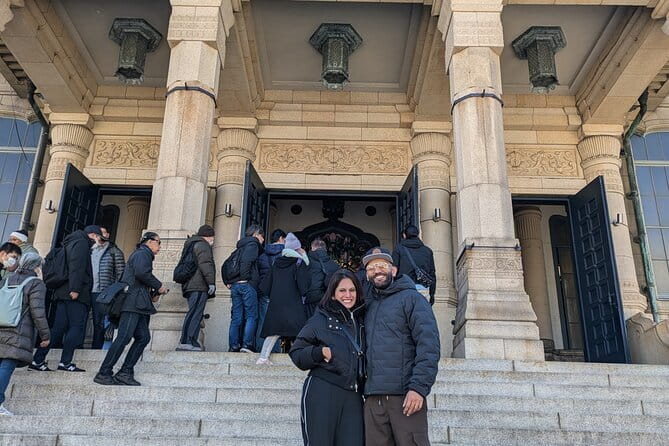
The meeting point is the main hall of Tsukiji Hongwanji Temple at 3-chome-15-1 Tsukiji, Chuo City. The temple visit lasts about 20 minutes and is used for a short guided introduction and photographs.
Starting here is a sensible choice. It gives you a calm place to meet before entering the food market, and it adds a cultural stop before the eating begins. The temple also helps you see Tsukiji as more than a collection of food stalls.
You should not expect a long temple tour. The scheduled visit is brief, so think of it as an orientation and photo stop rather than a detailed religious tour. That balance suits this experience, since food remains the main subject.
The meeting point is near public transportation, which helps with getting to the start. Transportation itself is not included, so you will need to arrange your own way there and back. The activity ends at the same meeting point, a useful detail if you plan to continue elsewhere in Tokyo afterward.
Sampling the market’s street food
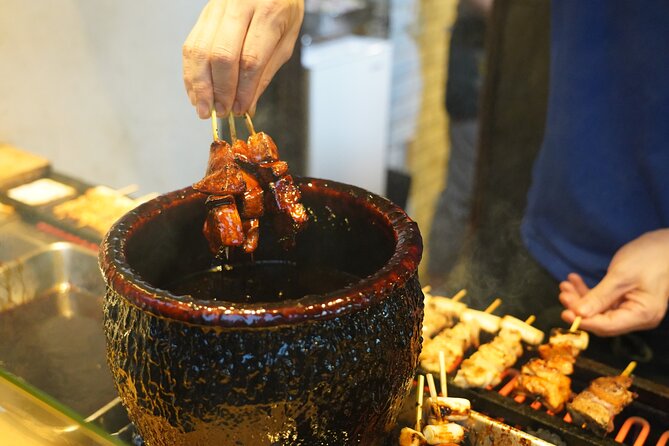
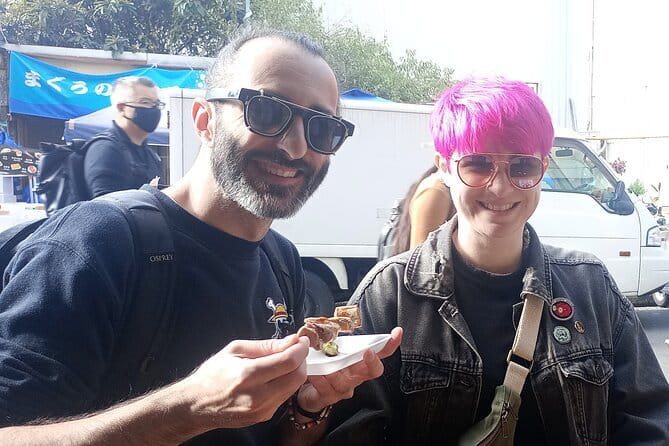
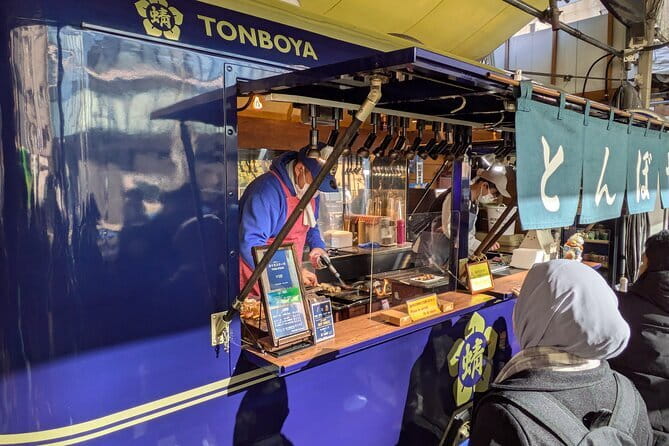
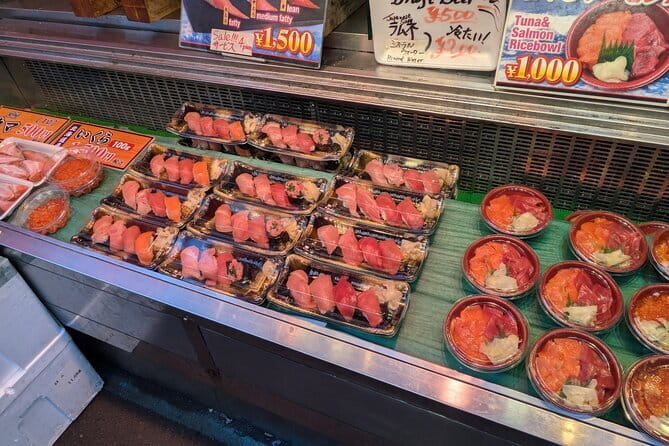
The main tasting section lasts about an hour and takes place in Tsukiji Fish Market and the surrounding outer market area. You receive three or four kinds of street food, along with explanations of Japanese food culture and tradition. Some shops also offer free samples, so you may encounter extra tastes beyond the formal inclusions.
This is where a guide adds real value. Market foods can be unfamiliar, and the most appealing item is not always obvious from its appearance. A local guide can help explain what you are trying, how it fits into Japanese eating habits, and which foods are worth your attention.
The included tastings are a good guard against spending blindly. You get a planned introduction before deciding if you want to buy more. Extra food purchases are not included, though, so bring room in your budget if you want to follow your appetite.
The market can be busy, and food areas are not always comfortable for slow browsing. A group capped at eight should be easier to manage than a large coach group, especially when people are stopping for photographs or standing near small stalls. Still, you should expect to walk and pause in active shopping areas rather than sit through a polished tasting presentation.
The tour description does not specify the exact street-food menu. That is normal for a market experience, where choices can change. The useful promise is the number of tastings and the local explanation, not a fixed list of dishes.
Making lunch the centerpiece
The next hour is set aside for lunch in the outer market. A seafood restaurant is planned, and you can choose from many local options. Your lunch fee is included, as is the guide’s lunch fee.
That inclusion is important when judging the $80 cost. Tsukiji food prices can vary, and a seafood lunch can quickly make a casual market outing more expensive than expected. Here, you are not paying only for a walk and a few samples. The price also covers a meal, the guide, the formal tastings, and photos.
The standout meal mentioned by the guide’s guests is kaisen-don, a seafood bowl. It is a natural choice for Tsukiji, but the information does not say that every person receives the same bowl or that it is mandatory. You should treat it as a favored possibility rather than a guaranteed menu item.
The choice of restaurant is another advantage. You are not locked into one highly specific dish or dining room. The guide can help you select from the available local options, which is useful if you have preferences or simply want to see what catches your eye.
At the same time, the restaurant choice is not described in detail. If you need a guaranteed dietary menu, a particular seating arrangement, or a precise seafood selection, ask the provider before booking. The stated format is flexible, not a fixed restaurant reservation with a published menu.
Lunch also gives the group time to slow down. The first hour is built around movement, tasting, and market explanation. Sitting down for a meal creates a natural break before the final stop.
Choosing the last stop in Tsukiji
After lunch, the guide takes you to either a Japanese shrine or an observation deck, based on your preference. This final visit lasts about 30 minutes and is included as a guided stop with no separate admission charge.
I like this small choice because it lets you shape the final mood of the morning. A shrine suits you if you want another cultural setting after the market. An observation deck may appeal more if you prefer a city view and a final photo opportunity.
The exact shrine or observation deck is not named, so you should not book this expecting a particular landmark. The important point is that the guide adjusts the ending rather than giving every group an identical finish.
The flexible ending also makes the tour feel personal. The guides named in the available comments, Hitomi and Hiromi, are described as friendly, informative, entertaining, and accommodating. One person even had a private tour because of the group size on that day. That cannot be promised, but a maximum of eight creates at least the possibility of a quieter outing.
A few more Tokyo tours and experiences worth a look



The guides make the difference
Food markets can be easy to misunderstand without context. A good guide explains what you are seeing, keeps the route moving, and helps the group make practical choices. This experience depends heavily on that personal side.
Hitomi is described as friendly and attentive to the smooth running of the tour. Hiromi is described as informative, friendly, and able to keep the group entertained. Those details matter because three hours of eating and walking can feel awkward if the pace or communication is poor.
The available comments also describe the tour as a real Tokyo experience with plenty to learn. I would read that as a sign that the value is not only the food. You are paying for help interpreting a neighborhood that has changed but still retains its market role.
A guide can also make the experience easier for first-time visitors who are unsure about sampling unfamiliar foods. You can ask questions as they arise instead of trying to decode every sign or menu alone.
Still, guide quality can vary from one departure to another, and no tour can guarantee a particular personality. The named guides have received especially warm praise, but the booking details do not promise that you will be assigned one specific person. If a particular guide matters to you, contact the provider before booking.
Is $80 a fair price?

At $80 per person, this is not the cheapest way to wander through Tsukiji. You can visit the area independently and decide for yourself how much to eat. The tour becomes more appealing when you count everything bundled into the fee.
You receive:
- Three or four street-food tastings
- Lunch at a local seafood restaurant
- The guide’s lunch
- A three-hour guided walk
- Photos
- The final shrine or observation-deck visit
Transportation and extra food purchases are not included. Those exclusions are easy to understand, but they mean your final spending will be higher if you buy additional treats or need taxis and train fares.
I see the best value here for someone who wants a planned introduction to Tsukiji rather than a self-guided food crawl. The guide reduces guesswork, lunch is covered, and the small group should give you more direct attention than a large tour.
If you already know Tsukiji well, speak Japanese comfortably, and enjoy choosing every dish independently, the price may feel high. If you have one morning in Tokyo and want food, local context, and a meal handled in one booking, it is more reasonable.
Who will enjoy this three-hour outing
This tour suits first-time visitors to Tsukiji, food-focused sightseers, and anyone who wants help understanding Japanese market customs. It also works well for solo bookers, couples, and small families who prefer a compact group.
The pace should appeal to people who want a taste of Tokyo without committing to a full-day food tour. You begin at 10:30 a.m., finish around early afternoon, and return to the meeting point.
You should be comfortable walking through market areas and standing during tastings. The supplied details say most people can participate, but they do not describe the exact walking distance, seating conditions, or arrangements for specific mobility needs. If those details affect your decision, ask before booking.
This is also a good choice if you like a little flexibility. The final stop depends on your preference, and lunch comes from local options rather than one fixed dish. People who need a strict schedule or a fully published menu may prefer a more structured experience.
Practical details before you reserve
The activity uses a mobile ticket, and confirmation arrives at booking. Meet at the main hall of Tsukiji Hongwanji Temple at 10:30 a.m. The tour ends back at that meeting point.
Wear comfortable shoes and leave space for food. The visit is short, but you will be moving among market shops, tasting items, stopping for photos, and sitting down for lunch.
Bring extra money if you expect to buy snacks beyond the included tastings. Free samples may be available, but they are offered by shops and should not be treated as a guaranteed part of the menu.
The cancellation rule is straightforward: cancel at least 24 hours before the local start time for a full refund. Cancellations or changes made less than 24 hours before the start are not accepted for a refund.
Should you book the Tsukiji food walk?
Book it if you want a small-group introduction to Tsukiji with the main meal included. The combination of three or four tastings, seafood lunch, market history, and a choice of final stop gives you a useful first look at the district in one morning.
I would especially recommend it for first-time Tokyo visitors who want local guidance without a long formal tour. The friendly style associated with Hitomi and Hiromi is a strong reason to consider it, along with the small group limit and the included lunch.
Skip it if you prefer complete independence, already know Tsukiji, or want a fixed restaurant and published tasting menu. For everyone else, $80 is a fair price for a guided food-focused morning, provided you remember to budget for transportation and extra purchases.
FAQ
How long does the Tsukiji food tour last?
The experience lasts approximately three hours.
What time does the tour begin?
The tour starts at 10:30 a.m.
Where does the tour meet?
Meet at the main hall of Tsukiji Hongwanji Temple, 3-chome-15-1 Tsukiji, Chuo City, Tokyo 104-0045, Japan.
Where does the tour end?
The activity ends back at the meeting point.
How many people can join the tour?
The maximum group size is eight people.
Is lunch included?
Yes. The guest’s lunch fee and the guide’s lunch fee are included.
How much street food is included?
You receive three to four kinds of street food.
Are extra food purchases included?
No. Additional food purchases are not included in the tour price.
Is transportation included?
No. Transportation is not included.
Can I cancel for a full refund?
Yes. You can cancel at least 24 hours before the local start time for a full refund. Cancellations or changes made less than 24 hours before the start are not refunded or accepted.
Is the tour available by mobile ticket?
Yes. The experience provides a mobile ticket.
More Guided Tours in Tokyo



More Food Experiences in Tokyo
More Walking Tours in Tokyo

More tours in Tokyo we've reviewed












Food, compared.
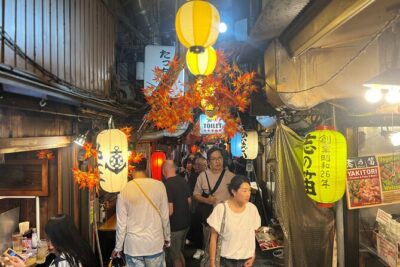 ★ 5.0Tokyo: Shinjuku Food Tour (13 Dishes at 4 Local Eateries)From $86
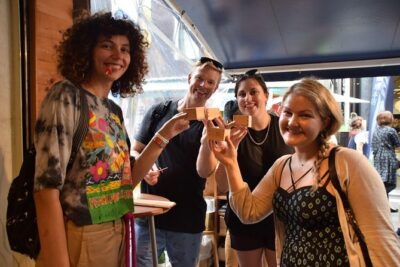 ★ 5.0Tokyo Tsukiji Fish Market Food and Culture Walking TourFrom $99
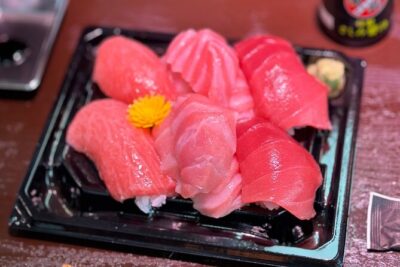 ★ 5.0Tokyo: Tsukiji Fish Market Food and Walking tourFrom $30
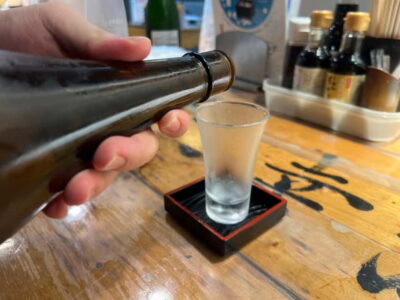 ★ 4.9Tokyo: Shinjuku Food Tour (13 Dishes and 4 Eateries)From $97
 ★ 5.0Tokyo Night Foodie Tour in Shinjuku – Seasonal Sushi, Wagyu BeefFrom $111
 ★ 5.0Eat and Drink Like a Local: Tokyo Ueno Food Tour-Taverns&RamenFrom $95