Reviewed · 1-DAY TOURS
Tokyo: 1-Day Tokyo Private Tailor-made Tour
The best feature here is simple: your guide can build the day around you, even if you book at the last minute. Hito has planned a full Tokyo day on the spot by asking about food, shrines, temples, shopping, and city sights, then guiding his guest through the trains and neighborhoods without fuss.
In This Article
- Key points at a glance
- Why a private Tokyo day can be worth the price
- A flexible start from your hotel
- Asakusa, Tsukiji Market, and Tokyo Skytree
- The Imperial Palace and Ginza in one stretch
- Meiji Jingu and the energy of Shibuya Crossing
- Kagurazaka, the old-style finish
- The guide makes the biggest difference
- Riding Tokyo’s trains instead of sitting in traffic
- Food, photos, and extra costs
- Who should book this Tokyo tour?
- Should you book it?
- FAQ
- How long is the Tokyo private tour?
- Where can I be picked up?
- What places are included in the default itinerary?
- Can I create my own itinerary?
- Is transportation included in the price?
- Are meals and entrance fees included?
- Is the tour wheelchair accessible?
I like the public-train approach, since it helps you cover more ground than a car stuck in Tokyo traffic. I also like the hotel pickup, free photos, and the chance to get practical help with Japanese customs, translation, food, and planning the rest of your stay. The main caution is the schedule: the tour is advertised as six hours, but the default plan is described as running from 9:00 AM to around 6:00 PM. Confirm the exact length and route before you go.
Key points at a glance
- A personal plan, not a fixed sightseeing script: Shape the day around temples, shopping, food, shrines, or famous views.
- Tokyo by public train: Your guide handles the stations while you use the city’s clean, organized rail system.
- A wide-ranging default route: See Asakusa, Tsukiji Market, Tokyo Skytree, the Imperial Palace, Ginza, Meiji Jingu, Shibuya, and Kagurazaka.
- Hito and Azu are named guides: Hito is praised for last-minute planning, train navigation, food advice, and cultural explanations. Azu helped one guest fit major sights and cherry blossoms into a short visit.
- Hotel pickup and drop-off within Tokyo’s 23 wards: You do not need to find a meeting point in an unfamiliar station.
- A private six-hour experience for $330 per person: The value is strongest for first-time visitors who want personal help and efficient sightseeing.
Why a private Tokyo day can be worth the price
Tokyo is not hard because its sights are impossible to find. It is hard because the city is huge, the train stations can be confusing, and districts that look close on a map may take time to connect.
This private tour tackles that problem with a guide who plans around your interests and leads you through the rail system. You can ask for temples, shrines, shopping, food, older neighborhoods, modern Tokyo, or a mix of everything. You can also request a dinner recommendation, though dinner itself is not included.
At $330 per person, the cost is not low, especially since you pay your own train fares, meals, and entrance fees. But the price covers a private guide, hotel pickup and drop-off, itinerary planning, cultural explanations, and free photos. For a couple or family making a first visit, that can be a fair trade for saving time and avoiding a day of guesswork.
I see the strongest value for people with limited time in Tokyo, parents who want the day to run smoothly, and anyone uneasy about using Japanese train stations. Independent visitors who already know Tokyo well may find the price harder to justify.
Other private tours in Tokyo

A flexible start from your hotel
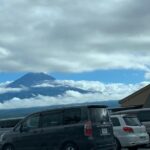
Pickup is available from your hotel, ryokan, or another preferred location within Tokyo’s 23 wards. The standard plan gives a 9:00 AM start, but the tour can be shortened on request, with an example end time of 4:00 PM.
The guide is meant to contact you before the tour to discuss the plan. The booking is not considered confirmed until that contact takes place, and most guides are expected to reach out within three days. I would use that conversation to settle three things:
- Your exact start and end time
- The neighborhoods and sights that matter most to you
- Whether any stop will require an entrance fee
The tour is listed as six hours, while the default itinerary describes a 9:00 AM to 6:00 PM day. That is a meaningful difference, not a minor wording issue. Ask the guide to confirm how many hours are included and which stops fit into that time.
Asakusa, Tsukiji Market, and Tokyo Skytree
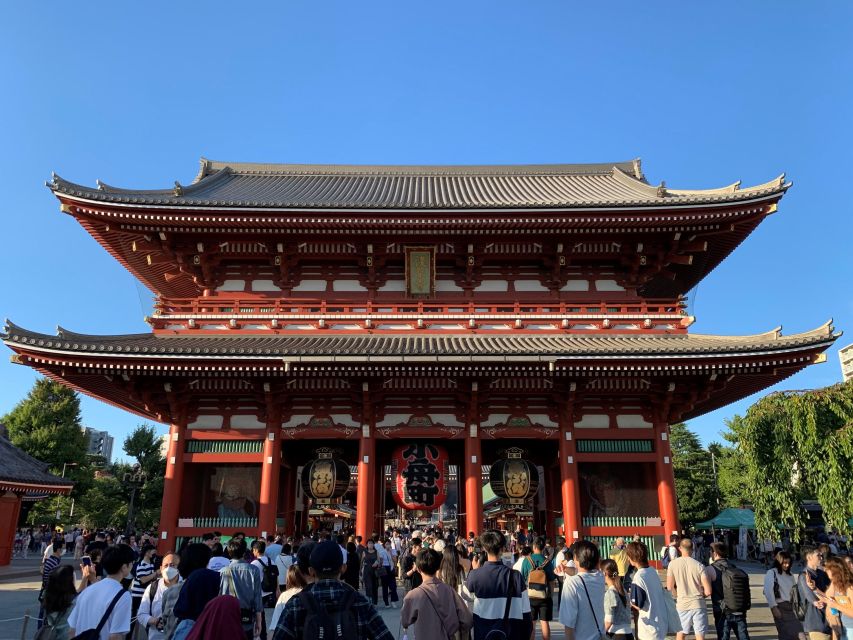
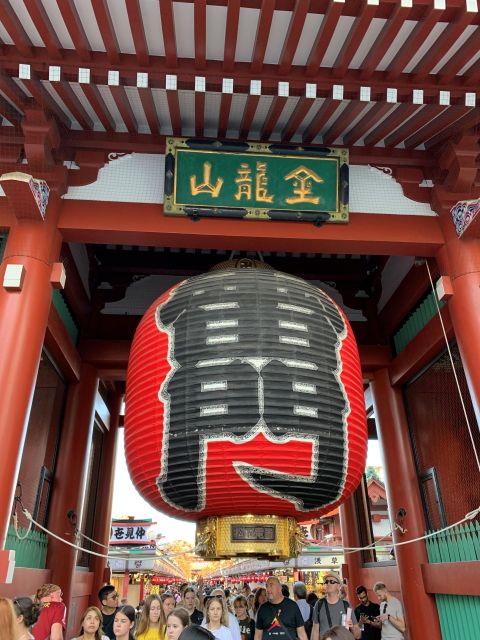
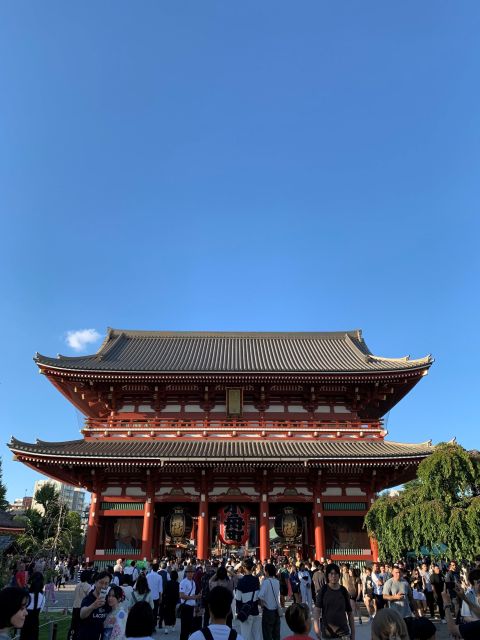
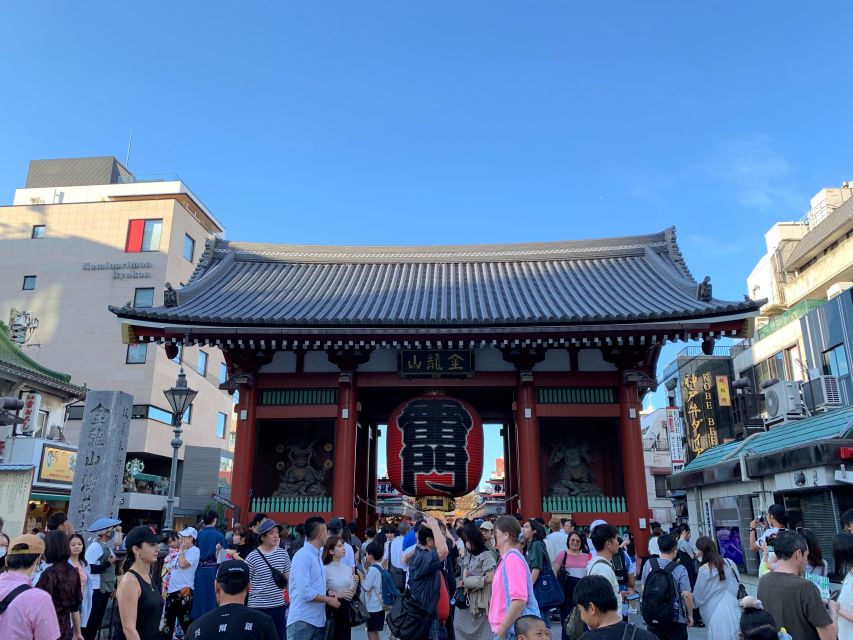
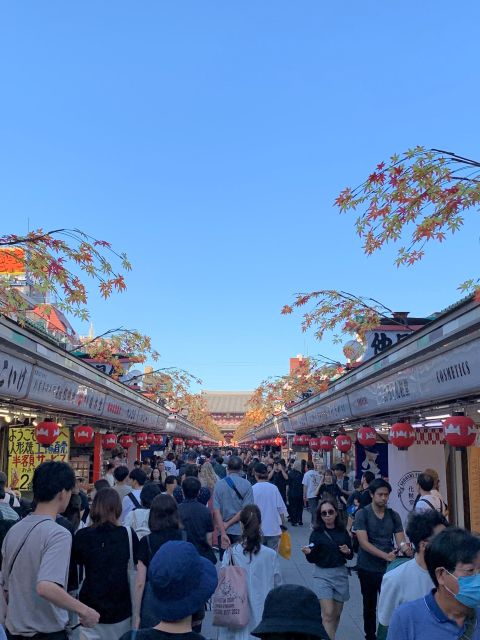
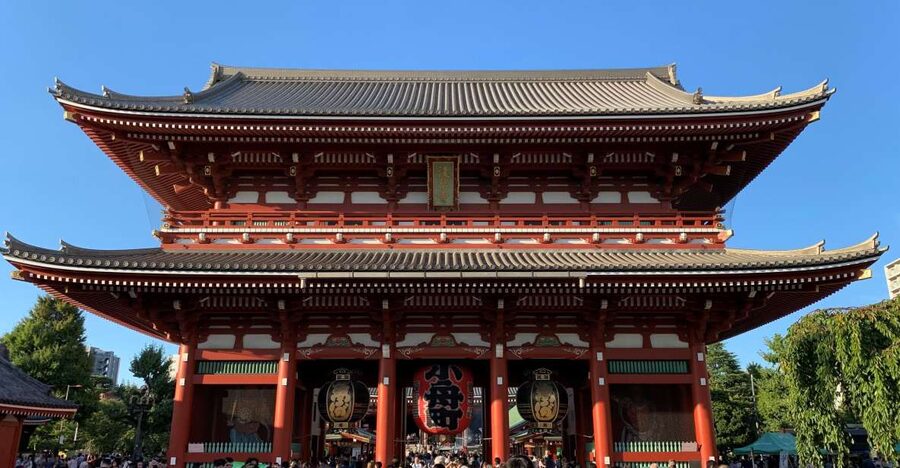
The suggested route begins in eastern Tokyo with Asakusa, one of the best places to start if you want a clear sense of old Tokyo. The district is associated with Sensoji Temple, traditional streets, and a more historic feel than the glass towers found elsewhere in the city.
The plan also includes Tsukiji Market, which can add a food-focused stop to the morning. The information provided does not specify how long you spend there or which parts of the market you visit, so your guide should help shape this around your interests. If food is important to you, say so before the tour. The guide can help recommend lunch as well, although lunch is at your own expense.
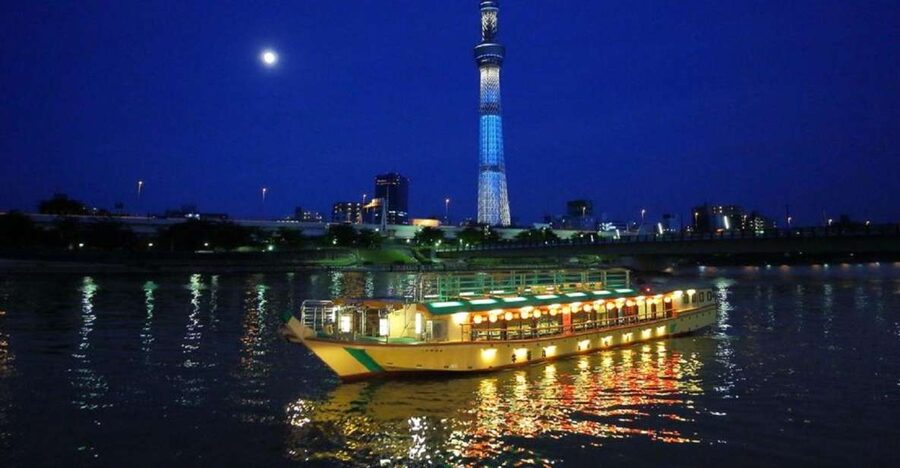
Sensoji Temple gives the day an early cultural anchor. Your guide can explain the customs and details that are easy to miss when you walk through a temple district alone. You will also have a chance to see Tokyo Skytree, a sharp change of mood from Asakusa’s older streets.
The route is ambitious. Asakusa, Tsukiji, and Skytree are not one compact attraction, and time spent at one stop reduces time elsewhere. If you want a slower visit with food and shopping, tell your guide to trim the number of major sights.
The Imperial Palace and Ginza in one stretch
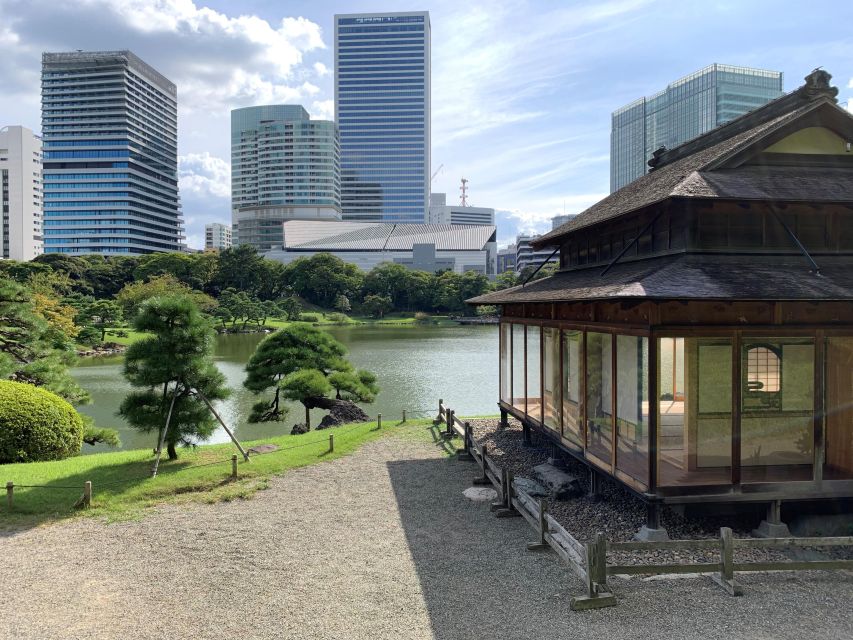
The next part of the suggested plan moves toward central Tokyo for the Imperial Palace and Ginza. The palace area offers a break from the city’s dense commercial streets, with broad grounds and a look at Japan’s modern seat of imperial life.
The information does not promise entry into palace buildings or specific paid areas. Entrance fees, if needed, are paid by you and your guide, so ask what access is planned before the day begins. The palace stop may work best as a walk and photo break rather than a long indoor visit, depending on the route and opening conditions.
Ginza then changes the tone completely. This is Tokyo’s polished shopping and dining district, useful for seeing the city’s high-end side. You can request shopping time here, but do not expect a relaxed browse if you also want to fit in every other neighborhood on the default route.
I like this pairing because it shows two sides of central Tokyo in a short span: formal palace grounds followed by a sleek commercial district. The drawback is time. If your main goal is temples and local atmosphere, Ginza may be less important than spending longer in Asakusa or Kagurazaka.
Meiji Jingu and the energy of Shibuya Crossing
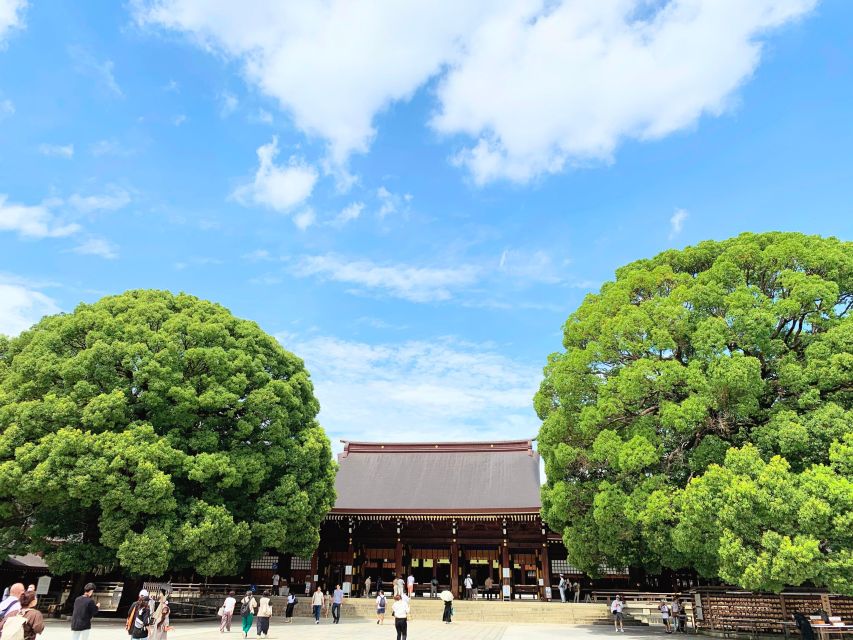
The route then heads west to Meiji Jingu Shrine, a major Tokyo shrine set apart from the city’s dense streets. It gives you another chance to learn about Japanese shrine customs and rituals with a guide who can explain what you are seeing.
Afterward, the tour goes to Shibuya Crossing and the surrounding modern district. Shibuya is one of the clearest places to feel Tokyo’s scale and speed. The crossing itself is a brief sight, but the surrounding area gives you the bigger picture, with its powerful urban presence and constant movement.
The sequence from Meiji Jingu to Shibuya makes practical sense. The two areas are close enough to combine, and the contrast is excellent: a shrine visit followed by one of Tokyo’s most recognizable city scenes.
Still, you should decide how much time you want at each. A quick crossing photo, a shrine visit, and a little shopping are possible in a tightly planned day. A slow shrine visit plus serious shopping will require dropping another stop.
A few more Tokyo tours and experiences worth a look

Kagurazaka, the old-style finish
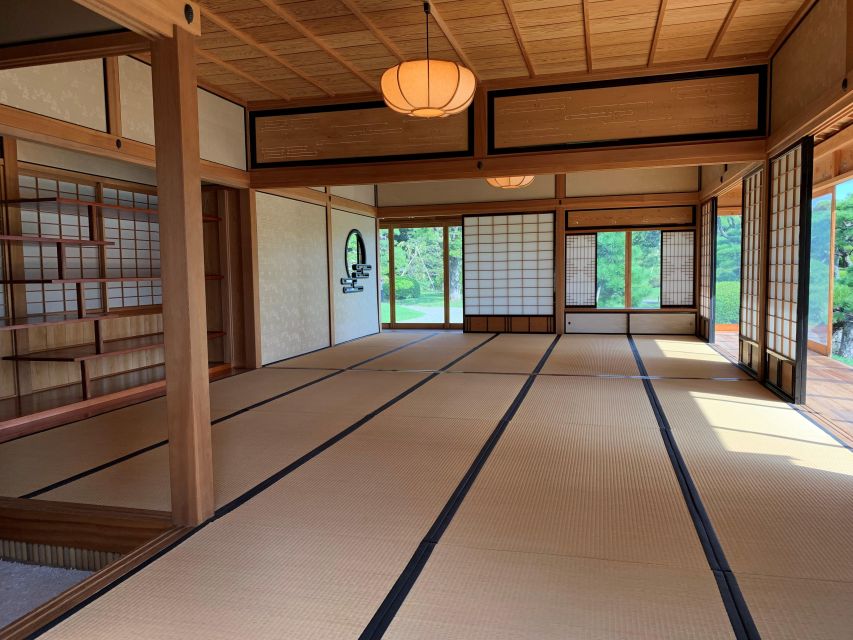
The final suggested neighborhood is Kagurazaka, described as having an older, Kyoto-like character. This is a useful choice for anyone who wants more than Tokyo’s most famous photo stops.
Kagurazaka can give the day a quieter cultural finish after Shibuya’s forceful city setting. The value here is not checking off another landmark. It is seeing a neighborhood with a different mood and asking your guide about Tokyo’s older traditions, streets, food, and local character.
The phrase Kyoto-like should not lead you to expect Kyoto itself. This remains Tokyo, and the available information does not promise specific restaurants, buildings, or performances in Kagurazaka. Think of it as a chance to see a less obvious side of the capital.
After Kagurazaka, you can be dropped at your hotel or another location within the 23 wards. If you have a dinner plan, ask for advice. The guide can recommend a place, but dinner is not part of the tour price.
The guide makes the biggest difference
The guide is the heart of this experience. English is listed as the tour language, and the description also says guides may speak English or French. Guides are described as well educated in Japanese culture and as people who have visited more than 40 countries, which may help them understand the practical needs of international visitors.
Hito receives especially strong praise for making Tokyo easy to handle. He navigated the train stations confidently, explained history and culture, recommended places to eat, helped with translation, and answered questions about customs and communication. He also offered to remain available by phone during the rest of the stay, an unusually personal touch, though you should not assume every guide provides the same arrangement.
Hito also handled a booking made only one day ahead. Without much time to plan, he asked about personal preferences and created the route during the morning. That makes this tour useful if you want help but do not have a carefully prepared sightseeing list.
Azu is another named guide. Azu helped fit major sights and cherry blossoms into a limited visit, along with an authentic Japanese lunch. That example shows the practical strength of a private format: the route can respond to seasonal interests and your available time.
Because the tour is guide-led, the quality of your day depends on communication. Be direct about priorities. Say if food matters more than shopping, if you want fewer temples and more city views, or if you need frequent breaks. A good private tour is shaped before the first train ride.
Riding Tokyo’s trains instead of sitting in traffic
The tour uses public trains as its basic transport. You pay your own transportation fees, but your guide accompanies you and handles the route. This is a major advantage in Tokyo, where road traffic can eat into a short sightseeing day.
You also get a practical introduction to Japanese public transport. The system is clean and organized, but large stations can still feel like a maze. A guide who knows how to move through them can keep your day from turning into a series of wrong turns and platform searches.
The rail-based format has limits. You will be walking between stations, platforms, districts, and sights, so comfortable shoes are essential. A private train tour is not a private car tour, and you should not expect door-to-door movement between every stop.
The tour is wheelchair accessible, but the route covers several districts and uses public transportation. If you require particular station assistance or have mobility concerns, discuss the planned route with the guide before the day.
Food, photos, and extra costs
Lunch and dinner are not included. Your guide can advise on dinner at your request, and one day with Azu included an authentic Japanese lunch, but you pay for your own meals.
Entrance fees are also extra. The same applies to your guide if a paid attraction requires admission for both of you. The default plan includes several places that may be viewed from public areas, but the exact cost depends on what you choose to enter.
Free photos are included. That is a small but useful benefit, especially if you are traveling alone or want pictures of your group without handing your phone to a stranger.
Before booking, budget for:
- Train fares
- Lunch and any dinner
- Entrance fees for you and your guide
- Shopping or food purchases
The tour allows you to reserve now and pay later, and cancellation is free up to 24 hours in advance for a full refund. Those policies are useful when your Tokyo schedule is still changing, but the guide must contact you before the booking is fully confirmed.
Who should book this Tokyo tour?
I would recommend this experience most strongly to a first-time Tokyo visitor with only one free day. You can see famous districts, learn how the trains work, and leave with a better sense of how to explore independently afterward.
It also suits visitors who want a private pace. You can shorten the day, change the focus, request a food stop, or ask for cultural explanations as you go. Families and small private groups may appreciate the hotel pickup and the lack of strangers in the group.
This is less suited to someone who wants a slow, specialist tour of one neighborhood. The default route covers a great deal of Tokyo, and six hours cannot provide a deep visit at every stop. It is also not the best value for people who are already comfortable with Tokyo’s trains and have a firm plan of their own.
Should you book it?
Book this tour if you want one efficient orientation day, personal planning, and a guide who can make Tokyo’s train system feel manageable. Ask for Hito or Azu if they are available, since their strengths are particularly well matched to first-time visitors and short stays.
Before paying, confirm the exact duration, since the stated six hours does not clearly match the suggested 9:00 AM to 6:00 PM schedule. Also confirm the final route, which languages your guide speaks, and which stops involve entrance fees.
If you value flexibility more than a low price, the $330 per person cost can make sense. If you already know Tokyo well, prefer to explore slowly, or want to avoid extra costs for trains and meals, plan the day independently instead.
FAQ
How long is the Tokyo private tour?
The activity is advertised as a six-hour tour. The default itinerary describes pickup at 9:00 AM and return around 6:00 PM, so you should confirm the exact schedule with your guide before the tour.
Where can I be picked up?
Pickup is included from your hotel, ryokan, or another location you prefer within Tokyo’s 23 wards.
What places are included in the default itinerary?
The suggested route includes Asakusa, Tsukiji Market, Sensoji Temple, Tokyo Skytree, the Imperial Palace, Ginza, Meiji Jingu Shrine, Shibuya Crossing, and Kagurazaka.
Can I create my own itinerary?
Yes. The tour is described as fully tailor-made, and the guide can help create an itinerary before the tour. You can also select the default route if you prefer.
Is transportation included in the price?
No. You pay your own public transportation fees. The tour uses public trains as its basic way to move around Tokyo.
Are meals and entrance fees included?
No. Lunch, dinner, and entrance fees are extra. If an attraction requires admission for both you and your guide, you pay those fees.
Is the tour wheelchair accessible?
Yes, the activity is listed as wheelchair accessible. Since the route uses public trains and includes several districts, discuss your specific needs and planned stops with the guide in advance.
More 1-Day Tours in Tokyo
More Private Tours in Tokyo
More tours in Tokyo we've reviewed












1-Day Tours, compared.
 ★ 5.0Mt Fuji and Hakone 1-Day Bus Tour Return by Bullet TrainFrom $163
 ★ 5.01-Day Tokyo Bus TourFrom $129
 ★ 4.0Mt Fuji & Hakone Cruise, Drum Show Bullet Train 1 Day from TokyoFrom $149
 ★ 4.5Tokyo: DisneySea 1-Day PassportFrom $571 day
 ★ 4.6Tokyo Disneyland 1-Day PassportFrom $571 day
 ★ 4.2Tokyo: Mt. Fuji 5th Station & Hakone Cruise 1-Day Bus TourFrom $12911 hours