Reviewed · 2-DAY EXPERIENCES
Tokyo Private Guided 1/2-Day Walking Subway Tour English guide
Tokyo can feel like several cities stitched together, and this tour gives you a quick way to connect the pieces. You’ll ride the subway and walk from Meiji Shrine and Shibuya to old Asakusa and Tsukiji Outer Market, with a private English-speaking guide handling the route and explaining what you see.
In This Article
- Key points at a glance
- Why this half-day route works in Tokyo
- Meiji Shrine, Tokyo’s quiet opening
- Shibuya Crossing in a short city burst
- Asakusa and the shift to old Tokyo
- Sensoji Temple and the heart of Asakusa
- Tsukiji Outer Market, where the tour ends
- Learning Tokyo’s subway without doing it alone
- How demanding is the walking?
- Is $136.82 a fair price?
- Who should book this experience?
- Should you book the Tokyo subway walking tour?
- FAQ
- Is hotel pickup included?
- Is transportation included in the price?
- How long does the tour last?
- What attractions are included?
- Is lunch included?
- Can I cancel for a full refund?
I like the hotel pickup and Metro pass, which remove two early headaches. I also like the private format, since guides such as Yoshi, Hiromi, and Izumi have been praised for patience, cultural context, and adjusting the pace to suit the group. The tradeoff is simple: four and a half hours is a lot of ground to cover, so expect plenty of walking and only a short visit at some stops.
Key points at a glance
- A private route through four very different Tokyo districts: You move from a forested Shinto shrine to neon Shibuya, traditional Asakusa, and the food stalls of Tsukiji.
- Subway help is part of the experience: Your guide takes you from the station nearest your hotel and helps you learn how Tokyo’s train system works.
- Hotel pickup keeps the morning simple: Pickup is included within the designated range, though out-of-range transport costs may fall to you.
- The tour is built for orientation: It works well early in a Tokyo visit, when you want a useful first look at the city.
- Expect a strong walking day: Comfortable shoes, rain gear, and a reasonable level of fitness matter.
- The finish at Tsukiji is practical: The tour ends around 2:00 pm, leaving you near one of Tokyo’s best places for a self-guided lunch.
Why this half-day route works in Tokyo
The clever part of this tour is not any single stop. It is the sequence. Tokyo’s headline sights are spread across different districts, and seeing them independently can mean studying train maps, choosing the right exits, and losing time underground.
Here, you get a guide who manages the movement between places. The included one-day Metro Pass covers the tour’s subway travel, while the walking sections let you see how each district changes from one block to the next.
The private setup matters. Your group is the only group on the activity, so you are not tied to a large coach schedule. You can ask questions as they come up, and the guide can be patient with slower walkers or help shape the visit around your interests.
This is still a fast introduction, not a detailed tour of every neighborhood. Time is allotted for hotel pickup and transport between attractions, leaving about 50 minutes at Meiji Shrine, 20 minutes at Shibuya Crossing, 20 minutes in Asakusa, 40 minutes at Sensoji Temple, and 30 minutes at Tsukiji.
Other walking tours we've reviewed in Tokyo


Meiji Shrine, Tokyo’s quiet opening
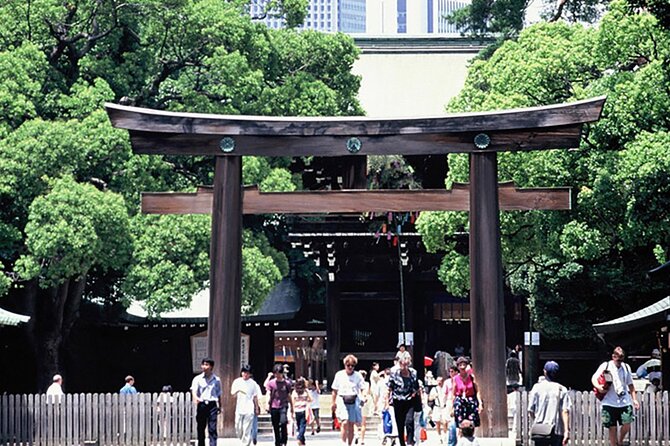
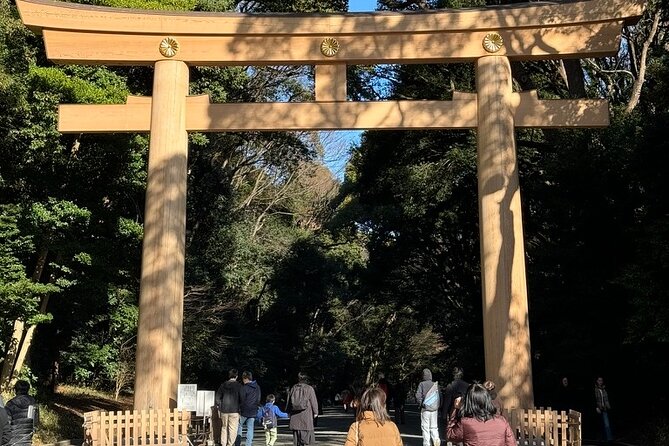
The first major stop is Meiji Shrine, reached by subway from the station nearest your hotel. Completed in 1920, the shrine honors Emperor Meiji, a major figure in Japan’s transition into the modern era during the 19th century.
The setting gives you a useful first lesson in Tokyo’s character. You are in one of the world’s biggest cities, yet the shrine grounds offer a calm, wooded approach before the city crowds return. You can expect roughly 50 minutes here, enough to see the main approach and shrine area without turning the morning into a long religious-site study.
Your guide can explain the basic customs and cultural meaning of the shrine. That help is useful if you are unsure how to behave at a Shinto site or want more than a quick photograph.
The limitation is timing. Meiji Shrine can reward a slower visit, especially if you want to linger in the grounds, but this tour keeps moving. If quiet gardens and shrine details are your main reason for coming to Tokyo, you may want to return on your own.
Shibuya Crossing in a short city burst
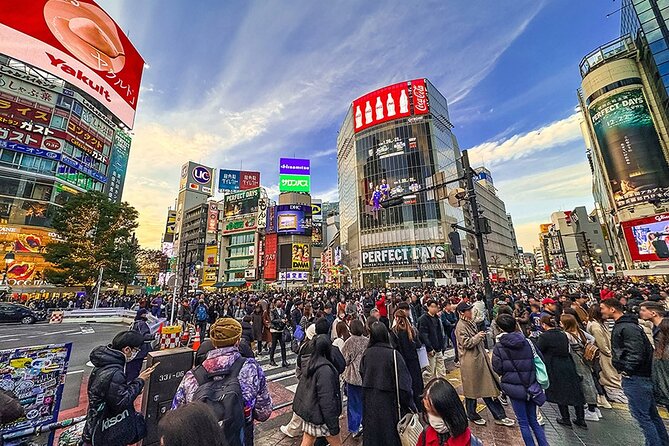
From Meiji Shrine, the trip to Shibuya Station takes only a few minutes. The planned visit lasts about 20 minutes, which is enough to experience the famous crossing and get a sense of Shibuya’s scale.
This stop changes the mood sharply. Meiji Shrine gives you trees, ritual, and space. Shibuya gives you one of Tokyo’s best-known urban scenes, with streams of people crossing from every direction while giant signs and busy streets frame the view.
A guide is especially useful here because the crossing is easy to recognize but harder to understand as part of the surrounding district. Your guide can point out practical viewing areas and help your group move through a crowded station area without wasting time.
Do not expect a long Shibuya neighborhood visit. Twenty minutes is a snapshot. The value is that you see the crossing as part of a larger Tokyo route rather than spending half a morning trying to work out how to reach it.
Asakusa and the shift to old Tokyo
The tour then turns toward Asakusa, one of the city’s best areas for traditional crafts, souvenirs, street food, and older neighborhood character. The scheduled time in Asakusa is about 20 minutes, separate from the longer visit at Sensoji Temple.
That distinction matters. Asakusa is not just a temple stop. It is a district where you can browse small shops and see products tied to Japanese customs and daily life. You might find traditional crafts, snacks, and gifts here, but the short time means you will need to choose what interests you most.
I like this part of the route because it gives balance to the modern feel of Shibuya. You are not simply checking off famous locations. You are seeing two very different versions of Tokyo in the same morning.
The drawback is that shopping will be limited. If you want to carefully compare souvenirs or eat your way through the area, you will need to return after the tour.
Sensoji Temple and the heart of Asakusa
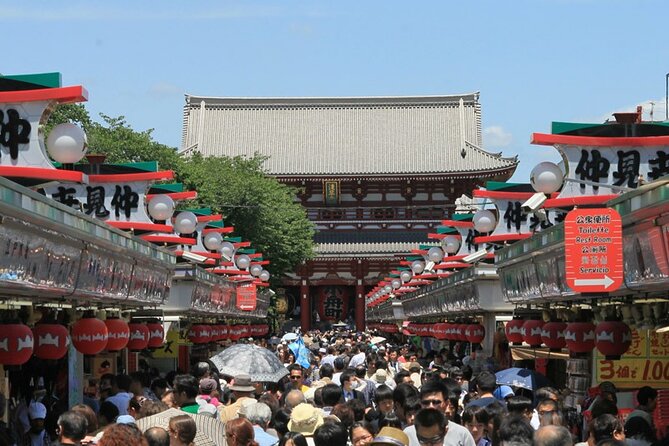
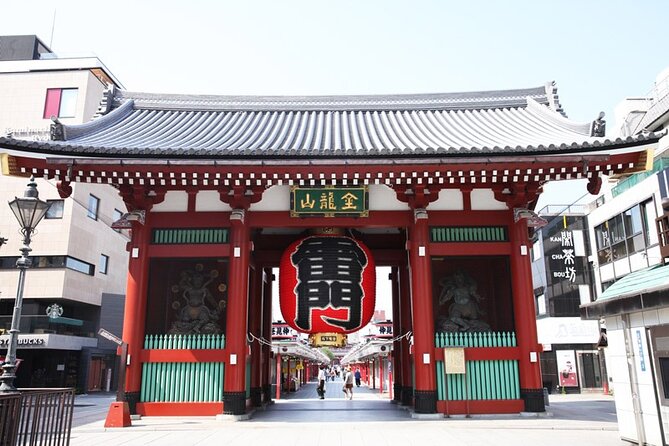
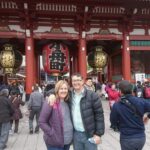
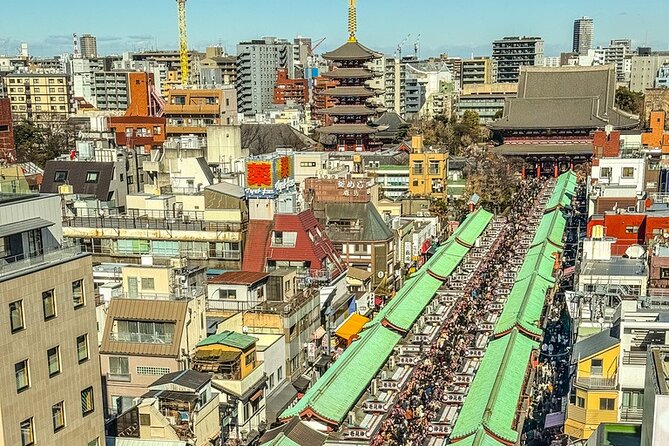
Sensoji Temple receives about 40 minutes, making it one of the more substantial stops. It is among Tokyo’s oldest and largest Buddhist temples, with origins dating to 645, and it remains one of the city’s major cultural landmarks.
This is where a guide’s explanations can make a real difference. The temple grounds and approach can feel crowded and visually busy, and a guide can help you understand what you are seeing rather than leaving you with a quick picture and a name.
You will have time to take in the temple, walk through the surrounding approach, and ask questions about Buddhist practice and the site’s place in Tokyo. The tour information does not promise entry into every area or a private religious experience, so think of this as a guided introduction to the temple complex.
Because Sensoji is popular, expect crowds. One useful benefit of traveling with a private guide is help with moving through the area and keeping your group together. Yoshi, one of the named guides associated with the experience, was praised for making crowded sites easier to navigate and answering questions along the way.
Other guided tours in Tokyo



Tsukiji Outer Market, where the tour ends
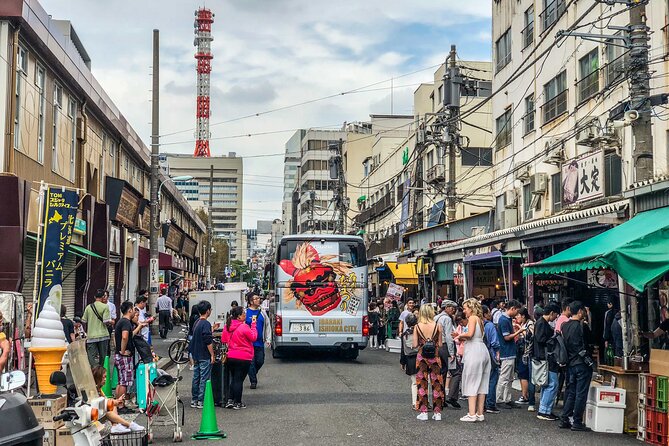
The final stop is Tsukiji Fish Market, with the tour ending around 2:00 pm. The wholesale fish market moved to Toyosu in 2018, but Tsukiji’s Outer Market remains in place, with food shops and stalls that continue to draw people.
This is an especially sensible place to finish a morning tour. Lunch is not included, but Tsukiji gives you a natural chance to buy food on your own after the guided portion ends. You can decide how much time and money to spend instead of being locked into a set restaurant menu.
You should keep the market’s present-day identity in mind. This is not the old wholesale operation, and the tour does not take you into the Toyosu market. You are visiting the Outer Market, which is a different experience focused on shops, food, and the public side of the district.
The scheduled visit is about 30 minutes. That is enough for an introduction, but not enough for a slow meal and extensive browsing. If food is your top priority, plan to stay after the guide leaves.
Learning Tokyo’s subway without doing it alone
Tokyo’s subway system can be intimidating at first. Stations are large, lines have different operators, and the best route may involve long walks underground or careful attention to station exits.
This tour uses the subway as part of the lesson. Your guide leads you from the station nearest your hotel to the first stop, then handles the transfers and route between districts. The included one-day Metro Pass covers the transportation fee for the tour.
That is useful beyond this one morning. A good guide can show you how to read the system, follow station signs, and move through busy platforms. Several guide names come through strongly in the experience: Yoshi for efficient route planning, Hiromi for kindness and practical help, and Izumi for helping a group see more than it likely would alone.
Guide assignments can vary, so you should not book expecting one specific person. The important feature is the private English-speaking format, where questions and route help are available throughout the day.
Remember that hotel pickup has a boundary. If your hotel is outside the designated pickup area and subway or other alternate transport is not workable, you are responsible for the guide’s fare to the first stop and back to your hotel from the final stop.
How demanding is the walking?
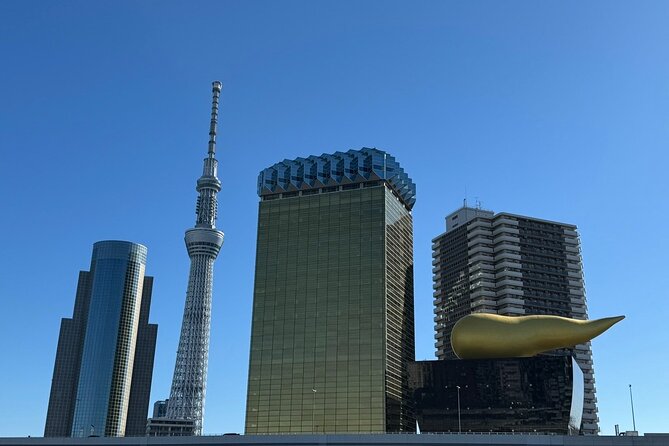
The tour lasts about four and a half hours, but only part of that time is spent at the sights. The rest goes to pickup, subway rides, station connections, and walking between entrances, platforms, streets, and temple grounds.
You should wear sneakers or another pair of comfortable shoes. The experience calls for a moderate level of physical fitness, and one guide experience included slower walkers who needed extra patience. That suggests the private format can help, but it does not remove the physical demands of the route.
Bring an umbrella or raincoat. The tour involves outdoor walking, and the itinerary may change because of weather or operational issues. Certain visits may be omitted or replaced, and poor weather can lead to a different date or a full refund if the activity is canceled.
The policy also says the tour itself may not be canceled or refunded when weather or other operating conditions cause a change in the route. That makes flexible expectations important.
Is $136.82 a fair price?
At $136.82 per person, this is not the cheapest way to see Tokyo. You are paying for a private English-speaking guide, hotel pickup, route planning, cultural explanations, and the included Metro Pass.
The price makes more sense if you are new to Tokyo, have only one free morning, or feel uneasy about the subway. A private guide can save time and reduce the stress of figuring out station routes while you are trying to reach several distant districts.
The value is also stronger for small groups. Group discounts are offered, and the private format means the cost is tied to a more personal experience rather than a large shared tour. If you are traveling with family or friends, compare the total group price rather than judging the per-person amount alone.
The value is weaker if you already know Tokyo’s train system and prefer to spend a full day at one district. You will not get a long meal, extensive shopping time, or a slow visit at each sight. This is a city sampler with practical guidance, not a relaxed neighborhood day.
Who should book this experience?
I would point this tour toward first-time Tokyo visitors who want an early orientation. It gives you major cultural and city sights in one compact route, then leaves you at Tsukiji in the afternoon with time to continue independently.
It also suits anyone who worries about navigating alone. The guide takes care of the subway movement, and the private format allows questions that might be difficult to ask on a large group tour.
Families and mixed-pace groups may benefit from the private arrangement. A guide can be more accommodating when some people walk slowly or need extra help with directions.
I would be more cautious if you dislike walking, want a food-focused market tour, or prefer to linger at temples. The schedule is full, and the 20-minute stops are intentionally brief.
Book at least a day ahead if you need flexibility, since cancellations and changes must be made at least 24 hours before the start time for a full refund. The experience is booked, on average, 22 days in advance, so popular dates may not remain open close to your visit.
Should you book the Tokyo subway walking tour?
Book it if you want a fast, private introduction to Tokyo and would rather spend your morning seeing the city than decoding its subway map. The route gives you a useful contrast between Meiji Shrine, Shibuya Crossing, Asakusa, Sensoji, and Tsukiji, while the guide adds history and cultural context.
Skip it if your priority is depth. Four and a half hours cannot give every district the time it deserves, and lunch is not included. For most first-time visitors with limited time, though, the combination of private guidance, hotel pickup, subway practice, and a smart cross-city route makes the price reasonable.
FAQ
Is hotel pickup included?
Yes. Hotel pickup is included within the tour provider’s designated pickup range. If your hotel is outside that range and alternate transportation is not feasible, you are responsible for the guide’s transportation costs to the first destination and back to your hotel from the last destination.
Is transportation included in the price?
Yes. The tour includes the transportation fee and a one-day Metro Pass. The tour uses Tokyo’s subway system to travel between the main stops.
How long does the tour last?
The tour lasts approximately 4 hours and 30 minutes. Some of that time is used for hotel pickup, subway travel, and walking between attractions.
What attractions are included?
The route includes Meiji Jingu Shrine, Shibuya Crossing, Asakusa, Sensoji Temple, and Tsukiji Outer Market. The tour ends at Tsukiji around 2:00 pm.
Is lunch included?
No. Lunch is not included. The tour ends at Tsukiji Outer Market, where you can arrange your own food after the guided visit.
Can I cancel for a full refund?
Yes, if you cancel at least 24 hours before the experience’s start time. Changes or cancellations made less than 24 hours before the start time are not accepted for a refund. If the activity is canceled because of poor weather, you will be offered another date or a full refund.
More Private Tours in Tokyo


More Guided Tours in Tokyo
More Walking Tours in Tokyo
More tours in Tokyo we've reviewed












2-Day Experiences, compared.
 ★ 3.5In 2026, 2-Day Mt. Fuji Climbing Tour with Mountain guideFrom $470
 ★ 4.5Mt Fuji and Tokyo – 2 Day Private Car Tour “ENGLISH DRIVER”From $1,176
 ★ 5.0Hakone Private Two Day Tour from Tokyo with Overnight Stay in RyokanFrom $486
 ★ 5.0Tokyo 2-Day Private Walking Tour with Licensed GuideFrom $286
 ★ 5.02-Days FUJI & Tokyo Retreat: A Private TourFrom $1,067
 ★ 5.02 Days Tokyo ,Mount Fuji / Hakone Private Tour from TokyoFrom $811