Reviewed · 2-DAY EXPERIENCES
Tokyo 2-Day Private Walking Tour with Licensed Guide
Tokyo is too large for a quick checklist tour, and this private two-day walk tackles that problem sensibly. You meet your licensed English-speaking guide, choose three or four places each day, and keep the same guide for both six-hour outings.
In This Article
- Key points to know before booking
- Why two days make sense in Tokyo
- Day one: old Tokyo, imperial grounds, and neighborhood character
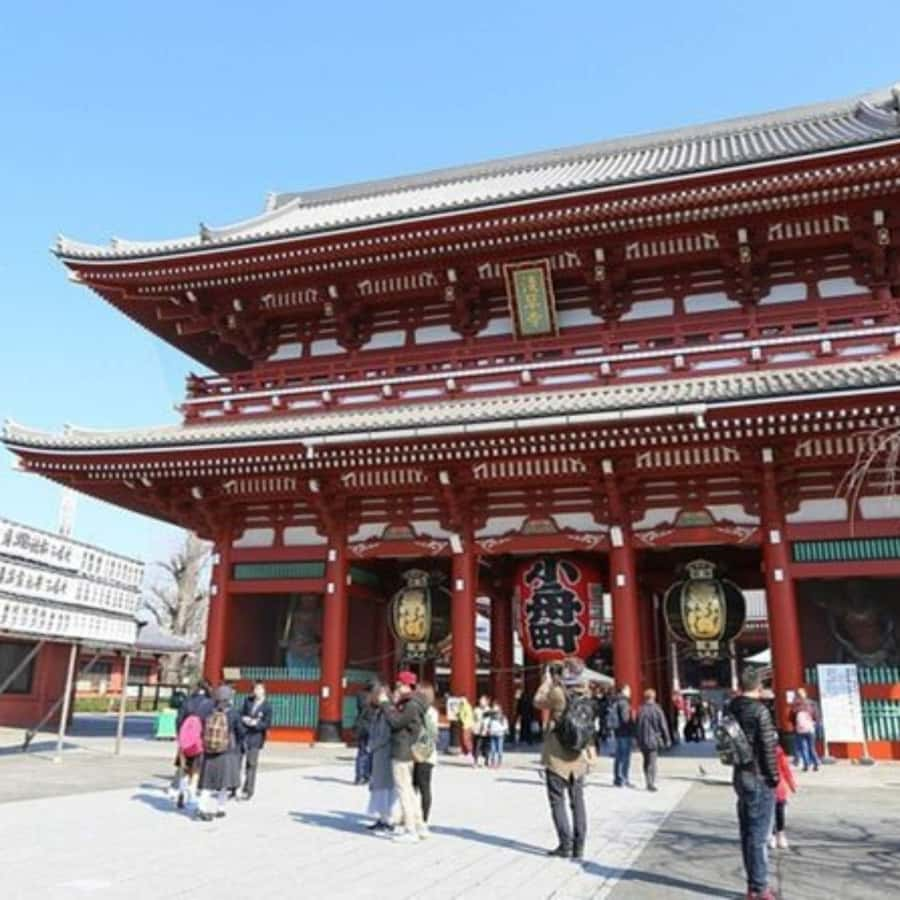
- Asakusa and Senso-ji
- The Imperial Palace
- Tokyo National Museum and Ueno Park
- Tsukiji Fish Market
- Akihabara
- Hama Rikyu Gardens
- Shibamata, Nezu, and the old downtown
- Day two: gardens, shrines, fashion, and city spectacle
- Shinjuku Gyoen and Rikugien
- Yoyogi Park and Meiji Jingu Shrine
- Takeshita Street and Harajuku
- Shibuya Crossing
- Kabukicho and Golden Gai
- Tokyo Tower
- Odaiba
- Koishikawa Korakuen
- How the guide shapes the experience
- Walking, transport, and the real cost
- Who gets the most from this private tour
- Should you book it?
- FAQ
- How long is each tour day?
- Are the two tour days flexible?
- How many places can I visit each day?
- Will I have the same guide both days?
- Is transportation included?
- Are entrance fees included?
- Can I cancel for a full refund?
I like the custom itinerary, which lets you pair Senso-ji with the Imperial Palace or Shibuya Crossing with Meiji Shrine instead of following a fixed route. I also like the human touch: guides Yoshi, Kazu, and Yasuho have helped visitors adjust plans, research a requested shop, and even arrange a private tea ceremony.
The main drawback is that Tokyo’s size still means trade-offs. You cannot see all 20 listed options in two days, transportation and admissions cost extra, and the tour requires two consecutive days, not two flexible half-days scattered across your stay.
Key points to know before booking
- Choose three or four sights per day: The long list is a menu, not a promise to visit every place.
- Keep the same guide for both days: That helps your guide understand your pace and interests as the tour develops.
- Mix old and new Tokyo: Pair temples, shrines, and gardens with Akihabara, Shibuya, Kabukicho, or Odaiba.
- Expect six hours on foot: You meet within the designated Tokyo area and move between sights without a private vehicle.
- Budget for extras: Train or subway fares, meals, admissions, and personal spending are not included.
- The guide can add local context: Yoshi, Kazu, and Yasuho have been praised for clear explanations, flexibility, and arranging special requests.
Why two days make sense in Tokyo
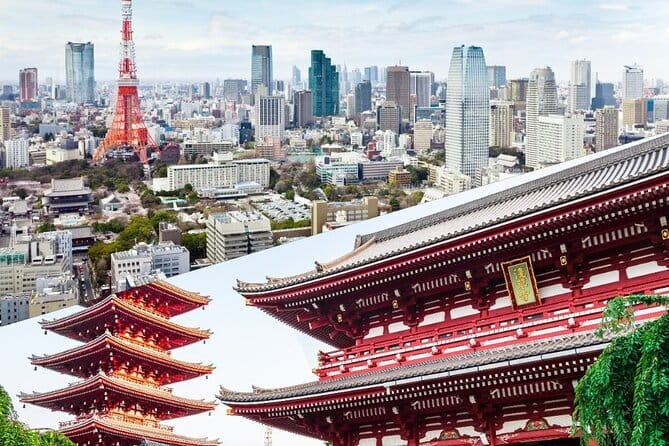
Tokyo is not one compact sightseeing center. Its famous districts spread across a huge city, and moving from an old temple in Asakusa to a garden in western Tokyo can eat up precious time.
This experience gives you about six hours on each of two consecutive days. That is enough time for a focused morning and afternoon, with room to walk, ask questions, stop for food, and make sense of what you are seeing.
You are not handed a rigid schedule. Instead, you select three or four places from two broad groups of options. You can mix the choices, so one day might focus on traditional Tokyo and the next on fashion, nightlife, and city views.
The private format matters here. Your group does not have to match another group’s pace or interests. If your family wants gardens and shrines, you can avoid a heavy electronics-and-shopping day. If you want Tokyo’s modern edge, your guide can build around Shibuya, Akihabara, Kabukicho, and Odaiba.
Other walking tours we've reviewed in Tokyo


Day one: old Tokyo, imperial grounds, and neighborhood character

Asakusa and Senso-ji
Asakusa is one of the best places to begin understanding Tokyo. It gives you a taste of the city’s older downtown districts, with Senso-ji as the main draw.
Senso-ji is Tokyo’s best-known Buddhist temple and one of its most colorful religious sites. The temple’s origin story reaches back to 628, when two fishermen reportedly found a statue of Kannon in the Sumida River. Your guide can explain the legend, the temple customs, and the difference between the religious site and the busy shopping streets around it.
The time listed for Asakusa and Senso-ji is about an hour each, but the exact use of that time depends on your choices. Combining both can create a strong opening to the tour, though you should know that a one-hour visit to Senso-ji will focus on the main areas rather than every corner of the district.
The Imperial Palace
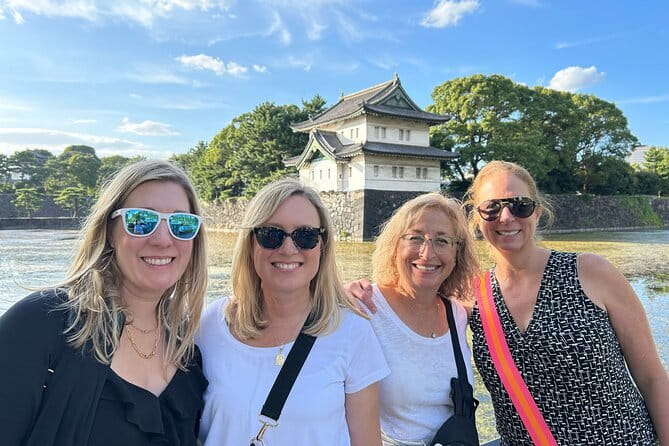
The Imperial Palace occupies the former site of Edo Castle, the seat of the Tokugawa shoguns. Today, you see broad grounds, moats, and massive stone walls rather than a preserved feudal castle interior.
This stop works well for visitors who want political and architectural context. It also provides a calmer counterpoint to Tokyo’s crowded commercial districts.
Important limitation: this tour does not include entry inside the Imperial Palace. You are visiting the accessible exterior areas and surroundings, so choose it for the setting, walls, moats, and historical explanation rather than for palace rooms.
Tokyo National Museum and Ueno Park
The Tokyo National Museum is Japan’s oldest and largest national museum. It is a serious stop, with collections covering Japanese art and cultural objects, and it deserves more time than a quick photo break.
Admission is not included. If you want to see the museum properly, it may be wiser to make it one of your main three or four stops rather than squeeze it between several short visits.
Ueno Park gives you another way to use the same part of the city. It contains several museums, a zoo, Toshogu Shrine, and Shinobazu Pond. The listed visit time is only five minutes, which signals that it may function as a quick orientation point unless you arrange more time with your guide.
Other guided tours in Tokyo



Tsukiji Fish Market
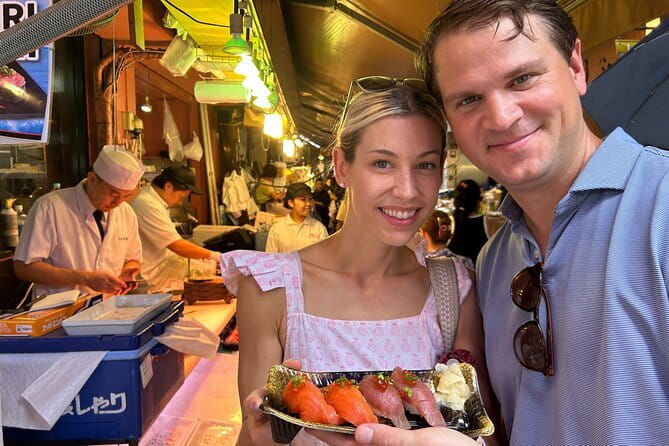
Tsukiji is a practical choice if food is high on your list. The old fish market area offers a look at Tokyo’s food culture, though the listed visit lasts only 30 minutes and meals are not included.
That short window is enough for an introduction, not a leisurely food crawl. Tell your guide in advance if you want this stop to matter more than a quick walk through the area.
Akihabara
Akihabara is Tokyo’s famous electronics district and a center for anime, manga, and related youth culture. The listed visit is 30 minutes, so you should treat it as a first look rather than a full shopping session.
It pairs nicely with Asakusa if you want to see two very different sides of the city on one day. The contrast is the point: a historic temple district followed by a neighborhood known for electronics and pop culture.
Hama Rikyu Gardens
Hama Rikyu is a large garden beside Tokyo Bay, with seawater ponds that change with the tide and a traditional teahouse. It offers a quiet break from city streets and a useful look at how Tokyo preserves formal gardens amid modern development.
Admission is not included. At 30 minutes, the visit will be brief, so garden lovers should ask whether the schedule can give this stop more breathing room.
Shibamata, Nezu, and the old downtown
Shibamata retains an old-fashioned feel at Tokyo’s eastern edge, near the Edogawa River. It is a good choice if you want a neighborhood atmosphere instead of a major landmark.
Nezu, along with nearby Yanaka, preserves parts of Tokyo’s old downtown character. These areas escaped major damage from wars and natural disasters, giving you a chance to see older streets and local religious sites that feel removed from the city’s glass towers.
Both choices are especially useful if you have already seen the standard central sights. The trade-off is distance. Because Tokyo is so large, choosing an eastern neighborhood can make it harder to include a western district on the same day.
Day two: gardens, shrines, fashion, and city spectacle
Shinjuku Gyoen and Rikugien
Shinjuku Gyoen gives you wide lawns, walking paths, and a peaceful break near one of Tokyo’s busiest districts. It is one of the city’s largest parks and works well when you need a slower start to the day.
Rikugien offers a more formal Japanese garden experience. Built around 1700 for the fifth Tokugawa shogun, it is organized around scenes inspired by classical Japanese poetry. Admission is extra, and the listed visit is about an hour.
You probably will not want to combine both gardens with several far-flung districts. Each garden can fill a substantial part of a morning, especially if you like photography, plants, or quiet walks.
Yoyogi Park and Meiji Jingu Shrine
Yoyogi Park has broad lawns, ponds, and wooded areas. It is used for jogging, picnics, and outdoor activities, and it gives you a more everyday view of Tokyo than a formal temple or observation deck.
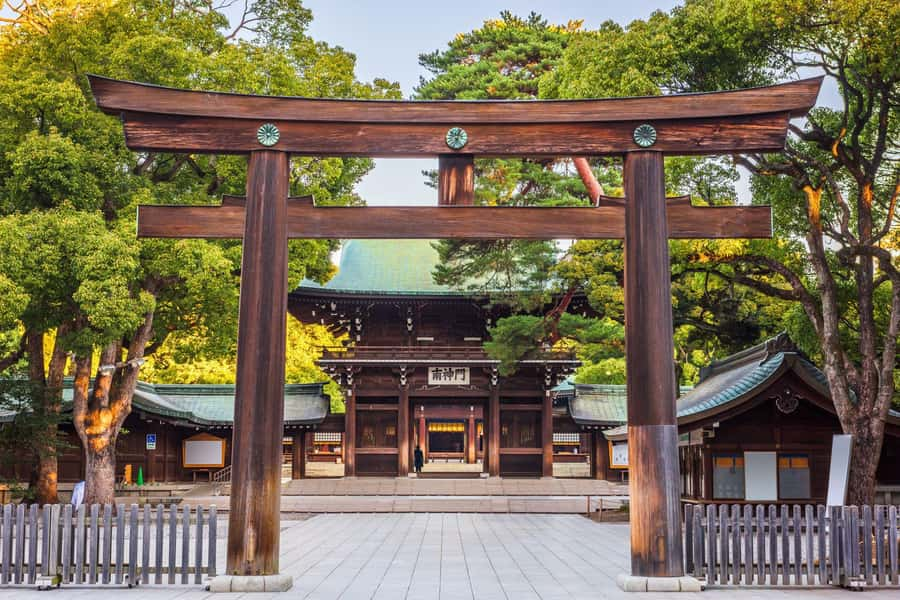
Nearby Meiji Jingu is dedicated to the deified spirits of Emperor Meiji and Empress Shoken. The shrine sits beside Harajuku Station but feels separated from the traffic and shops around it.
The listed time for Meiji Jingu is 30 minutes, while Yoyogi Park receives about an hour. You can combine them efficiently because they are close, but do not expect a long, unhurried shrine visit if you also want Harajuku and Shibuya on the same day.
Takeshita Street and Harajuku
Takeshita Street is the center of Harajuku’s youth fashion and teenage culture. It is a lively place to see unusual clothing, small shops, and the fast-changing side of Tokyo style.
The street can feel crowded and commercial, which is part of its character but not everyone’s idea of an authentic neighborhood. I would choose it if you want fashion, pop culture, and people-watching. If you prefer old temples and gardens, use that hour elsewhere.
Shibuya Crossing
Shibuya Crossing is one of Tokyo’s signature city scenes. From the surrounding streets, you can watch several pedestrian flows meet at once, then explore the district’s shops and towers.
The stop is listed at one hour, giving you time for more than a hurried photograph. Still, the experience is primarily urban spectacle. It is best paired with Meiji Jingu or Harajuku so your day has both a quiet cultural stop and a modern city center.
Kabukicho and Golden Gai
Kabukicho is Shinjuku’s entertainment district, while Golden Gai is known for its tightly packed small bars and postwar roots. The area began developing after black-market activity near Shinjuku Station shifted in the 1950s.
A one-hour visit gives you an introduction to the streets and their history. Meals, drinks, and personal purchases are extra, and the tour description does not promise entry into specific bars. Choose this stop for atmosphere and urban history, not as a nightlife package.
Tokyo Tower
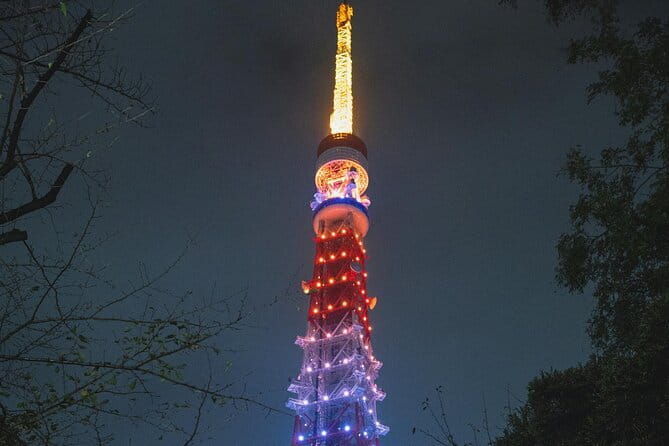
Tokyo Tower is a familiar vermilion symbol of the city, with a retro design that has appeared in anime and popular culture. The tour includes access only up to the main deck, and the top deck is not included.
Admission is extra. This can be a good choice if you want a classic city view and a strong photograph, but check how much time remains after adding travel between districts.
Odaiba
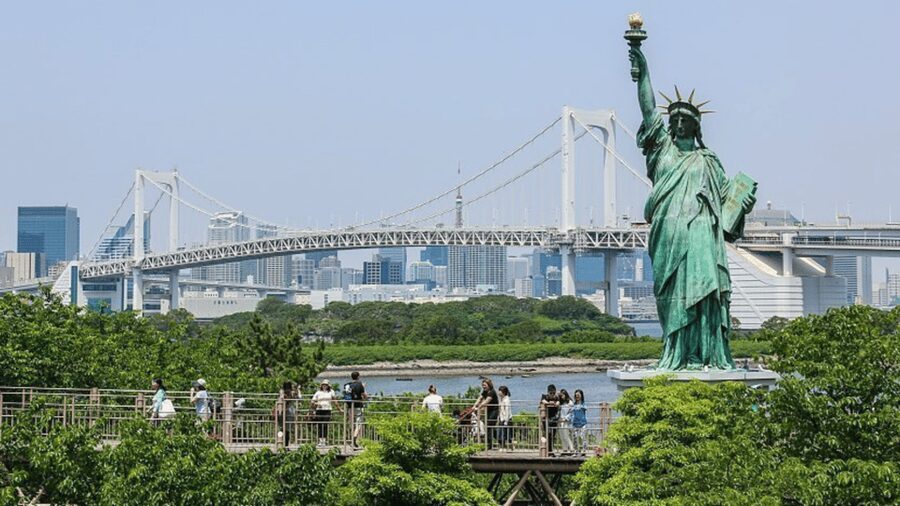
Odaiba is a shopping and entertainment district on a man-made island in Tokyo Bay. Its origins lie in small fort islands built in the Edo period, and the modern district offers a very different setting from Asakusa or Nezu.
Because it is separated from central Tokyo, Odaiba can consume more travel time than a map may suggest. Pick it when the waterfront, modern buildings, and entertainment areas are a priority. Do not add it casually to a day already packed with Shinjuku, Harajuku, and Tokyo Tower.
Koishikawa Korakuen
Koishikawa Korakuen is one of Tokyo’s oldest Japanese gardens. It was built in the early Edo period for the Mito branch of the ruling Tokugawa family.
Like Rikugien, it is best for a visitor who values gardens and careful design. Admission is not included, and the one-hour time slot is more useful than a quick pass through a major park. It can also help balance a day dominated by shopping districts.
How the guide shapes the experience
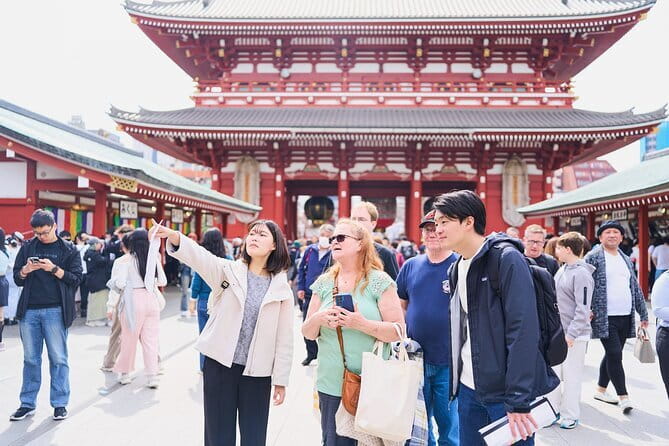
The guide is licensed, local, and English-speaking. More important than the label is how the guide uses the private format: to explain what you are seeing, adjust the pace, and connect separate stops into a story about Tokyo.
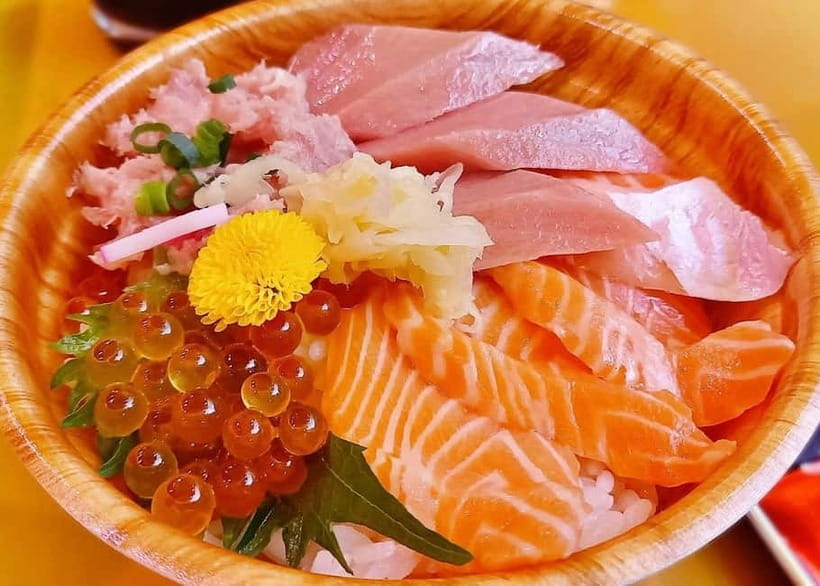
Yoshi has been singled out for a relaxed manner and for explaining both Japanese culture and present-day society. He also helped a family enjoy sushi during their two-day outing. Kazu was praised for covering many gardens and places of interest and arranging an exclusive matcha tea ceremony.
Yasuho Suzuki showed another useful strength: when a requested shop was unfamiliar, he researched it and went out of his way to help. That suggests you should share specific interests before the tour rather than simply selecting famous sights.
The same guide accompanies you on both days. That continuity is valuable. On day two, you do not need to repeat your preferences, mobility needs, or interests from scratch.
Walking, transport, and the real cost
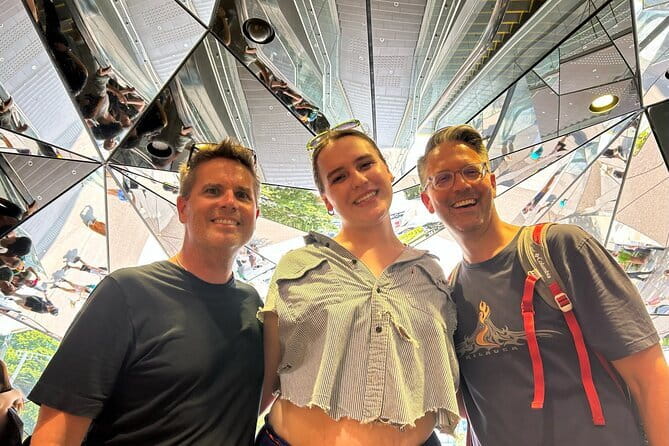
The price is $286.16 per person. For two private six-hour days with a licensed English-speaking guide, that can be fair value for a small group that wants personal planning and interpretation.
It is less attractive if you are traveling alone on a tight budget or are comfortable planning Tokyo’s rail routes yourself. The fee does not cover accommodation, meals, transportation, entrance fees, or personal expenses.
You meet the guide on foot within the designated Tokyo area. Pickup is offered, but there is no private vehicle. You should expect to use Tokyo’s public transportation or walk between districts, paying those fares yourself.
The booking is for two consecutive days only. Plan for heat, humidity, and strong sun if you visit in summer. One guide specifically noted difficult conditions during a hot, humid outing, so comfortable shoes, water, and a sensible pace matter.
Free cancellation is available up to 24 hours before the start time. Changes made inside that window are not accepted, and poor weather may lead to a new date or a full refund.
Who gets the most from this private tour
I would recommend this experience to first-time Tokyo visitors who feel overwhelmed by the city’s scale. It is also a strong fit for families, couples, and small groups with different priorities, since you can trade a shopping district for a garden or add a neighborhood with local character.
It suits you especially well if you want explanations rather than simple directions. A guide can help you understand why Senso-ji matters, how Edo shaped the Imperial Palace area, and how modern districts such as Akihabara and Shibuya fit into present-day Tokyo.
It is less suited to visitors who want a fixed food tour, a private car, or guaranteed entry to every major attraction. It also requires enough stamina for two six-hour days and enough planning to choose realistic combinations.
Should you book it?
Book this tour if you want Tokyo organized around your interests, with one English-speaking guide who stays with you for both days. The strongest reasons are the flexible route, private group setting, and the guide’s ability to add useful touches such as researching a special shop or arranging a tea ceremony.
Before paying, make a short priority list and rank it. Choose three or four sites per day, keep nearby districts together, and ask about admission costs and public transportation. If you do that, this can turn Tokyo’s size from a problem into the reason to hire a guide.
FAQ
How long is each tour day?
Each private tour lasts approximately six hours.
Are the two tour days flexible?
The booking requires two consecutive days. You can customize the sites visited, but the days cannot be separated across your trip.
How many places can I visit each day?
You can choose three to four sites from the provided options for each day. The full list is not intended to fit into one or two days.
Will I have the same guide both days?
Yes. The experience provides one guide for both consecutive days.
Is transportation included?
No. Transportation fees are not included, and the tour does not provide a private vehicle. You meet the guide on foot within the designated Tokyo area.
Are entrance fees included?
Entrance fees are generally not included. The Imperial Palace interior is not part of the tour, and Tokyo Tower access is limited to the main deck, with the top deck excluded.
Can I cancel for a full refund?
Yes, if you cancel at least 24 hours before the experience start time. Cancellations or changes made less than 24 hours before the start time are not eligible for a refund.
More Private Tours in Tokyo


More Guided Tours in Tokyo
More Walking Tours in Tokyo
More tours in Tokyo we've reviewed












2-Day Experiences, compared.
 ★ 3.5In 2026, 2-Day Mt. Fuji Climbing Tour with Mountain guideFrom $470
 ★ 4.5Mt Fuji and Tokyo – 2 Day Private Car Tour “ENGLISH DRIVER”From $1,176
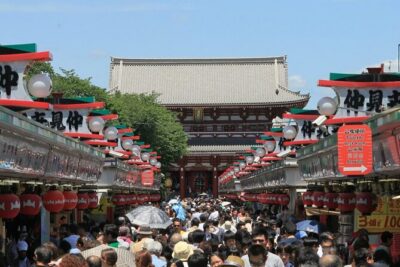 ★ 5.0Tokyo Private Guided 1/2-Day Walking Subway Tour English guideFrom $136
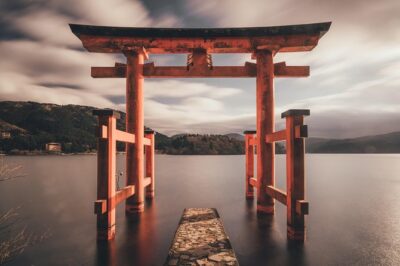 ★ 5.0Hakone Private Two Day Tour from Tokyo with Overnight Stay in RyokanFrom $486
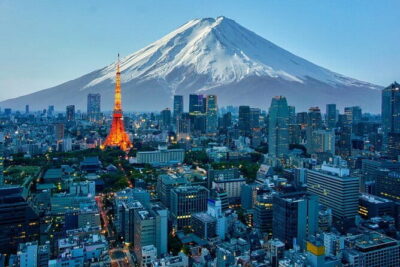 ★ 5.02-Days FUJI & Tokyo Retreat: A Private TourFrom $1,067
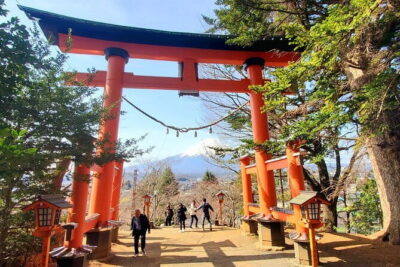 ★ 5.02 Days Tokyo ,Mount Fuji / Hakone Private Tour from TokyoFrom $811