Reviewed · MT FUJI DAY TRIPS
Private 2-Day Tour: Mt Fuji Hakone & Kamakura + Onsen Ryokan
Mount Fuji is the star here, but the best part of this private 2-day route is the variety. You get lakeside views, shrines, hot springs, samurai history, Kamakura’s Great Buddha, and a night in a Japanese ryokan instead of rushing back to Tokyo.
In This Article
- Key points to know before booking
- Why this 2-day route works better than a day trip
- Lake Kawaguchi and Oishi Park: your first Fuji view
- Arakura Sengen Shrine and the famous pagoda view
- Kitaguchi Hongu Shrine and Oshino Hakkai
- Hakone ryokan: the reason to spend the night
- Lake Ashi cruise: a calm start to Day 2
- Owakudani Valley and its sulfur vents
- Odawara Castle and the samurai past
- Kamakura Daibutsu: a powerful final cultural stop
- Yokohama Chinatown, only if time allows
- What the $838 price means
- Who should book this experience?
- Should you book it?
- FAQ
- Where does the tour begin and end?
- What vehicle is used?
- Is the tour private?
- Which languages are available?
- Is Mount Fuji guaranteed to be visible?
- What meals are included?
- Is the Lake Ashi boat ride included?
- What should I bring?
I like the flexible vehicle and the overnight stay. Your driver can give you time at each stop, and the ryokan turns a long sightseeing day into a slower evening with an onsen, a seasonal kaiseki dinner, and a Japanese breakfast. The main drawback is the packed schedule. Traffic and cloud cover can change the day, and some stops may feel brief.
Key points to know before booking
- Fuji views from several angles: Lake Kawaguchi, Arakura Sengen Shrine, Oshino Hakkai, and Kitaguchi Hongu Fuji Sengen Shrine each offer a different setting.
- A real ryokan night: You stay in Hakone, bathe in hot spring water, and eat a traditional multi-course dinner.
- Private transport matters: A Toyota Alphard or Hiace gives your group more room than a standard car and avoids managing several public connections.
- Lake Ashi is a timed stop: The sightseeing cruise leaves at 9:30 AM and lasts about 45 minutes to Togendai Port.
- Kamakura and Yokohama come late: The Great Buddha is included, but Yokohama Chinatown is only visited if the day allows.
- Guide quality can shape the trip: English- and Chinese-speaking drivers are available. A guide named Keith has been specifically praised for answering questions and allowing plenty of exploration time.
Why this 2-day route works better than a day trip
Trying to combine Fuji, Hakone, and Kamakura in one day from Tokyo would be punishing. This trip gives you a night in Hakone, which breaks the route into two long but more manageable sightseeing days.
You leave Tokyo in a private van, with hotel or Airbnb pickup inside the Tokyo 23 wards. That is useful if you are traveling with family, carrying luggage, or simply do not want to work out several train and bus changes. The vehicle is listed as a Toyota Alphard or Hiace, both practical choices for a private group.
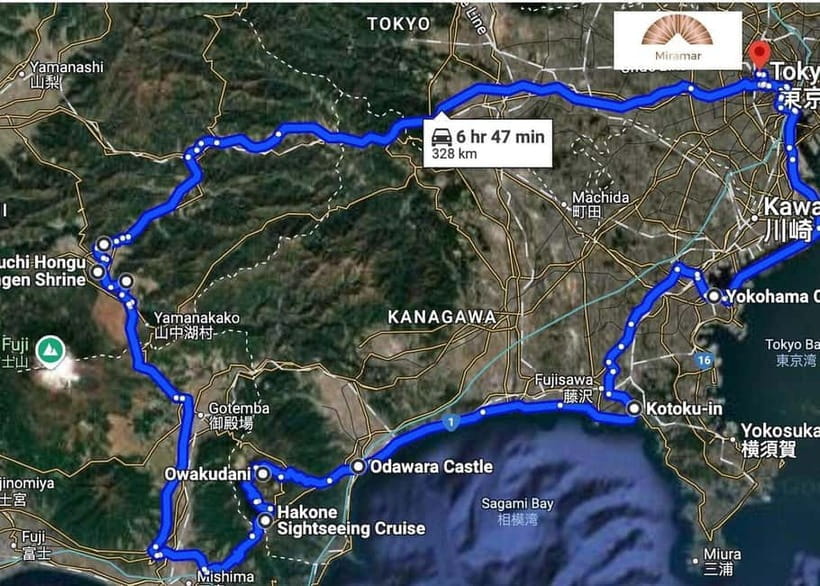
The tour includes up to 10 hours of touring each day. That is a generous amount of road time, but it also tells you what kind of experience this is. You are covering a lot of ground. It is not a quiet, single-region retreat.
Your driver is also your main guide. English and Chinese are available, and the private format lets you ask questions, request a little more time, or discuss a change of stop. Keith, one named guide associated with the experience, is noted for being helpful, informative, and willing to let the group explore at its own pace. Ask for your preferred language and guide details when booking.
A few more Tokyo tours and experiences worth a look
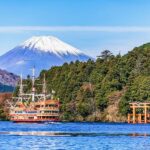
Lake Kawaguchi and Oishi Park: your first Fuji view
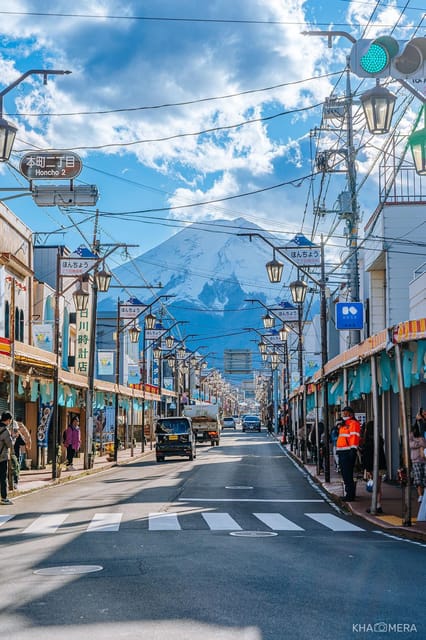
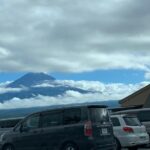
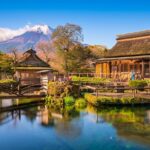
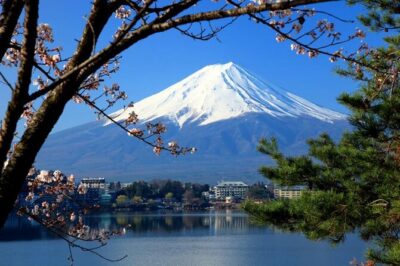
The first major stop is the Lake Kawaguchi area, including Oishi Park. You get about 30 minutes for a stroll and photographs beside the lake.
This is a good opening stop because it gives you a broad view of Mount Fuji without demanding a hard walk. Oishi Park is also a pleasant place to pause after the drive from Tokyo. On a clear day, the water and mountain make a classic Fuji picture.
The catch is visibility. Mount Fuji can disappear behind clouds, especially when weather shifts around the mountain. The tour runs in rain or shine except in extreme conditions, so you should bring warm clothing and be ready for a different view than the one in the brochure.
Arakura Sengen Shrine and the famous pagoda view
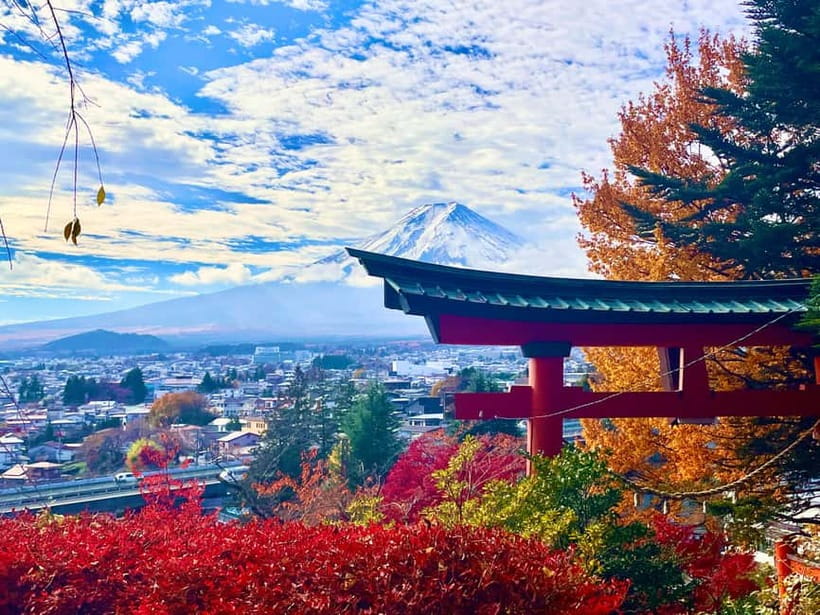
Next comes Arakura Sengen Shrine, with about an hour for sightseeing and walking. The shrine is known for the five-story pagoda set against Mount Fuji, one of the most recognizable views in Japan.
The view is worth the effort, but this is not a flat photo stop. You should bring comfortable walking shoes and expect some stairs or uphill walking around the shrine area. The reward is a strong combination of Japanese architecture and mountain scenery.
For families, this is one of the most memorable picture stops. For anyone concerned about mobility, ask the driver how much walking is planned here before the day begins. The tour is private, so you can at least discuss the pace, even though the schedule still has several stops to cover.
Kitaguchi Hongu Shrine and Oshino Hakkai
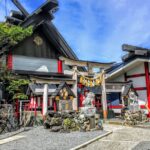
Kitaguchi Hongu Fuji Sengen Shrine offers a different side of the Fuji region. Rather than a famous panoramic viewpoint, it is a historically important shrine connected with pilgrimage routes to Mount Fuji. The setting is quieter and more wooded, giving the day a useful cultural balance.
The planned visit is about 30 minutes. That is enough to see the main setting and take photographs, but not enough for a slow, detailed visit. If shrines are your main interest, you may want to ask whether the timing can be adjusted.
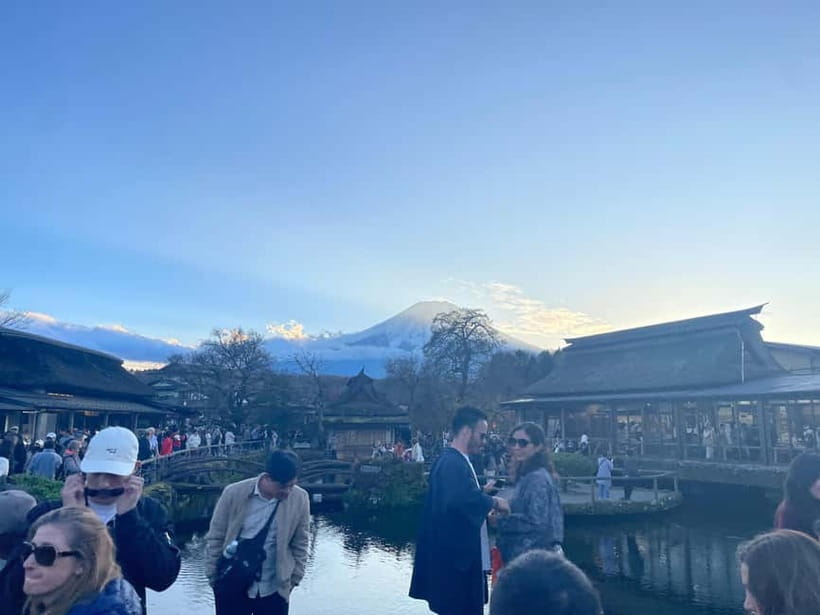
Oshino Hakkai, also called Ushino Hakkai in the supplied description, gives you another change of pace. The area is known for clear spring water, mountain views, walking paths, and shops. You get about an hour here, including time for sightseeing and shopping.
Lunch in Yamanashi is included, with houtou, a traditional regional noodle dish. It is a hearty meal that suits a cool day around Fuji. Lunch is not just a quick fuel stop, since the regional dish gives you a taste of local food rather than a generic restaurant meal.
The exact order of the shrine and Oshino Hakkai stops may change. The route description places them in one order, while the time plan lists another. That is not unusual on a weather and traffic-sensitive private tour, but it is worth confirming your final schedule with the driver.
Hakone ryokan: the reason to spend the night
The overnight stay is the heart of the experience for me. Instead of finishing the Fuji sightseeing and returning to Tokyo, you check into a traditional ryokan in Hakone, listed as Tōnosawa Ichinoyu Honkan.
A ryokan is not simply a hotel with Japanese decoration. The appeal is the rhythm: remove your shoes, slow down, bathe in hot spring water, and sit down to a meal built around seasonal ingredients. The included dinner is a traditional kaiseki meal with seasonal food and fresh seafood.
The onsen is included, and the stay is described as a private onsen experience. Bring a change of clothes and warm layers, since the temperature around Fuji and Hakone can change quickly. If you have never used a Japanese bath, ask your driver or the ryokan staff about the routine before entering.
The ryokan also serves a traditional Japanese breakfast. Expect the listed combination of fresh fish, rice, pickles, and miso soup. It is a very different start from a Western buffet, and it prepares you for the second day without adding another restaurant search.
One practical point: the overnight period is listed at about 14 hours. That means you should not expect a long free evening in Hakone. The value is in the bath, dinner, sleep, and breakfast, not in having hours to explore the town after arrival.
A few more Tokyo tours and experiences worth a look
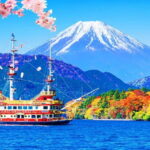
Lake Ashi cruise: a calm start to Day 2
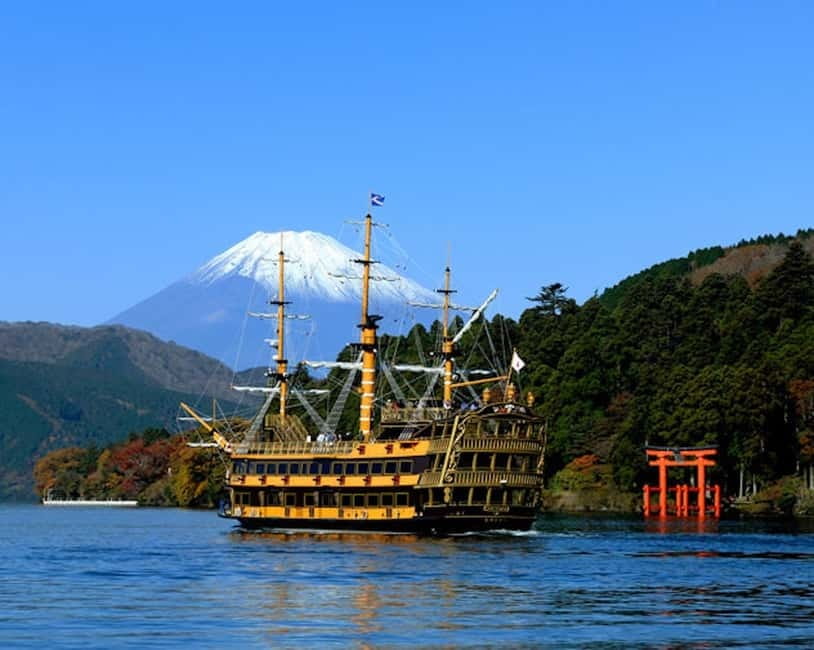
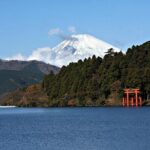
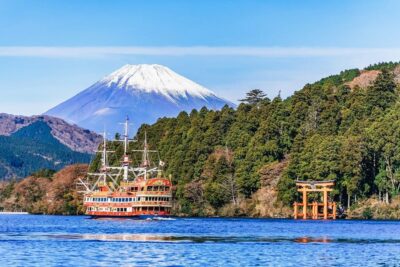
The second morning begins with a boat ride on Lake Ashi. The cruise leaves at 9:30 AM and takes about 45 minutes, ending at Togendai Port.
This is a pleasant contrast to the road-heavy first day. From the boat, you see the lake, surrounding hills, and, on a clear day, Mount Fuji. The view depends heavily on the weather, so treat Fuji as a bonus rather than a promise.
The fixed departure time matters. Be ready on schedule after breakfast, since missing the boat could affect the rest of the day. The cruise is included in the price, which saves you from buying another ticket and keeps the private route moving.
Owakudani Valley and its sulfur vents
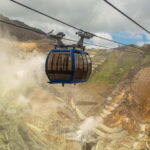
Owakudani is a volcanic valley formed by past volcanic activity. You visit for about 45 minutes, with time to see sulfur vents, walk through the scenic area, and buy the famous black eggs boiled in sulfur-rich hot spring water.
This is one of the more unusual stops. You are not just looking at a shrine or viewpoint. You can see and smell the geothermal activity, then learn about the forces beneath Hakone.
The stop is weather-sensitive. Conditions around volcanic areas can change, and access may be adjusted if necessary. The tour description allows for changes when weather or other conditions affect the route, so do not treat every stop as fixed.
Odawara Castle and the samurai past
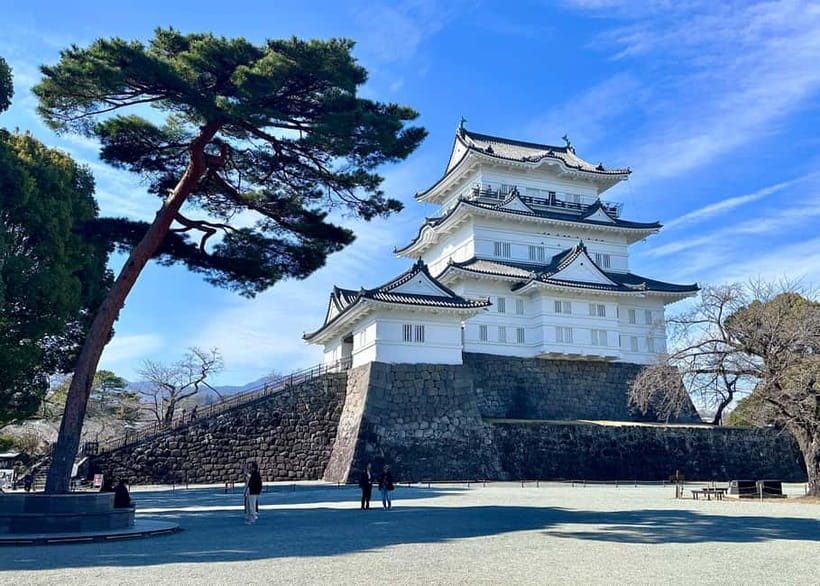
Odawara Castle is a 45-minute visit with time for the grounds, gardens, museum, and a self-guided look around. The castle connects the natural sights of Fuji and Hakone with Japan’s samurai past.
The grounds give you space to stretch your legs after the boat and van rides. Inside, the museum provides historical context, while the upper levels offer broad views over the surrounding area.
Forty-five minutes is enough for a focused visit, not a full museum study. If you want to read every display, you may have to choose between the interior, gardens, and views. The private format helps, but the overall route still has to reach Kamakura and Tokyo.
Kamakura Daibutsu: a powerful final cultural stop
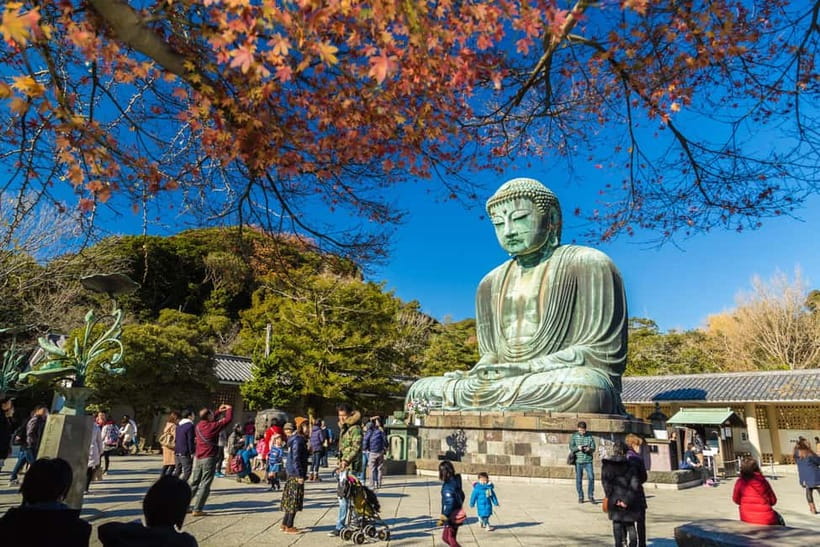
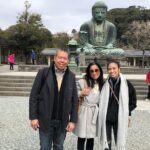
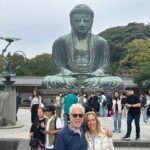
Kamakura’s Great Buddha is one of Japan’s most familiar monuments. The bronze statue is over 13 meters tall, and the planned stop lasts about 30 minutes.
That is short, but the statue is easy to appreciate without a long guided tour. You can take in its scale, walk around the grounds, and photograph the details before returning to the vehicle.
Kamakura gives the trip a different historical and spiritual mood. After Fuji’s mountain views and Hakone’s volcanic activity, the Great Buddha provides a strong final landmark before the return journey. If Kamakura is especially important to you, ask in advance whether more time can be shifted here from another stop.
Yokohama Chinatown, only if time allows
The final optional stop is Yokohama Chinatown, one of the largest and most active Chinatowns in the world. The visit is planned for about 30 minutes, but it happens only if time allows.
This is the least certain part of the route. Traffic, weather, and the length of earlier visits can all affect it. You should see Chinatown as an extra, not as one of the main reasons to book the tour.
The return to Tokyo takes about an hour by van, with drop-off at a hotel or another location in central Tokyo, including Ginza. The actual arrival time can vary, so avoid booking a tight evening connection.
What the $838 price means
At $838 per person, this is not a budget sightseeing trip. The value depends on how many people share the private vehicle and how much you value convenience.
The price includes private transportation, pickup and drop-off within the Tokyo 23 wards, entrance fees to the listed sites, the Lake Ashi cruise, one lunch, the ryokan night, the onsen, dinner, and breakfast. You also avoid arranging separate lodging and transport between four different areas.
For a couple, the cost is a major splurge. For a family or small private group, the price can make more sense because you are paying for a dedicated vehicle and driver rather than several separate tours. The private format also reduces the risk of losing time waiting for other people.
Lunch on the second day is not included, and personal expenses are extra. Plan for food or shopping at Owakudani, Oshino Hakkai, or elsewhere. You should also check what type of ryokan room and bath arrangement is provided if those details affect your decision.
Who should book this experience?
I would recommend it to you if you want to see several major sights without handling the transport yourself. It fits families, first-time visitors to the Fuji and Hakone region, and small groups that value a private schedule.
It is also a good choice if a Japanese inn and hot spring matter as much to you as sightseeing. The ryokan dinner and breakfast give the trip a cultural center that a standard bus tour usually lacks.
I would hesitate if you prefer long visits at fewer places. The schedule is full, and several stops last only 30 to 45 minutes. I would also hesitate if your top goal is a guaranteed Mount Fuji photograph. Weather can block the mountain, and no tour can control the clouds.
You should bring your passport or ID, comfortable walking shoes, warm clothing, and a change of clothes. Smoking is not allowed in the vehicle or indoors, and pets are not allowed except assistance dogs.
Cancellation terms need careful reading. The activity states that cancellation up to 24 hours in advance may qualify for a full refund, while the detailed schedule lists no charge seven days or more before check-in, then fees from 20 percent to 100 percent as the date approaches. Confirm the exact policy shown at checkout.
Should you book it?
Book this tour if you want maximum coverage with minimum transport planning, and if an onsen ryokan night sounds like a highlight rather than a place merely to sleep. The combination of Fuji viewpoints, Lake Ashi, Owakudani, Odawara, and Kamakura is hard to arrange as neatly on your own.
Skip it if you want a slow Hakone stay or a deep visit to Kamakura. The route covers a lot, and its success depends on weather, traffic, and a good driver-guide. If you accept that tradeoff, the private vehicle, thoughtful overnight stop, and flexibility give the $838 price a fair case, especially for a small group.
FAQ
Where does the tour begin and end?
Pickup is available from hotels, Airbnbs, or requested locations inside Tokyo’s 23 wards. Drop-off is at your hotel or another central Tokyo location, including Ginza.
What vehicle is used?
The tour uses a comfortable Toyota Alphard or Toyota Hiace for private transportation.
Is the tour private?
Yes. You travel as a private group with a private vehicle and driver.
Which languages are available?
Drivers are available in English and Chinese.
Is Mount Fuji guaranteed to be visible?
No. Fuji visibility depends on weather. The itinerary may change, and alternative scenic stops may be offered if cloud or weather blocks the mountain.
What meals are included?
The first day includes houtou, a traditional Yamanashi noodle dish. The ryokan stay includes a traditional Japanese dinner and breakfast. Lunch on the second day is not included.
Is the Lake Ashi boat ride included?
Yes. The Lake Ashi sightseeing cruise is included and takes about 45 minutes, departing at 9:30 AM and ending at Togendai Port.
What should I bring?
Bring your passport or ID, comfortable walking shoes, warm clothing, and a change of clothes. You should be ready for changing weather around Mount Fuji and Hakone.
More Kamakura & Enoshima Day Trips in Tokyo


More Hakone Day Trips in Tokyo
More Mt Fuji Day Trips in Tokyo

More tours in Tokyo we've reviewed


Mt Fuji Day Trips, compared.
 ★ 5.0Mt Fuji and Hakone 1-Day Bus Tour Return by Bullet TrainFrom $163
 ★ 4.0Mt Fuji & Hakone Cruise, Drum Show Bullet Train 1 Day from TokyoFrom $149
 ★ 4.4Tokyo Mt Fuji 5th St & Hakone Cruise Bus Tour w/Bullet TrainFrom $15410 hours
 ★ 4.5From Tokyo: Mount Fuji Full-Day Sightseeing TripFrom $6810 hours
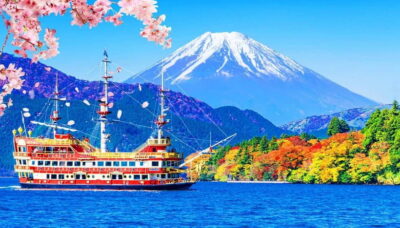 ★ 4.7Tokyo: Mt. Fuji Tour, Hakone Ropeway, Owakudani, Lake AshiFrom $5410 hours
 ★ 4.4Tokyo:Mt.Fuji,Kawaguchiko Oishi Park,Arakurayama Sengen ParkFrom $5410 hours