Reviewed · PRIVATE
Chill Out in Tokyo: Personalized Private Tours with Local Friends
Tokyo is too large for a one-size-fits-all tour, and this private experience takes a smarter route. You meet a local guide at Shibuya Station, or arrange another meeting place, then shape the outing around what you actually want to see. You might focus on shrines and gardens, youth culture and shopping, food markets, or a first look at several major districts.
In This Article
- A Tokyo Day Built Around Your Interests
- Starting at Shibuya Crossing
- Yoyogi Park and Meiji Shrine
- Takeshita Street and Harajuku’s Fast Pace
- Shinjuku Gyoen’s Quiet Center
- Asakusa and Senso-ji Temple
- Ame Yoko and Ueno Park
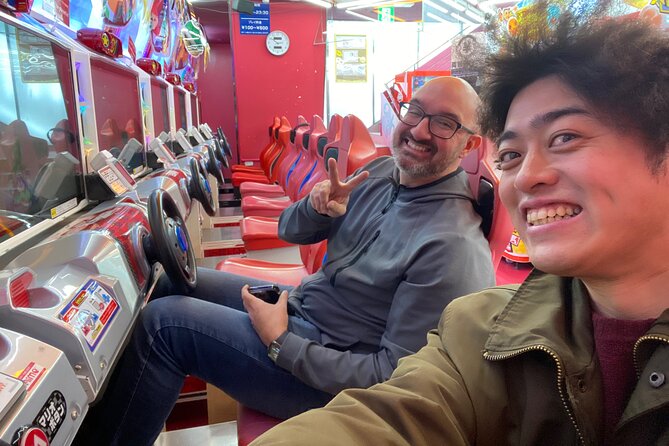
- Akihabara for Electronics and Anime
- Tsukiji Fish Market and Odaiba
- How the Walking and Transit Plan Works
- Local Guides and the Human Side
- Who Gets the Best Value
- Should You Book Chill Out in Tokyo?
- FAQ
- How long does the private Tokyo tour last?
- Where does the tour start?
- Does the guide pick me up at my hotel?
- Is transportation included?
- Are food, drinks, and lunch included?
- Can I cancel for a full refund?
I like the one-to-one attention, which gives you room to ask questions and change pace. I also like the local focus: guides such as Yu, Ayumi, Kanta, Ikumi, and Yohei have led guests to places ranging from Golden Gai and Tsukiji to Asakusa and neighborhood eateries. The main consideration is time. Two to four hours is enough for a useful introduction, but not enough to explore all 11 possible stops.
- Your interests set the route: Choose among temples, gardens, food markets, pop culture, shopping, or city views.
- A guide meets you in Tokyo: The standard meeting point is Shibuya Station, with another location possible by arrangement.
- It mixes walking and trains: No private vehicle is normally used, so comfortable shoes and a transit budget matter.
- The stop list is broad: You can connect Shibuya, Meiji Shrine, Harajuku, and Shinjuku, or choose a different part of the city.
- The private format suits families: Different wish lists can be handled in one outing, instead of splitting up.
- The price rewards a small group: At $105.71 per person, the value improves when several people share a private guide.
A Tokyo Day Built Around Your Interests
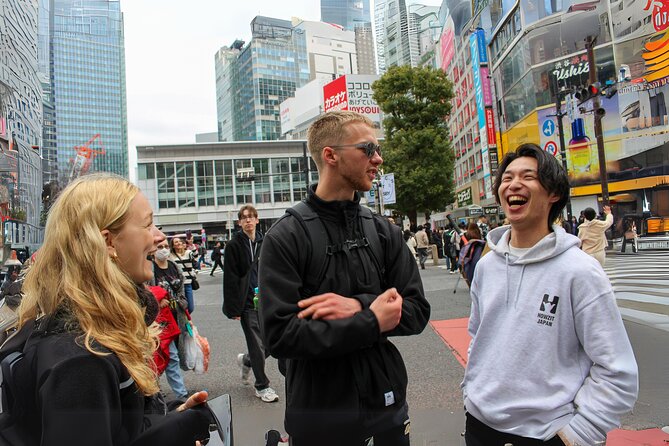
The central appeal here is flexibility. You do not spend half the tour waiting for a large group, visiting a shop you did not choose, or hearing a long speech about a place that does not interest you.
You can tell the guide what matters before you start. First-time visitors might want a quick orientation through Shibuya, Harajuku, and Meiji Shrine. A returning visitor might prefer Golden Gai, Omoide Yokocho, Tsukiji, or an evening in an izakaya district. Families can combine a temple, a market, and a neighborhood that appeals to teenagers.
The experience is private, so only your group participates. That matters in Tokyo, where crowded crossings, narrow market lanes, and busy station passages can make a fixed group tour feel slow. You can ask for a break, spend longer at a favorite stop, or move on when the energy drops.
The listed price is $105.71 per person. That is not a bargain for a short walk if you are traveling alone, but it can be fair for a family or small group sharing a private guide. You are paying for planning, local company, and the ability to adjust the route, not for entrance tickets or a vehicle.
Starting at Shibuya Crossing
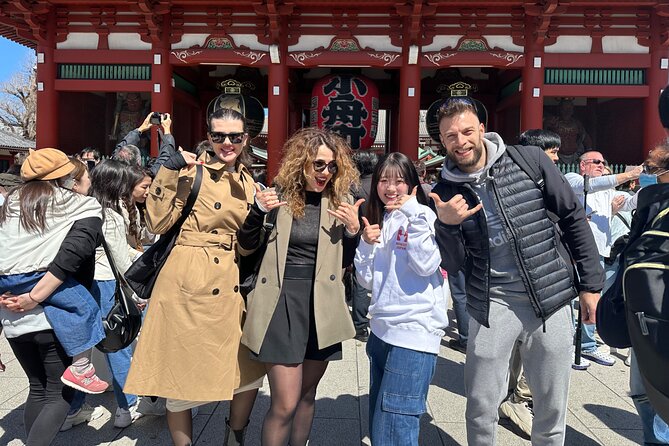
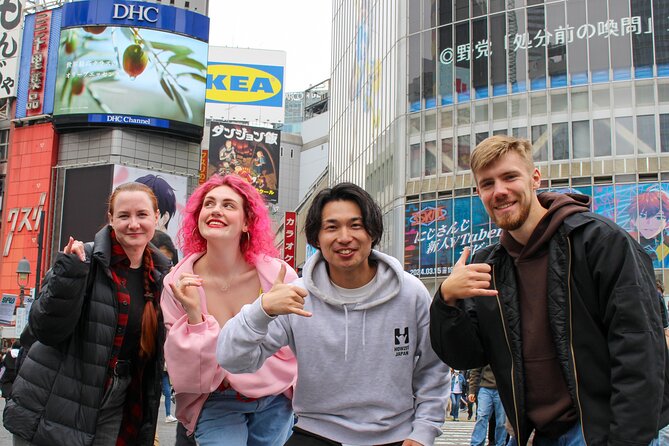
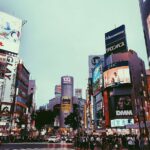
The standard meeting point is Shibuya Station at 2 Chome-24, Shibuya. This puts you beside one of Tokyo’s most recognizable scenes, the Shibuya Scramble Crossing.
Your guide can explain how to approach the crossing and help you take in the spectacle without making it the whole event. Shibuya is also useful for shopping and youth culture, so you can ask to spend time in the commercial streets if that fits your interests.
The listed visit is about 30 minutes, with no admission charge. That is a sensible amount of time for a first look, but you should not expect a detailed shopping session or a long neighborhood walk. If you want department stores, small boutiques, or food stops, say so early. A private tour works best when you are clear about priorities.
Other private tours in Tokyo


Yoyogi Park and Meiji Shrine
Yoyogi Park offers a change of pace after the hard glare and crowds of Shibuya. Its paths and open areas are suited to walking, picnicking, jogging, and cycling, and seasonal scenery gives the guide something different to point out throughout the year.
The nearby Meiji Shrine Imperial Garden provides the quieter cultural counterpoint. You walk through forested grounds toward a major Shinto shrine, with space for worship and a calm stroll. This is one of the strongest pairings in the proposed route: Yoyogi gives you open city park space, while Meiji Shrine shows how Tokyo protects a quiet religious setting in the middle of a huge urban area.
Each stop is planned for around 30 minutes. That is enough to get a feel for both places, though not enough for a slow garden visit or a careful look at every shrine detail. If Meiji Shrine is important to you, make it a main goal rather than one stop among many.
Takeshita Street and Harajuku’s Fast Pace
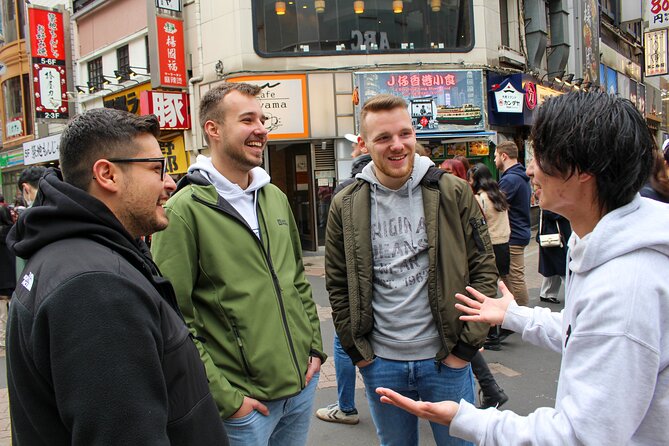
Takeshita Street is a short 15-minute stop on the suggested route, but it gives you a quick look at Harajuku’s youth fashion and pop culture. The lane is lined with fashion shops, cafes, and stores selling unusual products. Crepes and ice cream are part of the area’s appeal.
This stop is best for atmosphere and people-watching, not for serious shopping in such a short window. You can ask your guide to point out the parts that fit your interests, but the route cannot provide much time for browsing unless you cut another stop.
For families with teenagers, Takeshita Street can be a useful addition. For anyone who dislikes crowded retail streets, it may be better to skip it and give the extra time to Meiji Shrine, Shinjuku Gyoen, or a food market.
Shinjuku Gyoen’s Quiet Center
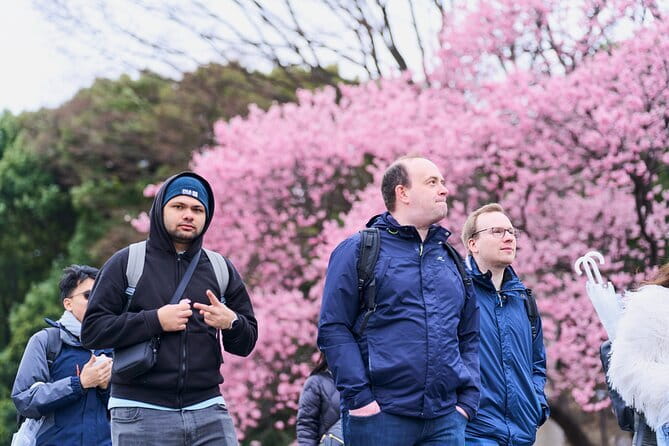
Shinjuku Gyoen National Garden is another peaceful pause in the city. Ponds, streams, and bridges give the garden a slower rhythm, while seasonal plants change the feel of the grounds during the year.
The suggested stop lasts 15 minutes and admission is not included in the tour price. That short visit is enough for a look, but you should check with the guide if you want to enter and spend more time walking inside. The experience description does not list an entrance fee, so keep in mind that any paid admission and personal spending are separate.
I would choose Shinjuku Gyoen if you want a break from shopping districts and stations. I would not combine it with every other stop on the list unless you are happy with quick glimpses rather than full visits.
Asakusa and Senso-ji Temple
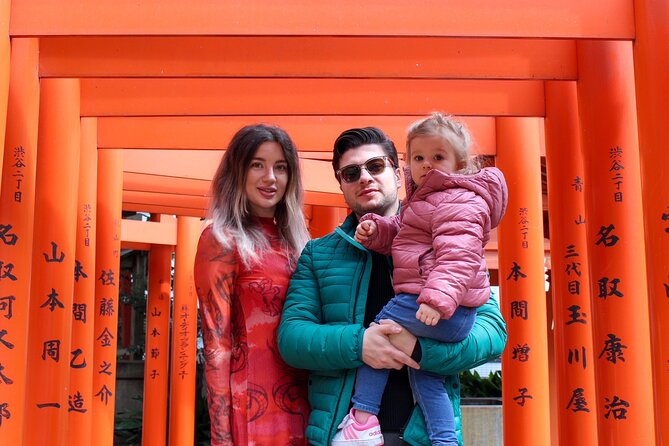
Senso-ji is one of Tokyo’s oldest and most traditional temples. The approach begins at the Thunder Gate and continues along a busy shopping path toward the temple grounds. You can draw a fortune slip and buy amulets, giving the visit a hands-on cultural element.
The proposed stop is only 15 minutes, so the guide will be helping you see the key areas rather than explaining every part of the complex. Asakusa deserves more time if you want to browse the approach, stop for snacks, or explore the surrounding streets.
Still, this is a good choice for a first visit to Tokyo. The temple offers a clear sense of traditional Japan, and a local guide can help you understand customs that are easy to miss when you are moving alone. If you have already seen Asakusa, you might use the private format for a less familiar neighborhood instead.

Ame Yoko and Ueno Park
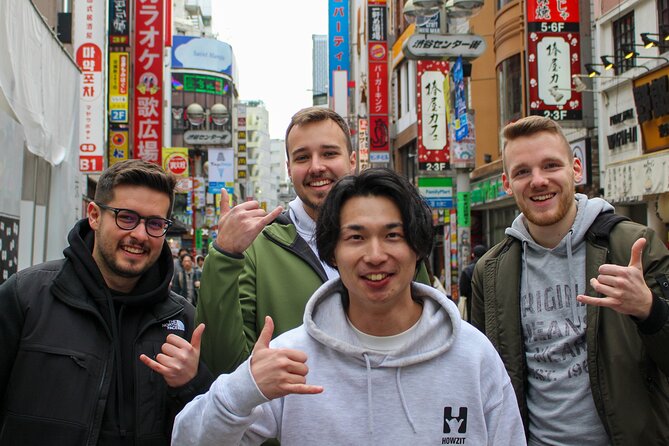
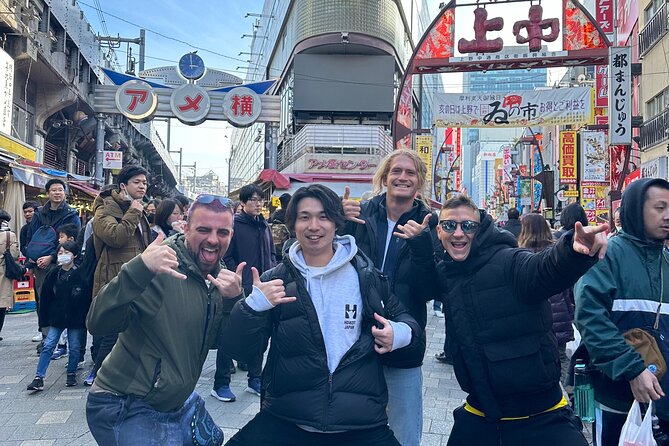
Ame Yoko Center Building and the nearby shopping street bring a different side of Tokyo. The area is known for stalls, small eateries, clothing, souvenirs, and casual food such as takoyaki, okonomiyaki, and skewers.
The suggested 15-minute stop is more of a sample than a meal. Food and drinks are not included, so you pay directly for anything you buy. You can also ask about lunch, but lunch for you and your guide is your responsibility, usually around 1,000 to 3,000 yen per person.
Ueno Park adds culture and open space. It has seasonal plants and cultural facilities including Ueno Zoo and Tokyo National Museum. At 15 minutes, the park visit will be brief. If museums or the zoo are your main reason for visiting Ueno, arrange a longer, more focused plan rather than trying to fit them into this short tour.
Akihabara for Electronics and Anime
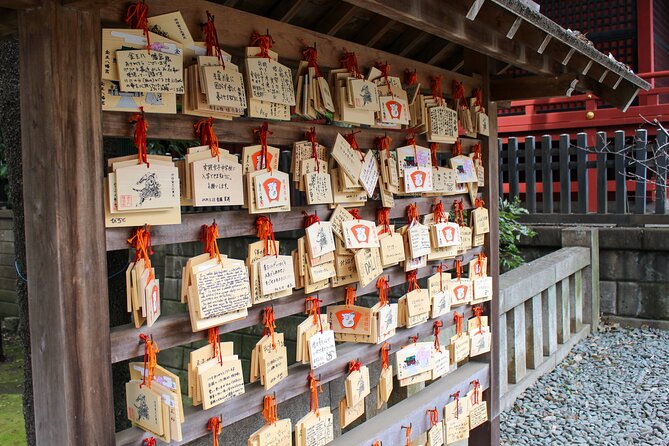
Akihabara is the clearest choice for fans of electronics, anime, and otaku culture. The central streets are lined with electronics shops and anime stores, creating an experience unlike the temple districts or garden paths.
The proposed visit takes 30 minutes, which is enough for a first look and some direction from your guide. It is not enough to compare products across several stores or hunt carefully for collectibles. Tell the guide if you have a particular interest, since the area can feel overwhelming when you do not know where to begin.
This stop also shows why a private guide can be useful. You can ask questions as you walk, learn which streets match your interests, and avoid spending your whole afternoon wandering without a plan.
Tsukiji Fish Market and Odaiba
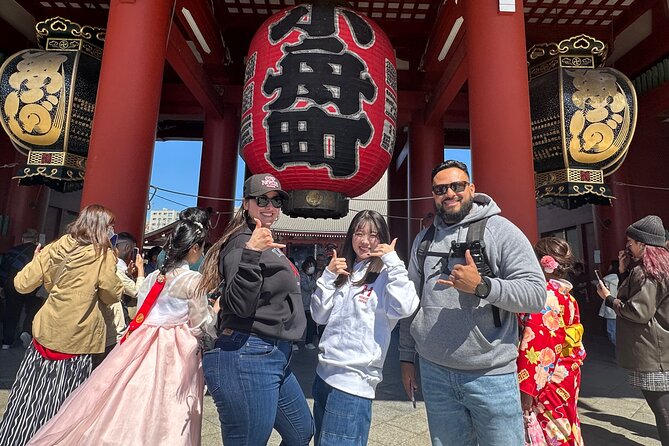
Tsukiji Fish Market is a strong pick for anyone who wants food and local shopping. The market has seafood restaurants, sushi options, ingredients, condiments, and souvenirs. Food is not included, but this is one place where buying a snack or arranging a meal can make the visit more satisfying.
The standard suggested time is 30 minutes. That gives you a taste of the market, not a leisurely food tour. If sushi or market eating is a major goal, ask for a route built around Tsukiji rather than adding it to a long list of quick stops.
Odaiba offers yet another mood. This futuristic island has shopping malls, entertainment facilities, Odaiba Seaside Park, and views toward Rainbow Bridge. The suggested stop is only 15 minutes, so you will mainly get a look at the waterfront setting. It may suit you if you want modern Tokyo and a change from temples and shopping streets, but it is less practical alongside many central Tokyo stops because public transport time also matters.
How the Walking and Transit Plan Works
This is mainly a walking tour, with some public transportation. A private vehicle is not normally used, and transportation fees are not included. That keeps the experience closer to daily Tokyo life, but it also means the route must respect station transfers, walking distances, crowds, weather, and your energy.
The many possible stops should not be treated as one fixed four-hour circuit. The listed times add up to far more than a short tour, even before transport. Think of them as a menu. A good guide will help you choose two or three connected areas.
For example, Shibuya, Yoyogi Park, Meiji Shrine, and Takeshita Street form a sensible cluster. Senso-ji, Ueno Park, and Ame Yoko also work well together. Akihabara can pair with Ueno, while Tsukiji and Odaiba can create a more modern waterfront and food-focused outing. Shinjuku Gyoen works best with Shinjuku rather than being squeezed between distant districts.
Wear shoes suited to walking and carry enough for train fares, food, and optional admissions. If you have a bad leg day, say so at the start. Ayumi has adjusted her pace for a guest with limited walking ability, which shows the practical value of having a private guide rather than joining a fixed-speed group.
Local Guides and the Human Side
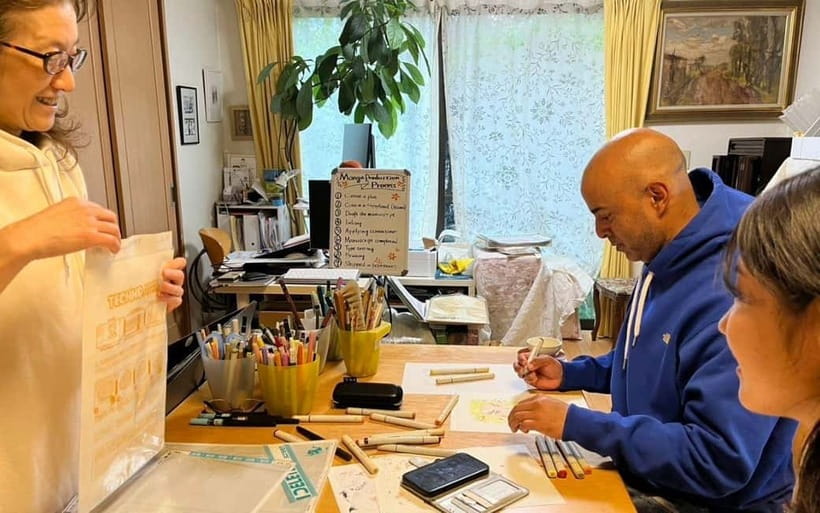
The company assigns local guides rather than giving you a standard recorded script. Yu has led relaxed, well-organized outings and has helped families combine very different wish lists. Yuki Shinke has worked as a local guide alongside Yu, while Ayumi has guided visits to Golden Gai and helped with slower walking.
Kanta has led a family outing that combined Tsukiji tastings, sushi and tempura lunch, Senso-ji, and matcha. Ikumi has guided an Asakusa visit, and Yohei has joined Yu for tours around Shinjuku and cultural conversations.
Guide availability is not guaranteed by name, so treat these examples as an indication of the company’s style rather than a promise. The important point is to share your interests before the meeting. Tell the guide your must-see place, your preferred pace, food needs, and any neighborhood you want to understand better.
Who Gets the Best Value
This experience fits first-time visitors who want help getting their bearings fast without committing to a large sightseeing group. It also works well for families, especially when parents and teenagers have different priorities.
You should consider it if you want:
- A private guide for your group only
- A flexible route rather than a fixed sequence
- Help with Tokyo’s large stations and public transport
- Local food, markets, shrines, and neighborhood culture
- A slower pace or adjustments for your group
- A short introduction before exploring independently
It is less suitable if you want a full-day sightseeing program, a dedicated food tour with meals included, or a vehicle-based tour. The price does not cover transportation, food, drinks, lunch, or hotel drop-off. Confirmation arrives within 48 hours, subject to availability, and free cancellation is available up to 24 hours before the start time. Poor weather can lead to a new date or full refund.
Should You Book Chill Out in Tokyo?
Book it if you value personal attention more than a long list of included sights. At $105.71 per person, the strongest value comes when your group shares the guide and uses the time to solve a real problem, such as choosing the right neighborhoods, managing mixed interests, or feeling comfortable in a market or nightlife district.
Before booking, decide on two main goals and one backup. If you want Shibuya, Meiji Shrine, and Harajuku, say that clearly. If you want Tsukiji food, Asakusa, or Akihabara, build the outing around that instead of trying to see everything.
You get the most from this tour when you see it as a private Tokyo orientation, not a checklist. It gives you a local companion, useful context, and a route shaped to your day. For a first taste of the city, that can be worth far more than racing through 11 stops.
FAQ
How long does the private Tokyo tour last?
The tour lasts approximately 2 to 4 hours. The possible stops are much more numerous than can fit into that period, so you should choose a focused route with your guide.
Where does the tour start?
The standard meeting point is Shibuya Station at 2 Chome-24, Shibuya, Tokyo 150-0002, Japan. An alternative meeting location can be arranged.
Does the guide pick me up at my hotel?
Pickup is offered, and you can arrange to meet at a desired location. Hotel drop-off is not included.
Is transportation included?
No. The tour uses walking and some public transportation, and transportation fees are paid separately. A private vehicle is not typically used.
Are food, drinks, and lunch included?
No. Food and drinks are not included. If you have lunch with your guide, lunch for both of you is your responsibility, usually around 1,000 to 3,000 yen per person.
Can I cancel for a full refund?
Yes. You can cancel at least 24 hours before the experience start time for a full refund. If poor weather causes the tour to be canceled, you will be offered another date or a full refund.
More Private Tours in Tokyo

More tours in Tokyo we've reviewed
Private, compared.
 ★ 5.0Tokyo 6hr Private Tour with Government-Licensed GuideFrom $155
 ★ 5.0Private Tour to Mt. Fuji and Hakone (Fully Licenced Operator)From $497
 ★ 5.0Tokyo Customized Private Tour (Must See Places in 1 Day)From $145
 ★ 4.8Tokyo: Private City Highlights Tour with Local GuideFrom $1064 - 8 hours
 ★ 5.0Private Custom Tour: Tokyo in a DayFrom $159
 ★ 5.0Tokyo 4hr Private Tour with Government-Licensed GuideFrom $109