Reviewed · SHIBUYA TOURS
Tokyo Shibuya and Harajuku Walking Tour With A Guide
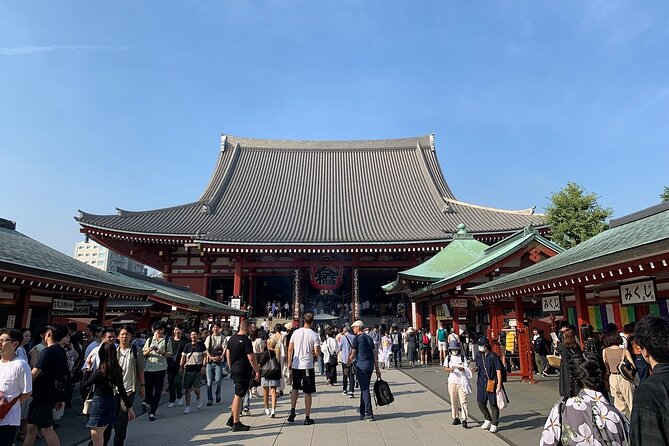
Tokyo’s famous Shibuya Scramble Crossing is only the beginning of this three-hour walk. You move from Hachiko and youth fashion in Shibuya to Takeshita Street, Ura-Hara’s back lanes, polished Omotesando, and the calm grounds of Meiji Shrine.
In This Article
- Key points to know before you book
- Why this Shibuya and Harajuku walk works
- Starting near Shibuya Station and meeting Hachiko
- Crossing Shibuya Scramble and entering Center-gai
- Shibuya 109 and Tokyo’s fashion scene
- Harajuku Station and Takeshita Street
- Ura-Hara, the quieter side of Harajuku
- Omotesando’s polished change of pace
- Meiji Shrine and a quieter finish
- Guides, group size, and the value of local advice
- Walking demands and practical limits
- Who should book this walk?
- Final decision: a useful first-day orientation
- FAQ
- How long does the Tokyo Shibuya and Harajuku Walking Tour last?
- Where does the tour start?
- Where does the tour end?
- What languages can the guide speak?
- Is this a private tour or a group tour?
- Are food, drinks, transport, and monument entry included?
I like two things here: the route covers very different sides of modern Tokyo, and the guide can adjust the walk to suit your interests. Guides such as Riccardo, Sébastien, Francine, Timothy, Joe, and Jenny have been praised for sharing practical local advice, personal experience, and quieter streets beyond the main sights. The drawback is simple: this is a walking tour with a lot of ground to cover, and food, drinks, transport, and paid entries cost extra.
Key points to know before you book
- Nine stops in three hours: You see Shibuya and Harajuku in one tightly packed route.
- The guide shapes the experience: The tour can be customized around fashion, food, culture, shopping, or general sightseeing.
- A useful mix of famous and quieter streets: The plan includes Hachiko, Shibuya 109, Takeshita Street, Ura-Hara, Omotesando, and Meiji Shrine.
- Several languages are available: Guides may speak English, Spanish, French, or Italian.
- Expect plenty of walking: Public transport is not included, and any train or subway cost is yours.
- Best for a first look at modern Tokyo: It gives you a practical sense of how Shibuya and Harajuku fit together.
Why this Shibuya and Harajuku walk works
For a first visit to Tokyo, Shibuya and Harajuku can feel like two different cities. Shibuya is full of giant screens, department stores, nightlife, and crowds moving in every direction. Harajuku brings youth fashion, snack shops, narrow lanes, designer stores, and the wooded grounds of Meiji Shrine.
This tour puts those contrasts into one route. You are not simply taken to a photo stop and sent away. A good guide helps explain what you are seeing, points out how people use the area, and shows you which streets are worth your time after the tour ends.
The personal guide element is the main reason to consider it. Francine is praised for adjusting the route and offering tips for the rest of a Tokyo visit. Joe is described as covering both the noisy main streets and quieter back roads at a reasonable pace. Jenny also adjusted the walk to match what her group wanted to see.
That flexibility matters because the published route is broad. You cannot explore every shop, shrine path, café, and side street in three hours. A tailored route lets you spend more time on the parts that matter to you and less time on places you would otherwise pass through without interest.
The tour costs $48.21 per person. That is fair value if you want orientation, cultural context, and a ready-made route without figuring out Tokyo’s transport system on your own. It is less attractive if you only want to cross Shibuya, take a few photos, and browse shops independently.
A few more Tokyo tours and experiences worth a look


Starting near Shibuya Station and meeting Hachiko
The stated meeting point is 24-2 Sakuragaokachō, Shibuya, Tokyo 150-0031. The route begins around the Tokyu Tokyo Metro Shibuya Station Tourist Center, a practical place to start because it puts you close to the district’s main transport hub.
The opening section gives you time to get your bearings around Shibuya Station. You can expect roughly 20 minutes in this area, with the guide explaining the nearby shops, eateries, station activity, and famous pedestrian crossing.
Shibuya Station is not a quiet place to meet. It is large and busy, so check the exact meeting instructions before setting out. A mobile ticket is provided, and the activity is near public transportation, but you should still allow enough time to find the correct spot.
From there, you visit the Hachiko Statue. The bronze Akita is tied to one of Tokyo’s best-known stories of loyalty and is now one of Shibuya’s most popular meeting points. The stop is free and usually brief, but it gives the tour a human detail before the larger commercial sights take over.
I like this start because it connects the district to a local story rather than opening with a shopping center. Hachiko is also a useful landmark for independent exploring later in your trip.
Crossing Shibuya Scramble and entering Center-gai
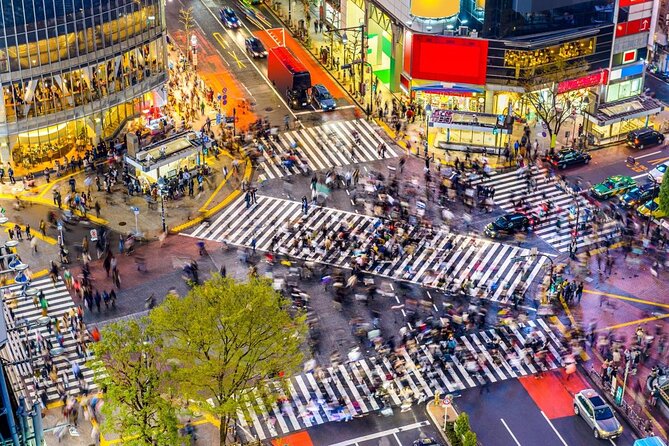
The central Shibuya stop is the famous scramble crossing. When the signals change, people move across the intersection from several directions at once. It is a quick experience, but the view from the edges can be just as interesting as the crossing itself.
A guide helps you handle the moment without wasting time deciding where to stand or how to reach the next stop. You should expect crowds, noise, and frequent pauses for photos. Keep your group together, especially during busy periods.
Next comes Shibuya Center-gai, a pedestrian street lined with shops, cafés, and places to eat. This is one of the clearest places to see the district’s youth culture. It is also where the tour may feel most commercial and crowded, so do not expect a calm stroll.
The value here is interpretation. Tokyo’s shop signs and street design can be exciting but confusing when you first arrive. Your guide can point out what is worth noticing and help you decide which areas deserve a return visit.
Shibuya 109 and Tokyo’s fashion scene
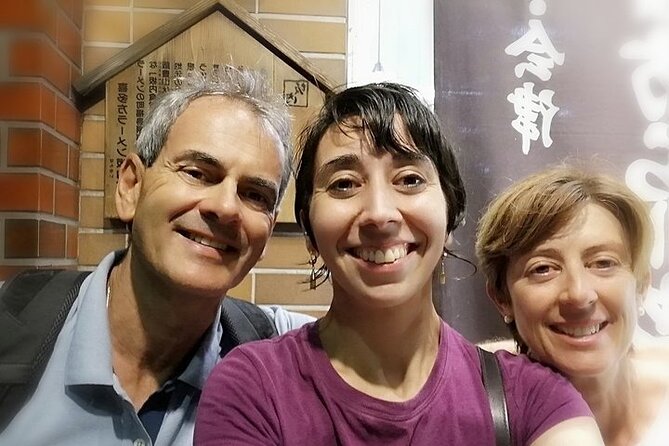
Shibuya 109 is a landmark department store aimed mainly at young women. Its boutiques are known for fast-changing, trend-led fashion, making it a useful stop if clothing and street style are part of your reason for visiting Tokyo.
This is not a museum visit, and entry to monuments or museums is not included. The tour is a city walk, so the guide may explain the role of Shibuya 109 and show you the district around it rather than lead a full shopping session inside every store.
That distinction is important. If you want time to try on clothes or buy accessories, plan to return after the tour. Three hours moves quickly, and a group walk cannot give every shop the attention it deserves.
Still, the stop gives fashion-focused visitors a strong starting point. The guide can add context about local styles and suggest areas that fit your interests. The experience is especially useful if you are unsure how Shibuya’s fashion scene differs from Harajuku’s.
Harajuku Station and Takeshita Street
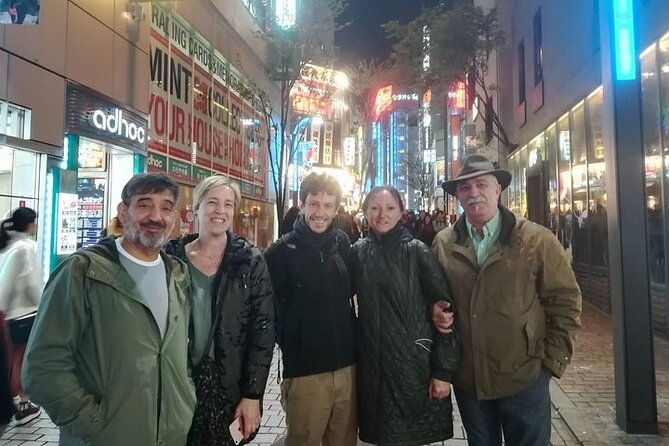
The route then shifts toward Harajuku Station and Takeshita Street. Harajuku is known for youth culture, colorful street fashion, quirky shops, accessories, snacks, and novelty items.
Takeshita Street is a pedestrian thoroughfare, but it can feel packed and intense. You will pass shopfronts and food stalls while people stop to browse or take pictures. It is excellent for people-watching, but not ideal if you dislike crowds or want a slow, quiet shopping walk.
I like this section because it shows Tokyo’s playful side. Shibuya often feels polished and high-energy, while Takeshita Street is more eccentric and youthful. The guide can help you see beyond the visual noise and explain which parts of Harajuku match your tastes.
Do not count on a full meal during the tour. Food and drinks are not included, and the schedule allows about 20 minutes at each named stop. If a particular snack or café matters to you, tell the guide early and ask how it can fit into the route.
Other walking tours we've reviewed in Tokyo



Ura-Hara, the quieter side of Harajuku
One of the most useful parts of the walk is Urban Harajuku, also known as Ura-Hara or the backstreets of Harajuku. This area is associated with independent boutiques, alternative fashion, and streetwear.
The contrast with Takeshita Street is the point. Instead of one main pedestrian lane packed with shops and crowds, you get a chance to see a less obvious side of the neighborhood. The streets may suit you better if you want small stores and a more local-feeling pace.
The guide’s role matters most here. Without help, you could walk past an interesting lane or spend too long looking at shops that do not match your style. Several guides have been praised for taking people to places they would not have found alone, and this is the part of the route where that service has the clearest value.
If fashion is not your main interest, ask for a balance. The tour can be customized, so you may be able to spend less time on boutiques and more time on food, architecture, daily life, or shrine grounds.
Omotesando’s polished change of pace
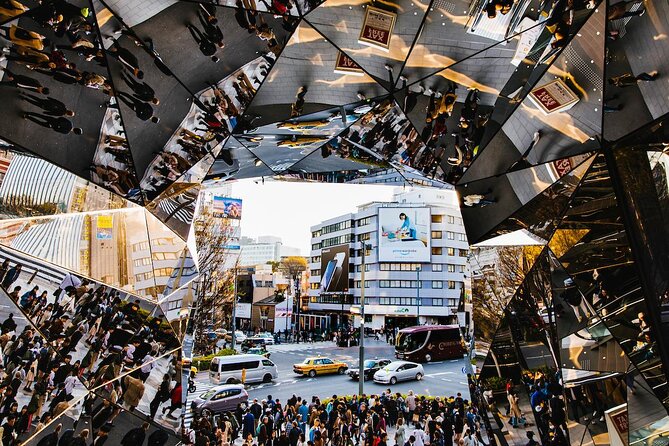
Omotesando provides another sharp contrast. The avenue is known for luxury boutiques, designer flagship stores, modern buildings, and cafés. Compared with Takeshita Street, it feels more restrained and upscale.
You do not need to be shopping for luxury goods to enjoy this stop. The modern architecture and wide avenue help show another side of Tokyo’s style culture. It is also a useful area for a later independent walk if you want cafés or high-end stores.
Again, the 20-minute schedule means you are getting an introduction, not a detailed shopping tour. If you want to enter several stores, ask your guide to shorten another stop or plan extra time afterward.
The three fashion areas work well together: Shibuya 109 shows youth-oriented department-store style, Takeshita Street brings playful street culture, and Omotesando offers designer retail and modern architecture. Ura-Hara fills in the alternative middle ground.
Meiji Shrine and a quieter finish
The final listed stop is the Meiji Shrine Imperial Garden area, home to Meiji Shrine. The shrine is dedicated to Emperor Meiji and Empress Shoken and sits within a large forested setting in Shibuya.
After the signs, shopping, and crowds of the earlier stops, this is a welcome change of pace. You can see an important Shinto site and get a clearer sense of Tokyo’s spiritual side without leaving the central city.
The tour does not include entry to paid monuments or museums, but Meiji Shrine itself is included as an outdoor sightseeing stop in the walking route. The wording of the experience makes clear that you are touring the city rather than receiving an inside visit to every monument.
With only three hours, the shrine portion may feel short if you want a slow walk through the grounds. If Meiji Shrine is your priority, mention it when booking or at the start. The route is customizable, but time remains limited.
Finishing near the shrine also gives the whole walk a sensible shape. You begin with the city’s screens and crowds, pass through fashion districts, and end in a quieter cultural setting.
Guides, group size, and the value of local advice
The experience is offered as a private or small-group tour, and the private activity means only your own group participates. The group option requires at least two participants, so check the format that applies to your booking.
The strongest part of the feedback is the guides’ ability to adjust the walk and explain everyday life in Japan. Riccardo is praised for covering major sights and less obvious stops in three hours. Sébastien is described as warm and generous with his knowledge. Sergio, who has lived in Japan for more than 10 years, shared local experience despite not being Japanese.
That mix can be useful. You are not limited to dates and facts. You can ask about customs, neighborhoods, shopping, food, and practical plans for the rest of your trip. The guide may also suggest places to eat and visit after the walk, though meals themselves are not part of the price.
The guide’s language options are English, Spanish, French, and Italian. If language is important to you, select the right option when booking rather than assuming it will be available on the day.
Walking demands and practical limits
The advertised duration is about three hours, with nine named stops listed at roughly 20 minutes each. That leaves little spare time once walking between neighborhoods and station areas is included.
You should wear comfortable shoes and expect a steady urban walk. The route is near public transportation, but transport costs are not included. You may choose to use a train or subway during the tour, and that expense is yours.
Most people can participate, but the tour is not described as a low-mobility or vehicle-based experience. Crowded streets, station areas, and pedestrian crossings are part of the setting. If you need a slower pace, tell the guide in advance so the route can be adjusted where possible.
The walk is best early in a Tokyo stay. It helps you understand the layout of Shibuya and Harajuku, then gives you ideas for returning on your own. You can also book it later if shopping is your main goal and you want a guide to point out areas that suit your style.
Who should book this walk?
I would choose this tour if you are visiting Tokyo for the first time, want a clear introduction to Shibuya and Harajuku, or prefer having a person connect the sights instead of following a map.
It is also a good match for fashion fans. The combination of Shibuya 109, Takeshita Street, Ura-Hara, and Omotesando gives you four different views of Tokyo style in one outing.
Families, couples, and small private groups can benefit from the custom route. The tour is also a practical choice if you want to ask questions about Japanese culture and daily life while you walk.
I would hesitate if you dislike city crowds, want a slow shrine visit, or prefer spending a long time inside shops. The price does not include food, drinks, transport, or paid attractions, and the packed schedule means this is an introduction rather than an exhaustive visit.
At $48.21 per person, I see the best value in the guide’s time and local direction. You are paying to make sense of a large, fast-moving part of Tokyo and to find streets you might miss alone.
Final decision: a useful first-day orientation
Book this walk if you want a well-organized first look at modern Tokyo, especially with a private group or a clear interest in fashion, local culture, and neighborhood contrasts.
The tour earns its place through its range: Hachiko, Shibuya Scramble, Center-gai, Shibuya 109, Takeshita Street, Ura-Hara, Omotesando, and Meiji Shrine are a lot to cover in three hours. Just plan for plenty of walking, treat the route as an introduction, and tell the guide what you care about before the clock starts.
The experience can be canceled up to 24 hours in advance for a full refund, which gives you some useful flexibility when arranging a busy Tokyo schedule.
FAQ
How long does the Tokyo Shibuya and Harajuku Walking Tour last?
The tour lasts approximately three hours.
Where does the tour start?
The stated meeting point is 24-2 Sakuragaokachō, Shibuya, Tokyo 150-0031, Japan. The route begins around the Tokyu Tokyo Metro Shibuya Station Tourist Center.
Where does the tour end?
The activity ends back at the meeting point.
What languages can the guide speak?
The tour offers in-person guides who speak English, Spanish, French, or Italian.
Is this a private tour or a group tour?
A private or small-group option is available. The group option requires at least two participants, and the private activity is limited to your own group.
Are food, drinks, transport, and monument entry included?
No. Food, drinks, monument and museum entry, and transportation are not included. Any public transport used during the tour is at your own expense.
More Guided Tours in Tokyo


More Walking Tours in Tokyo
More Shibuya Tours in Tokyo


More tours in Tokyo we've reviewed












Shibuya Tours, compared.
 ★ 5.0Official Street Go-Kart in ShibuyaFrom $76
 ★ 5.0Shibuya Meltdown Nightlife Tour: All-You-Can-Drink Bar HoppingFrom $106
 ★ 4.9Tokyo: Street Kart Experience in ShibuyaFrom $99
 ★ 5.0Shibuya Official Street Go-Kart in Shibuya AnnexFrom $69
 ★ 5.0Tokyo: Shibuya Food Tour (13 dishes and 4 Eateries)From $77
 ★ 5.0Best of Shibuya Food TourFrom $217