Reviewed · TOURS
Sailor Moon Tour in Azabujuban, Tokyo
Azabujuban is not a theme park version of Sailor Moon. It is a real Tokyo neighborhood where ordinary streets, shops, temples, bridges, and manhole covers connect with places seen in the manga and anime. This tour makes those links easy to spot, using images from the original 1990s series and Sailor Moon Crystal to help you match fiction with the streets in front of you.
In This Article
- Key points at a glance
- Why Azabujuban makes a better Sailor Moon setting than a merchandise shop
- Meeting the tour at Azabujuban Station
- Following the streets that became Sailor Moon scenes
- Taiyaki, a small snack with a big role
- The kaleidoscope shop and Azabujuban’s creative side
- Two possible endings: tarot or a traditional izakaya
- What Ellen adds to the experience
- Is $77 good value for a Tokyo walking tour?
- Walking needs and practical comfort
- Who will enjoy this most?
- My call: book it for the place, not just the character
- FAQ
- Where does the Sailor Moon Tour start?
- Where does the tour finish?
- Who leads the tour?
- What language is the tour offered in?
- Is food included?
- What treat will I try?
- Is a full meal included?
- Can I receive a tarot reading?
- Is the tour wheelchair accessible?
- What should I bring?
- How much does the tour cost?
- Can I cancel for a full refund?
I like two things especially: the side-by-side scene recreations make the connection clear, and the tour adds local food and neighborhood history instead of treating Azabujuban as a single fandom photo stop. The taiyaki snack and the final drink or meal give the walk a pleasant rhythm.
The main consideration is that you need to be comfortable walking through city streets, and the tour is not suitable for wheelchair users. The Sailor Moon references will mean most to fans, but the neighborhood tour still has value if you know little about the series.
Key points at a glance

- Real anime locations in Azabujuban: Match familiar Sailor Moon settings with the actual streets and buildings that inspired them.
- Ellen leads the walk: The English-speaking guide brings printed images from both the original anime and Sailor Moon Crystal.
- Taiyaki is part of the story: Try this classic Japanese fish-shaped cake, a treat linked with Sailor Moon.
- A kaleidoscope shop adds a visual stop: This pretty local store gives the tour another connection to art and the series.
- Choose a magical finish: End with a drink and tarot reading at a fortune-telling bar, or food and Sailor Moon at a local izakaya.
- A small-group feel: The experience can work well for solo participants, pairs, families, and small groups of fans.
Why Azabujuban makes a better Sailor Moon setting than a merchandise shop

Many pop-culture activities in Tokyo focus on buying goods, taking a few pictures, and moving on. This one asks you to look at the city itself. Azabujuban becomes the point of interest, with Sailor Moon providing the guidebook.
That matters because Naoko Takeuchi’s fictional world was shaped by recognizable places rather than a sealed-off fantasy set. As you walk, Ellen points out streets and views that inspired parts of the manga and anime. You can then compare the present-day scene with printed images from the series.
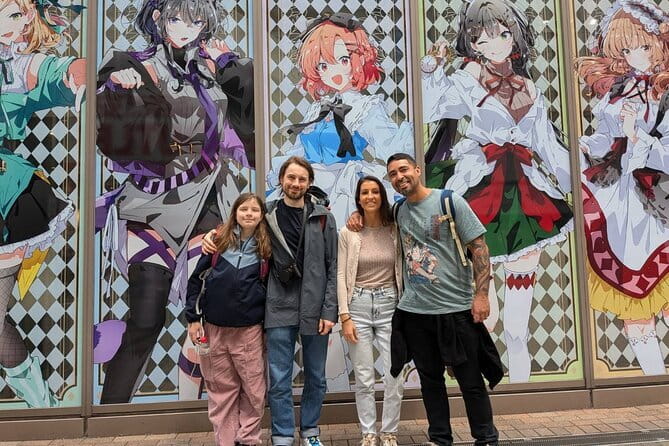
The effect is strongest when you already know the show. A background view that once seemed like a passing detail can become a real place with a name, a route, and a story. You may also get to pose in ways that match the characters in the reference pictures, which is useful if you want more than a standard sightseeing photo.
If you are new to Sailor Moon, do not expect a long explanation of every character or plot point. The tour is built around locations, local culture, and the connection between Takeuchi’s drawings and Azabujuban. You can enjoy that idea without being able to identify every Sailor Guardian.
If you're still narrowing it down, here are other tours in Tokyo we've reviewed.


Meeting the tour at Azabujuban Station
The starting point is simple: meet in front of Azabujuban Station at Exit 4, outside Oslo Coffee. Look for the red Japan Hopping sign. This is a useful detail in a city where station exits can lead you onto very different streets, so leave enough time to reach the correct exit.
The first Sailor Moon-related sight is close to the meeting area. A Sailor Moon manhole cover helps set the tone right away. It is a small detail, but it gives you an immediate photo opportunity and shows how the neighborhood’s connection with the series appears in public space.
The activity returns to the same meeting point at the end. That makes your onward plans easier, especially if you want to continue exploring Azabujuban or return to the station. Contact the provider if you have trouble finding the cafe and sign.
Following the streets that became Sailor Moon scenes

The central part of the experience is a walking route through Azabujuban. Ellen uses images from the 1990s anime and Sailor Moon Crystal to show the similarities between the animated scenes and the streets around you.
This visual comparison is the tour’s most useful feature. Without it, you might walk past a building or street corner and see only another Tokyo view. With it, you can check the angles, details, and shapes that link the real place to the artwork.
Expect the walk to include more than famous points. Some stops are local businesses or ordinary views that carry meaning because of how they were used in the series. That gives the outing a sense of discovery, but it also means you should not expect every stop to look exactly as it did in the anime. Tokyo changes, shops change, and an illustrated setting is never a perfect photograph.
Ellen also shares information about Azabujuban’s history and culture. This keeps the experience from becoming a simple checklist of anime references. You learn why the neighborhood matters as a place in its own right, then see how those real surroundings fed into Sailor Moon.
That balance is important. I would choose this tour over a merchandise-only activity if I wanted to understand the place behind the fiction. You are not just collecting branded images. You are seeing how a creator could turn familiar streets, local traditions, and everyday buildings into a fictional home.
Taiyaki, a small snack with a big role

One included stop is a local Japanese treat, specifically taiyaki. This fish-shaped cake is usually filled with sweet filling, and here it connects directly with the Sailor Moon world.
The snack gives the walk a welcome pause. You are tasting something associated with the series rather than simply hearing about it. It also adds a bit of ordinary Tokyo life to the outing, which suits a tour based on real neighborhoods.
One portion is included in the $77 price. Additional food and drinks are not included, so bring money if you want more snacks or a larger meal later. The exact filling or shop selection is not specified, so it is best to treat the taiyaki as a planned tasting rather than expect a particular flavor.
For families, this can be one of the easiest parts of the experience to enjoy. Children who are less interested in the historical explanations still have a recognizable treat and a chance to keep moving through the neighborhood.
The kaleidoscope shop and Azabujuban’s creative side

The route includes a stop at a kaleidoscope store. It is described as a particularly pretty place, and it adds color and visual interest to a tour already concerned with drawings, backgrounds, and visual details.
This is a good example of how the activity broadens its subject. You are not only seeing locations directly tied to a scene. You are also looking at the kind of art and local shop culture that helps make Azabujuban feel like more than a backdrop.
The shop may be especially appealing if you enjoy design, small crafts, or unusual souvenirs. Purchases are your responsibility, so take a look without assuming anything bought there is part of the tour price. The important point is the visit itself and its connection to the neighborhood’s artistic character.
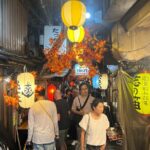


Two possible endings: tarot or a traditional izakaya

The final stop gives the tour its strongest choice. Depending on the arrangement, you finish at a fortune-telling bar with the option of a tarot reading, or at a local Japanese izakaya.
At the tarot-themed cafe or fortune-telling bar, one food or drink is included, and you may have the chance to receive a tarot reading. This suits the mystical side of Sailor Moon and gives the day a more unusual ending than a standard cafe stop. It also creates time to sit down after the walk and talk about the places you have seen.
The izakaya option offers a different mood. One food or drink is included at the restaurant stop, and the setting may include watching Sailor Moon while eating dishes prepared by the local grandmother of Juban. That combination of Japanese comfort food, a traditional restaurant atmosphere, and the series on screen sounds particularly fitting for fans who want the experience to finish with a shared meal.
Because the ending can vary, check the available arrangement when booking if one option matters to you. Do not assume both the tarot bar and izakaya are included in one outing. The supplied details describe them as alternative final stops.
Additional food and drink cost extra. The included item is enough to give you a taste, but you should budget more if you want a full dinner or several drinks.
What Ellen adds to the experience

Ellen is the named guide, and her role appears central to the quality of the walk. She combines enthusiasm for Sailor Moon with information about Azabujuban, which is the right mix for this subject.
A fan guide can make a major difference here. The locations are not always self-explanatory, and a casual walk through the area may not reveal why a particular street or view matters. Ellen’s printed comparison images give you a clear reference point, while her local knowledge supplies the context around it.
The guide also seems comfortable with different kinds of groups. The experience can suit dedicated fans who want to discuss the series in detail, parents visiting with a child, and solo participants who would rather have a friendly person explain the area than navigate it alone.
If you are shy about taking character-style photos, Ellen can help make that less awkward. Recreating poses from the reference images turns the stops into an activity rather than a lecture. You still control how much you participate, but the option is there.
Is $77 good value for a Tokyo walking tour?

At $77 per person, this is not the cheapest way to walk around Azabujuban. You could explore the neighborhood independently for far less, and the manhole cover and public streets do not require an admission ticket.
The value comes from the interpretation. You are paying for an English-language guide, a planned route, the anime comparison material, a local treat, and one food or drink at the final stop. You also avoid the work of finding the relevant locations and working out how each one connects to Sailor Moon.
For a committed fan, that package is easier to justify. The printed images and real-world scene matching are the parts you cannot reproduce as easily with a basic neighborhood map. The chance to talk Sailor Moon with a guide who shares the interest adds value too.
For someone with no connection to the series, the price is harder to assess. You are still receiving a guided walk through Azabujuban, local history, taiyaki, and a restaurant or bar stop, but the tour’s special appeal comes from the anime links. I would book it for the setting and storytelling only if those subjects genuinely interest you.
The included food is modest, so do not view the price as a full dining experience. Think of it as a themed walking tour with refreshments, not a food tour.
Walking needs and practical comfort

Comfortable shoes are the main thing to bring. The route takes you through city streets, and the activity is not suitable for wheelchair users. No tour duration is provided, so do not schedule a tight appointment immediately afterward.
Wear shoes you can walk in without fuss, especially if you plan to take photos at several stops. Azabujuban is best enjoyed at a relaxed pace, and stopping to compare scenes or take pictures can make the route feel longer than a direct walk between stations.
The meeting point and ending point are the same, which helps with planning. English is the listed tour language. You can reserve now and pay later, and cancellation is available up to 24 hours in advance for a full refund.
The group size is not specified. That means you should not book on the assumption that it will be private or limited to a particular number of people. The experience can still feel personal, especially when the group is small, but ask Japan Hopping if group size is important to you.
Who will enjoy this most?
I would put this near the top of the list for Sailor Moon fans visiting Tokyo, especially anyone who wants to see where the series draws its sense of place. It is also a good choice for parents and children, couples, and solo fans who want company while exploring.
You do not need to have seen every episode. The pictures and real locations give newcomers a way into the subject. Still, the more familiar you are with the original series or Sailor Moon Crystal, the more details you will recognize.
The tour is less suited to anyone looking for a fast, conventional sightseeing route. Stops are chosen for their connection to the series and local culture, not for a grand list of Tokyo landmarks. It also may not satisfy someone who wants extensive shopping for official merchandise.
Fans who enjoy taking photos should bring a phone or camera. The side-by-side image approach is made for recreating scenes, and Azabujuban supplies the real setting.
My call: book it for the place, not just the character
Book this tour if Sailor Moon means something to you and you want to see the real streets behind the drawings. Ellen’s scene comparisons, the taiyaki, the kaleidoscope shop, and the choice of a tarot bar or izakaya create a fuller experience than a simple photo walk.
I would also recommend it to curious visitors who enjoy neighborhood stories and local food, even if they are not serious fans. Just keep your expectations clear: this is a walking tour through Azabujuban with Sailor Moon as its thread, not a large attraction packed with costumes, rides, or merchandise.
At $77, the best value comes from the guide’s interpretation and the carefully chosen local stops. If you want to understand how fantasy grew out of a real Tokyo neighborhood, this is a distinctive way to spend part of your day.
FAQ
Where does the Sailor Moon Tour start?
Meet in front of Azabujuban Station at Exit 4, outside Oslo Coffee. The guide will be holding a red Japan Hopping sign.
Where does the tour finish?
The activity ends back at the meeting point near Azabujuban Station.
Who leads the tour?
The named guide is Ellen, an English-speaking guide with a strong interest in Sailor Moon and Azabujuban.
What language is the tour offered in?
The tour is offered in English.
Is food included?
Yes. One local Japanese treat is included, along with one food or drink at the final restaurant stop.
What treat will I try?
The tour includes taiyaki, a Japanese fish-shaped cake connected with Sailor Moon.
Is a full meal included?
No. One food or drink is included at the restaurant stop. Additional food and drinks cost extra.
Can I receive a tarot reading?
The final stop may be a fortune-telling bar where you can get a tarot reading. The other possible ending is a local Japanese izakaya, so the exact option may vary.
Is the tour wheelchair accessible?
No. The activity is not suitable for wheelchair users.
What should I bring?
Bring comfortable shoes for walking through Azabujuban.
How much does the tour cost?
The listed price is $77 per person.
Can I cancel for a full refund?
Yes. You can cancel up to 24 hours before the activity for a full refund.
More tours in Tokyo we've reviewed












Tours, compared.
 ★ 5.0Mt Fuji and Hakone 1-Day Bus Tour Return by Bullet TrainFrom $163
 ★ 5.01-Day Tokyo Bus TourFrom $129
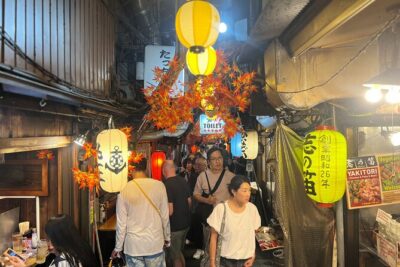 ★ 5.0Tokyo: Shinjuku Food Tour (13 Dishes at 4 Local Eateries)From $86
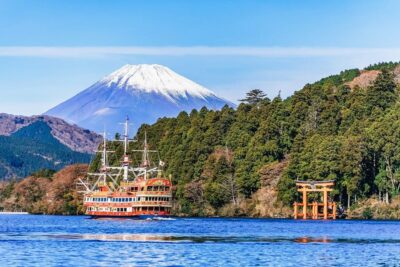 ★ 4.4Tokyo Mt Fuji 5th St & Hakone Cruise Bus Tour w/Bullet TrainFrom $15410 hours
 ★ 5.0Flagship 2-Hours Official Street Go-Kart Tour – Tokyo Bay ShopFrom $642 hours to 2 hours 30 minutes (approx.)
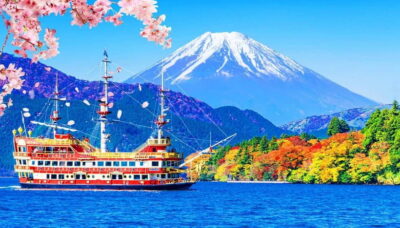 ★ 4.7Tokyo: Mt. Fuji Tour, Hakone Ropeway, Owakudani, Lake AshiFrom $5410 hours