Reviewed · TEA CEREMONY & MATCHA
Tea ceremony experience in Japanese-style room 60min
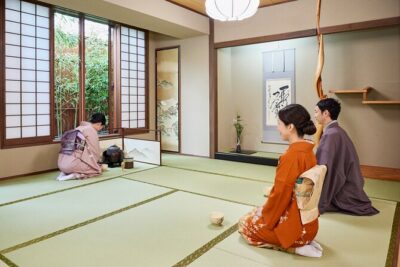
A tea ceremony at Wasako gives you more than a cup of matcha. You sit in a traditional Japanese-style room, choose a bowl with its own design, watch tea master Ryouko prepare the tea, then whisk your own. The setting is part of the experience, with scrolls, furnishings, sweets, and careful movements all explained along the way.
In This Article
- Key points to know before booking
- Entering the Wasako tea room in Asakusa
- Choosing a bowl and Japanese sweet
- Watching Ryouko prepare the matcha
- Making your own matcha
- A traditional room made for photographs
- Timing, group size, and the pace of the visit
- What the $45 price includes
- Customs, comfort, and what to bring
- Cancellation and meeting-day details
- Who should book this tea ceremony?
- Should you book Wasako?
- FAQ
- Where is the tea ceremony held?
- How do I reach the meeting point?
- What start times are available?
- How long does the experience last?
- What is included in the price?
- Can I choose my tea bowl?
- Can I make my own matcha?
- What languages are available?
- Do I need to bring anything?
- Can children or wheelchair users join?
I especially like the chance to choose your own tea bowl and sweet, and the fact that you are not only watching. You take part. The host and assistant also make time for photos, which is useful if you want a keepsake rather than a ceremony that disappears into your camera roll.
The main caution is value. At $45 per person, this is a pleasant cultural lesson, but one booking finished in about 40 minutes and felt short for the price. Check the exact duration and cancellation terms before paying.
Key points to know before booking
- Pick your own bowl and sweet: Each matcha bowl has a different design, and the host explains its character.
- You make your own matcha: This is a hands-on lesson, not only a performance.
- Ryouko leads the experience: She explains the ceremony, utensils, customs, and history in English or Japanese.
- Photos are welcome: Staff can take pictures for you, and several people also added kimono dressing.
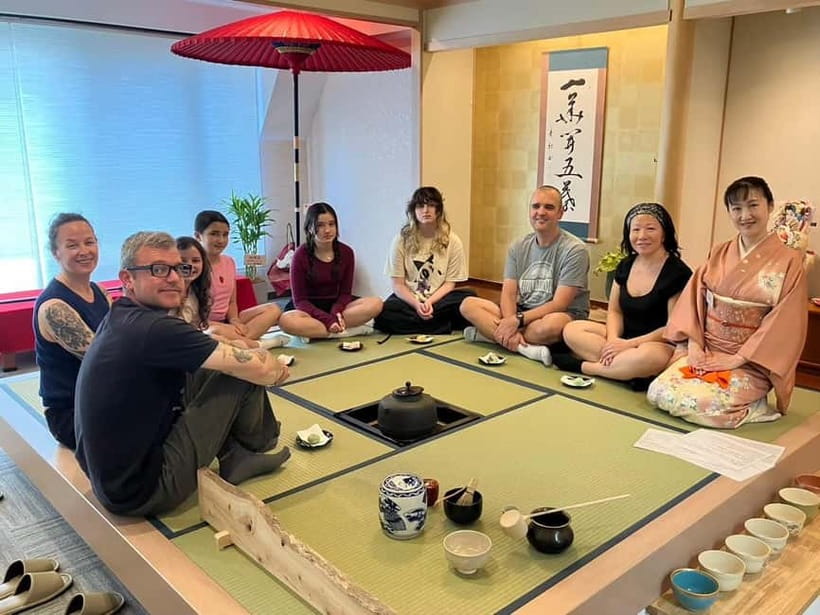
- Small groups feel personal: The maximum is seven participants, though you might have the room to yourself.
- Bring socks: Shoes are not allowed indoors, and socks are required if you step onto the tatami.
Entering the Wasako tea room in Asakusa
Wasako is inside Charyo-Ichimatsu, a building designated as a registered tangible cultural property in Japan. That gives the arrival some weight. You are not walking into a modern classroom with a few Japanese decorations added later. The room, furnishings, and photo spots are part of the setting.
The location is convenient for a day around Asakusa. From Tawaramachi Station on the Tokyo Metro Ginza Line, use Exit 3 and walk about five minutes. From Asakusa Station on the Toei Asakusa Line, Exit A4 is about ten minutes away.
Finding the exact entrance may take a little attention. Signage has been described as somewhat vague, so allow a few extra minutes. Look for green signs marked Tea ceremony experience. The tea room is on the fifth floor, two doors down on the right from the kimono rental area. One useful landmark is a doorway with an incense-shop sign.
You remove your shoes before going inside. Bring socks from your hotel or luggage. If you arrive without them, socks are available for 500 yen. This is a small detail, but it can save an awkward start.
A few more Tokyo tours and experiences worth a look

Choosing a bowl and Japanese sweet
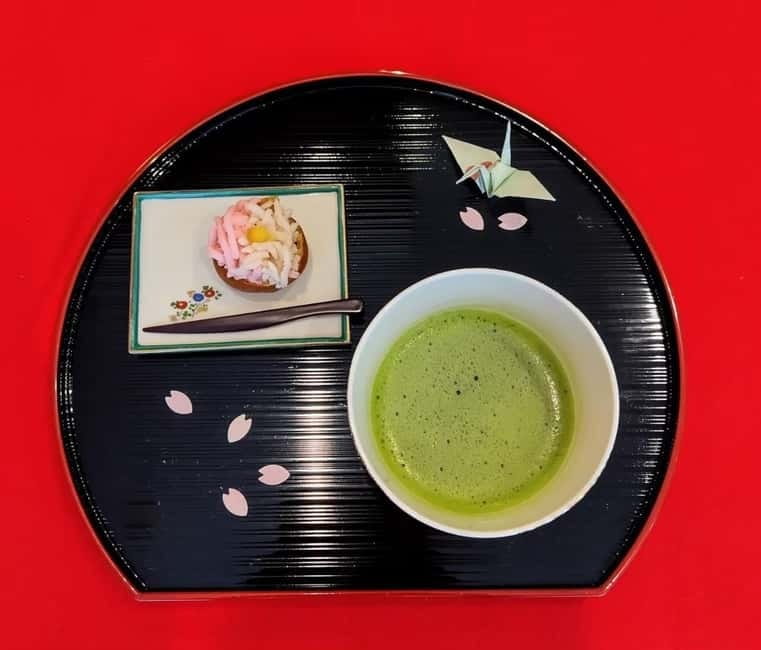
The experience begins with choices. You select the tea sweet and the matcha bowl that will be used during the ceremony.
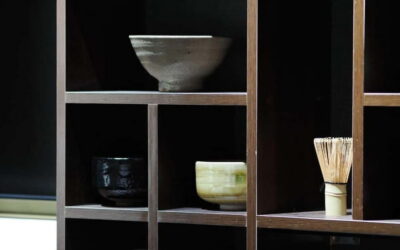
The bowls are not identical props. Each has a different design, and the host explains them individually. That turns a simple selection into a small lesson in Japanese aesthetics. You can look at the shape, glaze, color, and decoration, then choose the one that appeals to you.
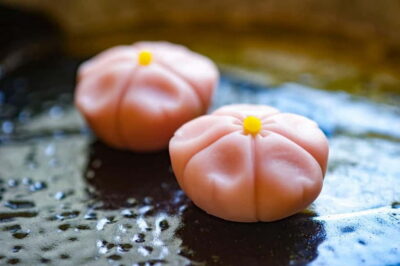
The sweet is served before or alongside the tea. Its purpose is practical as well as enjoyable. The sweetness prepares your palate for matcha, which has a clean, grassy bitterness. If you have never had powdered green tea before, eating the sweet first makes the tea easier to appreciate.
This is one of the most personal parts of the session. You are making a few choices, but they help you pay attention. Instead of receiving an identical set of objects, you begin to notice how a bowl changes the feeling of the tea.
Watching Ryouko prepare the matcha
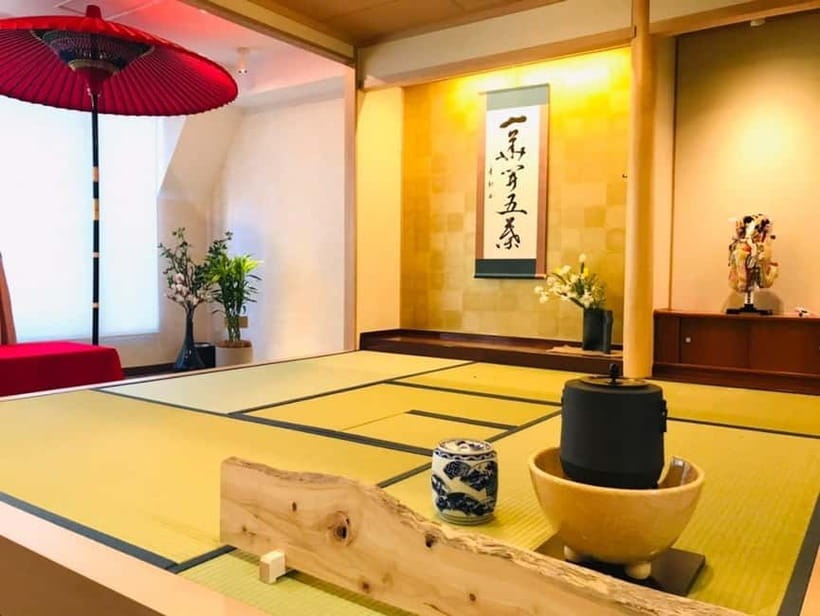
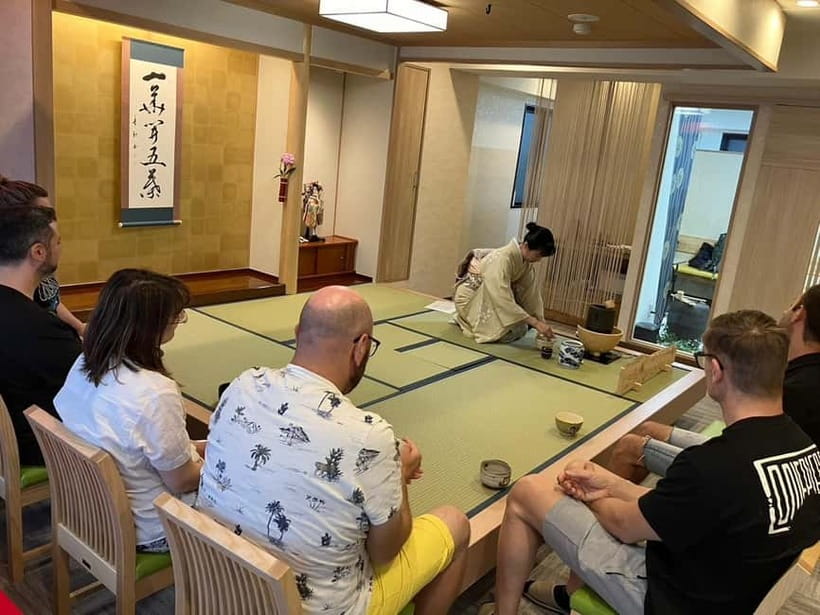
Tea master Ryouko prepares the matcha while you watch. Her movements are deliberate, and the utensils are arranged with care. The point is not speed. It is attention.
You can ask questions during the demonstration, and explanations are provided about the steps, tools, and customs. The discussion can also include the hanging scrolls, furnishings, and the background of the tea ceremony. The amount of detail may depend on the group and the questions you bring, so ask if you want more context.
The English instruction is especially helpful for first-time participants. You do not need to know Japanese etiquette before arriving. Ryouko and her assistant guide you through what to do and explain the meaning behind the movements.
This is not a silent, formal ceremony where you must worry about making a mistake. The atmosphere is calm, but the experience is designed for participation and learning. You can watch, listen, eat the sweet, and drink the tea without having to perform every custom perfectly.
Making your own matcha
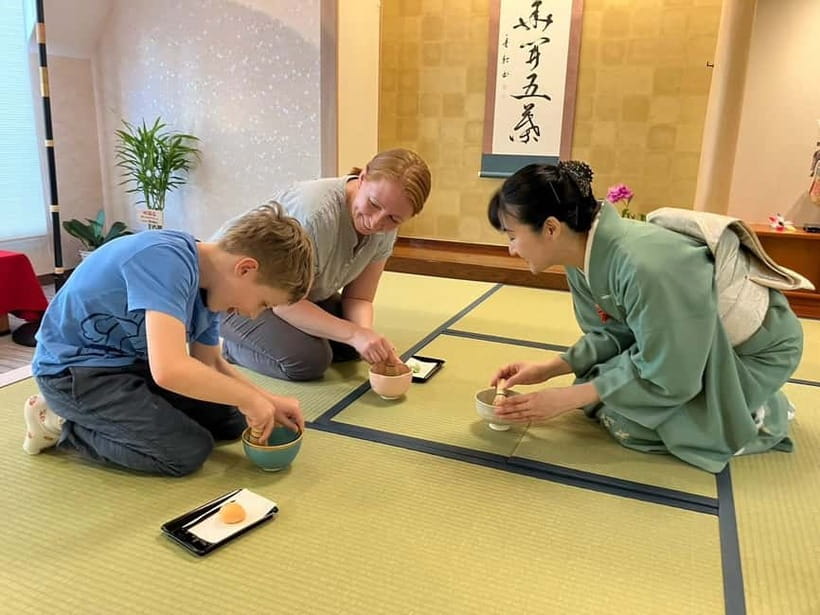
The best part for many people is the hands-on lesson. After watching the demonstration, you learn how to prepare matcha yourself.
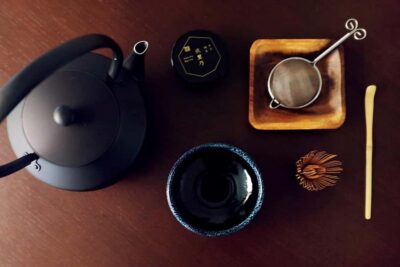
You use the traditional tools and follow the method shown by the host. The lesson gives you a better sense of what goes into the tea than simply drinking a prepared bowl. You feel the whisk in your hand, see how the powder changes when mixed, and learn the basic rhythm of the preparation.
Do not expect to become a tea master in one session. The value is in understanding the care behind an everyday bowl of matcha. You leave with a clearer idea of how the tea is made and why the preparation has such a formal shape.
Ryouko’s patient teaching is a strong point. She answers questions and encourages you to record parts of the demonstration if you wish. If you are curious, ask about the utensils or the reason for a particular movement while the explanation is fresh.
A traditional room made for photographs
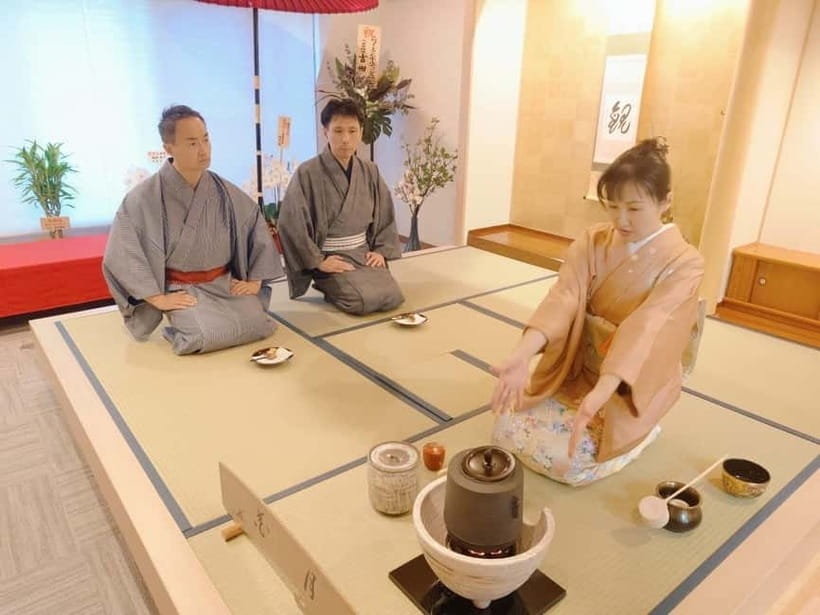
Photography is allowed, and staff can take pictures for you during the experience. This matters because tea ceremonies involve hands, bowls, sweets, clothing, and quiet gestures that are difficult to capture alone.
The building offers several attractive places for photos. You can take pictures in the tea room and around the traditional furnishings, while staying mindful of the ceremony and other people in the group.
Several bookings also included kimono rental. The staff laid out kimono choices, helped with selection, and dressed participants in the many layers. This is not included in the $45 tea ceremony price, so treat it as an optional addition rather than part of the standard booking.
The kimono can change the feel of the visit. It makes the photos more formal and gives you another way to take part in Japanese customs. It also takes extra time, so confirm the separate arrangement when booking if you want it.
If photos are important to you, tell the host early. The staff are happy to help take pictures, but clear communication makes it easier to get the images you want without interrupting the ceremony.




Timing, group size, and the pace of the visit
The listed start times are 10:00, 11:30, 13:30, and 15:00. Choose a time that fits your Asakusa plans, but allow enough time to find the entrance and remove your shoes.
The standard description calls the experience 60 minutes, while the booking information gives a duration range of 45 minutes to four hours depending on availability. One participant reported that the session lasted about 40 minutes, including an early arrival. That shorter timing may not be typical, but it is worth keeping in mind when judging the price.
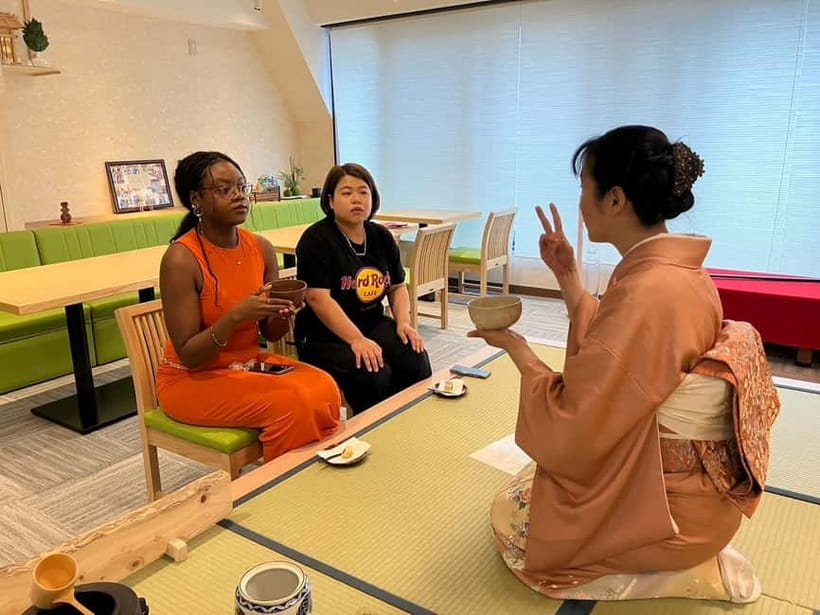
The maximum group size is seven. A small group lets you see the demonstration clearly and ask questions without competing with a large crowd. Some sessions may have only one participant, which can make the teaching more direct and relaxed.
There is also a tradeoff. A private-feeling session can be wonderful, but the value depends on how much explanation and practice you receive. If you want a longer lesson, ask the provider what duration applies to your selected time and whether kimono dressing is included separately.
The experience is available in English and Japanese. The instruction is suitable for beginners, since the host explains each stage and provides help as you prepare your own tea.
What the $45 price includes
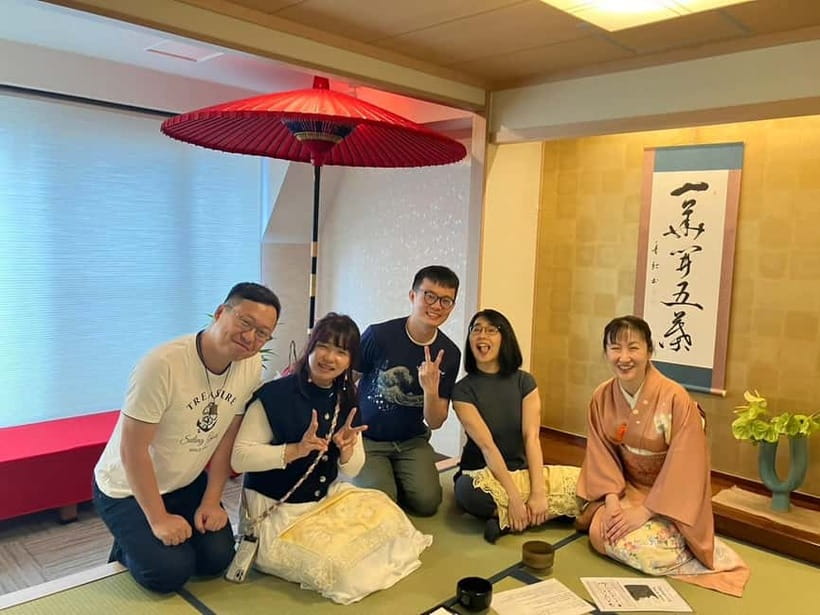
The $45 price includes the tea sweets, matcha, the demonstration, your own matcha-making lesson, and the chance to take photographs.
I consider that a reasonable price if you want a focused cultural activity in a historic setting and value personal instruction. You are paying for more than the drink. The room, explanation of the utensils, choice of bowl, preparation lesson, and staff assistance with photos all add to the experience.
It is less convincing if you are mainly looking for a quick cup of matcha. You can find tea elsewhere for less money, and a shorter-than-expected session may leave you feeling that the lesson ended too soon.
The price becomes easier to justify for first-time visitors who want context. You learn how the ceremony works, get to handle the tools, and leave with a practical memory of making matcha yourself. Families with older children and adults who enjoy craft, food, design, or Japanese customs are likely to get the most from it.
Children under six are not accepted. Wheelchair users should also choose another activity, since the experience involves an indoor traditional room and tatami access.
Customs, comfort, and what to bring
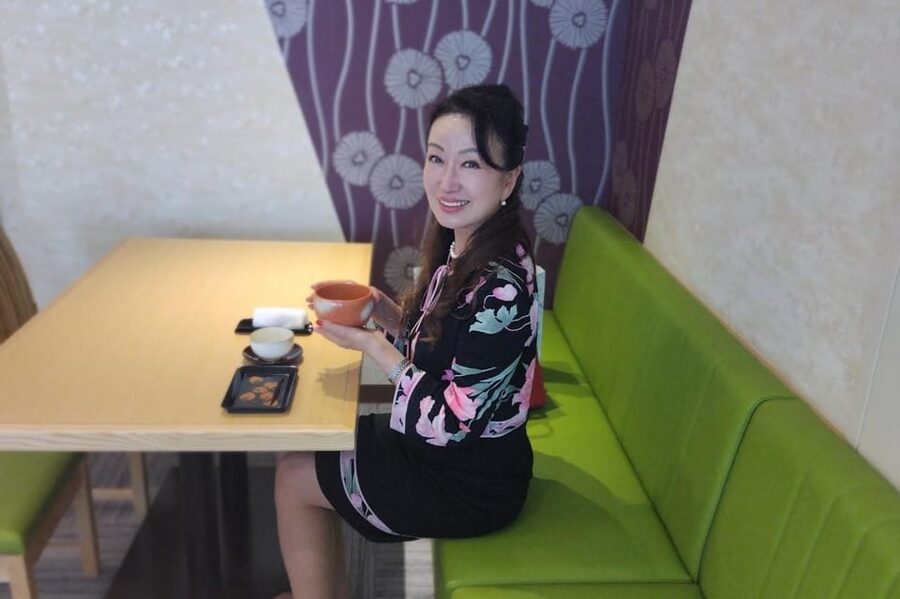
Wear socks. Shoes are not allowed indoors, and the information specifically asks you to bring socks if you want to step on the tatami. Bare feet are not an option, and the venue sells socks for 500 yen if needed.
You should also be prepared for traditional sitting arrangements. The provided information does not specify the exact seating style or whether chairs are available, so ask in advance if sitting on the floor may be difficult.
The setting is peaceful, but the ceremony has rules. Keep your phone quiet, follow the host’s directions, and wait for instructions before handling bowls or utensils. Photos are welcome, yet the ceremony should remain the main focus.
The experience suits couples, solo visitors, families with older children, and small groups of friends. It is also a good choice if you have already seen temples and want a quieter activity that explains a living cultural practice rather than simply showing you a famous building.
Cancellation and meeting-day details
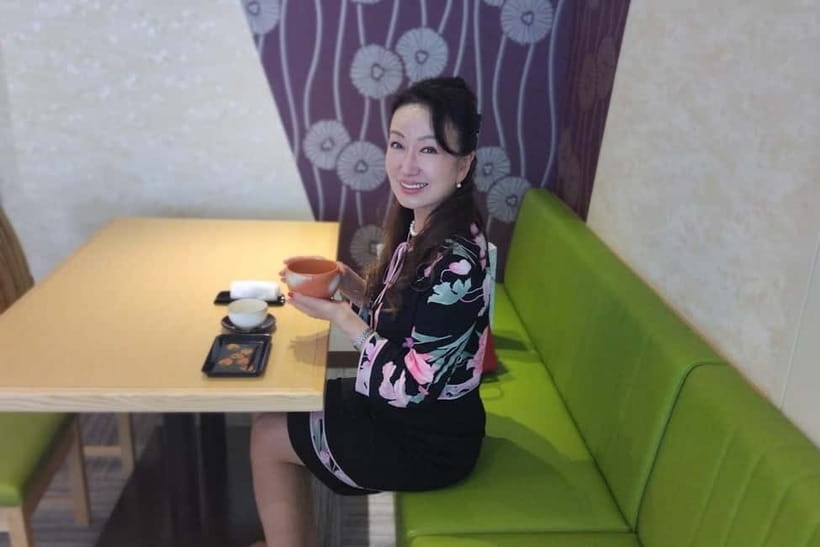
You can cancel up to 24 hours in advance for a full refund according to the booking terms. The detailed conditions also state that cancellations made the day before incur a 50 percent fee and cancellations on the day incur a 100 percent fee. Because those time limits can overlap, check the exact policy shown for your reservation before confirming.
Reserve-and-pay-later booking is available, which helps if your Tokyo schedule is still changing. Even so, do not leave the activity until the last minute if you want a particular start time or a small group.
The activity provider is 株式会社和樂苑. The meeting point is close to two railway stations, but the less obvious entrance makes a little planning worthwhile. Save the address and look for the green tea ceremony signs rather than relying only on the station name.
Who should book this tea ceremony?
I would book this if you want a calm, hands-on introduction to matcha and Japanese tea customs. The experience gives you a clear sequence: enter the traditional room, choose a bowl and sweet, watch the demonstration, hear about the room and objects, and make your own tea.
It is particularly well suited to you if you enjoy photographs. The staff can take pictures throughout the session, and a kimono option adds a dressed-up element. Families with teenagers and adult children can also share the activity without needing specialist knowledge.
I would hesitate if you are seeking a long, formal tea ceremony with extensive historical instruction. The session may be shorter than the advertised 60 minutes, and one account found the information fairly brief. Ask for clarification about duration and lesson content if those details matter most to you.
Should you book Wasako?
Book it if the $45 price fits your budget and you want to do more than observe. Choosing a bowl, tasting the sweet, learning the etiquette, and whisking your own matcha give the visit a personal touch.
The strongest reasons to go are Ryouko’s warm instruction, the beautiful traditional room, the small group limit, and the staff’s help with photographs. Add the kimono option if you want the experience to become a full photo memory.
Skip it if you want the least expensive tea in Asakusa, need wheelchair access, or would be disappointed by a session closer to 40 or 45 minutes. For most first-time visitors who value culture, setting, and participation, this is a worthwhile short stop between Asakusa’s major sights.
FAQ
Where is the tea ceremony held?
It is held in the Japanese-style room of Wasako, inside the Charyo-Ichimatsu restaurant in Honshu, Japan.
How do I reach the meeting point?
The venue is about five minutes from Tawaramachi Station Exit 3 on the Tokyo Metro Ginza Line. It is about ten minutes from Asakusa Station Exit A4 on the Toei Asakusa Line.
What start times are available?
The listed start times are 10:00, 11:30, 13:30, and 15:00.
How long does the experience last?
The activity information gives a duration range of 45 minutes to four hours, while the title describes a 60-minute experience. Check the available duration for your selected booking time.
What is included in the price?
The price includes tea sweets, matcha green tea, the tea ceremony demonstration, instruction for making your own matcha, and the opportunity to take photographs.
Can I choose my tea bowl?
Yes. You can choose the matcha bowl used during the ceremony, and each bowl has a different design that is explained individually.
Can I make my own matcha?
Yes. You first watch the demonstration, then learn how to prepare and whisk your own matcha.
What languages are available?
Instruction is available in English and Japanese.
Do I need to bring anything?
Bring socks. Shoes are not allowed indoors, and socks are required if you step onto the tatami.
Can children or wheelchair users join?
Children under six are not suitable for the activity, and the experience is not suitable for wheelchair users.
More Tea Ceremony & Matcha in Tokyo


More tours in Tokyo we've reviewed












Tea Ceremony & Matcha, compared.
 ★ 5.0Matcha Making Class in Tokyo with Authentic Japanese Sweets SetFrom $21
 ★ 5.0Kimono Tea Ceremony at Tokyo, Asakusa MaikoyaFrom $55
 ★ 5.0Tokyo: Traditional Tea Ceremony with a Tea MasterFrom $381 hour
 ★ 4.5Dynamic Tokyo: Tokyo Tower, Tea Experience, Bay Cruise Day TourFrom $99
 ★ 4.9Tokyo: Matcha Making Experience with Mochi Sweets in AsakusaFrom $221 hour
 ★ 4.7Tokyo: Matcha and Kimono ExperienceFrom $57