Reviewed · ASAKUSA TOURS
Tokyo: Matcha Making Experience with Mochi Sweets in Asakusa
Tokyo: Matcha Making Experience with Mochi Sweets in Asakusa
In This Article
- Key points at a glance
- Why this short Asakusa class works
- Arriving one minute from Asakusa Station
- The opening lesson and matcha quiz
- Whisking your own matcha
- Mochi sweets and the final tasting
- The instructors make the difference
- What the one-hour schedule gives you
- Who should book this matcha experience
- Price, flexibility, and practical value
- Matcha class or tea ceremony?
- Should you book it?
- FAQ
- Where does the matcha-making experience take place?
- How long does the activity last?
- What is included in the price?
- Is the class taught in English?
- Do I need previous matcha-making experience?
- Do I make the matcha myself?
- Are sweets included?
- Can solo visitors join?
- Is hotel transportation included?
Matcha is easy to order in Japan and surprisingly easy to misunderstand. This one-hour class shows you what goes into a proper bowl, from the history and customs to the quick wrist movement that turns powdered tea and water into a smooth, foamy drink. The lighthearted quiz keeps the cultural lesson from feeling stiff.
I like the hands-on preparation, since you do not just watch an instructor perform a tea ritual. I also like the friendly English instruction, with teachers such as Mana, Ken, Hiyo, Yui, and Honoka helping the session feel social rather than formal. The main consideration is time: one hour gives you a useful introduction, not a full study of Japanese tea culture.
Key points at a glance
- A quiz makes matcha history easy to remember: You learn about the drink, its origins, and its place in Japanese culture in a playful format.
- You whisk your own bowl: Traditional tools turn a short demonstration into a practical lesson you can repeat at home.
- Japanese sweets balance the tea: Mochi and other traditional sweets provide a pleasant pairing with matcha’s earthy, slightly bitter taste.
- The class is seated and conducted in English: You can focus on the lesson without needing Japanese language skills or a kneeling tea-room setting.
- The location works well with Asakusa sightseeing: The class is about one minute from Asakusa Station and close to Tokyo Skytree.
- The $22 price is sensible for a short cultural activity: Ingredients, instruction, and tasting are included, with no hotel transport.
Why this short Asakusa class works
I like this experience because it gives you something to do with Japanese food culture, not simply something to photograph. Asakusa already offers temples, old streets, river views, and plenty of snacks. A matcha class adds a quieter hour where you learn how one familiar Japanese flavor is made and served.
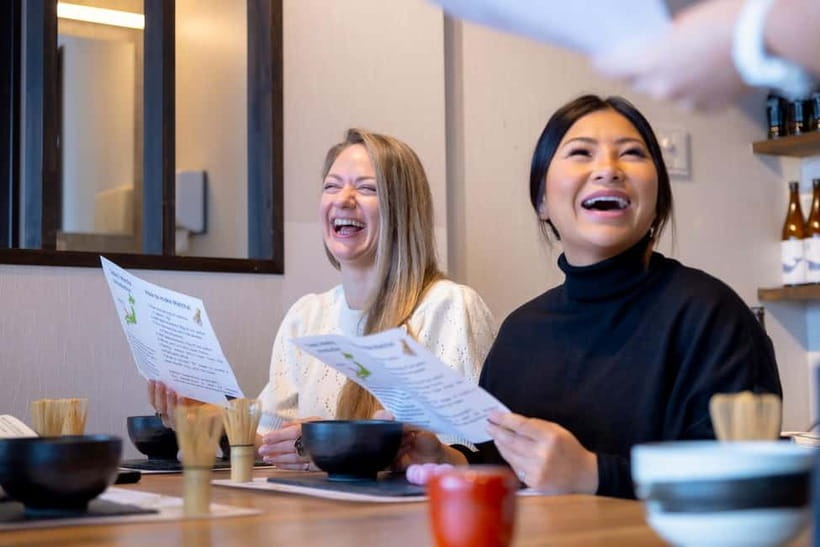
The format is welcoming to both solo visitors and small groups. If you arrive alone, you are not left with a private lecture. The class brings people together around the same tools and tasting, and one participant specifically found it a good way to meet people from different countries.
The tone is relaxed. Several instructors are praised for being funny, warm, and good at drawing people into the activity. Ken is described as especially engaging with families, while Mana receives repeated praise for keeping the class energetic without losing the educational side. That matters because tea culture can seem intimidating if you picture a silent ceremony where every movement must be perfect.
Here, you are learning the basic ideas and technique. You are not being tested on formal etiquette. The staff explain clearly, demonstrate the steps, and give you a chance to try them yourself.
A few more Tokyo tours and experiences worth a look

Arriving one minute from Asakusa Station
The meeting point is the Relink KAMINARIMON building, 6F, at 35.710774, 139.7956532. It is listed as about one minute from Asakusa Station, a useful detail if you are fitting the class between Senso-ji, Nakamise-dori, and other Asakusa sights.
You should allow enough time to find the building and reach the sixth floor. The location is central, but a short walk on a map does not always mean instant door-to-seat access in Tokyo. Keep the meeting information handy, especially if you are coming from another part of the city.
The setting is practical rather than a historic tea house. That is part of the trade-off. You get a convenient city location and a comfortable seated activity, but you should not expect a long, formal ceremony in a traditional garden pavilion.
Being seated is a real advantage for many people. One participant appreciated that the class did not require the traditional kneeling position, and another described it as a good way to get off your feet during a busy day. If your Tokyo schedule already includes hours of walking, this is a pleasant change of pace.
The opening lesson and matcha quiz
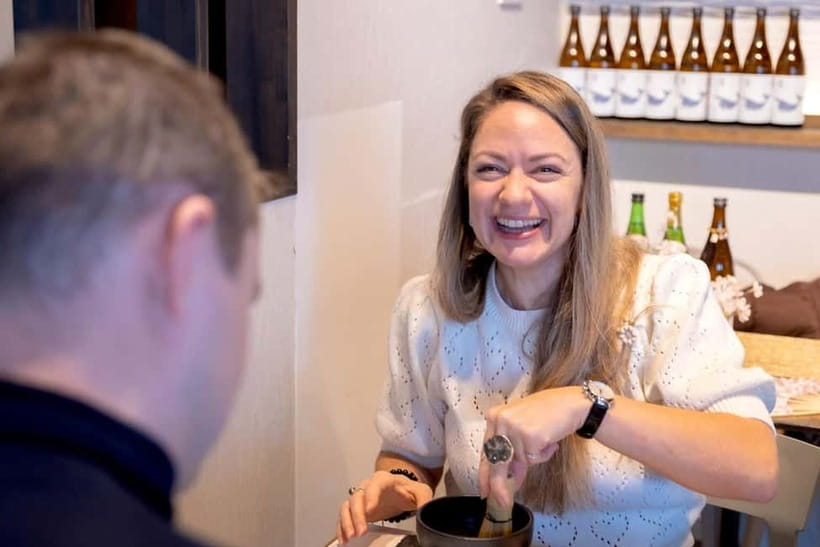
The class begins with an introduction to matcha, including its history and cultural role. Rather than handing you a list of dates and terms, the staff use an interactive quiz. This gives the opening section a light rhythm and helps you pay attention to details you might otherwise forget.
The quiz is not the reason to book the activity, but it is a smart choice for a short class. In an hour, every minute has to do useful work. The questions create a simple bridge between the background of matcha and the preparation you are about to attempt.
You also hear about tea customs and etiquette. That may include how matcha is presented and the meaning behind some of the gestures. The exact balance can vary with the instructor, but the core aim is clear: you learn that matcha is more than green powder stirred into hot water.
The English is intended for international visitors. Names of instructors vary, including Mana, Midori, Hayato, Hiyo, Yui, Honoka, Rino, and Moe. The repeated praise for clear explanations suggests that the teaching style is a major part of the experience, not just an extra service.
Whisking your own matcha
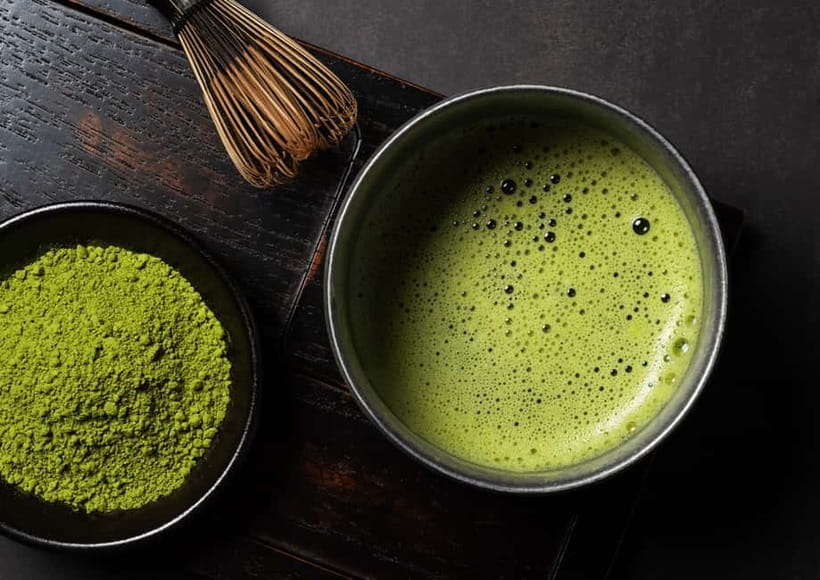
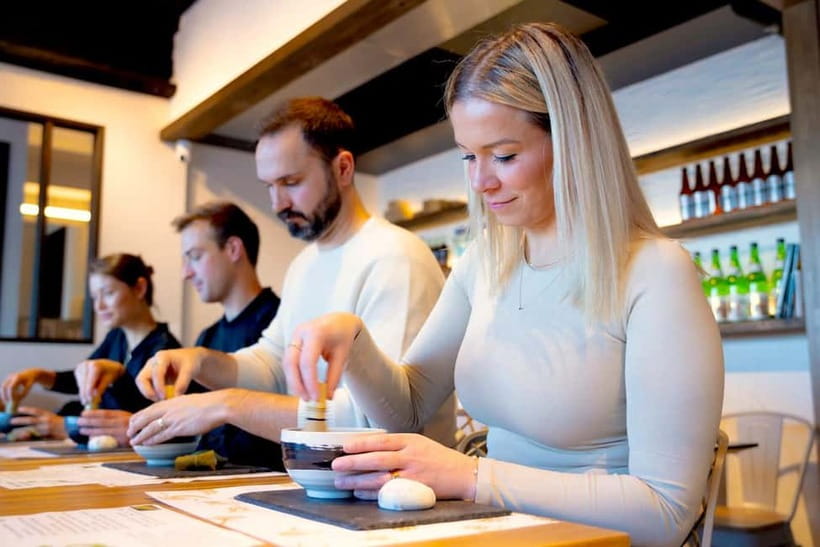
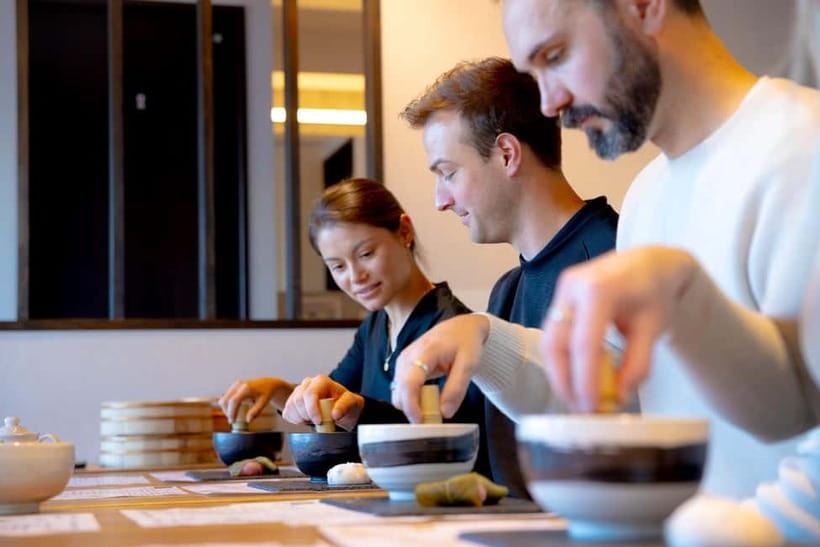
The practical section is the heart of the class. The instructor demonstrates how to prepare matcha using traditional tools, then you follow along with your own bowl. You learn the basic technique instead of watching someone else do all the work.
This is where the experience earns its price. At $22 per person, it is inexpensive by Tokyo activity standards, but the value comes from participation. You receive the cooking class, ingredients, instructor, and tasting. You also leave with a better idea of how to prepare matcha at home.
The motion looks simple until you try it. The whisk must move quickly enough to blend the powder and create the right texture, yet the process is controlled rather than careless. The instructor’s demonstration gives you a model, and the hands-on attempt lets you see how much the final drink depends on technique.
Do not worry about producing a perfect bowl. The class is designed for beginners, and no previous experience is required. You may find your first attempt foamy and smooth, or you may need a little guidance. That small element of trial and error is what makes the class memorable.
A few practical details are worth keeping in mind. Matcha is usually served without sugar in this setting, so expect an earthy and somewhat bitter taste. The sweets are there to balance it, not to turn the drink into a sweet café beverage.
Mochi sweets and the final tasting
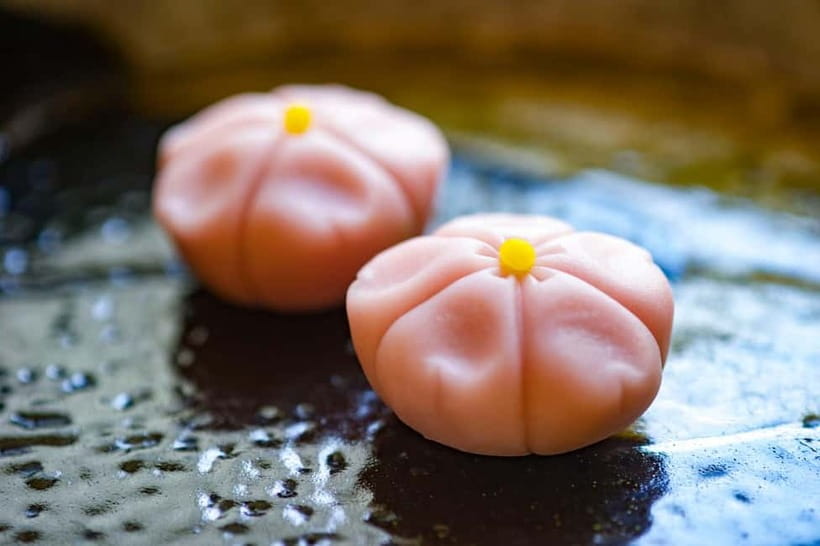
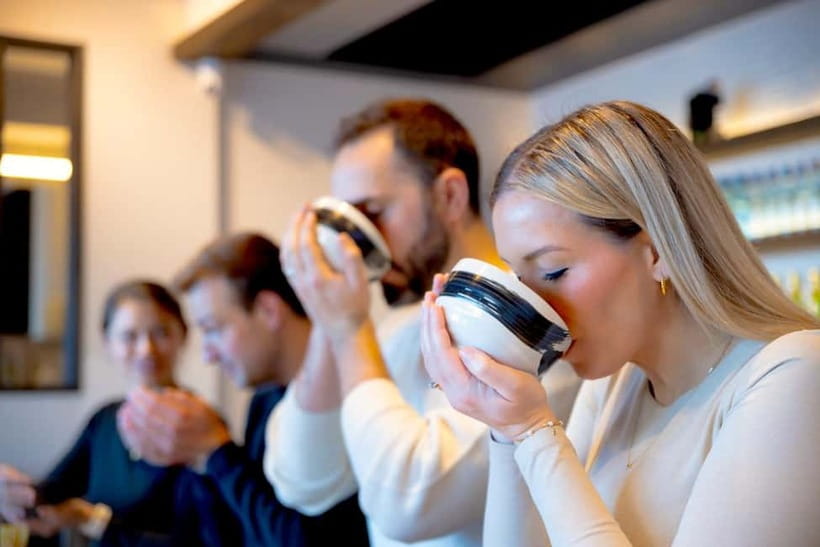
After preparing the tea, you drink it with Japanese sweets, including mochi-style treats. This pairing is important because matcha’s flavor can be strong on its own. The soft sweetness of the confection gives your palate a contrast and helps you understand why these foods are often served together.
The tasting is not rushed into a quick sip at the end. It is the point where the lesson becomes a shared social moment. You have made the drink yourself, and the staff remain available to answer questions and talk about the food and customs.
Several participants singled out the sweets as delicious, and the matcha itself receives steady praise. Keep your expectations realistic: this is a compact tasting within a class, not a full Japanese meal. The included food is meant to accompany the tea.
I also like the fact that you can compare the drink you made with your expectations. Many people know matcha from lattes, desserts, or bottled drinks. This class presents it in a more direct form, without sugar added to the tea. If you already love matcha, you will get a clearer sense of its natural flavor. If you are unsure about it, the sweets make the first taste easier.
A few more Tokyo tours and experiences worth a look



The instructors make the difference
The strongest part of the experience is the staff. The class depends on clear demonstrations and a relaxed atmosphere, and the named instructors receive repeated praise for both.
Mana is frequently described as lively, patient, and funny. Ken is noted for engaging children and making the lesson enjoyable for families. Hayato is praised for guiding participants through the history, preparation, and etiquette in a welcoming way. Hiyo and Yui are also singled out for fitting a surprising amount of information into a short class.
You may not have any of those particular instructors on your date, so do not book based on one person alone. The wider teaching team appears to follow the same approach: English instruction, cultural explanation, practical preparation, and plenty of interaction.
That interactive style suits people who dislike passive tours. You can ask questions, respond during the quiz, and receive help as you whisk. The class is also forgiving if your knowledge of Japanese food customs is limited.
For families, this is a better fit than a long lecture. Children can take part in the quiz and make their own tea, while older family members can enjoy the history and seated format. One family found that a 74-year-old mother and a 23-year-old son enjoyed the activity equally, which says something about its broad appeal.
What the one-hour schedule gives you
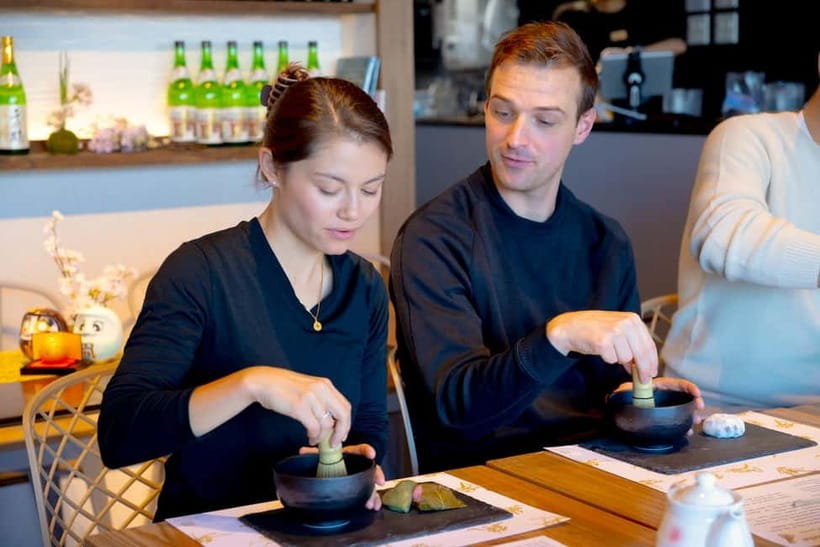
One hour is both the strength and the limitation. It fits neatly into a day of sightseeing, and you can add it before lunch, after visiting Senso-ji, or while exploring the area around Kaminarimon. It does not demand half a day or a long trip outside central Tokyo.
The likely flow is straightforward:
- An introduction to matcha and Japanese tea culture
- A light quiz about history and customs
- An instructor demonstration using traditional tools
- Your own matcha-making practice
- Matcha tasting with Japanese sweets
- Time for questions and conversation
The exact order may vary, but the activity moves from context to demonstration to practice and tasting. That progression makes sense. You understand what you are doing before you pick up the whisk, then you get to taste the result.
The drawback is that the hour can pass quickly. If you want detailed instruction on tea-growing regions, equipment types, grades of matcha, or formal tea ceremony movements, this class will feel brief. It is best seen as a solid first lesson, not a specialist workshop.
The short length also means the experience stays focused. You do not spend much time waiting around, and you can return to Asakusa sightseeing with plenty of day left.
Who should book this matcha experience
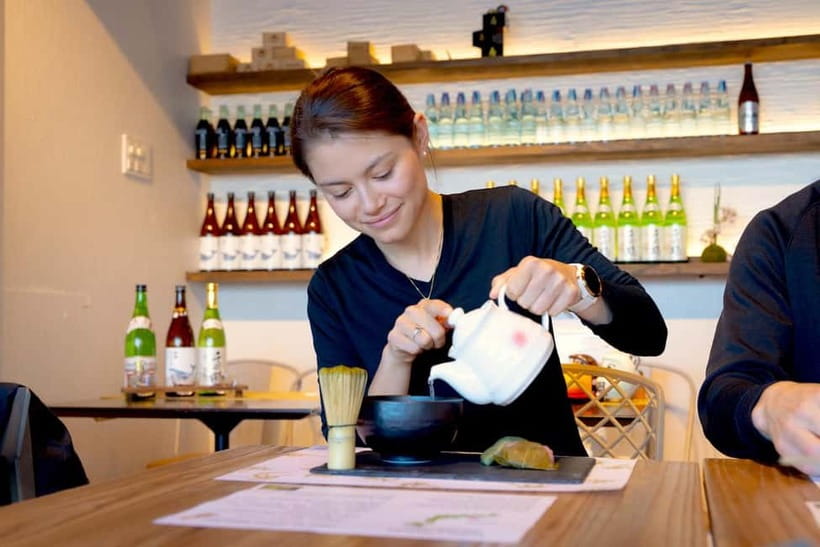
I would recommend it to first-time visitors who want a cultural activity that is easy to fit into a busy Tokyo itinerary. It is especially useful if you are already visiting Asakusa and want more than the usual temple-and-shopping route.
It suits:
- Matcha fans who want to learn the traditional preparation
- Beginners who have never used a bamboo whisk
- Solo visitors who like meeting people in a small activity
- Families with children
- Older visitors who prefer a seated experience
- Couples looking for a calm food activity
- Visitors who want English instruction
You do not need to be passionate about matcha. The class works even if your only experience has been a sweet matcha latte. The quiz and sweets make it approachable, while the preparation gives you something concrete to learn.
I would be less likely to recommend it to someone seeking a formal, lengthy tea ceremony with strict ritual and a highly historic setting. The class is friendly and practical, not solemn or elaborate. That is not a flaw, but it is important to book the experience you actually want.
Price, flexibility, and practical value
At $22 per person, the price covers the class, ingredients, instructor, matcha, and Japanese sweets. There is no hotel pickup or drop-off, but the central Asakusa meeting point keeps transport simple.
I consider this good value because you receive three things in one hour: a cultural explanation, a practical skill, and a tasting. Many short Tokyo activities give you a sample and a photo. Here, you also learn a process you can repeat.
The activity offers free cancellation up to 24 hours before the start time for a full refund. You can also reserve now and pay later, which helps if you are arranging a Tokyo schedule around weather, museum visits, or train trips.
Starting times vary, so check availability for your date. The English-language instruction is a major benefit, but English is the stated language, so you should not assume that another language is available.
After the class, there may be a chance to buy matcha-making equipment. Treat that as optional. The class already gives you the main experience, and you do not need to purchase anything to take part.
Matcha class or tea ceremony?
The terms can overlap in casual travel descriptions, but this activity is best understood as a hands-on matcha lesson with cultural and tea ceremony elements. You learn etiquette and the meaning behind the preparation, yet you also whisk the tea yourself in a relaxed, seated setting.
That distinction matters. A formal ceremony often asks you to observe a carefully arranged sequence. This class asks you to participate. If you want to understand the basics and make your own bowl, participation is the better choice.
The Asakusa setting adds useful context. You are learning a Japanese food tradition in one of Tokyo’s best-known old districts, close to Senso-ji and Tokyo Skytree. The class itself is indoors and focused, while the surrounding area gives you plenty to see before or after.
Should you book it?
Book this matcha experience if you want an affordable, friendly introduction to Japanese tea culture with real participation. The English-speaking staff, seated format, central location, quiz, traditional tools, and sweets make it easy to fit into almost any Asakusa day.
Skip it if you want a long, formal ceremony or a detailed technical course. For everyone else, especially families, solo visitors, and curious beginners, the $22 cost buys a useful hour and a small skill you can carry home. You may never whisk a cup the same way again.
FAQ
Where does the matcha-making experience take place?
It takes place at the Relink KAMINARIMON building on the 6th floor, about one minute from Asakusa Station. The coordinates are 35.710774, 139.7956532.
How long does the activity last?
The matcha-making experience lasts one hour.
What is included in the price?
The price includes the cooking class, ingredients, and instructor. Matcha and Japanese sweets are part of the tasting during the activity.
Is the class taught in English?
Yes. The listed instruction language is English, and local English-speaking staff guide you through the class.
Do I need previous matcha-making experience?
No. The activity is designed for beginners, and the instructors demonstrate the preparation before you make your own matcha.
Do I make the matcha myself?
Yes. You use traditional tools to whisk your own matcha after watching the instructor’s demonstration.
Are sweets included?
Yes. You drink the matcha with Japanese sweets, including mochi-style treats.
Can solo visitors join?
Yes. Solo visitors and groups are both welcome.
Is hotel transportation included?
No. Hotel pickup and drop-off are not included. You make your own way to the meeting point near Asakusa Station.
More Dessert Tours in Tokyo



More Tea Ceremony & Matcha in Tokyo
More Asakusa Tours in Tokyo

More tours in Tokyo we've reviewed












Asakusa Tours, compared.
 ★ 4.8Tokyo: Japanese Dance Cabaret Theater Asakusa-Kaguwa TicketFrom $492 hours
 ★ 4.7Tokyo: Meiji Shrine, Asakusa, Skytree Bus Tour and CruiseFrom $12210 hours
 ★ 4.9Tokyo: Roll and Authentic Sushi Making Class in AsakusaFrom $581h 40m
 ★ 4.8Tokyo: Asakusa Walking Tour with Sensoji Temple VisitFrom $222 hours
 ★ 5.0Tokyo Asakusa Rickshaw TourFrom $42
 ★ 4.5Tokyo Panoramic 1 Day: Meiji Shrine, Asakusa, Odaiba and SKYTREE®From $85