Reviewed · HISTORICAL TOURS
Tokyo Private Tour to Learn History and Shinto
Tokyo’s religious heart comes into focus on this private six-hour tour. You move by subway between Nezu Shrine, Sensoji Temple, Asakusa Shrine, and Meiji Jingu, with a guide explaining the myths, symbols, buildings, and customs that can be easy to miss on your own.
In This Article
- Key things to know before booking
- Why this tour works for understanding Tokyo
- Starting at Nezu Shrine and its red torii tunnel
- Sensoji Temple and the scale of Asakusa
- Asakusa Shrine, a Shinto site beside the temple
- Meiji Jingu and modern Tokyo’s forested shrine setting
- Subway rides that teach you more than directions
- What the guides add to the experience
- Price, timing, and what you actually pay
- Who should book this private Tokyo tour?
- Practical details before you go
- Should you book it?
- FAQ
- How long does the Tokyo private tour last?
- Which sites are included?
- Is hotel pickup offered?
- Are subway fares included?
- Are admission fees included?
- Can I cancel for a full refund?
I like the way the tour joins famous sights with a quieter, more atmospheric stop at Nezu’s Senbon Torii, a tunnel of red gates. I also like the private format, since your guide can adjust explanations for children, answer questions as they come up, and help you get more comfortable using Tokyo’s train system.
The main consideration is pace. Four sites, subway rides, and roughly an hour at each stop make this a full morning or afternoon on foot. Your own transport fares and any admission charges are extra, and the tour requires suitable weather.
Key things to know before booking
- Four major religious sites in six hours: You see both Shinto shrines and the Buddhist Sensoji Temple in one focused outing.
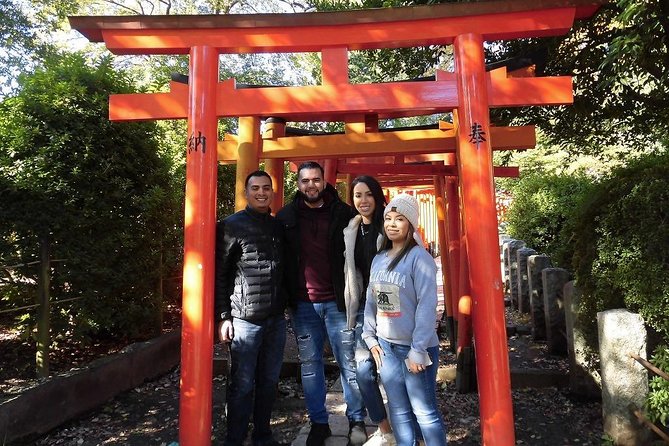
- Nezu Shrine includes the Senbon Torii: The red gate tunnel offers one of Tokyo’s most distinctive photo settings.
- Your guide meets you at your hotel lobby: Pickup begins the tour at a familiar place rather than a hard-to-find station.
- Subway travel is part of the experience: Your guide can show you how to move around Tokyo’s train system, though you pay your own fares.
- The private setup suits families: Only your group participates, so explanations can be adapted for children and adults.
- The cost is $123.57 per person: That is fair for a six-hour private tour, but less attractive if you mainly want independent sightseeing.
Why this tour works for understanding Tokyo
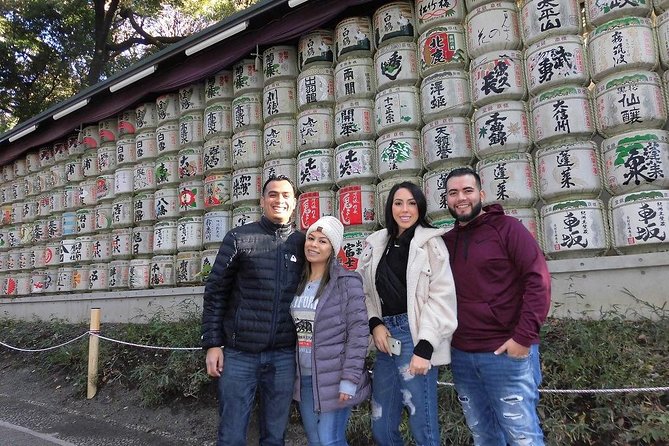
Tokyo can make religious sites seem like isolated photo stops. A red gate here, a giant lantern there, a wooden building tucked behind trees. Without context, you may notice the beauty but miss what the place is asking you to do, see, or respect.
This tour gives those details a human guide. You learn how Shinto shrines differ from Buddhist temples, how Japanese myths connect to shrine worship, and why gates, purification areas, offerings, architecture, and symbolic decoration matter. The sights are famous, but the explanations are what give the day its shape.
The private format is important. A guide can slow down for a child who wants to know why a shrine has so many gates, or spend more time on Japanese design if that is what interests you. You are not locked into a large group’s questions or timetable.
The tour is also practical. Tokyo’s subway can feel confusing at first, especially when you are changing lines or trying to read station signs. Guides Yoshinori, Yoshi, and Kono are specifically praised for making the transport system easier to understand. Yoshi, in particular, helped one participant get the hang of navigating the trains. That makes the day useful beyond the four sites.
Other private tours in Tokyo


Starting at Nezu Shrine and its red torii tunnel
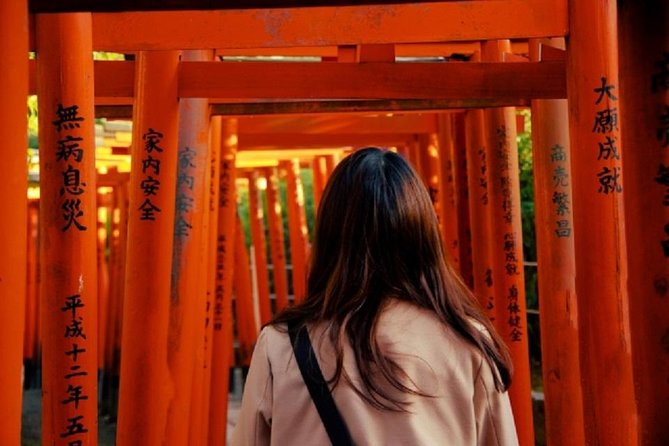
Nezu Shrine is the most distinctive first stop because it offers a calmer introduction to Tokyo’s religious traditions. The shrine is associated with gods from Japanese mythology and is described as having a history of about 1,900 years. Seven buildings on the grounds have been designated important cultural properties by the Japanese government.
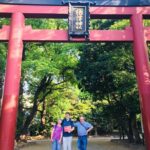
The main visual draw is Senbon Torii, a walkway lined with bright red torii gates. Passing through the gates gives you a simple, memorable way to understand how a shrine path can mark a transition from ordinary city space to a sacred setting. The repeated gates also make this a strong stop for photographs without relying only on a grand central building.
Your guide can explain the Shinto setting as you walk. Shinto is tied to Japanese mythology, sacred places, and the presence of kami, often translated as spirits or deities. You will not need prior knowledge to follow the visit, and the private format gives you room to ask basic questions without feeling rushed.
Plan for about one hour here. Admission is not included, so check the current charge when booking or before the visit. The supplied details do not give an exact fee.
Nezu is a good opening stop because it is less overwhelming than beginning at Sensoji. The tradeoff is that the tour does not provide a long, slow visit at any one shrine. If you love architecture or photography, you may wish you had more time to look closely at every building.
Sensoji Temple and the scale of Asakusa
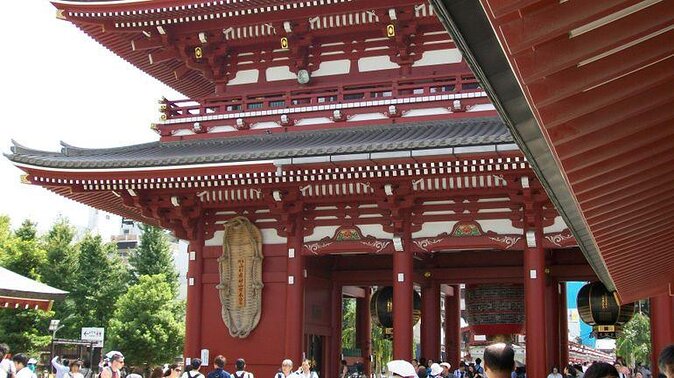
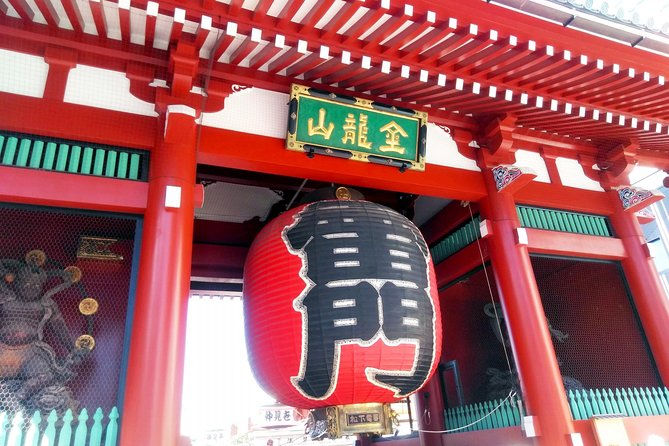
Sensoji is one of Tokyo’s most famous sights, and it brings a very different mood from Nezu Shrine. This is a Buddhist temple complex with major historical buildings, including a five-story pagoda and the Hozo-mon Gate, also called the Treasure-House Gate.
The scale and fame of Sensoji make it a useful place to connect religion with Tokyo’s public life. Here, grand gateways, traditional design, and monumental structures create a stronger sense of ceremony. Your guide can help you separate Buddhist features from the Shinto elements you saw at Nezu.
You have about one hour at Sensoji, with admission not included. The temple grounds themselves are a major draw, but the short visit means you should treat this as an introduction rather than a full study of the complex. If you want time for every building, detailed photographs, or shopping in the surrounding area, plan to return later on your own.
The value here comes from comparison. Seeing Sensoji after Nezu lets you notice the difference between a Buddhist temple and a Shinto shrine while the first visit is still fresh. A guide can point out those contrasts as they appear, rather than leaving you to sort them out from a brochure.
Asakusa Shrine, a Shinto site beside the temple
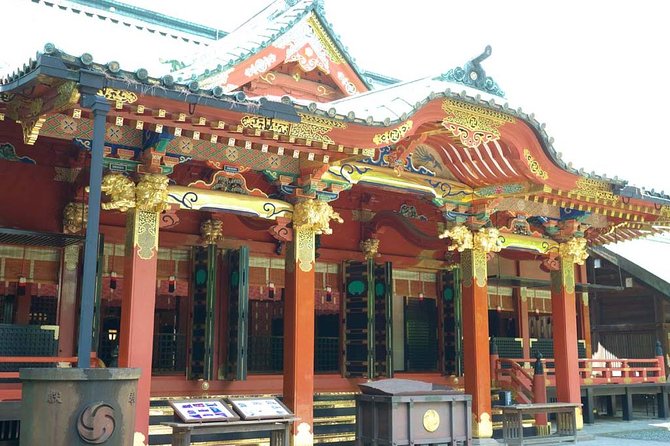
Asakusa Shrine adds an important layer to the Asakusa visit. It is a Shinto shrine connected to the three men associated with the founding story of Sensoji. The shrine is also known as Sanjya Gongen, and its Sanja Festival in May is one of Edo’s three major festivals.
This pairing is one of the strongest parts of the tour. In a short walk, you see a Buddhist temple and a Shinto shrine in the same historic district. That proximity helps explain how religious traditions have shared space in Japan rather than existing as completely separate worlds.
Asakusa Shrine is scheduled for about an hour, and admission is free. Your guide can tell the origin story, explain the shrine’s place in local tradition, and point out Japanese design details that might otherwise blur together.
The drawback is that one hour may feel long for some people if they are mainly interested in Tokyo’s biggest landmarks. For anyone curious about Japanese religion, though, this is time well spent. The stop gives the tour more depth than a simple checklist of famous buildings.
Meiji Jingu and modern Tokyo’s forested shrine setting
Meiji Jingu was built in 1920 and enshrines Emperor Meiji and Empress Shoken. It is one of Tokyo’s best-known Shinto sites, visited by Japanese worshippers and international sightseers throughout the year.
The contrast with Sensoji is clear. Sensoji gives you an urban temple complex surrounded by the energy of Asakusa. Meiji Jingu offers a more spacious shrine setting and a strong connection to modern Japanese national history. Your guide can explain why the imperial figures are honored here and how the shrine fits into Tokyo’s religious life.
You have about an hour at Meiji Jingu, with no admission charge listed. The tour description also suggests watching for a traditional Japanese wedding procession. You may see one, but it is not guaranteed. That possibility adds a lovely human element to the stop, since a working shrine is more meaningful than a site treated only as a monument.
Meiji Jingu is also a good place to discuss Shinto etiquette. Your guide can explain the respectful way to approach a shrine, how purification works, and what worshippers are doing. These small instructions make it easier for you to visit other shrines during the rest of your Japan trip.
Other historical tours in Tokyo


Subway rides that teach you more than directions
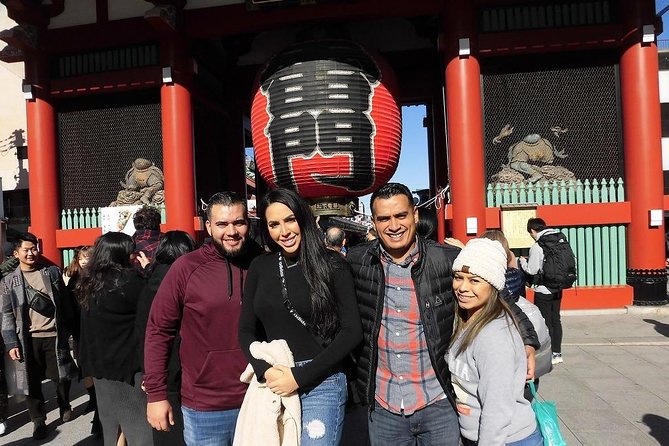
Public transportation is not just a way to fill the gaps between stops. It is part of the lesson. The guide’s subway fares are included, but you pay your own fares, so budget for several journeys across the city.
The guide meets you in your hotel lobby, then handles the route planning during the tour. That takes pressure off you, especially early in a Tokyo visit. The experience can also give you a working model for later trips. You learn how a local guide reads the system, where to go, and how transfers fit together.
The tour involves plenty of walking. The four stops each allow about an hour, but station approaches, transfers, shrine grounds, and temple paths add more time on your feet. Wear comfortable shoes and keep your day flexible after the tour.
This is not a coach tour where you sit back and watch Tokyo through a window. You are moving through the city at street level, entering religious sites, and using the same transport system that you will likely need later. That makes the day more useful, but it also means it can feel tiring.
What the guides add to the experience
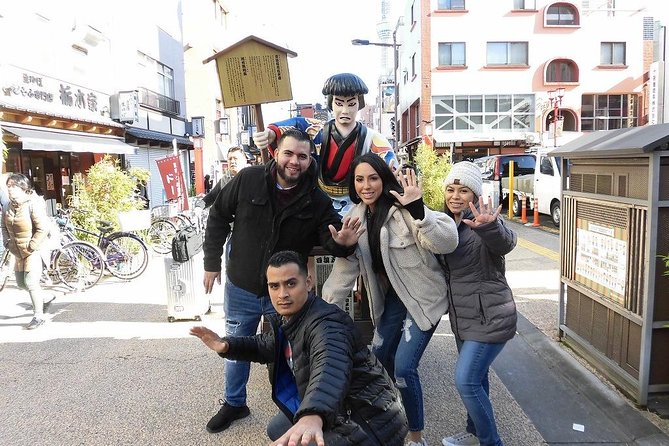
The strongest feedback centers on the guides’ friendliness, clear explanations, and practical help. Yoshinori is described as friendly and well informed about Shinto shrines, while also offering suggestions for things to do after the tour. That kind of local guidance is useful if this is your first day in Tokyo or if you have an open afternoon afterward.
Yoshi is praised for making the subway easier to understand and for bringing a warm, relaxed personality to the day. Kono is noted for getting the tour moving promptly, explaining the stories of the shrines, and keeping a positive tone.
These details matter because religious sites can be difficult to interpret without help. The guide is not simply leading you from gate to gate. You are paying for explanations, orientation, and the chance to ask questions tailored to your interests.
The small sample of available feedback is entirely positive, but it is still a small sample. I would treat the guide quality as a strong reason to book, while remembering that the exact guide may vary. Yoshinori, Yoshi, or Kono may be assigned depending on availability.
Price, timing, and what you actually pay
The listed price is $123.57 per person. For a six-hour private tour with hotel pickup and an English-speaking professional guide, that can be good value, especially for a couple or family that wants personal attention.
The value is less clear for a solo visitor on a tight budget. You can visit several of these sites independently, and the temples and shrines do not require a large sightseeing fee. The private guide is the main purchase, along with the time saved on planning and the added cultural explanation.
Group discounts may improve the price for a larger party. Since only your group participates, the cost also buys flexibility that a shared tour cannot offer. Families may find this especially useful, since children can ask questions freely and the guide can keep the explanations lively.
Food and drinks are not included. Your public transport fares are also extra, as are any admission charges for customers. Asami? No, no additional named service is provided, so keep the budget simple: tour price, train fares, and any small site fees.
The experience is commonly booked about 29 days ahead. That does not guarantee that you must reserve a month early, but it suggests that planning ahead is sensible if your Tokyo dates are fixed.
Who should book this private Tokyo tour?
I would choose this tour if you want a guided introduction to Japanese religion without committing to a large group. It is especially well suited to:
- Families who want explanations that work for both children and adults
- First-time visitors who are unsure how to use Tokyo’s subway
- People interested in Japanese history, myths, design, and symbolism
- Couples or small groups who value a private guide
- Visitors who want to compare Buddhist and Shinto sites in one day
I would be more cautious if you dislike walking, want a relaxed pace, or prefer to spend several hours at one major sight. Four stops in six hours is efficient, but not leisurely.
It is also not the best choice if your main goal is shopping, food, or nightlife. Those are not central to the experience. This is a cultural tour built around sacred places and the stories attached to them.
Practical details before you go
The tour includes hotel-lobby pickup, so provide a clear hotel location when booking. Confirmation is normally issued at booking, although reservations made within two days of departure may take up to 48 hours and remain subject to availability.
Most people can participate, and the tour operates near public transportation. The experience requires good weather. If poor weather forces cancellation, you can choose another date or receive a full refund.
You can cancel for a full refund up to 24 hours before the start time. Cancellations or changes made less than 24 hours in advance are not refunded or accepted, and the cut-off follows local Tokyo time.
Should you book it?
Book this tour if you want Tokyo’s shrines and temples to make sense, not just look pretty in photographs. Nezu’s red torii tunnel, Sensoji’s pagoda and Hozo-mon Gate, Asakusa Shrine’s founding story, and Meiji Jingu’s imperial connection create a well-chosen introduction to Japanese religious culture.
The best reason to book is the combination of a private guide and subway instruction. Yoshinori, Yoshi, and Kono are praised for being friendly, clear, and helpful, with Yoshi especially useful for building confidence on Tokyo’s trains.
Skip it if you already know the subway, have researched Shinto and Buddhism, or want a slower visit to each site. For a first look at Tokyo’s sacred places, though, the $123.57 price is reasonable, provided you are ready for a full six hours of walking and transport.
FAQ
How long does the Tokyo private tour last?
The tour lasts approximately six hours. The four listed stops are planned for about one hour each, with additional time needed for subway travel and walking.
Which sites are included?
The tour visits Nezu Shrine, Sensoji Temple, Asakusa Shrine, and Meiji Jingu Shrine.
Is hotel pickup offered?
Yes. Your English-speaking guide meets you in your hotel lobby.
Are subway fares included?
The guide’s public transportation is included. You pay for your own public transportation fares.
Are admission fees included?
No. Admission charges for customers are not included. Asakusa Shrine and Meiji Jingu Shrine are listed as free, while admission is not included for Nezu Shrine and Sensoji Temple.
Can I cancel for a full refund?
Yes. You can cancel up to 24 hours before the experience start time for a full refund. Cancellations or changes made less than 24 hours before departure are not accepted or refunded.
More Historical Tours in Tokyo
More Private Tours in Tokyo

More tours in Tokyo we've reviewed












Historical Tours, compared.
 ★ 4.9Tokyo: Imperial Palace Japanese History Walking TourFrom $32
 ★ 5.0Tokyo: Shinjuku Historical Walking Tour & Secret BackstreetsFrom $25
 ★ 5.0Yanaka Walking Tour: Historic and Traditional District of TokyoFrom $72
 ★ 4.5Mt. Fuji Heritage Tour: Traditional Villages, Lakes & ShrineFrom $5010 hours
 ★ 4.9Tokyo: The Best of Izakaya in Shinjuku Food & Cultural TourFrom $1293 hours
 ★ 5.0Yanaka Historical Walking Tour in Tokyo’s Old TownFrom $81