Reviewed · MT FUJI DAY TRIPS
Enjoy Mt. Fuji View and free time shopping at Gotemba Outlets!
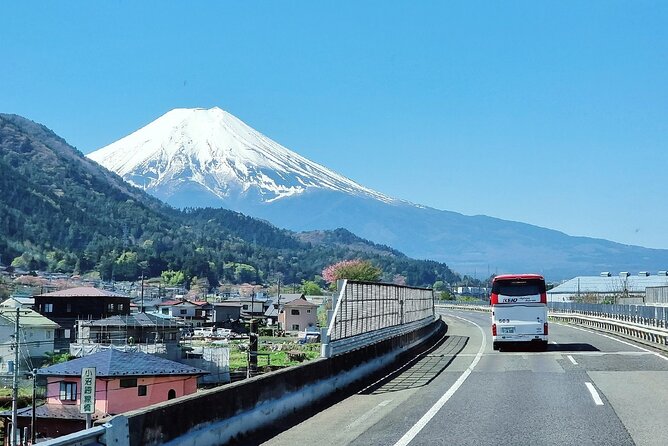
Mt. Fuji is the star here, but the best part is the variety: a mountain shrine, a lakeside park, the 5th Station, and a large outlet mall all fit into one long day from Tokyo. If the weather cooperates, you get several different angles on Japan’s most famous peak.
In This Article
- Key points to know before booking
- Why this Tokyo to Fuji tour can be good value
- Meeting in Shinjuku at 8 a.m.
- Arakura Fuji Sengen Shrine and the 300-step climb
- Oishi Park beside Lake Kawaguchi
- Mt. Fuji’s 5th Station: altitude, shops, and expectations
- Gotemba Premium Outlets and 100 minutes of free time
- Guides, group rhythm, and the bus ride
- Weather, seasonal stops, and schedule changes
- Who should book this Fuji day trip?
- Should you book it?
- FAQ
- How long does the tour last?
- Where does the tour start?
- Where does the tour end?
- Is Mt. Fuji’s 5th Station always included?
- Is lunch included?
- How difficult is the Arakura Shrine stop?
- Is hotel pickup included?
- What happens if Mt. Fuji is hidden by clouds?
- Can I bring luggage?
I like the low price of $45.61 and the convenience of air-conditioned round-trip transport. I also like the mix of scenic stops and free time, especially at Oishi Park and Gotemba Premium Outlets. The tradeoff is a great deal of time on the road, with traffic and weather able to shorten stops or hide Fuji completely.
The day works best for you if this is your first Fuji-area visit and you want a broad sample without arranging several trains and buses. Just bring comfortable shoes, water, warm layers, and patience for a shared bus.
Key points to know before booking
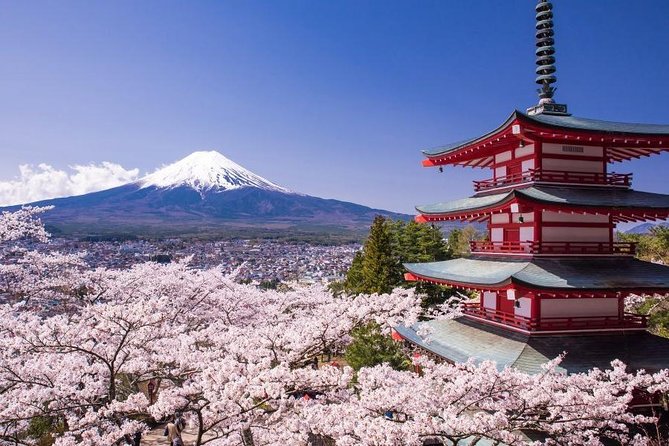
- Several Fuji views in one day: Visit the 5th Station, Arakura Fuji Sengen Shrine, and Oishi Park on Lake Kawaguchi.
- More than 300 steps at Arakura: The famous shrine viewpoint requires a real climb, not just a quick photo stop.
- Gotemba is useful free time: You can shop, eat lunch, or simply stretch your legs after the mountain stops.
- Weather controls the experience: Fog, rain, and humidity can block Mt. Fuji, with no refund for an ordinary weather-related disappointment.
- Expect a full day: The tour runs about 9 hours 45 minutes and can return late because of traffic.
- Shared transportation: The vehicle may be a small car, minibus, or large coach, depending on the group size, with a maximum of 45 people.
Why this Tokyo to Fuji tour can be good value
At $45.61 per person, this is priced as a practical sightseeing sampler rather than a slow, private day in the Fuji Five Lakes area. You are paying mainly for transportation, coordination, and access to several widely separated places. The air-conditioned vehicle matters because getting from Tokyo to the Fuji area and back takes much of the day.
The tour includes an English or Chinese-speaking conductor, all taxes and handling charges, and round-trip transport. It does not include lunch, drinks, hot spring admission, or hotel pickup and drop-off. You need to reach the meeting point in western Shinjuku on your own.
I see the value in the route if you want to cover a lot in one day. A self-guided visit can offer more freedom, but it requires planning connections and managing the return trip. Here, someone else handles the broad route. The cost is time and flexibility: you move with the group, and you cannot leave early for a separate plan.
The stated rating is 4.1 from 15 reviews, which fits the experience well. The strongest praise centers on friendly, energetic tour conductors, smooth organization, and the number of places covered. One highly praised conductor, Yoshiko, was described as fluent in English and lively throughout the day, while driver Arai was praised for his driving. Your conductor and driver may be different, but those comments show the value of a good day-of team.
A few more Tokyo tours and experiences worth a look
Meeting in Shinjuku at 8 a.m.
The tour begins at the Robert Indiana LOVE sculpture at 6-chōme-5-1 Nishishinjuku. It ends near the west exit of Shinjuku Station, at Mode Gakuen Cocoon Tower. That makes the start and finish fairly central for anyone staying around Shinjuku, but you still need to identify the exact meeting point before morning.
This is a strict group departure. Late arrival means you can miss the tour without a refund, so I would arrive early rather than aim for 8 a.m. exactly. The group may include people speaking other languages, and the vehicle may change based on attendance.
Groups of up to nine may travel in a small car led by the driver. Around 20 people may use a minibus, while larger groups use a coach. The maximum is 45 people. You cannot choose the vehicle, and seating is mainly handled on a first-come basis, though you can note special seating needs when booking.
There is no restroom on the bus. Toilet breaks are provided along the route, but this is still a long day in a shared vehicle. Japanese law requires seat belts, and loud conversation on the bus is discouraged out of respect for everyone aboard.
Arakura Fuji Sengen Shrine and the 300-step climb
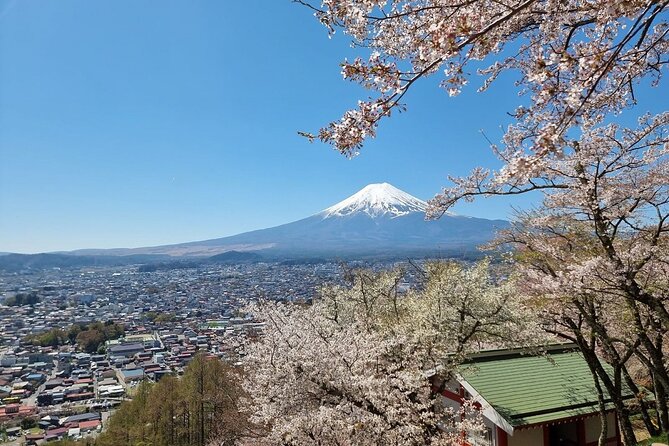
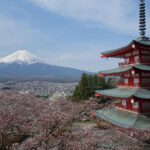
Arakura Fuji Sengen Shrine is one of the most appealing stops because it combines a traditional shrine setting with a high view toward Mt. Fuji. From late March to mid-April, cherry blossoms can add another layer to the scene, though bloom timing depends heavily on the year and weather.
The catch is the climb. Reaching the upper viewpoint requires more than 300 steps up Arakurayama. I would treat this as a short hill walk, not a flat shrine visit. Comfortable shoes are essential, and water is wise during warm weather. A towel can help on hot summer days.
You do not have to climb all the way. If your knees, fitness, or energy make the stairs a poor choice, you can wait in a rest area at the bottom or remain on the bus. That is useful, but it also means the most famous view is not equally easy for everyone.
The scheduled stop is about 45 minutes. That gives you time to climb, take photographs, and return, but it is not a relaxed shrine visit. Move steadily and keep an eye on the meeting time. A late return can hold up the whole group and may shorten the next stop.
Oishi Park beside Lake Kawaguchi
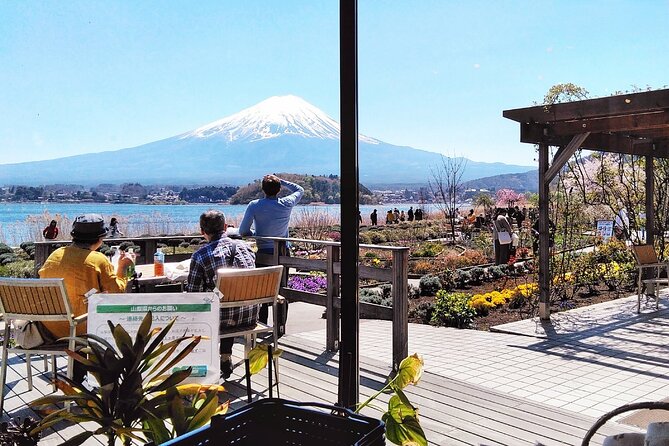
Oishi Park offers a gentler Fuji-area stop. It sits beside Lake Kawaguchi and is known for views toward Mt. Fuji, seasonal flowers, and fruit-flavored soft-serve ice cream. You receive about 40 minutes here, with time to walk, take pictures, and find something small to eat or drink if available.
This stop depends even more on visibility than the shrine. On a clear day, the lake and mountain make a strong pairing. In fog or heavy humidity, you may see little or none of Fuji. The park still offers open space and flowers, but you should not book this tour expecting a guaranteed postcard view.
The short visit also limits what you can do. You have enough time to enjoy the main area, but not to wander far along the lake. I would use this stop for the view first, then a quick snack or soft cream. If Fuji appears through the clouds, take the photograph right away rather than waiting for perfect conditions.
Mt. Fuji’s 5th Station: altitude, shops, and expectations
The tour is built around a visit to Mt. Fuji’s 5th Station, a popular access point on the mountain. It gives you a chance to reach a higher point by road and see the surroundings from above Tokyo’s lowland setting.
You should set your expectations correctly. The 5th Station is not an untouched mountain wilderness. It has souvenir shops and facilities, and some people may find the stop more commercial than scenic. One practical benefit is that it offers a straightforward Fuji experience without asking you to climb the mountain.
The road and station can be affected by weather and seasonal conditions. In one reported winter situation, the Fuji Subaru Line was closed, and the planned visit changed to the 1st Station and the Fuji Visitor Center. The group still saw Mt. Fuji, but the original stop was not possible. The operator can also change the order or adjust the time at each location.
Fog, rain, and high humidity may hide the mountain at the 5th Station just as they can at the lake. There is no refund simply because clouds block the view or a guide changes the schedule for safety. That policy is important: you are buying access to the area, not a guaranteed sighting of the summit.
The mountain can also be cold, even when Tokyo feels mild. Carry a warm layer in every season. A light jacket takes little room and can make the stop much more comfortable.
Other shopping tours in Tokyo



Gotemba Premium Outlets and 100 minutes of free time
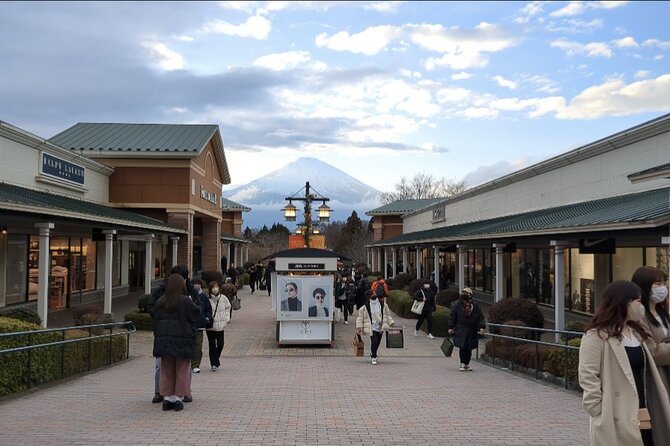
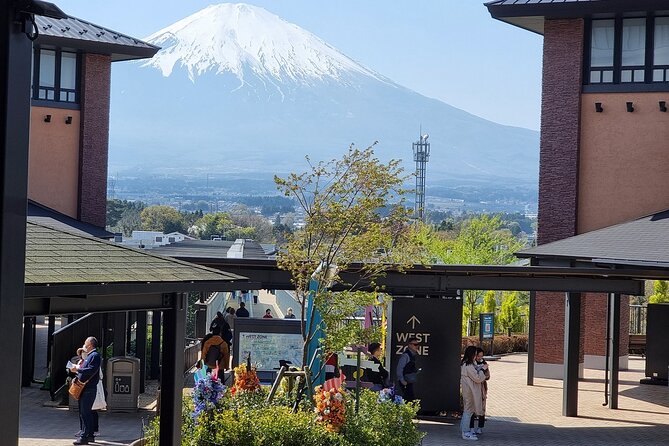
Gotemba Premium Outlets is the final major stop, with about one hour and 40 minutes for shopping or dining. That free time gives the day a useful change of pace after several short sightseeing stops. You can browse international brands, look for discounted items, or use the time for lunch.
The advertised discounts are around 5 to 15 percent, and a shopping coupon is provided as a gift. Those savings are modest, so I would not assume every item is a bargain. Prices can still feel high, especially if you are comparing them with deep clearance sales elsewhere.
The outlet stop is valuable even if you are not a serious shopper. You can eat, sit down, and recover from the stairs and bus ride. Since lunch is not included anywhere in the tour, this is one of your clearest chances to buy a proper meal.
The main limitation is the fixed time. One hour and 40 minutes sounds generous, but a large outlet center can take time to navigate. Decide before leaving the bus if you want food, shopping, or both. If you spend too long in one area, you may miss stores you hoped to see.
Traffic on the drive back can be heavy. The outlet stop is on the return route, but it does not guarantee an early arrival in Tokyo. I would avoid booking a flight, Shinkansen connection, night bus, restaurant with a strict reservation, theater performance, or other important evening plan.
Guides, group rhythm, and the bus ride
The conductor is a major part of this experience. The best reported example is Yoshiko, who was described as energetic, fluent in English, patient, and helpful. Some guides have also entertained the group with jokes, singing, origami, photographs, and small souvenirs. Those touches can make a long drive feel friendlier.
That said, group tours vary by day. You may share the vehicle with people using another language, and the quality of the experience depends partly on how well everyone follows meeting times. One account described a late start and delays caused by people returning late to the vehicle. That is the unavoidable weak point of a carpooling tour.
Disinfectant may be offered when you re-enter the bus, and the tour places emphasis on basic group safety. You should still follow the conductor’s instructions, wear your seat belt, and return promptly after every stop.
Luggage rules also matter. The regular package allows one piece of luggage per person free of charge, but you need to declare special luggage needs. If you arrive with undeclared luggage, the guide may refuse boarding if it creates crowding or a safety problem, with no refund. I would not use this as a substitute for a hotel transfer unless the operator has confirmed your luggage in advance.
Weather, seasonal stops, and schedule changes
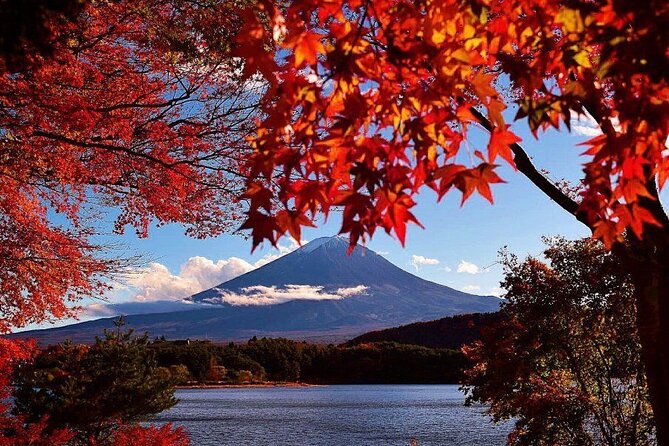
Mt. Fuji is famously changeable. A clear view is possible, but fog, rain, clouds, and humidity can block the mountain. Cherry blossoms at Arakura are listed for late March to mid-April, and flowers, autumn color, snow, illuminations, fireworks, festivals, and hot spring conditions are all seasonal.
None of these seasonal sights is guaranteed. If you book for cherry blossoms or autumn color, you are accepting a weather risk. The tour may operate even when the special seasonal feature is late, early, weak, or absent.
The operator may change the order of stops, shorten visits, remove an attraction, or make other arrangements because of traffic, weather, road conditions, or safety. Poor conditions can also change the operating hours of attractions or cancel part of an activity. The guide has the final say on outdoor arrangements for safety.
This flexibility protects the schedule, but it can disappoint if you have a fixed picture of the day. I would judge the tour by its overall route, not by one exact stop. The strongest days give you several chances to see Fuji, while difficult days may become more about the shrine, lake, visitor facilities, and outlet stop.
Who should book this Fuji day trip?
I would recommend it to a first-time Tokyo visitor who wants to see Mt. Fuji without renting a car or building a complicated independent route. It is also a good fit for shoppers who like the idea of pairing scenery with a large outlet center.
You should be comfortable with a long day, a shared vehicle, fixed meeting times, and possible traffic delays. The route includes more than 300 stairs, though you can skip that climb and wait below. Families and most active adults can participate, but anyone needing a slower pace should note the short stop times.
I would think twice if your main goal is a quiet lakeside day, a long shrine visit, serious mountain hiking, or a guaranteed Fuji photograph. The tour visits several places, but it does not linger at any one of them. You also cannot leave halfway through and receive money back for unused portions.
Cancellation is free up to 24 hours before the start time. Cancellations made within 24 hours are not refunded. The tour also requires a minimum of 10 participants, and if that number is not reached five days before departure, you should be offered another date or a full refund.
Should you book it?
Book this tour if you want maximum Fuji-area coverage for a modest price and can accept a busy schedule. The shrine, lake, 5th Station, and Gotemba Outlets give you a useful first look at the region, while the included transport removes much of the planning work.
Skip it if you need complete control over timing or have an important evening commitment. Traffic can make the return late, weather can erase the mountain view, and the 5th Station and outlet mall may feel more commercial than scenic.
My practical verdict: this is a sensible introduction to Mt. Fuji, especially when Yoshiko-style guiding and careful organization are part of your day. Go with flexible expectations, arrive early, pack food money and warm clothing, and treat a clear Fuji view as a welcome bonus rather than a promise.
FAQ
How long does the tour last?
The tour lasts approximately 9 hours and 45 minutes, starting at 8 a.m. in Tokyo.
Where does the tour start?
It starts at the Robert Indiana LOVE sculpture at 6-chōme-5-1 Nishishinjuku, Shinjuku City, Tokyo 160-0023.
Where does the tour end?
The tour ends near Shinjuku Station’s West Exit at Mode Gakuen Cocoon Tower.
Is Mt. Fuji’s 5th Station always included?
The planned route includes Mt. Fuji’s 5th Station, but weather, road conditions, and other special circumstances can cause the operator to change or replace the stop.
Is lunch included?
No. Lunch, snacks, and drinks are not included. You can use free time at Gotemba Premium Outlets to eat.
How difficult is the Arakura Shrine stop?
The climb to the upper area requires more than 300 steps. You can wait at a rest area in front of the stairs or remain on the bus if you do not want to climb.
Is hotel pickup included?
No. You need to make your own way to the Shinjuku meeting point, and the tour does not provide hotel drop-off.
What happens if Mt. Fuji is hidden by clouds?
The tour can continue despite fog, rain, humidity, or other poor viewing conditions. There is no refund for weather-related disappointment, though a tour canceled for poor weather may be moved to another date or refunded.
Can I bring luggage?
The regular package allows one piece of luggage per person free of charge. You should declare special luggage needs in advance, and undeclared luggage may be refused if it causes crowding or affects bus safety.
More Shopping Tours in Tokyo
More Mt Fuji Day Trips in Tokyo

More tours in Tokyo we've reviewed




Mt Fuji Day Trips, compared.
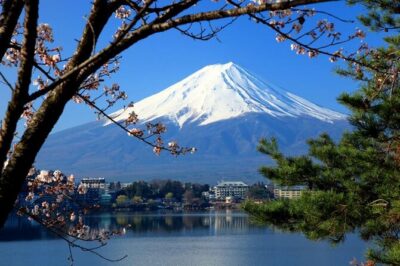 ★ 5.0Mt Fuji and Hakone 1-Day Bus Tour Return by Bullet TrainFrom $163
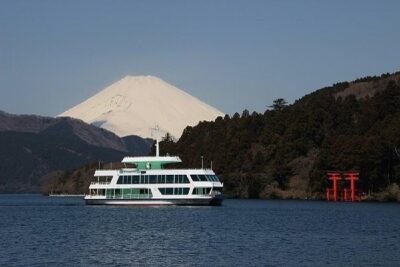 ★ 4.0Mt Fuji & Hakone Cruise, Drum Show Bullet Train 1 Day from TokyoFrom $149
 ★ 4.4Tokyo Mt Fuji 5th St & Hakone Cruise Bus Tour w/Bullet TrainFrom $15410 hours
 ★ 4.5From Tokyo: Mount Fuji Full-Day Sightseeing TripFrom $6810 hours
 ★ 4.7Tokyo: Mt. Fuji Tour, Hakone Ropeway, Owakudani, Lake AshiFrom $5410 hours
 ★ 4.4Tokyo:Mt.Fuji,Kawaguchiko Oishi Park,Arakurayama Sengen ParkFrom $5410 hours