Reviewed · SHINJUKU TOURS
Tokyo Shinjuku Bar Hopping Tour–Hidden Izakaya & Local Guide
Shinjuku after dark is best understood one small doorway at a time. This three-hour walk takes you from the police box near Shinjuku Station to Omoide Yokocho, Kabukicho, and Golden Gai, with food and drinks at three local stops along the way.
In This Article
- Key points to know
- Starting beside Shinjuku Station
- First stop: Omoide Yokocho’s old-style food lanes
- Second stop: Kabukicho after the neon lights come on
- Final stop: Golden Gai and its tiny bars
- What the food and drinks really include
- Why the local guide changes the experience
- Is $128 a fair price?
- Walking, access, and practical comfort
- Who should book this Shinjuku night out?
- Should you book the Shinjuku bar-hopping tour?
- FAQ
- Where does the tour start?
- How long does the experience last?
- How many people are in the group?
- Which Shinjuku areas does the tour visit?
- How many food stops are included?
- What drinks may be available?
- Is the tour available in English?
- What should I bring?
- Can dietary restrictions be accommodated?
I like the small group limit of seven, which makes cramped izakayas easier to manage, and I like that the route includes both famous nightlife districts and lesser-known venues. The main thing to clarify before booking is the drink allowance. The plan includes drinks at each stop, but it is not clearly an all-you-can-drink experience, and one booking report noted an extra charge at the end.
Key points to know
- Three very different Shinjuku areas: Compare the narrow food lanes of Omoide Yokocho, the neon streets of Kabukicho, and the tiny bars of Golden Gai.
- A real meal, not just a pub crawl: The evening includes selected dishes at all three stops, with street food, izakaya specialties, and a final signature dish.
- Small groups matter here: With no more than seven people, entering compact bars should be easier than with a large tour group.
- Drinks are included, but limits matter: Expect options such as sake, highballs, and cocktails, then confirm exactly how many are covered.
- Bring cash and good shoes: You will walk between stops and spend much of the evening standing.
- Best for adults seeking local nightlife: The minimum age is 20, and the experience is not suitable during pregnancy.
Starting beside Shinjuku Station
Your guide meets you in front of the police box, or koban, near Shinjuku Station’s east side. Look for someone holding a sign with the tour name or wearing a distinctive badge or uniform. Arriving five minutes early is sensible, since the station area can be confusing and the group needs to set off together.
This is a practical starting point. Shinjuku Station is enormous, and the police box gives you a clear landmark rather than an address tucked inside a shopping complex. Still, check the exact meeting details after booking, since the confirmed location is shared then.
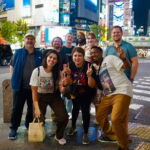
The tour is conducted in English and Japanese, with a local host leading the way. The group is limited to seven people, a useful size for narrow lanes and tiny drinking establishments. A private experience may also be possible when you are the only participant, as happened for one solo booking, but you should not assume that every departure will be private.
The route is on foot. The first walk takes about five minutes, followed by two walks of roughly ten minutes each. You should wear shoes that are comfortable for walking and standing. This is not a sit-down restaurant evening with a car between courses.
A few more Tokyo tours and experiences worth a look
First stop: Omoide Yokocho’s old-style food lanes
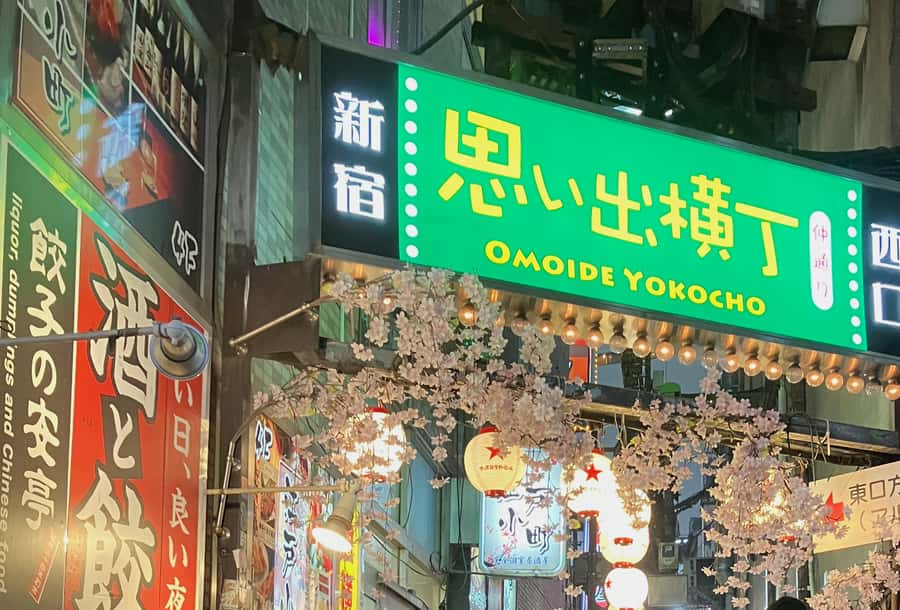
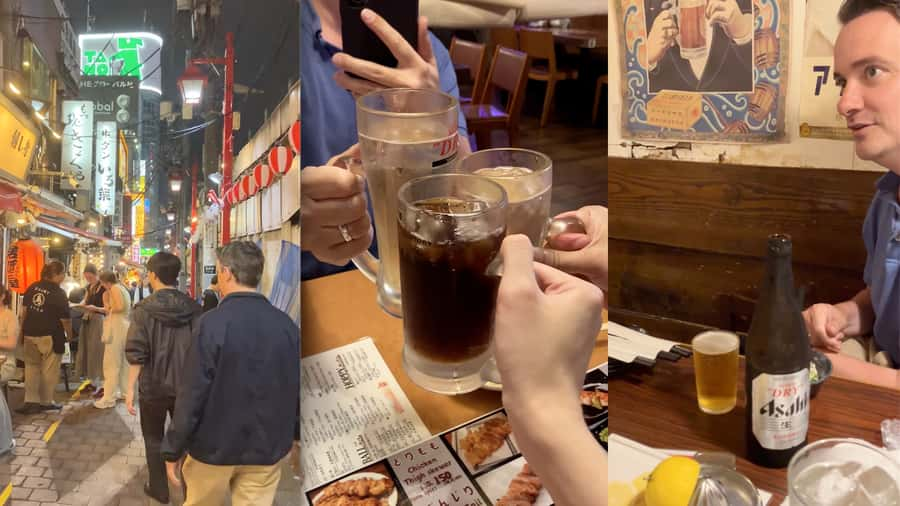
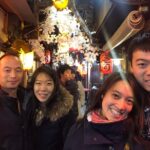
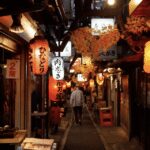
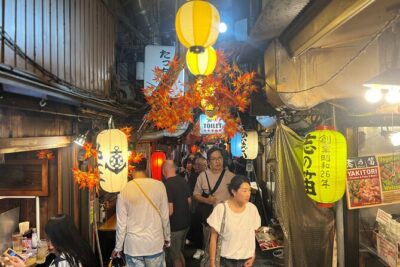
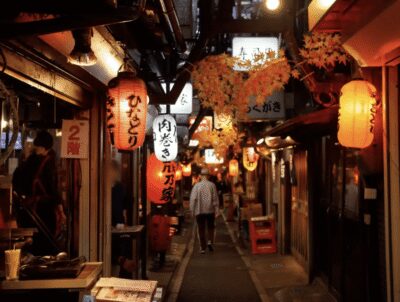
The first stop is Omoide Yokocho, reached after a short walk from the meeting point. This narrow area is known for small eateries and old-fashioned drinking spots packed close together. It provides a useful introduction because the setting feels more intimate than the broad streets outside Shinjuku Station.
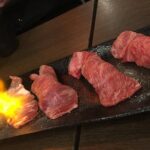
Here, you receive one drink and two selected dishes. The food is described as Japanese street food, local izakaya fare, and traditional dishes, with seasonal specialties possible depending on the evening. Specific dishes are not promised, so you should tell the guide in advance about allergies or dietary restrictions.
The first course is also where you learn the basic rhythm of an izakaya. Food is shared, drinks arrive in small servings, and the point is as much conversation and atmosphere as it is eating. Your guide can explain food traditions and drinking customs while helping you understand what is on the table.
Omoide Yokocho is compact. That is part of its appeal, but it also means tables, passageways, and seating can be tight. You might spend some of the stop standing, and you should not expect the quiet or personal space of a Western dining room.
Second stop: Kabukicho after the neon lights come on
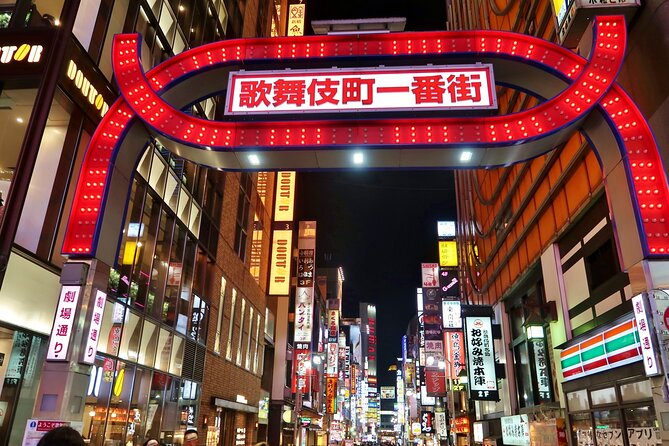
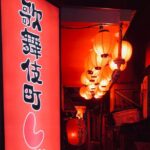
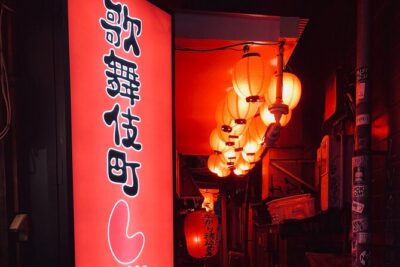
After about ten minutes on foot, the group reaches Kabukicho, Shinjuku’s famous entertainment district. The area is known for neon-lit streets, nightlife businesses, restaurants, and small drinking places. Your guide adds context about how Shinjuku’s nightlife developed and how locals use izakayas and bars after work.
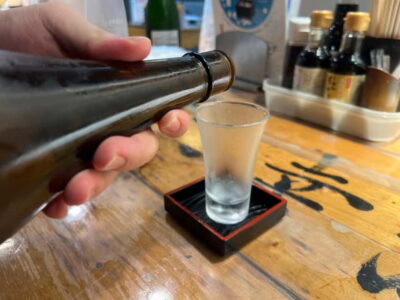
At this stop, you receive two dishes with a selection of Japanese drinks. Depending on what is available, those drinks may include sake, highballs, or cocktails. This is likely to be the most social part of the evening, since the plan is built around the relaxed, shared nature of Tokyo nightlife.
The two dishes make the stop more useful than a simple tasting. You get another chance to try food that may be unfamiliar, and the guide can help explain how it is normally eaten. If you do not eat seafood or follow a vegetarian diet, notify the company before the tour. The operator says it can try to accommodate vegetarian and non-seafood preferences, but arrangements are not guaranteed for every restriction.
Kabukicho can feel more intense than Omoide Yokocho. You will be walking through a busy entertainment district, not a preserved historical quarter. That contrast is valuable: the evening shows both the old-fashioned side of Shinjuku drinking and its modern nightlife energy.
Final stop: Golden Gai and its tiny bars
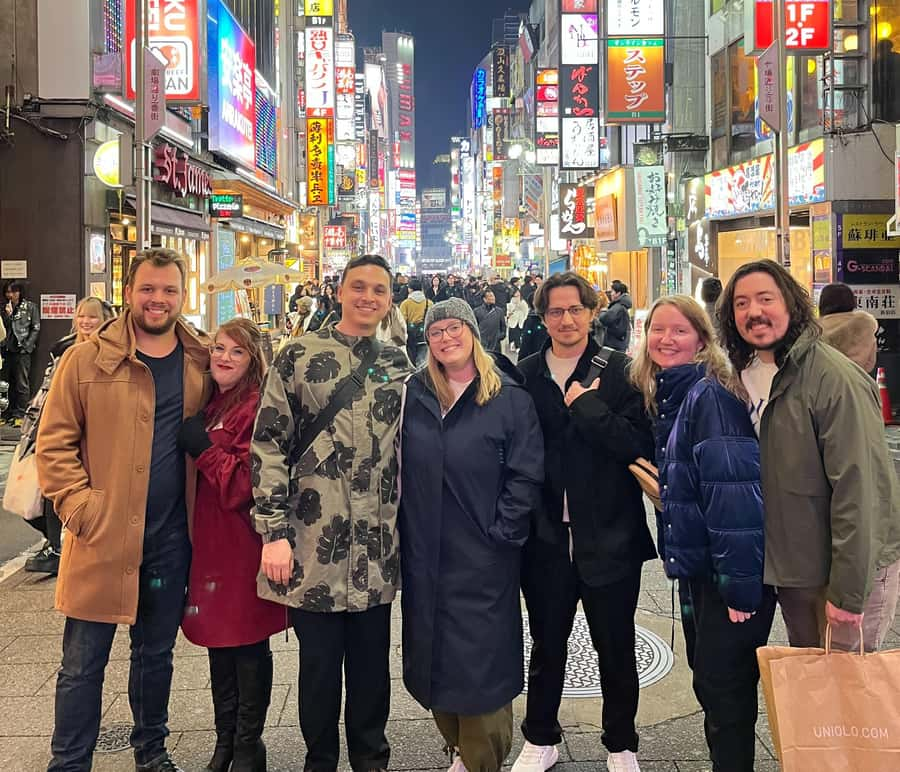
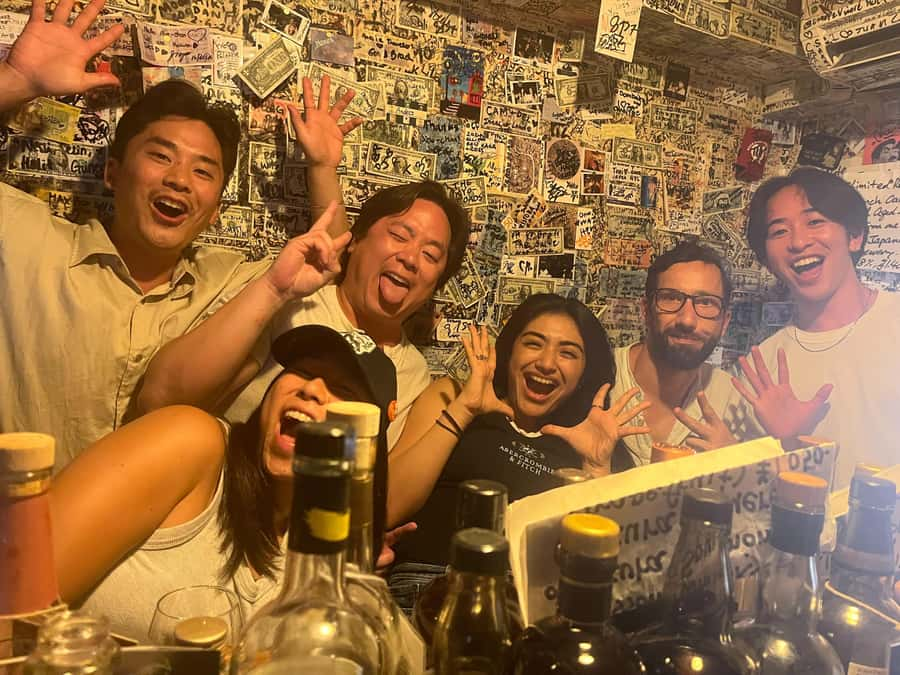
The final ten-minute walk leads to Golden Gai. This district is famous for its narrow lanes and very small bars, many with only a handful of seats. It is one of the most distinctive settings in the tour, and the small-group format is especially helpful here.
The final stop includes one signature dish and one drink at a hidden bar or standing izakaya. It is meant to close the evening with a local-style drink rather than another full meal. The final dish also gives you one more chance to try something selected for the group.
Golden Gai venues can have their own rules, moods, and limited room. A guide is useful because you do not need to guess which door is appropriate or worry about entering a place with no English information. One clear benefit of the experience is having someone arrange entry to small venues you might never locate on your own.
At the same time, the guide’s quality matters greatly here. One verified booking report described a newer guide who seemed unsure of the area and offered little information unless asked. That is worth keeping in mind. The tour is not only about getting through the doors. You are paying for local explanation and orientation, so ask questions if the commentary is too light.
What the food and drinks really include
The advertised food plan is spread across three stops:
- At Omoide Yokocho, one drink and two dishes
- At Kabukicho, two dishes and a selection of Japanese drinks
- At Golden Gai, one signature dish and one drink
That is a reasonable amount of food for a three-hour evening, especially if the dishes are shared. It should not be confused with a full multi-course dinner designed to leave you stuffed. You are sampling several places and styles, not ordering freely from each menu.
The drink wording deserves care. Sake, highballs, and cocktails are listed as possible choices, but the exact number and type can vary. A booking report described receiving only two drinks at each stop and being asked to pay extra for one drink at the end. Before you order anything beyond the included amount, ask the guide whether it costs extra.
Bring cash for personal expenses and possible additional food or drinks. The activity does not include anything ordered outside the stated plan. An ID card is also required, and a copy is accepted according to the tour information.
A few more Tokyo tours and experiences worth a look
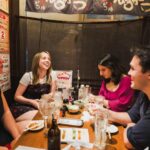
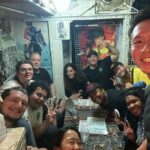
Why the local guide changes the experience
Shinjuku is easy to reach but not always easy to read. A visitor can walk through the neon streets and still miss the small doors, standing bars, and social customs that give the district its character.
The guide’s role is to explain Japanese food culture, nightlife habits, and the story of Shinjuku’s drinking areas. The strongest version of this tour will help you understand why people gather at an izakaya, how drinks and dishes are shared, and how a tiny bar differs from a larger restaurant.
You should take an active role. Ask what a dish is, how locals eat it, and which drink pairs well with it. If your guide is less talkative, direct questions are the best way to get more from the evening. One solo participant received a private guide and had a very positive experience, which suggests the format can work particularly well for people who enjoy one-on-one conversation.
The experience is available in English and Japanese. That makes it more approachable for visitors who would otherwise hesitate to enter a small local venue, though the level of explanation may depend on the individual guide.
Is $128 a fair price?
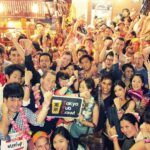
At $128 per person, this is not a cheap way to buy dinner and drinks. You are paying for more than the food itself: a three-hour guided route, help entering small establishments, local interpretation, and a small group capped at seven.
The value is strongest if you are new to Tokyo nightlife, traveling alone, or uncomfortable choosing tiny bars without help. A solo traveler may especially appreciate the company and the structure. You also save the time and guesswork involved in finding three suitable places in an unfamiliar district.
The price is less attractive if you already know Shinjuku, speak Japanese, and are happy to choose your own restaurants. You could spend less by ordering directly, but you would lose the guide, the planned route, and the chance to visit places selected for their local atmosphere.
The drink allowance is the key value question. Since additional drinks are not included, ask for a precise explanation of what comes with the $128 price before committing. You want to know whether the listed drinks mean one per stop, a set selection, or a larger allowance.
Walking, access, and practical comfort
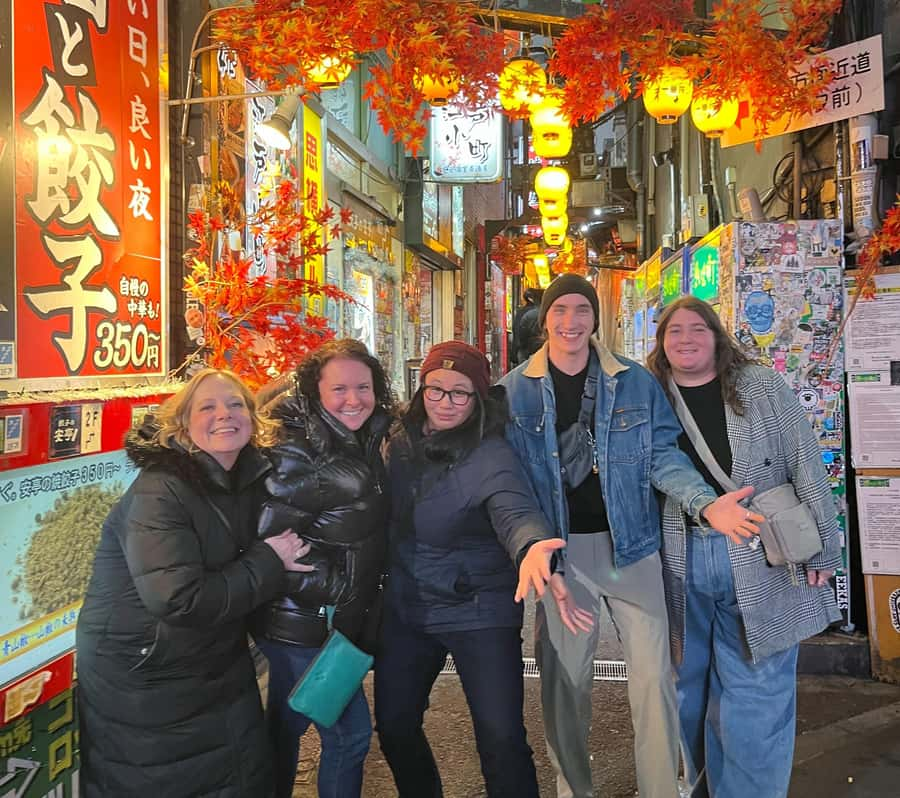
The tour lasts about three hours and operates rain or shine. Dress for the weather, and expect to walk outdoors between stops. Comfortable shoes are essential because you will also spend time standing in small bars and izakayas.
The activity is listed as wheelchair accessible, but the route includes narrow alleys and compact venues. If you use a wheelchair, contact the provider before booking to discuss the specific entrances and seating at each stop. Accessibility may be possible without being equally easy at every venue.
Small belongings are preferable. You do not want a large bag in a crowded alley or a tiny bar. A camera is recommended if you want photos of the neon streets, though you should be respectful inside the venues.
The tour is for people age 20 and older because alcoholic drinks are served. It is not suitable for pregnant women. Anyone with food allergies or dietary restrictions should provide that information in advance rather than waiting until the first stop.
Who should book this Shinjuku night out?
I would consider this tour a good fit for a first visit to Tokyo, especially if you want nightlife but do not want to spend your first evening guessing which doors to open. It also suits solo visitors, couples, and small groups who like trying several places instead of sitting in one restaurant all night.
Food lovers will appreciate the three-stop format and the chance to sample dishes chosen for the route. Drink enthusiasts will enjoy comparing sake, highballs, and cocktails, provided they confirm the included quantities.
This is not the best choice for someone seeking a quiet evening, a guaranteed full dinner, or unlimited drinks. It also may disappoint you if you expect long historical talks at every stop. The guide can share local stories and explain the area, but the quality of that commentary depends on who leads your departure.
The 4.6 rating from the available bookings suggests a generally strong experience, with the most positive account coming from a solo participant who received a private guide. The practical caution is just as important: confirm the drink policy and speak up if you want more local explanation.
Should you book the Shinjuku bar-hopping tour?
Book it if you want a structured introduction to Tokyo’s izakaya culture, prefer a small group, and value access to tiny venues over a low dinner price. The route covers three memorable parts of Shinjuku, and the combination of food, drinks, and local guidance gives the evening a clear shape.
Skip it if you already know Golden Gai and Omoide Yokocho, or if you want control over every dish and drink. If you do book, arrive early, bring cash, wear comfortable shoes, tell the company about dietary needs, and ask exactly what drinks are included. Those small checks will help you enjoy the night without an unexpected charge.
FAQ
Where does the tour start?
It starts at the police box, or koban, near Shinjuku Station’s east side. The guide will be in front of it with a tour sign or distinctive badge or uniform. The exact location is shared after booking.
How long does the experience last?
The tour lasts approximately three hours.
How many people are in the group?
The group is limited to seven participants.
Which Shinjuku areas does the tour visit?
The route includes Omoide Yokocho, Kabukicho, and Golden Gai.
How many food stops are included?
You visit three local eateries, izakayas, bars, or standing izakayas, with food provided at each stop.
What drinks may be available?
The drink choices may include sake, highballs, and cocktails. Additional drinks beyond the included amount are not covered.
Is the tour available in English?
Yes. The tour is offered in English and Japanese, with a live guide.
What should I bring?
Bring comfortable walking shoes, cash for personal expenses, a valid ID or accepted copy, and a camera if you want to take photos.
Can dietary restrictions be accommodated?
You should inform the company in advance about allergies or dietary restrictions. Vegetarian and non-seafood preferences may be accommodated, but arrangements should be confirmed before the tour.
More Guided Tours in Tokyo

More Bar Hopping & Izakaya Tours in Tokyo
More Shinjuku Tours in Tokyo
More tours in Tokyo we've reviewed


Shinjuku Tours, compared.
 ★ 5.0Tokyo: Shinjuku Food Tour (13 Dishes at 4 Local Eateries)From $86
 ★ 5.0Tokyo Bar Hopping Tour in Shinjuku (All-You-Can-Drink + Dinner)From $106
 ★ 4.9Tokyo: Shinjuku Local Bar and Izakaya Guided Walking TourFrom $343 hours
 ★ 4.9Tokyo: Shinjuku Food Tour (13 Dishes and 4 Eateries)From $97
 ★ 5.0Tokyo Night Foodie Tour in Shinjuku – Seasonal Sushi, Wagyu BeefFrom $111
 ★ 5.0Tokyo: Shinjuku Local Bar & Izakaya Crawl TourFrom $39