Reviewed · JDM & CAR CULTURE
Tokyo: Daikoku: JDM and Tokyo Car Culture Experience
Tokyo’s JDM scene is best understood from a passenger seat, not behind a train window. This four-hour Project Wangan convoy takes you from Akihabara through Tokyo’s expressways and landmark bridges to Daikoku Parking Area in Yokohama, riding in tuned Japanese cars along the way.
In This Article
- Key points
- What the Project Wangan ride is really about
- Starting in Akihabara beside the car culture
- The cars: R34 Skyline, EVO 8, WRX, and changing availability
- Through Minato City and Tokyo’s expressway world
- Rainbow Bridge and Tokyo Bay after dark
- The secret stops and the value of local judgment
- Daikoku Parking Area in Yokohama
- What the guides add to the drive
- Is $130 a fair price?
- Timing, comfort, and who should book
- How this compares with a normal Tokyo night tour
- Booking advice for a smoother night
- Should you book Project Wangan?
- FAQ
- How long does the Tokyo JDM car-culture experience last?
- Where does the tour begin and end?
- Which cars might I ride in?
- Can I confirm a particular car before booking?
- Is Daikoku Parking Area guaranteed to be open?
- Is this a taxi or transport service?
- What languages are available, and how large is the group?
I like the small group limit of nine, which keeps the outing personal, and I like the access to local car enthusiasts rather than a standard sightseeing guide. Guides such as Ranul bring useful knowledge of car-meet timing, parking areas, and Tokyo’s street scene. The main catch is that Daikoku PA can close without warning, and the exact car you ride depends on maintenance and availability.
Key points
- Ride in a tuned JDM car: Possible vehicles include a Nissan Skyline R34, Mitsubishi Lancer Evolution VIII, Subaru WRX, and other club cars.
- See Tokyo from the expressways: The route includes the C1 Loop, Wangan Expressway, Rainbow Bridge, and Tokyo Bay bridges.
- Reach Daikoku PA in Yokohama: You get free time at one of Japan’s best-known car-meet locations, when police activity has not closed it.
- Learn from local gearheads: Bilingual club volunteers share practical insight into Japanese car culture and the places connected with it.
- Keep the group small: The tour accepts no more than nine participants, with a maximum of two passengers in the rear seats of each car.
- Return to Akihabara: The experience begins and ends near GamePanic Akihabara, not at your hotel.
What the Project Wangan ride is really about

This is not a museum visit or a photo stop beside a single display car. It is a moving tour of Tokyo’s enthusiast scene, with the road itself forming part of the experience.
You join Iconic Cars Tokyo as a car-club member, then take part in one of its convoy activities. The club describes Project Wangan as a weekly community activity, so the emphasis is on shared enthusiasm, local contacts, and the feeling of rolling out with other drivers. Your payment covers club membership and access to the guide-led driving experience. It is not a taxi service or private transfer.
That distinction matters. You are not hiring a driver to take you wherever you wish. The route is fixed, the group travels together, and the outing ends where it began. I see that as a fair trade for a more focused experience, but it may frustrate you if you want a hotel drop-off or a flexible private tour.
A few more Tokyo tours and experiences worth a look
Starting in Akihabara beside the car culture

The meeting point is GamePanic Akihabara. You should search for the shop on Google Maps and follow the directions, or contact the operator through its stated Instagram accounts for current instructions.
Akihabara is a sensible launch point. It is easy to pair with a day of anime, electronics, arcades, and shopping, then shift from Tokyo’s indoor pop culture to its outdoor car culture. The first listed sightseeing stop is Akihabara UDX, where you spend about 15 minutes.
UDX gives the group a chance to look at the cars before the main drive and get oriented. It is also a practical place for photos and introductions. Do not expect a formal car show here. The attraction is the machines used in the convoy and the people gathered around them.
The cars: R34 Skyline, EVO 8, WRX, and changing availability
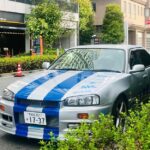
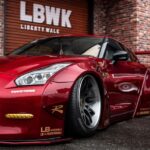
The advertised lineup includes some of Japan’s most recognizable performance cars: the Nissan Skyline R34, Mitsubishi Lancer Evolution VIII, and Subaru WRX. For many visitors, the chance to sit in one of these cars is the whole reason to book.
The cars are not guaranteed for every date. Club vehicles sometimes go into maintenance, and the operator asks anyone with a particular model in mind to confirm availability through Instagram or GetYourGuide before booking. That is practical advice, not a minor footnote. If an R34 is your dream car, ask first rather than assuming the photograph on the booking page guarantees your ride.
The Skyline has sport-style seats. They add to the authentic driving feel, though they are firmer than ordinary passenger seats. Rear seating is limited to two people in all cars, so tall or broad passengers should take the size restrictions seriously. The experience is not suitable for people over 200 centimeters or 115 kilograms, and it is not designed for wheelchair users.
You may ride in one car for much of the outing, or the vehicle arrangement may depend on the group and the available fleet. The supplied details do not promise a particular driving position or a specific car for each participant. Ask before booking if that point is important to you.
Through Minato City and Tokyo’s expressway world

After Akihabara, the convoy passes through Minato City and heads toward Tokyo’s major road connections. This is where the tour becomes different from a normal city tour.
You see Tokyo from the road level, with the guide pointing out places connected to the local car scene. The route uses the C1 Loop and Wangan Expressway, roads that carry real traffic and form a central part of Tokyo’s driving culture. You are not simply looking at a famous street. You are riding through the network that local enthusiasts use to connect the city, waterfront, and meeting spots.
A guide such as Ranul can add useful context here. His role is not only to steer through busy traffic, but also to explain where people meet, how the scene works, and why certain roads matter to enthusiasts. Several highly rated accounts of the experience praise the guides for being friendly, helpful, and easy to contact, with strong insight into car culture and Japanese life.
Keep your expectations sensible. This is a road tour, not a racing session. Traffic, weather, and the number of cars present are outside the operator’s control. You may get a lively convoy and plenty of activity, or a quieter run with fewer cars around.
Rainbow Bridge and Tokyo Bay after dark

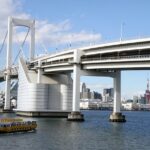
The route passes Rainbow Bridge, one of Tokyo’s most recognizable waterfront structures. You do not get a long walking stop here, but seeing the bridge from a tuned car on the expressway gives the landmark a different role. It becomes part of the drive rather than a separate sightseeing attraction.
The route also includes Tokyo Bay Bridge and scenic views along the way. These stretches are especially useful at night, when the city’s lights and the open road create the right setting for the outing. The operator does not promise a specific time of day, so check available starting times before you book if evening views are a priority.
There are also two secret stops, one listed as a 10-minute visit. Their exact locations are not given in advance. That keeps some flexibility in the route and allows the guides to respond to current conditions, but it also means you should not book expecting a named attraction at each stop.
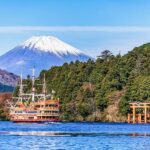
The secret stops and the value of local judgment

The unnamed stops are part of the club-style nature of the experience. A local guide may choose a useful viewpoint, a car gathering place, or another spot connected with the night’s route. You might see a different selection of vehicles or get a better view than you would at a standard tourist stop.
The tradeoff is predictability. You know the broad route, but not every stop. I would treat these locations as bonuses rather than the main reason to reserve. The strongest fixed points are the tuned-car ride, the expressway circuit, Rainbow Bridge, and Daikoku PA.
The guides have sometimes adjusted plans when conditions changed. If Daikoku is closed by police activity, the tour offers an alternative parking area. That flexibility is valuable because Daikoku’s status can change on the night itself. It also means the experience can remain worthwhile even when the signature stop is unavailable.
Daikoku Parking Area in Yokohama

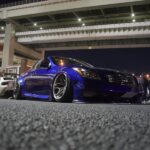
Daikoku PA is the main event for most car enthusiasts. This large service area in Yokohama is closely linked with Japan’s car-meet culture, and the experience gives you free time to look around rather than merely passing the entrance.
The appeal is the mix of machines and the possibility of seeing owners arrive, compare cars, and talk shop. The tour’s convoy arrival adds another layer because you reach the area in the same style as the club members. You are not just being dropped at a parking lot. You arrive as part of the group.
Still, Daikoku is not a guaranteed car festival. Police activity can lead to a temporary closure, and the number of cars present varies. Weather also affects the night. These conditions do not qualify for a refund, so book this for the overall drive and car-culture access, not for a guaranteed lineup of rare vehicles.
When Daikoku has been closed, the guides have used another nearby parking area, including a smaller seaside location with a night view. That substitute cannot match Daikoku’s scale, but it can preserve the basic idea of seeing cars gathered away from central Tokyo.
What the guides add to the drive

The experience includes English and Japanese guidance from bilingual club volunteers. The best part of this format is the conversation. You can ask about the cars, local driving habits, Japanese car culture, and the places along the route.
Ranul is specifically praised in the supplied feedback for being friendly, helpful, and well informed. He has also been described as attentive in heavy Tokyo traffic and willing to explain more than just the vehicles. One useful feature is that the guide may provide drinks and snacks, though you should not treat those as a formally guaranteed inclusion unless confirmed for your date.
The group is limited to nine people, which helps. You are less likely to feel lost in a bus-sized crowd, and it is easier to ask questions. The cars themselves are compact, so the rear-seat limit of two passengers matters. If you want the most comfortable place, ask how seating is assigned.
Smoking, alcohol, drugs, and alcoholic drinks in the cars are not allowed. Audio recording is also prohibited. You need to bring a passport or ID card, with a copy accepted.
Is $130 a fair price?

At $130 per person, this is not a cheap way to get around Tokyo. You could see many city sights for less by train, and this experience does not include hotel transportation.
The value comes from the combination of elements: a ride in a tuned JDM car, highway tolls, bilingual club volunteers, access to the convoy, and a route reaching Daikoku from central Tokyo. Renting a comparable performance car yourself would involve driving decisions, navigation, insurance questions, and the challenge of finding the right meeting places. Here, you can concentrate on the cars and the scene.
I think the price is reasonable for a serious car enthusiast, especially someone who wants an R34, EVO, or WRX experience without arranging a private vehicle. For a casual sightseer, the cost is harder to justify. You are paying for a specialist interest, not a broad introduction to Tokyo.
Remember that the fee is presented as club membership with access to car-club activities. That explains why the operator is careful to say this is not transport. You return to GamePanic Akihabara with the convoy, and hotel drop-offs are generally not included. Late-night drop-off options may be discussed directly with the operator, but they are not part of the standard route.
Timing, comfort, and who should book
The activity lasts four hours, with starting times available on the booking calendar. Evening departures make sense for the car-meet atmosphere, but the exact mood depends on weather, traffic, and how many vehicles gather.
The ride is not suitable for children under eight, people over 70, people with heart problems, motion sickness, or altitude sickness. The height and weight limits are strict: it is not suitable for anyone over 200 centimeters or 115 kilograms. Wheelchair users cannot be accommodated.
I would book this for:
- A JDM fan who wants to ride in a Skyline, EVO, WRX, or similar tuned car.
- Someone who values local conversation over a polished bus tour.
- A visitor who wants to see Tokyo’s expressways and waterfront from inside the car culture.
- A small group that can accept a fixed route and a return to Akihabara.
I would think twice if you need guaranteed access to Daikoku, a specific vehicle, hotel drop-off, or a comfortable rear seat. You should also avoid booking if motion sickness is a concern. The combination of expressways, tuned cars, and firm sport seats may not suit you.
How this compares with a normal Tokyo night tour
A standard night tour gives you planned viewpoints and predictable transport. This experience gives you fewer conventional stops but much more access to a particular subculture.
You may spend only a short time at some locations, and the secret stops are not named. In return, you get the chance to talk with people who actually participate in the local car scene. The route through Akihabara, Minato City, Rainbow Bridge, Tokyo Bay, and Yokohama connects recognizable Tokyo sights with places that matter to drivers.
The tour also works well for a parent accompanying a car-mad child. One supplied account describes a son who loved cars and a parent who still enjoyed the outing. That makes sense: you do not need to know every engine code to appreciate the city views, the convoy, and the guide’s explanations.
Booking advice for a smoother night
Contact the operator before booking if one car matters most to you. Confirm the availability of the R34 Skyline, EVO 8, WRX, or any other preferred model, since maintenance can change the lineup.
Plan to reach GamePanic Akihabara with time to spare. Use the shop’s exact name when searching, and contact the stated social media account if the meeting instructions are unclear. The experience ends at the same meeting point, so plan your return to your hotel from Akihabara.
Do not build your entire Japan itinerary around a guaranteed Daikoku visit. Police activity can close the area, and the alternative may be smaller. Also, do not expect a refund because of weather or a quiet night. The best approach is to see Daikoku as the highlight of a wider four-hour car-culture route.
Free cancellation is available up to 24 hours before the activity, and you can reserve while paying later. Those options help if your Tokyo schedule is still shifting.
Should you book Project Wangan?
Book it if Japanese performance cars are high on your Tokyo wish list and you want more than a quick photo beside a parked vehicle. The tuned-car ride, expressway route, bilingual guides, and local club setting give you a real connection to Tokyo’s JDM scene.
Skip it if you want a guaranteed R34, a guaranteed Daikoku meet, or point-to-point transport. The strongest reason to reserve is the full package: riding with car enthusiasts through Tokyo and Yokohama, then seeing what the night brings at the parking areas. At $130, that is good value for a committed car fan, and a more questionable deal for everyone else.
FAQ
How long does the Tokyo JDM car-culture experience last?
The experience lasts four hours. Starting times vary, so check availability for your chosen date.
Where does the tour begin and end?
It begins at GamePanic Akihabara and ends back at the same meeting point. Hotel drop-off is not included as part of the standard experience.
Which cars might I ride in?
The vehicle lineup can include a Nissan Skyline R34, Mitsubishi Lancer Evolution VIII, Subaru WRX, and other tuned JDM cars. Specific vehicles are not guaranteed because cars may be undergoing maintenance.
Can I confirm a particular car before booking?
Yes. If you want a specific model, contact the operator through Instagram or GetYourGuide to ask about availability for your date.
Is Daikoku Parking Area guaranteed to be open?
No. Daikoku PA can temporarily close because of police activity. If that happens, the tour offers an alternative parking area. Weather and the number of cars present are also outside the operator’s control.
Is this a taxi or transport service?
No. The experience is a cultural automotive event for car-club members. Your payment covers membership and access to guide-led driving activities, and the fixed route returns to Akihabara.
What languages are available, and how large is the group?
Guidance is available in English and Japanese. The group is limited to nine participants, and rear seating is limited to two passengers in each car.
More JDM & Car Culture in Tokyo
More tours in Tokyo we've reviewed












JDM & Car Culture, compared.
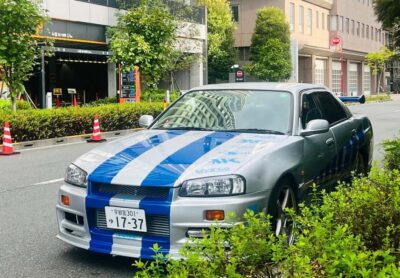 ★ 4.8Tokyo: Fast & Furious Tokyo Drift 3 Experience (Kaila Yu SP)From $157
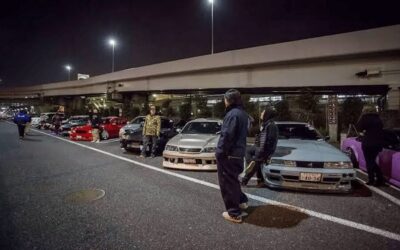 ★ 4.8Tokyo: FAST&FURIOUS EXPERIENCE Daikoku Tokyo Car ClubFrom $157
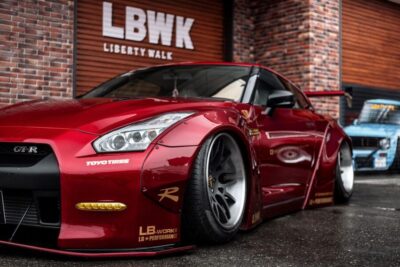 ★ 4.8Tokyo Drift: GT-R Car Club R35 Liberty Walk Daikoku meetingFrom $240
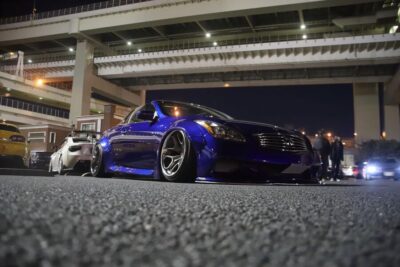 ★ 4.8Tokyo: Daikoku JDM Fast Furious Drift Style Car ExperienceFrom $123
 ★ 4.8Tokyo Drift: GO Daikoku Car Meet R34 Skyline Car ClubFrom $246
 ★ 4.7Tokyo Drift: Daikoku PA Supreme Car Experience 大黒PAFrom $583 hours