Reviewed · 1-DAY TOURS
Tokyo 1-Day Bus Tour, pickup from 28 designated hotels in Tokyo
Tokyo is a huge city, and this full-day bus tour gives you a quick, orderly look at its major sights without asking you to master the subway on your first morning. You’ll move from Meiji Shrine and Shibuya to Tokyo Tower, Ginza, Hamarikyu Gardens, Sensoji, and Asakusa, with a river cruise tying the day together.
In This Article
- Key Points
- What This Tokyo Bus Tour Does Best
- Meiji Shrine and the Quiet Start to a Busy Day
- Tokyo Tower Views and Central Tokyo by Bus
- Ginza Lunch and the Practical Choice of Adding Food
- Hamarikyu Gardens and a Former Shogun Retreat
- Hinode Pier and the Boat Ride to Asakusa
- Sensoji, Nakamise, and the Crowded Finish
- Hotel Pickup, Traffic, and the Nine-Hour Reality
- What the $89.19 Price Really Buys You
- Who Should Book This Tour?
- My Final Take on This One-Day Tokyo Route
- FAQ
- How long does the Tokyo 1-Day Bus Tour last?
- What time does the tour start?
- Is hotel pickup included?
- Is lunch included?
- Can the operator provide meals for food allergies?
- Is Tokyo Tower admission included?
- Is the river cruise included?
- How much walking is involved?
- Can children join the tour?
- What happens if I need to cancel?
I like the hotel pickup, especially when you are still learning Tokyo’s complicated train system. I also like the mix of old and new: a Shinto shrine, a former shogun garden, modern shopping districts, a Buddhist temple, and Tokyo’s famous skyline. The main drawback is the pace. With up to 40 people, traffic delays and group movement can make this a long, tiring day.
Key Points
- A wide sweep of Tokyo in one day: Visit major sights from Meiji Shrine to Sensoji without changing trains.
- Two transportation highlights: Ride up Tokyo Tower and take a 30-minute boat trip toward Asakusa.
- Hotel pickup is a real convenience: Pickup and return service is offered at designated Tokyo hotels, though exact hotel lists should be confirmed.
- Lunch is optional: Choose a Japanese-style regular lunch or vegetarian lunch, but special allergy meals are not available.
- The tour keeps moving: Plan on outdoor walking, crowds, stairs, and little control over how long you spend at each stop.
- The guides shape the day: Guides including Yoshi, Yuki, Sakura, Spring, and others have been praised for clear explanations and practical help.
What This Tokyo Bus Tour Does Best

At $89.19 per person, this tour is priced as a time-saving introduction to Tokyo rather than a slow cultural walk. The cost includes the air-conditioned bus, an English-speaking national licensed guide, Tokyo Tower admission, Hamarikyu Gardens admission, and the river cruise. Lunch costs extra if you select that option.
I see the value most clearly if you have only one day in Tokyo, are staying at one of the pickup hotels, or simply do not want to spend your first full day sorting out train routes. You will cover far more ground than you could comfortably walk, and the bus gives your legs a break between sights.
That convenience comes with a tradeoff. Tokyo traffic can be serious, and the bus must collect and return people at multiple hotels. Some departures have begun late or lost time during the day. The itinerary is packed, so you are buying access to many places, not a relaxed visit to each one.
The group can reach 40 people. That size helps keep the price down, but it can make crowded locations harder to manage. Stay close to the guide, listen carefully for meeting times, and expect the morning and afternoon portions to be led by different guides on some departures. Guides such as Yoshi, Yuki, Sakura, and Spring have received especially warm praise for their clear English, useful explanations, and friendly help.
A few more Tokyo tours and experiences worth a look
Meiji Shrine and the Quiet Start to a Busy Day

The first stop is Meiji Jingu Shrine, one of Tokyo’s major Shinto sites. It honors Emperor Meiji and Empress Shoken, whose reign helped shape modern Japan after the samurai era ended. The shrine was completed in 1920, and the grounds offer a calm contrast to the traffic and towers waiting later in the day.
You get about 40 minutes here, with no separate admission charge. That is enough to walk through the grounds, see the shrine buildings, and get a first look at Shinto customs. I like beginning here because it gives the day some cultural footing before the itinerary turns toward shopping streets and observation decks.
The time is not generous if you want to linger or explore every path. Keep your pace steady, and do not wander too far from the meeting point. This is a sightseeing introduction, not an extended shrine visit.
The bus also passes Shibuya Scramble Crossing, often described as the world’s busiest intersection. Depending on traffic and the exact schedule, this may be a viewing or drive-by experience rather than a long stop. It is a useful glimpse of Tokyo’s modern energy, but do not expect a dedicated shopping break in Shibuya.
Tokyo Tower Views and Central Tokyo by Bus
Tokyo Tower is one of the day’s clearest highlights. You ride a high-speed elevator to the main observation deck, where you can look across the city from above. Admission is included, and the tour is designed to avoid making you stand in line to buy your ticket.
Forty minutes passes quickly at a major observation deck. You will have time to enjoy the views and take photographs, but the schedule does not leave room for a long café stop or an unhurried visit. On clear days, the tower gives you a useful sense of Tokyo’s scale. On cloudy or rainy days, the view can be much less rewarding, which is one reason weather matters on this tour.
The bus route also includes views of the National Diet Building, completed in 1936 and home to both houses of Japan’s parliament. You do not get a full interior tour, but the building adds political context to the central Tokyo route.
A 20-minute loop around the Imperial Palace follows. The palace area was once the shogun’s castle before power shifted during the 19th century. You remain on the bus while the guide provides commentary, so this portion is best treated as a narrated city drive rather than a palace visit.
That distinction matters. If your priority is entering palace grounds or spending time at the Diet Building, this is not the right format. If you want to see several important places without getting off and back on trains, the drive works well.
Ginza Lunch and the Practical Choice of Adding Food
Ginza is introduced as Japan’s first Western-style shopping district, known for department stores, luxury shops, and restaurants. The stop includes a Japanese-style lunch if you selected the lunch option when booking.
The regular meal and vegetarian meal are both offered, but drinks are not included. Special meals for food allergies or other dietary restrictions cannot be prepared. If you have a serious restriction, choose the tour without lunch and arrange your own food rather than relying on the provided meal.
Lunch is one of the more mixed parts of the experience. Some people find it delicious and enjoy the restaurant setting, while others find it ordinary or too rushed. Vegetarian diners have also reported receiving a smaller or incomplete meal on at least one occasion, so it is sensible to check what is served when the meal arrives.
I like adding lunch if you want a simple Japanese meal without spending time choosing a restaurant in the middle of a packed day. The downside is control. You cannot choose the menu, and a 40-minute stop does not allow much time for a leisurely meal.
Hamarikyu Gardens and a Former Shogun Retreat

Hamarikyu Gardens is one of the most appealing stops for anyone interested in traditional Japanese garden design. The grounds were once linked to the shogun and later served as a fortress. Ponds, carefully placed stones, trees, and tea houses create a different kind of Tokyo experience from the surrounding office towers.
You get about 40 minutes and admission is included. I would use this time for a steady walk rather than trying to see every corner. The gardens are valuable because they show how Japanese design works with water, borrowed views, open space, and carefully framed paths.
This stop can feel short, especially after lunch. One of the recurring practical complaints about the day is that the schedule gives too much time at Sensoji and not enough at the gardens. If gardens are your main interest, you may leave wishing for another 20 or 30 minutes.
Still, Hamarikyu gives the day breathing room. It is quieter than Ginza or Asakusa, and it helps keep the itinerary from becoming only a parade of famous city landmarks.


Hinode Pier and the Boat Ride to Asakusa

At Hinode Pier, you board a one-way boat for roughly 30 minutes toward Asakusa along Tokyo Bay and the Sumida River. This is not a narrated sightseeing cruise in the same way as the bus portions. You may get scenic views and a pleasant break from the road, but commentary can be limited.
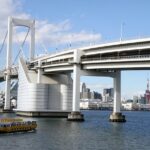
The boat is also the most changeable part of the schedule. Tides, weather, or operating problems can stop the Sumida River Cruise. If that happens, the operator may substitute a longer Tokyo Bay Cruise from Odaiba, crossing near Rainbow Bridge, but Hamarikyu Gardens would then be omitted.
If neither cruise operates, the alternative may be a bus route through Odaiba and across Rainbow Bridge before continuing to Asakusa. These substitutions preserve some sightseeing, but they do not give you the same experience as the promised river trip.
I like the cruise when it runs because it changes your view of Tokyo. After hours on city streets, seeing the waterfront from the boat is a welcome shift. Just keep your expectations realistic: it is a short transportation ride with scenery, not a detailed harbor lecture.
Sensoji, Nakamise, and the Crowded Finish

Sensoji is one of Tokyo’s oldest Buddhist temples, dating to the 7th century. In front of the temple, Nakamise shopping lane leads through rows of souvenir and snack shops. This is where the tour moves from formal sightseeing to a more commercial, crowded side of old Tokyo.
The stop lasts about 50 minutes, the longest individual visit on the listed route. You can see the temple, pass along Nakamise, and buy small gifts or food. The area is easy to enjoy at your own speed, but the crowds can make group movement slow.
Some people find the time useful for shopping. Others would prefer less time here and more at Hamarikyu Gardens. If you already plan to visit Asakusa independently, this section may feel less valuable. If Sensoji is new to you, the stop gives you a good first look without requiring a separate trip across Tokyo.
The bus route also passes Tokyo Skytree, one of the world’s tallest structures, with a large shopping mall at its base. You do not go up the tower on this tour, so treat it as a city view rather than a second observation-deck visit.
The final route includes Kappabashi, also called Kitchen Street or Utensil Street. Its shops sell cooking tools and restaurant supplies. This is a fun detail for food lovers, but your time may be limited, and the exact amount of time spent there depends on traffic and the day’s progress.
You can also leave the tour in Ueno or Akihabara if you want to continue exploring those districts independently. Ueno is a major commercial area, while Akihabara is the center of Japan’s anime and manga culture. These drop-off options are useful if one of them fits your evening plans better than returning to your hotel.
Hotel Pickup, Traffic, and the Nine-Hour Reality

The advertised start time is 8:30 a.m., with pickup from designated hotels in Tokyo. The supplied information refers to both 28 and 33 hotels, so confirm the current list and exact pickup time before booking. A taxi may be used for pickup or return, and a guide may not accompany that short transfer.
Pickup is convenient, but it can also lengthen the morning. Collecting people from hotels spread across Tokyo may take close to an hour in difficult conditions. Return service can cause similar delays, and the full outing often runs close to nine hours, with additional time used for hotel pickups and travel between sights.
The practical fix is simple: arrive early, allow flexibility after the tour, and do not book a tight evening reservation. If you miss the pickup, contact the operator immediately. One particularly helpful service response involved staff arranging a taxi so late-arriving participants could meet the bus, but you should not count on that solution.
The air-conditioned vehicle is a major comfort in hot or rainy weather. There is no WiFi on board and bottled water is not included, so bring water or plan to buy it from a vending machine or convenience store. Comfortable shoes are essential, and rain gear is wise because much of the day takes place outdoors.
What the $89.19 Price Really Buys You

At $89.19, the tour makes financial sense if you value transport, admission tickets, and a guide who keeps the day moving. Tokyo Tower, Hamarikyu Gardens, and the boat ride are already built into the base experience, while lunch is an optional add-on.
You are also paying to avoid the mental work of planning a route across distant districts. Meiji Shrine, Tokyo Tower, Ginza, Hamarikyu, Hinode Pier, and Asakusa do not form a simple subway itinerary. The bus connects them in one day, even if traffic sometimes works against the schedule.
The value drops if you are comfortable using Tokyo trains and prefer to spend an hour or two at each place. You can explore several of these districts on your own with more freedom, especially if you want shopping time, longer meals, or detailed photography.
For a first orientation, a short visit, or a family group that prefers a single vehicle, I think the price is reasonable. For repeat visitors, independent planners, or anyone who dislikes group schedules, it may feel expensive for a day that sometimes turns into a fast bus ride.
Who Should Book This Tour?
I would choose this tour if you want to see Tokyo’s main contrasts in one day: shrine and temple, garden and shopping district, observation deck and waterfront. It works best for first-time visitors who want an overview before deciding where to return on a later day.
It also suits people staying at one of the designated hotels, since pickup removes a major morning chore. The tour requires moderate physical fitness, with outdoor walking, crowded crossings, and repeated boarding and leaving the bus.
I would think twice if you have mobility limits, need frequent restroom stops, or want a slow pace. The schedule does not promise regular toilet breaks, and some stops involve walking from the bus parking area. A group of up to 40 can be hard to hear in crowded places, so staying near the guide matters.
The tour has free cancellation up to 24 hours before the start time. Changes or cancellations inside that window are not refunded. The operator may also change or omit stops because of traffic, weather, tides, or other operating problems, so book it as a flexible overview rather than a guarantee of every listed stop.
My Final Take on This One-Day Tokyo Route
Book this tour if your goal is maximum coverage with minimum planning. You will see a useful cross-section of Tokyo, ride in comfort between far-flung districts, and get included access to Tokyo Tower, Hamarikyu Gardens, and the cruise when conditions allow.
Skip it if you want long visits, quiet explanations at every stop, or full control of your meals and route. The strongest parts are the range of sights, the hotel service, and the better guides, while the weak points are traffic, group size, uneven commentary, and a day that can leave you worn out.
For a first day in Tokyo, I find the tradeoff worthwhile. Just wear good shoes, carry water, confirm your pickup hotel, and leave your evening open.
FAQ
How long does the Tokyo 1-Day Bus Tour last?
The sightseeing portion is about 8 hours and 30 minutes, while the total outing is described as approximately nine hours. Pickup, return service, and travel between attractions use part of the day.
What time does the tour start?
The listed start time is 8:30 a.m. Your exact pickup time depends on the designated hotel selected during booking.
Is hotel pickup included?
Yes. Pickup and return service are offered at major designated hotels in Tokyo. The supplied details refer to both 28 and 33 hotels, so confirm the current hotel list before booking.
Is lunch included?
Lunch is included only if you choose the tour option with lunch. The choices are a Japanese-style regular lunch or a Japanese-style vegetarian lunch.
Can the operator provide meals for food allergies?
No. Special meals for food allergies or dietary restrictions are not available. If you need a special meal, select the option without lunch.
Is Tokyo Tower admission included?
Yes. Admission to the main observation deck of Tokyo Tower is included.
Is the river cruise included?
Yes. The listed tour includes a one-way river cruise of about 30 minutes from Hinode Pier toward Asakusa. The cruise can be replaced or omitted because of weather, tides, or operating conditions.
How much walking is involved?
The tour includes a good amount of outdoor walking. Comfortable shoes are recommended, and you should bring rain gear in case of poor weather.
Can children join the tour?
Children up to 5 years old can join free, but a free child does not receive a bus seat or lunch. If a seat or lunch is needed, the applicable child fare is charged.
What happens if I need to cancel?
You can cancel at least 24 hours before the experience for a full refund. Cancellations or changes made less than 24 hours before the start time are not refunded or accepted.
More 1-Day Tours in Tokyo

More tours in Tokyo we've reviewed












1-Day Tours, compared.
 ★ 5.0Mt Fuji and Hakone 1-Day Bus Tour Return by Bullet TrainFrom $163
 ★ 5.01-Day Tokyo Bus TourFrom $129
 ★ 4.0Mt Fuji & Hakone Cruise, Drum Show Bullet Train 1 Day from TokyoFrom $149
 ★ 4.5Tokyo: DisneySea 1-Day PassportFrom $571 day
 ★ 4.6Tokyo Disneyland 1-Day PassportFrom $571 day
 ★ 4.2Tokyo: Mt. Fuji 5th Station & Hakone Cruise 1-Day Bus TourFrom $12911 hours