Reviewed · VEGAN & VEGETARIAN
Ramen & Dumpling Cooking in Tokyo with Chef/Vegan possible
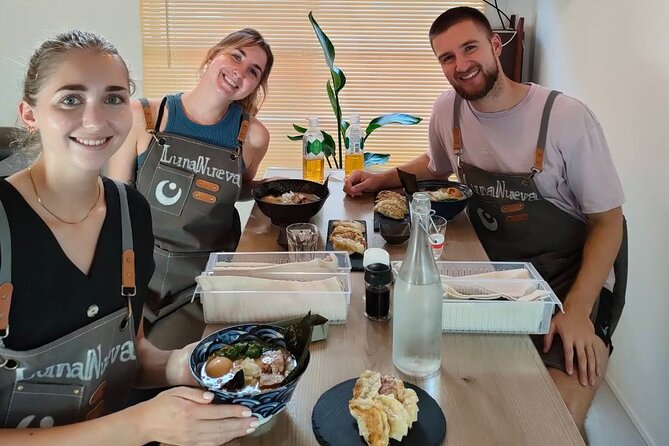
The best part of this Tokyo class is that you do not simply eat ramen, you learn how the bowl comes together. Chef Yoshi and Amo welcome you into their clean, cozy home near Ekoda Station, where you make noodles, fold gyoza, prepare toppings, and finish your own bowl.
In This Article
- What makes this class worth your time
- A home kitchen near Ekoda Station
- The opening lesson: Japanese ingredients and ramen basics
- Making noodles, toppings, and seasoned eggs
- Folding gyoza like a local
- Building your own ramen bowl
- Vegetarian, vegan, and other food restrictions
- Small groups and the teaching style
- Morning or noon: choosing the right time
- Is $102.41 a good value?
- Who will enjoy this Tokyo activity most?
- Booking and cancellation details
- Should you book the ramen and gyoza class?
- FAQ
- Where does the cooking class meet?
- Where does the activity end?
- How long does the experience last?
- What food do you make?
- Is the ramen made with fresh noodles?
- Can I request vegetarian or vegan food?
- Can the class accommodate food restrictions?
- How many people can join the class?
- Are morning and noon sessions available?
- What happens if I need to cancel?
I like the personal scale, with no more than 12 people, and the chance to ask questions as you cook. I also like the local setting, away from Tokyo’s main tourist streets, plus the practical recipes and techniques you can use at home. The main consideration is the price, $102.41 per person, which is fair for a hands-on meal and private-home setting but more than a simple ramen lunch.
What makes this class worth your time
- Fresh noodles are part of the lesson: You do not only assemble store-bought ingredients. You practice making ramen noodles and learn how the broth, noodles, and toppings fit together.
- Yoshi and Amo lead the class: Yoshi handles the cooking instruction, while Amo helps create a relaxed, friendly setting and meets you at the station.
- Gyoza is included: You learn to season the filling and fold dumplings, giving you two useful Japanese dishes in one class.
- Small groups keep it personal: The maximum group size is 12, and many sessions are smaller.
- Vegetarian options are possible: Special diets, including vegetarian and some vegan requests, should be discussed before booking.
- You leave well fed: The class includes a generous amount of food, so arrive hungry rather than planning a large meal right before it.
A home kitchen near Ekoda Station
This experience begins at Ekoda Station in Nerima City, not in central Tokyo’s major sightseeing zones. The address is 1 Chome-78 Asahigaoka, Nerima City, Tokyo 176-0005, and the class ends at the same meeting point.
That location is part of the appeal. You get a look at a quieter residential side of Tokyo, with a chance to see how different the city feels beyond Shibuya, Shinjuku, and Asakusa. Several people have found the train ride straightforward, and Amo meets participants at the station before walking them to the home.
Give yourself enough time to find the correct station exit and meeting point. One useful detail is that the hosts may spot you more easily than you spot them, especially if you look like a visitor in a crowd. Keep your phone available and arrive at the stated meeting point on time.
The setting is a real home rather than a large cooking school. That makes the class feel more intimate, but it also means the space is likely to feel less formal than a commercial kitchen. If you prefer polished demonstrations and lots of room to move, this may not be your ideal format. If you enjoy sitting around a table, asking questions, and sharing a meal, the home setting is a strong advantage.
A few more Tokyo tours and experiences worth a look

The opening lesson: Japanese ingredients and ramen basics
The class lasts about two hours and is built around active participation. Yoshi explains the ingredients and the basic cooking methods, then gives you a chance to practice with guidance.
The exact order can vary, but you can expect the session to cover ramen noodles, broth, toppings, seasoned eggs, and gyoza. This is not a quick demonstration followed by a bowl placed in front of you. You take part in the preparation and receive feedback while you work.
That coaching matters. Ramen looks simple when it arrives at a restaurant, but its quality depends on several small choices: noodle texture, seasoning, broth balance, topping preparation, and final assembly. The class helps you see those parts separately instead of treating ramen as one mysterious dish.
You also hear stories and practical details connected with Japanese food and restaurant cooking. The teaching is conversational, so you can ask about ingredients, methods, and ways to repeat the recipes at home.
Making noodles, toppings, and seasoned eggs
The noodle-making portion is one of the most useful parts of the experience. You practice the process rather than only watching a chef stretch or portion the dough.
For a home cook, this section gives you a better sense of what affects noodle texture and how fresh noodles change the finished bowl. You may not reproduce every restaurant detail in your own kitchen, but you leave with a clearer idea of what to try and why it matters.
The toppings add color and texture to the meal. You prepare seasoned eggs and other toppings, then learn how each one contributes to the final bowl. This is a good lesson for anyone who tends to think of ramen as just noodles and soup. The topping choices help you build a meal that looks and tastes more complete.
The recipes are an important part of the value. The hosts provide recipes intended for use after the class, although one person had trouble receiving them through the booking platform’s message system. If the recipes are important to you, confirm how they will be sent before leaving or check your previous messages afterward.
Folding gyoza like a local
The gyoza lesson gives the class a second hands-on focus. You work with the filling, learn how to fold the wrappers, and prepare dumplings alongside the ramen.
Gyoza folding is easy to understand but takes practice. The first dumpling may look uneven, and that is part of the fun. Yoshi and Amo can guide your technique, so you are not left guessing how much filling to use or how to close the wrapper.
This portion works especially well for families. Children and teenagers can take part in a clear, manageable task, and the finished dumplings provide an immediate reward. The class is also social without requiring anyone to be an expert cook.
The food portion is generous. Several people have specifically noted that you should arrive hungry. Plan this as a substantial meal, not a small snack between sightseeing stops.
Building your own ramen bowl
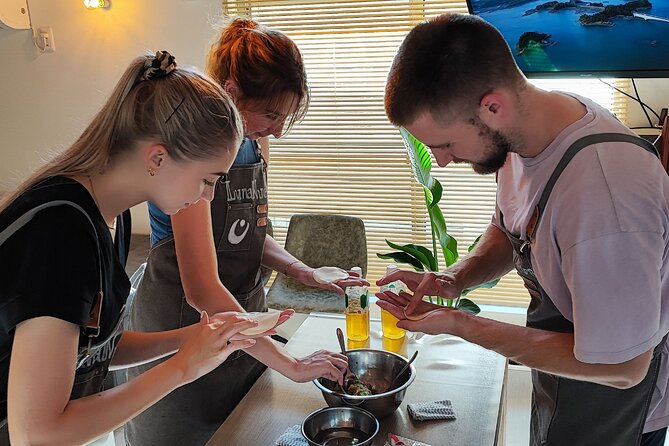
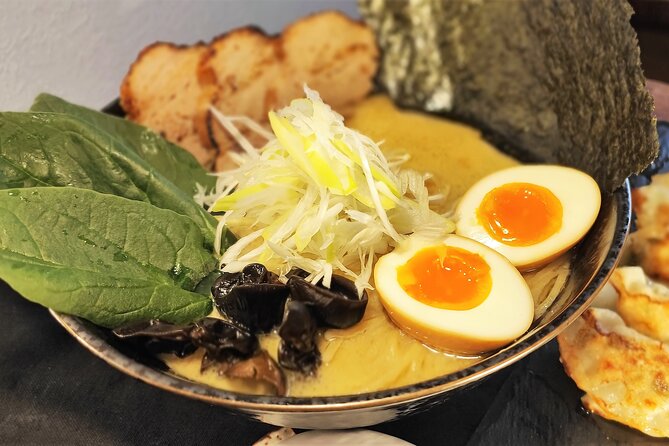
The final stage is assembly. You plate the noodles, broth, eggs, and toppings to create your own ramen bowl.
This is where the earlier lessons make sense. A bowl of ramen depends on timing and proportion, and the class lets you see how the separate pieces come together. You can also customize the toppings, which is helpful for children, picky eaters, and people with different preferences.
The meal is one of the strongest reasons to choose this activity. You eat what you helped prepare, and the result is more satisfying than a standard cooking demonstration. It also gives you a useful comparison point for ramen restaurants during the rest of your time in Tokyo.
Do not expect a restaurant kitchen simulation or a lesson in every regional ramen style. The class is focused and approachable. It teaches a practical set of techniques within a short session, rather than attempting to cover all of Japanese noodle culture.






Vegetarian, vegan, and other food restrictions
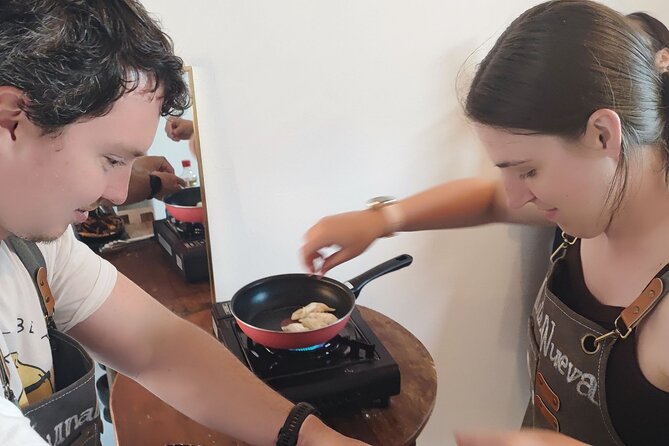
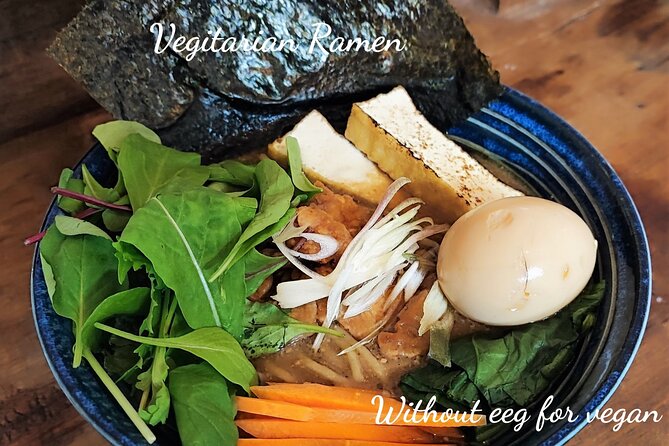
The experience is advertised as allowing vegan options, and special requests have been handled successfully. Vegetarian meals and versions without fish or seafood have been prepared when requested in advance.
This is an important point: tell the provider about your restrictions before the class. Ramen broth and gyoza filling can include ingredients that are not obvious, especially fish-based seasoning or meat stock. Advance notice gives Yoshi and Amo time to prepare suitable alternatives.
The available information confirms vegetarian accommodations and some vegan flexibility, but it does not provide a complete allergen policy or a fixed vegan menu. If you have a serious allergy, contact the provider before booking and ask specific questions about ingredients and cross-contact.
Small groups and the teaching style
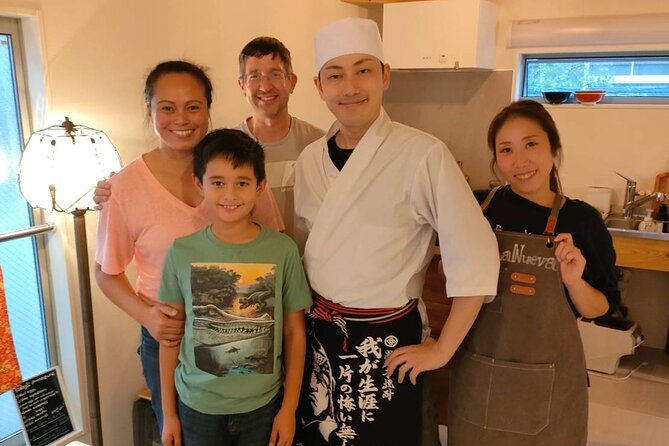
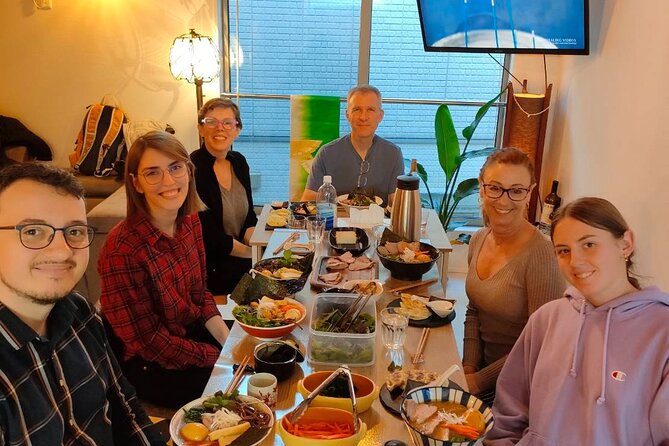
The maximum group size is 12, but the class can be much smaller. A session may include a few separate parties sharing the kitchen and meal.
That setup gives you more direct contact with the instructors than a large public cooking class. You can ask for help with folding, seasoning, or noodle preparation without waiting through a long line of participants.
Yoshi is the main cooking guide, and Amo helps with hosting and communication. Their warm, humorous style is a major part of the experience. The class has been described as friendly and relaxed, with plenty of time for conversation about Tokyo, food, and other places to visit in the city.
The informal approach may not suit someone looking for a strict, professional culinary course. You will learn useful techniques, but the mood is social and welcoming rather than technical or exam-like. For most holidaymakers, that is a benefit.
Morning or noon: choosing the right time
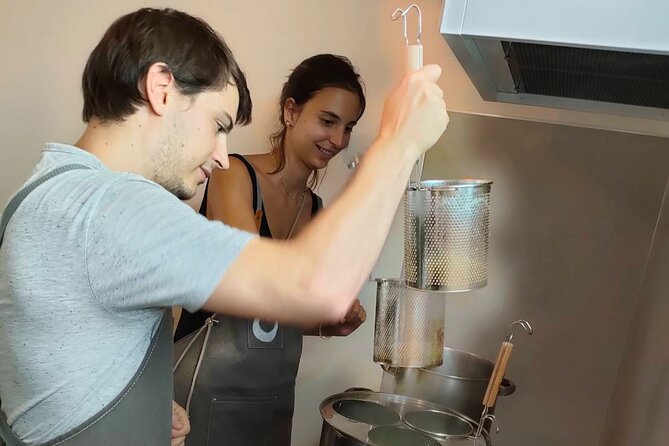
You can choose from a morning or noon class. A morning booking works well if you want a filling lunch and a free afternoon for sightseeing. A noon session may suit you better if you prefer a slower start or are combining the class with another activity later in the day.
The two-hour length is easy to fit into a Tokyo itinerary, but allow extra time for the train journey and meeting at the station. The class takes place outside the most visited central districts, so avoid scheduling a major attraction immediately afterward if you do not want to rush.
The residential setting also rewards a little unplanned time. You can walk around the neighborhood or use a different station afterward to see more of the local area. That is not a formal part of the class, but it can make the trip feel less like a checklist of famous sights.
Is $102.41 a good value?
At $102.41 per person, this is not the cheapest way to eat ramen in Tokyo. You can buy a bowl at a restaurant for far less.
The comparison is not quite fair, though. The fee covers about two hours of instruction, ingredients, several dishes, a meal, and the chance to learn recipes you can use later. You are also paying for a small group and access to a private home rather than only buying food at a counter.
I see the value most clearly for couples, families, and food-focused visitors who want an activity rather than another restaurant meal. A family can cook together, children can take part, and everyone can sit down to eat at the end.
For a solo visitor on a tight budget, the cost may feel high. You should also skip it if you have little interest in cooking and mainly want to sample ramen. In that case, a restaurant crawl will offer more variety for less money.
Who will enjoy this Tokyo activity most?
I would recommend it to:
- Families with children or teenagers who enjoy hands-on activities
- Couples looking for a shared experience
- Home cooks who want practical ramen and gyoza techniques
- Visitors seeking a quieter residential side of Tokyo
- Vegetarians who arrange their requirements ahead of time
- Food lovers who want a full meal with instruction
The class is also a good choice on a rainy day. The indoor format gives you a comfortable plan while still offering a personal look at Japanese food and daily life.
It may be less suitable for anyone with severe food allergies unless the provider confirms the arrangements directly. It is also not the best fit for visitors who want a formal culinary qualification, a long professional workshop, or a tour of several Tokyo neighborhoods.
Booking and cancellation details
Confirmation is sent within 48 hours of booking, subject to availability. The activity has a mobile ticket and operates near public transportation.
You can cancel for a full refund up to 24 hours before the local start time. Changes or cancellations made less than 24 hours before the start are not accepted for a refund, so check your schedule carefully before booking.
Should you book the ramen and gyoza class?
Book this class if you want to do more than eat Japanese food. You will make fresh noodles, prepare toppings and seasoned eggs, fold gyoza, and sit down to a substantial meal with guidance from Yoshi and Amo.
The strongest reasons to go are the personal home setting, the small group, the generous food, and the practical recipes. The main drawbacks are the price and the trip to Ekoda, especially if you plan to stay entirely in central Tokyo.
For families, couples, and curious cooks, I think it is a strong use of two hours in Tokyo. Arrive hungry, give the hosts advance notice about vegetarian or vegan needs, and leave room in your schedule for the relaxed pace of a neighborhood experience.
FAQ
Where does the cooking class meet?
The class meets at Ekoda Station, at 1 Chome-78 Asahigaoka, Nerima City, Tokyo 176-0005, Japan.
Where does the activity end?
The class ends back at the meeting point.
How long does the experience last?
The cooking class lasts approximately two hours.
What food do you make?
You make ramen and gyoza, along with ramen noodles, seasoned eggs, and colorful toppings.
Is the ramen made with fresh noodles?
Yes. The class includes making fresh ramen noodles.
Can I request vegetarian or vegan food?
Vegetarian options have been prepared, and vegan options may be possible. Contact the provider in advance with your exact requirements.
Can the class accommodate food restrictions?
Requests such as no fish or seafood have been accommodated when arranged ahead of time. Ask the provider about serious allergies or specific ingredients before booking.
How many people can join the class?
The maximum group size is 12 people.
Are morning and noon sessions available?
Yes. You can choose from a morning or noon class, subject to availability.
What happens if I need to cancel?
You can cancel at least 24 hours before the local start time for a full refund. Cancellations or changes made less than 24 hours before the start are not accepted for a refund.
More Food Experiences in Tokyo

More tours in Tokyo we've reviewed












Vegan & Vegetarian, compared.
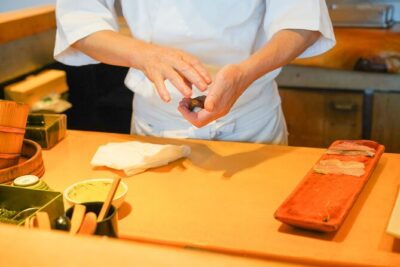 ★ 5.0Vegan Friendly Sushi & Okonomiyaki Shibuya Night Foodie TourFrom $110
 ★ 4.8Tokyo: 2-Hour Vegan and Vegetarian Ramen Guided Walking TourFrom $962 hours
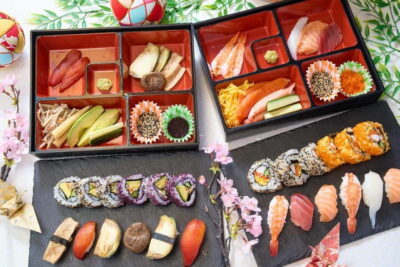 ★ 4.7Shibuya Tokyo: Sushi Making Class (Vegan/Vegetarian/Halal)From $581h 30m
 ★ 5.0Tokyo Vegan Food TourFrom $101
 ★ 5.0Zen Buddhist Vegetarian(Shojin Ryori): Cooking ExperienceFrom $114
★ 5.0Tokyo Vegan Food TourFrom $993 hours
★ 5.0Zen Buddhist Vegetarian(Shojin Ryori): Cooking ExperienceFrom $114
★ 5.0Tokyo Vegan Food TourFrom $993 hours