Reviewed · MT FUJI DAY TRIPS
Customizable Private Tour in Mt Fuji from Tokyo by Car or Van
Mount Fuji is best enjoyed on your own clock, and this private car tour gives you that freedom. You can leave Tokyo with an English-speaking driver, skip the crowded tour bus, and shape the day around lakes, shrines, viewpoints, shopping, or even an icy lava cave. Lake Kawaguchiko and Chureito Pagoda are the natural stars.
In This Article
- Key points to know before booking
- A private route is the real attraction
- What the English-speaking driver does, and does not do
- Oshino Hakkai brings clear spring water and village calm
- Chureito Pagoda requires nearly 400 steps
- Lake Kawaguchiko is the practical Fuji base
- The ropeway gives you the wide view
- Oishi Park is built for seasonal color
- Lake Yamanakako offers a closer view of Fuji
- Shrines add meaning beyond the postcard
- Traditional houses at Saiko Iyashi no Sato Nemba
- Shopping at Gotemba can replace sightseeing
- The 5th Station is weather dependent
- Shiraito Falls and the lava caves are specialty choices
- The small practical details affect value
- Who will get the most from this Fuji day
- Should you book this private Mount Fuji tour?
- FAQ
- How long does the private Mount Fuji tour last?
- How many people can join the private tour?
- Is hotel pickup included?
- Is the Mount Fuji Panoramic Ropeway included?
- Is the Mount Fuji 5th Station included?
- Does the vehicle have Wi-Fi?
- Is this a fully guided walking tour?
I like the hotel pickup and private air-conditioned vehicle, especially for a long day that includes Tokyo traffic and mountain roads. I also like the ability to trade a shopping stop for a shrine, or add a cultural site such as Saiko Iyashi no Sato Nemba. The catch is that ten hours includes driving, and a driver is not the same as a walking guide. If you want detailed interpretation at every stop, this may feel light on explanation.
Key points to know before booking
- Private transport from Tokyo: Your group of up to four has the vehicle to itself, with fuel, tolls, parking, and onboard Wi-Fi included.
- A flexible Fuji day: You can select from lakes, shrines, ropeways, caves, outlets, parks, and cultural sites, but adding everything is not realistic.
- The classic photo stops: Chureito Pagoda, Lake Kawaguchiko, Oishi Park, and Oshino Hakkai offer four very different views of the mountain.
- A long day made easier: Hotel pickup, air conditioning, and no train changes make the trip practical for families or small groups.
- Extra costs matter: The Mount Fuji Panoramic Ropeway, 5th Station, some cultural sites, and certain attractions are not included.
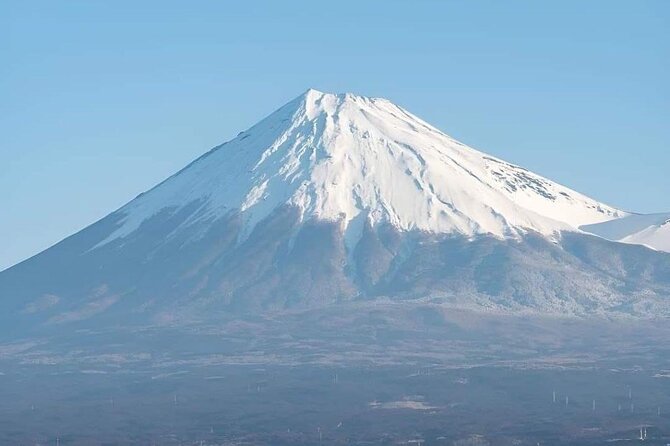
- Weather decides the payoff: Mount Fuji can disappear behind clouds, so flexible timing helps, but it cannot guarantee a clear view.
A private route is the real attraction
The main value here is not simply reaching Mount Fuji. It is being able to decide what kind of Fuji day you want.
You might build a nature-heavy outing around Oshino Hakkai, Lake Yamanakako, Lake Kawaguchiko, and Oishi Park. You could focus on photographs with Chureito Pagoda and the famous Lawson view near Kawaguchiko Station. Or you could add shrines, traditional houses, shopping, and caves.
That choice matters because the Fuji area spreads across a wide region. Public transportation can get you there, but connecting several stops takes planning and patience. A private vehicle lets you change the order, wait for a better view, and avoid carrying your bags between buses.
The tour costs $435 per group of up to four. Split four ways, that is $108.75 per person before attraction fees. For a couple, the price is harder to justify, but for four people it can compare well with separate transport, especially since fuel, tolls, parking, and Wi-Fi are included.
The 10-hour duration sounds generous, but remember that it includes the journey from Tokyo. A day with stops around the Fuji Five Lakes region can involve a lot of time in the car. One traveler found the driving too long, while another described the tour as a useful snapshot for a day when time or energy was limited. Both points are fair.
A few more Tokyo tours and experiences worth a look
What the English-speaking driver does, and does not do
Your driver handles pickup, navigation, parking, and the day’s transport. The drivers named in the tour feedback, including Tim, Jack, Edd, and John, were praised for being polite, flexible, considerate, and willing to adjust the route.
That personal service is one of the strongest parts of the experience. Tim was described as happy to follow a chosen plan while suggesting extra places. Jack was praised for fitting several stops into the day and helping with timing on a busy Japanese holiday. John was described as engaging and good at sharing facts and personal stories.
Still, read the tour format carefully. Insights are given mostly in the vehicle between destinations. You are not booking a full-time walking guide who leads you through every shrine, explains each object, and stays beside you at every viewpoint.
I would prepare a short list of questions or places you care about most. If you want history at Kitaguchi Hongu Fuji Sengen Shrine, cultural context at Oshino Hakkai, or background on the caves, tell the driver early. Clear priorities will make the flexible format work better.
Oshino Hakkai brings clear spring water and village calm
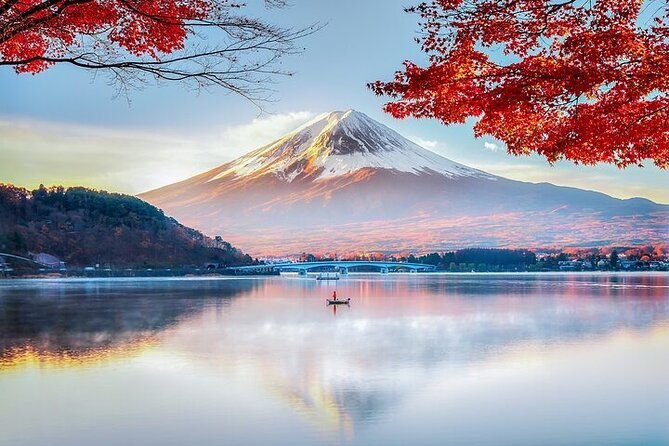
Oshino Hakkai makes a fine first stop if you want a quiet introduction to Mount Fuji. The eight ponds sit between Lake Kawaguchiko and Lake Yamanakako, fed by snowmelt that filters through volcanic rock.
The water is unusually clear, and on a good day you can photograph Mount Fuji reflected in the ponds. The village setting adds a cultural side to the visit, though the allotted 30 minutes is short. You will have time for a walk and photographs, not a slow, detailed exploration.
I would choose Oshino Hakkai over a shopping stop if nature and local character matter more to you than brand-name stores. It also works well early in the day, before you reach the busier sights.
Chureito Pagoda requires nearly 400 steps
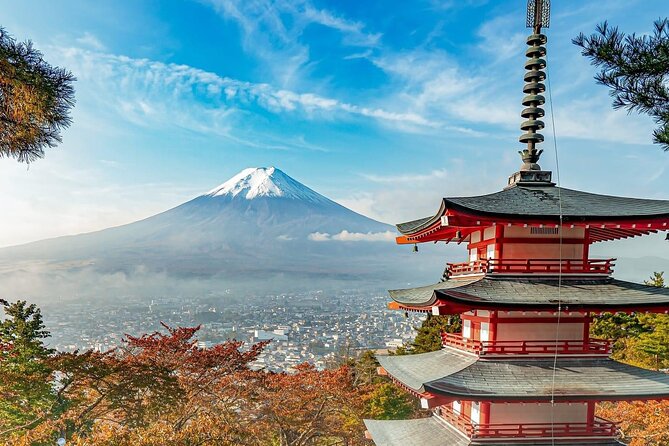
Arakura Fuji Sengen Shrine is home to Chureito Pagoda, one of Japan’s most recognizable Fuji views. The five-story pagoda sits partway up the mountain, with Fujiyoshida City below and Mount Fuji behind it.
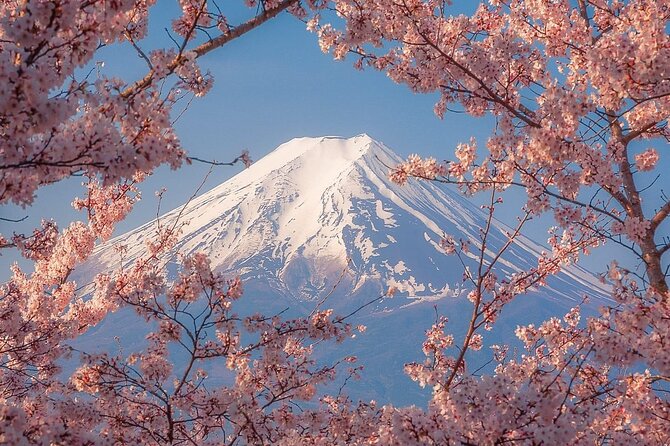
The view is spectacular when the peak is visible. Cherry blossoms make the scene especially famous in spring, while autumn brings a different color palette. But the viewpoint requires climbing nearly 400 steps, so this is not a casual roadside photo stop.
The planned 30 minutes may feel tight once you include the stairs. If someone in your group has limited energy, ask how much time is available and consider giving this stop priority. The shrine itself provides a calmer setting, but the pagoda viewpoint is the reason most people come.
Lake Kawaguchiko is the practical Fuji base
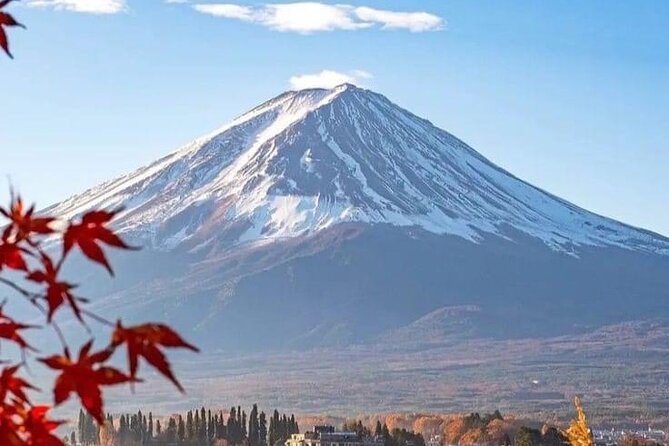
Lake Kawaguchiko is the most popular of the Fuji Five Lakes and the easiest place to combine water, mountain views, restaurants, transport, and paid attractions. At about 830 meters above sea level, it has cool summers and cold winters.
Spring cherry blossoms and autumn foliage draw the largest crowds. The lake is worth seeing in any season, but a 30-minute stop only gives you a taste. If you want a proper lakeside walk, a meal, and the ropeway, you will need to make choices elsewhere.
This is one reason a private tour helps. You can tell the driver that Lake Kawaguchiko is a priority and cut a less important stop. I would not try to treat every listed location as equally important.
Other private tours in Tokyo


The ropeway gives you the wide view
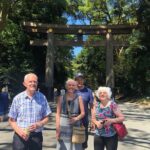
The Mount Fuji Panoramic Ropeway climbs from the eastern shore of Lake Kawaguchiko to an observation area near Mount Tenjo. The ascent rises about 220 meters, with the upper viewpoint more than 1,000 meters above sea level.
From there, you can look over the lake and toward Mount Fuji. The ride and viewpoint usually deserve about an hour, but the ropeway fee is extra. Lines and weather can also affect how much time you spend there.
This is a strong choice for anyone who wants a broad view without a serious mountain hike. Since the attraction is optional, confirm the added charge before the day begins. If the clouds are hiding Fuji, the lake view may still make the ride worthwhile, but the main photograph may not happen.
Oishi Park is built for seasonal color
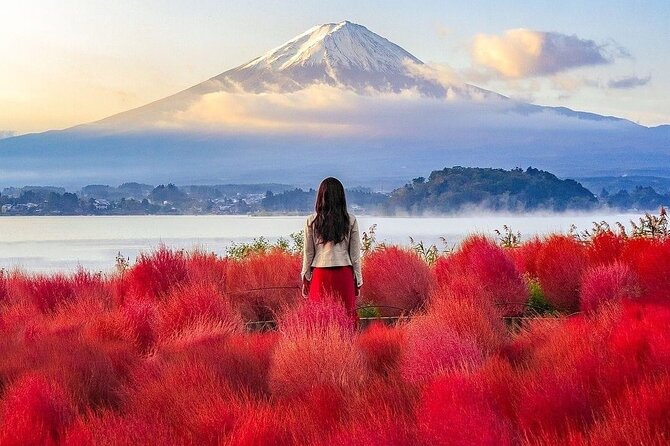
Oishi Park runs along the northern shore of Lake Kawaguchi and combines flower gardens with open views toward Mount Fuji. Lavender is a summer highlight, while cosmos bring color in autumn.
The park is an easy stop. You can walk, take photographs, sit near the lake, or visit the Kawaguchiko Natural Living Center for local products such as blueberry items. The 30-minute visit is enough for a quick stroll and photographs, though not for a long picnic.
I like Oishi Park because it gives you a softer, slower break from shrine steps and vehicle time. Its appeal changes with the season, so do not judge it only by photographs taken at another time of year.
Lake Yamanakako offers a closer view of Fuji
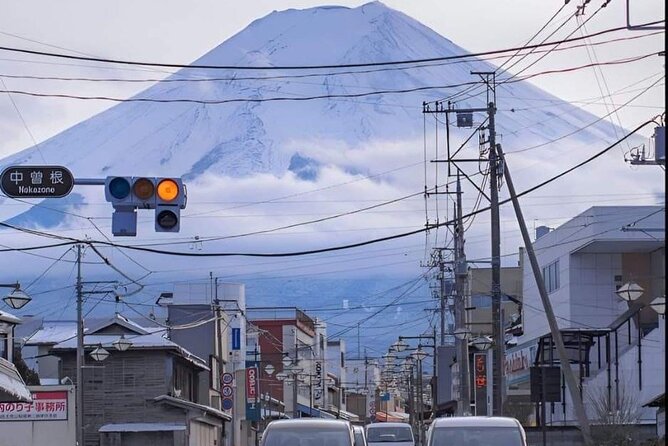
Lake Yamanakako is the largest of the five lakes and the closest to Mount Fuji. Its position gives it some of the strongest views of the peak and surrounding countryside.
This is a good alternative to Lake Kawaguchiko if you want open scenery and a less built-up feeling. It is also a sensible addition for photographers, though it adds more driving to an already long day. Ask the driver to compare it with your other lake stops rather than automatically trying to include both.
Shrines add meaning beyond the postcard
Kitaguchi Hongu Fuji Sengen Jinja is a peaceful, important stop beneath tall cedar trees. The shrine dates back more than 1,000 years and is dedicated to Konohanasakuya-hime, the goddess associated with Mount Fuji and protection from volcanic eruptions.
It was also the traditional starting point for pilgrims climbing Mount Fuji. The grand torii and wooden buildings give you a sense of the mountain as a sacred place, not merely a scenic backdrop.
Arakura Fuji Sengen Shrine offers the famous pagoda photograph, while Kitaguchi Hongu offers a more reflective shrine visit. If you want both, reduce shopping or one of the smaller photo stops.
Traditional houses at Saiko Iyashi no Sato Nemba
Saiko Iyashi no Sato Nemba recreates a traditional village with restored thatched-roof houses. You can browse handmade goods, see cultural displays, and possibly try crafts such as pottery, weaving, or indigo dyeing.
The setting also gives you another Fuji view, but the attraction’s real strength is cultural. It breaks up a day dominated by lakes and lookout points.
Admission is not included, and 30 minutes is a quick visit. I would choose it if you want traditional architecture and crafts. If your group mainly wants scenic photographs, Oishi Park or the ropeway may be a better use of limited time.
Shopping at Gotemba can replace sightseeing
Gotemba Premium Outlets has more than 200 stores, restaurants, and food stalls, all with Mount Fuji views when the weather cooperates. It can be a practical choice if shopping is part of your holiday rather than an unwanted detour.
The important detail is that this stop can replace other locations. Thirty minutes is barely enough to get oriented in a large outlet complex, so you would need to devote more of the day to make shopping worthwhile.
I would include Gotemba only if everyone in your group wants it. Otherwise, use that time for a shrine, lake, or cultural site that is harder to replicate elsewhere.
The 5th Station is weather dependent
The Yamanashi Prefectural Mount Fuji 5th Station Center sits at 5,617 Kamiyoshida and serves as a gateway for people heading up Mount Fuji. You can find visitor facilities, information, and souvenirs there.
The stop is available only if requested, and the admission fee is extra. At this altitude, weather can differ from conditions around the lakes. If clouds cover the mountain, the 5th Station may offer limited views, but it can still provide a sense of the mountain’s scale.
Do not assume the 5th Station belongs in every itinerary. It adds driving, and the lower Fuji sights may offer better photographs on a cloudy day.
Shiraito Falls and the lava caves are specialty choices
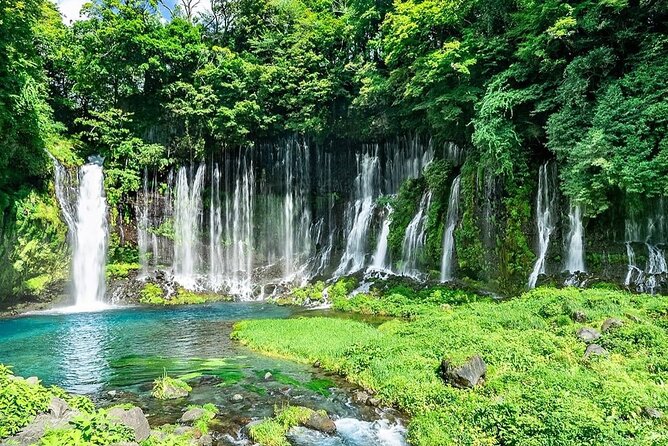
Shiraito Falls lies near Fujinomiya in Shizuoka Prefecture. Snowmelt from Mount Fuji spills over a 150-meter-wide cliff in thin streams that resemble white silk. A 30-minute visit lets you walk the paths, see the falls, and take photographs.
Narusawa Ice Cave is a short underground walk formed by a ninth-century Mount Fuji eruption. It stays below freezing in summer, with ice pillars and frozen walls. Fugaku Wind Cave is roomier and remains around 3°C year-round, with lava formations, basalt walls, and a past connection to silkworm-egg storage.
Both caves require extra admission. They are interesting, but they also add distance and narrow the time available for the main Fuji views. I would reserve them for a repeat visit or for a group that has already seen the classic stops.
The small practical details affect value
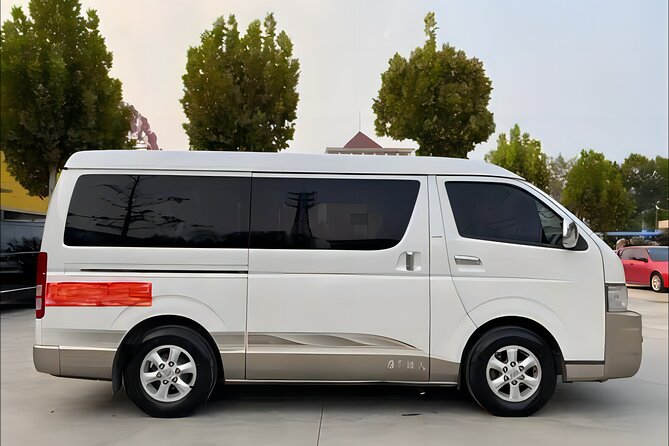
Pickup is offered from your Tokyo hotel, and the vehicle is air-conditioned. Wi-Fi onboard is useful for checking maps, messages, or weather during the long ride. Parking, tolls, and fuel are included, which removes several small costs that can add up on a private day trip.
Airport or cruise-port transfers are different. Pickup or drop-off at Haneda, Narita, or Yokohama costs ¥10,000 each way. Confirm the arrangement before booking if you are not staying at a Tokyo hotel.
The tour has a 4.9 rating from 107 ratings and a 97 percent recommendation rate. The strongest praise focuses on flexible planning, considerate drivers, comfort, and help with tight timing. The clearest criticism concerns long driving times and limited explanation at the stops.
Free cancellation is available up to 24 hours before the start time. Changes or cancellations inside that window are not refunded.
Who will get the most from this Fuji day
I would recommend this tour to a small group that values comfort and control. Four people can share the $435 cost, and families can avoid train changes and crowded buses. It also suits anyone who wants to combine famous viewpoints with a specific interest such as shrines, shopping, traditional buildings, or caves.
It is less suitable if you want a slow visit at every attraction. The listed choices are too numerous for a relaxed 10-hour schedule from Tokyo. It is also not the best fit if your main goal is a detailed guided study of Japanese religion, art, or local history.
Set your top two or three priorities before pickup. Keep one backup plan for poor weather. Mount Fuji may hide behind clouds for much of the day, as one disappointing outing showed, so build your expectations around the region rather than a guaranteed peak view.
Should you book this private Mount Fuji tour?
Book it if you want a comfortable, private way to see several Fuji-area highlights without managing a complicated transport plan. The best value comes with four people, a clear shortlist of stops, and a driver who can adjust the route as conditions change.
I would prioritize Lake Kawaguchiko, the ropeway if the view is clear, Oishi Park, and either Chureito Pagoda or a shrine. Add Oshino Hakkai for spring water and village scenery, or Saiko Iyashi no Sato Nemba for traditional culture. Do not try to force every optional stop into one day.
If you prefer a formal guide who walks with you and explains each site in depth, choose a different format. If you want flexibility, a private vehicle, and a practical Fuji overview from Tokyo, this is a strong choice.
FAQ
How long does the private Mount Fuji tour last?
The tour lasts about 10 hours, including transportation time between Tokyo and the Mount Fuji area.
How many people can join the private tour?
The price covers one private group of up to four people.
Is hotel pickup included?
Pickup is offered from your hotel. Pickup or drop-off at Haneda, Narita, or Yokohama costs ¥10,000 each way.
Is the Mount Fuji Panoramic Ropeway included?
No. The ropeway admission fee is not included and must be paid separately.
Is the Mount Fuji 5th Station included?
The 5th Station is available only if requested, and its admission fee is not included.
Does the vehicle have Wi-Fi?
Yes. Wi-Fi is available onboard, along with air conditioning.
Is this a fully guided walking tour?
No. It is a private sightseeing tour with an English-speaking driver. Most explanations are provided in the vehicle between destinations, rather than through guided walks at every stop.
More Private Tours in Tokyo
More Mt Fuji Day Trips in Tokyo

More tours in Tokyo we've reviewed












Mt Fuji Day Trips, compared.
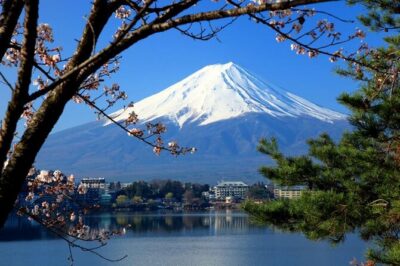 ★ 5.0Mt Fuji and Hakone 1-Day Bus Tour Return by Bullet TrainFrom $163
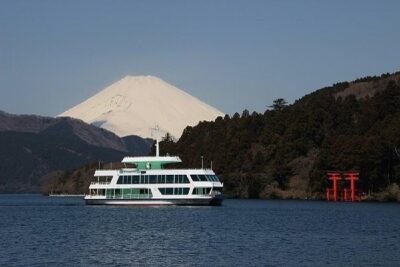 ★ 4.0Mt Fuji & Hakone Cruise, Drum Show Bullet Train 1 Day from TokyoFrom $149
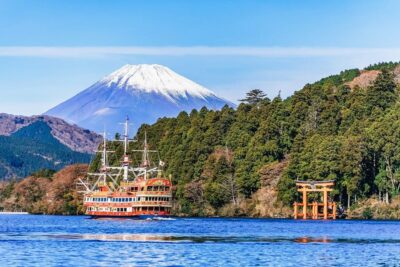 ★ 4.4Tokyo Mt Fuji 5th St & Hakone Cruise Bus Tour w/Bullet TrainFrom $15410 hours
 ★ 4.5From Tokyo: Mount Fuji Full-Day Sightseeing TripFrom $6810 hours
 ★ 4.7Tokyo: Mt. Fuji Tour, Hakone Ropeway, Owakudani, Lake AshiFrom $5410 hours
 ★ 4.4Tokyo:Mt.Fuji,Kawaguchiko Oishi Park,Arakurayama Sengen ParkFrom $5410 hours