Reviewed · MT FUJI DAY TRIPS
Mt. Fuji & Hakone Bus Tour Bullet Train Return & 28-Hotel Pick-up
The best thing about this day trip is how much ground you cover without having to decode Japan’s transport system. In one long outing, you reach Mt. Fuji’s 5th Station, ride the Hakone Ropeway, see volcanic Owakudani, visit Hakone Shrine, cruise Lake Ashi, and optionally finish with a fast bullet train to Tokyo.
In This Article
- Key Points Before You Book
- Why This Tokyo Day Trip Packs So Much In
- Hotel Pickup and the Long Road to Fuji
- Mt. Fuji 5th Station and the Problem of Clouds
- Gotemba Lunch and a Taste of Japanese Cooking
- Hakone Ropeway and Owakudani’s Sulfur Vents
- Lake Ashi’s Pirate Ship and Hakone Shrine
- Odawara Station and the Bullet Train Choice
- How Weather Changes the Experience
- Who Will Like This Tour Most
- Final Verdict: Book It for Variety, Not Leisure
- FAQ
- How long does the Mt. Fuji and Hakone tour last?
- Is hotel pickup included?
- Is lunch included in the price?
- Does the tour visit Mt. Fuji’s summit?
- What happens if the weather blocks Mt. Fuji or Hakone attractions?
- Is the bullet train back to Tokyo included?
- Can children join the tour?
I like the hotel pickup and the variety. You can admire Fuji from the mountain itself and from lower viewpoints, then switch from alpine scenery to hot springs, volcanic vents, a shrine, and a lake cruise. I also like the English-speaking guides, especially Izumi, Yuki, Yoshi, and Spring, who are praised for clear explanations and practical help.
The trade-off is simple: this is a packed 10-hour group tour, not a slow country day. Traffic can eat up hours, stops can feel short, and Fuji may hide behind clouds. If you want several famous sights in one day, it offers good value. If you want quiet paths and long photo sessions, use a private tour or stay overnight in Hakone.
Key Points Before You Book
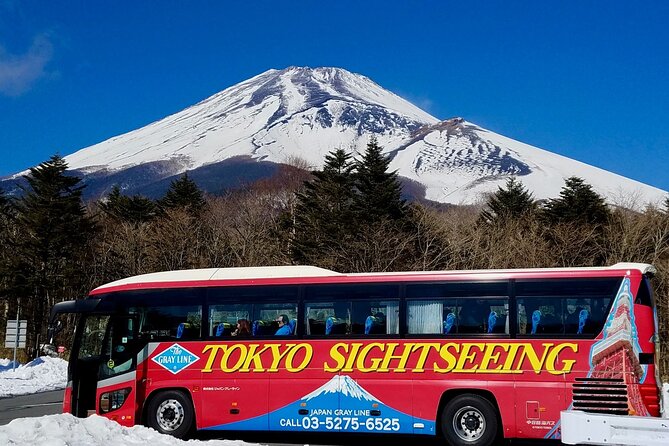
- Mt. Fuji from two angles: Visit the highest accessible point available on the day, then seek more Fuji views from the surrounding area.
- Seven major stops after Tokyo: The route includes Gotemba, Hakone Ropeway, Owakudani, Lake Ashi, Hakone Shrine, and Odawara Station.
- Optional Japanese lunch: Add a Japanese-style meal in Gotemba, with a vegetarian option, but special allergy meals are not available.
- Bullet train upgrade: Return from Odawara to Tokyo Station in about 35 minutes instead of taking the bus back.
- Weather can change the route: Snow, wind, fog, traffic, or restricted access may replace the 5th Station, gondola, volcanic valley, or cruise.
- Best for a first visit: The itinerary suits you if you have only a few days in Tokyo and want an efficient introduction to Fuji and Hakone.
Why This Tokyo Day Trip Packs So Much In
At about $145.35 per person, this sits in the middle of the day-trip market, though the final price depends on the package you choose. Lunch costs extra, and the bullet train return is an option rather than a standard inclusion.
For the money, you are paying for more than transport. Your fee covers a licensed English-speaking guide, designated hotel pickup, the ropeway, and Lake Ashi cruise. Choose the bullet train package and you also get a convenient return to Tokyo Station. Add lunch and the bus handles the day’s awkward connections between Fuji, Gotemba, and Hakone.
I see the value most clearly if you are in Tokyo for only four or five days. Doing these sights independently means juggling highway buses, local transport, timed ropeway rides, and the return from Odawara. You can save money by arranging it yourself, but you will spend more time managing the day.
The bus may carry up to 45 people, so expect a proper group outing. The guide must keep the schedule moving, and the pace reflects that. The highest praise goes to the guides, not to the amount of free time. Izumi is repeatedly described as warm, funny, organized, and generous with cultural details. Yuki and Yoshi also receive praise for answering questions and helping with onward train connections.
A few more Tokyo tours and experiences worth a look
Hotel Pickup and the Long Road to Fuji
Pickup is offered at 28 designated Tokyo hotels, which can make the morning much easier. A taxi may be used to bring you from your hotel to a nearby departure point, and a guide may not accompany that first transfer. Confirm the exact pickup place and time carefully.
The stated start time is 8:30 a.m., but hotel pickup times can vary. Some pickup schedules run later, and one reported arrangement involved a meeting at 8:55 a.m. The useful rule is to follow the final confirmation from the operator, not just the general start time shown during booking. Arrive early anyway. A little waiting is better than watching the bus leave.
The road to Fuji is a major part of the day. With many pickups and highway traffic, the ride can take around two and a half hours, and bad congestion may stretch it further. That is a lot of sitting before your first major stop, so bring water, warm layers, and rain gear.
The payoff is the changing view outside the bus. Depending on the season, you may see autumn color, snow, or a green countryside setting. The guide uses the ride to explain Japanese culture and the places ahead, which helps turn transport time into part of the outing. Still, if you dislike long coach rides, take the time seriously before booking.
Mt. Fuji 5th Station and the Problem of Clouds
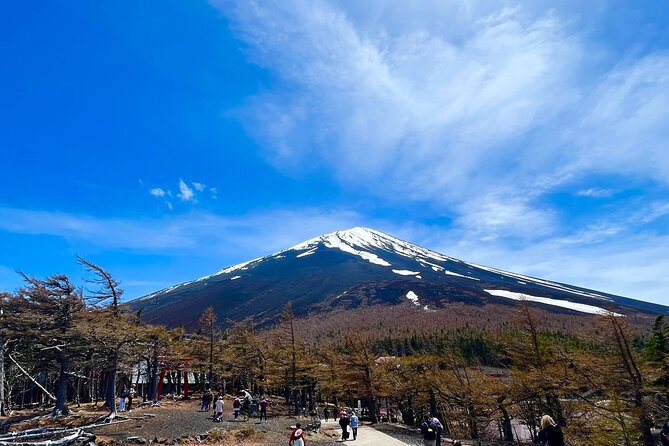
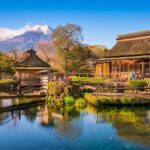
The first main stop is Mt. Fuji’s 5th Station, reached at the highest point accessible by road under current conditions. From late spring through late fall, this is typically the intended destination. You get about 30 minutes, including time for views, photos, and perhaps a quick look at the shops.
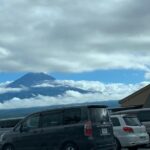
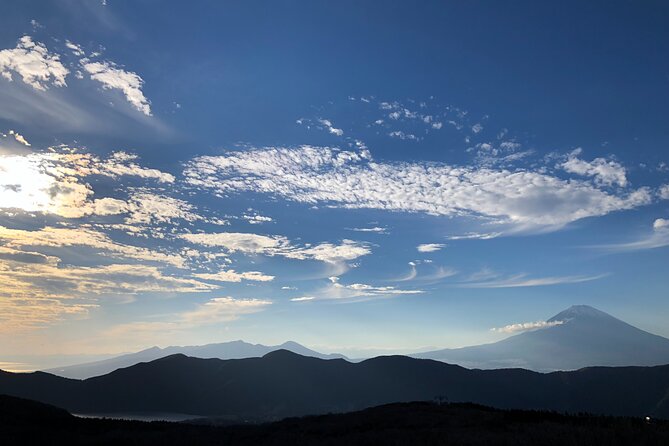
The 5th Station is not the summit. It is a mountain access point with an observation area, and its appeal depends heavily on the weather. On a clear day, you can see the snow-capped peak and surrounding scenery. On a cloudy day, you may see only a small portion of the mountain, or nothing at all.
That short stop is one of the tour’s biggest compromises. Thirty minutes is enough for a photograph and a quick look around, but not enough for a long walk, relaxed shopping, and postcard writing. If Fuji is your main goal, you may wish for more time here.
Snow or heavy traffic can also change the plan. If the road to the 5th Station closes, or the bus is running late, the guide takes you to the highest accessible point instead. The company does not cancel or refund the tour simply because this adjustment is needed. That policy matters, since Fuji conditions can change quickly.
The smart approach is to treat the 5th Station as one chance to see Fuji, not a guarantee. You will have another possible viewing opportunity later, but clear weather is never promised.
Gotemba Lunch and a Taste of Japanese Cooking
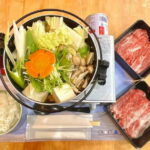
The group next stops in Gotemba for about 40 minutes. If you select the lunch package, you receive a Japanese-style meal in a restaurant, with a vegetarian option available. The meal has been described as fresh, filling, and especially good when served as a hotpot-style lunch.
I like the lunch option for practical reasons. You avoid searching for food during a tightly timed day, and a set meal gives you a small introduction to Japanese dining rather than another stop at a generic roadside counter. It also puts food into the schedule before the afternoon activities.
Do not choose the lunch package if you have serious allergies or strict dietary needs. Special meals cannot be provided, so the operator asks you to book without lunch instead. The restaurant also requires stairs, an important point if stairs are difficult for you.
If you are traveling with a child under six, the child can join free of charge, but that does not include a bus seat or lunch. You must pay the child fare if you need either one.
Hakone Ropeway and Owakudani’s Sulfur Vents
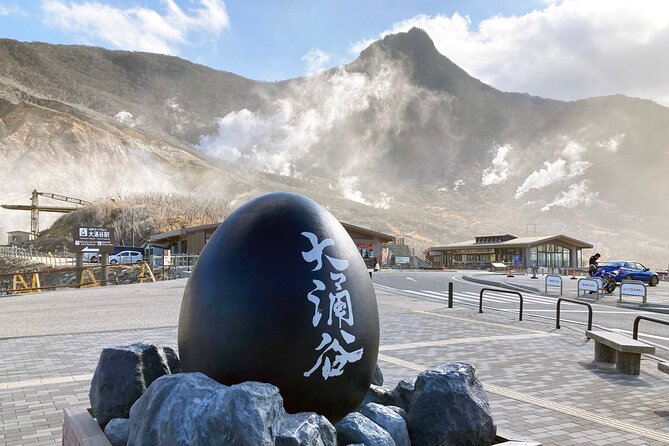
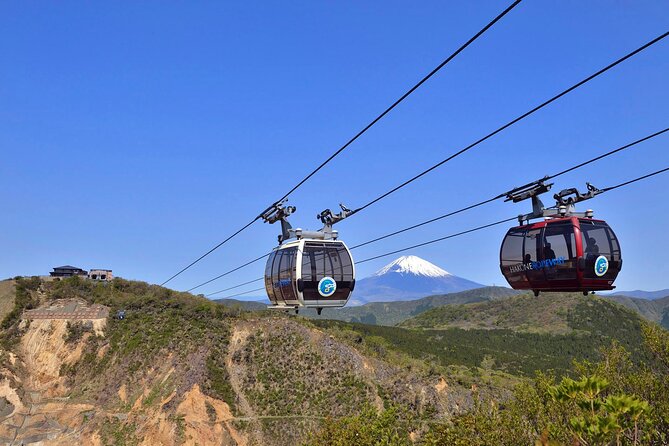
After lunch, the tour heads into Hakone, a famous hot spring area south of Mt. Fuji. The first activity is a one-way ride on the Hakone Ropeway toward Owakudani Valley. The ride itself is brief, around 15 minutes, but it gives you a high view over Hakone’s volcanic area.
Owakudani means Great Boiling Valley, and it is the most unusual stop of the day. The valley has sulfur vents, steam, and the famous black eggs, cooked in hot spring water. The eggs are sold locally and are a memorable snack, though the smell of sulfur can be strong.
The stop lasts about 20 minutes. That is enough to look at the volcanic features and sample or buy black eggs, but it is not a long walk through the valley. You should also take the health warning seriously. The operator advises against outdoor activity here if you have allergic asthma, bronchial or respiratory problems, heart complaints, or a pacemaker.
Weather and access often affect this section. Strong wind, heavy rain, volcanic conditions, crowds, or restricted entry may close the ropeway or Owakudani. If that happens, the guide may substitute Peace Park in Gotemba, the Hakone Geo Museum, the Komagatake Ropeway, Mt. Komagatake, or another approved sight.
A few more Tokyo tours and experiences worth a look
Lake Ashi’s Pirate Ship and Hakone Shrine
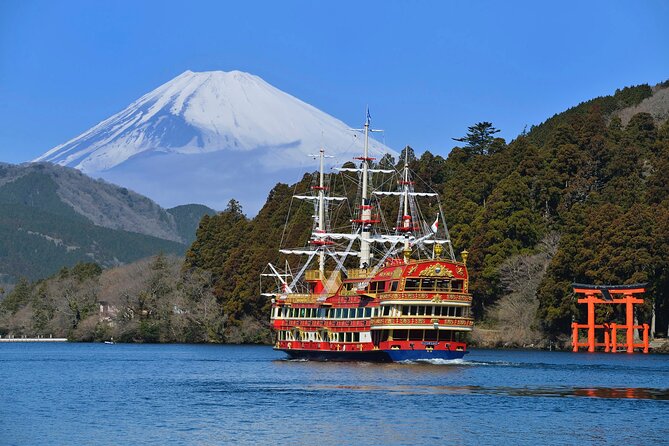
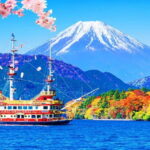
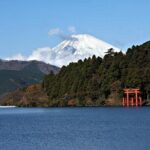
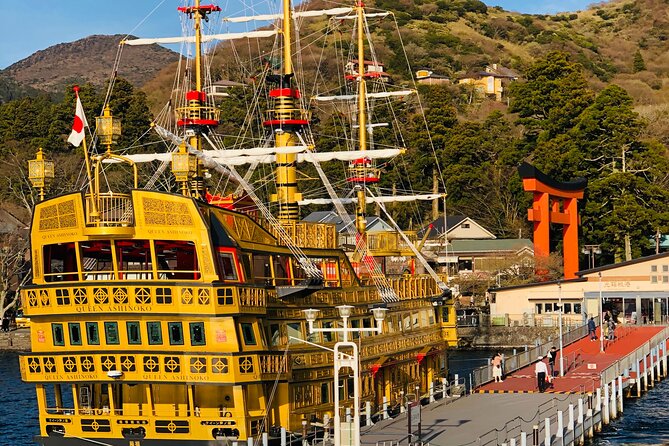
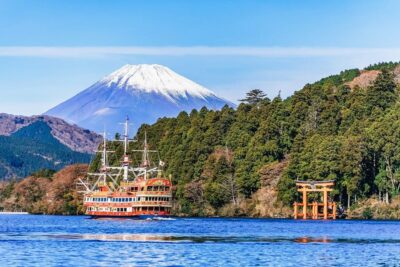
The Lake Ashi cruise lasts about 30 minutes and uses a ship designed like a pirate vessel. It is theatrical rather than traditional, but it adds a welcome change after all the bus rides. From the water, you can look toward the surrounding mountains, the red torii gate by the lake, and, on a clear day, Mt. Fuji.
The boat can be crowded. You may need to stand outside, wait in line, or take turns at the best photo spots. That is not a deal breaker for me, but it helps to set your expectations. This is a scheduled public-style cruise, not a private boat ride with open seating and silence.
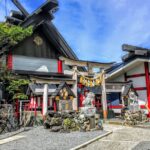
The tour then visits Hakone Shrine for about 30 minutes. The shrine is one of the area’s most important Shinto sites, and its red torii standing at the water’s edge is one of Hakone’s most recognizable views. You can take in the setting and get a taste of the shrine grounds, but half an hour is not enough for an unhurried visit if the approach is crowded.
The shrine may also become a backup stop if the ropeway, Owakudani, or cruise cannot operate. That makes the schedule flexible, though not always predictable. You should think of the tour as a day in the Fuji and Hakone region, rather than a promise that every listed attraction will operate in its standard order.
Odawara Station and the Bullet Train Choice
The final planned stop is Odawara Station. If you return to Tokyo by bus, you receive about a 10-minute break before continuing. The bus ride back can take roughly two to two and a half hours, depending on traffic.
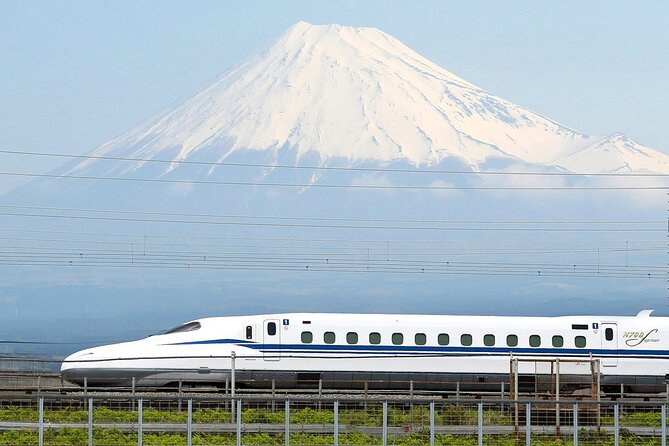
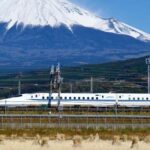
The bullet train option is the strongest practical upgrade. From Odawara to Tokyo Station, the ride takes about 35 minutes, with arrival usually between 6:30 and 7 p.m. After a full day of standing, walking, and sitting on a coach, that speed makes a real difference.
Passengers with a Japan Rail Pass can also use the bullet train option, according to the tour information. Check the exact booking choice before departure, since the train is included only when you select the appropriate package.
The tour ends at Tokyo Station’s Marunouchi Ekimae Hiroba. There is no hotel drop-off, but the guide may help you find connecting trains. Yoshi has been praised for showing people how to continue by rail after arrival, a useful service when you are tired and facing Tokyo Station’s maze of lines.
If traffic delays the group and you miss a scheduled train from Odawara, refunds are not provided. You are instructed to use non-reserved seats on the next train. That is another reason to avoid booking an important evening reservation too close to the planned return.
How Weather Changes the Experience
Fuji is the star, but Fuji does not take requests. Clouds, rain, wind, and snow can block the peak, close the road, or remove the ropeway and cruise from the plan. Several parts of the route may be replaced with alternative sights, including Peace Park, Hakone Shrine, the Geo Museum, a different ropeway, Narukawa Museum, Lake Kawaguchi, or the Mt. Fuji Panoramic Ropeway.
The best guides handle this well. Izumi is praised for humor and empathy when weather spoils the main views, and Yoshi is praised for keeping the day informative despite poor conditions. Still, good guiding cannot create a clear mountain.
Pack a warm jacket, raincoat, and umbrella. Conditions at the mountain can feel much colder than Tokyo, and the tour specifically recommends warm clothing and rain gear. Comfortable shoes also matter because you will walk outdoors and use stairs.
Who Will Like This Tour Most
I would choose this tour if you have limited time in Tokyo, want an easy first look at Fuji and Hakone, and prefer someone else to manage the transport. It is also a good match if you enjoy learning about Japan from an English-speaking guide rather than simply being dropped at photo stops.
The tour suits you particularly well if you value variety. You get mountain scenery, a Japanese meal if selected, a ropeway, volcanic features, a shrine, and a lake cruise in one day. The bullet train return is worth serious consideration for comfort and time.
I would hesitate if you need a gentle pace, dislike buses, have trouble with stairs, or want hours at one location. The day can feel rushed, especially at the 5th Station and Hakone Shrine. Owakudani also deserves caution if you have respiratory or heart problems.
Pickup communication is another detail to watch. Confirm the final hotel meeting time more than once, and do not assume the general 8:30 a.m. start applies to your hotel. The tour can use a taxi for the first leg, and the guide may meet you at a second location.
Final Verdict: Book It for Variety, Not Leisure
I recommend the Mt. Fuji and Hakone Bus Tour if your goal is to see the classic sights efficiently from Tokyo. The guide quality, included ropeway and cruise, hotel pickup, optional lunch, and fast bullet train return create solid value at around $145.35, depending on your selected package.
Book it with realistic expectations. You may spend several hours on the road, receive only 30 minutes at the 5th Station, and see Fuji through clouds. Pick the bullet train return if your budget allows, pack for cold and wet weather, and confirm your pickup time.
If you want a broad first taste of Mt. Fuji and Hakone in one day, this is a sensible choice. If Fuji itself is the whole point, give the mountain more time with an overnight stay or a slower, more focused outing.
FAQ
How long does the Mt. Fuji and Hakone tour last?
The tour lasts approximately 10 hours. The stated start time is 8:30 a.m., and the bullet train option usually reaches Tokyo Station between 6:30 and 7 p.m.
Is hotel pickup included?
Pickup is offered from designated hotels in Tokyo. A taxi may be used for part of the pickup service, and the guide may not accompany you during that first transfer.
Is lunch included in the price?
Lunch is included only if you select the package with lunch. The meal is Japanese style, and a vegetarian option is available. Special meals for food allergies or other dietary restrictions cannot be provided.
Does the tour visit Mt. Fuji’s summit?
No. The tour visits the 5th Station, or the highest point accessible by road under the day’s conditions. The summit is not part of this sightseeing tour.
What happens if the weather blocks Mt. Fuji or Hakone attractions?
The itinerary may be changed if weather, traffic, restricted entry, or other operating conditions affect the route. The ropeway, Owakudani Valley, or Lake Ashi cruise may be replaced with alternative sights, and poor conditions do not automatically result in a refund.
Is the bullet train back to Tokyo included?
The bullet train is included only when you select the Bullet Train option. The ride from Odawara Station to Tokyo Station takes about 35 minutes. Other options may return by bus.
Can children join the tour?
Children up to five years old can join free of charge, but a free place does not include a bus seat or lunch. If you need either one for a child, the applicable child fare is charged.
More Hakone Day Trips in Tokyo
More Mt Fuji Day Trips in Tokyo

More tours in Tokyo we've reviewed












Mt Fuji Day Trips, compared.
 ★ 5.0Mt Fuji and Hakone 1-Day Bus Tour Return by Bullet TrainFrom $163
 ★ 4.0Mt Fuji & Hakone Cruise, Drum Show Bullet Train 1 Day from TokyoFrom $149
 ★ 4.4Tokyo Mt Fuji 5th St & Hakone Cruise Bus Tour w/Bullet TrainFrom $15410 hours
 ★ 4.5From Tokyo: Mount Fuji Full-Day Sightseeing TripFrom $6810 hours
 ★ 4.7Tokyo: Mt. Fuji Tour, Hakone Ropeway, Owakudani, Lake AshiFrom $5410 hours
 ★ 4.4Tokyo:Mt.Fuji,Kawaguchiko Oishi Park,Arakurayama Sengen ParkFrom $5410 hours