Reviewed · SAMURAI & NINJA EXPERIENCES
Martial Arts: Samurai Experience (Iaido)
The best part of this Kanto-region experience is that you do not just look at samurai armor or watch a staged show. You put on a traditional outfit, learn basic Iaido movements, handle a katana, and then watch the Master demonstrate with a real sword. It gives Japanese history a physical sense that a museum visit cannot.
In This Article
- Key Points To Know
- What Iaido Gives You That a Standard Samurai Show Does Not
- Changing Into Samurai Clothing Sets the Mood
- The Fundamental Movements Come First
- Learning To Handle the Katana
- The Master’s Shinken Performance
- Photos and Questions Complete the Visit
- Is $161 a Fair Price?
- Who Will Enjoy This Iaido Experience Most?
- Practical Planning Before You Go
- Should You Book It?
- FAQ
- Where does the Iaido experience take place?
- How long does the experience last?
- What languages are spoken during the activity?
- Is a samurai outfit included?
- Is a katana included?
- Will I use a real sword?
- Is food included?
- Is hotel pickup and drop-off provided?
- What should I bring?
- Can I cancel for a full refund?
I like the balance between instruction and spectacle. You first learn the fundamentals at a manageable pace, then see what polished technique looks like in the Master’s performance. I also like the chance to ask questions directly, take commemorative photos, and hear how Samurai pride and discipline continue through Iaido today.
The main consideration is accessibility. The activity is not suitable for wheelchair users or children under five, and no meal or hotel transportation is included. The total time is listed as one day, but you need to check the available starting times before booking.
Key Points To Know
- Practice with a rental katana: You learn basic sword movements under instruction rather than simply posing with a prop.
- Watch a real-sword demonstration: The Master performs with a Shinken, the Japanese term for a real sword.
- Wear a samurai outfit: Changing clothes helps set the tone before the lesson begins.
- Learn Iaido’s purpose: The class connects sword technique with the discipline and spirit passed down from the Samurai era.
- Finish with photos and questions: You have time to record the experience and ask about the art, the sword, and its traditions.
- Plan for a dojo visit: The activity takes place on the third floor of the meeting-point building in the Kanto Region.
What Iaido Gives You That a Standard Samurai Show Does Not
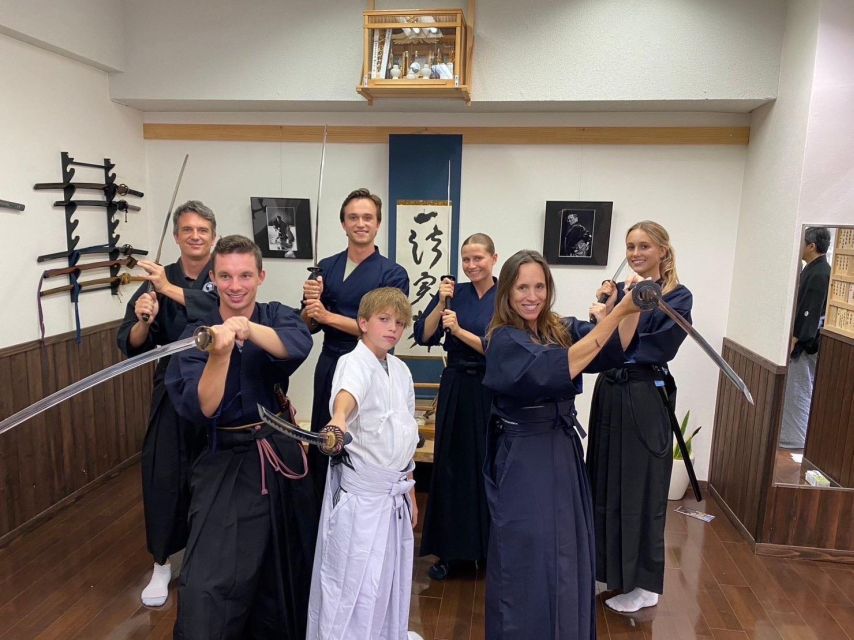
Iaido is a Japanese martial art centered on the controlled use of a sword. This experience introduces you to its basic movements and the way a katana is handled. You are not simply watching a performance from the sidelines. You take part in the opening practice, with the instructor explaining the movements before you try them.
That distinction matters. A samurai-themed photo session can be fun, but it may leave you with little sense of what sword training involves. Here, the lesson gives you a small taste of the concentration, posture, and control behind the art. You should not expect to become an expert in one visit, but you will understand more about the care involved in each movement.
The activity also presents Iaido as a living tradition. Samurai belong to Japan’s past, but the discipline associated with them continues through organized Iaido practice. The International Iaido Organization was created to help teach the art around the world, and this class offers an accessible introduction to that wider tradition.
You do not need to arrive with martial arts experience. The plan begins with a summary of samurai history and basic movements, then builds toward katana use. That progression makes the experience suitable for a first encounter, especially if your interest is cultural rather than competitive.
A few more Tokyo tours and experiences worth a look


Changing Into Samurai Clothing Sets the Mood
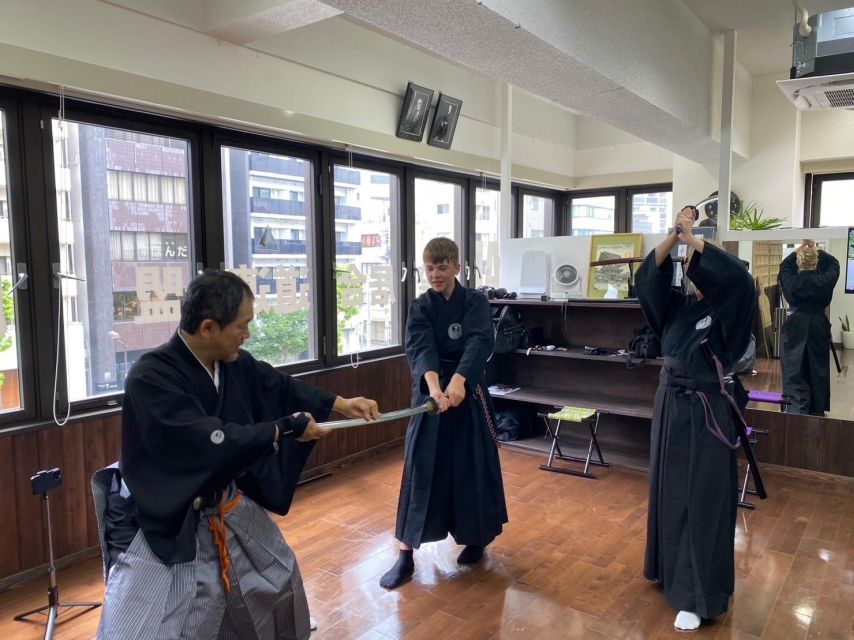
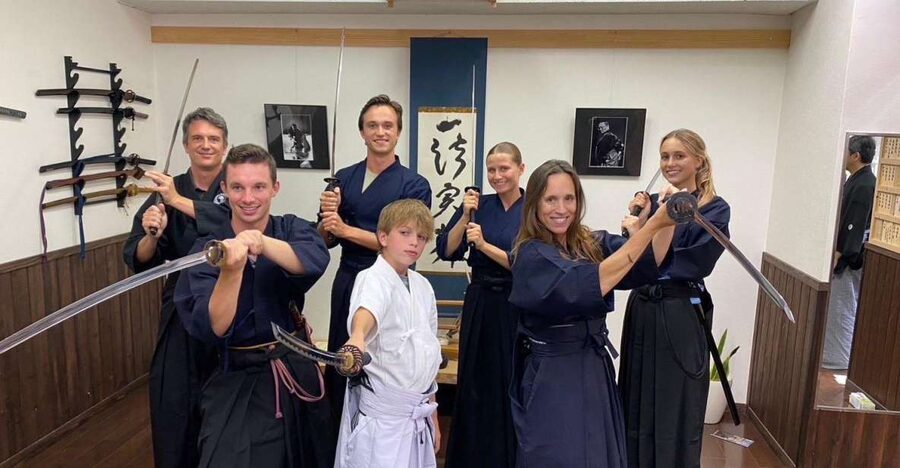
Your first major step is changing into the provided outfit. Rental clothing and a katana are included in the activity fee, so you do not need to bring specialist equipment. You only need comfortable clothes to wear underneath or during the visit.
This is more than a costume change. Samurai clothing helps you pay attention to posture and movement, while the dojo setting gives the class a formal feel. If you are booking this for photographs, the outfit also makes the final pictures more memorable than ordinary holiday snapshots.
Still, keep your expectations practical. The clothing is part of the lesson and atmosphere, not a full historical reenactment with a long list of period activities. The focus remains Iaido and the correct use of the sword.
The Fundamental Movements Come First
At the dojo, the Master explains the outline of samurai practice and introduces basic movements. You then begin working through the fundamentals before moving on to the katana itself.
This first stage is important because sword technique is not just about swinging a blade. The lesson gives you a controlled framework before you attempt more complex actions. You can concentrate on following instructions rather than guessing what to do.
The class is taught in English and Japanese. That is useful for international visitors, though the provided information does not identify the individual instructors by name. You should expect guidance from the Master and other leaders at the dojo, with help available during the practice.
The strongest praise for this experience centers on the teaching style. The instructors are described as professional, friendly, and willing to answer questions. That matters in a lesson involving a sword, even a practice katana. Clear instruction makes the activity more comfortable for beginners and helps keep the focus on technique.
Learning To Handle the Katana
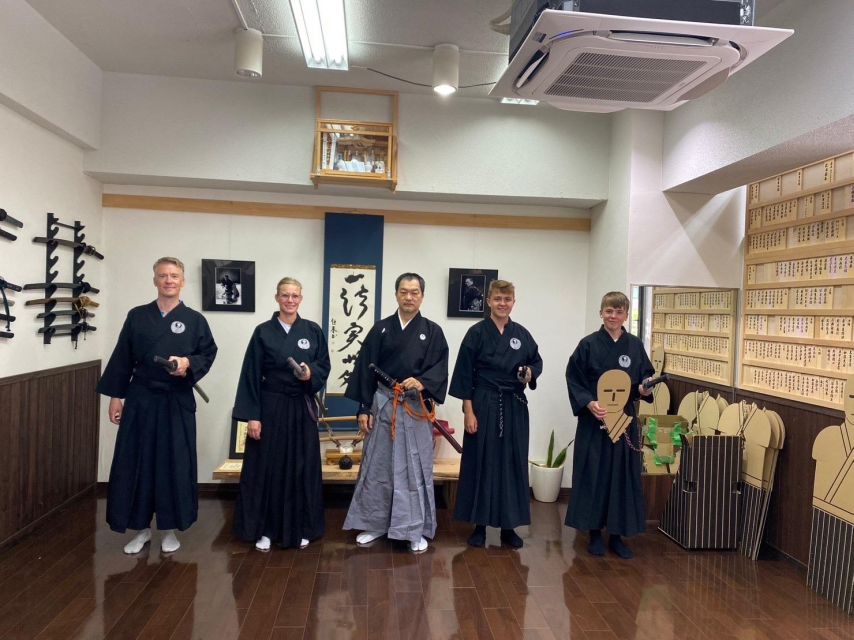
Once you have worked through the basic motions, you learn how the katana is used. The wording of the activity suggests a hands-on lesson, but you should follow the Master’s directions closely and avoid treating the sword as a toy or photo prop.
The value here is direct participation. You will feel the difference between watching a sword movement and trying to perform one yourself. Even a simple action requires attention to hand position, body movement, and timing.
The activity also gives you a useful point of comparison. After practicing the fundamentals, you can watch the Master and advanced pupils perform. Their control will show how much training lies behind movements that may look quick and effortless.
A responsible attitude is essential. The exact practice sequence is not described in detail, so do not assume you will perform cutting exercises or use a real blade yourself. The information specifies a rental katana for the activity and a separate Master’s performance with a Shinken, or real sword.
The Master’s Shinken Performance
The real highlight comes when the Master demonstrates with a Shinken. This is the moment when the lesson shifts from basic participation to close observation of advanced skill.
A real sword changes the feeling of the demonstration. You can see why precision, restraint, and discipline are central to Iaido. The performance is not simply a dramatic fight scene. It is meant to show the art of wielding the sword with control.
The activity may also include a show fight by the Master’s pupils. That adds a more theatrical element and gives you another way to see how trained practitioners move together. The contrast between your introductory exercises and their practiced performance should help you appreciate the skill involved.
I would treat this part as a demonstration, not an invitation to copy advanced movements. Watch carefully, listen to the explanations, and save your own practice for the exercises assigned by the instructors.






Photos and Questions Complete the Visit
After the demonstrations, you have time for commemorative photos with the Master. This is a useful closing moment because it gives you a clear record of the experience in the samurai outfit.
The final question-and-answer period is just as valuable as the photographs. If you are curious about the Samurai era, the katana, Iaido training, or the meaning of Samurai spirit, this is your chance to ask. The instructors are able to answer questions in English or Japanese.
For many people, this is where the activity becomes more than a quick novelty. You can connect the physical practice with the ideas behind it: discipline, pride, responsibility, and the careful passing of tradition from one generation to the next.
The session ends at the meeting point after the Q&A. There is no additional stop listed after the dojo, so plan your day around the activity’s stated location and available starting time.
Is $161 a Fair Price?
At $161 per person, this is not a low-cost photo opportunity. The price makes more sense if you value instruction and access to a genuine martial arts setting rather than simply dressing up as a samurai.
Your fee includes the activity, rental outfit, rental katana, and travel insurance. It also covers the Master’s demonstration, the practice session, photos, and Q&A. Since the activity is described as lasting one day, you should check the schedule carefully to confirm the starting time and how it fits with the rest of your plans.
The value is strongest for visitors who already care about Japanese culture, martial arts, or Samurai history. You receive an experience that combines learning, participation, and performance. If you only want a quick picture in costume, you may find the price harder to justify.
Food and drinks are not included. Hotel pickup and drop-off are also not provided, so you must make your own way to the meeting point. Those are small but important costs to consider when planning your day in the Kanto Region.
Who Will Enjoy This Iaido Experience Most?
I would recommend this activity to adults, older children who meet the age requirement, martial arts fans, and anyone who wants a more active cultural experience. It is especially well suited to people who have visited temples, castles, or museums and now want to understand one part of Japanese tradition through practice.
It should also work well for first-time visitors to Iaido. The class begins with an overview and basic movements, so you do not need prior sword training according to the information provided.
You may want to choose another activity if you are looking for a relaxed sightseeing tour, a meal-based cultural event, or a short drop-in photo session. The practice requires attention and following instructions. It is also not suitable for wheelchair users or children under five.
Families with young children should check the age restriction carefully. The activity is not suitable for children under five, and the information does not give a broader children’s policy. If you are booking for older children, confirm that they can take part safely and follow the dojo’s instructions.
Practical Planning Before You Go
Wear comfortable clothes. You will change into a provided outfit and take part in sword movements, so restrictive clothing may make the session less pleasant.
The Iaido class is held on the third floor of the meeting-point building. The activity both starts and ends at that meeting point, which keeps the plan simple once you arrive. Hotel transportation is not included, so allow enough time to reach the building on your own.
The instructors speak English and Japanese. If you have particular questions about Samurai history or Iaido, it is worth thinking of them before you arrive so you can use the Q&A well.
You can cancel up to 24 hours in advance for a full refund. The reserve-now-and-pay-later option can help if your schedule is still changing, since you can hold a place without paying immediately. Check the current availability and start time before you finalize your day.
Should You Book It?
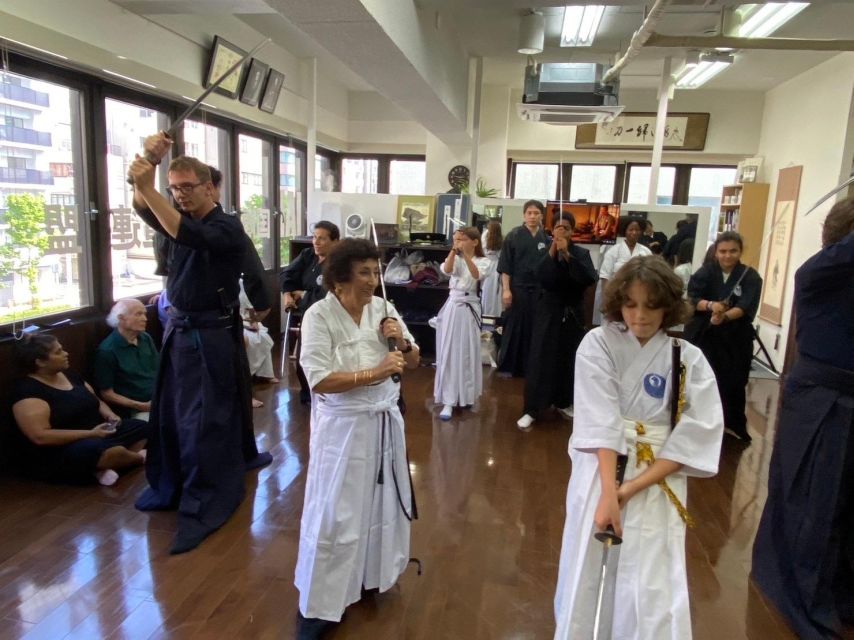
Book this experience if you want to do more than look at Samurai objects. You will practice basic Iaido movements, handle a katana under instruction, see a real-sword performance, and finish with photographs and questions.
The strongest reasons to choose it are the hands-on lesson, the professional and helpful instruction, and the chance to see the Master demonstrate at a high level. The drawbacks are the $161 price, the lack of meals and hotel transport, and the limited suitability for wheelchair users and very young children.
For someone who loves Japanese culture and wants a direct introduction to Samurai tradition, this is a worthwhile choice. For a casual costume photo, it is more instruction and expense than you may need.
FAQ
Where does the Iaido experience take place?
It takes place in the Kanto Region of Japan, at a dojo on the third floor of the meeting-point building.
How long does the experience last?
The duration is listed as one day. Check availability for the specific starting times.
What languages are spoken during the activity?
Instruction is available in English and Japanese.
Is a samurai outfit included?
Yes. Rental outfits are included in the activity fee.
Is a katana included?
Yes. A rental katana is included for the activity.
Will I use a real sword?
The Master performs with a Shinken, or real sword. The activity itself includes a rental katana.
Is food included?
No. Food and drinks are not included.
Is hotel pickup and drop-off provided?
No. You must make your own way to the meeting point, and the activity ends there.
What should I bring?
Bring comfortable clothes.
Can I cancel for a full refund?
Yes. You can cancel up to 24 hours in advance for a full refund.
More Samurai & Ninja Experiences in Tokyo


More tours in Tokyo we've reviewed












Samurai & Ninja Experiences, compared.
 ★ 4.5Tokyo: Samurai Restaurant Show Ticket with 2 DrinksFrom $551h 30m
 ★ 4.6Tokyo: Samurai Ninja Museum Guided tour and ExperienceFrom $27
 ★ 5.0Skip the lines Basic Ticket at SAMURAI NINJA MUSEUM TOKYOFrom $28
 ★ 5.0Tokyo: Authentic Samurai Training at a DojoFrom $211
 ★ 5.0Best Samurai Experience in TokyoFrom $65
 ★ 4.6Tokyo: Legend Samurai Entertainment Night in Kanda ShrineFrom $44