Reviewed · UENO & YANAKA WALKS
Tokyo:Stroll in Old traditional culture towns~Yanaka & Nezu
Tokyo’s old character is easy to miss beneath its modern rail lines and neon signs. This 3.5-hour walk leads you through Yanaka and Nezu, two traditional neighborhoods where temples, wooden homes, small shops, cemeteries, and narrow lanes still shape daily life. I like the calm pace and the chance to see ordinary Tokyo rather than just its famous landmarks. I also like that guide Sui can explain both Buddhist and Shinto customs in clear English, including how to pray at the places of worship.
In This Article
- Key points about this Yanaka and Nezu walk
- Why Yanaka feels different from central Tokyo
- From Nippori Station into Yanaka’s quiet lanes
- Nezu Shrine and its red Torii pathway
- Tennoji Temple and the bronze Buddha
- Yanaka Cemetery, shade, and Tokyo’s past
- Old shops, sake, and Yanaka Ginza
- Sunset Staircase and the end of the walk
- What Sui adds to the experience
- Pace, heat, and what to bring
- Is $29 a good value?
- How this compares with Tokyo’s famous districts
- Who should book this walk?
- Final verdict: a smart way to meet old Tokyo
- FAQ
- Where does the Yanaka and Nezu tour begin?
- How long does the walking tour last?
- What language is the tour conducted in?
- Who is the main guide?
- Which major places are included?
- What should I bring?
- Does the summer tour follow the same route?
- Is the tour suitable for wheelchair users?
The main consideration is that this is a proper walking tour, with staircases and several hours on your feet. Hot summer weather can be hard, although the seasonal version includes a cafe stop and ends at Nezu Station. Some small shops close on Mondays, and the summer route skips Yanaka Ginza.
Key points about this Yanaka and Nezu walk
- Old Tokyo in everyday surroundings: See Meiji and Showa-era buildings alongside newer homes, local shops, and quiet residential streets.
- Two important places of worship: Visit Nezu Shrine’s Torii-lined approach and Tennoji Temple’s large bronze Buddha.
- A relaxed small-group experience: Sui keeps the pace unhurried and can adjust the conversation to your interests.
- Local food and shopping advice: Finish near Yanaka Ginza, where you can look for street food, handmade snacks, souvenirs, and traditional shops.
- Seasonal extras: Sakura mochi is included during the spring period listed for the tour, while summer bookings include one drink at a cafe in an old traditional building.
- Good contrast with central Tokyo: This is a quiet change from Shinjuku and Shibuya, with more room for conversation and observation.
Why Yanaka feels different from central Tokyo
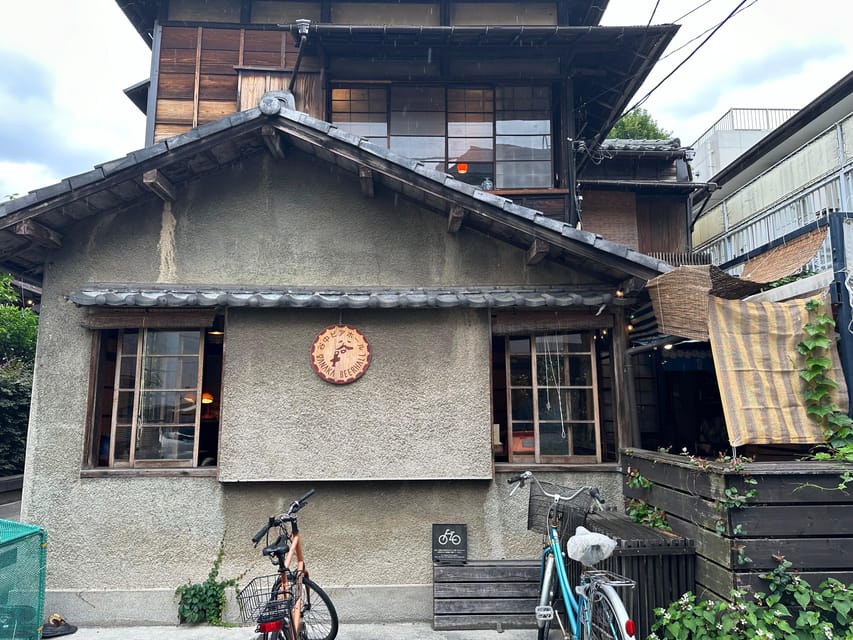
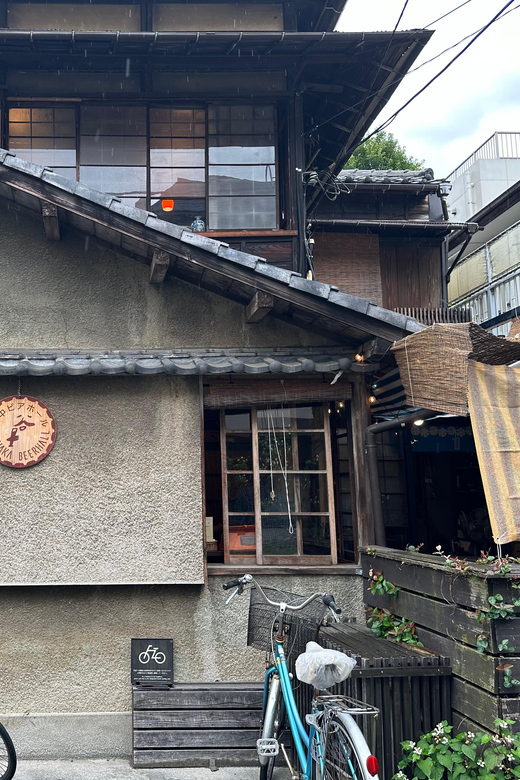
Yanaka is not a museum district sealed off from modern life. It is a working neighborhood where old and new houses share the same lanes, older residents go about their day, and small businesses continue along streets that have survived major changes in the city.
That mix is the point. You may see a nursery group, older locals, family-run shops, modest homes, and temple grounds within the same short walk. The experience is less about collecting famous sights and more about understanding how a traditional part of Tokyo functions.
I especially like this kind of walking tour early in a Tokyo visit. The guide can help you read details you might otherwise pass without noticing, from the form of a shrine entrance to the way a neighborhood shop has been handed down through generations. You also get a useful counterpoint to Tokyo’s tall towers, packed crossings, and shopping districts.
The tour begins at Nippori Station’s West Exit for Yanaka. The meeting area is just after you leave the station, and you need to arrive on time because the walk starts promptly. That is useful to know in Tokyo, where a large station can easily take longer to navigate than expected.
A few more Tokyo tours and experiences worth a look


From Nippori Station into Yanaka’s quiet lanes
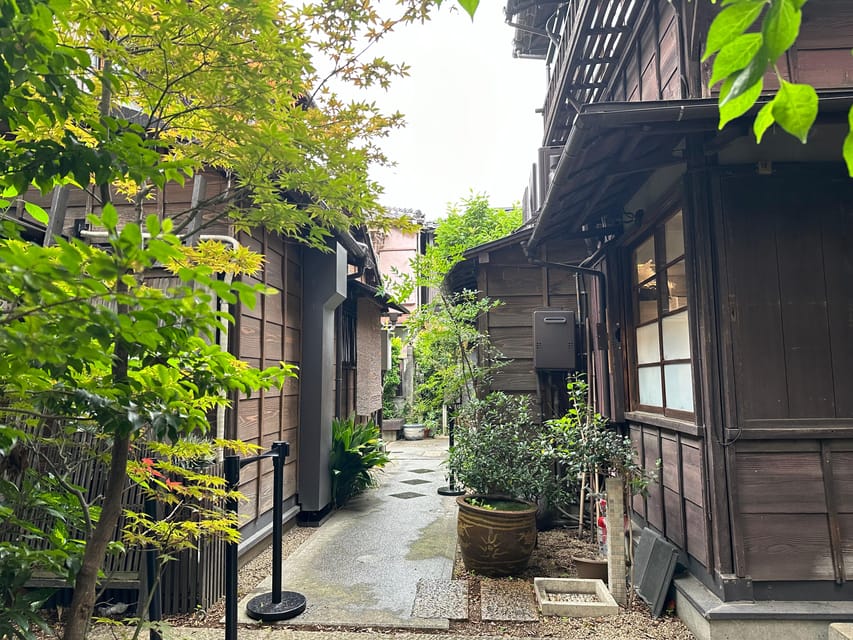
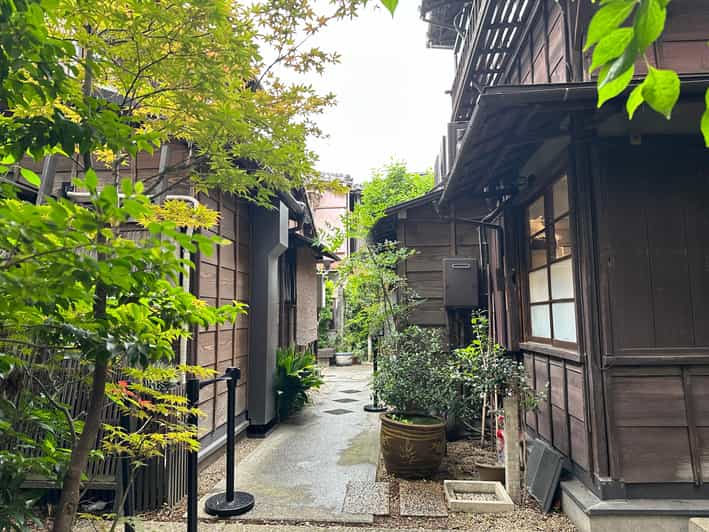
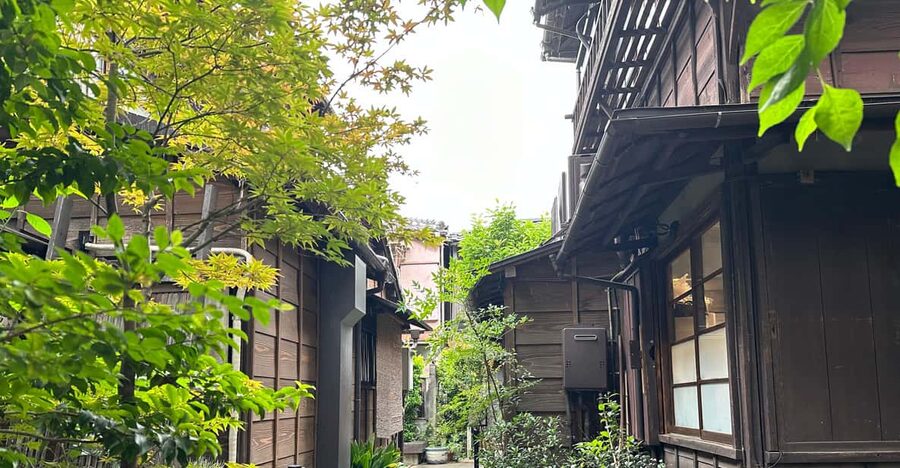
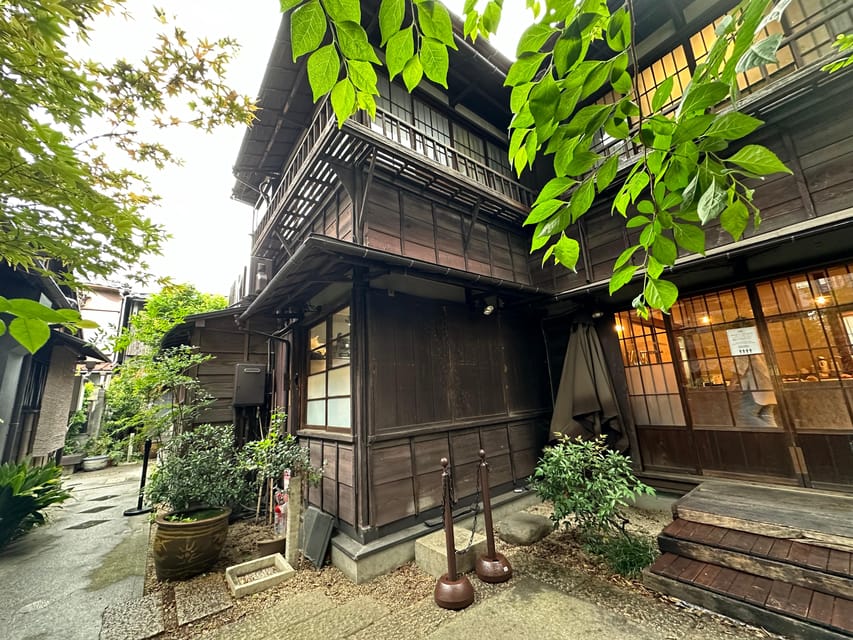
The first part of the walk moves into residential Yanaka. You will see old and new houses, small shops, narrow streets, and traditional buildings linked to the Meiji period from 1868 to 1912 and the Showa period from 1926 to 1989.
This section gives the tour its strongest sense of place. Instead of rushing from one major sight to another, you can pause for explanations and questions. Sui has been praised for making room for photographs, adapting the discussion to the group, and adding small stops when time allows.
The local encounters are modest rather than staged. You might speak with people at an old shop or watch daily neighborhood life unfold around you. The guide’s role is important here because she can provide context without turning the street into a performance.
The route includes stairs, so comfortable shoes matter. Bring cash as well, since the walk passes small shops and food sellers where cash may be useful.
Nezu Shrine and its red Torii pathway
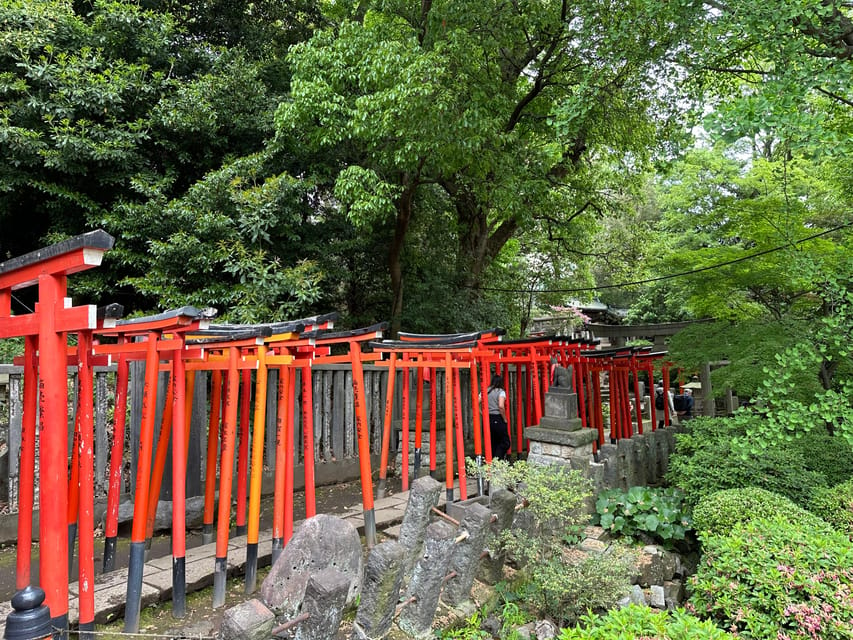
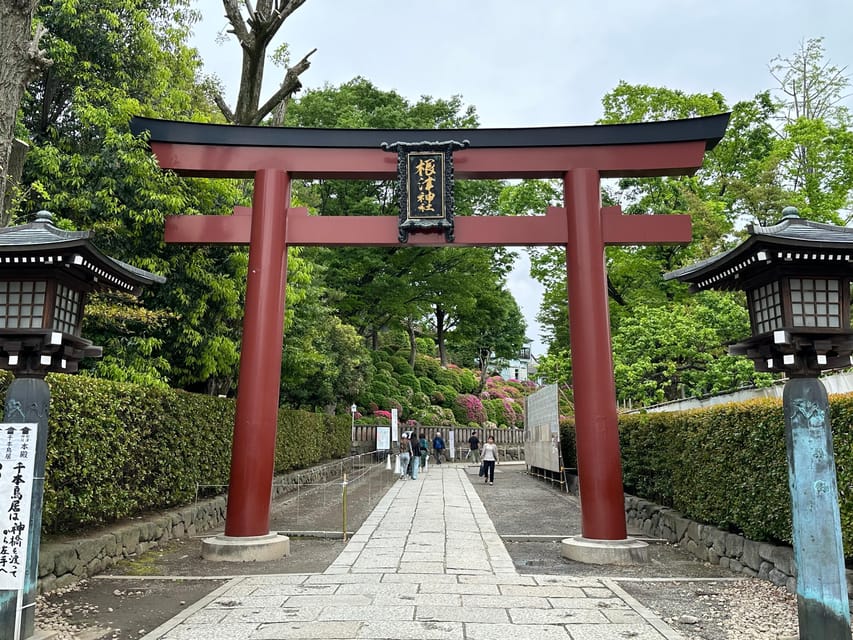
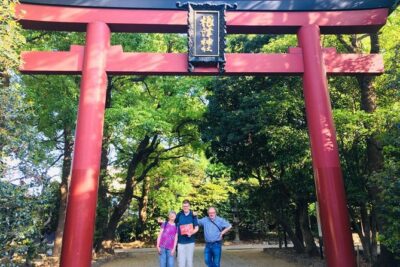
Nezu Shrine is one of Tokyo’s oldest places of worship and one of the most photogenic stops on the route. Its Torii-lined pathway gives you a familiar Japanese image, but the guide adds the cultural background that helps you understand what you are seeing.
This is a Shinto shrine, and the visit offers a natural chance to learn how shrine customs differ from temple customs. The guide can explain the proper way to approach and pray, something that makes the stop feel more respectful and less like a quick photo opportunity.
The Torii pathway is likely to be the busiest-looking part of the walk, but the wider Yanaka and Nezu route is designed to avoid the city’s main crowds. I would bring a camera, but do not let the photo stop take over. The value here is the combination of setting, religious practice, and explanation.
Tennoji Temple and the bronze Buddha
Tennoji Temple brings a Buddhist setting into the same afternoon. Its large bronze seated Buddha and Japanese garden offer a quieter pause after the streets and shrine.
The contrast between Nezu Shrine and Tennoji Temple is one of the tour’s strongest features. Japan’s religious life is not always divided into neat boxes, and visiting both types of sacred place helps you see how Shinto and Buddhism appear in the city.
The temple is also a good place to slow down. The tour description promises calming moments at local temples that are not crowded with international sightseers, and this stop fits that idea. You are not simply passing through a landmark. You have time to look at the garden, ask questions, and notice the setting.
The walk includes several temples and shrines beyond these named stops. The exact amount of time at each place can vary, since the guide allows the pace to respond to the group.
Yanaka Cemetery, shade, and Tokyo’s past
Yanaka Cemetery is one of Tokyo’s largest and most scenic cemeteries. A row of trees gives the grounds a distinctive appearance, and the cemetery provides another way to understand the neighborhood’s long connection with temples and religious institutions.
Some visitors may find a cemetery less immediately appealing than a shrine or shopping street. I think it adds depth to the walk. It is a peaceful public space, and it helps explain why Yanaka has retained so much of its older character.
The cemetery is also one reason this tour feels different from a standard city highlights walk. You are seeing places tied to memory, worship, and local life, not only places designed for sightseeing.


Old shops, sake, and Yanaka Ginza
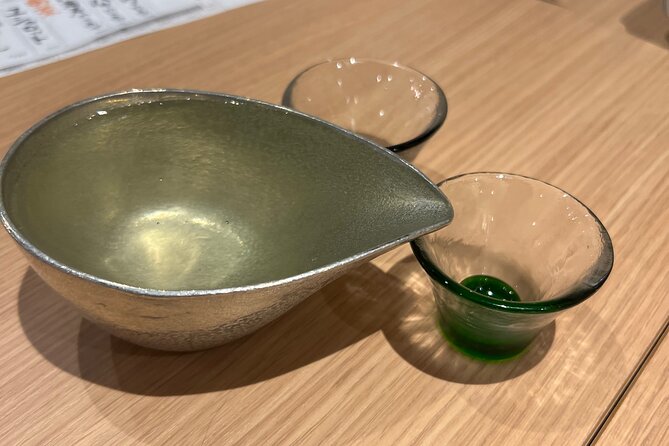
The stop at Yoshida Liquor Store introduces a traditional Japanese sake shop. Small stores like this can tell you a lot about neighborhood commerce, especially when they have been passed through several generations.
The tour does not promise a full tasting, so you should think of this as a cultural and shopping stop rather than a sake workshop. Still, it is a useful chance to ask about local products and see the kind of business that gives an old district its daily rhythm.
Later, the route reaches Yanaka Ginza, a traditional shopping street with local food, souvenirs, and small specialty shops. Sui can point out street foods, handmade snacks, and items worth considering as gifts. Several people who booked the walk found her advice on cafes, restaurants, food, and souvenirs particularly useful.
This is the most commercial section of the route, but it remains on a neighborhood scale. You can browse without the heavy feel of Tokyo’s major department store districts. Bring cash and leave a little room in your bag. The tour does not include general shopping costs, so any snacks or souvenirs are extra.
One practical point: some shops may be closed during your visit, especially on Mondays. You can still walk through the area and enjoy the neighborhood, but do not book this tour solely for a particular shop unless you confirm its opening day.
Sunset Staircase and the end of the walk
The walk includes Sunset Staircase, a photo spot popular with local people. It is a simple finish, but it gives you a final view of the neighborhood’s everyday character rather than a grand city panorama.
The tour has three possible end points: Nippori Station, Yanaka Ginza, or Nezu Station. Confirm the plan with Sui on the day, especially if you have a lunch booking or another activity.
The route usually lasts about 210 minutes, or 3.5 hours, though it may finish a little earlier or later. That flexibility is helpful when the group is stopping for questions and photographs, but you should avoid scheduling a tight connection immediately afterward.
What Sui adds to the experience
The guide makes a real difference on a neighborhood walk. Sui is the main guide for this Yanaka tour, and the experience is designed around her local knowledge, clear English, and conversational approach.
You can expect time for questions about Japanese history, religion, customs, and ordinary life. She has also helped families with children, producing small toys and treats along the way, and has walked people toward a suitable restaurant or helped them find the right station after the tour.
That does not mean every group should expect a private extension. The tour is advertised for private or small groups, and the exact amount of personal attention depends on the booking. Still, the format gives you a better chance to ask questions than a large bus tour.
Sui also takes photographs for participants, according to the experience details shared by several customers. That is a useful bonus if you are traveling alone or want a few pictures of your group, though photography is not the main reason to book.
Pace, heat, and what to bring
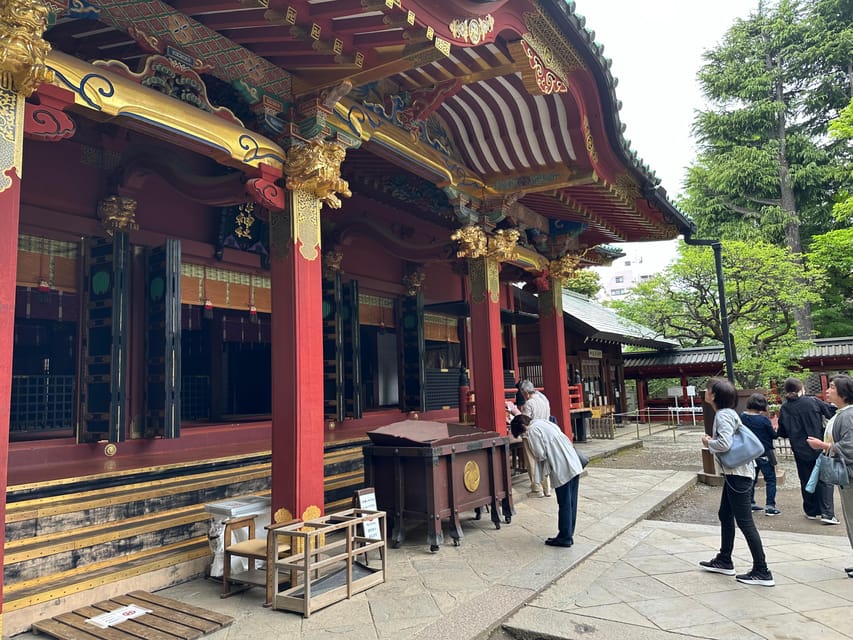
The walk is intentionally unhurried, but unhurried does not mean effortless. You will spend most of the 3.5 hours outside and will use staircases. Wear comfortable shoes, carry water, and consider eating before the start.
The timing can run toward lunch, and one participant found the lack of a regular food break difficult. That is worth taking seriously. The route includes food shops, but you should not assume you will have a formal meal during the walk.
Summer needs extra planning. From June 1 to September 11, 2026, the tour includes a stop at a cafe created from an old traditional building, with one drink included. The same places are visited except Yanaka Ginza, and the tour ends at Nezu Station. This change is intended to reduce the risk of heat illness in Tokyo’s hot, humid summer.
Spring has its own seasonal detail. Free sakura mochi is listed for the spring period from March 25 to April 25, 2026, while the special Sakura season note refers to March 25 to April 10. The flowering period depends on the weather, and if the sweet is unavailable, it is replaced with another traditional Japanese sweet or food item.
Is $29 a good value?
At $29 per person, this is a strong-value guided walk if you want context rather than only directions. You are paying for 210 minutes with an English-speaking guide, visits to several religious and historic sites, neighborhood orientation, and practical advice on what to eat and buy.
You could walk through Yanaka and Nezu alone for less money, of course. The tradeoff is that you would likely miss the meaning behind the shrine customs, temple grounds, cemetery, old buildings, and small businesses. You would also have to research the route and decide which lanes and stops deserve your time.
The value is highest for first-time visitors to Yanaka, people interested in Japanese religion and daily life, and anyone who wants a quieter half-day away from central Tokyo. It is also useful for solo visitors, couples, and families who prefer a flexible conversation to a fixed lecture.
The value is lower if you want a food tour, a formal sake tasting, or a fast checklist of major Tokyo sights. It is also not suitable for wheelchair users, and the stairs and length may be uncomfortable for anyone who has difficulty walking for several hours.
How this compares with Tokyo’s famous districts
Shinjuku and Shibuya show you Tokyo at full volume. Yanaka and Nezu show you a slower, older side of the same city.
I would not treat this walk as a replacement for Tokyo’s major sights. It works better as a counterweight. After a day of department stores, packed crossings, and train stations, a stroll past temple grounds, wooden houses, and small neighborhood stores can reset your sense of the city.
The tour is also a good choice if you have already seen the obvious landmarks. It gives you a more local scale and leaves you with recommendations for later meals, cafes, and shopping.
Who should book this walk?
Book it if you want:
- A gentle introduction to old Tokyo
- Clear English explanations of Japanese temples and shrines
- A small-group or private format
- Local food and souvenir suggestions
- A walk through residential streets rather than only major attractions
- A family-friendly guide who can adapt to children
- Time for photographs and questions
Think twice if you want a short, seated activity, a dedicated food tasting, or a route without stairs. Also check the date if Yanaka Ginza is important to you, since the summer version leaves it out.
Final verdict: a smart way to meet old Tokyo
I would recommend this walk to anyone who wants to understand Tokyo beyond its headline sights. The route combines Nezu Shrine, Tennoji Temple, Yanaka Cemetery, old shops, historic buildings, Yanaka Ginza, and the Sunset Staircase without forcing you through the neighborhood at a rush.
The strongest reason to book is Sui’s personal guidance. Her role is not just to lead you from one stop to the next. She explains customs, answers questions, helps with photographs, and points out details that are easy to miss alone.
For $29, the tour offers a lot of time and useful local context. Eat before you go, wear good shoes, check the seasonal route, and leave your schedule flexible at the end. If that sounds like your kind of Tokyo afternoon, book it.
FAQ
Where does the Yanaka and Nezu tour begin?
The tour begins at Nippori Station, at the West Exit for Yanaka. The guide waits in the waiting area after you leave through that exit.
How long does the walking tour last?
The tour lasts 210 minutes, or about 3.5 hours. It may end a little earlier or later depending on the pace of the group and the time spent at stops.
What language is the tour conducted in?
The tour is conducted in English with a live guide.
Who is the main guide?
Sui is the main guide for this Yanaka walking tour.
Which major places are included?
The walk includes Nezu Shrine, Tennoji Temple, Yanaka Cemetery, Yoshida Liquor Store, Yanaka Ginza, Sunset Staircase, and traditional buildings and residential streets in Yanaka and Nezu.
What should I bring?
Bring comfortable shoes and cash. You should also allow for several hours of walking and staircase use.
Does the summer tour follow the same route?
The summer version includes the same places except Yanaka Ginza. It adds a stop at a cafe in an old traditional building, where one drink is included, and ends at Nezu Station.
Is the tour suitable for wheelchair users?
No. The tour is not suitable for wheelchair users because the route includes staircases and old neighborhood streets.
More Ueno & Yanaka Walks in Tokyo
More tours in Tokyo we've reviewed












Ueno & Yanaka Walks, compared.
 ★ 5.0Eat and Drink Like a Local: Tokyo Ueno Food Tour-Taverns&RamenFrom $95
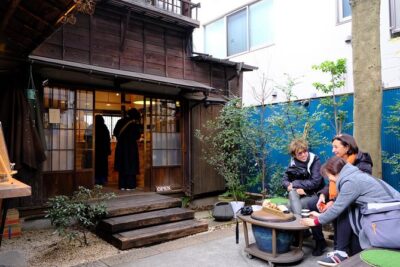 ★ 4.5The Old Quarter of Tokyo – Yanaka Walking TourFrom $40
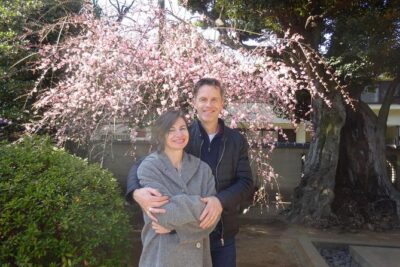 ★ 5.0Yanaka Walking Tour: Historic and Traditional District of TokyoFrom $72
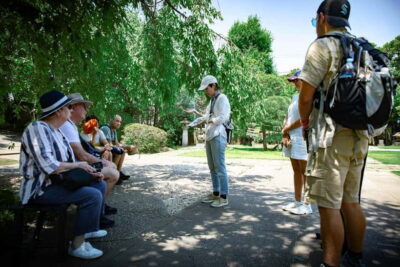 ★ 4.8Tokyo: Old Quarter Yanaka Walking TourFrom $323 hours
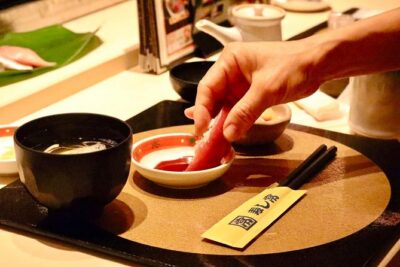 ★ 5.0Tokyo: Food Tour in Ueno with 10+ Tastings of Japanese ClassicsFrom $142
 ★ 5.0Yanaka Historical Walking Tour in Tokyo’s Old TownFrom $81