Reviewed · UENO & YANAKA WALKS
Yanaka Historical Walking Tour in Tokyo’s Old Town
Tokyo’s Yanaka district gives you something central Tokyo often lacks: a slower look at ordinary neighborhood life. This 3.5-hour walk begins at Nezu Shrine, winds through residential lanes and Buddhist cemeteries, pauses for local food, and ends on the nostalgic Yanaka Ginza shopping street.
In This Article
- Key points to know before booking
- Why Yanaka feels unlike the rest of Tokyo
- Beginning at Nezu Shrine and its red Torii gates
- Walking through Yanaka’s residential lanes
- A creative pause at Cafe Neko-e-mon
- Ending at Yanaka Ginza Shopping Street
- What the $81.26 price gets you
- Timing, weather, and walking comfort
- Who will enjoy this Yanaka walk most
- Should you book this tour?
- FAQ
- How long is the Yanaka Historical Walking Tour?
- What time and where does the tour begin?
- Where does the tour end?
- Is a full lunch included?
- Is the lucky-cat painting included?
- What happens if I need to cancel?
I like two things right away. First, the small group size, capped at seven, gives guides such as Hana, Nao, Aoi, Hina, and Kazu room to answer questions rather than deliver a speech. Second, the lucky-cat painting at Cafe Neko-e-mon turns a sightseeing stop into a personal souvenir.
The main drawback is that the food tastings do not replace lunch. You should eat beforehand, especially since the tour starts at 1:30 pm and includes several hours on foot. Dietary restrictions must be reported at least one day ahead, and the food cannot be guaranteed allergy-free.
Key points to know before booking
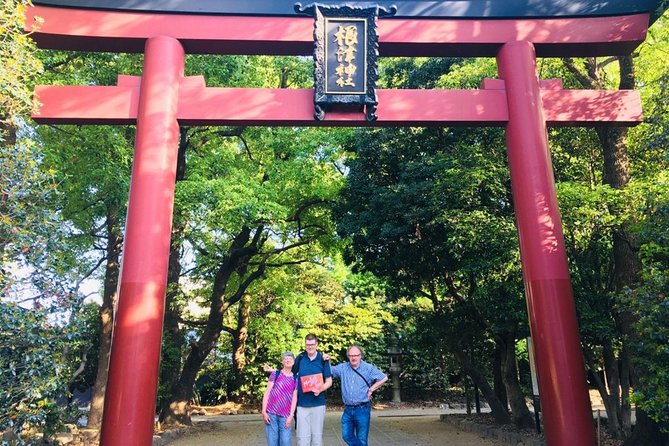
- Nezu Shrine opens the tour with red Torii gates and Shinto tradition, offering a calm start away from Tokyo’s busiest sights.
- Yanaka’s back streets reveal old houses, small shops, cemeteries, and local routines that are easy to miss on your own.
- Food tastings are included, but not a full meal, so have lunch before meeting the guide.
- Cafe Neko-e-mon includes dessert, a drink, and lucky-cat painting, making this more than a standard walking tour.
- The walk ends at Yanaka Ginza, a nostalgic shopping street with more street-food samples.
- The group limit is seven people, and the leisurely pace suits most people with moderate fitness.
Why Yanaka feels unlike the rest of Tokyo
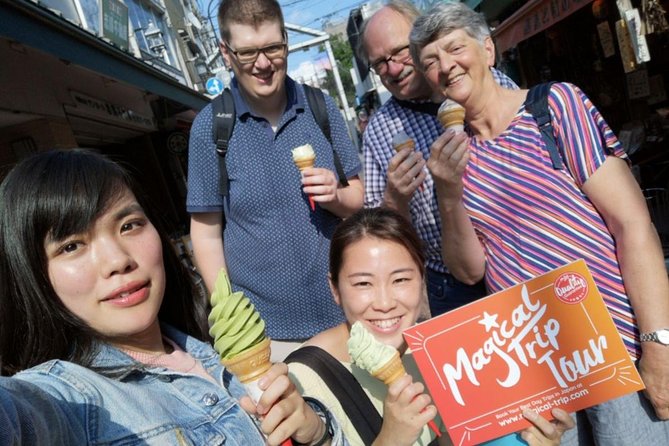
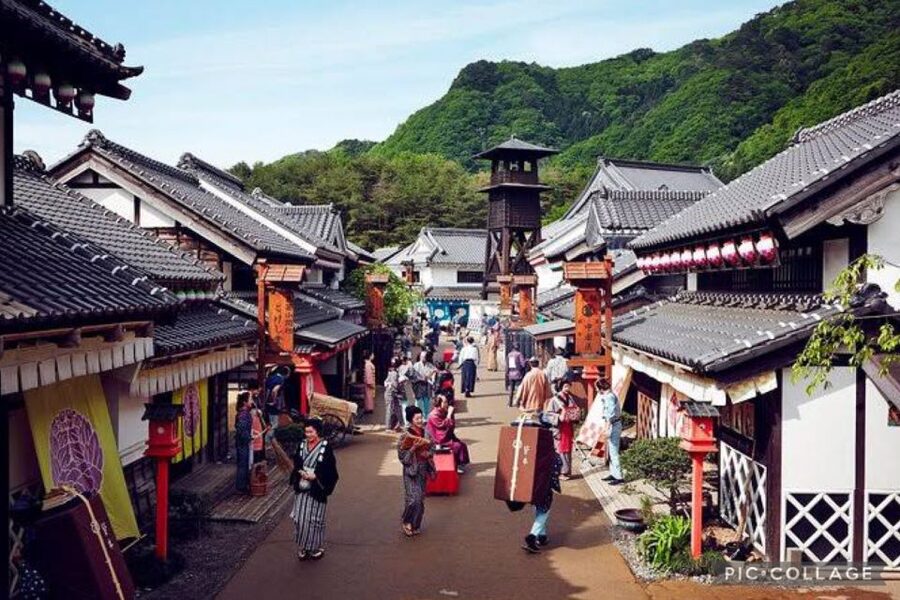
Yanaka is part of old Tokyo, a quieter area where the city’s past remains visible in everyday details. You are not simply moving between famous monuments. You are walking past traditional houses, local shops, temple grounds, and streets where residents still carry on normal routines.
That change of pace matters. Tokyo can feel like a city of train stations, towers, department stores, and crowds. Yanaka offers another side of it, with narrow lanes and a less hurried rhythm. One of the most useful parts of this experience is having a local guide explain what you are seeing. A house, shrine custom, cemetery, or food stall may seem ordinary at first, but a good explanation gives it context.
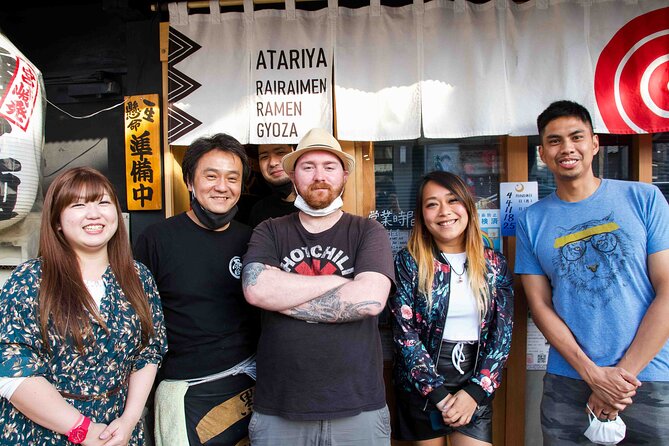
The guide quality is a major part of the experience. Nao has been praised for his broad knowledge and for sharing family history connected with World War II. Aoi brings a local view of the neighborhood, while Hana has helped visitors understand food, architecture, customs, and daily habits. You cannot choose your guide from the information provided, but the range of names and comments suggests that the human connection is central to this walk.
The group limit also matters. With no more than seven people, you can ask about Shinto, Buddhism, food, or local architecture without needing to speak over a large crowd. On some dates, the group may be even smaller. That can make the walk feel close to a private outing, though you should not book expecting a private tour every time.
A few more Tokyo tours and experiences worth a look


Beginning at Nezu Shrine and its red Torii gates
The meeting point is at 1-chome-3-7 Nezu, in Bunkyo City, near public transportation. The tour begins at 1:30 pm, so allow time to find the exact spot and arrive early. The operator is strict about starting on time. If you miss the group, you cannot join later, reschedule, or receive a refund.
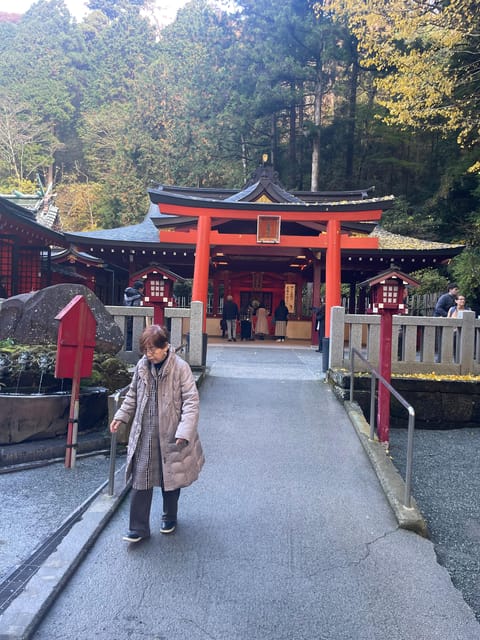
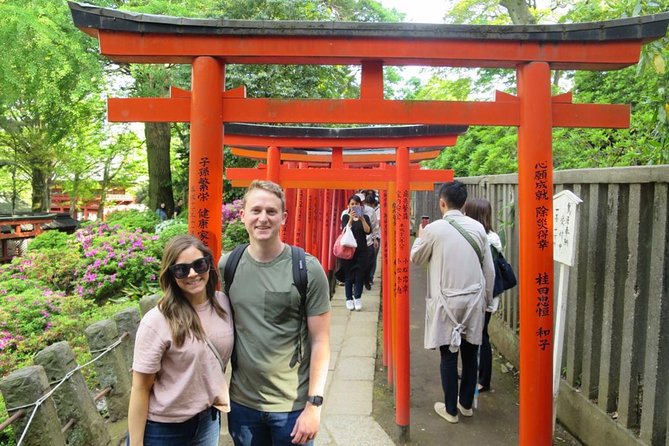
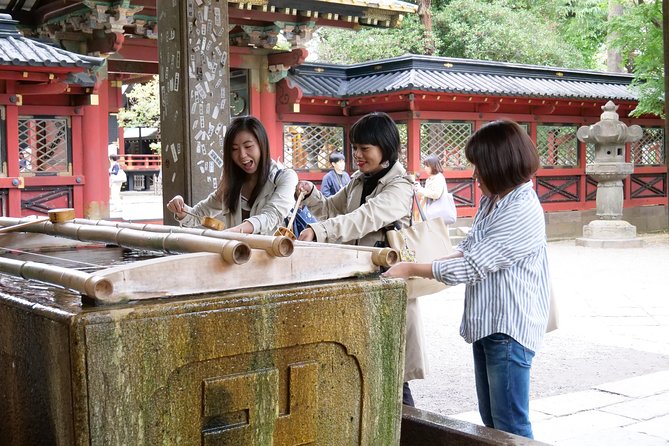
Nezu Shrine is an excellent first stop because it introduces you to an important part of Japanese culture before the walk moves into neighborhood streets. You pass beneath red Torii gates, which create a strong visual link to the famous Fushimi Inari Shrine in Kyoto. The effect is striking, but the setting here feels less overwhelming and more contained.
Your guide explains the Shinto atmosphere and helps you understand the shrine as more than a photogenic stop. Crossing the gate can feel like passing from the city into a separate place, even though Tokyo continues just beyond the grounds. The visit lasts about 30 minutes, and admission is free.
The shrine can also add variety to the tour depending on the date. An annual festival has sometimes brought extra food and cultural activity to the area. Festivals are not guaranteed, but if one is taking place, you may see a livelier side of local shrine life.
One practical note: the tour description mentions an azalea garden in connection with the shrine area. Seasonal flowers are not promised, so consider them a possible bonus rather than a reason to book. The main value here is the shrine setting and the guide’s explanation of Shinto practice.
Walking through Yanaka’s residential lanes
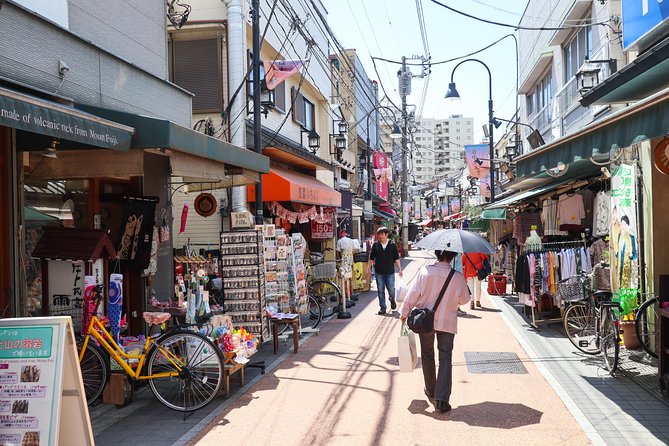
After Nezu Shrine, the route moves into Yanaka for roughly an hour. This is where the tour earns its place for anyone who wants more than Tokyo’s headline sights.
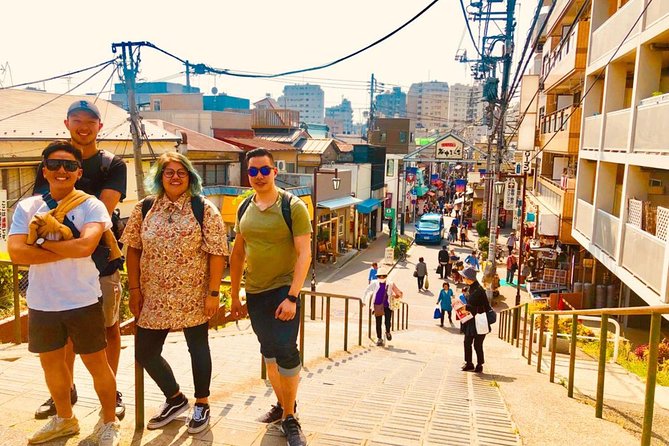
You walk through residential streets and back lanes, with the guide pointing out traditional houses, small businesses, and features of local life. The pace is leisurely, but this is still a walking tour lasting about three and a half hours overall. Comfortable shoes are essential, and you should be ready for a steady period on your feet.
The pleasure of this section comes from its modest scale. You might pass a shop you would never notice from a main road, or see a traditional house that gives you a better sense of how the neighborhood developed. The route has also included Buddhist cemeteries, which offer a different religious setting from Nezu Shrine. Seeing both helps you understand that Tokyo’s spiritual life is not limited to one tradition.
The guide is especially useful in this part of the walk. A local can explain why certain streets feel different, how residents use the area, and what you should notice in the architecture. Guides have also answered questions about religions, temples, shrines, food, and daily customs, so this is a good point to speak up.
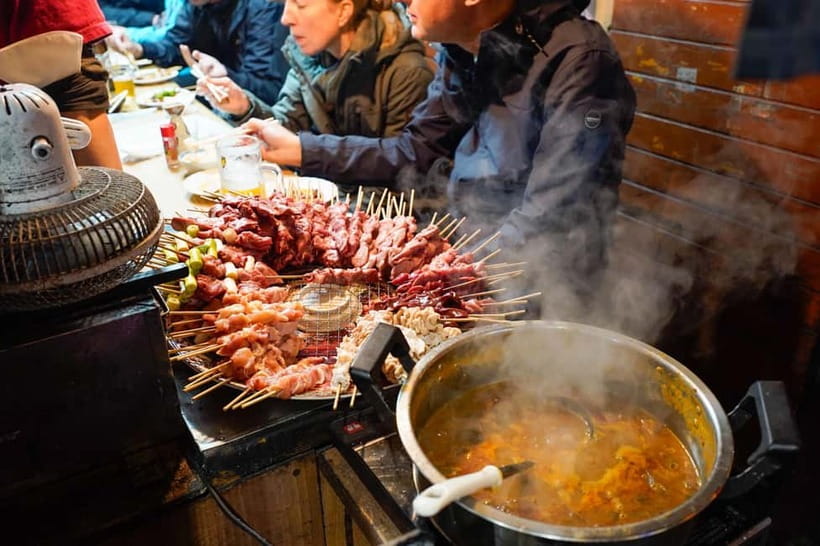
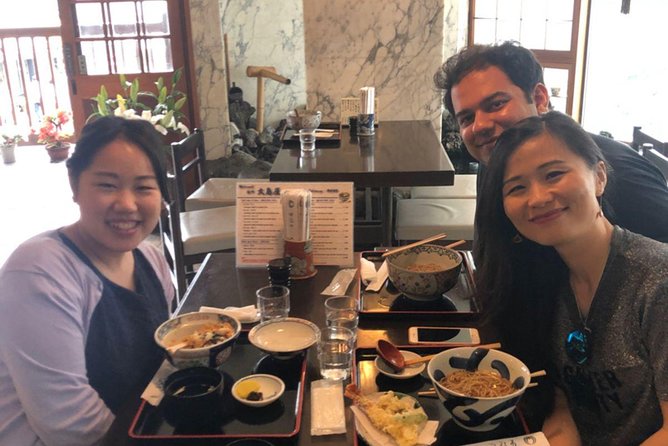
Food samples are part of the Yanaka stop. You get to try local items as you walk, which adds a welcome taste of the neighborhood. Still, keep your expectations realistic. The food is designed as a series of tastings, not a sit-down lunch. The description refers to a traditional Japanese lunch experience, but the practical information clearly says a full lunch or dinner is not included.
I would eat before the tour and treat the samples as an introduction to local flavors. That approach lets you enjoy the food without worrying about whether there will be enough to fill you up.
A creative pause at Cafe Neko-e-mon
After a long stretch outdoors, the stop at Cafe Neko-e-mon gives the afternoon a useful change of pace. The cafe occupies a Japanese old house, and you have dessert and a drink while painting a ceramic lucky cat.
The craft is one of the tour’s most memorable details. A maneki-neko, or lucky cat, is a familiar Japanese symbol, and painting one gives you a small souvenir tied to the place you visited. You do not just buy something from a shop at the end. You make an object during the tour, with time to sit down and rest.
The stop lasts about an hour and admission is included. That makes the cafe a meaningful part of the price rather than an optional purchase you discover later. It also helps break up the walk for anyone who enjoys culture through hands-on activities.
The craft will appeal most to visitors who like relaxed, creative experiences. If you want nonstop sightseeing or a fast-moving tour, an hour in a cafe may feel long. For me, it fits the character of Yanaka well. The district is about looking closely and slowing down, not racing from one landmark to the next.
The dessert and drink are included, but food restrictions need attention. Tell the operator at least one day before the tour if you have allergies or dietary needs. Requests made on the day cannot be accommodated, and the kitchens used for food preparation are outside the operator’s control. Allergy-free preparation cannot be guaranteed, and substitutions may not always be possible.
Ending at Yanaka Ginza Shopping Street
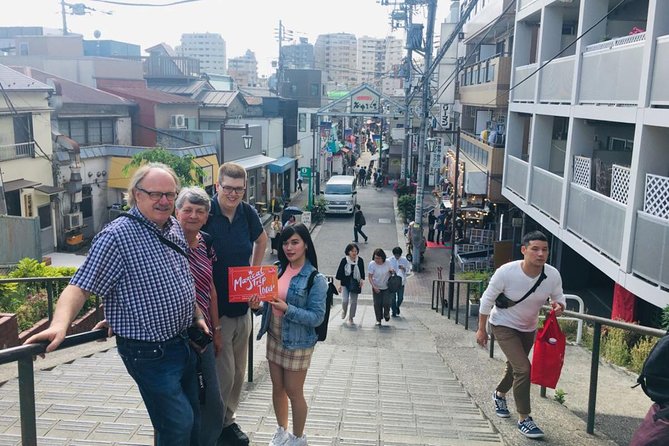
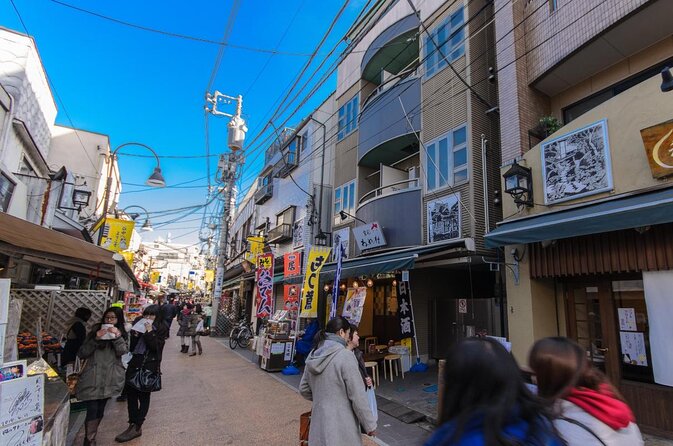
The final stop is Yanaka Ginza, reached after the shrine, neighborhood walk, and cafe. The shopping street has a nostalgic feel, with small places to browse and more opportunities to sample street food.
This is a good finish because it brings together the themes of the afternoon. You have seen religious sites, quiet homes, old neighborhood streets, and now a commercial area where local food and shopping are part of daily life. The stop lasts about 30 minutes, enough to look around and taste a few items without turning the tour into a long shopping session.
Yanaka Ginza is not presented as a grand market or a major department-store destination. Its appeal is its atmosphere and small scale. You can browse at a relaxed pace, ask the guide about foods, and get suggestions for what to see next.
The tour ends at 7-chome-6-10 Yanaka, in Taito City. Your guide can help you navigate onward from there, which is useful if Yanaka is only one part of your Tokyo day. The ending point is not the same as the start, so plan your afternoon with that in mind.
Other walking tours we've reviewed in Tokyo




What the $81.26 price gets you
At $81.26 per person, this is not the cheapest way to walk through Yanaka. You can visit Nezu Shrine and Yanaka Ginza independently for little or no admission cost. The price makes sense only if you value the guide, food tastings, included cafe visit, and the convenience of a planned route.
The strongest value comes from the interpretation. Without a guide, you can see the Torii gates, old homes, temple cemeteries, and shopping street, but you may not understand how they fit together. A guide also takes you through back streets and points out places that are easy to miss.
The cafe experience adds another layer. Dessert, a drink, and lucky-cat painting give you a structured activity that would not necessarily happen on a self-guided walk. The small group is another reason the cost may be worthwhile, particularly if you prefer asking questions and having a more personal exchange.
On the other hand, this price does not buy a full meal, private transportation, or admission to every place you pass. The Nezu Shrine visit is free, and the Nezu Museum is only passed by, not listed as an included visit. If you mainly want to wander and take photographs, independent exploration will cost less.
I would call the tour a fair choice for a first visit to Tokyo, especially if you want cultural explanation rather than a checklist of famous sights. It is less compelling for repeat visitors who already know Yanaka and feel comfortable navigating its side streets alone.
Timing, weather, and walking comfort
The 1:30 pm start works well if you want a slower afternoon after a morning elsewhere in Tokyo. The route ends in Yanaka, so you can continue exploring from there rather than returning to Nezu.
Plan for changing weather. Tokyo summers can reach 40°C, while winter temperatures can fall to -5°C. Wear suitable clothing, bring water in hot weather, and use sun protection when needed. Rain can affect the experience, and the tour requires good weather. If poor weather causes cancellation, you will be offered another date or a full refund.
The walk is described as suitable for most people with moderate fitness. That does not mean it is effortless. You will be outside for several hours, and the route includes enough walking that comfortable shoes matter. The cafe provides a seated break, but do not expect the entire experience to be a series of short stops.
Food planning is just as important as shoe planning. Have a proper meal before meeting the guide. Then you can enjoy the samples and cafe dessert as part of the experience rather than counting on them for dinner.
Free cancellation is available if you cancel at least 24 hours before the start time. Changes or cancellations inside that window are not accepted, and the amount paid is not refunded. The cut-off follows Tokyo local time.
Who will enjoy this Yanaka walk most
I would recommend this tour to you if you want:
- A quieter side of Tokyo away from the city’s busiest districts
- Clear explanations of Shinto, Buddhism, local customs, and architecture
- A small group rather than a large guided procession
- Food tastings paired with neighborhood exploration
- A hands-on souvenir instead of another purchased trinket
- A gentle introduction to Yanaka for a first visit
It also suits families and couples who enjoy a craft activity, since the lucky-cat painting changes the rhythm of the afternoon. The relaxed format works well for anyone who prefers conversation and observation over fast sightseeing.
You may want to skip it if you need a full lunch, have severe food allergies, dislike walking, or prefer to explore without a fixed schedule. You should also choose another plan if you are likely to arrive late, since the group cannot wait and there is no late joining option.
Should you book this tour?
Book it if your idea of a good Tokyo afternoon includes shrine gates, quiet lanes, local snacks, a traditional house cafe, and time to ask a guide real questions. The combination of Nezu Shrine, Yanaka’s residential streets, lucky-cat painting, and Yanaka Ginza gives you a rounded look at an older neighborhood.
The tour’s best feature is not one landmark. It is the way the pieces connect. You move from Shinto space to ordinary homes, from local food to a handmade souvenir, then finish among small shops and street snacks.
At $81.26, you are paying for guidance and structure rather than access to expensive attractions. Eat before you go, arrive early, check the weather, and tell the operator about dietary needs in advance. With those points handled, this is a strong pick for a slower, more personal afternoon in Tokyo.
FAQ
How long is the Yanaka Historical Walking Tour?
The tour lasts approximately 3 hours and 30 minutes.
What time and where does the tour begin?
It starts at 1:30 pm at 1-chome-3-7 Nezu, Bunkyo City, Tokyo 113-0031, near public transportation.
Where does the tour end?
The walk ends at 7-chome-6-10 Yanaka, Taito City, Tokyo 110-0001. The guide will help you navigate to your next destination.
Is a full lunch included?
No. The tour includes food tastings, but not a full lunch or dinner. You should eat beforehand.
Is the lucky-cat painting included?
Yes. The Cafe Neko-e-mon stop includes dessert, a drink, and painting a lucky cat in a Japanese old house cafe.
What happens if I need to cancel?
You can receive a full refund if you cancel at least 24 hours before the start time. Cancellations or changes made less than 24 hours before the tour are not accepted.
More Historical Tours in Tokyo




More Walking Tours in Tokyo
More Ueno & Yanaka Walks in Tokyo
More tours in Tokyo we've reviewed












Ueno & Yanaka Walks, compared.
 ★ 5.0Eat and Drink Like a Local: Tokyo Ueno Food Tour-Taverns&RamenFrom $95
 ★ 4.5The Old Quarter of Tokyo – Yanaka Walking TourFrom $40
 ★ 5.0Yanaka Walking Tour: Historic and Traditional District of TokyoFrom $72
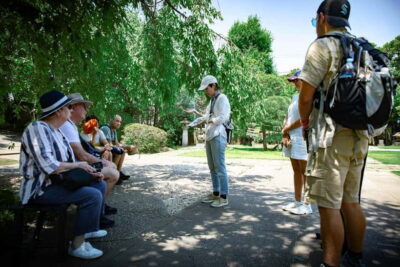 ★ 4.8Tokyo: Old Quarter Yanaka Walking TourFrom $323 hours
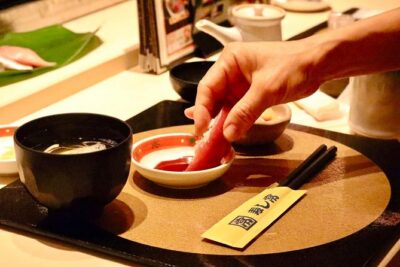 ★ 5.0Tokyo: Food Tour in Ueno with 10+ Tastings of Japanese ClassicsFrom $142
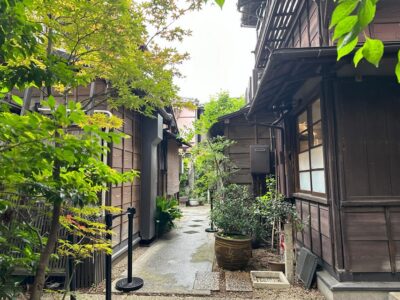 ★ 4.9Tokyo:Stroll in Old traditional culture towns~Yanaka & NezuFrom $293h 30m