Reviewed · TOKYO FOOD TOURS
Tokyo: Food Tour in Ueno with 10+ Tastings of Japanese Classics
Ueno is one of Tokyo’s best places to connect food with daily life. This three-and-a-half-hour walking tour moves from a market and train tracks to parks, a Shinto shrine, and a Buddhist temple, with 10-plus tastings along the way. I like that you get both a meal and a sense of place, rather than simply hopping between restaurants.
In This Article
- Key points to know before booking
- Why Ueno makes such a good food-tour setting
- The tasting list is broad and deliberately filling
- Sushi, gyoza, and yakitori give you the Japanese classics
- The secret dish keeps the route from feeling scripted
- Ueno Park adds breathing room between food stops
- A 1627 shrine and a Buddhist temple broaden the picture
- Your guide can make or break the experience
- Is $142 a fair price in Tokyo?
- Walking, timing, and practical comfort
- Who will get the most from this food walk?
- Should you book the Ueno food tour?
- FAQ
- How long does the Ueno food tour last?
- How much does the tour cost?
- Where does the tour start?
- Where does the tour end?
- What food and drinks are included?
- Is hotel pickup included?
- How many people can join the tour?
- Is there much walking?
- Can dietary requirements be accommodated?
- What happens if I need to cancel?
I especially like the mix of familiar dishes, such as sushi, gyoza, and yakitori, with less predictable stops that may include croquettes or sukiyaki. Guides including Harumi, Natsumi, Yumi, and Mari are noted for making the walk friendly and useful, with restaurant tips for the rest of your stay. The main caution is price: at $142 per person, this is a convenience-and-context purchase, not the cheapest way to eat in Tokyo.
Key points to know before booking
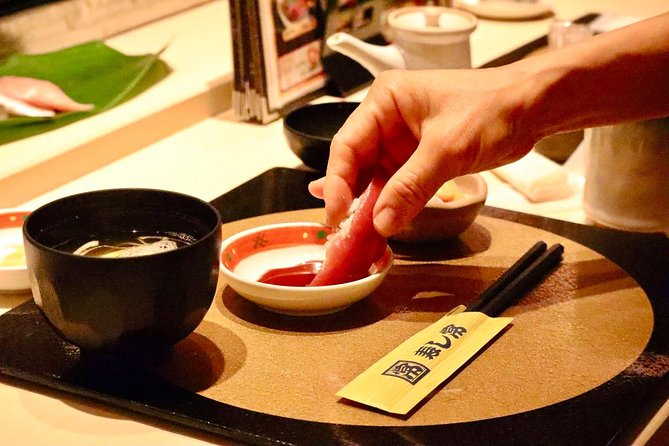
- More than 10 tastings: Sushi, gyoza, yakitori, seasonal fruit, matcha ice cream, tea, beer, and a changing secret dish are included.
- Ueno beyond the usual sights: The route links a food market, train tracks, Ueno Park, a 1627 Shinto shrine, and a Buddhist place of worship.
- A filling early meal: The portions add up quickly. Several tour accounts advise skipping breakfast.
- A useful first-day activity: Your guide helps with unfamiliar foods, ordering, customs, and places to eat later.
- Walking is part of the deal: Wear comfortable shoes and expect the route or menu to change with weather and local availability.
- Small-group format needs checking: The experience is described as private, but the stated maximum is 15 people.
Why Ueno makes such a good food-tour setting
Ueno gives you a quick lesson in how different parts of Tokyo fit together. A market, railway corridor, public park, shrine, and temple all sit within the same outing, so the food comes with streets, customs, and places of worship for context.
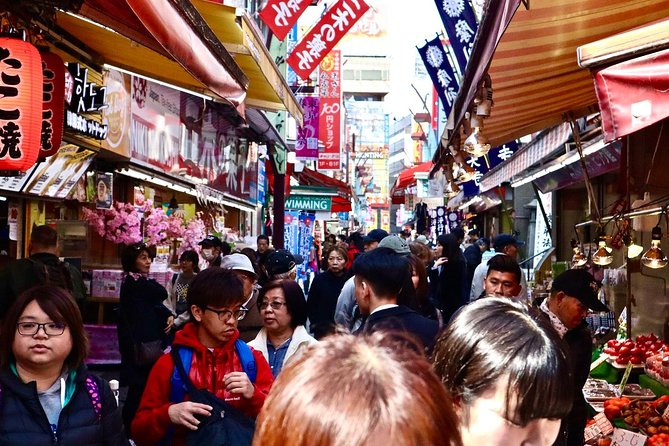
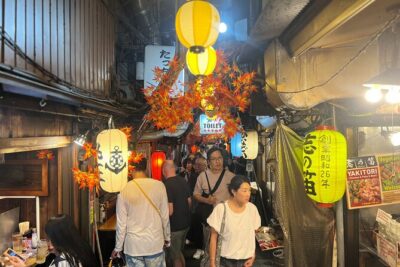
The tour begins at Ueno Station, a practical meeting point served by public transportation. From there, you head into a popular indoor-outdoor market lined with shops selling food, gifts, and clothing. This is a useful place to start because it shows everyday commerce rather than presenting Tokyo as a collection of postcard sights.
You might find tightly packed food counters, small shops, and displays that make the market feel very different from a formal restaurant district. Your guide’s role matters here. You can ask what an unfamiliar item is, how it is eaten, and which customs to follow without worrying about a language barrier.
The route also visits an area beneath the elevated train tracks. The Japanese term refers to the space under the girders, and these railway-side corridors are a distinctive part of city life. They bring you close to the practical side of Tokyo, where rail infrastructure, small businesses, and food venues share tight quarters.
A few more Tokyo tours and experiences worth a look

The tasting list is broad and deliberately filling
The strongest feature is the range of food packed into a short outing. You are not signing up for one large lunch. Instead, you sample many small servings, which lets you compare textures, cooking methods, and settings.
The stated food includes:
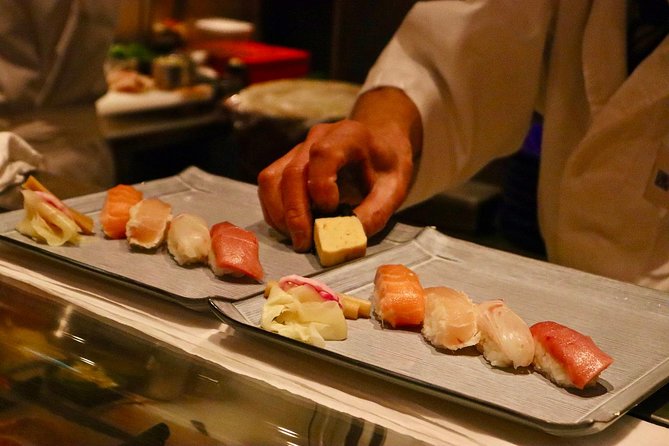
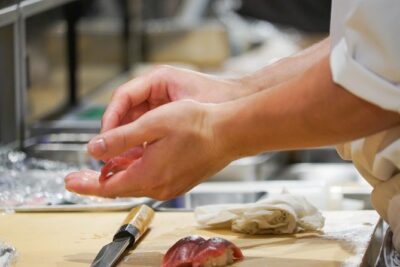
- Fresh Japanese sushi
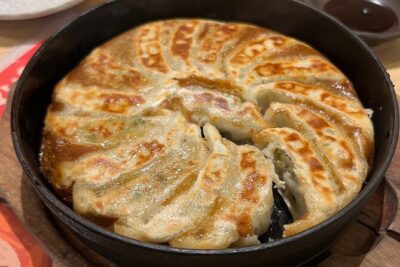
- Crispy gyoza
- Grilled chicken yakitori
- Seasonal fresh fruit
- Traditional matcha ice cream
- Two different types of tea
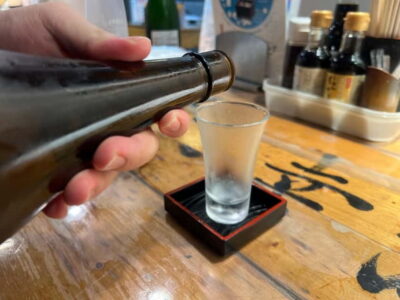
- One draft beer
- Water
- A secret dish that changes
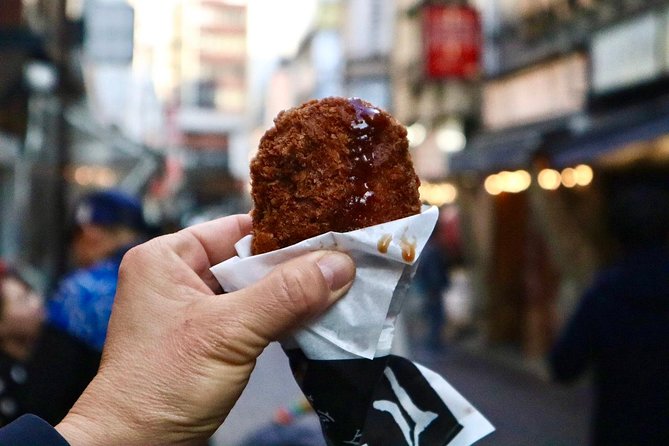
The menu may also include foods such as croquettes or sukiyaki. One reported route had seven food stops, with sushi, gyoza, croquette, yakitori, and sukiyaki among the tastings. Since the provider says locations and dishes can change, you should treat that list as a guide rather than a promise of every item on every date.
That flexibility is sensible in Tokyo. Restaurants may have limited availability, weather can affect a walking route, and seasonal produce changes. The tradeoff is that you cannot plan the exact menu in advance.
The food also arrives faster than you might expect. A typical three-and-a-half-hour tour can leave you full well before the final stop, especially when dumplings, skewers, sushi, dessert, and drinks are all included. I would eat lightly beforehand and avoid booking a large meal immediately afterward.
Sushi, gyoza, and yakitori give you the Japanese classics
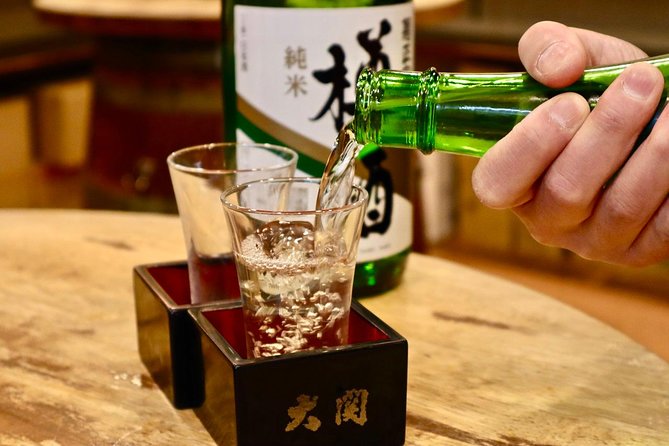
The core dishes make this an easy introduction for a first visit to Japan. Sushi offers a familiar starting point, while gyoza gives you a crisp, savory contrast. Yakitori adds grilled flavor and a more casual street-side feel.
The value is not only in tasting these foods. Your guide can explain what you are eating and help you handle the small cultural details that may otherwise slow you down. That is particularly useful if you are unsure how to approach a small restaurant or what to do with a dish you have never ordered.
The menu is not designed as an advanced food study. If you already spend your days seeking out specialist sushi shops, tracking regional ingredients, or comparing high-end restaurants, you may find the food too introductory for the price. For most first-time visitors, though, the variety makes it easier to try several classics without ordering full portions on your own.
The secret dish keeps the route from feeling scripted
A changing secret dish is a smart addition. It gives the guide room to respond to the day and prevents the experience from becoming a rigid checklist. Past examples include sukiyaki, a comforting dish that provides a different style of Japanese cooking from sushi or grilled chicken.
You should not book this tour expecting a fixed menu. The secret item, restaurant access, weather, and local availability can all affect the final plan. If you have a strong food preference, tell the operator before the tour rather than assuming the standard selection will suit you.
The same applies to dietary requirements. Contact the provider in advance so the team has the best chance of making suitable arrangements. The information supplied does not promise that every restriction can be accommodated, so early notice is important.
Ueno Park adds breathing room between food stops
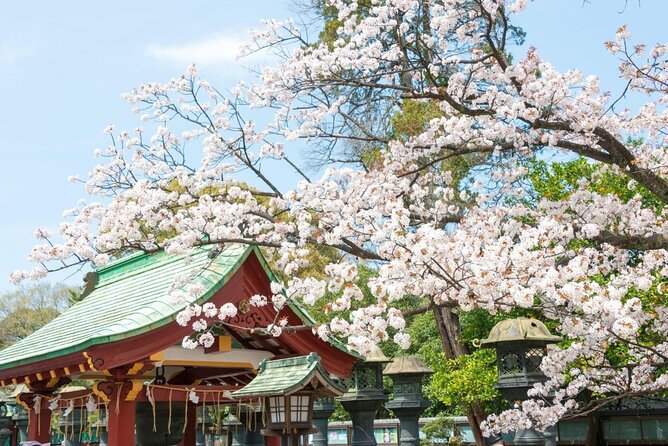
Ueno Park gives the walk a change of pace. This broad public park is one of the district’s main open spaces and is especially known for cherry blossoms and hanami in spring.
The park stop helps explain why Ueno is more than a market and restaurant area. You get a look at a place where people gather, relax, and enjoy seasonal scenery. If your tour falls during cherry-blossom season, the setting can be especially appealing, although the schedule and weather still control how long you spend there.
There is also a practical benefit. Several tastings in a row can feel like a lot, and a walk through the park gives you time to digest while your guide explains the area. Do not expect a long sightseeing visit here. This is a food tour first, with cultural stops woven into the route.
A few more Tokyo tours and experiences worth a look


A 1627 shrine and a Buddhist temple broaden the picture
The itinerary includes a Shinto shrine built in 1627 in memory of Tokugawa Ieyasu, founder of the Tokugawa shogunate. That date gives the stop real historical weight, but the value depends on your guide’s explanation. A short visit can help you understand how Shinto places function and why certain gestures, offerings, or quiet moments matter.
The route also visits a Buddhist center of worship with peaceful grounds. Placing the shrine and temple in the same walk gives you a chance to see two important Japanese religious traditions side by side.
These are not separate temple tours, and you should not expect an extended lecture at either stop. Their purpose is to add context to the food and neighborhood. That balance works well if you want a first look at Japanese customs without giving up most of your day.
Please be respectful at both sites. Keep your voice low, follow your guide’s instructions, and remember that these are active places of prayer, not just photo stops.
Your guide can make or break the experience
The food is only half the purchase. You are also paying for someone to connect the dishes, streets, and customs in English.
Harumi is described as informative and fun. Natsumi is noted for sharing tips about other places to visit and restaurants to try. Yumi is associated with an upbeat approach and useful background on Ueno and Tokyo, while Mari is praised for combining food knowledge with local history.
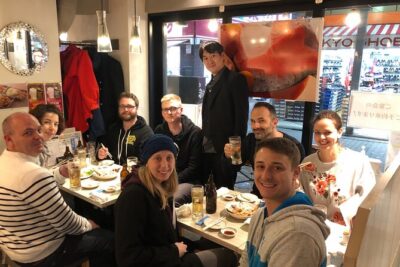
Those names matter because the guide’s style may shape your day more than the exact menu. A patient guide can help families, first-time visitors, and anyone nervous about ordering unfamiliar food. A small group also gives you more room to ask questions and talk with the guide.
The advertised maximum is 15 people. That is still a manageable number for a walking route, but it is not the same as a one-on-one experience. The description also calls the outing a private food tour, so I would confirm the exact group arrangement before paying if privacy is important to you.
Is $142 a fair price in Tokyo?
At $142 per person, the tour is expensive compared with eating at neighborhood shops independently. Tokyo gives you many ways to build a low-cost meal, and a determined diner could spend far less by ordering individual dishes.
You are paying for more than food here. The fee covers a local English-speaking guide, route planning, help with language and customs, more than 10 tastings, a draft beer, two types of tea, water, and matcha ice cream. It also saves you the time and uncertainty of choosing several stops in an unfamiliar district.
I see the price as easier to justify on your first or second day in Tokyo. You can use the guide’s recommendations afterward, learn which foods you like, and gain confidence with small restaurants and markets. If you already know Ueno well, speak Japanese, and enjoy planning your own food crawl, the value drops sharply.
Group discounts may be available, which can help families or parties booking together. Hotel pickup and drop-off are not included, so you must reach Ueno Station on your own and return there at the end.
Walking, timing, and practical comfort
The tour lasts about three hours and 30 minutes and involves a fair amount of walking. Ueno Station is easy to reach by public transportation, but the route itself may include crowded market areas, railway-side streets, park paths, and stops where you stand while eating.
Comfortable shoes are essential. This is not a seated tasting menu with a short stroll between courses. You should also plan clothing for the weather because the experience includes both indoor and outdoor areas.
The tour ends back at the meeting point, which makes it simple to continue sightseeing in Ueno afterward. You could also use the end of the tour as a convenient point to return to your hotel, though hotel transport is not part of the service.
The provider confirms bookings within 48 hours, subject to availability. Free cancellation is available up to 24 hours before the start time. Cancellations or changes made inside that window are not refunded or accepted, and a weather cancellation may lead to another date or a full refund.
Who will get the most from this food walk?
I would recommend this experience to first-time visitors who want a friendly introduction to Japanese food without spending hours researching restaurants. It also suits couples, families with older children, and people who want cultural background along with lunch.
Children aged eight to ten have enjoyed the format, and the wide range of tastes gives younger eaters several chances to find something they like. The walking and number of tastings may still be tiring, so consider your group’s stamina before booking.
This tour is also useful if you are hesitant about the language barrier. You can focus on trying the food while your guide handles the explanation and local details.
I would hesitate if you are looking for a quiet, private, high-end dining experience, or if you want to choose every dish yourself. The route is active, the menu can change, and the stated group limit reaches 15 people. The price also requires you to value guidance and convenience, not just the food itself.
Should you book the Ueno food tour?
Book it if you want to get your bearings in Tokyo through food, especially early in your trip. The combination of market stalls, railway-side streets, Ueno Park, a historic shrine, a Buddhist temple, and a large tasting list gives you a useful first look at the district.
Skip it if your main goal is the lowest possible food budget or highly specialized dining. At $142, the tour makes sense as a guided introduction, not as a bargain meal.
My practical advice is simple: schedule it near the beginning of your Tokyo stay, eat very little beforehand, wear good shoes, and contact the operator about dietary needs before you go. That is when the guide’s restaurant suggestions and local explanations can pay off for the rest of your visit.
FAQ
How long does the Ueno food tour last?
The experience lasts approximately three hours and 30 minutes.
How much does the tour cost?
The listed price is $142 per person. Group discounts are available.
Where does the tour start?
The meeting point is Ueno Station at 7 Chome-1 Ueno, Taito City, Tokyo 110-0005, Japan.
Where does the tour end?
The activity ends back at the meeting point.
What food and drinks are included?
The inclusions list fresh sushi, gyoza, yakitori, seasonal fruit, matcha ice cream, two types of tea, one draft beer, water, and a secret dish. The exact menu can change.
Is hotel pickup included?
No. Hotel pickup and drop-off are not included.
How many people can join the tour?
The maximum group size is 15 people. The experience description also refers to a private guide, so confirm the precise group setup when booking if that matters to you.
Is there much walking?
Yes. The tour involves a fair amount of walking, so comfortable shoes are recommended.
Can dietary requirements be accommodated?
You should contact the provider in advance with any dietary requirements so they can try to make suitable arrangements.
What happens if I need to cancel?
You can cancel up to 24 hours before the experience for a full refund. Cancellations or changes made less than 24 hours before the start time are not refunded or accepted. Weather or minimum-participant cancellations may result in another date or a full refund.
More Food Experiences in Tokyo
More Tokyo Food Tours in Tokyo
More Ueno & Yanaka Walks in Tokyo

More tours in Tokyo we've reviewed












Tokyo Food Tours, compared.
 ★ 5.0Tokyo: Shinjuku Food Tour (13 Dishes at 4 Local Eateries)From $86
 ★ 4.9Tokyo: Shinjuku Food Tour (13 Dishes and 4 Eateries)From $97
 ★ 5.0Tokyo Night Foodie Tour in Shinjuku – Seasonal Sushi, Wagyu BeefFrom $111
 ★ 5.0Eat and Drink Like a Local: Tokyo Ueno Food Tour-Taverns&RamenFrom $95
 ★ 5.0Tokyo: Shibuya Food Tour (13 dishes and 4 Eateries)From $77
Tokyo: Shinjuku Food Tour – 15 Dishes, 3 Drinks, 4 EateriesFrom $723 hours
★ 5.0Tokyo: Shibuya Food Tour (13 dishes and 4 Eateries)From $77
Tokyo: Shinjuku Food Tour – 15 Dishes, 3 Drinks, 4 EateriesFrom $723 hours