Reviewed · TOKYO FOOD TOURS
Shibuya All You Can Eat Best Food Tour The Original One in Tokyo
Shibuya is more than neon signs and the famous crossing. This four-hour food walk leads you into small dining spots, narrow lanes, and local eating streets where you can try sushi, yakitori, yakiniku, takoyaki, and sweets in one evening. It is a tasty way to get your bearings in one of Tokyo’s busiest districts.
In This Article
- Key Things to Know Before You Book
- A Food Tour That Shows Shibuya Beyond the Crossing
- Meeting Hachiko and Getting Moving
- Shibuya 109 and the Local Eating Streets
- Nonbei Yokocho, Shibuya’s Tiny Bar Lane
- Crossing Shibuya With a Camera Ready
- MEGA Don Quijote and Tokyo’s Everyday Shopping Culture
- What You Actually Eat During the Four Hours
- How Much Value Do You Get for $205?
- Group Size, Pace, and Practical Comfort
- Who Will Get the Most From This Experience?
- Should You Book the Shibuya Food Tour?
- FAQ
- How long does the Shibuya food tour last?
- Where does the tour start?
- Where does the tour end?
- How many people can join the tour?
- How many food stops are included?
- What foods are included?
- Are drinks included?
- Is hotel pickup or drop-off included?
- Can I cancel for a full refund?
I like the small group limit of 10, which gives the guide room to answer questions and adjust the pace. I also like the mix of food and sightseeing: Nonbei Yokocho, Shibuya Crossing, and the huge Don Quijote store keep the tour from becoming a simple meal crawl.
The main concern is price. At $205 per person, this is a costly food outing, especially since alcohol is extra and the exact restaurants are chosen by the guide. Most reports describe excellent guides, but a few people found the food explanations or organization weaker than expected.
Key Things to Know Before You Book
- Four to five food stops: Plan on several tastings rather than one long restaurant meal.
- Classic Japanese favorites: Sushi, yakitori, yakiniku, takoyaki, and desserts are part of the planned food range.
- A maximum of 10 people: Small groups make it easier to follow the guide through crowded Shibuya.
- Nonbei Yokocho adds atmosphere: This narrow lane of tiny bars offers a look at an older, more intimate side of Shibuya.
- Two soft drinks and water are included: Alcohol can be bought separately.
- The tour returns to Hachiko Statue: You do not need to arrange a separate ride back to your starting point.
A Food Tour That Shows Shibuya Beyond the Crossing
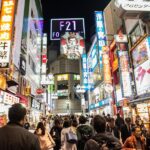
Shibuya can feel like Tokyo turned up to full volume. Giant screens flash above the streets, department stores run for blocks, and streams of people pour through the crossing. That makes it exciting, but it can also make the district hard to read if you are visiting for the first time.
This tour gives you a simple plan. You meet at the Hachiko Statue, then walk with a guide through several parts of Shibuya while stopping to eat. The goal is not fine dining. It is a broad sample of Japanese food, local streets, and everyday city culture.
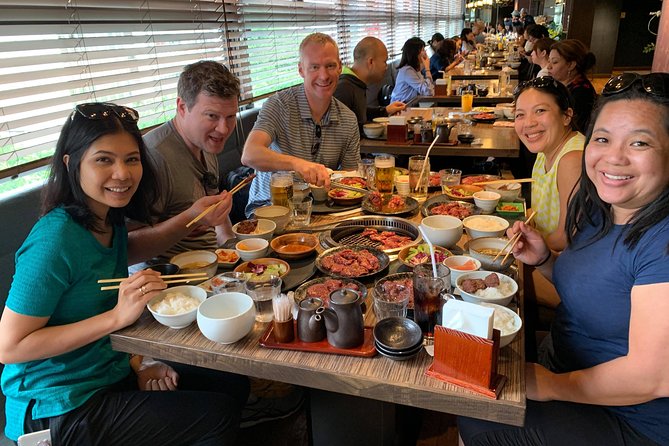
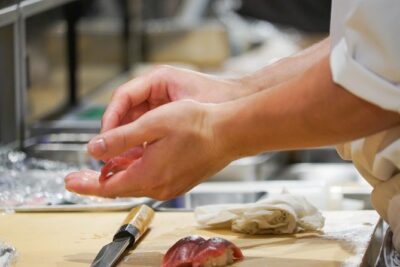
The food list is a strong point. You may try raw fish at a sushi stop, grilled chicken at an izakaya, meat cooked at the table for yakiniku, savory takoyaki, and a sweet finish. The exact choices can vary because the guide selects four to five stops, but the advertised range gives you a good idea of the experience.
I would not book this expecting an unlimited buffet. The title uses all you can eat, but the practical details describe included food at multiple stops, not unlimited ordering at each venue. You should expect enough food to make a full evening meal, but portions and dishes may differ.
A few more Tokyo tours and experiences worth a look
Meeting Hachiko and Getting Moving
The tour starts at the Hachiko Statue, at 2 Chome-1 Dogenzaka in Shibuya. This is a sensible meeting place because it is easy to identify and sits beside the station and the famous crossing.
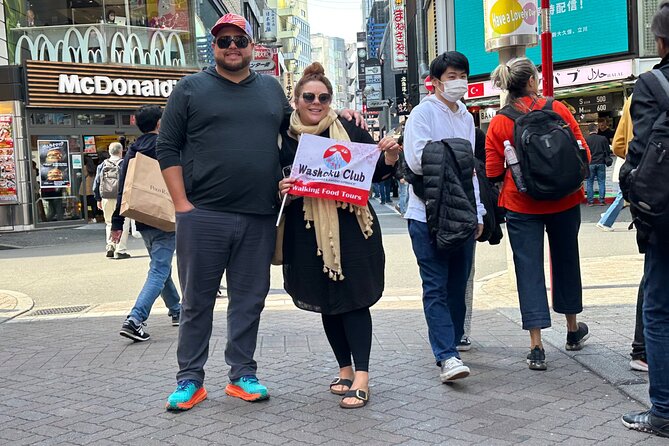
Your guide may be Kato, Hamada, Amber, Tanaka, Suzuki, Hiromi, Samir, Ryu, or another member of the Washoku Club team. The strongest part of the experience appears to be the personal attention many guides provide. Hamada, in particular, is praised for being patient, punctual, upbeat, and willing to help with small errands. Kato is described as warm and funny, with local trivia to share.
That personal side matters in Shibuya. A good guide can explain how to enter a small restaurant, help with ordering, and keep everyone together when the sidewalks are packed. Several people also appreciated guides who waited for delayed group members or added a short extra stop while others caught up.
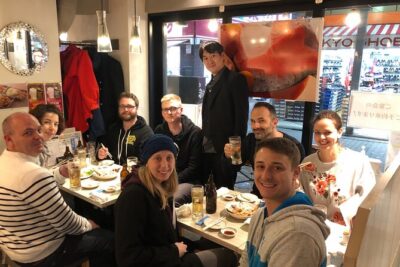
The group limit is 10. That is small enough for conversation, though the actual number can be much lower. Some departures have had only one family or one individual, which can feel almost like a private walk. A very small group can also feel less social, so do not assume every departure will have a large international crowd.
Shibuya 109 and the Local Eating Streets
The first listed stop is around Shibuya 109, one of the district’s best-known shopping landmarks. The planned time is about 45 minutes, though the full food portion may include nearby venues and walking between stops.
This area is useful for seeing how shopping, nightlife, and eating overlap in modern Tokyo. You may pass izakaya, casual restaurants, and streets packed with local diners. The guide can add context about what people order and how these small restaurants fit into an evening out.
This is also where the tour can feel least off the beaten track. Shibuya 109 is a major landmark, not a secret corner. The value comes from the food venues and the guide’s route rather than from the building itself.
The food experience is designed to build over several stops. You might begin with lighter items such as sushi or small izakaya dishes, then move toward grilled food. Several people found the portions generous enough to leave them stuffed, so eat lightly beforehand. At the same time, the tour includes unfamiliar foods, and one person in a family group ate very little but still appreciated the chance to try new things.
Nonbei Yokocho, Shibuya’s Tiny Bar Lane
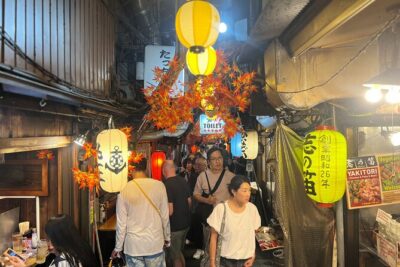
Nonbei Yokocho is one of the most distinctive parts of the walk. Its name is often translated as Drunkard’s Alley, and the lane is known for tiny bars and compact dining spaces. The planned visit lasts about 30 minutes.
This is where the tour gives you a side of Shibuya that is easy to miss among the shopping towers. The lane feels intimate and old-fashioned compared with the broad avenues nearby. Some bars are so small that they hold only a handful of people, creating a very different mood from the open streets around Shibuya Station.
You may not spend the full evening drinking here. Alcohol is not included, though you can purchase it. The real benefit is seeing how a narrow neighborhood lane can support regular local nightlife right beside one of Tokyo’s biggest commercial centers.
I especially like this stop for first-time visitors. A guide can explain the social customs around small bars and show you where people spend an ordinary night out. One person enjoyed the lane so much that they returned later on their own, which is a good sign for anyone who likes atmospheric streets more than landmark checklists.
Crossing Shibuya With a Camera Ready
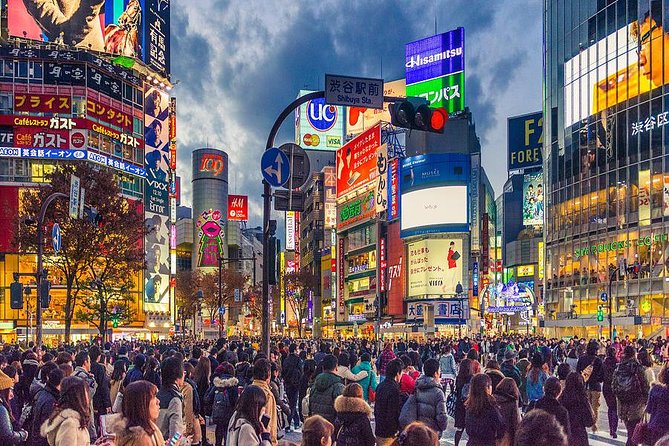
The Shibuya Crossing stop is short, about 15 minutes. That is enough time to see the crossing, take a photo, and understand the scale of the intersection without spending half your tour waiting for the signal.
The crossing is famous for a reason. At peak moments, large streams of people move in several directions at once, and the view from the edge can be as interesting as the walk across. Your guide may point out photo spots and help you get a quick picture without turning the stop into a long photography session.
This is a sightseeing pause, not a food stop. If you have already visited the crossing, it may feel familiar. Still, placing it within a food walk helps you connect the postcard image with the surrounding streets, restaurants, shops, and alleys.
Keep your expectations realistic. You are not getting a private rooftop view or a long guided lecture here. The appeal is the quick, lively look at Shibuya’s best-known public space.
A few more Tokyo tours and experiences worth a look
MEGA Don Quijote and Tokyo’s Everyday Shopping Culture
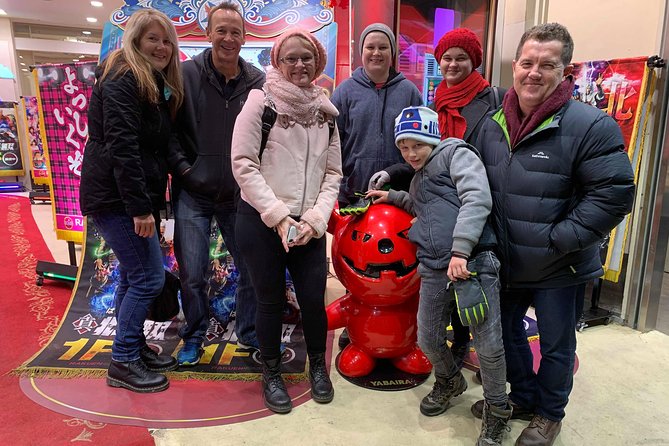
The itinerary includes about 30 minutes at MEGA Don Quijote. This 24-hour shopping mall sells an enormous range of goods, from sweets and packaged food to cosmetics, electronics, and household items.
For a visitor, Don Quijote can be entertaining and useful at the same time. It shows the practical, playful side of Japanese retail, with shelves full of snacks, souvenirs, beauty products, and odd little items. You may also find food gifts to take home.
This stop is not a traditional restaurant visit, so some people may see it as a detour. I think it works best if you want more than eating. It gives you a break from table stops and offers a look at how Tokyo residents shop late into the night.
If you already know you want Japanese snacks or small gifts, the guide may help you understand what you are looking at. One person even received assistance with a purchase at BIC Camera during the evening, showing how some guides are willing to offer practical help beyond the formal route. That level of flexibility depends on the guide and the timing.
What You Actually Eat During the Four Hours
The included food is the main reason to book. The advertised selection includes:
- Sushi
- Yakitori
- Yakiniku
- Takoyaki
- Desserts
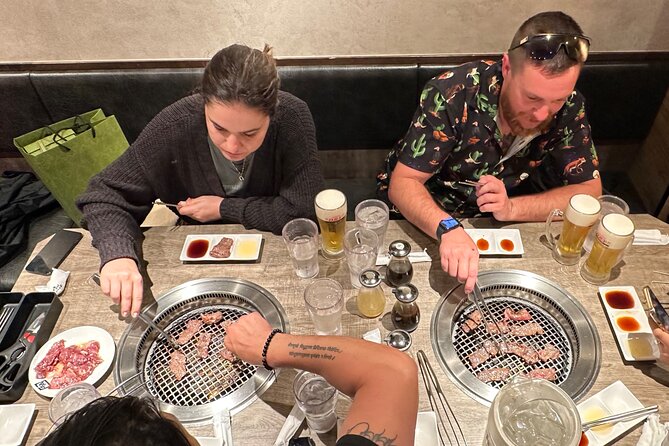
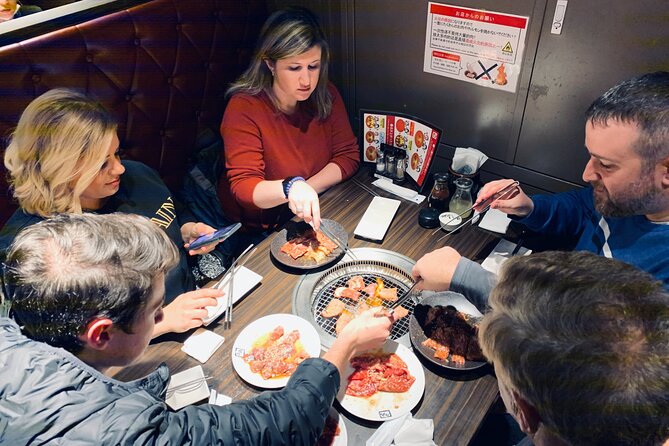
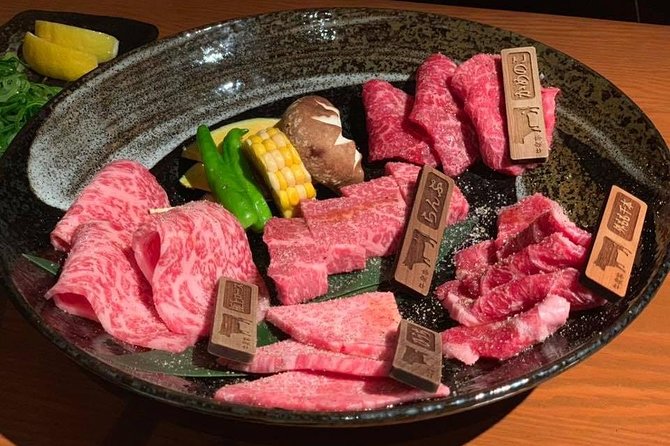
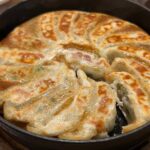
The food may also include chicken karaage, steak, sake purchased separately, or other local dishes. Several experiences included Japanese barbecue, where you cook meat on a small grill built into the table. That adds a bit of participation and gives you a chance to compare cuts and cooking styles.
Takoyaki is a fun contrast to sushi and barbecue. These hot octopus-filled balls are cooked in a special molded pan and usually served with sauce and toppings. If you have never tried them, they are a good example of casual Japanese street food.
Dessert gives the tour a clear finish. Mochi has appeared on some routes, though you should not assume every departure serves the same sweet. The guide chooses the stops, and restaurant availability can affect the menu.
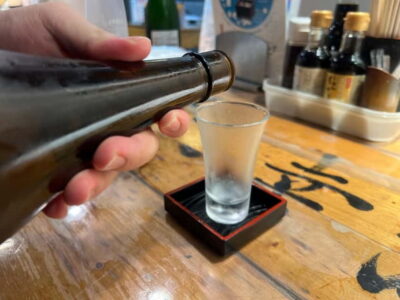
One important detail is that the tour is not built around alcohol. Two soft drinks and water are included, while alcoholic drinks are available to buy. If you want beer, sake, or cocktails, bring extra money for those purchases.
How Much Value Do You Get for $205?
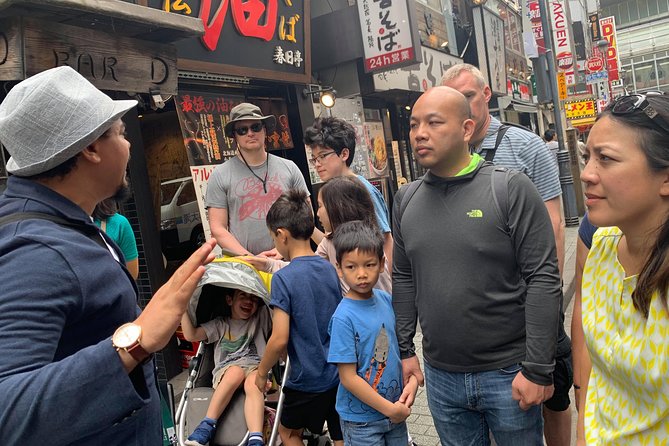
At $205 per person, this is expensive for a four-hour walking tour. You are paying for more than the food itself: the guide, the planning, the small group format, the local stops, and the ease of moving through Shibuya without having to choose restaurants yourself.
The value is strongest if you are new to Tokyo, nervous about ordering, or short on time. A good guide can introduce several dishes in one evening and explain enough local custom to make later meals easier. You also avoid the risk of choosing a restaurant that does not suit your group.
The price is harder to justify if you are comfortable finding restaurants on your own. Shibuya has many food options, and you could spend much less by ordering directly at casual restaurants. The exact food quantity also matters. Although many people felt very full, the tour does not state precise portions or a fixed menu.
There is another value question: how much do you care about the guide? The strongest experiences are clearly guide-led. Hamada, Kato, Amber, Tanaka, Ryu, and others are praised for warmth, humor, patience, and cultural explanations. A less confident guide can make the same route feel like a series of restaurant visits without much context.
One person felt the tour did not teach enough about Japanese food and found it overpriced. Another disliked visiting a Korean barbecue restaurant during a Japan food tour. That criticism is worth considering. The experience may focus on eating in Shibuya rather than presenting a strict survey of traditional Japanese cuisine.
Group Size, Pace, and Practical Comfort
The walk lasts about four hours and ends back at the meeting point. You should be ready to walk between several venues, wait briefly in crowded streets, and eat multiple times over the course of the evening.
Most travelers can take part, and the tour is near public transportation. The supplied information does not list a detailed accessibility plan, so contact the provider if stairs, long periods of walking, or restaurant access are important concerns for you.
A mobile ticket makes entry simple. Confirmation is provided at booking, and the meeting point is the Hachiko Statue. Arrive with the meeting instructions available on your phone, especially because Shibuya Station has many exits and can be confusing.
I would also plan your clothing for an active evening. You are walking, sitting at several places, and moving through one of Tokyo’s busiest districts. The tour is not a quiet, slow meal in one room.
Free cancellation is available if you cancel at least 24 hours before the local start time. Cancellations or changes made inside that window are not refunded or accepted.
Who Will Get the Most From This Experience?
I would recommend this tour to first-time Tokyo visitors who want a quick introduction to Shibuya and Japanese food. It is also useful for families, couples, and solo visitors who would rather have a local guide handle the route and ordering.
It suits adventurous eaters. You may be offered dishes you would not choose from a menu, and the mix of sushi, grilled meat, takoyaki, and sweets gives you plenty of chances to try something new.
It is less suited to strict vegetarians, people with serious food allergies, or anyone who needs a fixed menu, because the exact stops and dishes are not specified. The supplied information also does not promise dietary accommodation, so ask before booking.
You should also skip it if your main goal is a formal lesson in Japanese cuisine. This is a moving food and culture walk, not a cooking class or a specialist tasting seminar.
Should You Book the Shibuya Food Tour?
Book it if you want a social, guide-led introduction to Shibuya and are willing to pay for convenience, several tastings, and local navigation. The best guides add real value by explaining daily life, helping with ordering, answering questions, and showing you lanes you might pass without noticing.
Think twice if $205 feels high for a four-hour meal or if you want complete control over every dish. The itinerary is flexible, alcohol costs extra, and the experience depends heavily on the guide assigned to your group.
For most first-time visitors who value ease and variety, this is a strong choice. Go hungry, keep an open mind, and treat the tour as an introduction to Shibuya rather than a final judgment on Japanese food.
FAQ
How long does the Shibuya food tour last?
The tour lasts approximately four hours.
Where does the tour start?
It starts at the Hachiko Statue at 2 Chome-1 Dogenzaka, Shibuya, Tokyo.
Where does the tour end?
The activity ends back at the meeting point.
How many people can join the tour?
The maximum group size is 10 travelers.
How many food stops are included?
The tour includes four to five food stops selected by the guide.
What foods are included?
The advertised food range includes sushi, yakitori, yakiniku, takoyaki, and desserts. Other dishes may also be served depending on the stops selected.
Are drinks included?
Two soft drinks and water are included. Alcoholic beverages are available to purchase separately.
Is hotel pickup or drop-off included?
No. Hotel pickup and drop-off are not included.
Can I cancel for a full refund?
Yes. You can cancel at least 24 hours before the experience start time for a full refund. Cancellations or changes made less than 24 hours before the start time are not refunded or accepted.
More Food Experiences in Tokyo
More Tokyo Food Tours in Tokyo
More Shibuya Tours in Tokyo
More tours in Tokyo we've reviewed












Tokyo Food Tours, compared.
 ★ 5.0Tokyo: Shinjuku Food Tour (13 Dishes at 4 Local Eateries)From $86
 ★ 4.9Tokyo: Shinjuku Food Tour (13 Dishes and 4 Eateries)From $97
 ★ 5.0Tokyo Night Foodie Tour in Shinjuku – Seasonal Sushi, Wagyu BeefFrom $111
 ★ 5.0Eat and Drink Like a Local: Tokyo Ueno Food Tour-Taverns&RamenFrom $95
 ★ 5.0Tokyo: Shibuya Food Tour (13 dishes and 4 Eateries)From $77
Tokyo: Shinjuku Food Tour – 15 Dishes, 3 Drinks, 4 EateriesFrom $723 hours
★ 5.0Tokyo: Shibuya Food Tour (13 dishes and 4 Eateries)From $77
Tokyo: Shinjuku Food Tour – 15 Dishes, 3 Drinks, 4 EateriesFrom $723 hours