Reviewed · KAMAKURA & ENOSHIMA DAY TRIPS
Kamakura&Enoshima Tour to-and-from Tokyo, Yokohama, up to 12
Kamakura and Enoshima pack nearly a thousand years of Japanese culture into one long day. You can move from a quiet bamboo temple and tea café to the Great Buddha, then finish beside the sea with possible Mount Fuji views from Enoshima.
In This Article
- Why combine Kamakura and Enoshima in nine hours?
- Hokoku-ji, Kamakura’s bamboo and tea stop
- Tsurugaoka Hachimangu and the samurai connection
- The Great Buddha at Kotoku-in
- Hase-dera and the Kannon tradition
- Lunch on Enoshima, with local choices
- Enoshima and the Mount Fuji viewpoint
- Shopping along the Enoshima arcades
- What the private vehicle changes
- The $878 price and who gets good value
- What the day feels like for different groups
- How flexible is the route?
- Practical details before you book
- Should you book this Kamakura and Enoshima tour?
- FAQ
- Where can I be picked up and dropped off?
- Is transportation included?
- Are attraction entry fees included?
- Is lunch included?
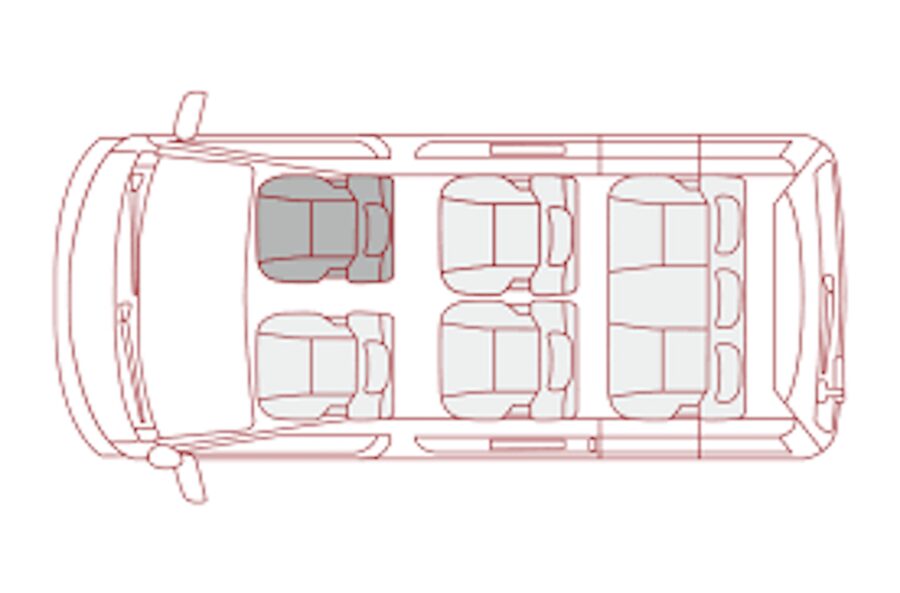
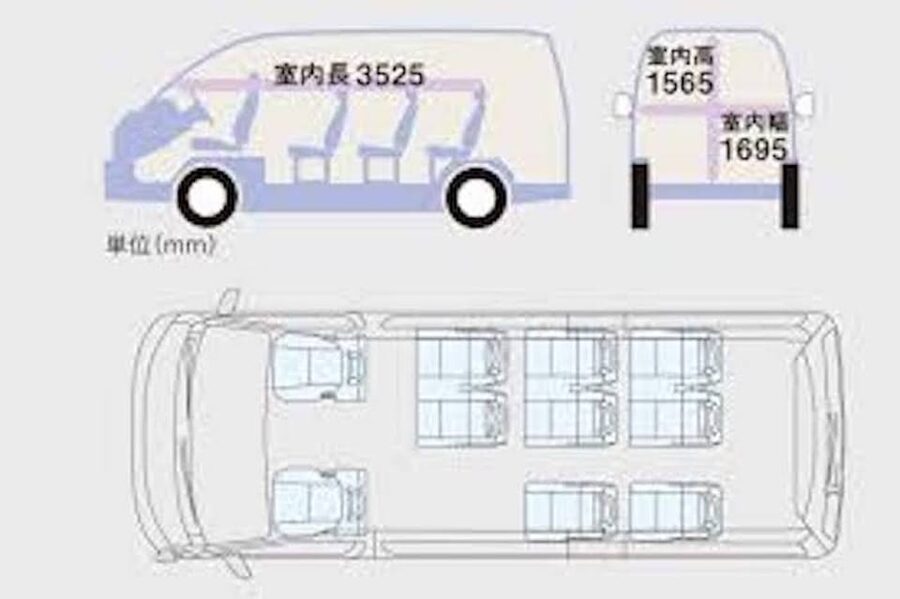
- What size vehicle is used?
- Is the tour wheelchair accessible?
I like the private vehicle, especially for a group of up to 12, and I like the flexible route, which lets your guide adjust temple visits around seasonal flowers and your interests. The main drawback is cost: at $878 per group, this makes the best financial sense for a larger party, not one or two people.
- Hokoku-ji’s bamboo grove: Enjoy a peaceful temple stop and optional powder tea at the café.
- Kamakura’s Great Buddha: See one of the city’s most important sights without spending the day walking between districts.
- Private pickup: Start from Tokyo, Yokohama, Odawara, or Maihama, with some cruise-terminal arrangements possible.
- Enoshima views: Look toward Mount Fuji from the island’s sea-facing viewpoints.
- Local lunch and shopping: Choose seafood or rice and curry, then browse arcades for accessories and small gadgets.
- Room for a group: Minivan transport is used for three to four people, with larger vehicles for bigger parties.
Why combine Kamakura and Enoshima in nine hours?
Kamakura is the cultural heart of this outing. Once the seat of Japan’s first samurai government, it has shrines, temples, gardens, and old streets spread across a fairly broad area.
Enoshima provides a useful change of pace. After a morning of temple courtyards and Buddhist statues, you reach an island known for sea views and artwork in the Ukiyo-e tradition. The two destinations fit together well, but only because you travel by private vehicle.
On foot, the same collection of sights can take about a day and a half according to the tour information. That is the key value here. You are not simply paying for a car. You are paying to connect several districts that would otherwise demand more time, more navigation, and more patience.
The day lasts nine hours, with pickup and return in Tokyo, Yokohama, Odawara, or Maihama. The exact start time depends on availability, so check that carefully before booking, especially if you are working around a cruise departure, hotel check-in, or train connection.
Hokoku-ji, Kamakura’s bamboo and tea stop
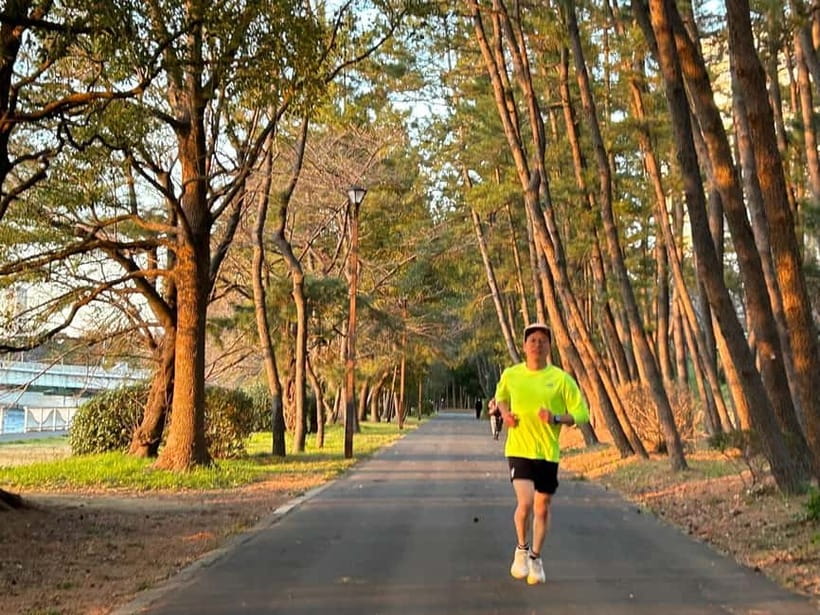
Hokoku-ji is a compact temple best known for its bamboo grove. The tall green stalks create a cooler, quieter setting than the city streets, and the visit gives you a gentle start before the larger Kamakura sights.
You can also enjoy powder tea at the café inside the temple. This is one of the more distinctive details of the day. The tea service adds a cultural activity rather than making the stop only a photo opportunity.
The planned visit lasts about 45 minutes. That is enough for the bamboo area, temple grounds, and tea if you keep moving, though the timing may feel tight if you want to linger.
The gardens change with the seasons, and the guide may adjust the order or selection of temples according to what is flowering. That flexibility is useful, but it also means the final route may not match the sample schedule exactly.
A few more Tokyo tours and experiences worth a look
Tsurugaoka Hachimangu and the samurai connection
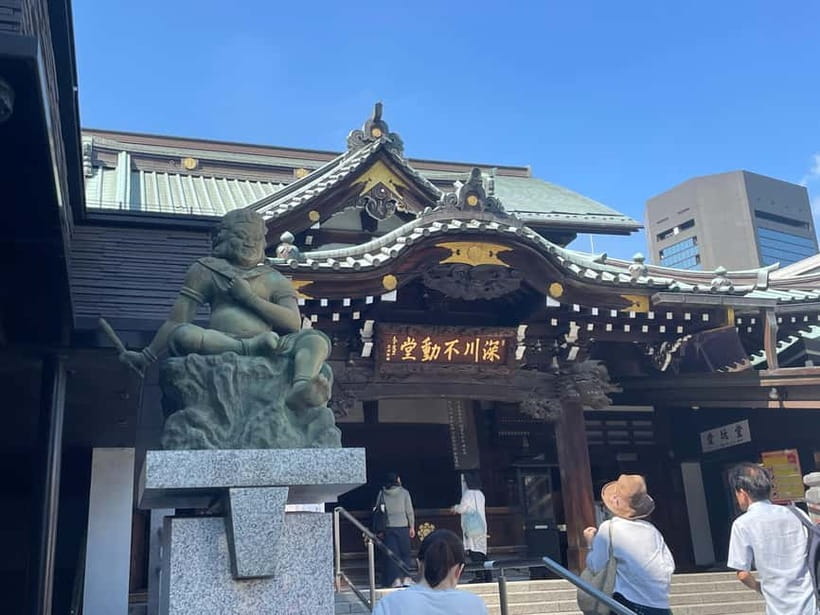
Tsurugaoka Hachimangu is Kamakura’s major Shinto shrine. It was established by Minamoto Yoritomo, the first shogun of Japan’s samurai government, so this is the place to connect the city’s religious sights with its political past.
The shrine visit is scheduled for about 45 minutes with guided sightseeing. That gives you time to understand why this site matters, walk through the grounds, and take in the main approach without turning the stop into a long lecture.
I appreciate having a guide here because the difference between a Buddhist temple and a Shinto shrine can otherwise blur during a fast day. The tour combines both traditions, and the driver-guide can help you place each stop in the larger story of Kamakura.
You should wear comfortable shoes. Temple and shrine visits involve walking, and even with vehicle transfers, this is not a seated sightseeing day.
The Great Buddha at Kotoku-in
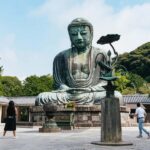
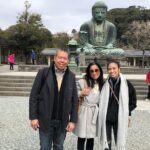
Kotoku-in Temple is home to the Great Buddha of Kamakura, the image most people associate with the city. The tour allows about 30 minutes here, making it the shortest temple stop on the route.
That limited time is both a strength and a weakness. You get the major sight without spending too long at one location, which helps preserve time for Enoshima. On the other hand, you may want longer if you enjoy examining the statue and grounds at a slower pace.
Entry fees for the attractions are not included in the $878 price. Budget separately for Kotoku-in and the other paid sights, since the total amount depends on which places you enter and the current admission prices.
The Great Buddha is also a strong choice for mixed-interest groups. Someone who is less interested in temple architecture can still appreciate the scale and fame of the statue, while history-minded visitors have a clear connection to medieval Kamakura.
Hase-dera and the Kannon tradition
Hase-dera is associated with Kannon, one of Japan’s most respected Buddhist figures. The temple is another 45-minute stop and adds a different character from the open scale of Kotoku-in.
The sample route places Hase-dera either before or after Tsurugaoka Hachimangu, depending on how the guide arranges the day. The important point is that the visit is part of a flexible plan, not a rigid procession.
Seasonal flowers matter here. The temple gardens can look different at different times of year, and the guide may switch the order of stops to make better use of current blooms.
I would treat Hase-dera as a place to slow down for a moment. The day covers a lot, and a garden-focused stop gives you a break from major monuments and vehicle transfers.
Lunch on Enoshima, with local choices
Lunch is scheduled for one hour on Enoshima. Seafood or rice and curry are described as local specialties, giving you a chance to eat at a local restaurant rather than relying on a meal inside a large tourist facility.
Food and drinks are not included, so plan to pay at the restaurant. The private format should make it easier to discuss your group’s preferences with the guide, although the supplied details do not promise a fixed restaurant or a specific menu.
A one-hour lunch works well for this itinerary, but you should not expect an elaborate, slow meal. The day still has Enoshima sightseeing and the return drive ahead.
For a group of six with luggage, the arrangement has already handled a cruise-terminal pickup, temple visits, lunch, and the Great Buddha in one day. That makes the transport plan especially useful if you are arriving by ship and want to see Kamakura without arranging separate transfers.
Enoshima and the Mount Fuji viewpoint
Enoshima is the final major sightseeing area, with about 75 minutes for guided exploration. The island is known for views across the water and for its appearance in Ukiyo-e woodblock prints.
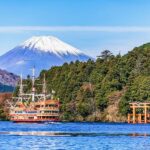
The highlight is the chance to see Mount Fuji from Enoshima. The view depends on conditions, so you should think of Fuji as a welcome possibility rather than a guarantee. Even without a clear mountain view, the island gives the day a coastal finish after the inland temples.
The time here is enough for a focused visit, but not for every corner of the island at a slow pace. If your group has a particular Enoshima interest, tell the guide early. The tour is designed to accommodate requests when possible.
Enoshima also adds visual variety. Kamakura gives you wooden buildings, temple grounds, and religious landmarks. Enoshima brings sea air, open views, and a different kind of Japanese sightseeing shaped by its island setting.
Shopping along the Enoshima arcades
The shopping arcades leading toward Enoshima Shrine are a practical part of the outing. You can browse for accessories, small gadgets, and souvenirs without giving up a separate shopping afternoon in Tokyo.
This is not presented as a major shopping tour, so keep your expectations in check. You get a chance to select small items while walking toward the shrine, not a long, guided retail session.
I like this sort of built-in free time because it lets each person in a private group follow personal interests. One person can browse, another can focus on the shrine, and the group does not need to split up for half a day.
What the private vehicle changes
The vehicle is the central feature of the experience. The driver-guide collects you at your hotel or agreed pickup point, and you wait in the lobby about five minutes before the scheduled time with your name board ready.
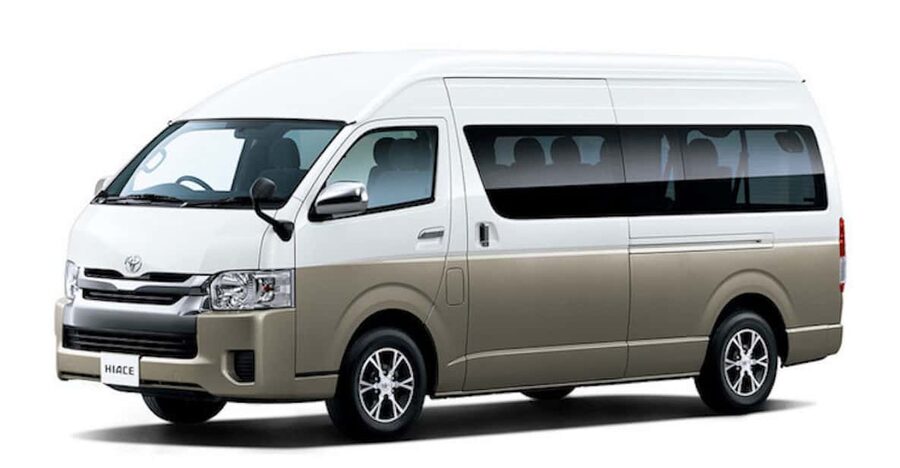
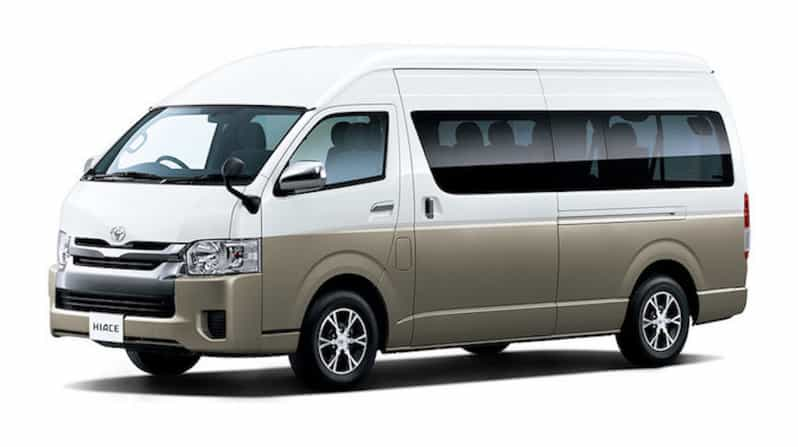
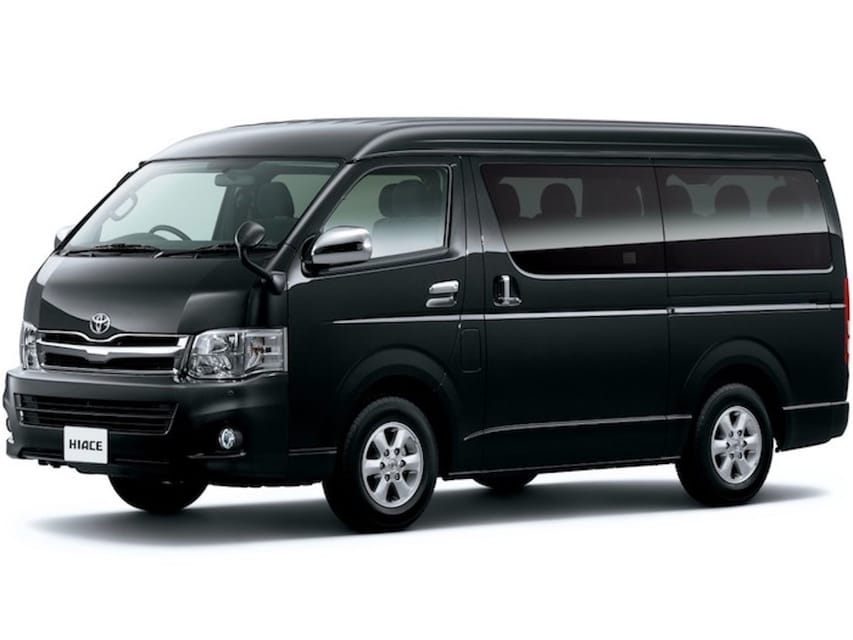
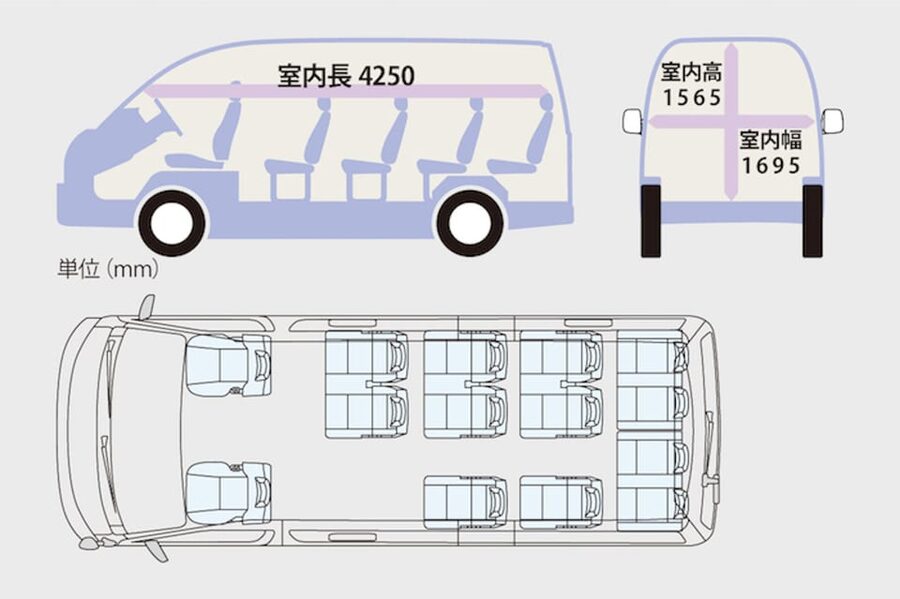
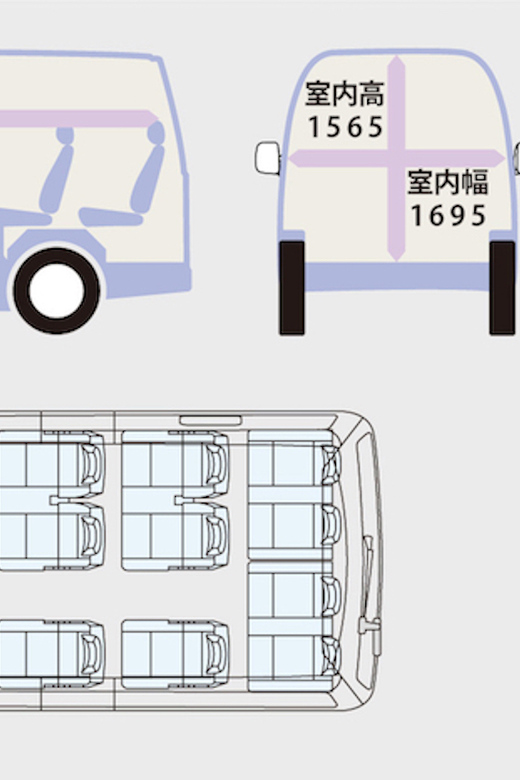
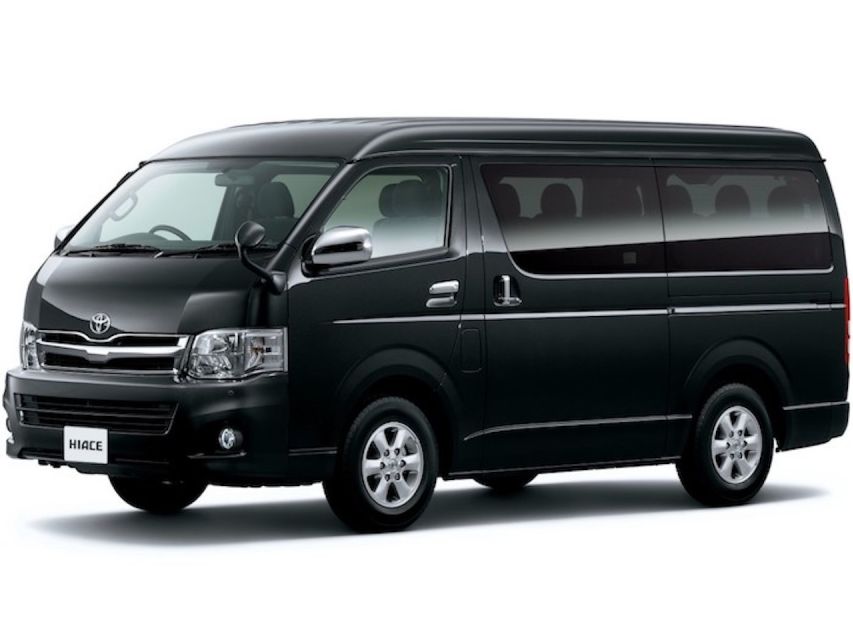
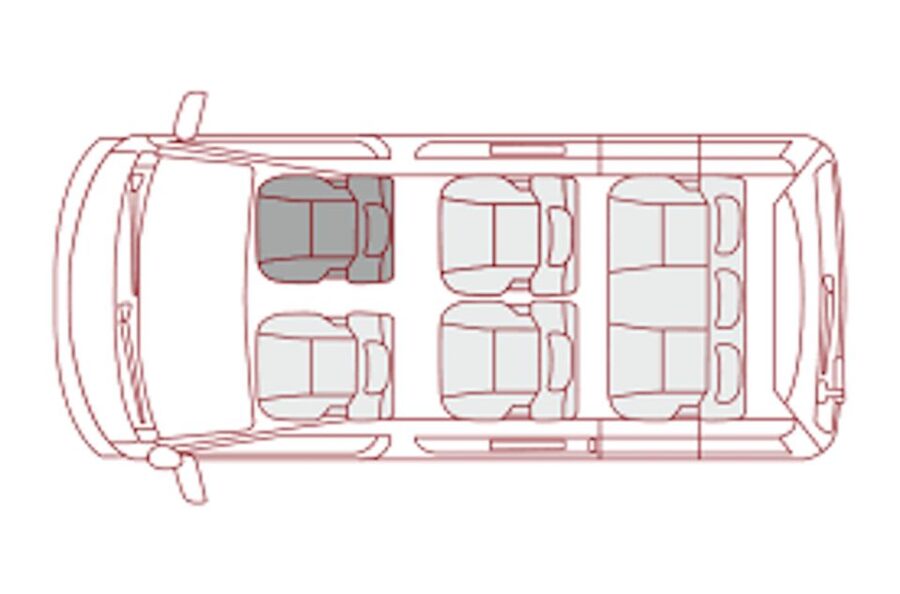
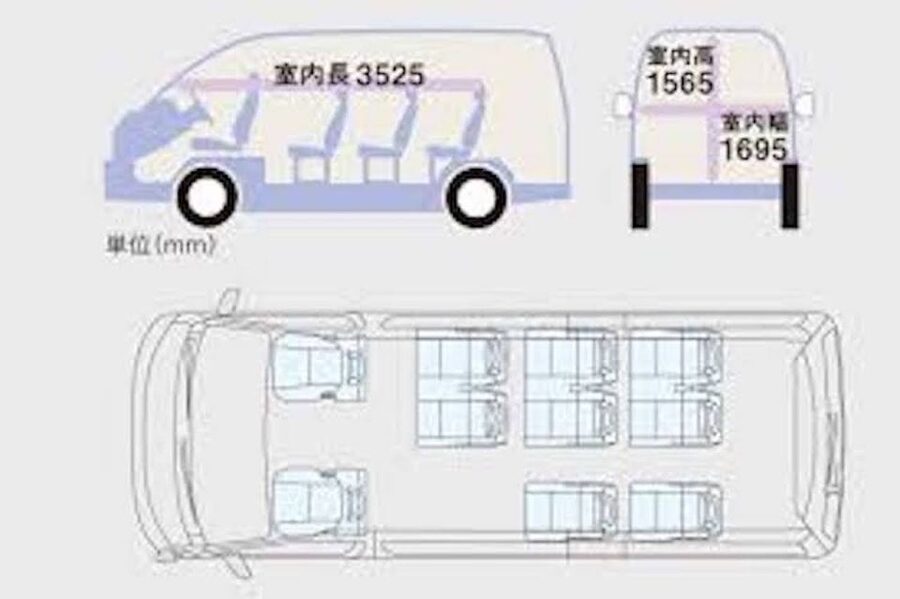
For three to four people, the vehicle is a minivan. Groups of five to eight use a small minibus, while groups of nine to 12 use a middle-sized minibus. A larger vehicle can be requested if your party carries a lot of luggage.
The service covers many doorway pickup and drop-off points in Tokyo and Yokohama. Tokyo pickup with Yokohama return, or Yokohama pickup with Tokyo return, is also possible. This is useful for cruise passengers and for anyone staying in one city while finishing the day in another.
Odawara is another listed option, including Tokyo pickup with drop-off at Odawara Station for people continuing toward Kyoto. Narita arrangements are possible with extra charges: ¥20,000 for Narita pickup and return, or ¥10,000 for one Narita end combined with Tokyo or Yokohama.
These details matter more than they first appear. A private tour can be excellent for a group, but only if the pickup plan matches your hotel, port, station, or airport schedule. Confirm the exact point and any extra transport fee before you pay.
The $878 price and who gets good value
The price is $878 for a private group of up to 12. That does not include attraction entry fees, food, or drinks.
For 12 people, the base cost works out to about $73 per person before those extras. For six people, it is about $146 per person. For two people, the price becomes much harder to justify unless you place a high value on private transport, door-to-door service, and a custom route.
The cost includes the driver-guide, transportation, and a flexible private tour. You are paying for convenience and time savings rather than a low-cost sightseeing ticket.
I see the strongest value for families, cruise groups, and larger parties with mixed interests. A group can avoid organizing multiple train connections, coordinate luggage more easily, and move between Kamakura’s districts without losing much of the day.
The price is less attractive if you are a solo visitor or a couple comfortable with public transportation. In that case, compare the private service with a standard rail-based visit before booking.
What the day feels like for different groups
Families may appreciate the private setup because the route can respond to changing energy levels and interests. The vehicle also provides a place to regroup between stops, though smoking is not allowed inside.
Cruise passengers are a particularly good match. One group of six was picked up at a cruise terminal, traveled with luggage, visited the bamboo temple and Great Buddha, had lunch, and completed the day happily. You should still confirm timing carefully against your ship’s departure requirements.
The tour also suits visitors who want English guidance without joining a large coach group. The listed language is English, and the driver-guide remains with your private party.
It may be less suitable if you often suffer from motion sickness. The activity specifically notes that it is not recommended for people with motion sickness, and the day includes a long vehicle-based route.
The experience is wheelchair accessible, but the available information does not explain the exact access conditions at each temple, shrine, garden, or island route. If you use a wheelchair, confirm the practical details for your chosen stops and vehicle before booking.
How flexible is the route?
The tour is designed to change according to your interests. You can request alternative pickup and drop-off points, and the visiting spots may shift with seasonal flowers.
That flexibility is useful, but it does not mean every request is guaranteed. The clearest approach is to decide what matters most before the day begins: bamboo and tea, the Great Buddha, shrine architecture, gardens, local food, shopping, or Mount Fuji views.
A private vehicle also makes it easier to protect priority stops. If a group member needs more time at one temple, the guide can work around that better than a fixed group tour can.
Still, nine hours is a firm limit. Kamakura and Enoshima offer more than one day can cover, so ask your guide to help you choose rather than trying to see everything.
Practical details before you book
Wear comfortable shoes and dress for the weather. You will walk through temple and shrine grounds, along shopping streets, and around Enoshima, even though the vehicle handles the long connections.
Bring money for admission, lunch, drinks, and shopping. The tour price covers transport and the guide, not the entrance fees or meals.
Alcoholic drinks, smoking, and explosive substances are not allowed in the vehicle. These rules are straightforward, but they matter when your group is carrying luggage or planning a long day out.
Free cancellation is available up to 24 hours before the activity for a full refund. You can also reserve now and pay later, which helps if your Tokyo or Yokohama schedule is still changing.
The tour has a top rating from four submitted ratings, and the strongest praise centers on the pleasant driver-guide, reliable pickup, tea service, Great Buddha, and lunch. The cruise-terminal pickup with a group of six and luggage is especially useful evidence for anyone considering this as a port-day excursion.
Should you book this Kamakura and Enoshima tour?
Book it if you are traveling with a medium or large group, want door-to-door transport, or need to connect Tokyo, Yokohama, a cruise terminal, or Odawara with a full day of sightseeing. The combination of Hokoku-ji, Tsurugaoka Hachimangu, Kotoku-in, Hase-dera, local lunch, and Enoshima gives you a broad look at the region without spending a day and a half walking between districts.
Think twice if you are traveling alone or as a couple and are comfortable planning rail journeys. The fixed group price is the main weakness for a small party, especially since meals and entrance fees come separately.
For most suitable groups, I would book this for the transport and flexibility first, then treat the temples, Great Buddha, local lunch, and possible Fuji view as the payoff. Confirm pickup details, luggage space, attraction fees, and your top priorities before the day begins.
FAQ
Where can I be picked up and dropped off?
Pickup and drop-off options include Tokyo, Yokohama, Odawara, and Maihama. Tokyo and Yokohama can also be used as different start and end cities, and some cruise-terminal arrangements are available.
Is transportation included?
Yes. Transportation and an English-speaking driver-guide are included in the private tour price.
Are attraction entry fees included?
No. Entry fees for each attraction are not included, so you should budget for them separately.
Is lunch included?
No. Food and drinks are not included. The planned lunch stop is one hour on Enoshima, where seafood or rice and curry are listed as local specialties.
What size vehicle is used?
Groups of three to four use a minivan. Groups of five to eight use a small minibus, and groups of nine to 12 use a middle-sized minibus. A larger vehicle can be requested if you have many pieces of luggage.
Is the tour wheelchair accessible?
Yes, the activity is listed as wheelchair accessible. The details provided do not specify access conditions at each individual attraction, so confirm the stops and vehicle arrangements if needed.
More Kamakura & Enoshima Day Trips in Tokyo


More tours in Tokyo we've reviewed












Kamakura & Enoshima Day Trips, compared.
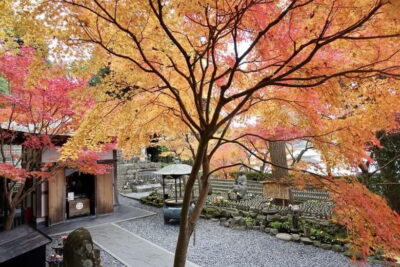 ★ 4.5Tokyo: Kamakura & Enoshima Day Trip including Temple TicketsFrom $589 hours - 570 minutes
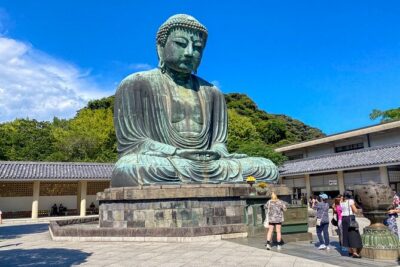 ★ 5.0Mount Fuji, Kamakura, Big Buddha, & Lake Ashi Day TripFrom $109
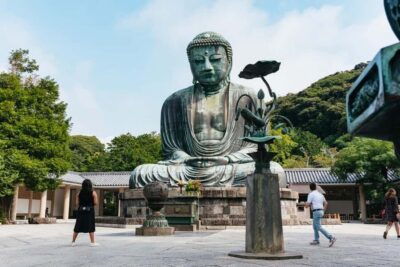 ★ 4.7Tokyo: Mt Fuji, Kamakura, Lake Ashi & Big Buddha Guided TourFrom $50
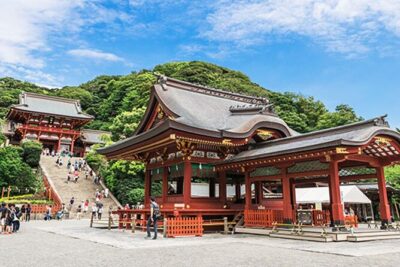 ★ 4.5From Tokyo: Kamakura & Enoshima 1-Day Bus TourFrom $66
 ★ 4.9Tokyo:Sea of Mount Fuji, Hakone Ropeway, Ōwakudani, EnoshimaFrom $5010 hours
 ★ 5.0Kamakura 8 hr Private Walking Tour with Licensed Guide from TokyoFrom $201