Reviewed · FOOD
Tokyo: Pre Japan Planning Kit: Itineraries, Food & Survival
Tokyo is exciting, but planning it can eat up your trip before you even arrive. This $20 digital planning kit gives you 1 to 4 day routes, food suggestions, and a compact Japanese survival card, all designed by Tokyo residents Nikolai and Kaho.
In This Article
- Key points to know before booking
- A digital Tokyo helper, not a guided tour
- What the 1 to 4 day plan gives you
- Starting from Shinjuku Station
- Food advice for different budgets
- The Japanese survival card
- Downloading the kit and using it offline
- The value of $20 for up to 15 people
- Who will make the best use of it
- Booking details worth knowing
- Should you buy this Tokyo planning kit?
- FAQ
- Is this a live guided tour in Tokyo?
- How many days of Tokyo planning are included?
- Where does the itinerary begin?
- What food information is included?
- How will I receive the materials?
- How long does delivery take?
I like the personal restaurant advice, especially for budget-minded visitors, and I like that you can save the PDFs for offline use. The main drawback is clear: there is no guide, meeting, or live support, and delivery can take up to three business days.
Key points to know before booking
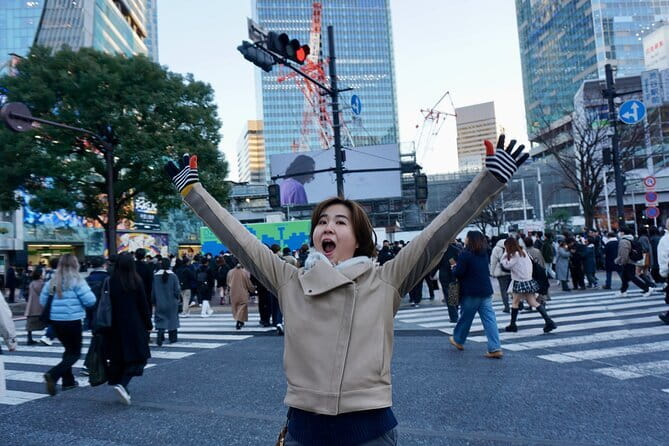
- Tokyo routes for 1 to 4 days: Follow full-day plans or adjust them to your own pace.
- Personal food picks: Recommendations focus mainly on affordable places in different Tokyo areas.
- Printable survival card: Keep useful Japanese words and phrases on your phone or in your wallet.
- Made by Tokyo residents: Nikolai and Kaho have lived in Japan for many years and have worked as guides.
- Completely self-guided: You choose when to start, how long to stay, and what to skip.
- $20 per group of up to 15: The price can be excellent if you share the material with family or friends.
A digital Tokyo helper, not a guided tour
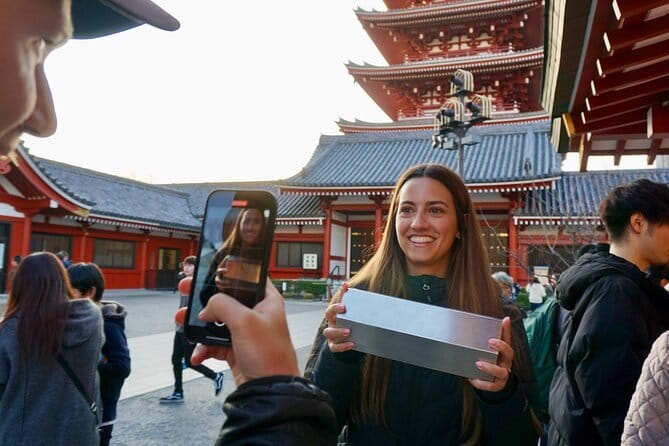
This experience is best understood as a pre-trip tool. You are not booking a walking tour, a private guide, or a day of sightseeing with Nikolai and Kaho. You are buying a folder of downloadable PDFs that help you plan your own Tokyo time.
That difference matters. If you want someone to meet you at Shinjuku Station and lead you through the city, this is not the right choice. If you want a ready-made plan that removes some of the work from your shoulders, it may be a smart buy.
Nikolai and Kaho are a Norwegian and Japanese married couple who live in Tokyo. They have spent years in Japan and have worked as guides for other companies. Their approach is personal rather than encyclopedic. They do not claim to cover every possible Tokyo interest. Instead, they share places they like taking friends, family, and visitors.
I appreciate that modest aim. Tokyo has no single perfect route. A sushi fan, a first-time family, a nightlife seeker, and a history lover may all need different days. A personal list is useful when you treat it as a starting point, not as the final word on the city.
A few more Tokyo tours and experiences worth a look

What the 1 to 4 day plan gives you
The main part of the kit is a set of whole-day Tokyo routes. You can use one day for a short stop or work through all four days during a longer visit.
The advertised starting point is Shinjuku City, with Shinjuku Station given as the meeting reference. Since this is a self-guided product, that point functions more as a route anchor than an actual place to meet your hosts. You will need to travel there from your accommodation and then use the PDF to begin your day.
The itinerary categories include breakfast, lunch, dinner, street food, local snacks, shopping, sightseeing, photo stops, scenic views, walking, and free time. That range suggests a day built around more than checking off famous sights. You can expect the routes to combine food and movement, with space to pause rather than racing from one attraction to the next.
The exact stops and restaurant names are not provided in the booking details, so I cannot tell you which neighborhoods appear on each day. That is a limitation for anyone trying to compare this kit with a specific Tokyo attraction plan. You should buy it for the structure and local suggestions, not because it promises a fixed list of landmark sights.
The flexible format is useful in Tokyo. You may be tired after a long flight, lose time in a large station, or decide that a particular neighborhood deserves a longer look. The creators specifically invite you to alter the routes to fit your interests and pace. You can follow a full day closely, borrow one meal recommendation, or use a route as a loose outline.
Starting from Shinjuku Station
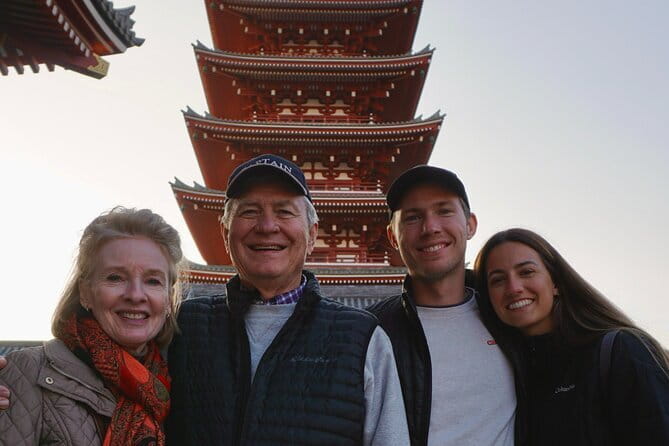
Shinjuku is used as the practical starting reference, and that makes sense for a city plan. It is a major transport hub and an easy place to identify on a Tokyo map. The supplied coordinates are 35.6938253, 139.7033559.
Still, do not read this as an arrival service. There is no personal welcome at the station. You will receive the material digitally and make your own way to the starting point if a route begins there.
For a first visit, a clear starting place can lower stress. Tokyo is not difficult because every street is confusing, but its railway stations can feel enormous, and several lines may serve the same general area. A route that tells you where to begin, where to eat, and what to do next can save time.
The tradeoff is that you must handle the practical details yourself. You will need to check train directions, allow for walking, and decide when to take breaks. The PDFs may give you a route, but the experience still depends on your own phone, transport planning, and judgment.
Food advice for different budgets
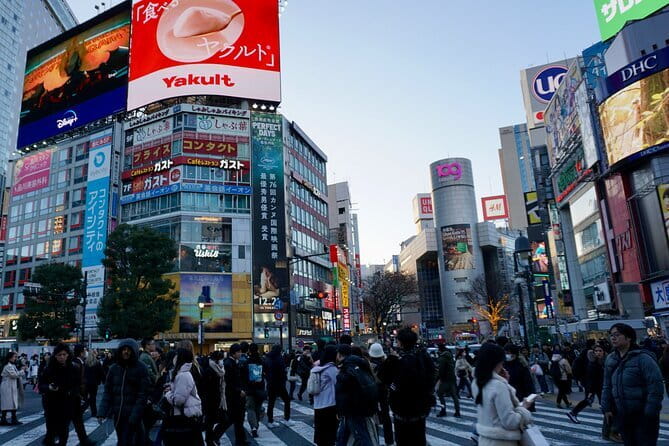
The restaurant guide is one of the strongest reasons to consider this kit. Tokyo offers food at nearly every price level, but picking a place can be tiring when you are hungry and unfamiliar with the neighborhoods. Personal suggestions give you a short list instead of a giant search result page.
The food recommendations cover different parts of Tokyo and focus mainly on affordable places. That is good news for most visitors. You are less likely to feel that every meal must be a major splurge, and you can use the guide to find regional food, street food, and local snacks along the way.
The available information does not name the restaurants, cuisine types, reservation rules, or dietary coverage. If you have strict food needs, you should not assume the guide will solve every problem. The material is described as a personal selection with something for anyone, but that is not the same as a specialist guide for allergies, vegetarian diets, or religious dietary rules.
I would use the restaurant pages as a practical shortlist. Check the location before leaving for the day, save the addresses offline, and keep a backup option nearby. Tokyo restaurants can have limited hours or queues, and a flexible plan works better than treating one meal as the only possible choice.
The 4.9 rating from 18 bookings supports the idea that the food and planning help are landing well. One recent buyer described the material as a useful summary of good addresses, while another said the itinerary helped during a Japan stay. Those are brief comments, but they point to the kit’s likely strength: simple, usable direction rather than a giant book of background information.
The Japanese survival card

The survival card is a small but thoughtful part of the package. It contains useful Japanese words and phrases for everyday travel situations, and you can print it in business-card size or keep it on your phone.
That is especially handy in moments when you do not want to search through a long translation app. A small reference can help you feel more prepared at a restaurant, station, shop, or other everyday setting.
The material is in English, and the card is meant for independent use. The details do not specify the exact phrases, pronunciation system, or whether the card includes restaurant and emergency vocabulary. I would treat it as a basic aid, not a full Japanese language lesson.
Even a short list can make a difference. You are showing respect by trying a few words, and you may find that the act of preparing helps you stay calm when a simple exchange takes an unexpected turn. Save a phone copy before departure in case you choose not to print it.




Downloading the kit and using it offline
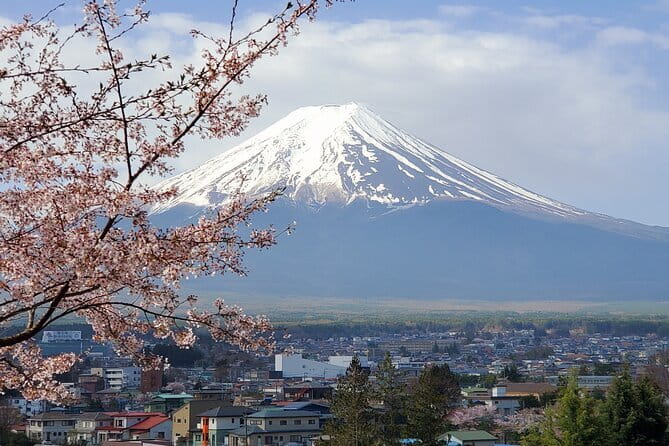
After booking, the organizers send a private Google Drive link by email. The normal delivery window is 1 to 3 business days, although the full description also says within 3 days. If you are booking close to departure, contact the provider by email and explain that you need the files quickly.
The material arrives as downloadable PDFs. Save them to your phone or another device before you leave home. Offline access matters because you may not have a reliable connection when standing on a platform, entering a restaurant, or walking through an unfamiliar area.
The digital format keeps the price low and avoids carrying a paper guidebook. It also lets you adjust the plan without worrying about keeping up with a group. The less pleasant side is that you must organize the files yourself. Rename them, mark the days clearly, and perhaps take screenshots of key pages before your first morning in Tokyo.
This is also why I would not book it at the last minute without contacting the provider. The product is useful only after you receive it.
The value of $20 for up to 15 people
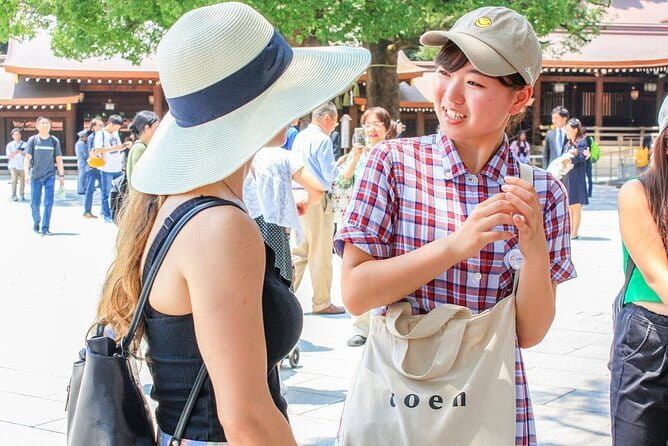
At $20 per group of up to 15 people, the value depends on how you use it. For a solo visitor, the cost is modest if it saves even one poor meal choice or a few hours of route planning. For a couple, family, or group of friends, the price becomes especially attractive because everyone can work from the same material.
There are no transport tickets, meals, entrance fees, or personal guiding included. You are paying for planning help, not for activities in Tokyo. Keep that distinction in mind when comparing it with an ordinary tour.
The strongest value comes from convenience. You receive routes, food ideas, and language help in one package instead of gathering separate advice from many websites. The weaker value comes if you already enjoy building detailed itineraries or have a favorite guidebook and restaurant list.
I would call this a low-risk purchase for a first-time visitor who feels overwhelmed by Tokyo planning. It is less useful for someone who wants expert commentary at each sight or a carefully researched guide to every district.
Who will make the best use of it
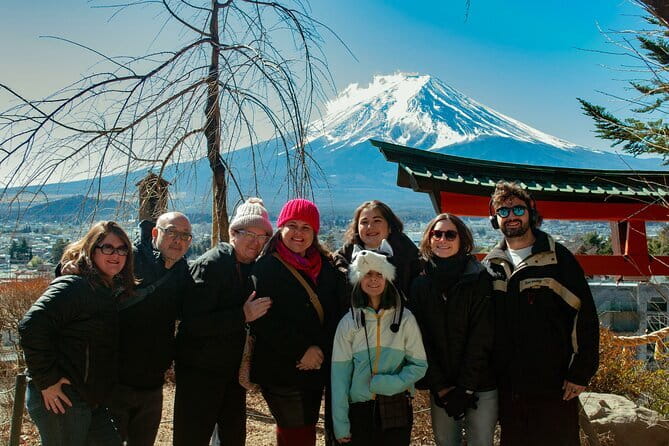
This kit fits first-time Japan visitors who want a clear plan before landing. It also suits people who prefer to travel independently but do not want to spend evenings comparing maps, menus, and blog posts.
It can work well for:
- A couple sharing one phone or Google Drive folder
- A family that wants flexible full-day ideas
- Budget-minded visitors looking for affordable food suggestions
- A short-stay visitor choosing one to four structured days
- Anyone who wants basic Japanese phrases close at hand
I would be more cautious if you need a live guide, a custom schedule, detailed accessibility information, or specialized food planning. The kit is not presented as a personalized service, and no in-person activity is included.
It is also not described as an all-purpose Tokyo guide. That is not a flaw by itself. In fact, the narrow purpose may make it easier to use. Just add your own must-see places if you have specific priorities.
Booking details worth knowing
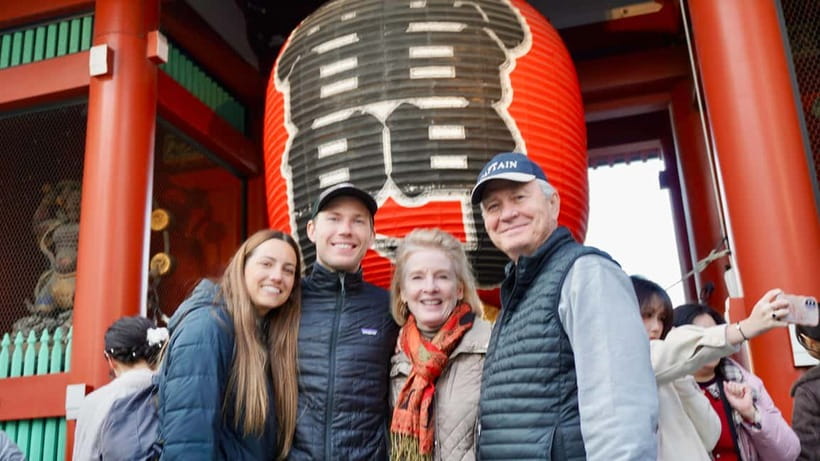
The listed duration is four days, matching the maximum itinerary length. Since the product is self-guided and digital, there are no daily start times in the usual tour sense. You decide when to begin each route.
The booking page offers free cancellation up to 24 hours before the activity for a full refund, along with a reserve now and pay later option. The stated language for the materials is English.
There is no live guide, no personal escort, and no in-person meeting. Shinjuku Station is given as the reference point because the organizers do not know where you will be staying, but you will arrange your own transport there.
Should you buy this Tokyo planning kit?
Buy it if you want a simple, flexible Tokyo framework and you value personal food suggestions more than formal sightseeing commentary. The strong 4.9 rating from 18 bookings, plus feedback praising the useful itinerary and good addresses, gives the package a solid record for its intended purpose.
The decision is harder if your trip is highly specialized or if you want someone beside you. The plan does not replace a local guide, a transport app, or your own checks for opening hours and personal needs.
For $20 per group, I think it is a sensible planning aid for a first Tokyo visit, particularly when shared among several people. Contact the provider before booking if you leave soon, save the PDFs offline as soon as they arrive, and treat the routes as helpful suggestions rather than rules.
FAQ
Is this a live guided tour in Tokyo?
No. This is a digital, self-guided planning product. There is no live guide, in-person activity, or personal escort included.
How many days of Tokyo planning are included?
You receive itinerary PDFs covering 1 to 4 days in Tokyo. You can follow the routes as written or adjust them to your interests and pace.
Where does the itinerary begin?
Shinjuku City is the stated starting location, with Shinjuku Station used as the reference point. The supplied coordinates are 35.6938253, 139.7033559.
What food information is included?
The kit includes personal restaurant recommendations across different Tokyo areas, with a focus mainly on affordable places. It also refers to street food, local snacks, and regional food.
How will I receive the materials?
You receive a private Google Drive link by email, with downloadable PDFs. You can save the files to your phone or another device for offline use.
How long does delivery take?
The materials are normally sent within 1 to 3 business days, or within 3 days after booking. If you are in a hurry, you are advised to email the provider and request faster delivery.
More Food Experiences in Tokyo


More tours in Tokyo we've reviewed












Food, compared.
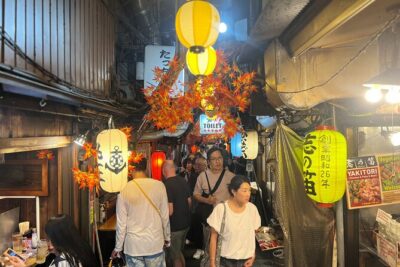 ★ 5.0Tokyo: Shinjuku Food Tour (13 Dishes at 4 Local Eateries)From $86
 ★ 5.0Tokyo Tsukiji Fish Market Food and Culture Walking TourFrom $99
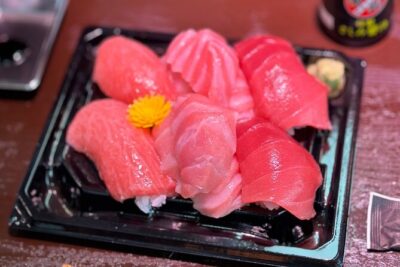 ★ 5.0Tokyo: Tsukiji Fish Market Food and Walking tourFrom $30
 ★ 4.9Tokyo: Shinjuku Food Tour (13 Dishes and 4 Eateries)From $97
 ★ 5.0Tokyo Night Foodie Tour in Shinjuku – Seasonal Sushi, Wagyu BeefFrom $111
 ★ 5.0Eat and Drink Like a Local: Tokyo Ueno Food Tour-Taverns&RamenFrom $95