Reviewed · E-BIKES
Tokyo: 3-Hour Bike/E-Bike Tour of the City’s Hidden Gems
Tokyo reveals itself quickly from a bicycle. In three hours, this ride carries you from the temple gates of Zojo-ji to the crowds of Shibuya Crossing, with the Imperial Palace, Tokyo Station, Olympic Stadium, and Aoyama in between. You cover about 18 kilometers, far more ground than a walking tour, while still stopping for photos and short explanations.
In This Article
- Key points to know before you book
- Why a bicycle is a smart way to see central Tokyo
- Starting at Zojo-ji with Tokyo Tower behind you
- The Imperial Palace and Otemon Gate
- Tokyo Station’s red-brick face
- A brief look at Akasaka Palace
- From Olympic history to Aoyama style
- Cat Street and the final run into Shibuya
- Choosing between a regular bicycle and an e-bike
- What the small group changes
- Safety, comfort, and what to bring
- Is $59.45 a fair price?
- Who will enjoy this ride most?
- Practical details before setting off
- Should you book the Tokyo bike tour?
- FAQ
- How long is the bike tour?
- How far do you ride?
- How many people can join the tour?
- What languages does the guide speak?
- Is a bicycle included?
- Is an e-bike included in the listed price?
- Is a helmet included?
- Is a child seat available?
- Where does the tour finish?
- What happens if the weather is poor?
I like the route’s variety: one minute you’re looking at a centuries-old temple, and the next you’re pedaling past designer shops or the red-brick face of Tokyo Station. I also like the small group, capped at seven, and the chance to ask guides such as Show, Naoki, Kosei, Kazu, or Miguel about Japanese culture and daily life.
The main consideration is traffic and effort. You need to feel comfortable riding among cars and pedestrians, and even the electric bikes do not make this a completely effortless outing. The title promises lesser-known places, but several major stops are Tokyo’s best-known sights.
Key points to know before you book

- The route links Tokyo Tower, the Imperial Palace, and Shibuya in one ride: It is a useful introduction when you have limited time.
- You cover about 18 kilometers in three hours: That distance gives you a broad look at central Tokyo but leaves little time for long visits.
- An e-bike is worth considering: Hills, heat, and the pace can make a regular bicycle tiring.
- Groups are limited to seven people: This makes it easier to hear the guide and ask questions.
- Helmets cost extra: Rental is ¥1,000, and you should bring cash if you want one.
- The ride ends near Yoyogi Park and Harajuku Station: You finish in Jinnan, about a 10-minute walk from Shibuya Station.
Why a bicycle is a smart way to see central Tokyo

Tokyo is enormous, and its famous districts are spread across a wide area. On foot, you might spend much of a morning getting from Zojo-ji to the Imperial Palace, then need trains to reach Aoyama and Shibuya. This bike tour connects those places in a single outing.
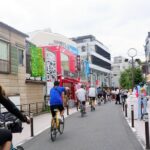
I especially like the change in pace. You are not sealed inside a bus or rushing through a station. You see streets, storefronts, trees, office buildings, and side roads as you move between the main sights. The ride gives you a sense of how the districts fit together.
The route also works well as a first look at Tokyo. You can note places you want to revisit later, such as the Tokyo Station area, Aoyama’s shops, Cat Street, or Yoyogi Park. The guide’s comments add context about Japanese history, architecture, and culture, though the amount of detail can depend on the guide and the group.
The experience is not designed for a long temple visit or a formal museum tour. Most stops last between five and 15 minutes. Think of it as a moving orientation with photo breaks, not a series of full sightseeing visits.
Other cycling tours in Tokyo
Starting at Zojo-ji with Tokyo Tower behind you
The tour begins in Shiba Park near Zojo-ji, one of Tokyo’s most recognizable Buddhist temples. The opening stop is a good visual introduction: you can photograph the temple with Tokyo Tower rising behind it.
Zojo-ji provides a sharp contrast between old and new Tokyo. Its traditional religious setting and the orange tower nearby make the first stop especially useful for photographs. The visit lasts about 15 minutes, and entry is free. Depending on circumstances, you might be able to go inside the temple structure.
This stop also helps set expectations. The tour is not limited to shopping streets and modern city views. You will get glimpses of religious sites and imperial history before moving toward Tokyo’s business districts.
The Imperial Palace and Otemon Gate

The ride continues to the Imperial Palace, where you see the entrance and may spot the guards. The palace itself is not presented as a long interior visit, so keep your expectations practical. You are seeing the setting and main access points rather than taking a detailed palace tour.
The nearby Otemon Gate gives you a stronger architectural stop. This imposing historic gate is one of the main entrances to the Imperial Palace grounds, and you have time to take photographs. The listed stop lasts about 10 minutes and has no admission charge.
I like having both palace stops on the route because they show different sides of the same area. The palace entrance offers a sense of ceremony and modern state functions. Otemon Gate gives you a clear, tangible piece of older Japanese design.
The short timing is the drawback. If you want gardens, palace interiors, or a long walk around the grounds, plan a separate visit. This ride gives you a useful preview, not a full Imperial Palace day.
Tokyo Station’s red-brick face

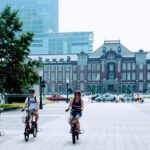
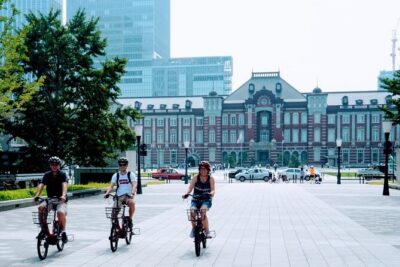
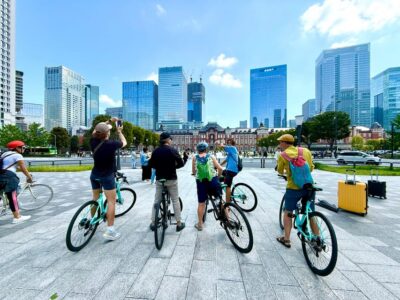
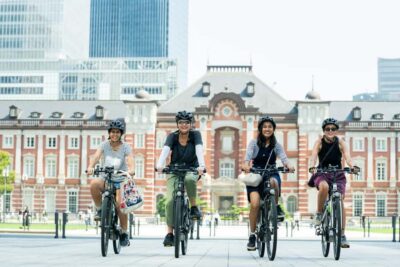
At Tokyo Station’s Marunouchi plaza, you stop to see one of the city’s most distinctive buildings. Opened in 1914, the station’s red-brick exterior recalls an earlier era, even though the surrounding business district is filled with modern towers.
The stop lasts about 10 minutes. That is enough for photographs and a quick explanation, but not enough to explore the station’s many passages, shops, or platforms. The station is also a practical reference point for later independent sightseeing.
This is one place where the hidden-gems label feels loose. Tokyo Station is a major attraction, and so are the Imperial Palace and Zojo-ji. That is not a flaw in the route itself. It simply means you should book this for broad coverage and local guidance, not because every stop will be unknown to first-time visitors.
A brief look at Akasaka Palace

Akasaka Palace, also called the State Guesthouse, is a former royal villa now used to receive official visitors. The tour allows about five minutes here, and admission is not included.
Because the stop is so brief, your experience will likely focus on the exterior and the surrounding setting. It is best viewed as a quick architectural reference along the route. If you have a particular interest in the palace, check the practical details before booking an additional visit, since the bike tour does not include entry.
The value here is variety. After temples, palace gates, and a railway station, Akasaka Palace adds another chapter to the city’s public and royal architecture.
Other city tours we've reviewed in Tokyo



From Olympic history to Aoyama style

The Japan National Stadium is the next substantial stop, with about 15 minutes to look around. This is the site of the 2020 Tokyo Olympic and Paralympic Games. For sports fans, it gives the ride a clear modern reference point.
The tour then passes through Aoyama, known for high-end fashion brands and distinctive architecture. The stop is only about five minutes, so you will not have time for a serious shopping session. Instead, you get a quick look at the district’s polished streets and design-focused character.
This section is useful because it shows how sharply Tokyo changes from one neighborhood to the next. The city does not present one single style. Sacred buildings, government spaces, sports facilities, luxury retail, and youth fashion all sit within the same three-hour route.
Cat Street and the final run into Shibuya

Shibuya Cat Street brings a younger, more casual mood. The area is known for current fashion labels and vintage shops, and the five-minute stop lets you see the street without turning the tour into a shopping excursion.
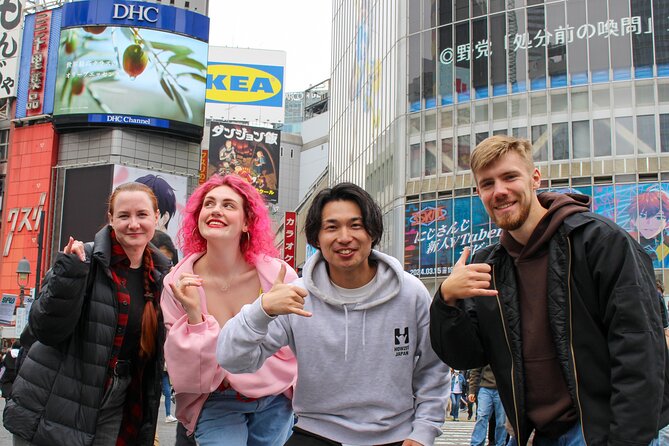
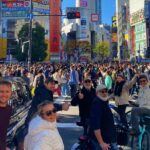
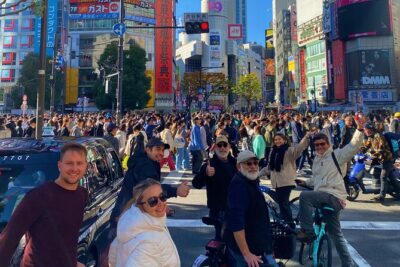
The final major highlight is Shibuya Crossing. The tour includes riding through the area, with about five minutes for the stop. This is the most crowded and energetic part of the route, so you should be ready for pedestrians, cars, and a much faster visual rhythm than at the palace or temple.
One useful point from the ride reports is that traffic comfort matters here. You must be able to follow directions, maintain control, and stay alert around pedestrians. A guide leads the way, but you are still responsible for riding safely.
The tour finishes in Jinnan, between Yoyogi Park and Shibuya. It is about a five-minute walk to Yoyogi Park and about 10 minutes to Shibuya Station. That ending is convenient for lunch, shopping, or continuing on to Harajuku.
Choosing between a regular bicycle and an e-bike

The standard bicycle is included, but the e-bike option appears to have a different price. Check the exact total when booking, since one useful criticism of the experience is that the bike-price difference is not always clear.
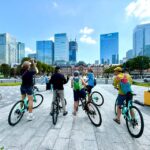
I would choose the e-bike for most visitors, especially in warm or humid weather. The route includes city streets and hills, and riders on regular bikes can fall behind on climbs. The motor assistance also helps you spend more attention on the city instead of saving energy for the next section.
That said, a regular bicycle can work if you already ride comfortably and want more exercise. One person found the standard bike easy enough, while another felt the electric bike was too small and did not work especially well. Bike fit and condition can vary, so mention your needs before setting off if you are tall or concerned about the equipment.
You do not need to be a serious cyclist, but you do need a moderate level of fitness. The ride is active, and three hours in Tokyo’s heat can feel longer than three hours on a flat, quiet path.
What the small group changes
The maximum group size is seven. That is a good number for a city ride because the guide can keep the group together without turning every stop into a large gathering.
Small groups also make questions easier. Guides including Show, Naoki, Kosei, Rinto, Miguel, Kazu, and Keiji have been praised for explaining local culture, answering questions, and adjusting the pace. Names and staffing can change, so treat those as examples rather than a guarantee of who will lead your departure.
A solo participant may receive a particularly personal experience if the departure is very small. At the other end, a full group still remains manageable. The guide’s role matters greatly, especially at intersections and crowded streets.
The main weakness is that the tour does not use headsets. If the group is spread out or city noise is heavy, it can be harder to hear every explanation while riding. The guide can provide information at stops, but you may miss some comments between them.
Safety, comfort, and what to bring
Bike insurance is included, and a raincoat is provided on rainy days. Helmets are not included. You can rent one for ¥1,000, and you should bring cash on the day if you want to do so.
A child seat is available for ¥3,000, but it must be arranged at least two days before the tour. Bring cash for that as well. The supplied mini pouch attaches to the bike and holds small items such as a phone, wallet, or key.
Wear comfortable clothing and shoes suited to three hours of riding. Water and food are not included, so plan accordingly. The route includes stops, but this is not a food tour and there is no included meal or drink.
Weather can affect the departure. The activity requires good weather, and poor conditions can lead to a new date or a full refund. If your schedule is tight, keep that possibility in mind.
Is $59.45 a fair price?
At $59.45 per person, the tour offers a solid amount of coverage for a three-hour introduction to Tokyo. You are paying for a bicycle, insurance, an English or Japanese-speaking in-person guide, a planned route, and the ability to link several distant districts without arranging the logistics yourself.
The price makes the most sense if you have only a half-day available or want to get your bearings early in your stay. It is also useful if you value explanations and company more than exploring each attraction in depth.
The extra costs matter. An e-bike may cost more than the listed base price, and a helmet adds ¥1,000. A child seat costs ¥3,000 and requires advance arrangement. Food and drinks are also on you.
Compared with moving between all these areas by train, the tour gives you a more connected view of Tokyo. Compared with renting a bicycle alone, it adds route planning, guidance, and bike insurance. You should not book it expecting admission to every sight, a full meal, or a leisurely pace at each stop.
Who will enjoy this ride most?
I would recommend it to first-time visitors who want a broad view of central Tokyo in a short time. It also suits solo visitors, couples, and small groups who like active sightseeing and do not want to spend the whole day underground on trains.
The e-bike makes the outing more accessible to people who are not regular cyclists, including older riders who are comfortable with moderate physical activity. One reported group included two people in their late 60s and an adult son, and they found the e-bike option helpful.
You should think twice if you dislike riding near traffic, have difficulty cycling for three hours, or want long visits at temples, palaces, and museums. This is a city ride, not a protected bike-path excursion.
The route may work especially well on a Sunday, when some streets are closed to cars. The exact road conditions can vary, but quieter streets can make the ride more pleasant.
Practical details before setting off
The starting point is in Shiba Park at Shiba Park BLD, 2-chome 21, Shibakoen, Minato City, Tokyo 105-0011. Confirmation is provided when you book, and the meeting point is near public transportation.
The end point is Bell of Peace in Udagawacho, Shibuya. From there, Yoyogi Park is about five minutes away on foot, while Shibuya Station is about a 10-minute walk. This makes the finish useful for continuing your day rather than returning to the starting point.
Free cancellation is available if you cancel at least 24 hours before the start time. Changes or cancellations inside that window are not accepted for a refund. If poor weather cancels the tour, you are offered another date or a full refund.
Should you book the Tokyo bike tour?
Book it if you want a fast, active introduction to Tokyo and like the idea of moving from temple grounds to palace gates, fashion streets, and Shibuya in one morning or afternoon. The route covers a lot, the group is small, and guides such as Show, Naoki, and Kosei have been singled out for friendly explanations and careful direction.
Choose the e-bike if you are unsure about hills, heat, or your cycling stamina. Bring cash for a helmet, confirm the e-bike price, and arrive ready to ride in city traffic.
Skip it if you want a slow sightseeing tour with extensive interior visits. For the right rider, though, this is a practical way to get a first sense of Tokyo’s scale, contrasts, and neighborhoods before exploring the places that catch your interest on foot.
FAQ
How long is the bike tour?
The tour lasts approximately three hours.
How far do you ride?
The route covers about 18 kilometers.
How many people can join the tour?
The maximum group size is seven travelers.
What languages does the guide speak?
In-person guiding is available in English and Japanese.
Is a bicycle included?
Yes. Use of a bicycle and bike insurance are included.
Is an e-bike included in the listed price?
The experience offers bicycles and e-bikes, but the bike options can have different prices. Check the final booking price for your selected option.
Is a helmet included?
No. Helmet rental costs ¥1,000. Bring cash on the tour day if you want to rent one.
Is a child seat available?
Yes. A child seat costs ¥3,000, must be arranged at least two days before the tour, and is paid for in cash on the tour date.
Where does the tour finish?
The ride ends in Jinnan at Bell of Peace in Udagawacho, Shibuya. It is about a five-minute walk to Yoyogi Park and about a 10-minute walk to Shibuya Station.
What happens if the weather is poor?
The experience requires good weather. If it is canceled because of poor weather, you can choose another date or receive a full refund.
More E-Bikes in Tokyo
More City Tours in Tokyo
More Cycling Tours in Tokyo
More tours in Tokyo we've reviewed












E-Bikes, compared.
 ★ 5.0Tokyo Top Highlights 3h Guided E-bike TourFrom $63
 ★ 5.03h Tokyo E-Bike Tour: Hidden Gems, and Local Life with guideFrom $63
 ★ 4.8Tokyo: 3-Hour Bike or E-Bike City Highlights TourFrom $453 hours
 ★ 4.8Tokyo: 3-hour Guided E-Bike Tour of the City’s Hidden GemsFrom $65
 ★ 5.0Tokyo: 3-Hour Bike/E-Bike Tour of the City’s HighlightsFrom $63
 ★ 5.03-Hour Tokyo Private E-Bike Tour Starting from Your HotelFrom $145