Reviewed · IMPERIAL PALACE & SHOGUN TOURS
Tokyo Imperial Palace Walking Tour with Expert Guide
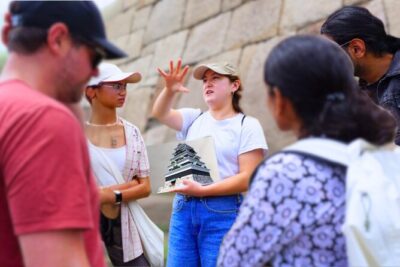
The most rewarding part of this tour is the way it connects quiet gardens with the power struggles of old Japan. You walk through the Imperial Palace East Gardens, once part of Edo Castle, while a guide explains how samurai rule, imperial power, and modern Tokyo fit together. Tenshudai and Tatsumi Yagura give the history something solid to look at, rather than leaving you with dates alone.
In This Article
- Key points to know before you book
- Why the Imperial Palace East Gardens matter
- Starting at Starbucks with the YURAGI sign
- Walking through former Edo Castle grounds
- Tenshudai, the castle’s high point
- Tatsumi Yagura and the military side of the site
- What the guide adds to two hours
- Is $38 a fair price?
- Comfort, access, and the walking pace
- Who will get the most from this tour?
- Booking details that affect your decision
- Should you book the Imperial Palace walking tour?
- FAQ
- How long is the Tokyo Imperial Palace walking tour?
- Where does the tour meet?
- Where does the tour end?
- What sites are included on the walk?
- Is the tour offered in English?
- Can I cancel for a full refund?
I like the two-hour length, which gives you a useful introduction without taking half a day from Tokyo. I also like the small-group format and the chance to ask questions directly. Guide Taku, named in one highly positive account, answered questions and shared interesting facts about this meaningful site. The main consideration is physical comfort: this is a walking tour, and it is not suitable for people with a low level of fitness or pregnant women.
Key points to know before you book
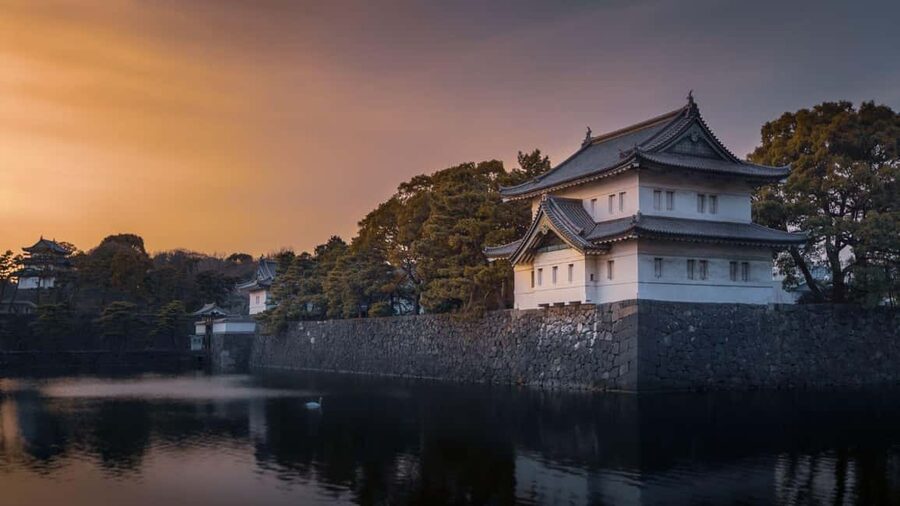
- Edo Castle ruins give the walk a clear focus: See the Tenshudai base, ancient gates, and the Tatsumi Yagura watchtower.
- The guide adds the meaning: Learn about samurai, emperors, and the political power that shaped Japan.
- Two hours fits neatly into a Tokyo day: You get history and gardens without committing to a long excursion.
- The small group encourages questions: You can interact with the guide instead of simply following a flag through a crowd.
- The meeting point is easy to identify: Look for the guide in front of Starbucks holding a YURAGI signboard.
- The price is modest for guided context: At $38 per person, the value depends on how much you want the site explained as you walk.
Why the Imperial Palace East Gardens matter

Tokyo can feel overwhelmingly modern. Glass towers, rail lines, bright signs, and fast-moving crowds often dominate your first impression. The Imperial Palace East Gardens offer a different view, but the important point is that this is not just a pleasant green space.
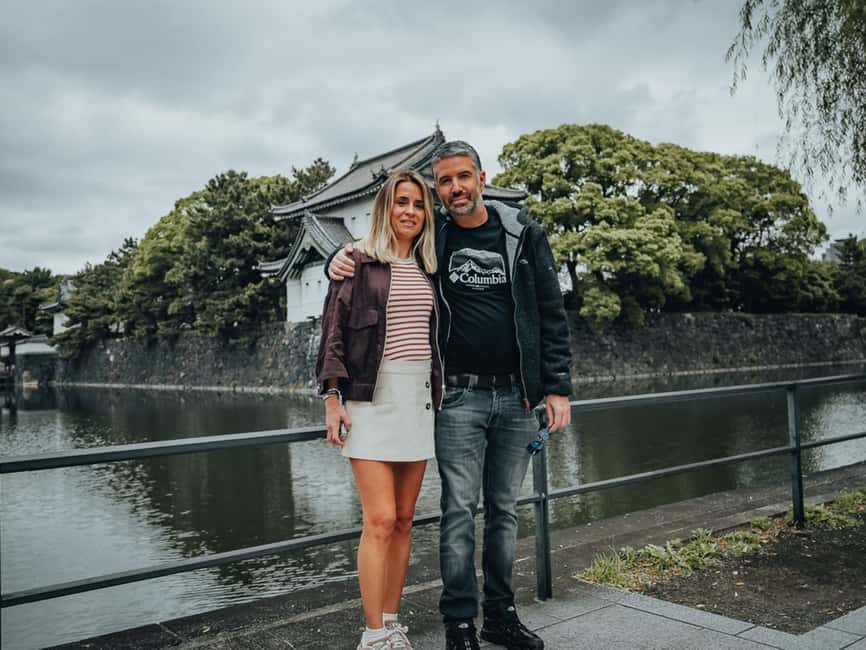
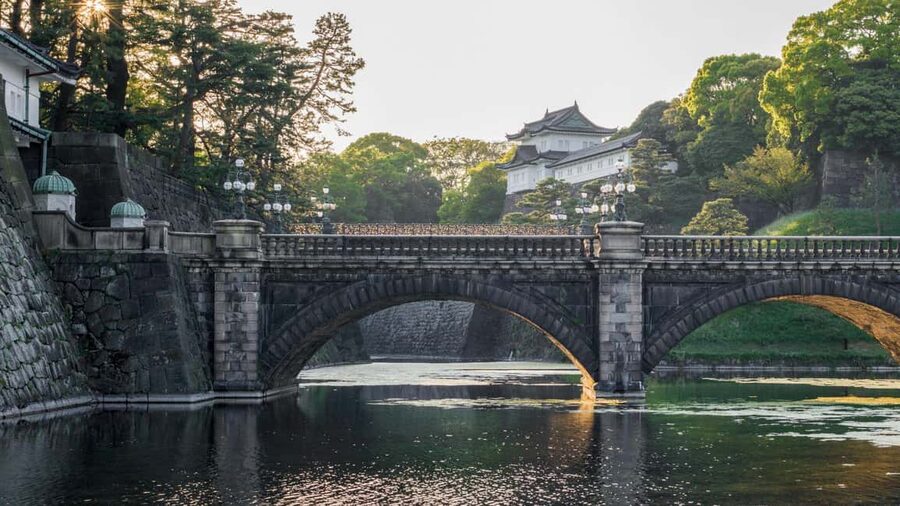
The gardens occupy part of the former Edo Castle grounds. Edo Castle was tied to the Tokugawa shogunate, the military government that ruled Japan for centuries. As you walk among stone walls, gates, and open garden paths, you are moving through a place where political authority was once concentrated.
That setting gives the tour its strength. A guide can point to a surviving foundation or tower and explain why it mattered. Without that context, you might see attractive stonework and carefully kept paths, then move on. With the history, the same stones become evidence of a former center of power.
I would choose this tour if you want an introduction to Japanese history that stays connected to real places. It is especially useful early in a Tokyo visit, when you are still trying to understand how Edo became Tokyo and how samurai government relates to the imperial city you see today.
A few more Tokyo tours and experiences worth a look


Starting at Starbucks with the YURAGI sign
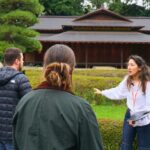
The tour starts in front of Starbucks. Your guide will be holding a signboard for the inbound tour service YURAGI, which gives you a simple visual marker in a busy city.
Meeting points in central Tokyo can feel harder than the tour itself, so this detail matters. You do not need to search for an office or guess which person is your guide. Look for Starbucks, then look for the YURAGI sign. If you have trouble finding the guide, you can contact them directly by WhatsApp or phone.
The activity ends back at the same meeting point. That makes the tour easier to fit around other plans, since you are not left at an unfamiliar part of the city. Still, give yourself enough time to reach the starting area. The supplied information does not specify the exact Starbucks branch or a precise meeting time, so check your booking details carefully before setting out.
Walking through former Edo Castle grounds
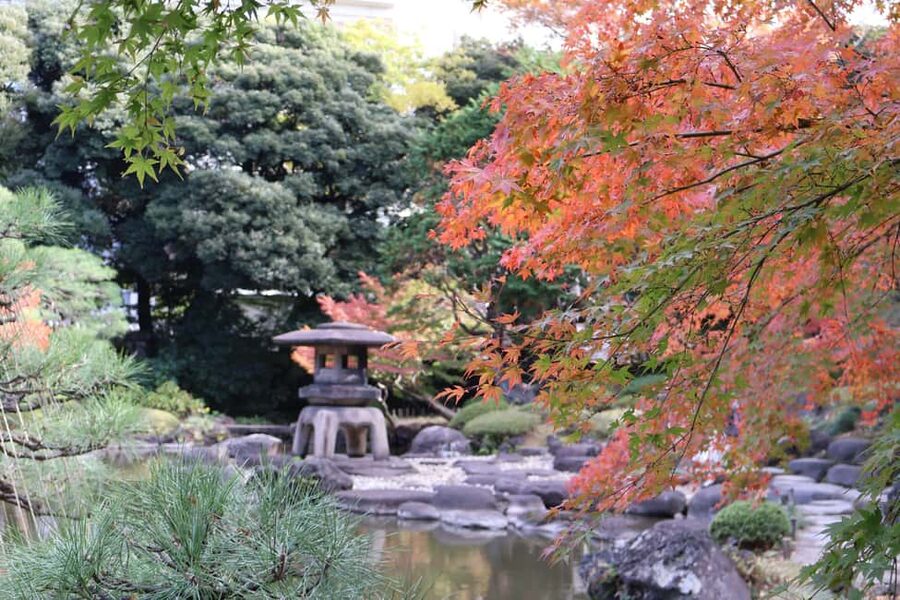
Once the walk begins, expect a guided route through the East Gardens rather than a visit to the palace interior. The focus is on the former castle grounds, outdoor remains, scenic paths, and the stories attached to them.
The setting should appeal to you if you like history with room to breathe. Instead of moving from one indoor display case to another, you walk between features. The gardens provide a calmer pace than many Tokyo attractions, while the remains of Edo Castle keep the visit from becoming only a garden stroll.
Your guide may use the paths, walls, gates, and ruins to explain how the castle functioned. The information provided highlights samurai warriors, Japanese emperors, and the political forces that shaped Japan. That combination is useful because Japanese history can seem like a long list of names and periods when you first meet it. Seeing the former castle setting helps turn those ideas into something easier to picture.
Do not expect a complete survey of every period in Japan. Two hours is enough for a focused introduction, not an exhaustive history lesson. The value comes from choosing a few important sites and explaining their role clearly.
Tenshudai, the castle’s high point
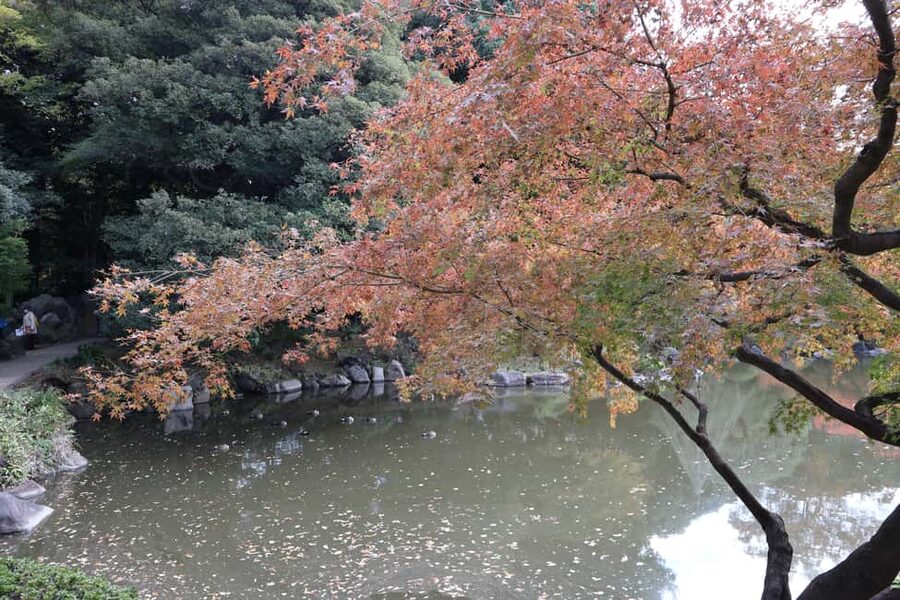
One of the key features is the Tenshudai base, the remaining foundation associated with the castle keep. A base like this can be easy to overlook if you are walking alone. Your guide gives it a purpose by explaining what the structure represented and how it fitted into the castle complex.
The Tenshudai is also a good example of what this tour does best. You are not simply looking at a complete monument with a plaque. You are reading the site through its surviving remains. The absence of a full castle keep becomes part of the story.
This stop will suit you if you enjoy ruins and historical clues. If you prefer intact buildings and lavish interiors, you may find the East Gardens less dramatic than a reconstructed castle or museum. The experience asks you to use the guide’s explanation and your imagination.
Bring a camera, but also take a moment to look beyond the obvious photograph. The stone base, the open paths around it, and the contrast between old fortifications and present-day Tokyo help show how much the city has changed.
Tatsumi Yagura and the military side of the site
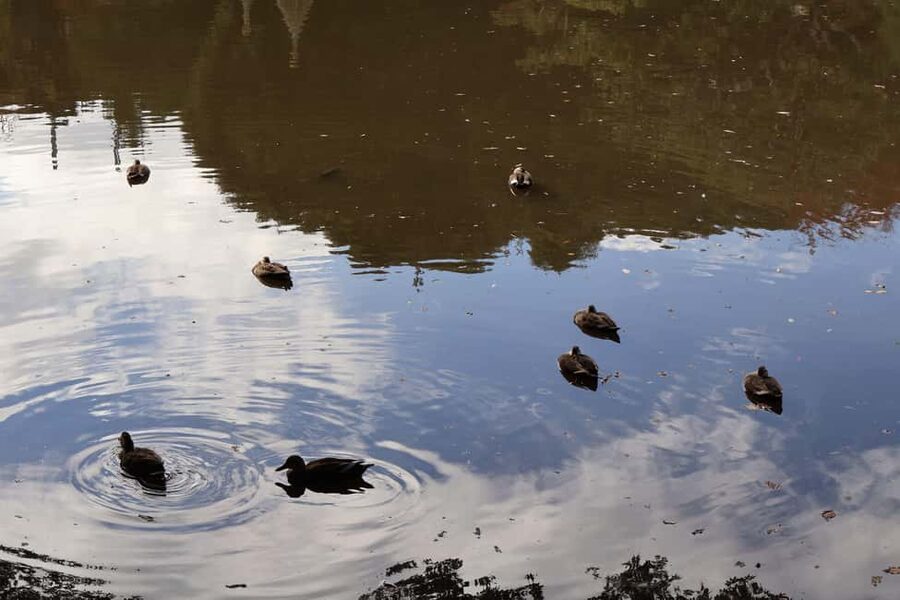
The route also includes Tatsumi Yagura, described as a watchtower. Its presence brings the military character of Edo Castle into sharper view. Towers and gates were not placed for decoration. They helped control movement, protect important areas, and signal the authority of the castle.
This is where the samurai side of the tour comes forward. The experience is not only about emperors or ceremonial tradition. It also deals with the military government and the people who held power during the shogunate.
A guide can make this stop more useful by linking the structure to the wider political story. You may hear about samurai rule, the Tokugawa shogunate, and the transition toward the Tokyo of today. The exact amount of detail can depend on your guide and the questions you ask, but the small-group format should make conversation easier.
Tatsumi Yagura is also a good reminder to keep the pace flexible. You may want photographs, a closer look at the masonry, or a few minutes to absorb the setting. A private guide would offer the most control, but this small-group experience should still feel more personal than a large walking crowd.
Other walking tours we've reviewed in Tokyo





What the guide adds to two hours
The guide fee is included in the $38 price. That matters because the main product here is interpretation. You are paying less for an entrance spectacle and more for someone to help you understand what you are seeing.
The recorded account of guide Taku is encouraging in a practical way. The useful detail is not simply that the guide was praised. It is that Taku answered questions and shared interesting facts about the site. That tells you what to do during the walk: bring your questions.
Ask about the castle ruins, the role of samurai government, the relationship between Edo and Tokyo, or the imperial connection to the grounds. A guided visit becomes much more valuable when you treat it as a conversation rather than a one-way talk.
The tour is offered in English and Spanish. If you are comfortable in either language, you can choose the option that lets you follow historical explanations without strain. Clear language is important here because the site’s meaning depends on connections between people, periods, and buildings.
The small-group setting is another plus. The exact group size is not provided, so I would not assume an intimate private-tour atmosphere. Still, a small group normally gives you a better chance to hear the guide and ask for clarification than a large procession would.
Is $38 a fair price?
At $38 per person, this is a reasonable price for a two-hour guided walk in central Tokyo, especially if you want historical explanation rather than a self-guided visit. The guide fee is included, and the tour focuses on a major site with important remains of Edo Castle.
The value depends on your habits. If you enjoy reading signs and researching places on your own, you may prefer to visit the gardens independently. If you want someone to organize the route and connect the ruins to samurai and imperial history, the fee is easier to justify.
You are not paying for a long list of included extras. No additional inclusions are specified beyond the guide fee, and the experience does not mention food, transportation, or special entry benefits. Think of it as a focused orientation, not a full-day package.
I would especially consider the tour if you have limited time in Tokyo. Two hours leaves space for another neighborhood, museum, meal, or shopping stop. It can also help you decide which parts of Japanese history you want to explore in greater detail later.
Comfort, access, and the walking pace
The East Gardens are listed as wheelchair accessible and stroller accessible. Service animals are allowed, and the location is near public transportation. Those details make the activity possible for a wider range of visitors, though you should still consider your own comfort with outdoor walking and the route on the day.
Comfortable shoes are essential. The tour lasts two hours and takes place on paths around historical remains, so practical footwear will serve you better than stylish but stiff shoes. Bring water, particularly if the weather is warm.
The information says the tour is not suitable for people with a low level of fitness. It is also not suitable for pregnant women. Those restrictions should guide your decision, even though the activity is only two hours long. A walking tour can feel tiring when you are standing, moving, and listening for the entire period.
A camera is worth bringing. The gardens, stone structures, gates, and tower offer plenty to photograph, but remember that the guide’s explanation is the part you cannot recreate as easily later. If you stop for pictures, stay close enough to hear the commentary.
Who will get the most from this tour?
I would recommend it to first-time visitors who want Tokyo’s history explained in place. It works well for couples, friends, and solo visitors who like asking questions. The two-hour schedule also suits anyone building a full day around the Imperial Palace area.
Families may appreciate the outdoor setting and shorter duration, especially since strollers are allowed. The history can give older children a reason to look closely at the ruins rather than treating the gardens as just another park. Keep in mind that the activity remains a walking tour, and younger children may need help staying engaged.
History fans will probably find the focus appealing, particularly if you are interested in samurai, the Tokugawa shogunate, or the transition from Edo to modern Tokyo. Photographers may enjoy the mix of formal gardens and castle remains, though this is not primarily a photography tour.
I would be more cautious if you want access to the palace interior, a long palace ceremony, or a broad tour of Tokyo. Those are not part of the stated experience. The route is concentrated on the East Gardens and the former Edo Castle grounds.
Booking details that affect your decision
You can reserve now and pay later, which is useful if your schedule is still taking shape. The cancellation policy allows a full refund when you cancel at least 24 hours in advance. That gives you some flexibility, but check the exact booking terms for your selected date.
The activity is offered in English and Spanish. Confirm your preferred language when booking, especially if the historical detail is a major reason you are choosing the tour.
The tour starts and ends at the same meeting point, in front of Starbucks. The guide carries a YURAGI signboard, and WhatsApp or phone contact is available if you have trouble meeting up.
Should you book the Imperial Palace walking tour?
Book it if you want a short, guided introduction to Tokyo’s past and prefer real ruins over a lecture in a museum. The combination of the Tenshudai base, Tatsumi Yagura, quiet garden paths, and stories about samurai and imperial power gives the two hours a clear purpose.
The strongest reason to choose it is the guide interaction. A guide such as Taku can answer questions and add facts that you might miss on your own. At $38, that is fair value if historical context improves the way you see a place.
Skip it if you dislike walking, need a relaxed pace with little standing, or want to tour palace interiors. For most reasonably fit visitors who have two hours to spare, this is a practical way to connect modern Tokyo with the castle city and political world that came before it.
FAQ
How long is the Tokyo Imperial Palace walking tour?
The tour lasts two hours.
Where does the tour meet?
The guide meets you in front of Starbucks. Look for someone holding a YURAGI signboard for the inbound tour service.
Where does the tour end?
The activity ends back at the meeting point.
What sites are included on the walk?
The tour visits the Imperial Palace East Gardens and former Edo Castle features, including the Tenshudai base and Tatsumi Yagura watchtower.
Is the tour offered in English?
Yes. The tour is available in English and Spanish.
Can I cancel for a full refund?
Yes, you can cancel up to 24 hours in advance for a full refund.
More Guided Tours in Tokyo



More Walking Tours in Tokyo
More Imperial Palace & Shogun Tours in Tokyo



More tours in Tokyo we've reviewed












Imperial Palace & Shogun Tours, compared.
 ★ 4.9Tokyo: Imperial Palace Japanese History Walking TourFrom $32
 ★ 4.9Tokyo: Imperial Palace and Shogun Walking TourFrom $162 hours
 ★ 5.0Imperial Palace East Garden and Edo Castle Walking Tour in TokyoFrom $25
 ★ 4.8Tokyo: Imperial Palace East Gardens Walking TourFrom $192h 30m
 ★ 4.5Tokyo: Imperial Palace, Sensō-ji Temple, & Tokyo Tower TourFrom $404 hours
 ★ 5.0Tokyo Castle, Imperial Palace, Shogun & Garden Walking TourFrom $31