Reviewed · UENO & YANAKA WALKS
Tokyo: National Museum & Ukiyoe History Private Tour in Ueno
Ueno Park packs centuries of Tokyo into a short walk. On this private tour, you trace Ueno Hill from the temple grounds of the Edo period through the Meiji Restoration and the Battle of Ueno, then see samurai armor, ukiyo-e prints, and other prized objects at the Tokyo National Museum. The history comes in layers, not as a string of disconnected sights.
In This Article
- Key points to know before booking
- Why Ueno is a smart place to study Tokyo’s past
- Meeting beneath Saigo Takamori’s statue
- Kiyomizu Kannondo and the wooden stage view
- Ueno Toshogu and the Tokugawa connection
- Entering the Tokyo National Museum
- The ukiyo-e focus and what it adds
- How the private format affects the experience
- Walking, timing, and practical comfort
- Who will get the most from this Ueno tour
- Should you book this private Ueno experience?
- FAQ
- How long does the Ueno tour last?
- What language is the tour conducted in?
- Is this a private tour?
- What is included in the price?
- Where does the tour begin?
- How do I reach the meeting point?
- Where does the activity finish?
- Is the tour suitable for wheelchair users?
- Can I cancel for a refund?
I like the quiet view from Kiyomizu Kannondo and the chance to shape the museum visit around your interests. Guides Mieko and Masahito have both been praised for clear explanations, patience, and time for questions. The main drawback is the walking: this tour is not suitable for wheelchair users or people with mobility impairments, and two and a half hours can feel brief inside a very large museum.
Key points to know before booking
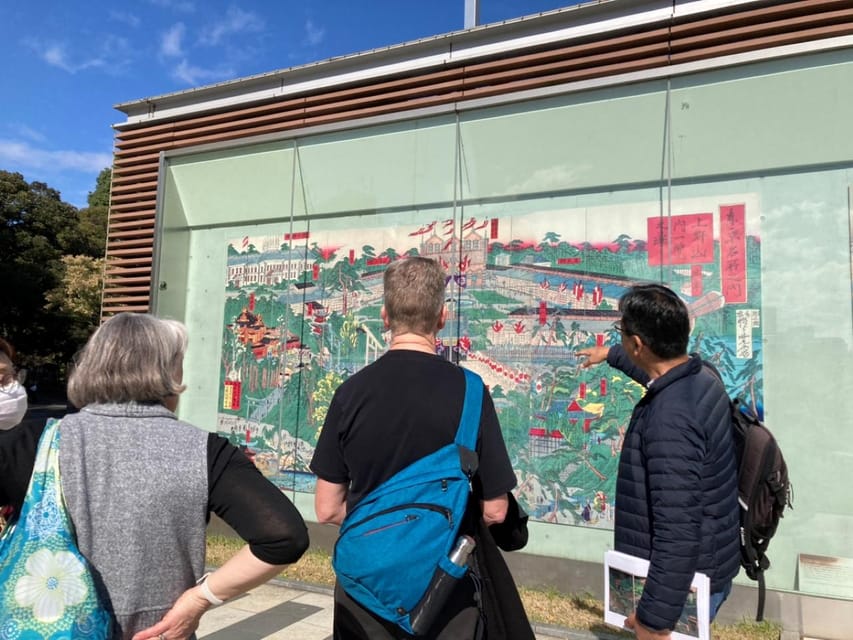
- Ueno’s past comes alive outdoors: Learn how Kaneiji Temple shaped the hill before political change and war altered the area.
- Kiyomizu Kannondo offers a calm pause: Its wooden stage gives you a memorable view over Ueno Park.
- Ueno Toshogu connects the park to the Tokugawa Shogunate: This is a useful stop for understanding Japan’s military rulers.
- The Tokyo National Museum is the main event: Expect samurai armor, colorful ukiyo-e woodblock prints, and other Japanese artifacts.
- Your guide can adjust the museum visit: Masahito has made time for specific galleries and questions.
- The $116 price buys a private experience: It makes the most sense if you value personal explanations over a quick self-guided visit.
Why Ueno is a smart place to study Tokyo’s past
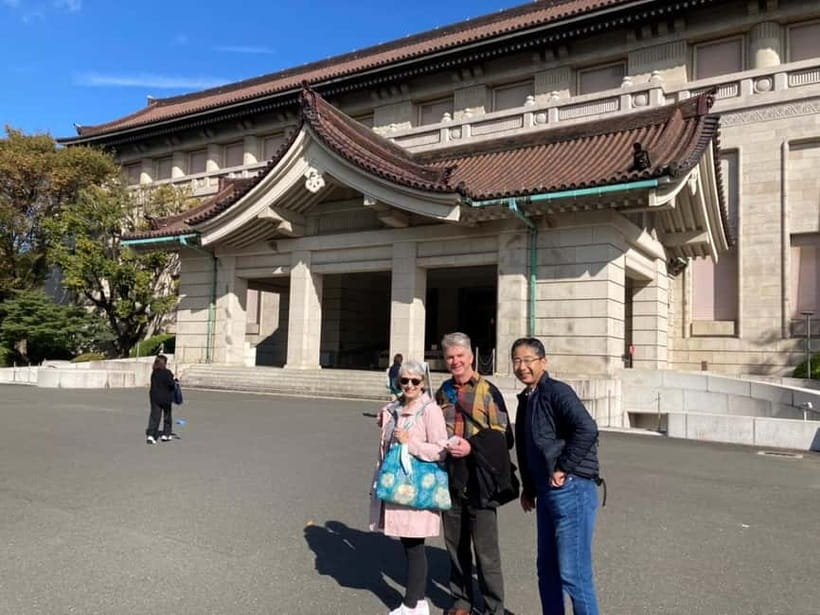
Many Tokyo sightseeing areas focus on neon, shopping, and modern city life. Ueno gives you a different view. In one compact part of the city, you encounter a former temple domain, a shrine tied to the Tokugawa rulers, a quiet Buddhist hall, and Japan’s leading national museum.
The setting matters. Ueno Hill was once part of the broad grounds of Kaneiji Temple, a major religious site during the Edo period. It also became a public place where people gathered, and its role changed again during the Meiji era and the Battle of Ueno.
Your guide’s job is to connect those changes. Without help, you might see a temple, a shrine, and a museum as separate attractions. With the story in place, the walk explains why these buildings and open spaces remain here, and why Ueno feels different from many other parts of Tokyo.
I especially like this format for first-time visitors who want historical context without committing to a full-day museum program. You keep moving, stop for views, and still have enough time to focus on important objects indoors.
A few more Tokyo tours and experiences worth a look

Meeting beneath Saigo Takamori’s statue
The tour begins in front of the Statue of Saigo Takamori in Ueno Park. This is a practical meeting point near JR Ueno Station, with the Shinobazu Exit the closest choice. Hirokoji Exit and Central Exit are also options.
Give yourself enough time to find the statue. Ueno Station has several exits and the park is large enough that a rushed arrival can be annoying. Comfortable shoes are a must, and water, sunscreen, and a hat are sensible, especially in warm weather.
The statue also fits the theme. Saigo Takamori was a major figure in the transition from the Tokugawa Shogunate to the Meiji government. Starting here gives the tour a political doorway into the period of change you will examine across Ueno Hill.
This is a private group, so you are not being folded into a large crowd. That matters when you want to ask why a particular site survived, how the battle affected Ueno, or how the Meiji period changed the use of the hill.
Kiyomizu Kannondo and the wooden stage view
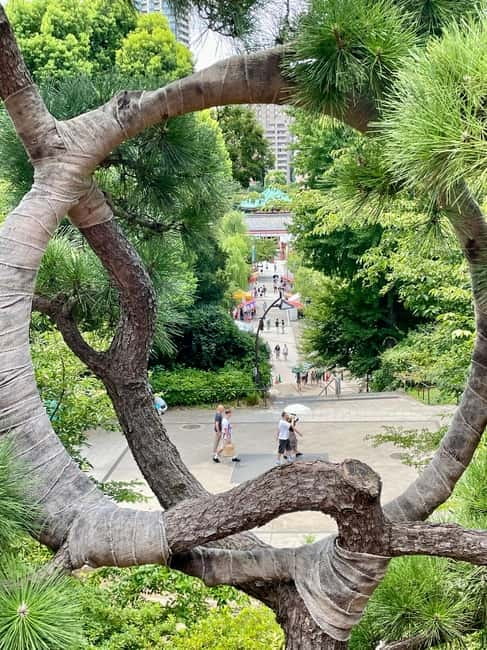
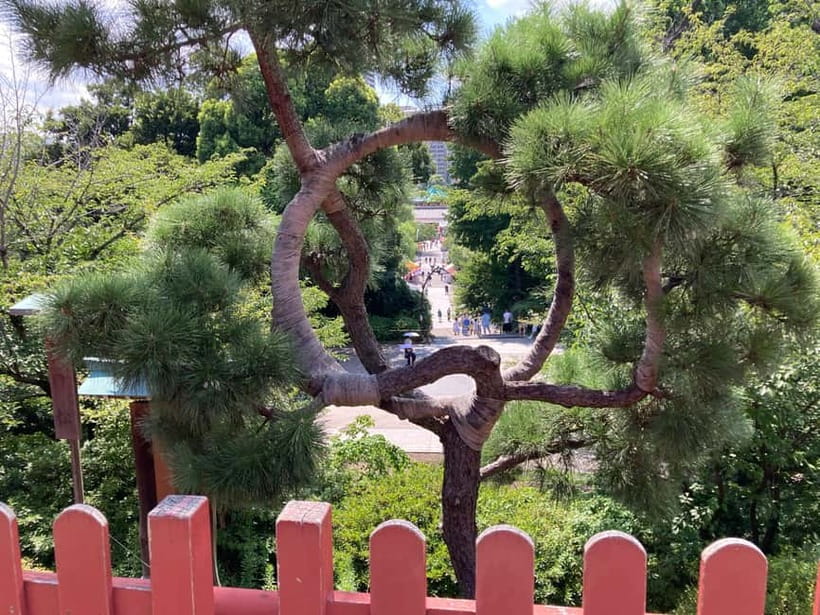
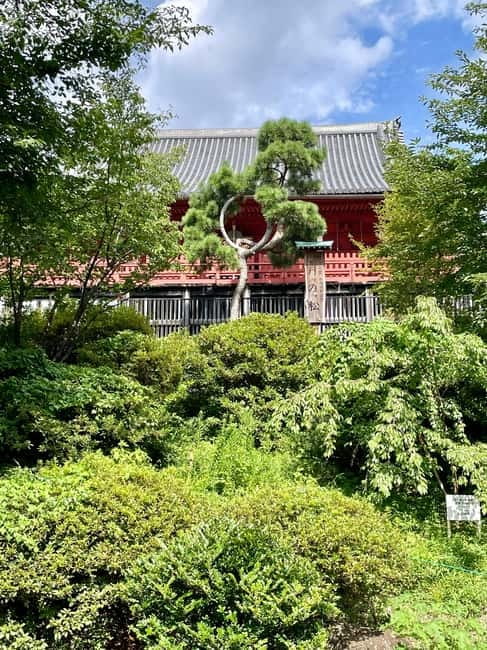
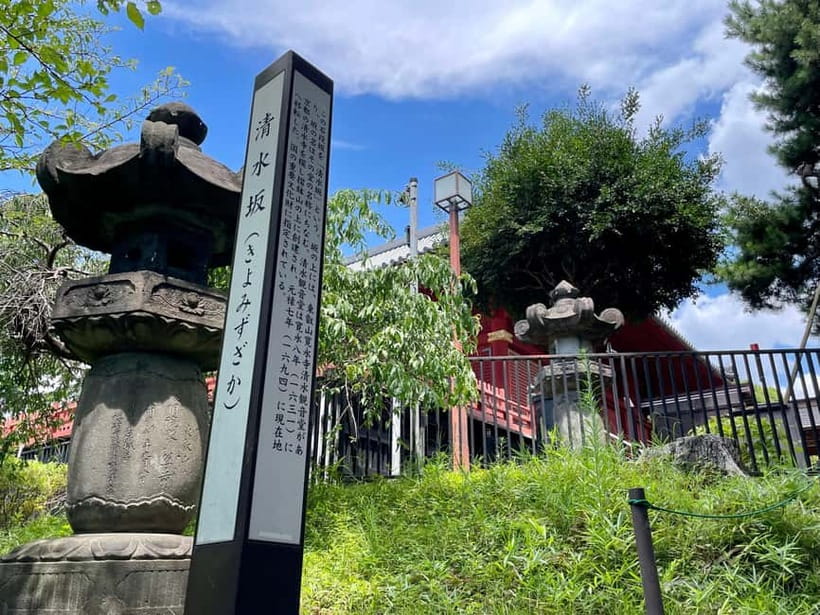
Kiyomizu Kannondo is one of the tour’s most appealing stops. The temple offers a quieter setting, with trees and a wooden stage that looks across Ueno Park.
The view gives you a short break from the city and from the museum’s indoor displays. It also creates a useful contrast: Ueno is not only a place of monuments and political memory. It remains a public park where you can pause and take in the surroundings.
Your guide provides the background during the stop, then you have time for photographs and sightseeing. Bring a camera, but remember that flash photography is not allowed during the tour. Smoking is also not permitted.
This section may be brief, but it is important to the pace of the experience. A history tour can become a steady march from one explanation to the next. Kiyomizu Kannondo gives you a moment to look around, absorb the setting, and see how religious sites and public space share the hill.
Ueno Toshogu and the Tokugawa connection
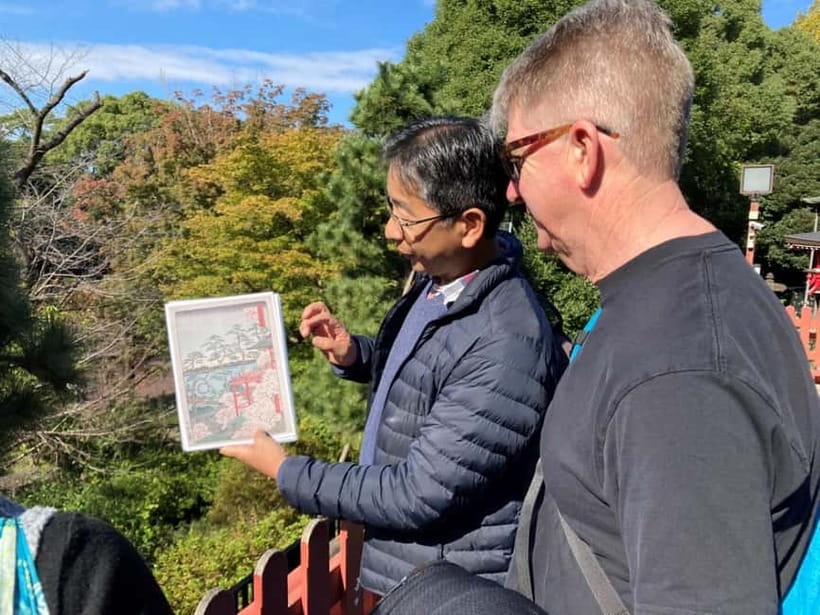
The next stop is Ueno Toshogu Shrine, which has direct connections with the Tokugawa Shogunate. For many people, this is where the political story becomes easier to understand.
The Tokugawa family ruled Japan during the Edo period, and Ueno’s religious buildings were closely tied to that power structure. At the shrine, your guide helps place the architecture and setting within that larger story rather than treating it as a photo stop alone.
The stop includes guided sightseeing and photographs. It is not described as a long interior visit, so you should think of it as a focused outdoor explanation. That works well if you want a clear overview, but it also means the tour cannot cover every detail of the shrine.
I like the way this visit links Ueno’s religious identity with the country’s political past. You are not simply looking at an attractive shrine. You are seeing one piece of the network that supported the shoguns and shaped Edo-period life.
Entering the Tokyo National Museum
The Tokyo National Museum is the central attraction, and admission is included in the $116 price. The museum holds an enormous range of Japanese art and cultural objects, so a guide can save you from wandering without a plan.
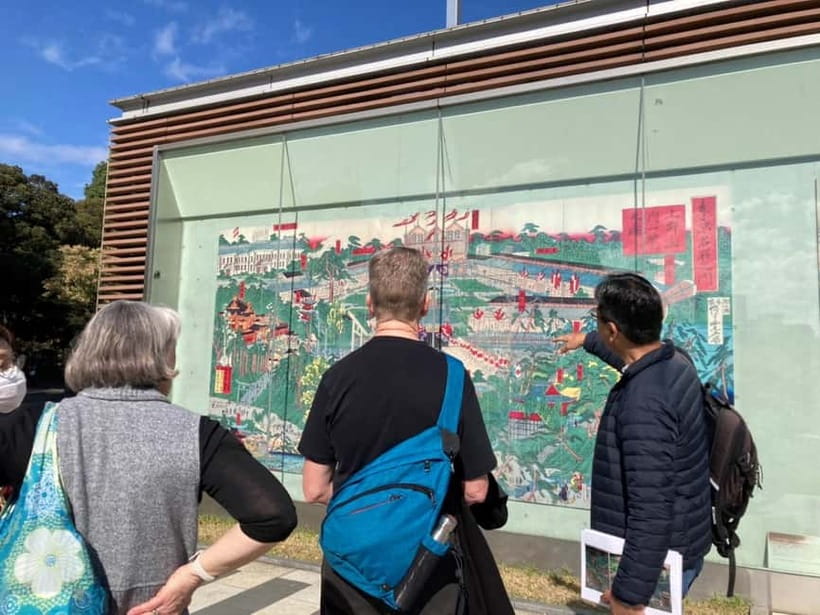
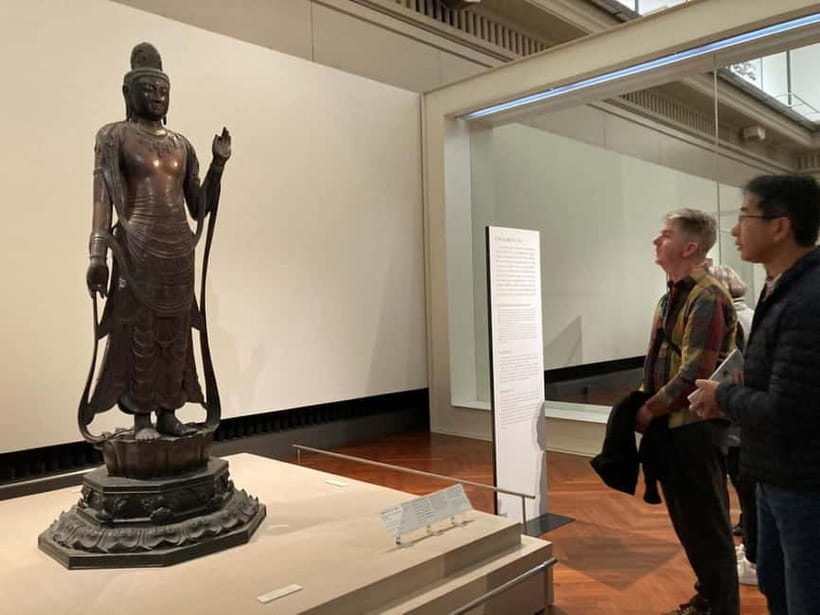
The stated highlights include samurai armor and colorful ukiyo-e woodblock prints. These objects give you two strong ways into Japan’s past. Armor shows the material side of the warrior class, while ukiyo-e reveals the visual culture of the period through printed images.
The museum is large enough that you should not expect to see everything in the available time. Two and a half hours covers the walking route and museum visit, but it is not enough for a thorough look at every gallery. That is not a flaw so much as a reason to set priorities before you arrive.
Tell your guide if you have a particular interest. Masahito has made time for two specific museum areas and answered questions at length, which shows why a private visit can be more useful than a standard group route. Mieko has also led tours that begin with the grounds and continue into the museum, explaining how Ueno developed over time.
Ask for help reading the objects in front of you. A piece of armor can be striking on its own, but the guide can explain how it fits into the social and military world of the period. A ukiyo-e print may catch your eye because of its color, yet the surrounding context makes it easier to understand why these prints mattered.
The guide’s value is not only factual information. A good guide helps you decide what deserves your limited time. Masahito has been described as structured in his storytelling and accommodating throughout the visit. That combination is useful in a museum where it is easy to lose track of time.
Other private tours in Tokyo




The ukiyo-e focus and what it adds
Ukiyo-e is one of the most approachable parts of Japanese art for many first-time visitors. The bright colors and clear designs make an immediate impression, but the art also opens a window onto daily life, entertainment, actors, landscapes, and changing tastes.
The tour does not promise a separate ukiyo-e workshop or a hands-on printing session. Instead, you see ukiyo-e woodblock prints as part of the museum collection and learn how they fit into Japanese culture and history.
That distinction matters. If you want to make a print yourself, this is not that kind of experience. If you want a guided introduction to Japanese objects within a wider historical walk, the format is a better match.
The museum segment also balances the outdoor stops. The temples and shrine show place and tradition. The galleries show objects that carry those ideas into a collection you can study close up.
How the private format affects the experience
At $116 per person, this is not the cheapest way to visit Ueno or the Tokyo National Museum. You can walk through the park independently and visit the museum on your own. The price makes more sense when you want a personal English-speaking guide who can explain the connections between places and adjust the museum time to your questions.
Private touring also changes the rhythm. You can ask for clarification without worrying about slowing down a large group. If you want more time with a particular type of armor or ukiyo-e print, your guide can respond within the limits of the two and a half hour schedule.
The tradeoff is that the price depends heavily on the guide. Mieko and Masahito have received especially strong praise for clear storytelling, patience, and flexibility. If your guide follows that same approach, the experience should feel personal rather than scripted. Still, the tour remains short, so you should not expect an exhaustive museum tour.
The rating is 4.5 from 10 reviews, with the strongest praise focused on the guides’ explanations and willingness to answer questions. That pattern tells me the human element is the main reason to book. You are paying for interpretation and structure, not simply entry tickets.
Walking, timing, and practical comfort
The tour lasts 2.5 hours, with starting times depending on availability. You move between several outdoor sites before spending time at the museum, so plan for regular walking on park paths and around historic grounds.
The experience is specifically not suitable for people with mobility impairments or wheelchair users. If uneven walking or standing is difficult for you, ask for more details before booking rather than assuming the compact route will be easy.
Wear shoes you can walk in comfortably. A hat, sunscreen, and water are listed as useful items, and they matter because part of the tour takes place outdoors. Your camera is welcome, but flash photography is not allowed.
The activity information gives Tokyo National Museum as the finishing point, while the meeting information says the activity ends back at the meeting point. Confirm the exact end location when you book, especially if you have a timed train, meal, or later reservation.
Free cancellation is available up to 24 hours before the start for a full refund. You can also reserve now and pay later, which helps if your Tokyo plans are still shifting.
Who will get the most from this Ueno tour
I would choose this tour if you want a focused introduction to Japanese history and art without spending an entire day in a museum. It suits first-time visitors, couples, families with older children, and anyone who prefers to ask questions rather than read every wall label alone.
It is also a good fit if you are curious about the shift from Edo to Meiji Japan. The route does not treat the past as a series of isolated monuments. It shows how a former temple area became a public park and museum district while retaining important religious sites.
Art lovers should like the chance to request extra time in selected museum areas. History-minded visitors will appreciate the Kaneiji Temple background, Tokugawa connection, and Battle of Ueno context.
I would skip it if your main goal is a slow, detailed museum study. Two and a half hours goes quickly, and the tour includes several outdoor stops. You might prefer visiting the museum alone if you already know exactly which galleries you want to see and do not need help with the wider story.
Should you book this private Ueno experience?
Book it if you want a connected story rather than a checklist of sights. The best parts are the transition from Saigo Takamori’s statue to Kiyomizu Kannondo, Ueno Toshogu, and the Tokyo National Museum, plus the chance to ask a guide to shape the museum visit around your interests.
The $116 price is reasonable for a private English-language tour with museum admission, especially if you are traveling with people who value conversation and context. It is less compelling for independent museum regulars or anyone unable to manage the walking.
For the best experience, arrive early, wear comfortable shoes, and decide before the tour whether samurai armor, ukiyo-e, or another museum section matters most to you. That small bit of preparation will help you make the most of a short but well-focused visit.
FAQ
How long does the Ueno tour last?
The tour lasts 2.5 hours.
What language is the tour conducted in?
The live tour guide speaks English.
Is this a private tour?
Yes. The activity is arranged for a private group.
What is included in the price?
Admission to the Tokyo National Museum and access to Kiyomizu Kannondo are included.
Where does the tour begin?
The meeting point is in front of the Statue of Saigo Takamori in Ueno Park.
How do I reach the meeting point?
JR Ueno Station is nearby. The Shinobazu Exit is the closest listed exit, and you can also use the Hirokoji Exit or Central Exit.
Where does the activity finish?
The route information gives Tokyo National Museum as the finishing point, while the meeting information says the activity ends back at the meeting point. Confirm the exact end location before your tour.
Is the tour suitable for wheelchair users?
No. The activity is not suitable for wheelchair users or people with mobility impairments.
Can I cancel for a refund?
Yes. You can cancel up to 24 hours in advance for a full refund. Reserve now and pay later is also available.
More Historical Tours in Tokyo



More Private Tours in Tokyo
More Ueno & Yanaka Walks in Tokyo
More tours in Tokyo we've reviewed












Ueno & Yanaka Walks, compared.
 ★ 5.0Eat and Drink Like a Local: Tokyo Ueno Food Tour-Taverns&RamenFrom $95
 ★ 4.5The Old Quarter of Tokyo – Yanaka Walking TourFrom $40
 ★ 5.0Yanaka Walking Tour: Historic and Traditional District of TokyoFrom $72
 ★ 4.8Tokyo: Old Quarter Yanaka Walking TourFrom $323 hours
 ★ 5.0Tokyo: Food Tour in Ueno with 10+ Tastings of Japanese ClassicsFrom $142
 ★ 4.9Tokyo:Stroll in Old traditional culture towns~Yanaka & NezuFrom $293h 30m