Reviewed · SHINJUKU TOURS
Tokyo: Shinjuku Historical Walking Tour & Secret Backstreets
Shinjuku changes character every few steps. This 90-minute walking tour takes you from the old food stalls of Omoide Yokocho to neon-lit Kabukicho, narrow Golden Gai, and the calm grounds of Hanazono Shrine. It is a handy way to see the district without wrestling with a map.
In This Article
- Key points about the Shinjuku walk
- Why this 90-minute route works well in Shinjuku
- Meeting at Shinjuku Station East Exit
- Omoide Yokocho, where old Shinjuku survives
- Kabukicho after dark
- Tokyu Kabukicho Tower and modern Shinjuku
- Golden Gai, tiny bars in narrow lanes
- Hanazono Shrine, a quiet finish
- What the guide adds to the experience
- Night views, rain, and the best time to go
- Who should book this Shinjuku walk?
- Practical value at $25.20
- Should you book this Shinjuku tour?
- FAQ
- How long does the Shinjuku walking tour last?
- What places are included on the route?
- Where does the tour start?
- Where does the tour end?
- Is the tour offered at night?
- Are food and drinks included?
- Are shrine offerings and omikuji included?
- Is this a private tour?
- Is the tour suitable for most people?
- What happens if the weather is poor?
- Can I cancel for a full refund?
I like the local focus and the practical food advice. Guides such as Mao, Akari, Aki, Ren, and Naoto have helped visitors find places they would likely miss alone, while the shrine visit adds a quiet finish to a loud evening. I also like the choice of time slots, which makes it easier to fit around a Tokyo day.
The main consideration is that this is a walking and explanation tour, not a tasting tour. Aside from one vending-machine drink recommended by the guide, food, drinks, shrine offerings, and omikuji cost extra. If you want hands-on activities or a bar visit, you may find the experience light on participation.
Key points about the Shinjuku walk
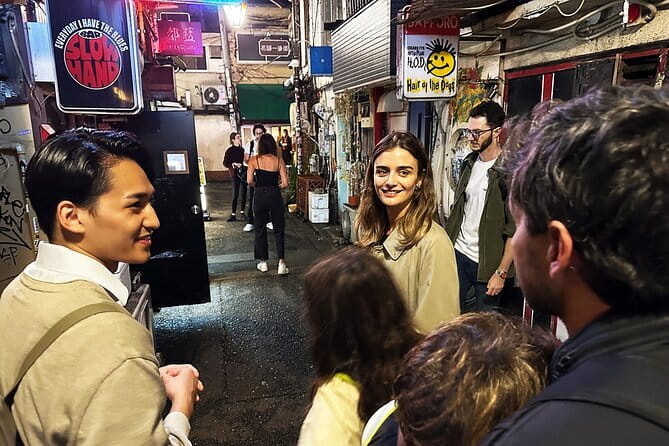
- Old and new Tokyo in one route: Move from nostalgic Omoide Yokocho to the modern Tokyu Kabukicho Tower.
- A useful first look at Kabukicho: Get oriented in Shinjuku’s entertainment district before exploring alone.
- Food and drink advice: Ask your guide for restaurant and bar suggestions suited to your interests.
- A peaceful final stop: Hanazono Shrine offers a change of pace and a chance to learn about shrine customs.
- Flexible scheduling: Different start times make the tour easier to fit into your plans.
- Strong guide feedback: Mao, Akari, Cherry, Glenda, Ai, Ren, Ayaka, Aki, and Naoto are among the guides praised for friendly explanations and local tips.
Why this 90-minute route works well in Shinjuku
Shinjuku can feel like several cities packed into one district. Huge station exits, glowing signs, office towers, restaurants, arcades, bars, and narrow lanes all crowd together. The trouble for a first-time visitor is not finding something to see. It is knowing what you are looking at and where to turn next.
That is where a short guided walk helps. You do not need to follow a map while your guide points out the district’s older corners, modern landmarks, eating areas, and nightlife streets. The route also gives you a basic sense of direction for the rest of your stay.
The walk is especially useful early in a Tokyo visit. After 90 minutes, you will have a better idea of where to return for dinner, where the smaller bars are, and which areas are best for photographs. Guide Akari was praised for helping visitors get situated around Shinjuku, while Aki offered advice on food and shopping as well as local customs.
The experience is listed at $25.20 per person. That is fair if you want a local introduction and practical orientation, especially since a private booking is advertised. It is less compelling if you only want to walk past the main sights, since the route itself is free and you can visit each stop without an admission ticket.
One point deserves attention: the tour information describes a private activity, but one account refers to a group of 15. Group size may depend on the booking arrangement or time slot, so confirm the format if having a small party is important to you.
A few more Tokyo tours and experiences worth a look
Meeting at Shinjuku Station East Exit
The meeting point is the police box near Shinjuku Station’s East Exit, at 3-chōme-38-1 Shinjuku, Shinjuku City. This is a sensible place to begin because the station is a major transport hub, but it is also one of the busiest and most confusing parts of Tokyo.
Give yourself extra time to reach the East Exit. Shinjuku Station has many corridors and exits, and a rushed arrival can sour the first few minutes. Your confirmation arrives when you book, so check the meeting directions before leaving your hotel.
The tour ends back at the meeting point. That is convenient if you want to continue your evening from the station, though it also means the walk is not designed as a point-to-point route to your dinner reservation.
Omoide Yokocho, where old Shinjuku survives
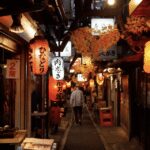
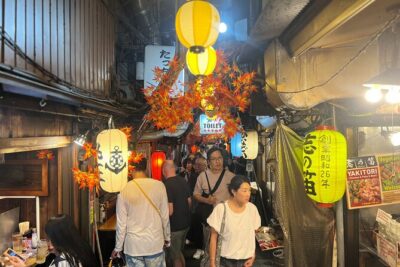
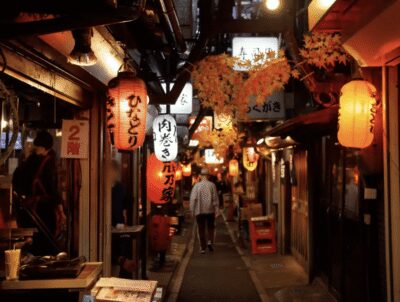
The route includes Omoide Yokocho, also called Memory Lane. This tucked-away set of narrow lanes has a nostalgic feel and is known for its small eateries. It offers a sharp contrast to the broad station area and the tall buildings nearby.
This is one of the more useful places to see with a guide because the lanes can be easy to pass without noticing. Your guide can explain why the area feels so different from the rest of Shinjuku and suggest places to eat.
Do not expect a full meal to be included. The tour fee does not cover food or drinks, and the supplied details only promise one vending-machine drink recommendation. If you want to stop for a bite, ask your guide how much time is practical and what type of food suits your plans.
Omoide Yokocho can also be crowded and narrow. Keep your group together and be considerate around restaurant entrances. The charm comes from the small scale, so it is not a place for a large, fast-moving crowd.
Kabukicho after dark
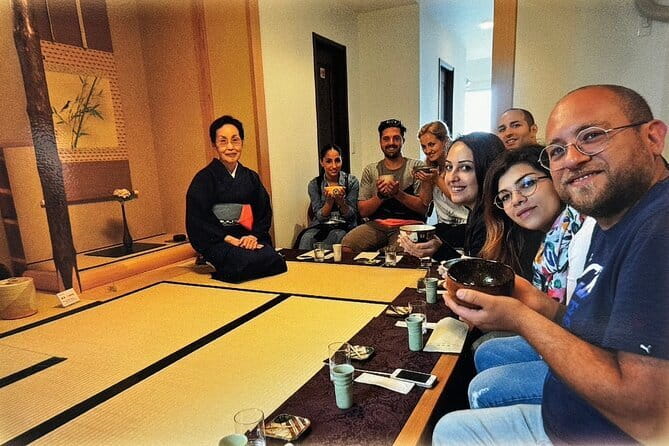
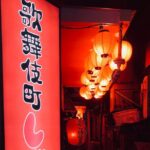
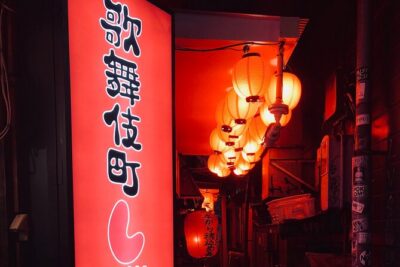
Kabukicho is known as the Sleepless Town, and the name makes sense once the signs come on. The district is Shinjuku’s main entertainment area, with bright lights and streets that become especially photogenic at night.
The stop lasts about 10 minutes. That is enough for an introduction and a few photographs, but not enough for a detailed tour of every street. Think of it as a guided orientation, not a complete account of the district.
This is a good moment to ask direct questions. If you are looking for food, bars, shopping, or places tied to Tokyo’s subculture, tell your guide what interests you. Mao was praised for taking time to understand personal interests and then shaping the walk around them. That kind of exchange can make a short tour more useful than a memorized speech.
The area can also feel intense. Bright signs, crowds, and entertainment businesses are part of the setting. You should stay with the guide, watch your belongings, and avoid assuming that every venue suits your taste or budget. The value here is understanding the district and getting sensible suggestions, not being pushed into a purchase.
Tokyu Kabukicho Tower and modern Shinjuku
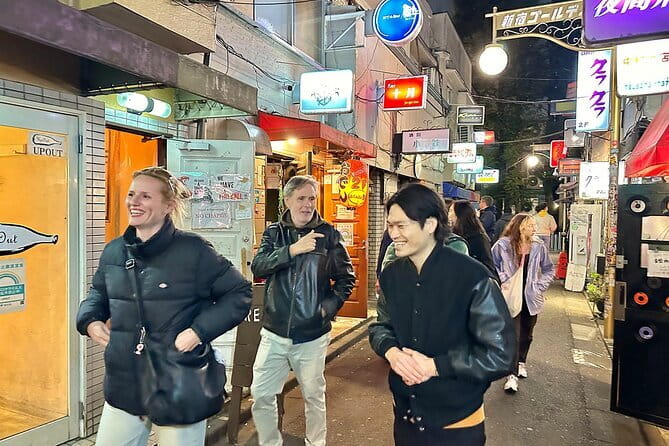
The itinerary allows about 25 minutes at Tokyu Kabukicho Tower, the newest major landmark on the route. This large complex brings several attractions together and shows how quickly Kabukicho is changing.
The tower is useful as a contrast to Omoide Yokocho and Golden Gai. Instead of tiny lanes and old-style storefronts, you get a large, modern building in the heart of the entertainment district. A guide can help place this new development within the wider story of Shinjuku’s changing identity.
The tour details do not include admission to paid attractions inside the tower. The stop is listed with no admission ticket included, so expect to see and discuss the complex rather than receive entry to every facility.
This stop may be especially worthwhile for photographers. Shinjuku’s signs, towers, and crowds give you plenty of visual material, though the exact views and photo stops depend on the guide and time slot. Maya’s route was praised for showing major sights as well as smaller corners, and another account noted that a free observation deck was an added benefit. Since that deck is not promised in the tour details, treat it as a possible bonus rather than a guaranteed feature.
Other walking tours we've reviewed in Tokyo


Golden Gai, tiny bars in narrow lanes
Golden Gai is one of Shinjuku’s most distinctive areas. Its tight alleyways hold tiny bars, many with only a few seats. The setting feels personal and unusual, especially after the larger streets of Kabukicho.
The planned stop is about 15 minutes. That is enough to walk through, hear some background, and learn how the area differs from the surrounding entertainment district. It is not enough to settle into several bars or experience the nightlife in depth.
This is where the guide’s recommendations can save you time later. Ren was praised for showing bars, restaurants, backstreets, and local subculture, while several guides gave practical suggestions for places to eat and drink after the walk.
Still, you should not book this tour expecting drinks in Golden Gai. Purchases are not included, and no specific bar entry is promised. The tour gives you context and orientation. You decide later if you want to return and spend money.
Golden Gai is also a place where manners matter. Many bars are small, and some may have their own rules about entry or seating. A guide can explain the setting, but you should follow each venue’s instructions and avoid treating the lanes as a theme park.
Hanazono Shrine, a quiet finish
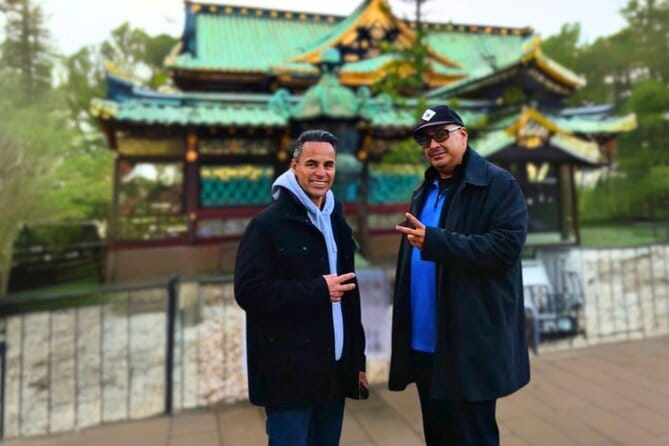
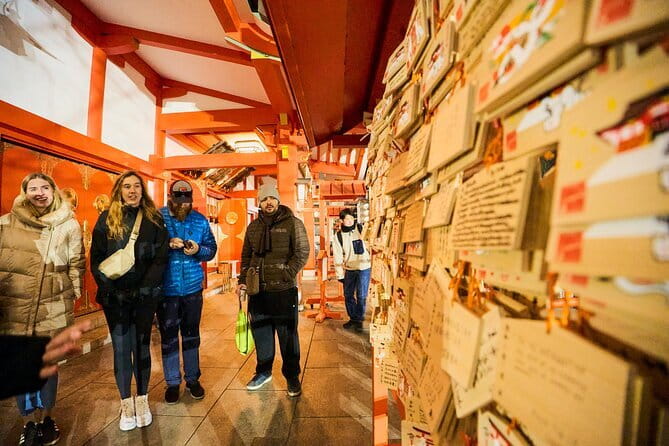
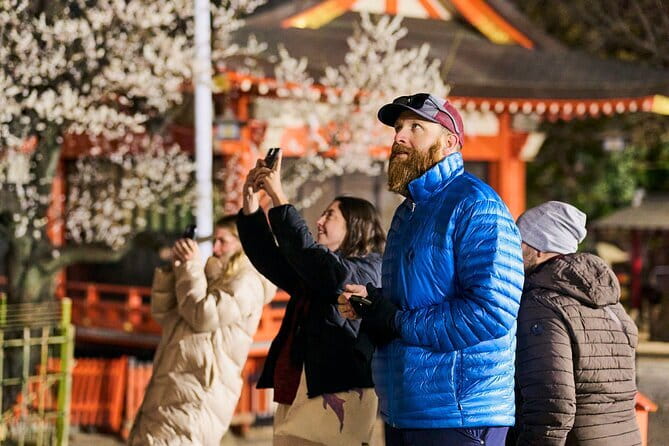
The final listed stop is Hanazono Shrine, with about 20 minutes set aside. This shrine sits close to the noise of Shinjuku but offers a much calmer setting. That change is one of the route’s best features.
Here you can learn about basic shrine customs and see a traditional religious site within the modern city. Aki was praised for explaining shrine traditions, and another guide finished the walk at a special location without revealing the destination in advance. Hanazono Shrine provides that kind of memorable change in mood.
Small change for an offering is not included. Omikuji, the paper fortunes available at some shrines, also cost extra. You do not need to buy either, but having a few coins is useful if you want to take part.
The shrine stop also gives the tour a better shape. Without it, the route could become a parade of signs, buildings, and nightlife streets. Ending in a quiet place lets you pause and think about the older customs that still share space with modern Shinjuku.
What the guide adds to the experience
The guide is the heart of this tour. The route has no admission charges and most stops can be visited independently, so the explanation and personal advice are what you are paying for.
Guides named in the feedback include Mao, Akari, Maya, Cherry, Glenda, Hannah, Nana, Ai, Ren, Ayaka, Aki, and Naoto. The strongest praise centers on friendly communication, clear explanations, and the ability to answer practical questions.
Cherry reportedly gathered the group in calmer spots for explanations, which matters in a noisy district. Ayaka was able to manage a group of 15 while keeping the tour informative and enjoyable. Naoto was praised for clear meeting directions, route organization, and walking the group back toward the station.
The experience can also adjust to your interests. Tell the guide if you care most about food, nightlife, shopping, history, photography, or customs. The tour is short, so a little direction from you helps the guide use the time well.
There is one fair criticism to keep in mind. One person felt the walk could have offered more interaction, such as tasting food or meeting local business owners. That is a reasonable concern. This experience is mainly about seeing, listening, asking questions, and collecting ideas for later, not taking part in a structured activity.
Night views, rain, and the best time to go
The tour is promoted as a night walk, and evening is the natural choice for Kabukicho, Golden Gai, and Shinjuku’s signs. Night also gives you the best chance of seeing the district in its famous neon mood.
Different time slots are available, and some accounts describe afternoon or daytime departures. A daytime walk may be calmer and can work well if you want to get oriented before dinner. A night departure is better for atmosphere and photographs, but the streets may feel more crowded.
The experience requires good weather. If poor weather causes cancellation, you are offered another date or a full refund. It is still wise to bring comfortable shoes and a rain layer, since the route is outdoors and the experience continues on foot.
One group completed the walk in rain and still found it informative, but bad weather can reduce photo quality and make narrow lanes less comfortable. Check the forecast before you go, and do not book it as your only plan for a wet evening.
Who should book this Shinjuku walk?
I would recommend it most strongly to first-time visitors staying in or near Shinjuku. You get a quick map of the district, basic cultural context, and suggestions you can use for the rest of your trip.
It also suits solo visitors who feel unsure about entering Kabukicho or Golden Gai alone. A guide gives you a clear route and someone to answer questions, without committing you to a long evening.
Food-focused visitors may find the advice useful, but remember that this is not a tasting experience. You will hear about places to eat and drink, yet you pay for anything you choose to order.
Photographers should choose an evening time if possible. The route includes plenty of signs, lanes, shrine details, and modern architecture, though the guide cannot guarantee a specific viewpoint or observation deck.
Families and older visitors may appreciate the short duration, but you should be comfortable walking for about 90 minutes through busy urban streets. The information says most people can participate and that the tour is near public transport.
Practical value at $25.20
At $25.20, the tour is reasonably priced for a local introduction, especially if the guide gives you advice tailored to your plans. The strongest value comes from saving time and gaining confidence in a district that can be hard to read on your own.
You are not paying for tickets, a full meal, or a long historical lecture. You are paying for a route, local interpretation, and recommendations. If you use those recommendations later, the fee can pay off quickly by helping you find a restaurant or bar that fits your interests.
The 99 percent recommendation rate and 5 out of 5 score from 530 ratings suggest a consistently well-received experience. Still, the lower opinion is useful: anyone wanting food, drinks, or direct interaction should choose another type of tour or plan an independent stop afterward.
Free cancellation is available if you cancel at least 24 hours before the start time. Cancellations or changes inside that window are not refunded, and weather-related cancellations offer a new date or full refund.
Should you book this Shinjuku tour?
Book it if you want a short, friendly orientation to Shinjuku with a local guide, especially at the start of your Tokyo visit. It is a strong choice for first-time visitors, solo visitors, photographers, and anyone who wants restaurant and nightlife ideas without sorting through the district alone.
Skip it if you want a food crawl, bar hopping, paid attractions, or hands-on cultural activities. The best way to judge the value is simple: if local explanations and practical suggestions matter to you, $25.20 is a sensible spend. If you only need the sights, use the same route independently and save the fee.
FAQ
How long does the Shinjuku walking tour last?
The tour lasts approximately 1 hour and 30 minutes.
What places are included on the route?
The route includes Omoide Yokocho, Kabukicho, Tokyu Kabukicho Tower, Shinjuku Golden Gai, and Hanazono Shrine.
Where does the tour start?
It starts at the police box near Shinjuku Station’s East Exit, at 3-chōme-38-1 Shinjuku, Shinjuku City, Tokyo 160-0022, Japan.
Where does the tour end?
The activity ends back at the meeting point.
Is the tour offered at night?
The experience is designed as a night walking tour, and different time slots are available. Some departure times may take place during the day, so check the selected time when booking.
Are food and drinks included?
Food and purchased drinks are not included. The tour includes one vending-machine drink recommendation from the guide.
Are shrine offerings and omikuji included?
No. Small change for shrine offerings and the cost of omikuji are not included in the tour fee.
Is this a private tour?
The activity is described as private, with only your group participating. One account describes a group of 15, so confirm the group arrangement for your chosen booking.
Is the tour suitable for most people?
Yes. The information says most people can participate, and the meeting point is near public transportation.
What happens if the weather is poor?
The experience requires good weather. If it is canceled because of poor weather, you can choose another date or receive a full refund.
Can I cancel for a full refund?
Yes, if you cancel at least 24 hours before the experience start time. Cancellations or changes made less than 24 hours in advance are not accepted for a refund.
More Historical Tours in Tokyo
More Walking Tours in Tokyo
More Shinjuku Tours in Tokyo

More tours in Tokyo we've reviewed












Shinjuku Tours, compared.
 ★ 5.0Tokyo: Shinjuku Food Tour (13 Dishes at 4 Local Eateries)From $86
 ★ 5.0Tokyo Bar Hopping Tour in Shinjuku (All-You-Can-Drink + Dinner)From $106
 ★ 4.9Tokyo: Shinjuku Local Bar and Izakaya Guided Walking TourFrom $343 hours
 ★ 4.9Tokyo: Shinjuku Food Tour (13 Dishes and 4 Eateries)From $97
 ★ 5.0Tokyo Night Foodie Tour in Shinjuku – Seasonal Sushi, Wagyu BeefFrom $111
 ★ 5.0Tokyo: Shinjuku Local Bar & Izakaya Crawl TourFrom $39