Reviewed · SAMURAI & NINJA EXPERIENCES
Tokyo: Samurai History Walking Tour
Tokyo’s samurai story covers far more ground than movie swords and polished armor. This four-hour tour links sites tied to the warriors’ rise in the 900s, their long place in Japanese history, and their final fall in 1868. You visit Edo Castle, Taira no Masakado’s grave, and Sengaku-ji, home to the famous 47 Ronin graves.
In This Article
- Key points to know before booking
- A samurai tour that begins with questions, not costumes
- Meeting at Marunouchi Square and Tokyo Station
- Taira no Masakado and the beginning of the story
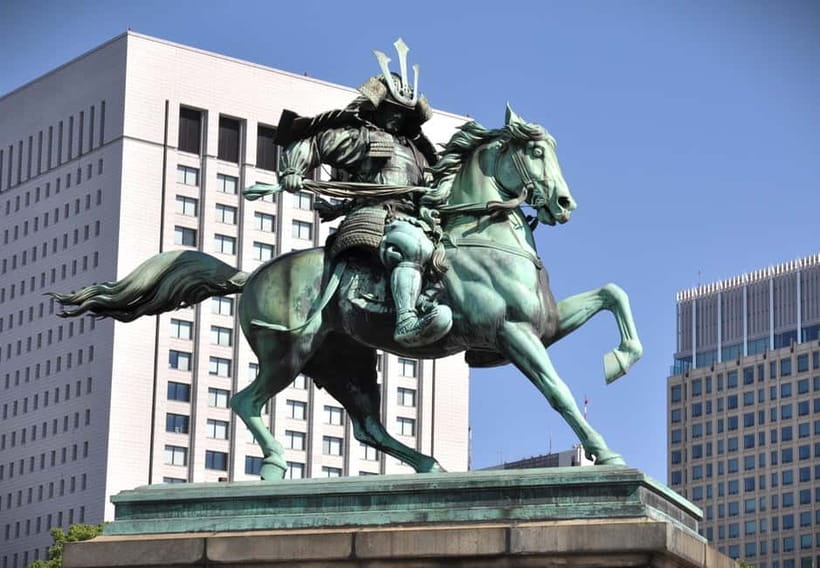
- Edo Castle ruins and the center of warrior power
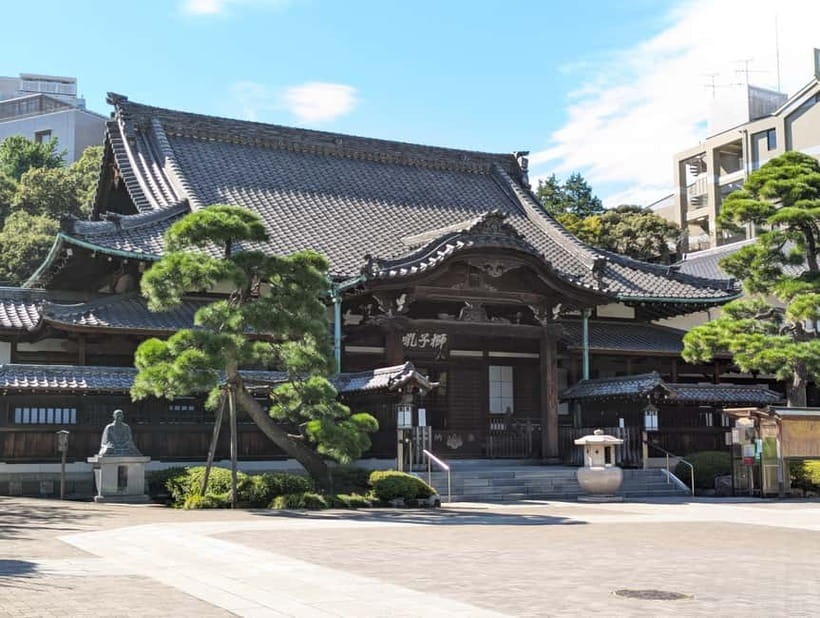
- Sengaku-ji and the 47 Ronin
- Walking, trains, and the real pace of the day
- What the $33 price really covers
- Who will get the most from this tour?
- Booking details that affect your day
- Should you book the Tokyo Samurai History Walking Tour?
- FAQ
- How long does the samurai walking tour last?
- Where does the tour begin?
- Where does the tour finish?
- Which historic sites are included?
- Is public transport used during the tour?
- Are Sengaku-ji entrance fees included?
- Is the tour offered in English?
- Can I cancel the booking?
I like two things right away: the route uses real places instead of relying on museum displays, and guide John gives you an honest look at samurai conduct rather than treating every warrior as a noble hero. I also like the mix of walking and short public transport rides, which keeps a serious history lesson from becoming a four-hour march.
The main drawback is simple: this is a lengthy walking tour with little time for food. You should bring a snack, wear comfortable shoes, and expect stairs or uneven ground. It is not suitable for wheelchair users or people who tire very easily.
Key points to know before booking
- A full samurai timeline in four hours: See places connected with the warriors’ beginnings, Edo-period power, and final years.
- Edo Castle is the main history stop: Spend about 105 minutes exploring the former castle grounds and hearing how Tokyo’s political center took shape.
- Sengaku-ji adds a personal, famous story: The 47 Ronin graves and temple museum bring samurai ideals down to individual names and choices.
- Guide John leads in English: He is described as friendly, clear, and ready to answer questions, making the tour suitable for families with teenagers.
- Public transport breaks up the walk: Budget about 400 yen per person for transport in addition to the tour price.
- Extra temple costs are modest but separate: Sengaku-ji’s cemetery costs 300 yen and its museum costs 500 yen.
A samurai tour that begins with questions, not costumes
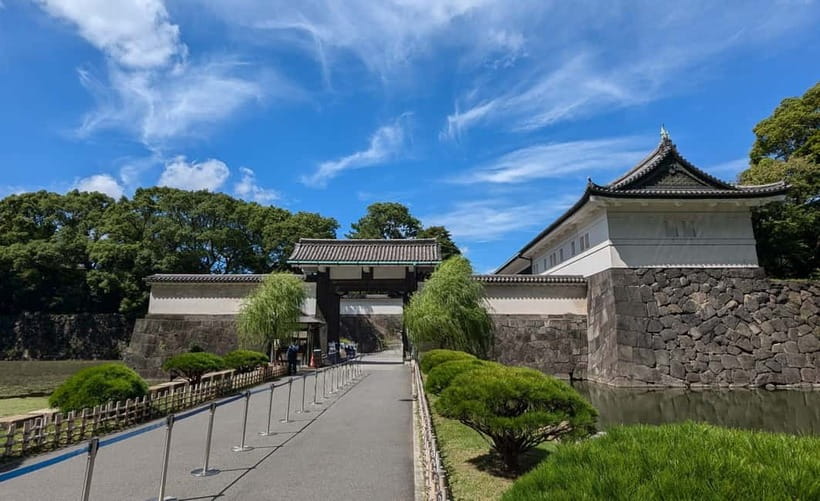
The best feature here is the subject itself. Samurai history is full of contradictions, and the tour begins by asking the questions that matter: were samurai honorable warriors, ordinary thugs, or something in between? How did they first appear, gain power, and disappear?
That approach gives you a better way to read the sites. Instead of seeing a grave or stone wall as an isolated relic, you get a thread connecting several periods of Japanese history. The tour reaches back to the 900s and forward to 1868, when the samurai era came to an end.
I appreciate that the focus is on explanation rather than staged pageantry. You are not promised a sword demonstration, costume photo, or theatrical reenactment. You are walking through Tokyo with a guide who uses the city itself as the classroom.
John leads the tour in English. The available feedback describes him as friendly, highly informed about Japanese history and culture, and willing to answer questions with extra facts. That matters on a topic where a short answer can easily leave out the political or social setting.
The format also works well for families with older children and teenagers. One family with teenage children found that everyone stayed satisfied, which suggests the tour can hold the attention of people who may not want a long, quiet museum visit.
A few more Tokyo tours and experiences worth a look

Meeting at Marunouchi Square and Tokyo Station
The meeting point is just outside the Marunouchi Central Exit of JR Tokyo Station, in Marunouchi Square. This is a practical place to begin because Tokyo Station is a major transport hub and the square gives you a clear outdoor meeting area.
Look for the guide described in the booking details as a bald white male. John will send a Google Maps link to his location on the day of the tour, and you should check both your email and the GetYourGuide app for messages.
That last point is worth taking seriously. Tokyo Station is large, and a small change in the meeting spot can save you a frantic search through underground passages. Give yourself extra time to reach Marunouchi Square, especially if you are arriving by train from another part of the city.
The tour lasts about four hours and finishes at Takanawa Gateway Station. That ending is useful because you can continue sightseeing or return to your hotel without retracing the route to Tokyo Station.
If your hotel is within a reasonable distance of Tokyo Station, John may be able to meet you there and walk with you to the starting point. This is available for only one group on the tour, so you should ask about it rather than count on it.
Taira no Masakado and the beginning of the story
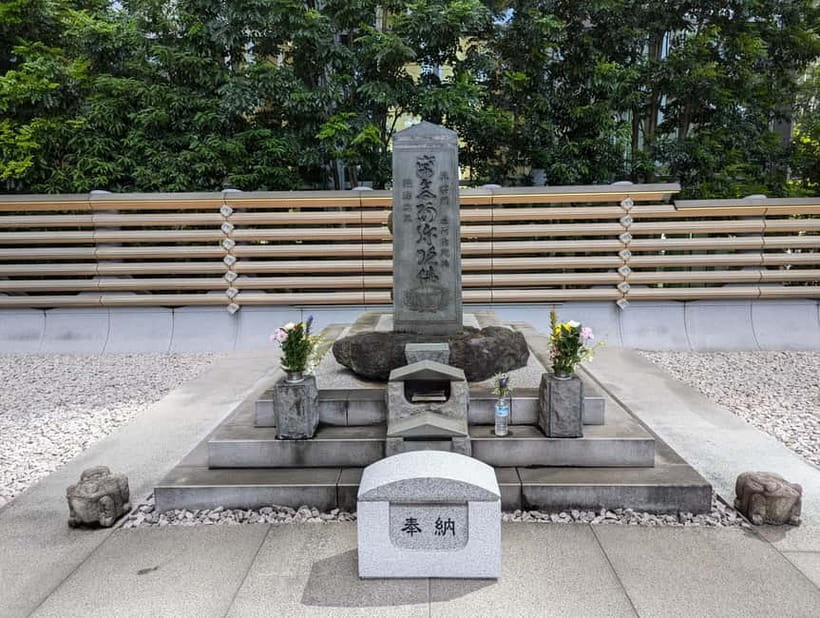
One of the most unusual parts of the experience is the visit to Taira no Masakado’s grave. It offers a direct link to the earliest period covered by the tour, long before Tokyo became the modern capital you see today.
Masakado’s grave is not simply a place to pause for a photograph. It gives John a setting for explaining how the samurai first came about and what their early role meant. The tour uses sites connected to major events, so you are encouraged to consider the people and power struggles behind the names.
This stop is especially useful if your picture of samurai begins and ends with the Edo period. The tour makes clear that the warrior class did not appear fully formed. Their story developed over centuries, and Masakado’s connection places you near the beginning of that long arc.
You should expect this stop to be more about context than spectacle. It is a gravesite, not a large attraction with a long list of facilities. Its value comes from the explanation you receive and from seeing a place tied to an early chapter of samurai history.
That is one reason a live guide matters here. Without context, a small urban grave can be easy to pass without understanding why it belongs on a samurai route.
Edo Castle ruins and the center of warrior power
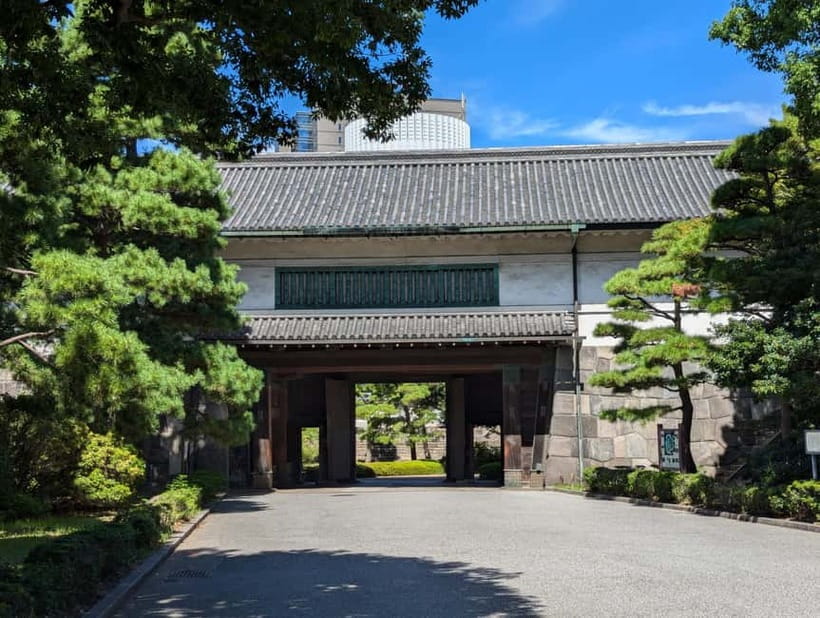
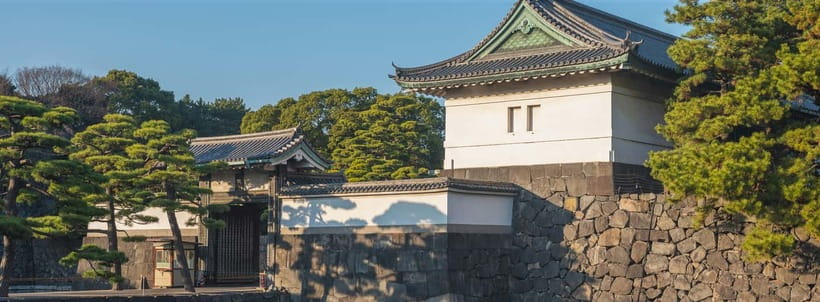
The largest portion of the walk takes place at the Edo Castle ruins, now part of the Tokyo Imperial Palace East Gardens. The guided visit lasts about 105 minutes, so this is the core of the experience.
Edo Castle gives you a physical setting for the period when samurai power shaped Japan. Walls, gates, foundations, and open garden spaces help you picture the scale and importance of the former stronghold, even though the original castle buildings are not all present.
I like the amount of time set aside for this section. A quick stop would let you see a few stones and move on. Ninety minutes or more gives John room to explain the site, answer questions, and connect the ruins to the larger story.
You should not expect a complete castle interior tour. The experience focuses on ruins and the East Gardens, so the appeal is historical setting and interpretation rather than furnished rooms or reconstructed halls.
The gardens also provide a needed change of pace. After discussing warriors, political power, and the rise of the samurai class, you have open space in which to walk and rest. Still, this remains an active tour. Comfortable shoes are important, and anyone who tires easily should tell John early so he can build in extra pauses.
The route may also include Taira no Masakado’s grave as part of the Tokyo portion before or around the castle visit. The exact walking order can vary, but the purpose remains the same: use surviving places to trace the story from its early stage toward Edo-period rule.
Sengaku-ji and the 47 Ronin
The final major stop is Sengaku-ji, a temple associated with the graves of the 47 Ronin. This is the most immediately recognizable name on the route, but its value is more than fame.
The temple gives the samurai story a human focus. Instead of discussing warriors only as a class or political force, you come to a site connected with a specific group and a story that has remained important in Japanese culture.
John guides you through the temple visit for about an hour. That is enough time to understand why the cemetery matters and to visit the museum if you choose to pay the separate entry fee.
The cemetery costs 300 yen, and the museum costs 500 yen. These fees are not included in the tour price, so set aside up to 800 yen if you want both. You can decide on the day, but I would budget for them if Sengaku-ji is one of your main reasons for booking.
The temple is also where the tour’s question about honor becomes most useful. You can listen to the story, then consider how ideas of loyalty and duty were viewed in their own setting and how later generations remembered them. That is more rewarding than simply checking off the gravesite.
Sengaku-ji is the last stop, and the tour finishes at Takanawa Gateway Station. Ending near a railway station keeps the return trip straightforward.
Other walking tours we've reviewed in Tokyo






Walking, trains, and the real pace of the day
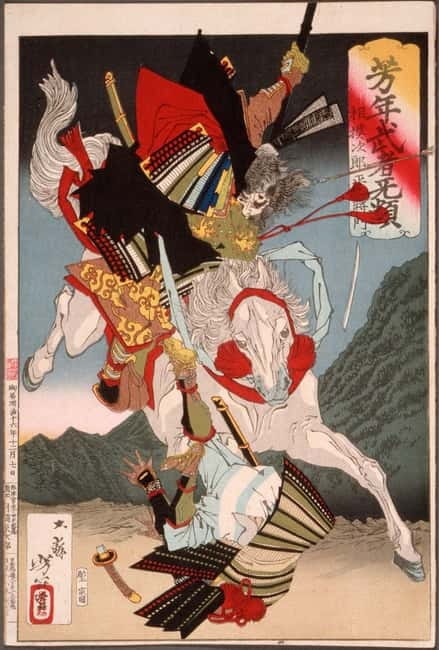
This is called a walking tour, but you will not walk every stretch. Short public transport rides are used along the way to rest your legs. Transport costs about 400 yen per person and are paid separately.
That arrangement is a plus, but it does not turn the experience into an easy sightseeing bus tour. You still spend much of the four hours on foot, moving between historic places and listening while standing or walking.
I would wear supportive shoes and avoid scheduling a demanding activity immediately afterward. The tour is not designed for people who tire very easily, although extra rests can be arranged if needed.
Food is another practical matter. The group generally does not stop for a meal because the tour is relatively short. Pick up a snack at a convenience store before meeting John, then eat it along the way if you need it.
This advice is especially useful for families. Teenagers may manage four hours well, but hunger can quickly become the main historical event. A drink and small snack will make the day more comfortable.
The tour is not suitable for wheelchair users. The details also state that it is not suitable for people over 95 years old. If mobility or stamina is a concern, ask about the route before booking rather than hoping the pace will work out.
What the $33 price really covers
At $33 per person, the tour is reasonably priced for a private or small-group experience lasting four hours. The fee covers the guide and his time, not the transport or Sengaku-ji admission charges.
A realistic base cost is therefore about $33 plus roughly 400 yen for transport. Add another 300 yen for the cemetery and 500 yen for the museum if you enter both. The extra charges are not large, but knowing about them helps you compare the total cost with other Tokyo activities.
The value depends on how much you want interpretation. If you only need to photograph castle walls and a temple, you can visit some of these places on your own. You will save the guide fee, but you will also lose the connected story and the chance to ask questions as the route unfolds.
I think the price makes the most sense for first-time visitors to samurai history, families who want a clear introduction, and people who prefer a small group over a large scripted walk. The guide fee pays for someone who can explain why each place matters, not just point it out.
The perfect rating from the 12 available reviews supports the strongest part of the offer: John’s delivery and command of Japanese history and culture. Several comments specifically praise his ability to explain samurai subjects, answer questions, and keep the walk enjoyable. That is a meaningful advantage on a subject that can become dense very quickly.
Still, a perfect rating from 12 reviews is a small sample. I would treat it as encouraging rather than a guarantee that every group will have the same experience. Your enjoyment will also depend on weather, walking stamina, group chemistry, and how much you already know about Japan.
Who will get the most from this tour?
I would choose this tour if you want a connected introduction to samurai history and prefer places with a clear link to real events. It suits adults, couples, and families with teenagers who are willing to walk and listen for several hours.
It is also a good fit if you have already seen Tokyo’s main modern sights and want a more focused way to understand the city’s past. The route moves between a major station, castle ruins, a grave, and a temple, so it gives you several different kinds of historic setting in one morning or afternoon.
You may want a different activity if you are seeking costumes, martial arts practice, a staged performance, or a relaxed food break. None of those are part of this experience.
Private and small-group options are available. A smaller group should make it easier to ask questions and adjust the pace, though the exact group size and price may depend on the booking choice.
The English-only format is another consideration. If you are comfortable following a detailed history talk in English, the route should be easy to appreciate. If not, you may prefer an activity offered in another language.
Booking details that affect your day
The activity offers free cancellation up to 24 hours before the start time, with a full refund. You can also reserve now and pay later, which is useful when your Tokyo schedule is still changing.
The starting times vary, so check availability before choosing your date. John will contact you by WhatsApp or email after your booking is confirmed, and he will send a Google Maps location link on the day.
I would not book this as a last-minute gap filler if you have a tight schedule. Tokyo Station is easy to reach, but the route includes several stops, public transport, and a finish at another station. Allow the full four hours and leave room for small delays.
Bring water, a snack, comfortable shoes, and a phone with access to your messages. These small preparations matter more here than extra sightseeing gear.
Should you book the Tokyo Samurai History Walking Tour?
Book it if you want a serious but approachable introduction to samurai history, with real Tokyo sites instead of a costume show. The combination of Taira no Masakado’s grave, Edo Castle, and Sengaku-ji gives you a useful time span, while John’s clear explanations and willingness to answer questions add the value.
Skip it if you dislike walking, need wheelchair access, or want a tour with a meal or hands-on activity. For everyone else, $33 is a fair starting price for four hours of guided history, with only modest extra costs for transport and temple admissions.
The best way to enjoy it is to arrive ready to ask questions. Samurai history is not a simple story of heroes and villains, and this tour is most useful when you want to sort through that gray area.
FAQ
How long does the samurai walking tour last?
The tour lasts four hours.
Where does the tour begin?
It begins in Marunouchi Square, generally outside the Marunouchi Central Exit of JR Tokyo Station.
Where does the tour finish?
The tour finishes at Takanawa Gateway Station.
Which historic sites are included?
The route includes Edo Castle ruins in the Tokyo Imperial Palace East Gardens, Taira no Masakado’s grave, and Sengaku-ji, including the 47 Ronin gravesite.
Is public transport used during the tour?
Yes. Short public transport rides are used during the walking route to give your legs a rest. Transport costs about 400 yen per person and is not included.
Are Sengaku-ji entrance fees included?
No. Entry to the cemetery costs 300 yen, and entry to the museum costs 500 yen. These fees are paid separately.
Is the tour offered in English?
Yes. The tour has a live English-speaking guide, John.
Can I cancel the booking?
You can cancel up to 24 hours in advance for a full refund. Reserve now and pay later is also available.
More Historical Tours in Tokyo




More Walking Tours in Tokyo
More Samurai & Ninja Experiences in Tokyo



More tours in Tokyo we've reviewed








Samurai & Ninja Experiences, compared.
 ★ 4.5Tokyo: Samurai Restaurant Show Ticket with 2 DrinksFrom $551h 30m
 ★ 4.6Tokyo: Samurai Ninja Museum Guided tour and ExperienceFrom $27
 ★ 5.0Skip the lines Basic Ticket at SAMURAI NINJA MUSEUM TOKYOFrom $28
 ★ 5.0Tokyo: Authentic Samurai Training at a DojoFrom $211
 ★ 5.0Best Samurai Experience in TokyoFrom $65
 ★ 4.6Tokyo: Legend Samurai Entertainment Night in Kanda ShrineFrom $44