Reviewed · IMPERIAL PALACE & SHOGUN TOURS
Tokyo: Imperial Palace Japanese History Walking Tour
The most useful thing about this tour is that it turns an open-air garden walk into a readable lesson about Japan’s past. At the Imperial Palace’s Eastern Gardens, you follow the route of Edo Castle, see its remaining foundations, and learn how a shogun’s stronghold became the emperor’s residence.
In This Article
- Key points at a glance
- From Wadakuramon Fountain to Otemon Gate
- Edo Castle’s missing buildings and surviving stones
- Farmer, samurai, daimyo, and shogun
- Samurai houses, bamboo, and royal koi
- Why the guide matters here
- Heat, rain, and the pace of the walk
- Is $32 a fair price in Tokyo?
- Who should book this palace walk?
- Should you book the Imperial Palace Japanese History Walking Tour?
- FAQ
- How much does the Imperial Palace Japanese History Walking Tour cost?
- Where does the tour begin?
- How will I recognize the guide?
- Where does the tour finish?
- Is the inner palace included?
- What languages are available?
- Does the tour operate in bad weather?
- Who should not take this tour?
I like the human scale of the tour. Guides such as Mika, Natsumi, Laki, and Alexandre explain the site in clear English or French, answer questions, and often add practical Tokyo advice. I also like the small details: the miniature castle model, old samurai residences, gifted trees from around Japan, bamboo, and the palace’s royal koi.
The main drawback is physical comfort. This is a walking tour in an outdoor setting, it runs rain or shine, and Tokyo’s heat can be demanding. The inner palace is not open to the public, so you are touring the gardens, ruins, and exterior areas rather than entering the emperor’s private residence.
Key points at a glance
- See where Edo Castle once stood: Stone walls, foundations, gates, and garden paths help you picture the castle complex that shaped Tokyo.
- Learn the old social order: The guide explains the ranks of farmer, samurai, daimyo, and shogun, then connects that system to the shift into the imperial era.
- Meet at an easy central location: Start near the Wadakuramon fountain park, a five to ten minute walk from Tokyo Station or Otemachi Station.
- Expect a friendly, interactive guide: Guides including Natsumi, Mika, Laki, and Alexandre are praised for clear storytelling, humor, patience, and useful local tips.
- Find quiet photo stops: The route includes gardens, bamboo, old structures, and distinctive royal koi.
- Budget about $32 per person: That is a fair price for a roughly two-hour guided introduction to Tokyo’s political and cultural center.
From Wadakuramon Fountain to Otemon Gate
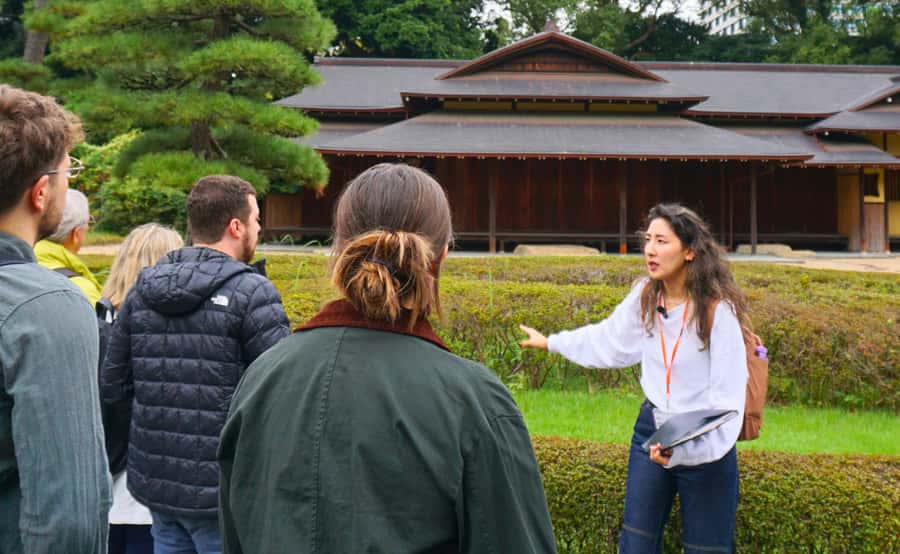
Your meeting point is practical, but give yourself enough time to find it. From Tokyo Station or Otemachi Station, walk about five to ten minutes to Wadakuramon fountain park. The guide waits near the Starbucks by the fountain and carries a Sunrise Adventure sign.
This arrangement is easier than meeting beside a large station exit, where signs and crowds can cause confusion. Still, Tokyo Station is big, so do not leave the search until the last minute. Look for the fountain park and the Starbucks rather than heading straight for the palace gates.
From there, you walk toward Otemon Gate, one of the main entrances to the palace grounds. The approach gives your guide room to set the scene before the formal sightseeing begins. You are not simply being led from one photo stop to the next. The goal is to understand why this patch of central Tokyo mattered so much.
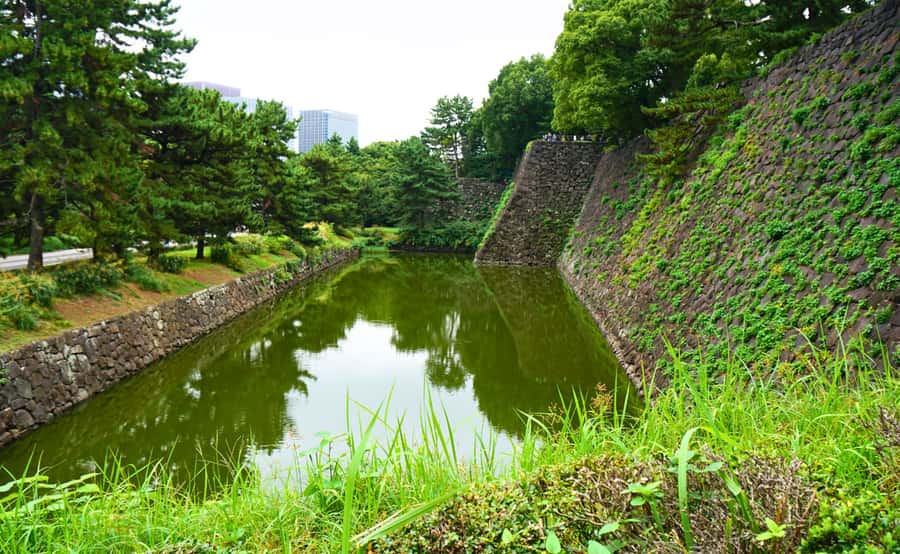
Otemon Gate also helps you picture the scale and protection of a major castle town. The modern city is close by, yet the entrance leads into a quieter setting of walls, trees, paths, and open garden space.
A few more Tokyo tours and experiences worth a look



Edo Castle’s missing buildings and surviving stones
The central story is the transformation of Edo Castle. The original castle buildings are no longer standing, and that can surprise visitors who expect a grand keep. The absence is part of the lesson. Your guide explains what happened to the castle and how the site changed as political power moved from the shogun to the emperor.
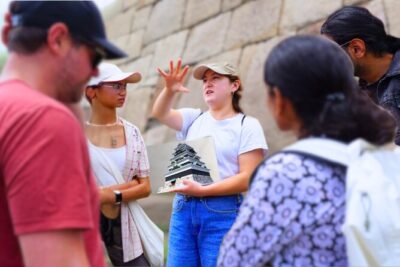
A miniature model shows what the castle looked like in the past. This is especially helpful because a model can make sense of walls, towers, compounds, and inner sections that are now represented mainly by foundations or open ground.
You also see remnants of the old castle, including stone structures and ruined sections. These are not flashy attractions, but they reward a slower look. The stones mark the former seat of the Tokugawa shoguns and give you a physical link to the period when Edo, now Tokyo, was the center of military government.
I find this part more satisfying with a guide than alone. Without context, a wall can look like just another old wall. With an explanation of its purpose and the political world around it, the remaining stones become evidence of a vanished system.
Farmer, samurai, daimyo, and shogun
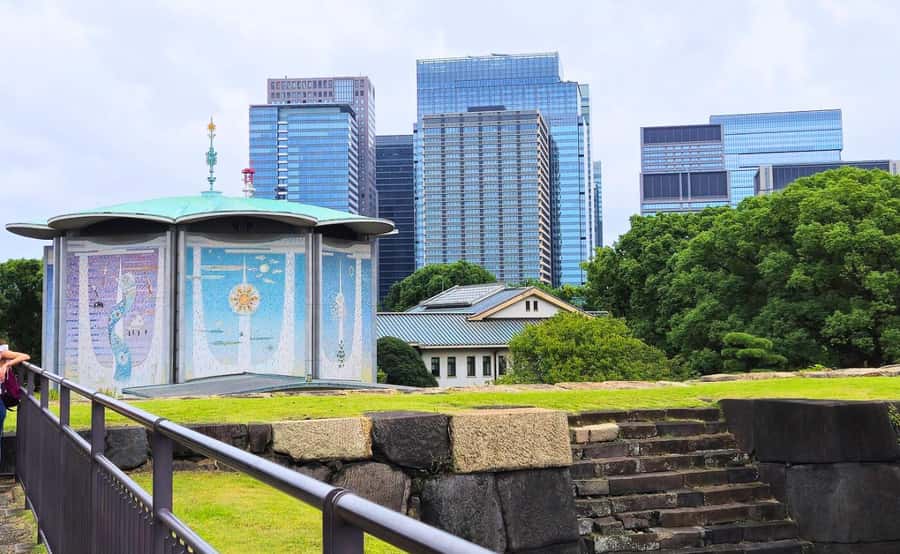
The tour gives you a basic map of the old ranking system: farmer, samurai, daimyo, and shogun. That framework helps you follow the rest of the story.
The samurai were more than sword carriers in the popular imagination. They were part of a system of service, loyalty, administration, and military rule. Daimyo were powerful regional lords, while the shogun held the highest military authority. Farmers occupied a lower position in the formal order, despite producing the food that supported the country.
Your guide uses the palace setting to explain how these groups related to one another. The benefit is not just memorizing four titles. You begin to understand how authority was organized and why Edo Castle was the center of so much ceremony, discipline, and control.
This introduction also prepares you for the shift from the Edo period to the imperial era. The castle site did not simply become a new palace overnight. Its changing role reflects the wider political change that shaped modern Japan.
Several guides are praised for making this material easy to follow. Natsumi is described as a strong storyteller who explains the Edo period, palace design, and the growth of Tokyo in a clear way. Laki is praised for warmth and energy, while Mika is often singled out for answering questions and adjusting to the group.
Samurai houses, bamboo, and royal koi
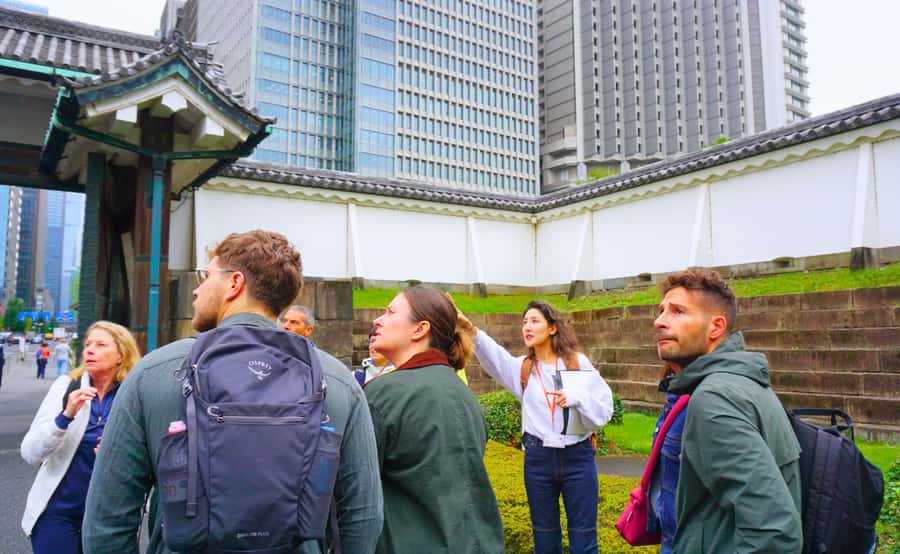
The walk is not all politics. You pass an old samurai house, which gives the social history a more personal setting. A residence can show you how the ruling class lived and help balance the grand story of shoguns, castles, and emperors.
The gardens add a welcome change of pace. You see trees from different parts of Japan that were given to the emperor, along with a bamboo area and carefully kept paths. These details show how the palace grounds also function as a place of ceremony, horticulture, and quiet display.
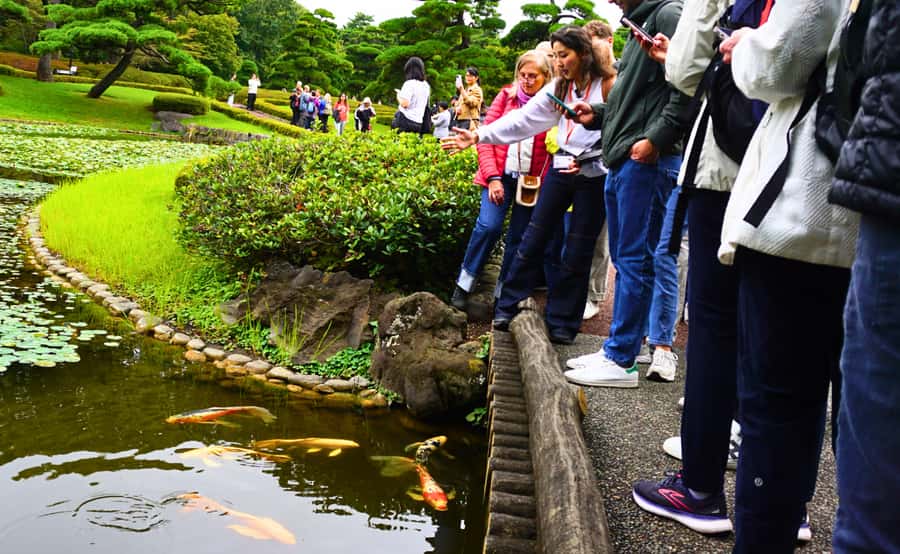
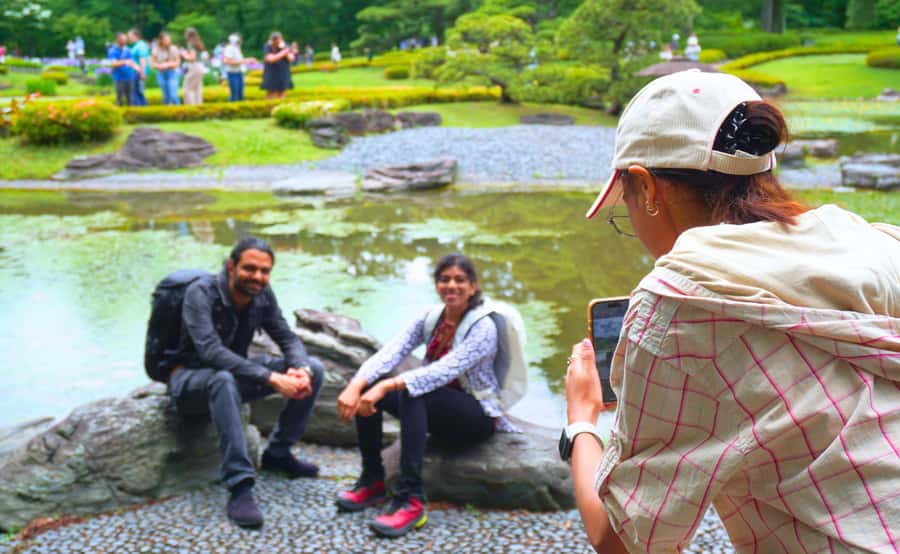
The royal koi are one of the more unusual stops. Their bright colors and peaceful movement make a good contrast with the military history of Edo Castle. They are also a dependable photo opportunity, particularly if you want something different from gates and stone walls.
You should bring mosquito repellent or use some before the walk. The grounds contain plenty of vegetation, and one guide even supplied mosquito spray during a particularly buggy visit. That small precaution can make the experience more comfortable.
The gardens are also useful in hot weather because the trees provide patches of shade. One guide made a point of stopping in shaded areas and checking on the group. Even so, you should not count on shade for the entire route.
Why the guide matters here
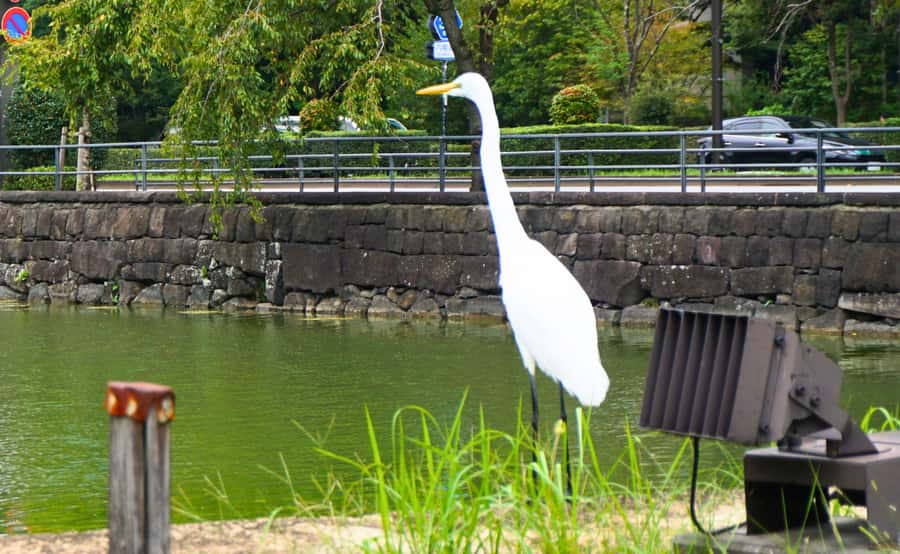
This is a history tour, not a simple stroll through a park. The quality of the experience depends heavily on the person leading it, and the supplied guide roster changes. Names praised for clear explanations and a friendly manner include Mika, Natsumi, Laki, Lucky, Alexandre, Nico, Arief, Hugo, and Natsumi.
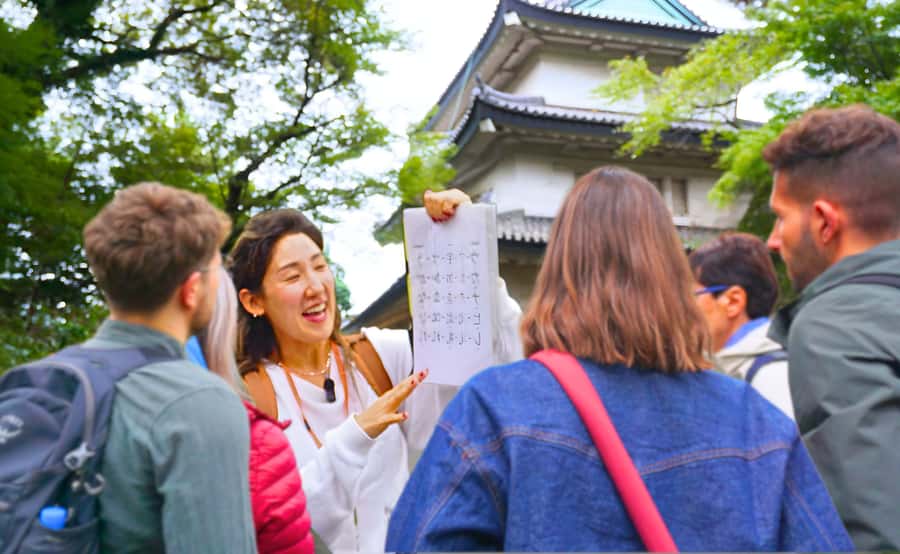
The strongest pattern is consistent: guides explain the story, invite questions, take photos, and offer suggestions for food or other places to see in Tokyo. Several guides are described as patient and attentive, which matters when a group has mixed ages or different levels of interest.
The tour is interactive rather than a long speech. One guide used questions to involve the group, and another made the material fun for children. That approach helps keep the ranking system and political changes from becoming a dry list of dates.
French-language guiding is available as well as English. Alexandre received particular praise for a French tour and for taking extra time to explain Japanese history and culture. If language is important to your booking decision, confirm the available language and schedule when reserving.
Do not expect a private tour by default. The information provided does not specify group size, so you should be prepared to share the walk with other participants. If you want a more personal experience, one guide offered a private tour with a tea ceremony as an additional option, but that is not part of the standard $32 booking.
Other walking tours we've reviewed in Tokyo




Heat, rain, and the pace of the walk

The tour takes place outdoors and operates rain or shine. Wear clothing suited to the forecast, bring water, and use sun protection in summer. Tokyo heat can make a two-hour walk feel longer, even though the pace is generally described as comfortable.
The route includes stops for explanations, photographs, and questions. That makes it less strenuous than walking continuously, but it is still not a good choice if you have low fitness, serious back or heart problems, recent surgery, or a mobility impairment.
The experience is not suitable for wheelchair users, pregnant women, or people who need a highly accessible route. Skateboards are not allowed, and the palace grounds also prohibit weapons or sharp objects, smoking, drones, alcohol, drugs, and making fires.
The good news is that guides appear attentive to conditions. Shade stops and small practical gestures, such as offering mosquito spray or cooling items, can make a real difference. Still, plan for the weather rather than hoping the guide can solve every comfort issue.
Is $32 a fair price in Tokyo?

At $32 per person, this is a reasonable buy if you want context rather than just scenery. You receive a guided walk, garden access, historic explanations, photo help, and the chance to ask questions. There are no stated food, transport, or inner-palace admissions included, but none of those are needed for the basic experience.
The value is strongest early in your Tokyo stay. The tour gives you a useful political and historical framework before you visit other parts of the city. Understanding Edo, the shoguns, and the move into the imperial period can make later sights easier to place.
It is less useful if you already know Japanese history well or want to enter the active palace interior. The inner palace is not open to the public, and this tour cannot change that. You are paying for interpretation of the accessible grounds, not access behind restricted doors.
The flexible booking terms also help. You can reserve and pay later, and cancellation up to 24 hours before the tour allows a full refund. Those terms are useful when your Tokyo plans are still shifting.
Who should book this palace walk?
I would recommend it to first-time Tokyo visitors who want a clear introduction to Japanese history without committing to a full museum visit. Families can also benefit from the interactive style, especially when the guide uses questions, stories, and visual details to keep children involved.
It suits people who enjoy gardens but want more than pretty views. The bamboo, koi, gifted trees, and old residences provide visual variety, while the guide supplies the political story that ties the route together.
It is also a good choice for anyone who wants practical help beyond the palace. Guides have offered restaurant suggestions, cultural advice, etiquette tips, and ideas for the rest of a Tokyo visit. That added local guidance can be worth a lot on your first day.
I would hesitate if you dislike outdoor walking, are visiting during extreme heat, or need step-free access. I would also skip it if your main goal is to see the emperor’s inner residence, because that area is not open to visitors.
Should you book the Imperial Palace Japanese History Walking Tour?
Book it if you want the Imperial Palace to make sense. The gardens and castle remains are pleasant on their own, but the guide explains how Edo Castle, the shoguns, samurai society, and the imperial transition fit together.
The best reason to choose this tour is the guide-led storytelling. Names and assignments vary, but the experience is built around clear explanations, questions, humor, photos, and useful Tokyo suggestions. At $32, that is solid value for a roughly two-hour introduction.
Skip it only if you need an accessible route, want indoor sightseeing, or expect to enter the inner palace. For most history-minded visitors who can manage an outdoor walk, it is a smart way to begin understanding Tokyo.
FAQ
How much does the Imperial Palace Japanese History Walking Tour cost?
The tour costs $32 per person.
Where does the tour begin?
Meet near the Starbucks by the fountain in Wadakuramon fountain park. The park is about a five to ten minute walk from Tokyo Station or Otemachi Station.
How will I recognize the guide?
The guide waits near the fountain and carries a sign with the Sunrise Adventure logo.
Where does the tour finish?
The activity ends back at the original meeting point.
Is the inner palace included?
No. The inner palace is not open to the public, so the tour visits accessible palace grounds, gardens, gates, ruins, and related historic areas.
What languages are available?
The tour is offered in English and French.
Does the tour operate in bad weather?
Yes. It takes place rain or shine, so wear clothing suited to the weather.
Who should not take this tour?
It is not suitable for pregnant women, wheelchair users, or people with mobility impairments, back or heart problems, recent surgeries, or a low level of fitness.
More Historical Tours in Tokyo




More Walking Tours in Tokyo
More Imperial Palace & Shogun Tours in Tokyo



More tours in Tokyo we've reviewed












Imperial Palace & Shogun Tours, compared.
 ★ 4.9Tokyo: Imperial Palace and Shogun Walking TourFrom $162 hours
 ★ 5.0Imperial Palace East Garden and Edo Castle Walking Tour in TokyoFrom $25
 ★ 4.8Tokyo: Imperial Palace East Gardens Walking TourFrom $192h 30m
 ★ 4.5Tokyo: Imperial Palace, Sensō-ji Temple, & Tokyo Tower TourFrom $404 hours
 ★ 5.0Tokyo Castle, Imperial Palace, Shogun & Garden Walking TourFrom $31
 ★ 4.7Tokyo: Edo Castle & East Garden of the Imperial Palace TourFrom $422 hours