Reviewed · NIKKO DAY TRIPS
Tokyo: Nikko Private Day Tour With Guide
Nikko packs Japan’s sacred mountain country into one long day: cedar-shaded shrines, roaring waterfalls, and a high volcanic lake. This private tour lets you leave Tokyo’s rail changes and local buses behind, then fit the area’s major sights into a 10-hour round trip.
In This Article
- Key points before you book
- Why Nikko works as a Tokyo day trip
- Akechidaira Ropeway: the best first view
- Lake Chuzenji and Kegon Falls: Nikko’s great natural pair
- Ryuzu Falls adds a quieter waterfall stop
- Tamozawa Imperial Villa shows a softer side of Japan
- Toshogu Shrine: the day’s essential cultural stop
- Rinnoji Temple and Shinkyo Bridge
- Kanmangafuchi Abyss brings a quieter forest walk
- What the private vehicle changes
- Guide quality and flexibility
- Timing, extra fees, and practical limits
- Who should book this Nikko day trip?
- Should you book it?
- FAQ
- How long is the Tokyo to Nikko private tour?
- Where is pickup available?
- Is pickup available from an airport or cruise terminal?
- How many people can join the private tour?
- Is lunch included?
- Which entrance fees are extra?
- Is an English-speaking guide or driver provided?
- Can I cancel the tour?
I like the strong mix of nature and culture, especially the Akechidaira ropeway views and the chance to compare Toshogu’s ornate memorial buildings with the quieter Tamozawa Imperial Villa. I also like the flexible private format. Guides such as Imran have helped with restaurant choices, photography, and route changes in bad weather.
The tradeoff is the schedule. Ten hours including Tokyo pickup and return is tight, and Nikko is far enough from the capital that traffic can eat into sightseeing time. A group of five should also confirm the vehicle size, since one booking found the car cramped with five passengers plus the guide and chauffeur.
Key points before you book
- Akechidaira gives you Nikko from above, with views toward Lake Chuzenji and the surrounding peaks from the ropeway and observation area.
- Toshogu Shrine is the grand cultural centerpiece, with gold details, the Sleeping Cat, the Three Wise Monkeys, and the famous five-storied pagoda.
- The tour covers both Kegon Falls and Ryuzu Falls, giving you two very different waterfall stops.
- Tamozawa Imperial Villa adds an unusual royal perspective, blending Edo-period rooms with early Meiji design.
- The private vehicle saves effort, with hotel or apartment pickup inside Tokyo’s 23 wards and bottled water, WiFi, parking, and fuel included.
- Extra costs add up, since lunch, ropeway access, the lake cruise, and several entrance fees are not part of the advertised group price.
Why Nikko works as a Tokyo day trip
Nikko is one of the best ways to trade Tokyo’s dense streets for mountain air without changing hotels. The area combines religious buildings linked to the Tokugawa shogunate with waterfalls, forest roads, and Lake Chuzenji, which sits 1,269 meters above sea level.
This is not a lazy day in the countryside. You will cover a lot of ground, and the mountain route can be slow. Still, private transport makes the plan much more practical than trying to connect every stop by public bus in a single day.
The tour costs $761 per private group of up to five people. That sounds steep for one day, but the math changes when you divide it among four or five people. You are paying for a dedicated vehicle, fuel, parking, insurance, WiFi, bottled water, and pickup and return within Tokyo’s 23 wards. For a solo visitor or couple, the price is harder to justify. For a family or small group, it can be reasonable if convenience matters.
The listed adult fees for the main paid sights total 3,970 yen if you visit the Akechidaira observation area, take the Lake Chuzenji cruise, enter Kegon Falls, visit Tamozawa Villa, and enter Rinnoji Temple. Lunch is extra, so budget for those costs before comparing the tour with a train-based visit.
A few more Tokyo tours and experiences worth a look
Akechidaira Ropeway: the best first view
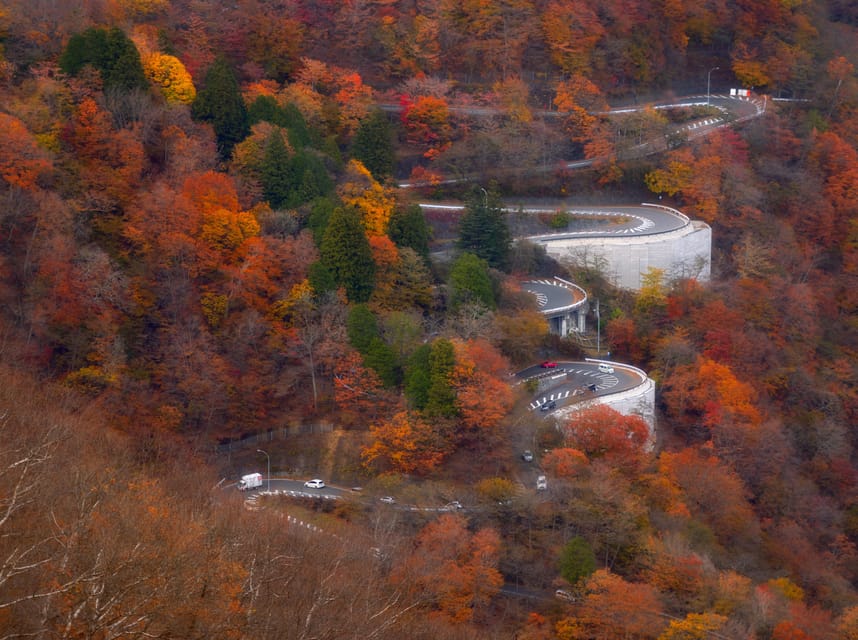
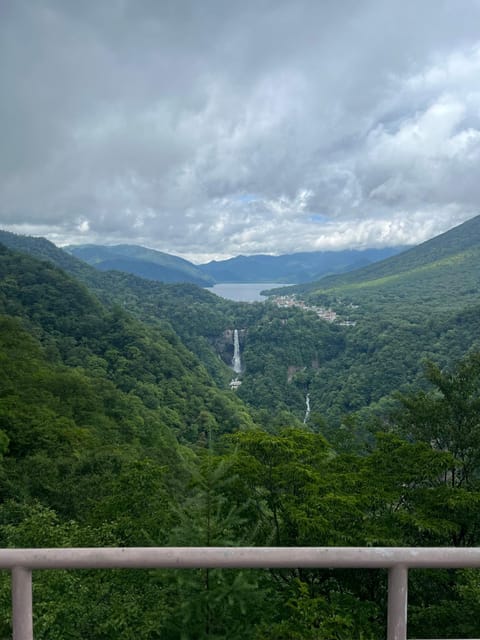
Akechidaira is an excellent opening stop because it shows you the scale of Nikko before you get lost among its temples and trees. The ropeway carries you above the forest to an observation area with broad views of Lake Chuzenji, Kegon Falls, and the mountain country around them.
You have about an hour here for the photo stop, sightseeing, and gondola ride. In autumn, the tree colors can make this the visual high point of the day. In poor weather, the view may be limited, so it is useful that a private driver can adjust the order of stops if conditions change.
The Akechidaira observation area costs 1,000 yen for adults and 500 yen for children. Check whether the fee covers the exact ropeway arrangement you want, since the supplied pricing specifically identifies the observation area entrance. Cash is a wise choice.
Lake Chuzenji and Kegon Falls: Nikko’s great natural pair
Lake Chuzenji is the area’s calm counterpoint to the crowded energy of Toshogu. The lake fills an old volcanic basin high in the mountains, and you can stop for views, local snacks, lunch, or a boat cruise.
The planned visit is about an hour, which gives you time to see the shoreline and eat, but not much time for a relaxed cruise plus a long meal. The cruise costs 1,400 yen for adults and 700 yen for children. I would decide before the day begins whether the boat matters to you, because the schedule has several other important stops waiting.
Kegon Falls is only a short ride away and drops nearly 100 meters into a rocky gorge. The upper viewpoint gives you the classic broad view, while the paid lower viewing area offers a closer look. An elevator leads down to that lower level, making the falls feel more powerful and enclosed.
You have around 45 minutes at Kegon Falls. That is enough for the main viewpoints and photographs, but you will not have time to linger over every angle. The entrance fee is 570 yen for adults and 340 yen for children.
The falls can look very different across the seasons. Heavy water, mist, snow, and autumn color each change the mood. Bring comfortable shoes and a layer you can adjust, since mountain weather may not match Tokyo’s conditions.
Ryuzu Falls adds a quieter waterfall stop
Ryuzu Falls, or Dragon Head Falls, comes later in the route. The water splits around rock formations as it runs down the Yukawa River, creating the shape that gives the falls their name.
This stop is listed for about an hour and includes time for a break, local snacks, and shopping. Compared with Kegon Falls, Ryuzu can feel less monumental and more peaceful. It is a useful contrast rather than a repeat attraction.
The schedule also lists lunch here, although lunch itself is not included. Since lunch appears in the descriptions for both Lake Chuzenji and Ryuzu Falls, ask the operator how the meal stop will be handled on your date. A private tour gives you some control, but a full restaurant meal can make an already crowded day even tighter.
Tamozawa Imperial Villa shows a softer side of Japan
Tamozawa Imperial Villa is one of the most distinctive stops because it moves you away from shrine decoration and into domestic imperial life. The building combines Edo-period design with early modern Meiji features, so you can see older Japanese room layouts beside later architectural changes.
The residence and its memorial park are scheduled for about 45 minutes. That is enough for a focused visit, though you may want longer if you enjoy interiors, gardens, and architectural details.
Admission is 600 yen for adults and 300 yen for children. This fee is separate from the tour price. I consider the stop especially worthwhile for anyone who wants more than the standard shrine-and-waterfall route. One reason this tour appeals to many small groups is that it includes the villa along with Nikko’s better-known religious sites.
Other guided tours in Tokyo

Toshogu Shrine: the day’s essential cultural stop
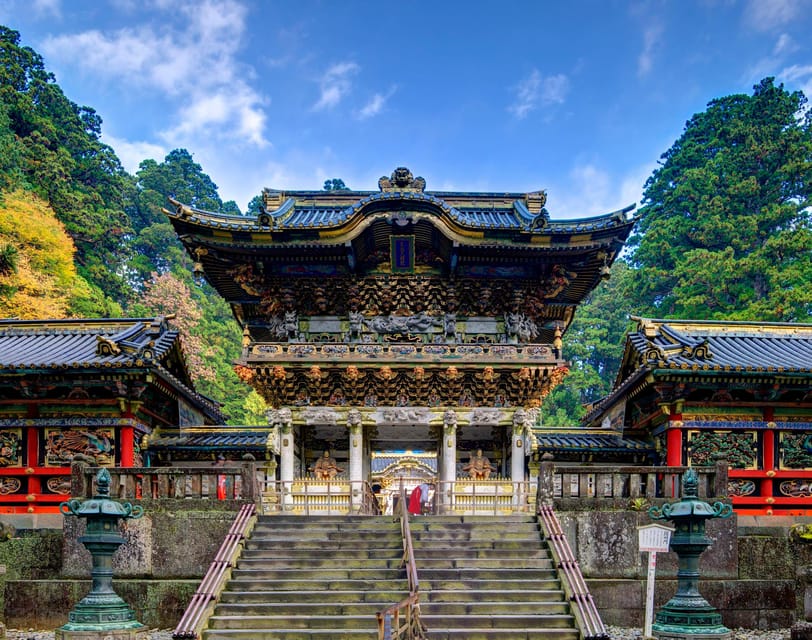
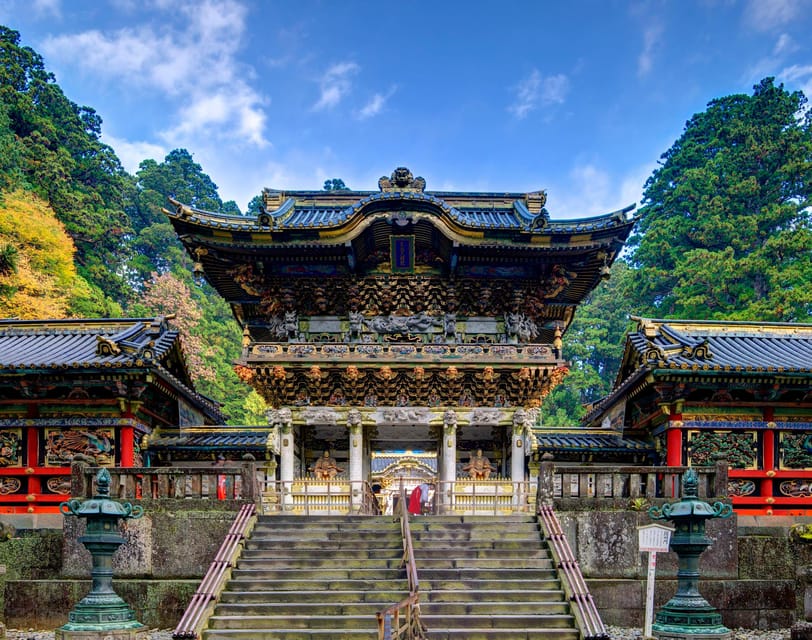
Toshogu is the place to expect the most visual drama. It honors Tokugawa Ieyasu, founder of the shogunate that governed Japan for more than 250 years, and its buildings use elaborate carvings, bright color, and gold details in a way that feels very different from the restrained style of many Japanese temples.
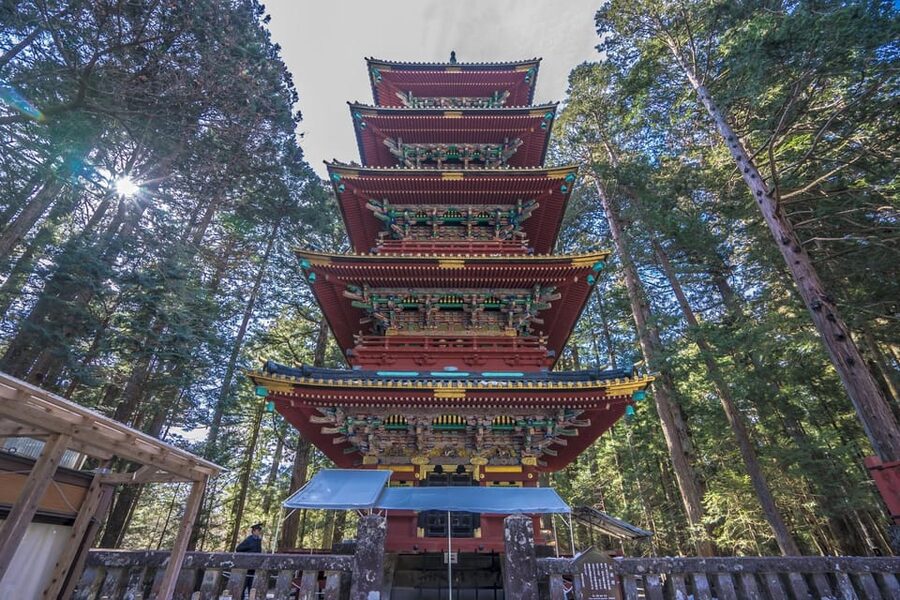
Look for the Sleeping Cat carving and the Three Wise Monkeys. The five-storied pagoda near the entrance is another major landmark and an easy place to get your bearings before moving deeper into the complex.
The planned visit is about 45 minutes, which is brief for a site with this much detail. You can see the main highlights, but you will need to keep moving. If Toshogu is your top priority, tell the guide early. The private setup may allow a small adjustment, though the long drive and many scheduled stops limit how much extra time is available.
Toshogu can also be busy, and its ornate surfaces reward close attention. I would rather spend a focused 45 minutes here than rush through every corner while worrying about the next stop. Your English-speaking driver or guide can add context, but ask who will provide the detailed guiding on the day, since the booking information identifies an English-speaking driver while past bookings describe both a guide and chauffeur.
Rinnoji Temple and Shinkyo Bridge
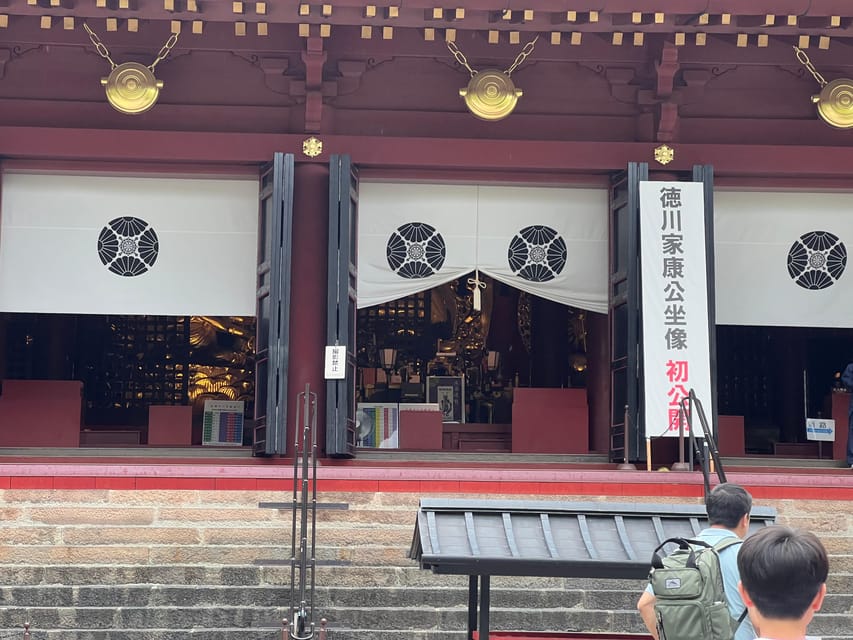
Rinnoji is Nikko’s most important Buddhist temple and one of its oldest religious sites. Its Three Buddha Hall contains large statues and a more solemn interior experience than Toshogu’s outdoor carvings.
The visit is planned for about 30 minutes, and entry is 400 yen for both adults and children according to the supplied pricing. This short stop works best if you enter with a clear idea of what you want to see. The temple offers a calmer counterpoint to Toshogu, but the schedule does not leave room for a long, unhurried temple visit.
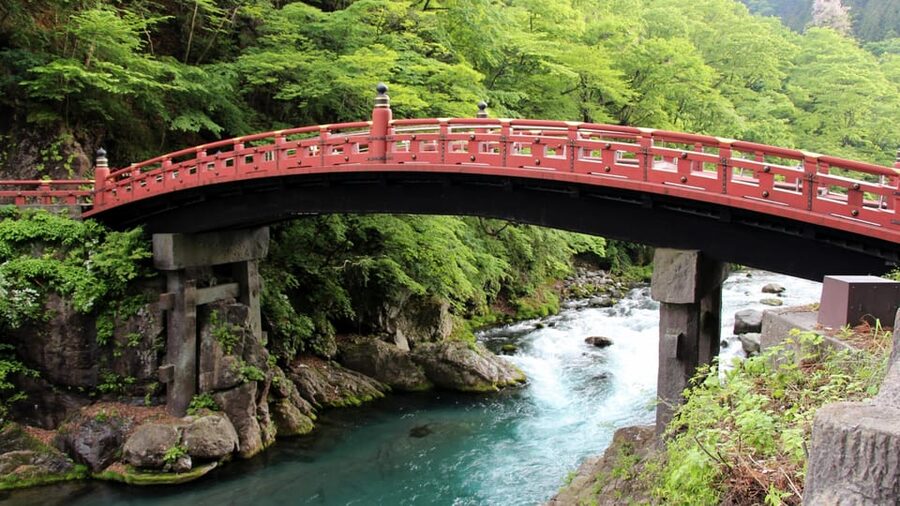
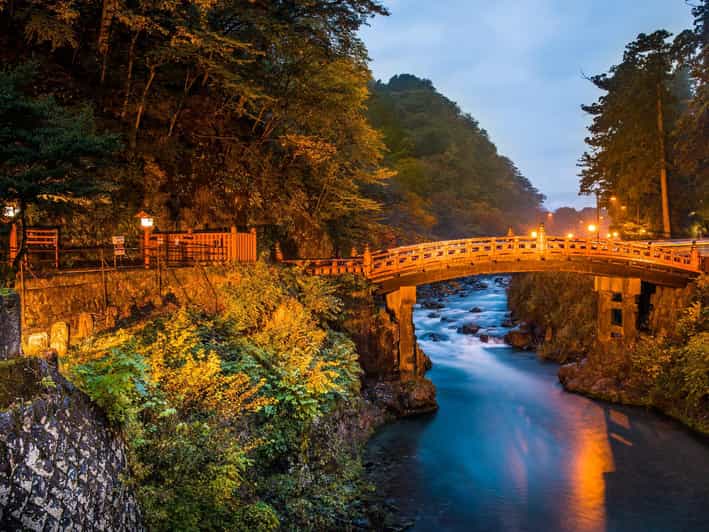
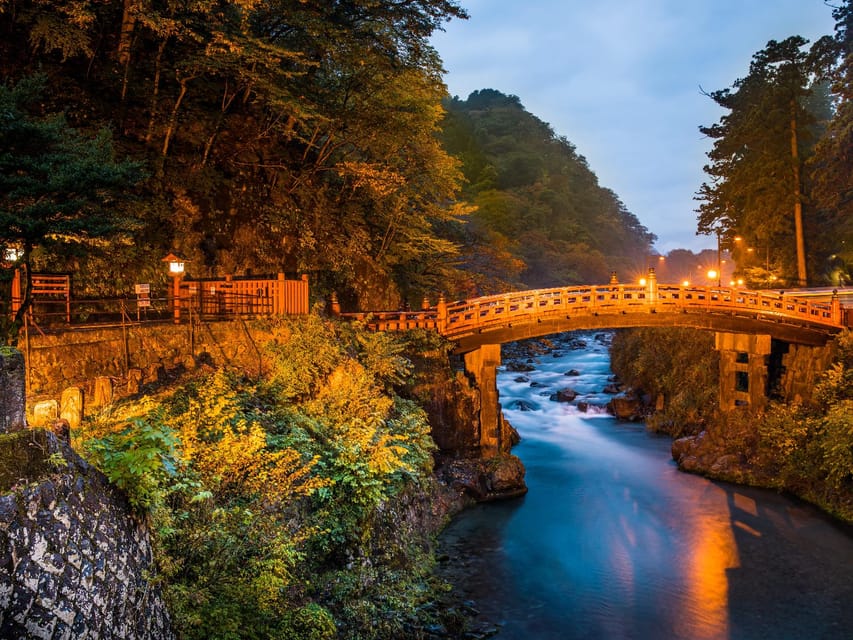
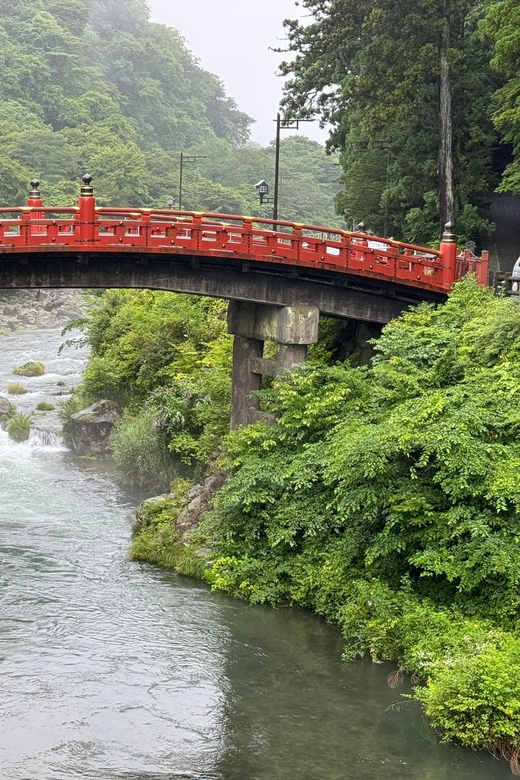
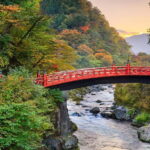
Shinkyo Bridge is a natural bookend to Nikko’s sacred center. Its bright red structure crosses the Daiya River and marks the ceremonial approach to the shrines and temples. You have about 30 minutes for a walk, photographs, and sightseeing.
The bridge is one of Nikko’s most recognizable views, but it is a short stop rather than a full activity. I would use the time to photograph the bridge from more than one angle and notice how its color contrasts with the river and wooded slopes.
Kanmangafuchi Abyss brings a quieter forest walk
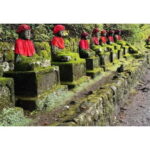
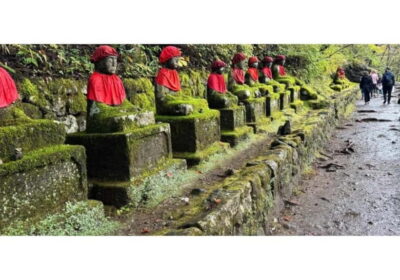
Kanmangafuchi Abyss gives the itinerary a change of pace. This scenic area follows the Daiya River through a rocky, wooded setting and is known for its line of stone figures. The 45-minute stop is mainly about atmosphere, walking, and photographs.
After the ornate buildings at Toshogu and Rinnoji, this section can feel refreshingly simple. Wear shoes with a good grip and clothing that works for a short forest walk. The tour requires comfortable shoes and clothes for good reason, since the day combines paved temple grounds, viewpoints, and uneven outdoor paths.
The name sounds dramatic, but the appeal is not a thrill ride. You are going there for the river, trees, rock, and quiet. If you prefer indoor museums and polished streets, this may be a less important stop. If you want a sense of Nikko beyond its headline sights, it earns its place.
What the private vehicle changes
Pickup is available from hotels, hostels, Airbnbs, apartments, or other specific addresses within Tokyo’s 23 wards. You need to wait in the lobby five minutes before the scheduled time, but allow for a possible delay of up to 30 minutes because Tokyo traffic can be unpredictable.
The vehicle is air-conditioned and includes WiFi and bottled water. Fuel, parking, private transport, and passenger insurance are included. Those details matter on a day with a long road journey and multiple mountain stops.
The main comfort question is group size. A party of four received a nice, comfortable van with strong air conditioning, while one booking found the vehicle too small for five people plus a guide and chauffeur. If you are booking the maximum group size, ask for the vehicle model and seating arrangement before paying. Five adults with day bags may feel very different from two adults and three children.
The drive also means you are not dependent on train connections or bus timetables. That is the tour’s biggest practical advantage. The downside is that traffic affects everyone, and a private car cannot make the Tokyo to Nikko road distance disappear.
Guide quality and flexibility
The strongest personal feedback centers on the staff. Imran is specifically praised for being polite, careful behind the wheel, good-humored, flexible with the route, useful with photographs, and able to explain the places visited. He also helped one group find a good vegan restaurant.
Those details tell you what to value here. A private guide is most useful when the weather changes, someone in your group needs a slower pace, or you want help with food rather than a memorized speech at each monument. Another English-speaking guide may handle your date, so treat Imran’s strengths as a helpful indication, not a guarantee.
Bad weather does not automatically ruin the day. One group had rain and received alternative sightseeing suggestions, with clean, comfortable transport and clear English. Still, mountain views are weather dependent, and Akechidaira or Lake Chuzenji may not deliver their best scenery under cloud or rain.
Timing, extra fees, and practical limits
The 10-hour duration includes pickup and drop-off. It is not 10 full hours at Nikko’s sights. The route includes Akechidaira, Lake Chuzenji, Kegon Falls, Kanmangafuchi Abyss, Tamozawa Villa, Toshogu, Rinnoji, Shinkyo Bridge, and Ryuzu Falls, so the day is ambitious.
I would book this tour when you want a broad introduction to Nikko and accept short visits. I would not choose it if you want to study every shrine carving, take a long lake cruise, or spend a slow afternoon by the water.
Bring cash for admission, food, snacks, and any optional cruise. Lunch is not included. Alcohol is not allowed in the vehicle, and smoking, drugs, fireworks, and alcoholic drinks in the vehicle are prohibited.
Pickup outside Tokyo’s 23 wards costs extra. Airports and cruise terminals are not served, so do not assume that a convenient airport transfer is part of the arrangement. Confirm your exact pickup address before booking.
Free cancellation is available up to 24 hours before the tour, and you can reserve now and pay later. Special needs such as a child seat, dietary restrictions, or allergies should be reported in advance. The experience is not suitable for people over 95.
Who should book this Nikko day trip?
I would recommend it most strongly to families, couples traveling with friends, and small groups who want a private day without managing several transport changes. It also suits first-time visitors who want the major Nikko sights in one sweep and appreciate help choosing food or changing the route.
It is a good fit for photographers too, especially in autumn, when Akechidaira, Lake Chuzenji, Kegon Falls, and Ryuzu Falls can all offer strong views. Just remember that the guide cannot control mountain weather or Tokyo traffic.
Solo visitors and couples should compare the group price with a regular train-based Nikko visit. You may save money by going independently, though you will give up the door-to-door convenience and the ability to move between distant sights without handling local transport.
Should you book it?
Book this tour if you value coverage, comfort, and personal help more than a slow pace. You will see Nikko’s most famous shrine, temple, bridge, villa, waterfalls, lake, river gorge, and mountain viewpoint in one demanding day.
Skip it if your priority is quiet exploration or a lower-cost outing. For a group of four or five, the $761 price can make sense, but confirm the vehicle size, guide arrangement, pickup address, and likely extra fees first. For the right group, this is a practical way to reach Nikko from Tokyo and come away with both its grand monuments and its wild mountain scenery.
FAQ
How long is the Tokyo to Nikko private tour?
The tour lasts 10 hours, including pickup from Tokyo and return to Tokyo.
Where is pickup available?
Pickup is available from hotels, hostels, Airbnbs, apartments, and specific addresses within Tokyo’s 23 wards.
Is pickup available from an airport or cruise terminal?
No. Airport and cruise terminal pickup is not provided. Confirm your pickup location before booking.
How many people can join the private tour?
The price covers a private group of up to five people.
Is lunch included?
No. Lunch is not included in the tour price.
Which entrance fees are extra?
Extra fees include Akechidaira observation area access, the Lake Chuzenji cruise, Kegon Falls, Tamozawa Imperial Villa, and Rinnoji Temple. Adult prices listed are 1,000 yen, 1,400 yen, 570 yen, 600 yen, and 400 yen respectively.
Is an English-speaking guide or driver provided?
An English-speaking driver is provided. The experience information and past bookings also refer to a guide and chauffeur, so confirm the exact staffing arrangement for your date.
Can I cancel the tour?
Yes. You can cancel up to 24 hours in advance for a full refund. You can also reserve now and pay later.
More Private Tours in Tokyo

More Guided Tours in Tokyo
More Nikko Day Trips in Tokyo
More tours in Tokyo we've reviewed












Nikko Day Trips, compared.
 ★ 4.5Tokyo: Nikko Toshogu Shrine and Kegon Waterfall TourFrom $8410h 30m
 ★ 5.0Nikko, Kegon Waterfall & Chuzenji Lake from TokyoFrom $89
 ★ 4.4From Tokyo: Nikko, Toshogu Shrine, Waterfall & Chūzenji LakeFrom $54
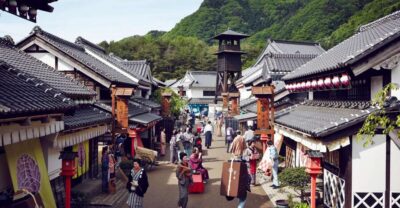 ★ 4.3Nikko: Edo Wonderland Edomura Cultural Theme Park TicketFrom $351 day
 ★ 4.8Tokyo: Nikko World Heritage Private Day Trip Hotel Pick-upFrom $39011 hours - 1 day
From Tokyo: Nikko World Heritage Sight Full Day Private TourFrom $36210 hours
★ 4.8Tokyo: Nikko World Heritage Private Day Trip Hotel Pick-upFrom $39011 hours - 1 day
From Tokyo: Nikko World Heritage Sight Full Day Private TourFrom $36210 hours