Reviewed · TOKYO FOOD TOURS
Tokyo: Tsukiji Fish Market Visit and Asakusa Food Tour
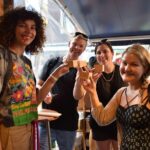
Tsukiji is the star here: you walk its food lanes with a local guide, tasting omelet, fish cake, tuna sashimi, sake, and sushi before heading to Asakusa for sweets and Senso-ji. I like the small group of no more than 10 and the way the tour links two very different Tokyo districts in one morning. I also like that guide Kyoko-san knows the market’s vendors and can help you find good souvenirs.
In This Article
- Key points at a glance
- Tsukiji begins with a temple, not a fish stall
- Two hours among Tsukiji’s market lanes
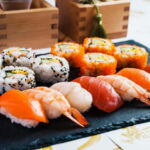
- The tasting list is the heart of the morning
- From Tsukiji to Asakusa by public transportation
- Asakusa starts above Nakamise Street
- A café pause before Senso-ji
- Senso-ji and the final 75 minutes in Asakusa
- Why the small group matters
- Is $151 a fair price?
- Who should book this Tokyo food tour?
- Practical advice for a smooth morning
- FAQ
- Where does the tour start?
- What time does the tour begin?
- How long does the experience last?
- Is Tsukiji’s inner market included?
- What food is included?
- Is transportation included?
- Is the tour conducted in English?
- Can children under 20 drink the included sake?
- Should you book it?
The main consideration is timing. You must arrive at the Tsukiji Hongan-ji main gate by the sharp 8:30 AM start, and this tour does not enter Tsukiji’s inner market. At $151 per person, the value depends on how much you want guided food tasting, a sushi meal, transportation, and cultural context in one half-day.
Key points at a glance
- Six named food experiences: Try Japanese omelet, fried fish cake, fresh tuna sashimi, sake, sushi, and Japanese sweets.
- Two major Tokyo districts in 5.5 hours: Move from seafood stalls and market lanes in Tsukiji to temples and shopping streets in Asakusa.
- Small group format: The group is limited to 10 people, which makes it easier to hear the guide and ask questions.
- A real sushi lunch is included: The food is not limited to quick samples. You also sit down at a local sushi restaurant.
- Asakusa includes a café break: Rest with a Japanese savory sweet, such as a matcha green tea parfait, before visiting Senso-ji.
- A useful choice for first-time Tokyo visitors: The route covers several major sights efficiently, but it keeps the focus on food and local explanation.
Tsukiji begins with a temple, not a fish stall
Meet your guide at the main gate of Tsukiji Hongan-ji Temple. This is a practical meeting point because it is easy to identify, and the short temple visit gives you a little cultural grounding before the food begins.
You spend about 15 minutes with the guide at Tsukiji Hongan-ji. The temple is a striking opening to the morning, and it helps you see Tsukiji as more than a place to grab seafood. You get a quick look at the district’s religious and local setting before moving into the market lanes.
Arrive early. The tour begins at 8:30 AM sharp, so this is not a morning activity for a casual, last-minute start. If you are staying far from Tsukiji, allow extra time for Tokyo’s train connections and the walk to the temple gate.
A few more Tokyo tours and experiences worth a look

Two hours among Tsukiji’s market lanes
The Tsukiji you visit is the outer market, with shops and food stalls open to the public. You will not enter the inner market, so set your expectations correctly. This experience is about walking through the commercial streets, sampling food, and learning about the market from the guide.
The route takes about two hours. You might see seafood, vegetables, cooking supplies, and small shops serving local customers and professional chefs. The attraction is not one grand building or a single viewpoint. It is the collection of narrow paths, shop counters, food smells, and quick exchanges around you.
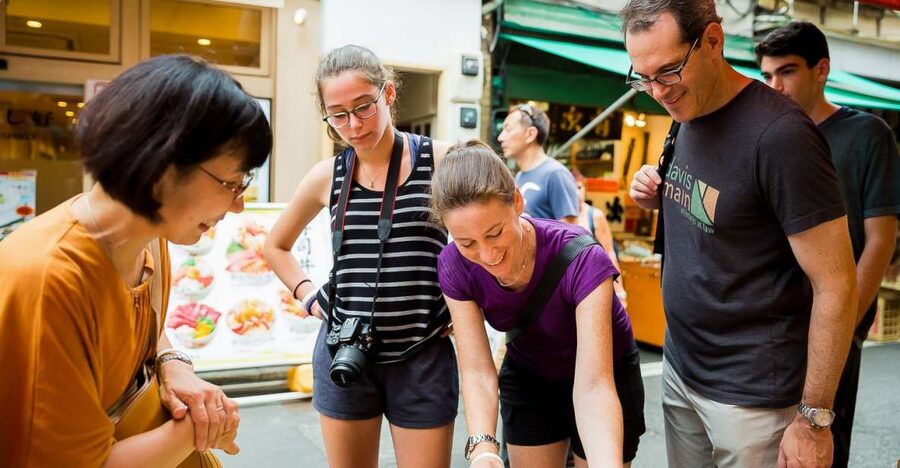
The guide adds value here. A market can be confusing when you do not know what to look for or how the shops fit together. A local guide can point out useful stops, explain food customs, and help you avoid spending your time simply wandering in circles.
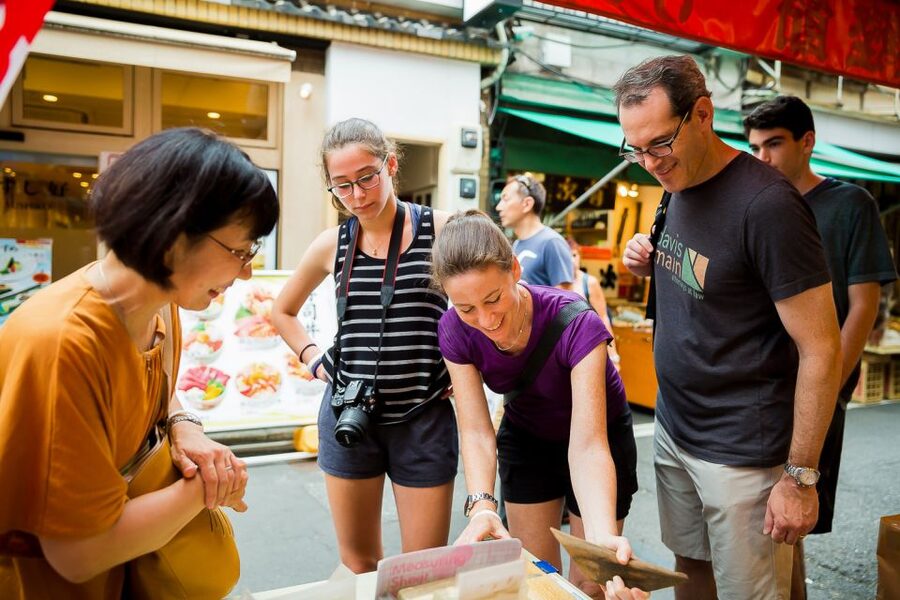
One especially useful detail comes from the guide experience described for Kyoko-san. She knows many vendors and can help with souvenirs, which is handy in a market where labels and products may not be easy to understand. You still need to choose and pay for your own purchases, but having someone explain what you are seeing can make the shopping far less uncertain.
The food is eaten as you walk. This keeps the pace lively, though it means you should be comfortable standing, walking, and handling small tastings in a crowded public market. Wear comfortable shoes and keep your belongings secure.
The tasting list is the heart of the morning
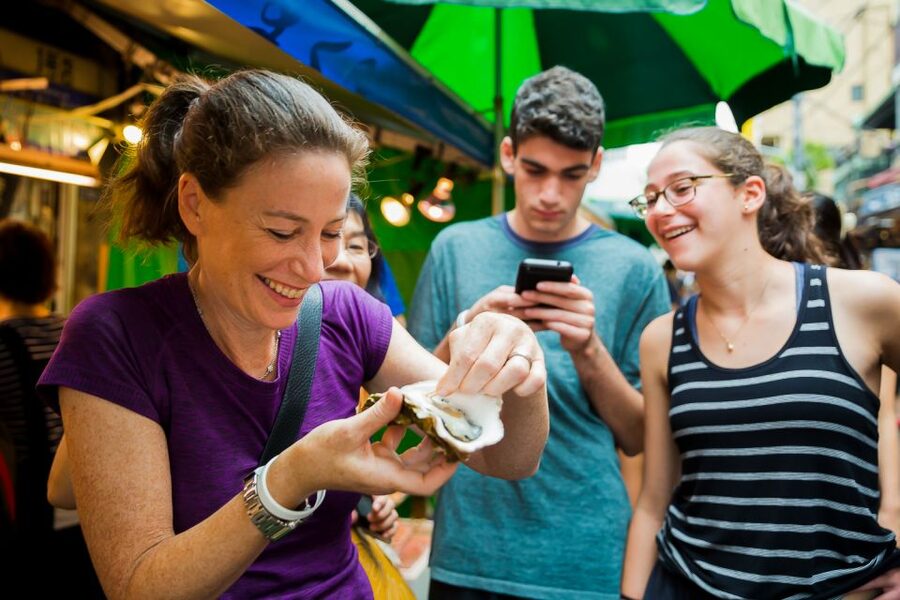
This is not a tour built around one oversized meal. Instead, you sample several familiar Japanese foods in different forms, then sit down for sushi. That variety is one of the strongest reasons to consider the price.
The included food experiences are:
- Japanese omelet
- Fried fish cake
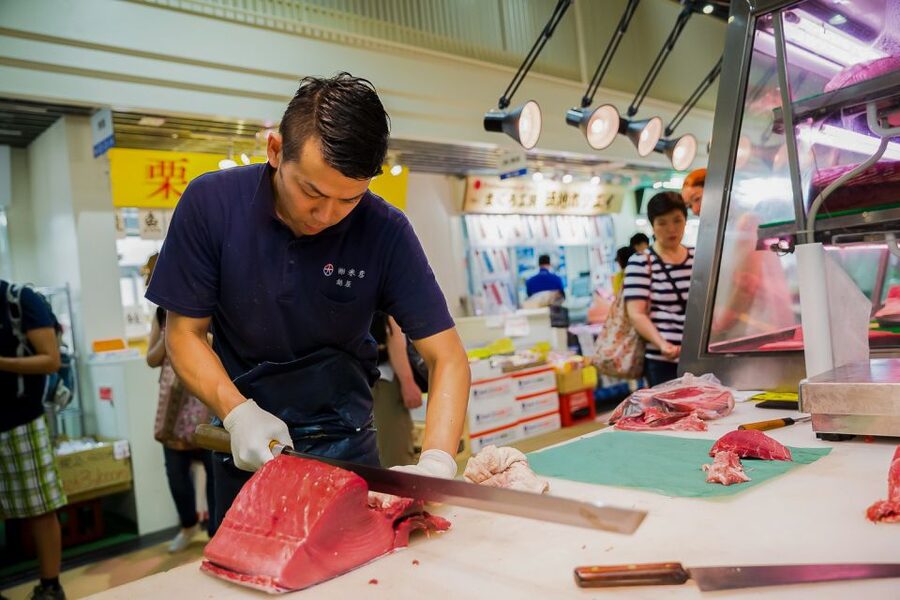
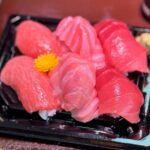
- Fresh tuna sashimi
- Sake
- Sushi at a local sushi restaurant
- Japanese sweets
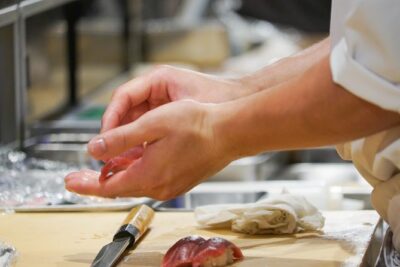
The omelet and fried fish cake offer a gentler start if raw fish is not your usual choice. Tuna sashimi brings you closer to the seafood identity of Tsukiji, while the sushi meal gives the tasting a proper finish rather than leaving you with only small street-food samples.
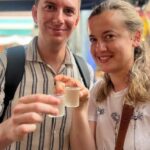
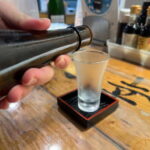
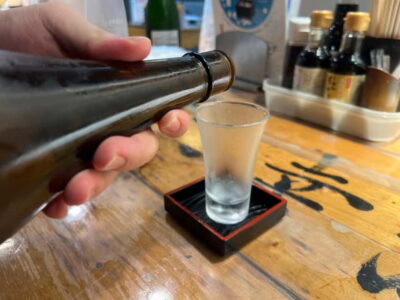
Sake is included, but Japan’s legal drinking age is 20. If you are under 20, an alternative drink is provided. Make sure you tell the provider about food preferences and allergies in advance. This matters on a food tour, since the route includes seafood, raw tuna, and alcohol.
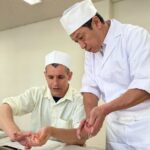
The exact vendors and food portions are not specified, so do not book this expecting a fixed restaurant menu or a formal sushi class. Think of it as a guided tasting walk with a local sushi lunch.
From Tsukiji to Asakusa by public transportation
After the Tsukiji portion, you travel to Asakusa by public transportation. The transfer takes about 15 minutes, and transportation from Tsukiji to Asakusa is included.
This short ride helps the day feel like two connected experiences rather than one long walk. Tsukiji is centered on food and commerce. Asakusa shifts the mood toward traditional streets, Buddhist worship, shopping, and sweets.
You will need to manage your own pace during the transfer and follow the guide closely. The tour is designed to move efficiently through busy places, so it is not ideal for someone who wants to stop at every shop or spend a long time photographing each street.
Asakusa starts above Nakamise Street
The Asakusa Culture Tourist Information Center is the first stop in the district, with about 10 minutes of guided explanation. It is a useful orientation point before the group enters the main shopping and temple area.
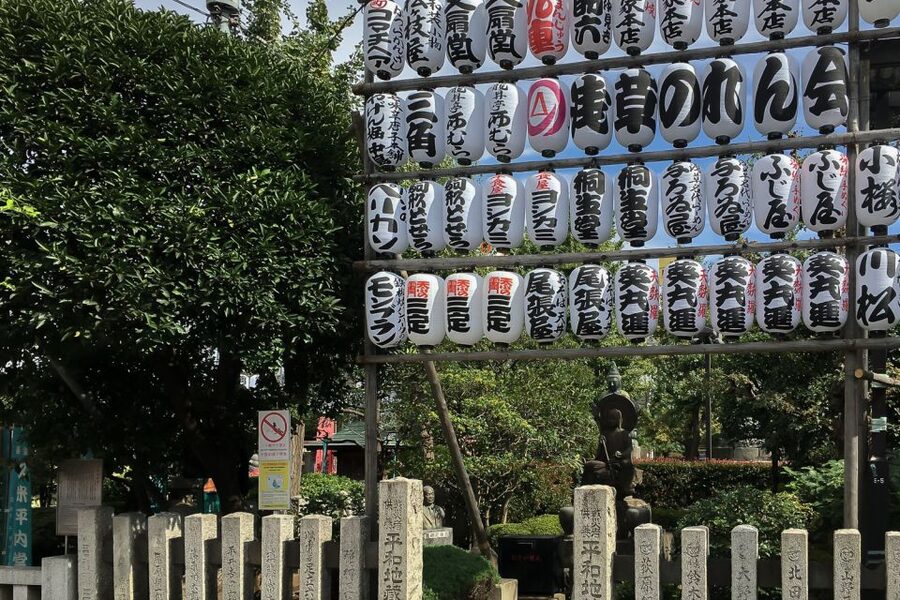
Next comes Nakamise Shopping Street, where the guide spends roughly 15 minutes showing you the route toward Senso-ji. This is one of Asakusa’s best-known stretches, lined with shops and traditional-style souvenirs. A short guided walk helps you understand how the street connects to the temple grounds.
Do not expect a long shopping session here. The schedule gives you a taste of Nakamise rather than an open-ended browsing period. If you see a souvenir you truly want, ask the guide about it, but keep in mind that the group needs to stay together.
A few more Tokyo tours and experiences worth a look
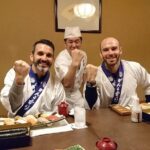
A café pause before Senso-ji
Before visiting Senso-ji, the tour stops at a Japanese café for traditional sweets. The experience specifically mentions savory Japanese sweets, such as a matcha green tea parfait.
This break is well placed. The morning begins with walking and food samples, then the public transport transfer adds another change of pace. Sitting down for a sweet gives you time to rest before the final temple and neighborhood portion.
The café stop also broadens the food focus. Tsukiji introduces seafood and market snacks, while Asakusa offers a more relaxed look at Japanese dessert culture. Matcha-based sweets can be bitter, creamy, and sweet at once, so this is a good chance to try something different without committing to a full dessert meal.
The information does not specify the exact café or dessert served on every departure. The listed example is a matcha green tea parfait, so treat that as the kind of sweet to expect rather than a guaranteed item.
Senso-ji and the final 75 minutes in Asakusa
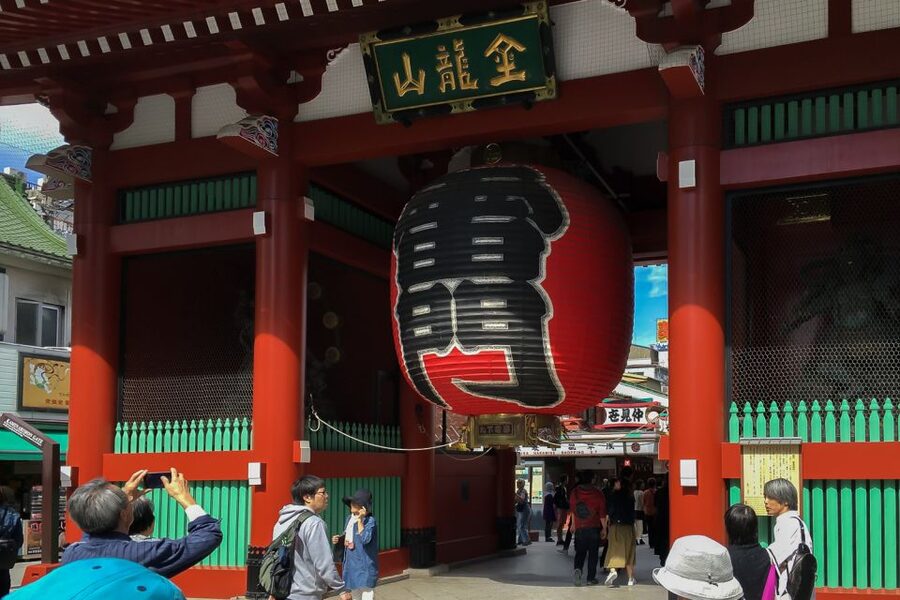
Senso-ji receives about 25 minutes of guided attention. As Tokyo’s oldest Buddhist temple, it gives the Asakusa visit its main cultural anchor.
A guide can help you understand the temple’s importance and explain what you are seeing instead of reducing the stop to a quick photo. You will have a clearer sense of how the temple fits into Asakusa’s traditional character, even within a fairly short visit.
The final Asakusa segment lasts about 75 minutes. That is a useful amount of time for an introduction to the area, but it is not enough for every temple corner, side street, and shop. The tour is best for getting your bearings fast. You can return later if Asakusa catches your interest.
The activity finishes at 2 Chome-18-13 Kaminarimon, in Taito-ku. The meeting information also describes the activity as ending back at the meeting point, so check the confirmed end details when booking if you need to plan a tight afternoon connection.
Why the small group matters
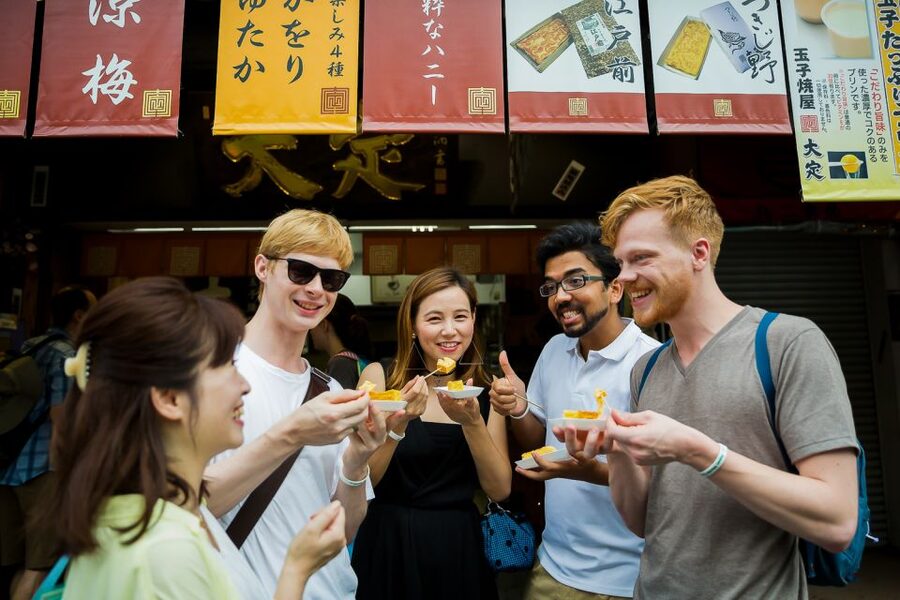
The group is limited to 10 participants. That size is small enough for a guide to keep people together in market lanes and busy temple areas without turning the experience into a private tour.
I like small groups for this particular route because the food stops require coordination. You need to hear what you are tasting, know where to stand, and move on without blocking shop entrances. A group of 10 is also more manageable on public transportation than a large coach-style tour.
It remains a group tour, not a private outing. You will share the food stops, walking pace, and guide’s attention with other people. If you want to linger over one shop or adjust the schedule around photography, a private guide would offer more freedom.
The English-speaking guide is central to the experience. The available information identifies Kyoko-san as a guide who is friendly, familiar with many market vendors, and helpful with souvenirs. Guides can vary by departure, so do not assume Kyoko-san will lead every date, but the format is built around live English explanation.
Is $151 a fair price?
At $151 per person, this is not the cheapest way to eat in Tsukiji or visit Asakusa. You can walk through both districts independently for far less, buy individual snacks, and pay for public transportation as you go.
The price becomes easier to justify if you value structure. You receive a 5.5-hour guided experience, several food tastings, a sushi meal, Japanese sweets, an English-speaking guide, and transportation from Tsukiji to Asakusa. You also avoid spending your first morning in Tokyo guessing which stalls are worth your time.
The strongest value is the combination. A cheap food walk might cover snacks but skip the temple context. A sightseeing tour might show Senso-ji but offer no meaningful taste of Tsukiji. This experience ties the two together.
The value is weaker if you already know both districts, prefer choosing your own restaurants, or do not eat seafood. Raw tuna, sushi, and market food are important parts of the route. Tell the provider about allergies and food preferences before the tour, but do not book it expecting a seafood-free experience unless you receive clear confirmation.
Who should book this Tokyo food tour?
I would recommend it most strongly to first-time Tokyo visitors who want a guided introduction without spending a full day on sightseeing. You get two major areas, a local food focus, and enough explanation to make a later independent visit easier.
It also suits people who enjoy trying several small foods rather than sitting down for one long meal. The mix of omelet, fish cake, sashimi, sake, sushi, and sweets gives you a broad sample of Japanese flavors.
The tour can work well for solo visitors and couples who want company and local direction. A small group makes it easier to ask questions, and the guide can help with the practical side of the market.
It is less suitable for anyone who wants to visit Tsukiji’s inner market, sleep late, avoid walking, or spend most of the day shopping. It is also a poor match if you cannot eat the main seafood tastings and do not confirm suitable alternatives in advance.
Practical advice for a smooth morning
Arrive before 8:30 AM at the main gate of Tsukiji Hongan-ji Temple. The start is sharp, and a late arrival could mean missing the group.
Wear comfortable walking shoes. The schedule includes two hours in Tsukiji, movement through Asakusa, a walk of about 10 minutes between stops, and several periods on your feet.
Keep your morning flexible. The route includes food stops, a restaurant lunch, a café break, and sightseeing, so you should not schedule another major activity immediately after the stated 5.5-hour duration.
Tell the provider about allergies and food preferences ahead of time. Also state your age if you are under 20, since an alternative drink replaces sake.
Cancellation is free up to two days in advance for a full refund. That gives you some room to adjust plans, but it does not remove the need to arrive on time once the tour date arrives.
FAQ
Where does the tour start?
It starts at the main gate of Tsukiji Hongan-ji Temple.
What time does the tour begin?
The tour begins at 8:30 AM sharp. Check availability when booking for the current starting time details.
How long does the experience last?
The experience lasts 5.5 hours.
Is Tsukiji’s inner market included?
No. The tour visits the Tsukiji outer market area and does not enter the inner market.
What food is included?
The food includes Japanese omelet, fried fish cake, fresh tuna sashimi, sake, sushi at a local sushi restaurant, and Japanese sweets.
Is transportation included?
Transportation from Tsukiji to Asakusa by public transport is included.
Is the tour conducted in English?
Yes. It includes a live English-speaking guide.
Can children under 20 drink the included sake?
No. The minimum drinking age in Japan is 20. An alternative drink is available for people under 20.
Should you book it?
Book this tour if you want a guided food morning that also covers two essential Tokyo districts. The best parts are the small group, the broad food selection, the sit-down sushi meal, and the local help available in Tsukiji, especially with vendors and souvenirs.
Skip it if entering the inner market is your main goal, if you prefer independent dining, or if seafood is not part of your diet. For the right person, $151 buys more than a list of tastings. It buys a well-organized introduction to Tsukiji and Asakusa, with enough local explanation to help you explore both areas on your own later.
More Tokyo Food Tours in Tokyo



More Tsukiji Market Tours in Tokyo
More Asakusa Tours in Tokyo
More tours in Tokyo we've reviewed












Tokyo Food Tours, compared.
 ★ 5.0Tokyo: Shinjuku Food Tour (13 Dishes at 4 Local Eateries)From $86
 ★ 4.9Tokyo: Shinjuku Food Tour (13 Dishes and 4 Eateries)From $97
 ★ 5.0Tokyo Night Foodie Tour in Shinjuku – Seasonal Sushi, Wagyu BeefFrom $111
 ★ 5.0Eat and Drink Like a Local: Tokyo Ueno Food Tour-Taverns&RamenFrom $95
 ★ 5.0Tokyo: Shibuya Food Tour (13 dishes and 4 Eateries)From $77
Tokyo: Shinjuku Food Tour – 15 Dishes, 3 Drinks, 4 EateriesFrom $723 hours