Reviewed · SAKE TASTING
Sake & Food Pairing with Sake Professional
Sake can be far more varied than the hot, strong drink many visitors first picture. This 150-minute tasting in Shinjuku introduces five types from across Japan, with a sake professional explaining how each one differs and how food changes its character.
In This Article
- Key points
- Five Sakes That Change the Usual Sake Picture
- A 150-Minute Lesson at Ushinobi Sake Bar
- How the Tasting Chart Helps You Choose Sake
- Japanese Snacks Show Why Pairing Matters
- Guides Who Make the Lesson Feel Personal
- Meeting Japanese Sake Lovers in Shinjuku
- Is $69 a Fair Price?
- Who Will Enjoy This Sake Class Most?
- Practical Tips for a Better Session
- Should You Book This Sake Experience?
- FAQ
- Where does the sake tasting take place?
- How long does the activity last?
- How many people can join the group?
- Is the activity conducted in English?
- How many types of sake will I taste?
- Is food included?
- Do the snacks count as a full meal?
- Is transportation included?
- Can I cancel for a refund?
- Can I reserve without paying immediately?
I like the small group size, limited to 10 people, and the hands-on tasting chart you create as you go. I also like that the session brings together Japanese sake lovers and international visitors, so you can pick up local drinking tips along with the basics. The main drawback is simple: the snacks are not a full meal, and one attendee sensibly advised eating beforehand.
Key points
- Five styles from across Japan: Taste a range of sake rather than one familiar example.
- Your own tasting chart: Record what you notice and learn what to look for when buying sake.
- English-speaking guides: Guides such as Tadashi, Andrea, Max, Joe, and others have led lively sessions.
- Small Shinjuku setting: With no more than 10 participants, the lesson can feel personal.
- Japanese snacks included: Small pairings show how sake works with food, but they will not replace dinner.
Five Sakes That Change the Usual Sake Picture

The best reason to book this session is the range. You are not simply handed a glass and told to enjoy it. You taste five different kinds of sake from breweries across Japan, then compare them using a simple tasting chart.
That comparison matters. A person who has only tried one forceful sake may assume the whole category tastes the same. Here, you can encounter styles that change your view of the drink, including bottles that may feel lighter, sweeter, drier, fruitier, or more suited to food. The exact brands and styles can vary, but the purpose is clear: show you how broad sake can be.
I like the chart because it gives the tasting a useful shape. You can note what you smell and taste, then see which styles suit you. Even if you forget some of the technical terms, you leave with a way to think about sake instead of choosing a bottle by its label alone.
The session also puts modern sake in context. Traditional breweries are now producing a wider range of styles as younger family members take over long-running businesses. That helps explain why sake today can feel both rooted in old methods and open to new tastes.
A few more Tokyo tours and experiences worth a look

A 150-Minute Lesson at Ushinobi Sake Bar

The meeting place is Ushinobi Sake Bar in Shinjuku. It is near Okubo Station, JB09, at the South Exit. Enter directly on the second floor.
The entrance is somewhat difficult to spot, so I would study the supplied venue image before leaving your hotel. This is not the kind of meeting point where you want to arrive with only a few minutes to spare. Give yourself time to find the building and the correct stairway or entrance.
Once the session begins, the setting is intended for learning and tasting rather than a quick bar stop. The guide introduces the sake, explains the breweries, and helps you compare the samples. You do not need a strong background in Japanese food or drink. The class is designed for people with limited sake experience, and the teaching is in English.
The full time is 150 minutes, which gives the guide room to move at a steady pace. You can ask questions, taste carefully, and talk with the other people in the group without rushing through five glasses. A group of 10 is small enough for personal attention, though the feel may depend on how many people book on your date.
How the Tasting Chart Helps You Choose Sake
Sake labels can be confusing, especially when you are standing in a Japanese shop with little idea what to buy. This class gives you a basic set of points to consider before you make that choice.
You will create your own chart during the tasting. The chart is not just a school exercise. It lets you compare one sake with another while the differences are fresh in your mind. You may find that you prefer a softer style with snacks, or that a sake you expected to dislike is actually your favorite.
The guide also explains each brewery. That adds a human and regional side to the tasting. Instead of treating sake as a single national product, you begin to see how different producers approach it.
I would not expect a professional certification course or a technical lesson for industry workers. This is a friendly introduction. Its value comes from giving you a vocabulary and a tasting method that you can use later in Tokyo restaurants, sake bars, or bottle shops.
Japanese Snacks Show Why Pairing Matters

Small Japanese snacks are included with the five tastings. Their job is to show how sake behaves with food, not to provide a large meal.
That distinction is important. One attendee found the food too light and suggested eating before the session. Another specifically advised arriving after a meal because there is plenty of sake to taste. I would follow that advice, especially if you are not used to drinking several samples over two and a half hours.
The snacks still add real value. Tasting sake by itself tells you one thing; tasting it with food can change the balance. A sample that seems sharp alone may work better with a salty bite. Another may seem gentle until paired with a stronger flavor.
Food pairing also makes the lesson more practical. You are not only learning which drink you like. You are thinking about when to serve it, what to order with it, and why a local restaurant might recommend one bottle over another.
Do not book this as a substitute for dinner. Have a proper meal first, drink water when you can, and treat the snacks as tasting companions.
Guides Who Make the Lesson Feel Personal

The guide is a major part of this activity. The session is in English, and the strongest praise has focused on clear explanations, friendly energy, and a talent for making sake less intimidating.
Tadashi has been praised for excellent English and strong sake knowledge. Anne described his style as energetic and easy to follow. Andrea has also led sessions, creating a relaxed atmosphere while explaining the drink and sharing her affection for Tokyo.
Other named hosts include Max and Joe. Max was described as a strong host who knew his subject well. Joe helped one couple with useful recommendations beyond the tasting, which is a welcome bonus when you are still finding your way around Tokyo.
Guide assignments can change, so you should not book solely for one particular person. Still, these names show the kind of session you can expect: an expert who teaches, answers questions, and may offer local suggestions rather than simply pouring drinks.
A small group helps here. With up to 10 participants, you have a better chance to ask about a sake you dislike, a bottle you want to buy, or a restaurant pairing you are considering.



Meeting Japanese Sake Lovers in Shinjuku

This is more than a private lecture about brewing. You also meet Japanese sake lovers and other visitors in a social setting.
That mix can be useful. Local participants may have favorite styles, bars, or buying habits to share. International participants often bring the same basic questions you have, which can make the class feel less formal.
The social side is particularly helpful if you are traveling alone or want an activity that gives you an easy way to talk with people. The tasting supplies a natural subject, so conversation does not depend on forced introductions.
The group size remains the key factor. A full group may feel more social, while a quiet date with fewer bookings can become almost private. One session with only two participants turned into a personalized lesson. That possibility adds value, though it is not something you can count on.
Shinjuku also makes a practical base for the evening. The activity itself does not include transport, so you must reach Ushinobi Sake Bar on your own. Check the station and venue directions before setting out.
Is $69 a Fair Price?

At $69 per person, this is not the cheapest way to drink sake in Tokyo. You could certainly order a bottle or a few glasses for less, especially if your only goal is alcohol.
The price makes more sense when you count the instruction. You receive five tastings, Japanese snacks, a 150-minute English-language lesson, guidance from a sake professional, and a personal tasting chart. You are paying for comparison and explanation, not just liquid in a glass.
I consider that fair for someone who wants to understand sake rather than simply sample it. The value is also stronger if you expect to buy sake later in your trip. A little knowledge can help you avoid ordering another bottle in a style you already know you do not enjoy.
The value is weaker if you want a full meal, a brewery visit, or a broad Tokyo food tour. None of those is promised here. You should also remember that the snacks are modest, and transport to the venue is not included.
Free cancellation is available up to 24 hours before the start time for a full refund. You can also reserve now and pay later, which helps if your Tokyo plans are still changing. Check the available starting times because the exact schedule is not fixed in the information provided.
Who Will Enjoy This Sake Class Most?

I would recommend this to first-time sake drinkers, curious food lovers, and visitors who have tried sake before but found it too strong. The five-style format gives beginners a clear introduction without demanding much prior knowledge.
It also suits a sake fan who wants to understand Japanese bottles better. Even someone who already has a favorite style may enjoy comparing producers and learning how food affects the drink.
Couples can use it as a relaxed afternoon or evening activity. It also works for solo visitors because the small group gives you an easy social setting. If you enjoy asking questions, the class should offer more value than a self-guided stop at a bar.
I would be more cautious if you need a full meal, dislike group activities, or want a brewery tour. The class takes place at a sake bar, not at a production site, and its focus is tasting and instruction.
Pregnant women should not book this activity. You should also tell the supplier in advance about dietary restrictions. The available information does not specify how every restriction can be handled, so ask before reserving if food is a concern.
Practical Tips for a Better Session

Eat before you arrive. This is the most useful advice from the available details, since the snacks are small and five tastings can add up.
Plan your route to Okubo Station carefully. The venue is on the second floor, and the entrance is partly hidden. Look at the directions image ahead of time rather than trying to solve the problem on the street.
Arrive ready to taste, not to rush. The session lasts 150 minutes, so you will get more from it if you take notes and compare each pour instead of treating it like a series of quick shots.
Keep your tasting chart. It can help you later when you want to order sake with dinner or choose a bottle as a gift. You may also want to write down the brewery names and the styles you prefer while the information is fresh.
I would leave room in your evening for a relaxed dinner or a walk afterward. The activity includes alcohol but not transport, and the best follow-up is to use what you learned at a Tokyo restaurant.
Should You Book This Sake Experience?
Book it if you want a clear, social introduction to sake with enough time to compare five different styles. The English-speaking guides, small group, brewery background, tasting chart, and food pairings make this more useful than simply ordering a random glass at a bar.
The strongest reasons to choose it are the range of sake and the quality of the teaching. Guides including Tadashi, Andrea, Max, and Joe have brought energy, clear explanations, and practical Tokyo advice to the session.
Skip it if you are searching for a substantial dinner, a brewery tour, or a private tasting guaranteed with a particular guide. For everyone else, $69 is a reasonable price for a focused lesson that may change how you think about sake and help you order with more confidence during the rest of your Japan trip.
FAQ
Where does the sake tasting take place?
It takes place at Ushinobi Sake Bar in Shinjuku, near Okubo Station, JB09, at the South Exit. Enter the venue directly on the second floor.
How long does the activity last?
The tasting lasts 150 minutes.
How many people can join the group?
The group is limited to 10 participants.
Is the activity conducted in English?
Yes. The live guide language is English.
How many types of sake will I taste?
You will taste five different kinds of sake from across Japan.
Is food included?
Yes. Japanese snacks are included with the sake tastings.
Do the snacks count as a full meal?
No. The snacks are not a full meal, so you should eat before arriving.
Is transportation included?
No. You must arrange your own transport to Ushinobi Sake Bar.
Can I cancel for a refund?
You can cancel up to 24 hours in advance for a full refund.
Can I reserve without paying immediately?
Yes. The reserve-now, pay-later option lets you book your spot without paying today.
More Food Experiences in Tokyo


More tours in Tokyo we've reviewed












Sake Tasting, compared.
 ★ 5.0Ramen and Sushi Cooking Class with Sake Pairing Set in TokyoFrom $79
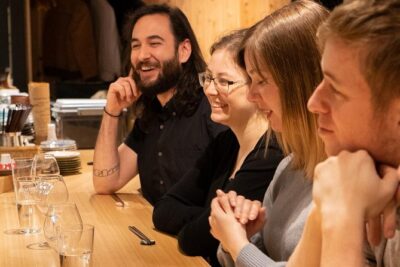 ★ 5.0Sake Tasting Masterclass in Shinjuku (8+ Varieties with a Pro)From $72
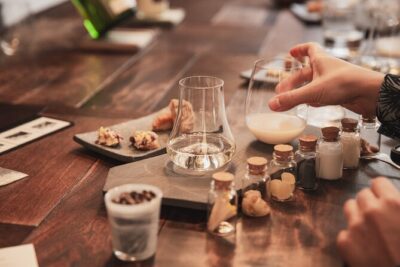 ★ 5.0Sake Omakase in Tokyo: Guided Tasting by Certified SommeliersFrom $79
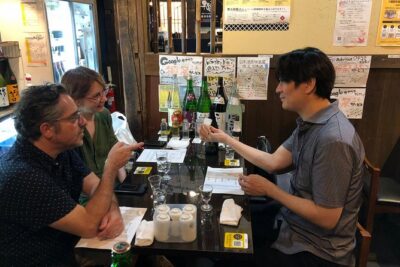 ★ 5.0Tasting All Types of Sake with SommelierFrom $62
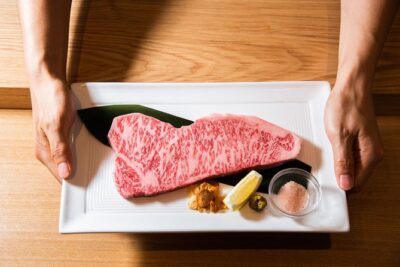 ★ 5.0Wagyu & Sake Pairing in Shinjuku – Steak, Shabu-Shabu & MoreFrom $148
 ★ 5.0Tokyo Wagyu & Sake Pairing Tasting Experience with Local FlavorsFrom $151