Reviewed · ASAKUSA TOURS
Tokyo: Asakusa Sightseeing Tour by Rickshaw
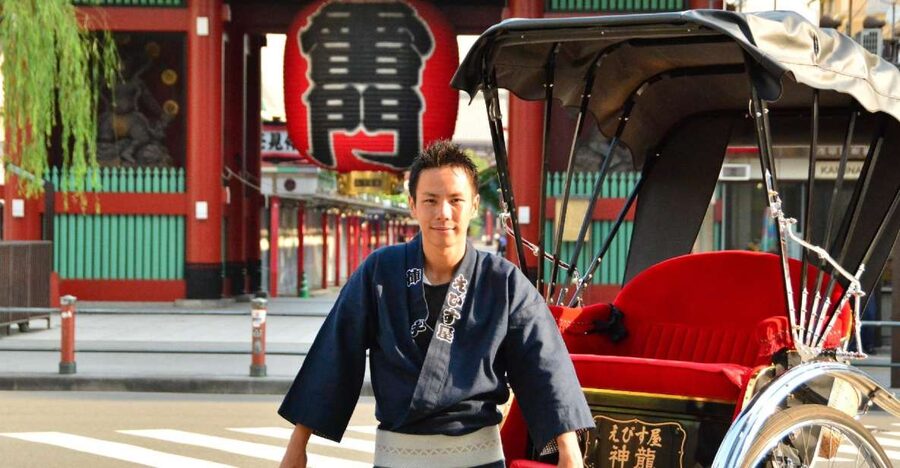
Asakusa is one of Tokyo’s best districts for slowing down, and a rickshaw gives you a fine way to do it. You sit above the street while a local guide such as Masa, Kazu, Shima, or Yusuke pulls you through temple lanes, old shopping streets, gardens, and the Sumida River area. It is part sightseeing ride, part local orientation, and part rolling photo session.
In This Article
- Key points before you book
- Why a rickshaw works so well in Asakusa
- Starting near Asakusa Station
- Senso-ji and Asakusa Shrine
- Sumida Park and the seasonal view
- Hanakawado and the everyday side of Asakusa
- Rokku, Tanuki-doori, and Denpoin Street
- What the guide adds to the ride
- Choosing 30, 70, 90, or 190 minutes
- Families, mobility, and comfort
- Booking details that matter
- Should you book the Asakusa rickshaw ride?
- FAQ
- Where does the Asakusa rickshaw tour meet?
- Is this the Asakusa Station on any Tokyo subway line?
- How long does the rickshaw ride last?
- How many people can ride in one rickshaw?
- Can young children ride for free?
- Is the tour wheelchair and stroller accessible?
- What languages do the guides speak?
- Are food and drinks included?
- Can I cancel the booking?
I like the private format, since your guide can adjust the route to your interests instead of following a fixed group schedule. I also like the human touch: guides explain how to wash your hands and mouth at a shrine, why incense is waved toward the body, and which small temples deserve a closer look. The main drawback is simple: the ride can feel expensive for only 30 minutes, and the open rickshaw offers less shade and shelter than a bus or taxi.
Key points before you book
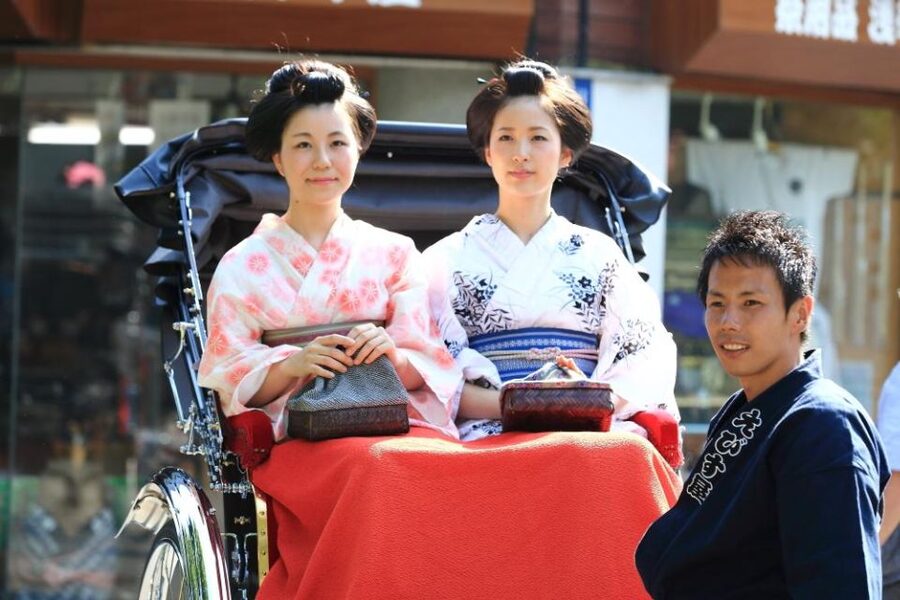
- Old and new Asakusa in one ride: Pass major Buddhist and Shinto sites, then roll through Rokku, Tanuki-doori, and Denpoin Street.
- A private chariot for up to two adults: Each rickshaw is 74 centimeters wide, so separate rickshaws may be more comfortable for some adults.
- Choose your pace: Options range from 30 minutes to 190 minutes, with longer rides offering more room for quiet temples and custom stops.
- Excellent photo help: Guides regularly stop to take pictures with your phone, often framing the rickshaw, temples, and seasonal trees.
- Strong English support: The guides speak English or Japanese, though the level of explanation can vary by guide.
- Good for families and short stays: Children five and under can ride free on an adult’s lap, and the ride can cover a lot during a brief Tokyo visit.
Why a rickshaw works so well in Asakusa
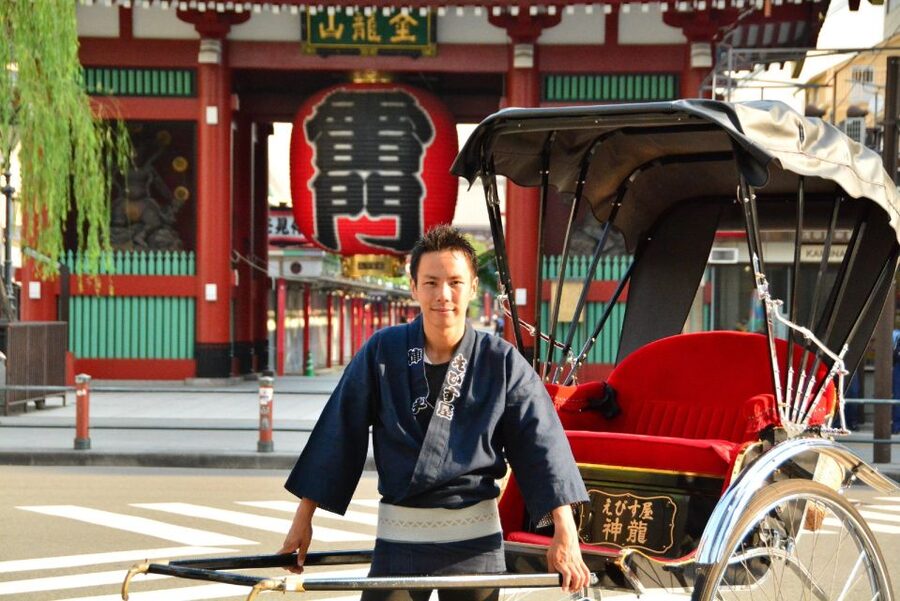
Asakusa rewards a slower look. The main approach to Senso-ji can be crowded, but the district soon breaks into narrow lanes, modest shrines, old storefronts, gardens, and side streets that are easy to miss when you are focused on a map.
From the rickshaw, you get a raised view without the effort of walking every block. Your guide can point out a temple roof, a traditional detail on a building, or a street that has kept its older character. You are not sealed behind glass, so you hear the street and feel the air, while still letting someone else handle navigation.
The ride is also a useful first activity in Tokyo. A 70 or 90 minute route can show you the layout of Asakusa before you explore on foot. Guides have suggested places to eat and things to try, and several have added personal touches, from anime-related locations to songs and jokes for children.
The tone is friendly and informal. Guides have been praised for being funny, patient, energetic, and attentive to comfort. That matters here because the guide is the main attraction. The temples and streets are worthwhile on their own, but a good guide turns a pleasant ride into a lesson in how Asakusa works.
A few more Tokyo tours and experiences worth a look


Starting near Asakusa Station
The meeting point is the rickshaw stand just outside Exit 1 of Asakusa Station on the Tokyo Metro Ginza Line. This detail matters because Asakusa has several stations with the same name on different subway lines, and their exits can be far apart.
Use the Tokyo Metro Ginza Line, not simply any station marked Asakusa. After coming out of Exit 1, walk a few meters along the street to reach the stand. Give yourself extra time if you are transferring from another line, since the station area has many exits and can be confusing on a first visit.
The ride is private, but the vehicle itself is compact. Up to two adults can sit in one rickshaw, and the vehicle is 74 centimeters wide. If you prefer more personal space, booking individual rickshaws may make the ride more comfortable.
The ride can be customized around your interests. You might ask for more temples, more old streets, more photo stops, or a quieter route. The exact route depends on the time you book and what you want to see, so treat the listed sights as the main menu rather than a promise that every stop will receive equal time.
Senso-ji and Asakusa Shrine
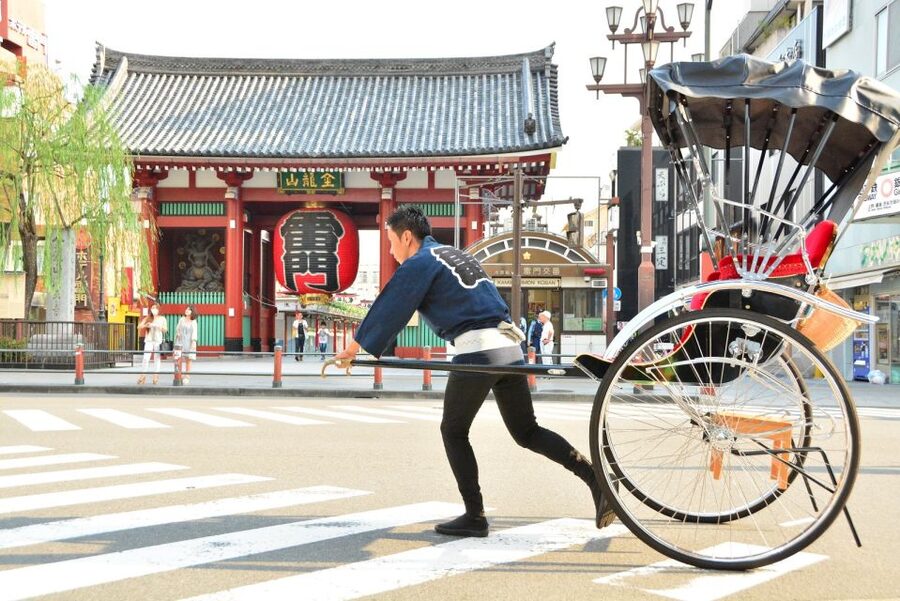
The ride normally centers on the religious heart of Asakusa. Senso-ji is Tokyo’s oldest temple, and the neighboring Asakusa Shrine adds an important Shinto counterpart. Seeing both together gives you a quick, useful introduction to two major parts of Japanese religious life.
Your guide can explain the small rituals that are easy to copy without understanding. At a purification fountain, you wash your hands and rinse your mouth. At an incense burner, people may wave the smoke toward parts of the body. These details are more meaningful when someone explains what you are doing instead of leaving you to follow the crowd.
Asakusa Shrine, beside the temple grounds, offers a different atmosphere from the larger temple complex. The close setting makes the contrast easy to see: Buddhist and Shinto traditions share the same district, but their buildings, customs, and visual details are not identical.
Bentendo Hall is another notable stop or passing point. Its setting near the pond and greenery gives the ride a break from the shop-lined streets. Ask your guide to explain the site rather than rushing past it, especially if you want more cultural context than simple sightseeing.
Sumida Park and the seasonal view
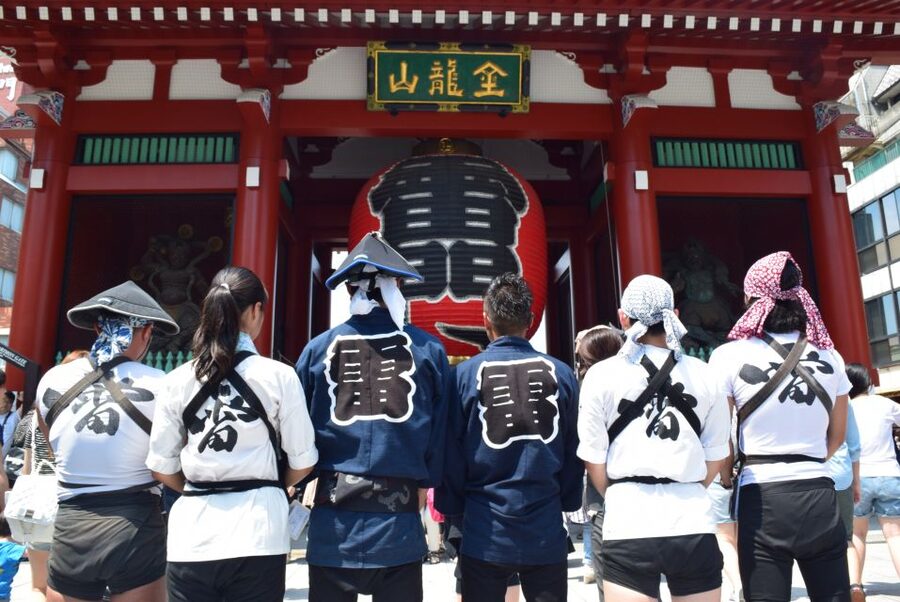
Sumida Park is one of the ride’s prettiest stretches. Trees, gardens, and open views toward the Sumida River replace the tight lanes around the temple. In spring, thousands of cherry trees make the park especially appealing, and early blossoms have been included on winter routes when conditions allowed.
The park also gives you a chance to appreciate Tokyo’s scale. The city can feel dense and enclosed around Asakusa’s shopping streets, but the riverfront opens the view. From the rickshaw, you can take in the trees and water without committing to a long walk.
Season matters here. Spring brings blossoms, while autumn offers a different look among the trees. Summer rides can be hot and humid, although the moving air helps. One ride in cold rain and snow included blankets and heated seats, but weather still affects comfort. I would choose spring or autumn if your schedule allows.
Your guide may stop for photographs in the park or near temple grounds. Bring a phone with enough storage and battery, since the guides are often happy to take family pictures and portraits with the rickshaw. Selfie sticks are not allowed.
Hanakawado and the everyday side of Asakusa
Hanakawado is known for shoe shopping and gives you a glimpse of the district beyond its famous temple. This part of the route feels more connected to ordinary local life, with streets used for shopping and daily errands rather than only sightseeing.
That change in scenery is one of the ride’s strengths. You see the well-known Asakusa, but you also pass through places that do not appear on every first-time itinerary. A guide can help you understand how the temple district, shopping areas, entertainment quarter, and residential streets fit together.
The rickshaw is especially useful here because you can cover several areas without tiring yourself out. You still see the street at close range, unlike on a bus, and you do not have to stop every few minutes to check directions.
A few more Tokyo tours and experiences worth a look

Rokku, Tanuki-doori, and Denpoin Street
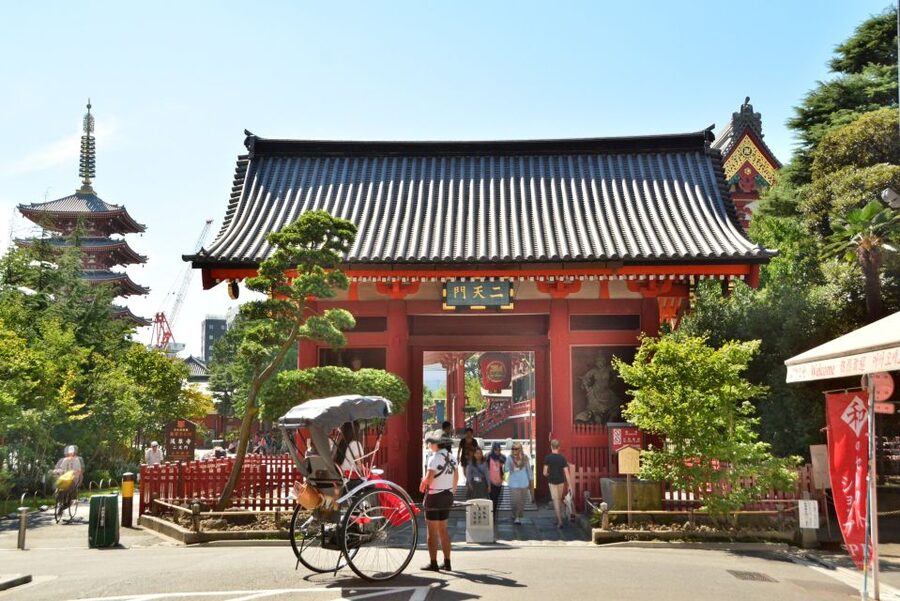
Rokku is the historic entertainment quarter. The route may pass adult theaters and older entertainment venues, so this is not a polished theme-park version of Tokyo. It is a reminder that Asakusa has long been a place for pleasure, theater, food, and nightlife as well as worship.
Tanuki-doori adds another quirky turn. Its character differs from the grand approach to Senso-ji, and a guide can explain why the street is worth noticing. These short stops help you see Asakusa as a living neighborhood rather than a chain of famous monuments.
Hanayashiki, Japan’s oldest amusement park, is a fun photo subject along the way. You may not enter the park during the ride, but your guide can stop so you can take souvenir pictures. It is an amusing contrast to the temples nearby: Asakusa puts religious landmarks, old entertainment, shopping, and family attractions within a small area.
Denpoin Street is one of the most rewarding sections for people who like old Tokyo details. Little changed there after World War II, and the street leads you back toward the starting point. The appeal is not one grand sight. It is the collection of older facades, narrow views, and the sense of a neighborhood that escaped a complete modern makeover.
A longer tour gives these streets time to breathe. On a 30 minute ride, you may only skim the edges of this area. If old architecture and local stories matter to you, choose at least 70 or 90 minutes.
What the guide adds to the ride
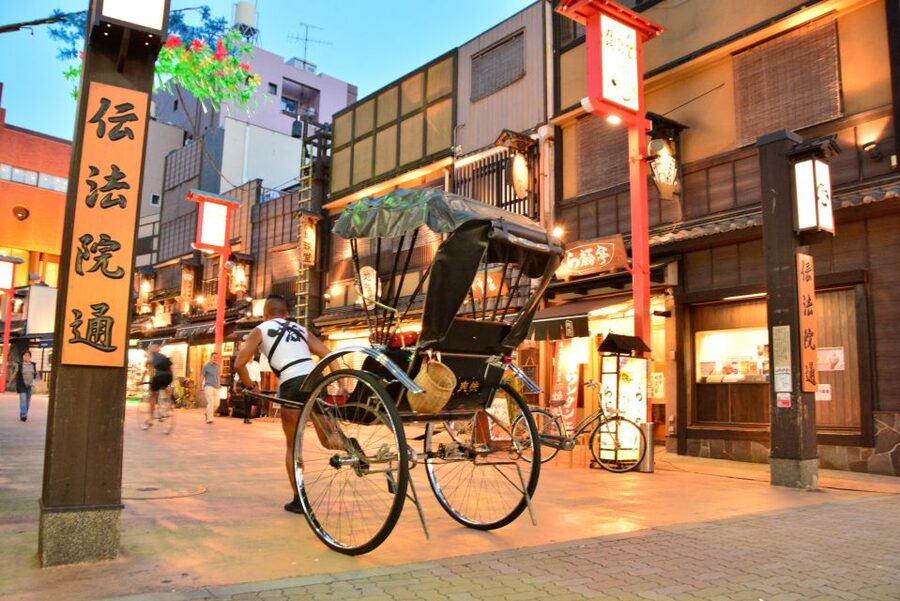
The guide makes or breaks the experience, and the people assigned to these rides have a lively style. Masa has been praised for mixing useful information with humor and for taking strong photographs. Kazu has guided visitors through the area with clear explanations and an easy manner, while Shima has offered detailed stories about Asakusa and handled busy streets with confidence.
Other guides, including Taku, Yusuke, Nene, Matcha, Ryu Buchi, and Koko, have been singled out for warmth, humor, English ability, and attention to families. One guide sang Justin Bieber songs with a child. Another used anime references to keep a teenager interested. These touches show what the ride does best: it can feel personal without becoming formal.
English ability is generally good, but it is not identical from one guide to another. One passenger felt that more historical explanation and stronger English would improve the experience. If detailed cultural instruction is your top priority, tell the operator when booking and ask for an English-speaking guide.
Guides also handle the practical side. They navigate car traffic and pedestrians, help with photo stops, and keep an eye on your comfort. Several rides have included heated seat pads or blankets in cold weather. In hot weather, the breeze from the moving rickshaw can help, but you are still sitting outdoors.
Choosing 30, 70, 90, or 190 minutes
The 30 minute option is a sampler. It works if you have a short layover, a child with limited patience, or only enough time to get oriented before another reservation. You can still enjoy the novelty of the rickshaw, hear some local information, and stop for pictures.
The tradeoff is value. At the listed price of $35 per person, a short ride may feel costly if you judge it only by minutes. You are paying for a private vehicle, a local guide, and the chance to see the district without arranging your own route. Still, I would choose a longer option if you have the time.
A 70 minute ride is a sensible middle choice. It provides enough time for major temple sights, a few older streets, and several explanations without taking over your day. A 90 minute ride gives you more room for side streets, quieter religious sites, gardens, and family photo stops.
The longest option is listed at up to 190 minutes. Choose it if you want a broad Asakusa tour and the ability to customize the route. The three-hour option also includes a choice of memorial gift, either a special Hello Kitty doll or an original T-shirt. Confirm the exact duration and gift details when selecting your time.
The price is easier to justify for two people sharing one rickshaw and choosing 70 minutes or more. Solo riders still get a private experience, but the per-person cost may feel higher. Snacks and drinks are not included, so plan to eat before or after the ride.
Families, mobility, and comfort
Children five and under can ride free on an adult’s lap, with one child per adult. A child who is five and needs a separate seat must book and pay the adult fare. The maximum is two adults per rickshaw, with up to two young children on laps under those rules.
Families have a good reason to consider this ride. The guide can keep children engaged with jokes, songs, photos, and short explanations, while parents get a break from navigating. The rickshaw also gives older family members a way to see Asakusa without walking the entire district.
The activity is wheelchair and stroller friendly. The narrow 74-centimeter vehicle may still affect how you plan seating, so check your specific needs before booking. Pregnancy is a restriction: the activity is not suitable for pregnant women, and it is specifically not recommended during the first 16 weeks.
Booking details that matter
You can cancel up to 24 hours before the activity for a full refund. Reserve-now, pay-later booking is available, which helps if your Tokyo plans are still changing.
The ride is offered as a private group activity with live guides in English or Japanese. Since starting times depend on availability and routes can be customized, check the selected duration carefully rather than assuming every booking follows the same schedule.
I would arrive at the correct Ginza Line exit early. A wrong Asakusa station or exit can cost you more time than expected, and the stand is a short walk from Exit 1 rather than directly inside the station.
Should you book the Asakusa rickshaw ride?
Book it if you want a friendly introduction to Asakusa, enjoy local stories, or need to cover several sights without a long walking session. It is particularly good for first-time visitors, families, couples, solo visitors who want company, and anyone with only a few hours in Tokyo.
Choose 70 to 90 minutes for the best balance of price and sightseeing. Pick 30 minutes only if your schedule is tight or you mainly want the novelty and photographs. The longest option suits you if you care about quieter temples, older streets, and a custom route.
Skip it if you dislike open-air rides, feel uneasy about the vehicle width, or want a purely self-guided walk at the lowest possible cost. For most people who value a personable guide and a close look at Asakusa, this is a memorable way to begin exploring the district.
FAQ
Where does the Asakusa rickshaw tour meet?
The meeting point is the rickshaw stand just outside Exit 1 of Asakusa Station on the Tokyo Metro Ginza Line. Walk a few meters from the exit along the street to reach the stand.
Is this the Asakusa Station on any Tokyo subway line?
No. You need the Asakusa Station on the Tokyo Metro Ginza Line and should use Exit 1. Other stations with the same name are on different subway lines.
How long does the rickshaw ride last?
Available durations range from 30 minutes to 190 minutes. Check availability for the starting times and duration offered on your date.
How many people can ride in one rickshaw?
A maximum of two adults can ride in one rickshaw. Each vehicle is 74 centimeters wide, and you may find separate rickshaws more comfortable for individual passengers.
Can young children ride for free?
Children aged five and under can ride free while sitting on an adult’s lap, with one child per adult. A five-year-old who needs a separate seat must book as a full-fare adult.
Is the tour wheelchair and stroller accessible?
Yes. The activity is described as wheelchair and stroller friendly. The narrow rickshaw width may still be important when planning seating.
What languages do the guides speak?
Live guides are available in English and Japanese. English ability can vary, so request an English-speaking guide if detailed explanations are important to you.
Are food and drinks included?
No. Snacks and drinks are not included in the price.
Can I cancel the booking?
Yes. You can cancel up to 24 hours in advance for a full refund. Reserve-now, pay-later booking is also available.
More Rickshaw Rides in Tokyo
More Asakusa Tours in Tokyo
More tours in Tokyo we've reviewed












Asakusa Tours, compared.
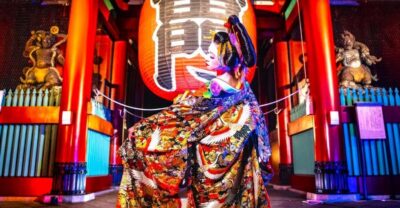 ★ 4.8Tokyo: Japanese Dance Cabaret Theater Asakusa-Kaguwa TicketFrom $492 hours
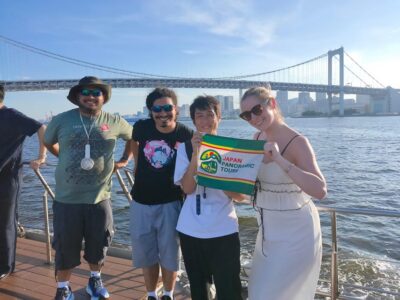 ★ 4.7Tokyo: Meiji Shrine, Asakusa, Skytree Bus Tour and CruiseFrom $12210 hours
 ★ 4.9Tokyo: Roll and Authentic Sushi Making Class in AsakusaFrom $581h 40m
 ★ 4.8Tokyo: Asakusa Walking Tour with Sensoji Temple VisitFrom $222 hours
 ★ 5.0Tokyo Asakusa Rickshaw TourFrom $42
 ★ 4.5Tokyo Panoramic 1 Day: Meiji Shrine, Asakusa, Odaiba and SKYTREE®From $85