Reviewed · TEA CEREMONY & MATCHA
Tokyo:Genuine Tea Ceremony, Kimono Dressing, and Photography
Tokyo’s AKIZAKURA experience combines three things that work well together: kimono dressing, a traditional tea ceremony, and a visit to a local shrine. You watch an instructor prepare matcha, make your own bowl, and then walk outside in your chosen outfit for photographs. It is a small, personal introduction to Japanese customs rather than a quick photo stop.
In This Article
- Key points
- Why This Tokyo Tea Ceremony Feels Personal
- Choosing a Silk Kimono or Summer Yukata
- Walking in Kimono With a Traditional Umbrella
- Visiting a Local Shrine the Right Way
- Learning the Tea Ritual From an Experienced Instructor
- Sitting Comfortably During the Ceremony
- Photography at the Tea Room and Shrine
- What the $115 Price Buys You
- Who Will Enjoy This Experience Most
- Booking Details You Should Handle Early
- Should You Book AKIZAKURA?
- FAQ
- How long does the tea ceremony and kimono experience last?
- How many people can join the experience?
- Is the experience offered in English?
- What do I wear during the activity?
- How do I choose my kimono or yukata?
- Do I make my own matcha?
- Are photographs included?
- Can I book a professional photographer or hair and makeup?
- What happens if it rains or I cannot sit on the floor?
I especially like the choice of more than 50 kimonos and yukata, along with the careful help from Sayoko before and during the activity. I also like that you learn practical manners, from walking and sitting in kimono to praying at a Shinto shrine. The main consideration is comfort: traditional clothing and floor sitting may not suit everyone, although chairs and a table can be provided.
Key points
- Choose from more than 50 outfits: Wear a traditional silk kimono in winter or a cotton yukata in summer, with obi and accessories included.
- Make your own matcha: You first watch an experienced instructor, then prepare tea yourself.
- Learn shrine etiquette: Sayoko explains how to behave and pray respectfully at a local Shinto shrine.
- Receive personal photographs: Sayoko takes photos with an iPhone 14 Pro in the tea room and at the shrine.
- Keep the group tiny: The experience is limited to three participants, allowing plenty of individual attention.
- Plan your outfit early: You must choose your kimono or yukata by the day before the activity.
Why This Tokyo Tea Ceremony Feels Personal

Many tea experiences give you a cup of matcha and a short explanation. This one gives you a role in the ceremony. You watch the tea instructor prepare the drink up close, then try the process yourself. That simple change makes the ritual easier to understand because you are not only observing hand movements, utensils, and manners. You are also trying to repeat them.
The ceremony is presented as a practice of mindfulness and respect, not simply a way to serve green tea. The instructor explains the process and helps you follow the movements. You receive both professionally prepared matcha and your own matcha, along with tea sweets.
The small group size matters here. With no more than three participants, you have room to ask questions and take your turn without feeling rushed. English and Japanese are offered, so English-speaking visitors can follow the cultural explanations.
I would not book this expecting a full historical course on tea schools or Japanese religion. The experience lasts only 2.5 hours, so it offers an accessible introduction rather than an advanced lesson. For most visitors, that is a sensible balance, especially if you want a hands-on activity that fits into a busy Tokyo schedule.
A few more Tokyo tours and experiences worth a look


Choosing a Silk Kimono or Summer Yukata

The clothing is a major part of the experience, not a costume added at the last minute. In winter, you wear a traditional kimono. In summer, you wear a yukata, the lighter cotton version of Japanese dress. The provider says the kimonos are authentic silk garments made in a traditional way.
You can choose from more than 50 kimono and yukata options. This is useful if you care about color, pattern, or how the outfit will look in photographs. After booking, Sayoko contacts you through GetYourGuide or WhatsApp to help you select your clothing. She normally makes contact within 12 hours, and you need to reply with your choice by the day before the activity.
Do not leave this decision until the morning of the tour. The advance message is part of the preparation, and a quick reply helps ensure that your preferred outfit is ready.
The dressing process also includes the obi and all the accessories needed to wear the kimono properly. The host guides you through the details, rather than simply handing you an outfit. This is especially helpful if you have never worn one before.
A kimono can feel formal and restrictive compared with everyday clothing. The host teaches you how to walk, sit down, and behave while wearing it. That instruction has real value: you are learning how the clothing affects ordinary movements, not just posing in it.
Walking in Kimono With a Traditional Umbrella
After dressing, you take a walk wearing your kimono or yukata. AKIZAKURA provides a kimono upcycling umbrella for the walk, adding another visual element to the photographs. If rain arrives, a plastic umbrella is also included, and the activity runs rain or shine.
The walk is not described as a long sightseeing route, so you should think of it as a short cultural outing connected to the shrine and photography portions. The focus is on how you carry yourself in traditional clothing. Sayoko demonstrates walking manners, sitting, and other basic patterns of behavior.
That practical coaching helps keep the outing respectful. A shrine is not simply a decorative backdrop, and learning how to pray properly gives the photo stop more meaning. You get to enjoy the visual appeal of the setting while also understanding that it is a place of worship.
The weather policy is useful, but bring realistic expectations. Rain may affect the look of outdoor photographs, and the plastic umbrella is functional rather than decorative. If clear shrine pictures are your top reason for booking, check the forecast and consider using the flexible cancellation policy, which allows a full refund when you cancel at least 24 hours ahead.
Visiting a Local Shrine the Right Way

The shrine visit adds a second layer to the experience. You are not only dressed in Japanese clothing and photographed beside a torii or other shrine feature. You are shown how to act in the space.
Sayoko explains proper prayer and shrine behavior. That can include details many first-time visitors would otherwise miss, such as how to approach the worship area and how to show respect. The supplied information does not promise a major landmark or a long guided tour, so do not book this as a shrine sightseeing excursion. Its value is the personal instruction and the chance to connect the clothing and customs.
The local setting may also suit you better than a famous attraction packed with people. A quiet shrine can make photographs feel less staged, and the tiny group means you are not being pushed through a large photo line. Still, the exact shrine is not specified, so you should not choose this activity based on a particular monument or famous Tokyo view.
Sayoko takes photographs during the shrine visit, using an iPhone 14 Pro. The focus is on recording the experience, and the photos give you a useful keepsake without requiring you to manage your own camera while dressed in layers of fabric.
Learning the Tea Ritual From an Experienced Instructor
The tea ceremony is led by an experienced tea ceremony teacher, while Sayoko and the other hosts help with the wider experience. The distinction is worthwhile. You receive instruction from someone who knows the ritual, rather than only a general cultural explanation from a sightseeing guide.
You first watch the instructor make matcha. Pay attention to the measured movements and the calm pace. The ceremony is built around careful preparation, respect, and attention to the present moment. Even if you know little about Japanese tea culture, the demonstration gives you a clear sense of why the ritual takes time.
Then you prepare your own matcha. You are not expected to perform perfectly. The point is to learn by doing, with help available as you work through the steps. You also taste the professionally prepared tea and your own version, which makes the lesson more memorable.
Tea sweets are included. They provide a small food pairing and help make the ceremony feel complete, though this is not a meal. If you need refreshments beyond matcha and sweets, plan them separately.
The hosts keep the mood friendly and relaxed despite the formal nature of the ritual. That balance is one of the activity’s best features. You can respect the ceremony without feeling that one wrong movement will ruin everything.
Other photography tours in Tokyo




Sitting Comfortably During the Ceremony

Traditional tea ceremonies are often associated with sitting on the floor, and that can be a concern if you have stiff knees or simply do not enjoy kneeling. This experience provides a practical alternative. A table, chairs, and other equipment can be arranged for participants who need to avoid leg pain.
You should mention your needs when communicating with the provider. The supplied information confirms that the option is available, but it does not describe every mobility requirement or guarantee step-free access. If you have a specific accessibility concern, ask before booking.
The choice of seating also changes the feel of the ceremony. Floor seating may feel closer to traditional practice, while chairs let you concentrate on the lesson instead of discomfort. There is no prize for enduring pain, and the activity is meant to help you appreciate the ritual.
Photography at the Tea Room and Shrine
Photography is included, and Sayoko normally shoots with an iPhone 14 Pro. She takes pictures at the tea room and the shrine, giving you a record of the clothing, tea preparation, and outdoor walk.
This arrangement is convenient. You can put your phone away and take part in the ceremony rather than constantly asking someone to take a picture. It also means the photos are part of the experience, not a separate portrait package that you need to organize.
The images are taken by the host rather than a professional photographer. Many people will find the included service more than adequate for personal memories and social media. If you want a more polished portrait session, a professional photographer can be arranged for an additional fee. Professional hair and makeup are also available at extra cost.
Those add-ons could make sense for a special occasion, but they change the price. At $115 per person, the standard package is best viewed as a cultural activity with casual photography included, not as a dedicated fashion or portrait shoot.
What the $115 Price Buys You

At $115 per person, this is not the cheapest way to drink matcha in Tokyo. The value comes from the number of connected services packed into 2.5 hours: outfit selection and dressing, kimono accessories, a guided walk, shrine instruction, tea sweets, two matcha experiences, and iPhone photography.
The small group also supports the price. A maximum of three participants allows the host to help with clothing, answer questions, and take individual pictures. A larger group could lower the cost, but it would also make the dressing and tea lesson less personal.
You should also remember that every person present is charged, even if someone does not wear a kimono. Book for everyone who will attend. This matters for families, couples with a friend, or anyone considering coming along only to watch and take pictures.
The price becomes stronger if you want one organized activity that combines several cultural experiences. It is less attractive if you only want a quick kimono photo or a basic cup of matcha. Professional photography, hair, and makeup are not included, so add those costs only if they matter to you.
Who Will Enjoy This Experience Most

I would recommend this activity to couples, solo visitors, and small families who want a calm cultural morning or afternoon. It suits anyone who likes learning manners and customs instead of simply checking off a famous sight.
It is also a good fit if photographs matter to you. You receive pictures in the tea room and at the shrine, and the kimono selection gives you some control over the final look. The advance contact with Sayoko is helpful if you have strong preferences about your outfit.
The experience may be less suitable if you dislike dressing up, prefer fast-moving sightseeing, or want a large-scale tea ceremony with many performers. It is also not the right choice for anyone expecting a full meal, a long shrine tour, or guaranteed professional portrait photography.
The rain-or-shine format means you should dress appropriately underneath the provided clothing and accept that outdoor photos may be weather affected. For guests concerned about sitting on the floor, request the table and chairs option in advance.
Booking Details You Should Handle Early

The activity lasts 2.5 hours, with starting times shown when you check availability. The date and time may sometimes be customized, so contact the provider if the listed schedule does not fit your plans.
After booking, watch for a message from Sayoko through GetYourGuide or WhatsApp. You need to choose your kimono or yukata by the day before the activity, and the provider says contact normally arrives within 12 hours.
The experience is offered in English and Japanese. It is limited to three participants, and the free cancellation policy allows you to cancel up to 24 hours ahead for a full refund. You can also reserve now and pay later, which helps if your Tokyo plans are still shifting.
Should You Book AKIZAKURA?
Book this if you want a hands-on tea lesson, personal help with traditional clothing, and photographs that record the day. The strongest reason to choose it is the combination of quiet ceremony and practical cultural guidance. You learn how to make matcha, how to move in a kimono, and how to behave at a shrine.
Think twice if you want a famous Tokyo landmark, a long sightseeing walk, or a professional photo session included in the base price. For everyone else, the $115 cost is reasonable for a three-person experience that brings several Japanese traditions together without rushing you through them.
FAQ
How long does the tea ceremony and kimono experience last?
The experience lasts 2.5 hours. Starting times are shown when you check availability.
How many people can join the experience?
The group is limited to three participants.
Is the experience offered in English?
Yes. The instructor and hosts offer the activity in English and Japanese.
What do I wear during the activity?
You wear a traditional silk kimono in winter or a cotton yukata in summer. The kimono or yukata, obi, and required accessories are included.
How do I choose my kimono or yukata?
After booking, Sayoko contacts you through GetYourGuide or WhatsApp. You must choose your outfit by the day before the activity.
Do I make my own matcha?
Yes. You watch an instructor prepare matcha, enjoy professionally prepared tea, and then make your own matcha.
Are photographs included?
Yes. The host takes photographs at the tea room and local shrine, normally using an iPhone 14 Pro.
Can I book a professional photographer or hair and makeup?
Yes. Professional photography and professional hair and makeup are available for an additional fee.
What happens if it rains or I cannot sit on the floor?
The activity runs rain or shine, and a plastic umbrella is provided if needed. A table, chairs, and other equipment can be arranged for participants who need to avoid sitting on the floor.
More Photography Tours in Tokyo
More Tea Ceremony & Matcha in Tokyo


More tours in Tokyo we've reviewed












Tea Ceremony & Matcha, compared.
 ★ 5.0Matcha Making Class in Tokyo with Authentic Japanese Sweets SetFrom $21
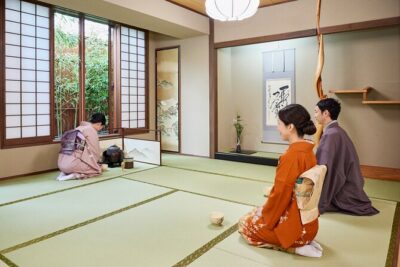 ★ 5.0Kimono Tea Ceremony at Tokyo, Asakusa MaikoyaFrom $55
 ★ 5.0Tokyo: Traditional Tea Ceremony with a Tea MasterFrom $381 hour
 ★ 4.5Dynamic Tokyo: Tokyo Tower, Tea Experience, Bay Cruise Day TourFrom $99
 ★ 4.9Tokyo: Matcha Making Experience with Mochi Sweets in AsakusaFrom $221 hour
 ★ 4.7Tokyo: Matcha and Kimono ExperienceFrom $57