Reviewed · SUMO EXPERIENCES
Tokyo Sumo Morning Practice Tour w/ Ring-Side Seat + Photo Shoot
Tokyo Sumo Morning Practice Tour Review
In This Article
- Key points before you book
- Why a morning practice can be better than a tournament
- Meeting at Kiyosumi Shirakawa at 8:30 am
- Inside the stable: strength, repetition, and silence
- Seating, sight lines, and the ring-side promise
- The photo session and its important limit
- Kiyosumi Gardens: a gentle finish after the noise
- What the guide adds to the experience
- Is $99.10 a fair price?
- Weather, age limits, and stable etiquette
- Who should book this sumo experience?
- FAQ
- Where does the tour meet?
- What time does the tour start?
- How long does the experience last?
- How many people can join?
- Is the sumo practice included in the price?
- Can children join the tour?
- Can I take photographs inside the stable?
- What happens if the stable cancels the practice?
The best part of this morning tour is that you watch real sumo training inside an active stable, not a staged demonstration. From close range, you see stretching, repeated drills, practice bouts, and the strict focus that gives sumo its force. It is a quiet, serious setting, and that makes the experience feel far more meaningful than a tourist show.
I like two things right away: the small group of up to 10 people and the guide who explains what you are seeing. Guide Marie has received special praise for her passion and clear answers. I also like that the tour is built for people who want to understand sumo as a sport, rather than climb into a ring for a novelty photo.
The main consideration is that sumo stables set the rules. Seating is first come, first served, photographs may be restricted, and the promised photo with wrestlers may not be possible on every day. You must arrive on time, remain respectful, and accept that the practice schedule can change.
Key points before you book
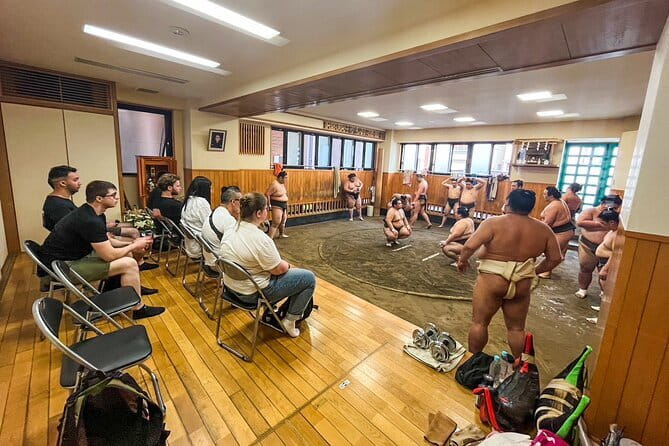
- Watch a working sumo stable: See wrestlers train in the morning, with stretching, drills, and bouts taking place at close range.
- Guide Marie adds useful context: A guide accompanies you, explains the action, and answers questions after practice.
- Small group, limited space: The advertised group limit is 10, though groups can be divided between stables when needed.
- Tatami seating affects your view: Seating is first come, first served, so an early arrival matters.
- The photo session is not guaranteed: Photography depends on the stable’s rules and the day’s conditions.
- Kiyosumi Gardens finishes the morning: After roughly 90 minutes at the stable, you spend about 30 minutes cooling down in the gardens.
Why a morning practice can be better than a tournament
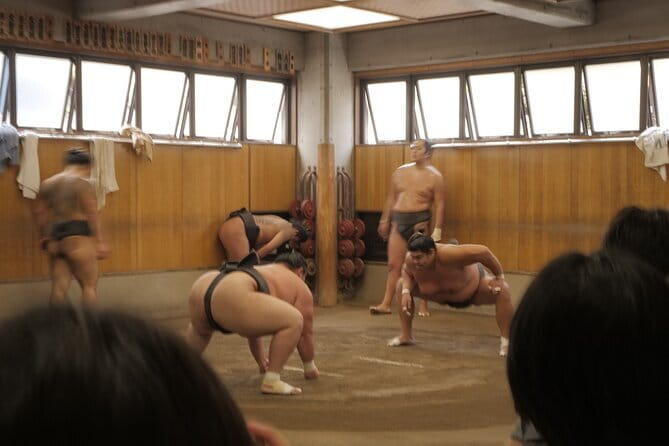
Tokyo’s major sumo tournaments run only during set periods, and your schedule may not line up with one. This tour gives you another way to see the sport in its working environment. You are not watching a polished competition with a cheering crowd. You are watching athletes repeat hard movements, listen to their trainers, and prepare their bodies.
That difference matters. At a tournament, the drama comes from the bout itself. At practice, you notice the discipline behind the bout. The sessions can include stretching, repetitive exercises, and practice matches. The wrestlers may appear relaxed between drills, but the physical effort is plain to see.
The atmosphere is also important. A sumo stable is a place of training and tradition, not a performance venue designed around visitors. You sit on the tatami area and follow the stable’s rules. Only the tatami areas are open to the group, while other parts of the building are off-limits.
For someone already interested in sumo, this is the point. You get close enough to notice the athletic details, but you are expected to behave like a respectful observer. That makes this a better choice than any experience built around a quick stunt or staged wrestling session.
A few more Tokyo tours and experiences worth a look

Meeting at Kiyosumi Shirakawa at 8:30 am
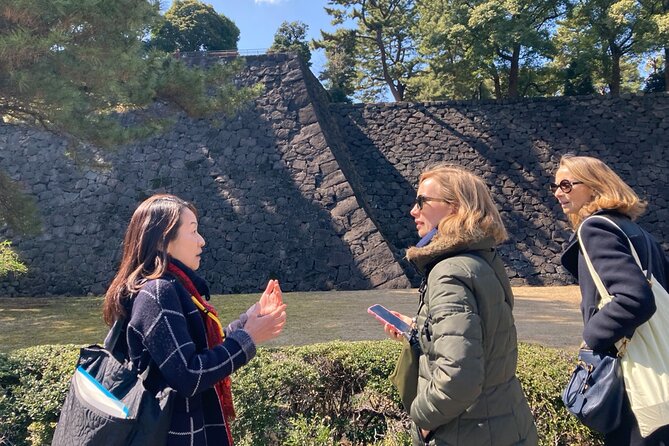
The meeting point is at 3-chōme-11-1 Kiyosumi in Koto City, near Kiyosumi Shirakawa Station. The guide takes you from the station area to the sumo stable, with only a short walk involved.
The start time is 8:30 am, and punctuality is essential. The tour starts promptly, and late arrivals cannot join. There is no refund or rescheduling for missing the start, so leave extra time for Tokyo’s train system and finding the exact meeting point.
This early start is part of the experience. Morning practice is when you see the wrestlers at work, but it also means you should plan breakfast and your route before you arrive. Use the restroom beforehand, since one may not be available during the practice.
Your phone ticket makes entry simple, but it does not remove the need to check the meeting instructions carefully. The tour ends back at the meeting point after the visit to Kiyosumi Gardens.
Inside the stable: strength, repetition, and silence
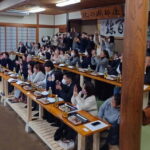
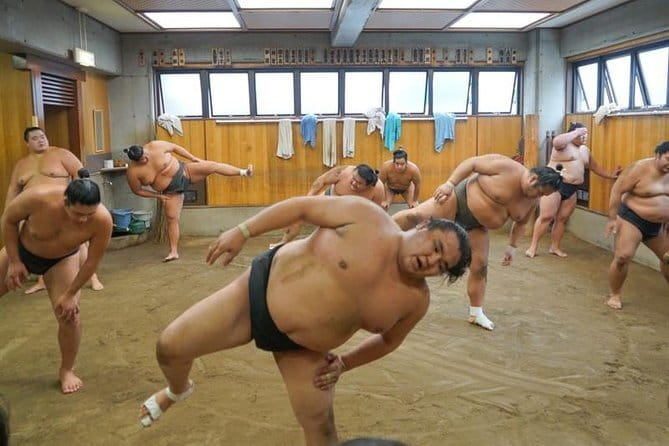
The main visit lasts about 90 minutes. You watch the wrestlers train from the designated tatami seating area, close enough to feel the scale and force of the sport without becoming part of it.
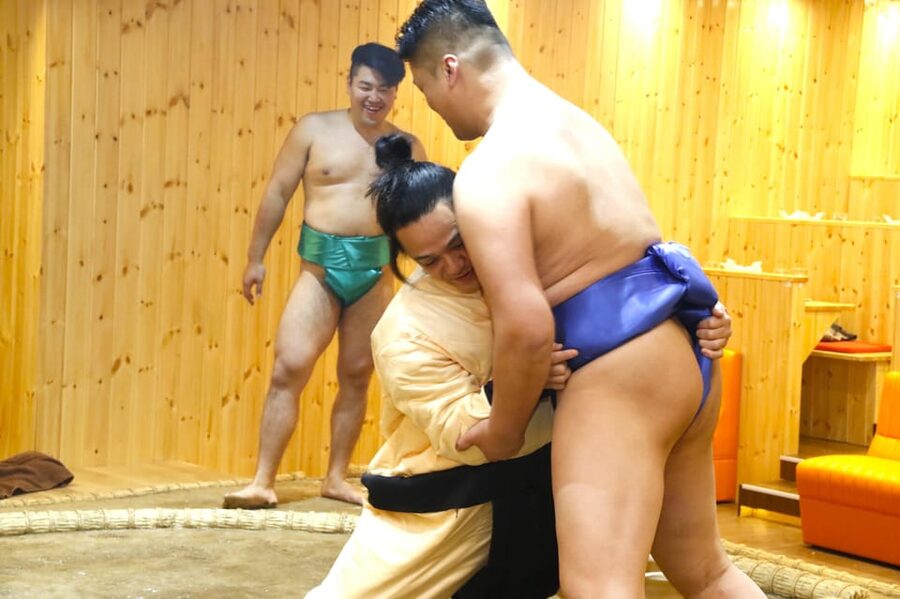
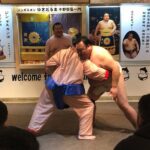
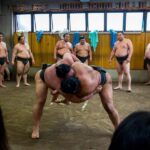
Expect a mix of warm-up movements, repeated exercises, and practice bouts. The wrestlers work with impressive strength and agility, and their size is only part of the story. The training also shows balance, timing, flexibility, and control. Some wrestlers may look enormous, while others appear closer to ordinary athletic builds. That contrast helps explain why sumo is not simply about body weight.
The stable master and trainers are part of what makes the visit special. You may see wrestlers interacting with their stable master, head trainer, and one another as they work. The respect shown toward teachers and the seriousness of the practice give the room a strong sense of purpose.
You will need to watch quietly and follow instructions. Disruptive behavior or disrespect toward the stable’s regulations can lead to refusal of entry or participation without a refund. The stable is allowing you into a private working space, so this is not the time for loud conversation, wandering around, or trying to reach restricted areas.
A useful tip is to save your questions for the end of practice. One visitor specifically suggested asking the guide for a short explanation of sumo’s history and basic rules afterward if you are new to the sport. That is good advice. The practice can be intense and fast, and trying to follow every movement while also asking questions may distract from the main event.
Seating, sight lines, and the ring-side promise
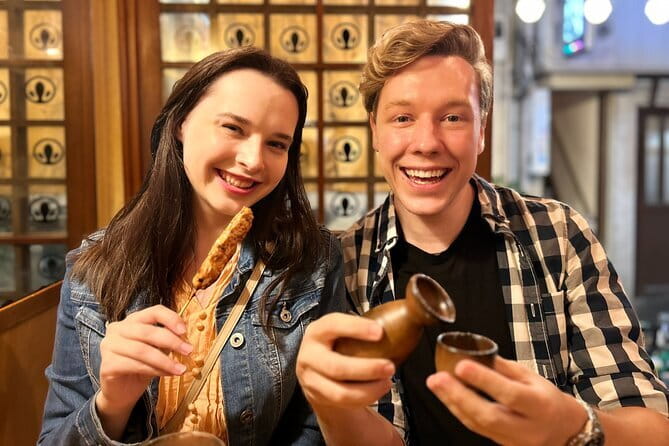
The experience is marketed with a ring-side seat, but the supplied conditions describe tatami seating that is assigned on a first-come, first-served basis. In practical terms, you may be close to the action, but you should not assume that you will receive the best position in the room.
Arriving on time gives you the best chance of a favorable seat. Later arrivals may sit farther from the front. Group size can also affect the setup. If more people join than expected, the group may be divided and assigned to different stables.
Even from the back, the practice remains visible, but your view may be less direct. One account described standing from the back row without anyone objecting, though you should not count on that. Follow the guide and stable instructions rather than copying what someone else does.
This is one reason the small-group format matters. With a maximum of 10 people, the guide can answer questions more easily and the audience is less likely to crowd the room. On some days, several groups may be present, so the total number inside a stable can be higher than the tour’s stated group size.
The photo session and its important limit

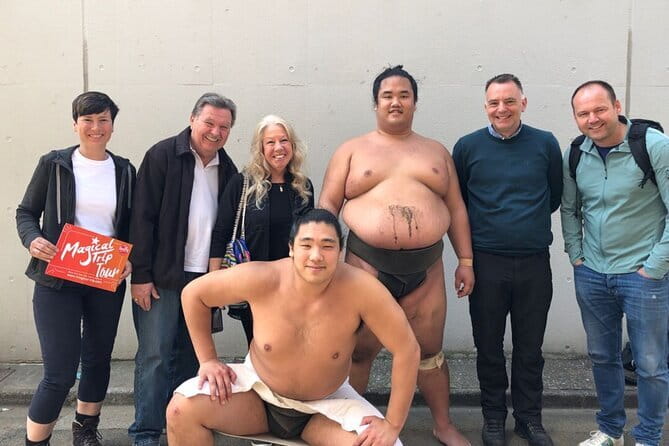
A photo session with sumo wrestlers is included in the tour description, and it can be a memorable way to mark the visit. It gives you a personal moment after watching the serious work of practice.
But photography is controlled by each stable. Depending on the day, taking photos of the wrestlers or posing with them may not be allowed. That means you should treat the photo opportunity as a possibility, not a guarantee.
This rule is not a minor detail. The stable’s training schedule, the wrestlers’ condition, and other commitments can affect what is permitted. If a photo is your main reason for booking, this tour carries some risk. If you are booking to watch authentic practice, the photo session is a welcome extra.
Keep your phone or camera ready only when the guide says it is appropriate. Never assume that a familiar tourist-photo routine applies inside the stable. Respect for the setting comes first.
A few more Tokyo tours and experiences worth a look




Kiyosumi Gardens: a gentle finish after the noise
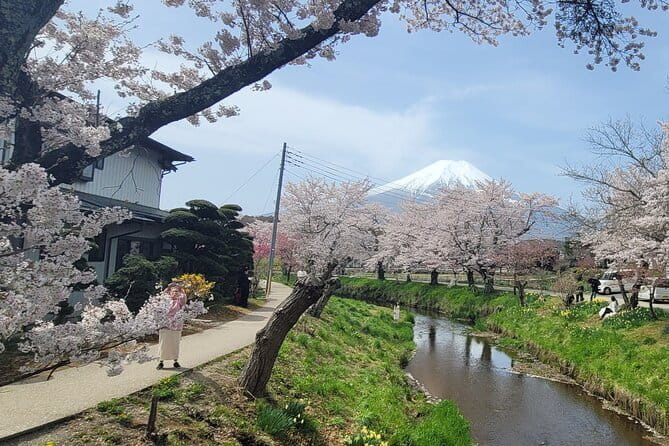
After the stable visit, the tour ends with about 30 minutes at Kiyosumi Gardens. This is a useful change of pace after the concentrated atmosphere of practice.
The garden provides time to cool down, gather your thoughts, and ask any final questions. It also keeps the experience from feeling like a quick walk from a station to a training room and back again. The visit remains short, but it gives the morning a calmer ending.
Do not think of this as a full garden tour. The main attraction is the sumo practice, and the gardens serve as the closing stop. If you want a long, slow garden visit, you may need to return on your own after the tour ends.
What the guide adds to the experience
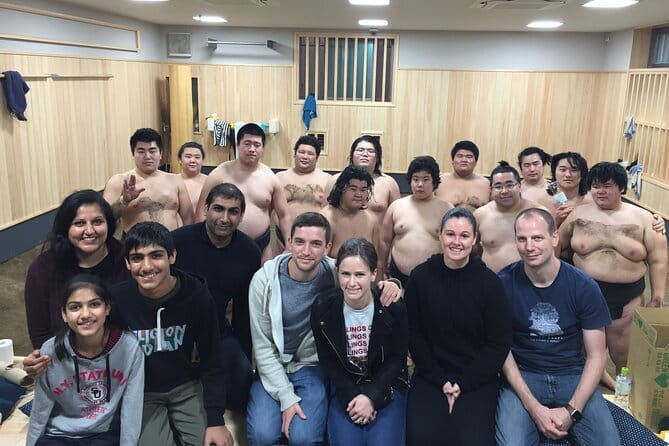
A guide makes a real difference here because sumo practice can be difficult to interpret without context. You may see a wrestler repeat the same movement several times, but a guide can explain what to watch for and answer questions afterward.
Marie is the guide name associated with the strongest comments about the experience. She has been praised for her passion, friendliness, and ability to help people understand the sport. That matters especially if you are visiting during a period with no tournament.
The guide also helps with the practical side of the stable. You receive directions from the meeting point, guidance on where to sit, and reminders about the stable’s rules. The visit is short, so clear instructions help you spend more of the time watching rather than wondering what happens next.
If you already know sumo well, the guide can still be useful. Ask about the training you are seeing, the stable’s routines, or basic rules that are easy to miss. If you know little about the sport, ask for a brief introduction before or after the practice.
Is $99.10 a fair price?
At $99.10 per person, this is not a cheap way to fill two hours in Tokyo. There is no separate entrance fee for the practice, so much of the price pays for access arrangements, the guide, the small-group format, and the unusual chance to enter a sumo stable.
I think the value is strongest for a sumo fan, a first-time visitor who wants a serious cultural experience, or someone whose Tokyo dates do not match a tournament. You are paying for access to a place that most people cannot simply visit on their own.
The value is weaker if you expect a guaranteed wrestler photo, a formal lesson in sumo, or a long tour of the stable. The practice is the central event, and the exact session can vary. You also need to accept the possibility of a shorter or longer visit if the stable adjusts its schedule.
The 99 percent recommendation rate and 4.9 rating from 93 ratings suggest a very strong level of satisfaction, but the conditions are still important. A high rating does not change the fact that seating, photography, and practice times are controlled by the stable.
Weather, age limits, and stable etiquette
Only people aged 12 and over can enter the stable. Children under 12 are not permitted inside, and participation can be denied without a refund if a younger child is found in the group.
Dress for the season. Tokyo summers can reach 40°C, while winter temperatures can fall to -5°C. The stable may not offer restroom access during practice, so plan accordingly and avoid clothing that makes sitting on tatami uncomfortable.
You may leave the stable before practice ends if necessary, but you cannot re-enter once you exit. That makes it wise to use the restroom first and bring only what you need.
The stable may cancel or alter practice at the last minute because of the wrestlers’ condition or tournament commitments. If the stable cancels, you receive a full refund. Practice length can also vary, so do not schedule an important appointment immediately afterward.
Free cancellation is available up to 24 hours before the start time. Changes made within 24 hours are not accepted, and the amount paid is not refunded for a late cancellation.
Who should book this sumo experience?
I would choose this tour if you want to see sumo as a demanding sport rooted in strict tradition. It suits adults, older children, sports fans, and curious first-time visitors who are comfortable sitting quietly and following rules.
It is especially useful when you are not in Tokyo during a tournament. You get the physical intensity of sumo without needing to plan around the official competition calendar.
I would hesitate if you mainly want a guaranteed photo, a hands-on activity, or a flexible morning. The tour has a fixed start, limited seating, no re-entry, and rules that can change the photo arrangements. It also may not suit anyone under 12.
FAQ
Where does the tour meet?
The meeting point is at 3-chōme-11-1 Kiyosumi, Koto City, Tokyo 135-0024, near Kiyosumi Shirakawa Station.
What time does the tour start?
The tour starts at 8:30 am. You must arrive on time because late arrivals cannot join, and missed tours are not refunded or rescheduled.
How long does the experience last?
The tour lasts about two hours. Around 90 minutes are spent watching sumo practice, followed by about 30 minutes at Kiyosumi Gardens. The exact length can change if the practice schedule changes.
How many people can join?
The tour has a maximum of 10 travelers. Depending on the number of participants, the group may be divided between different sumo stables.
Is the sumo practice included in the price?
Yes. There is no separate entrance fee for attending the morning practice.
Can children join the tour?
Only people aged 12 and over can enter the sumo stable. Children under 12 are not permitted inside.
Can I take photographs inside the stable?
Photography depends on the rules of the individual sumo stable. On some days, photos of the wrestlers or photos with them may not be allowed.
What happens if the stable cancels the practice?
The stable may cancel or change the practice schedule because of the wrestlers’ condition or tournament commitments. If the stable cancels, a full refund is issued.
More Morning in Tokyo
More Sumo Experiences in Tokyo

More tours in Tokyo we've reviewed












Sumo Experiences, compared.
 ★ 4.8Tokyo: Sumo Show Experience with Chicken Hot Pot and a PhotoFrom $1032 hours
 ★ 4.8Tokyo: Sumo Show and Dining ExperienceFrom $7990 minutes - 2 hours
 ★ 5.0the SUMO showFrom $89
 ★ 5.0Tokyo Sumo Entertainment Show with Chicken Hot Pot and PhotoFrom $106
 ★ 4.6Tokyo: Sumo Tournament Tour with Chair Seat TicketsFrom $141
 ★ 5.0Tokyo Grand Sumo Tournament Viewing Tour with TicketsFrom $124